

Step into the sophisticated world of classic cocktails with the legendary Vesper Martini. This iconic drink, a true masterpiece of simplicity and elegance, promises an unparalleled experience for both seasoned connoisseurs and cocktail newcomers alike. Requiring just three essential ingredients, the Vesper is not only remarkably easy to prepare but also carries a rich history, forever intertwined with the enigmatic James Bond. Whether you’re hosting an elegant soirée, enjoying a quiet happy hour at home, or simply looking to expand your cocktail repertoire, the Vesper Martini is an impeccable choice that never fails to impress. Its crisp, clean profile, balanced with aromatic botanicals and a subtle sweetness, makes it a timeless classic worthy of its fame.

My recent fascination with Lillet cocktails inevitably led me to rediscover the unparalleled charm of the Vesper. While my knowledge of James Bond’s cinematic adventures might be limited, my appreciation for a perfectly crafted Vesper runs deep. This particular concoction was famously commissioned by Agent 007 himself in Ian Fleming’s “Casino Royale” novel, lending it an air of mystery and glamour that few other drinks can claim. Bond’s precise instructions for its preparation have been debated and emulated for decades, turning a simple mix of spirits into a cultural phenomenon. It’s a cocktail that tells a story with every sip, transporting you to the high-stakes world of espionage and refined taste.
The beauty of the Vesper lies in its minimalistic approach. It eschews complex syrups or a lengthy list of obscure liqueurs, relying instead on the harmonious interplay of three carefully chosen spirits. This simplicity not only makes it incredibly accessible for home bartenders but also highlights the quality of each individual component. In the following sections, we’ll delve into the secrets behind creating this legendary drink, from selecting the finest ingredients to mastering the technique that defines its character. Get ready to elevate your cocktail game with this timeless classic.

The Iconic Origins: James Bond’s Signature Sip
The Vesper Martini holds a unique place in cocktail lore, not just as a delicious drink but as a character in itself. Its creation is famously attributed to James Bond in Ian Fleming’s 1953 novel, “Casino Royale.” In a memorable scene, Bond, ever the purist, gives precise instructions for his new drink: “Three measures of Gordon’s, one of vodka, half a measure of Kina Lillet. Shake it very well until it’s ice-cold, then add a large thin slice of lemon peel. Got it?” This meticulous order not only introduced the world to the Vesper but also etched Bond’s “shaken, not stirred” mantra into popular culture. The name itself, “Vesper,” was bestowed by Bond in honor of Vesper Lynd, the captivating double agent in the story, adding a layer of romantic tragedy and intrigue to its identity.
Fleming’s original recipe called for Kina Lillet, an aperitif wine with a more pronounced quinine bitterness than its modern successor, Lillet Blanc. Kina Lillet was discontinued in the 1980s, leading to a subtle evolution of the Vesper’s taste profile. Today’s Lillet Blanc offers a softer, fruitier, and less bitter alternative, making the modern Vesper a smoother, more approachable drink while still honoring its classic roots. Understanding this historical nuance allows for an appreciation of the Vesper’s enduring appeal and the subtle adaptations it has undergone over time.
Unveiling the Trio: The Simple Yet Potent Vesper Ingredients
The genius of the Vesper Martini lies in its elegant simplicity, requiring only three key ingredients. Each component plays a crucial role in creating the cocktail’s distinct character and balance. To achieve the best possible Vesper, choosing high-quality spirits is paramount.
Gin: The Aromatic Foundation
- Gin: The backbone of the Vesper. Bond specifically mentioned Gordon’s, a classic London Dry gin known for its juniper-forward profile. However, contemporary gins can also lend unique characteristics. For instance, I’ve been absolutely enamored with Malfy con Limone gin lately. Its delightful lemon notes provide a bright, zesty twist that perfectly complements the other ingredients, creating a remarkably fresh and vibrant Vesper. This isn’t a sponsored endorsement; it’s simply a genuine appreciation for how well this particular gin elevates the drink. When selecting your gin, consider whether you prefer a traditional juniper bomb or something with more citrus or floral undertones.
Vodka: The Smooth Operator
- Vodka: While gin provides the primary botanical flavor, vodka adds a layer of smooth, clean alcoholic strength without overpowering the gin’s complexity. Choosing a high-quality, neutral vodka is essential to ensure it complements rather than competes with the gin and Lillet. Opt for a vodka known for its purity and smoothness, as any harshness will be noticeable in this spirit-forward cocktail.
Lillet Blanc: The Essential Elixir
- Lillet Blanc: This French aperitif wine is the true secret ingredient that sets the Vesper apart from a standard gin or vodka martini. Lillet Blanc is a blend of Bordeaux wines and citrus liqueurs, offering delicate floral, fruity, and slightly bitter notes. It provides a subtle sweetness and an aromatic complexity that beautifully marries the gin and vodka. Its unique flavor profile is irreplaceable, giving the Vesper its signature nuanced character. Do not be tempted to substitute with dry vermouth, as the flavor profile will be vastly different.
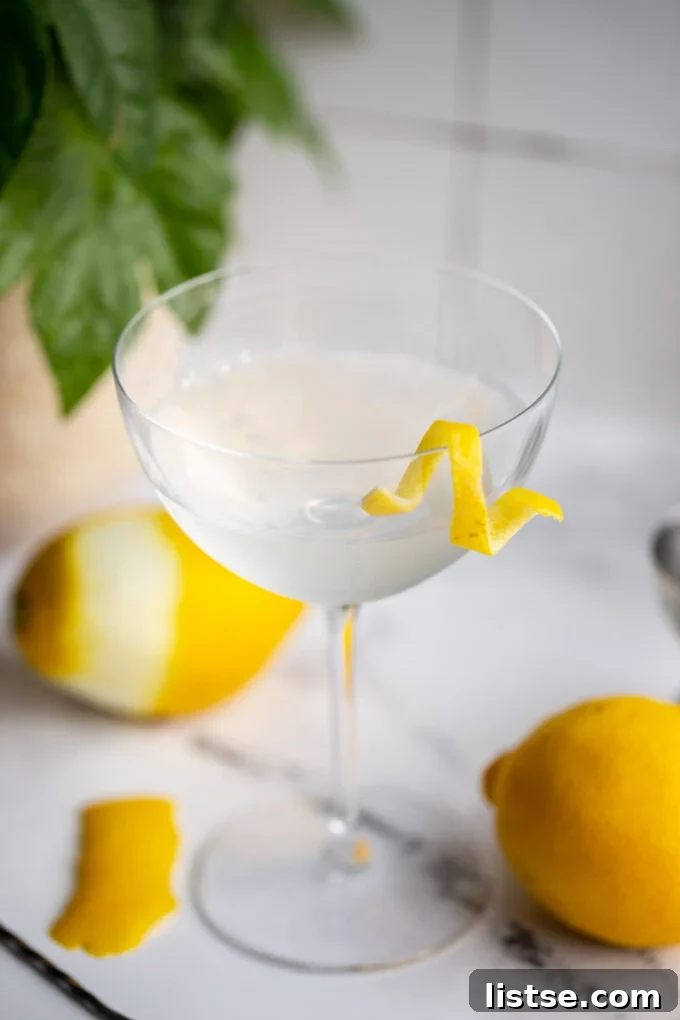
Crafting Your Vesper: A Step-by-Step Guide to Perfection
Creating a Vesper Martini is a ritual that balances precision with simplicity. Much like many of my favorite cocktail recipes, this one comes together with remarkable ease, making it perfect for both impromptu celebrations and planned entertaining. The key to its perfection lies in the quality of your ingredients and a proper chilling technique.
Essential Bar Tools for the Vesper
Before you begin, ensure you have the following tools at hand:
- Cocktail Shaker or Mixing Glass: While Bond preferred shaking, a mixing glass can also be used, particularly if you opt for the stirred method.
- Jigger: For precise measurement of spirits, crucial for balance.
- Strainer: A Hawthorne or Julep strainer to separate the liquid from the ice.
- Cocktail Glass: A chilled martini or coupe glass is traditional and ideal.
- Bar Spoon: If you choose to stir.
- Paring Knife or Channel Knife: For crafting the lemon twist garnish.
Step-by-Step Instructions:
- Chill Your Glassware: Begin by placing your cocktail glass (martini or coupe) in the freezer for at least 15-20 minutes, or fill it with ice water while you prepare your drink. A well-chilled glass is fundamental for maintaining the Vesper’s icy temperature.
- Measure with Precision: Using a jigger, carefully measure out your spirits: 3 ounces of gin, 1 ½ ounces of vodka, and 1 ounce of Lillet Blanc. Precision is key in this spirit-forward cocktail to maintain the perfect balance intended by Bond himself.
- Combine and Chill: Pour all measured ingredients into a cocktail shaker (for Bond’s method) or a mixing glass (for a stirred version) filled generously with fresh, high-quality ice. Ensure the ice is clean and not partially melted, as this will lead to over-dilution.
- Shake or Stir to Perfection:
- For Shaken: If following Bond’s original instruction, securely cap your shaker and shake vigorously for about 15-20 seconds. This method aerates the drink and chills it rapidly, resulting in a slightly cloudier appearance and a icier, frothier texture.
- For Stirred: If you prefer a smoother, clearer cocktail, stir the mixture gently but thoroughly for about 30 seconds with a bar spoon. Stirring chills the drink with less dilution and aeration, preserving its silky texture.
- Strain into Chilled Glass: Remove the ice from your pre-chilled cocktail glass. Place a strainer over the shaker or mixing glass and carefully strain the Vesper into the empty, cold glass.
- Garnish and Serve: Finish your Vesper with a beautiful lemon twist. Express the oils from the lemon peel over the drink by twisting it before placing it in the glass. This aromatic touch enhances the cocktail’s overall experience. Serve immediately and savor the moment!
And there you have it! A truly exquisite Vesper Martini, ready to be enjoyed. The unique contribution of Lillet Blanc is what truly elevates this cocktail, imparting a distinctive character that makes it incredibly special and unforgettable.

The “Shaken, Not Stirred” Conundrum: A Matter of Preference
Perhaps no phrase is more synonymous with James Bond and the world of cocktails than “shaken, not stirred.” This iconic directive, first uttered by Bond in “Casino Royale” when ordering his Vesper, has sparked endless debate among bartenders and enthusiasts alike. While Bond specifically called for his Vesper to be shaken, the classic martini, from which the Vesper derives, is traditionally stirred. This presents an intriguing choice for anyone crafting this legendary drink.
So, what’s the difference, and which method should you choose? Shaking a cocktail vigorously with ice not only chills the drink more rapidly but also introduces tiny air bubbles, resulting in a slightly cloudier appearance, a colder temperature, and a lighter, icier texture. This aeration can “bruise” gin in the eyes of some purists, muting its delicate botanical aromas and flavors. However, for a Vesper, Bond’s preference for shaking was quite intentional, likely aiming for maximum chill and a specific sensory experience that matched his bold character.
Stirring, on the other hand, yields a different outcome. When you stir a cocktail like a martini or Vesper, the liquids are chilled more gently, with less dilution and no aeration. This preserves the clarity and silky texture of the drink and allows the subtle nuances of the spirits, especially the complex botanicals of gin, to shine through more distinctly. Many classic cocktail aficionados believe that spirit-forward drinks should always be stirred to honor the integrity of the base spirits.
Ultimately, the choice between shaken and stirred for your Vesper Martini comes down to personal preference. If you want to honor James Bond’s exact specifications and experience the drink as he intended—super-chilled and perhaps with a slightly sharper, icier edge—then shaking is the way to go. If you prefer a smoother, clearer, and more spirit-forward expression that allows the delicate aromatics of your gin and Lillet to take center stage, then stirring might be your preferred method. My own experience, as you might gather from my video, often leans towards the stirred route, even for a Vesper. Experiment with both techniques and discover which version truly captivates your palate.
Tips for the Ultimate Vesper Martini
Crafting the perfect Vesper is an art that can be refined with a few simple tips:
- Quality Matters: Always invest in high-quality gin, vodka, and Lillet Blanc. The Vesper is a spirit-forward drink, so there’s nowhere for inferior ingredients to hide.
- Pre-Chill Everything: Beyond just the glass, consider chilling your gin and vodka bottles in the freezer for about an hour before mixing. The colder your starting ingredients, the less dilution you’ll get from the ice, resulting in a more potent and flavorful drink.
- Fresh, Solid Ice: Use large, fresh ice cubes. Small or wet ice will melt quickly, over-diluting your cocktail and making it watery.
- The Perfect Lemon Twist: A fresh lemon twist is non-negotiable. Use a sharp paring knife or a channel knife to cut a strip of peel, avoiding the bitter white pith. Twist it firmly over the drink to express its aromatic oils directly into the cocktail before dropping it in. These oils add a delightful citrus perfume that complements the spirits beautifully.
- Taste and Adjust: While Bond’s ratios are famous, feel free to slightly adjust the gin, vodka, or Lillet proportions to suit your personal taste. Some prefer a gin-heavier Vesper, others a bit more Lillet.
Vesper Variations & Customizations
While the classic Vesper is perfect as is, there’s always room for subtle experimentation:
- Lillet Substitutions: If Lillet Blanc is absolutely unavailable, some bartenders suggest Cocchi Americano as a substitute. While it shares some similar characteristics, it has a more pronounced bitter profile (closer to the original Kina Lillet), which will alter the drink’s sweetness and overall balance.
- Gin Play: Experiment with different types of gin. A Plymouth gin will offer an earthier, softer profile, while a Navy Strength gin will make for a bolder, more potent Vesper.
- Garnish Alternatives: While a lemon twist is traditional, a delicate orange twist can also complement the citrus notes of Lillet Blanc. Some adventurous palates might even try a single olive, though this deviates significantly from Bond’s original vision.
Serving Suggestions and Food Pairings
The Vesper Martini is more than just a drink; it’s an experience. It’s ideally served as an aperitif, stimulating the palate before a meal. Its crisp, clean, and slightly dry profile makes it a fantastic companion for a variety of elegant appetizers. Consider pairing your Vesper with:
- Olives: High-quality green olives, particularly Castelvetrano or Spanish Manzanilla, offer a briny contrast.
- Salted Nuts: Almonds or cashews, lightly salted, provide a satisfying crunch.
- Seafood Appetizers: Oysters, shrimp cocktail, or smoked salmon blinis would be exquisite complements, as the Vesper’s clean profile cuts through richer flavors beautifully.
- Charcuterie: Light, delicate cured meats and a selection of mild cheeses can also pair wonderfully.
This cocktail is perfect for sophisticated cocktail parties, intimate gatherings, or as a celebratory drink to mark a special occasion. Its elegance ensures it will always be the star of the show.
Frequently Asked Questions About the Vesper Cocktail
What is the difference between a Vesper and a Martini?
The primary difference lies in their ingredients. A classic Martini is typically made with either gin or vodka and dry vermouth, usually garnished with an olive or lemon twist. The Vesper Martini, on the other hand, uses both gin AND vodka, along with Lillet Blanc instead of traditional dry vermouth. This combination gives the Vesper a unique flavor profile that is distinct from a standard martini.
Can I use dry vermouth instead of Lillet Blanc?
While you technically “can” substitute, it’s not recommended if you want an authentic Vesper. Dry vermouth has a significantly different flavor profile than Lillet Blanc. Lillet Blanc is an aperitif wine with sweeter, more floral, and citrus notes, whereas dry vermouth is drier and often more herbaceous. Using dry vermouth would result in a drink that tastes more like a classic gin and vodka martini rather than a true Vesper.
What type of gin is best for a Vesper?
James Bond specified Gordon’s, a classic juniper-forward London Dry gin. Many purists still prefer a robust London Dry. However, contemporary gins with a slight citrus emphasis, like Malfy con Limone, can also create a fantastic Vesper by adding a bright, zesty dimension. The “best” gin ultimately comes down to personal preference, but ensure it’s a quality gin that you enjoy on its own.
Why is it called a Vesper?
The cocktail was named by James Bond himself in Ian Fleming’s “Casino Royale” novel, in honor of Vesper Lynd, a captivating double agent with whom Bond has a complex relationship. The name adds a layer of romantic and mysterious lore to the drink.
How do I make a perfect lemon twist?
Using a sharp paring knife or a channel knife, carefully peel a strip of lemon zest, avoiding as much of the bitter white pith as possible. For a professional look, trim the ends to make it neat. Before dropping it into the drink, twist the peel firmly over the glass to express the aromatic oils onto the surface of the cocktail. This adds a crucial layer of fragrance to the Vesper.
The Vesper Martini is more than just a drink; it’s a legacy. It embodies elegance, power, and a touch of intrigue, all distilled into a crystal-clear glass. Its simple yet potent combination of gin, vodka, and Lillet Blanc, combined with its iconic origin story, ensures its place as one of the most celebrated cocktails in history. Whether you adhere strictly to Bond’s “shaken, not stirred” decree or choose your own path, mastering the Vesper is a rewarding endeavor that promises sophisticated enjoyment. So, gather your high-quality ingredients, chill your glassware, and prepare to embark on a truly classic cocktail adventure. Cheers to the Vesper – a timeless sip for the discerning palate!