
A-Z of Culinary Delights: Over 20 Irresistible Foods That Start With ‘A’
Embark on a culinary journey through the alphabet, starting with the letter ‘A’! From exotic fruits and savory seafood to foundational ingredients and delectable desserts, the world of food offers an incredible array of flavors, textures, and aromas. This comprehensive guide introduces you to over two dozen fascinating foods that begin with ‘A’, perfect for expanding your gastronomic vocabulary, planning themed meals, or simply satisfying your curiosity. Get ready to discover new favorites and appreciate the diversity on your plate!
Unlocking the Flavors of ‘A’: A Diverse Pantry
The foods that start with ‘A’ represent a truly global spectrum of cuisine. We’ll explore items from the ocean depths, fertile lands, and even classic dishes born in bustling kitchens. Each entry not only identifies the food but delves into its unique characteristics, flavor profile, common culinary uses, and often, a touch of its origin or nutritional benefits. Prepare to be amazed by the rich variety!
The Ultimate List of Foods Starting with ‘A’
- Abalone
- Acai Berry
- Acorn Squash
- Adobo
- Agave
- Aioli
- Alfalfa Sprouts
- Alfredo Sauce
- Allspice
- Almonds
- Ambrosia
- Americano
- Anchovies
- Angel Food Cake
- Anise
- Apple
- Apricot
- Artichoke
- Arugula
- Asiago Cheese
- Asparagus
- Avocado
Abalone refers to several species of large, edible sea snails found in coastal waters worldwide, particularly prized in Asian and Californian cuisines. These magnificent marine gastropods are known for their firm, chewy texture and distinct rich, buttery, and subtly salty flavor, often with a hint of sweetness. Considered a delicacy, abalone can be enjoyed raw as sashimi, grilled, stir-fried, or stewed, often commanding a high price due to their slow growth and harvesting difficulties. They are a significant source of protein and essential minerals.
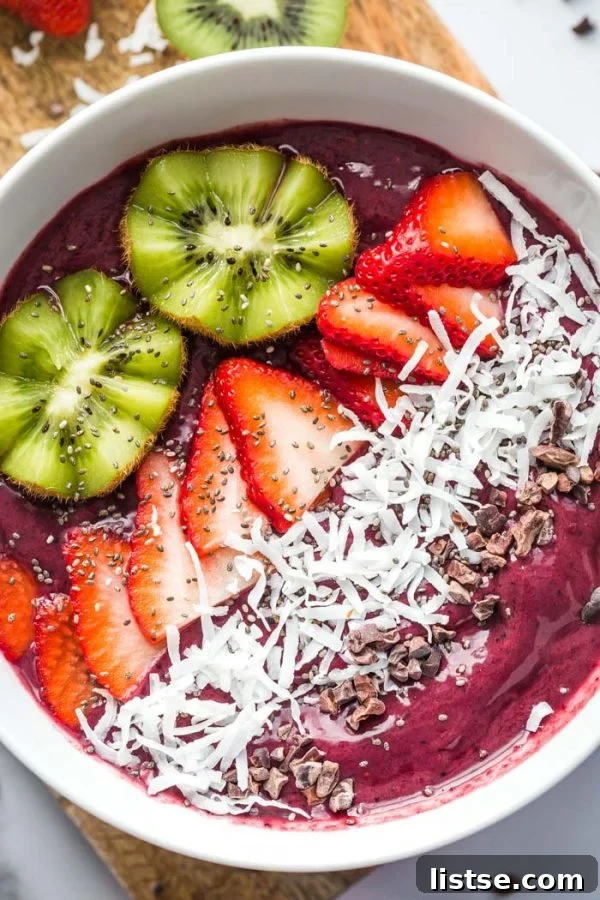
Hailing from the Amazon rainforests of Central and South America, acai berries are small, reddish-purple fruits celebrated for their incredible antioxidant properties and unique taste. Often dubbed a “superfood,” acai’s flavor is complex – an earthy blend reminiscent of blackberries and unsweetened chocolate, sometimes with notes of nuts. These berries are typically consumed as a purée in smoothie bowls, juices, or supplements, rarely eaten whole due to their large seed. Rich in vitamin C, healthy fats, and fiber, acai berries provide a significant nutritional boost.
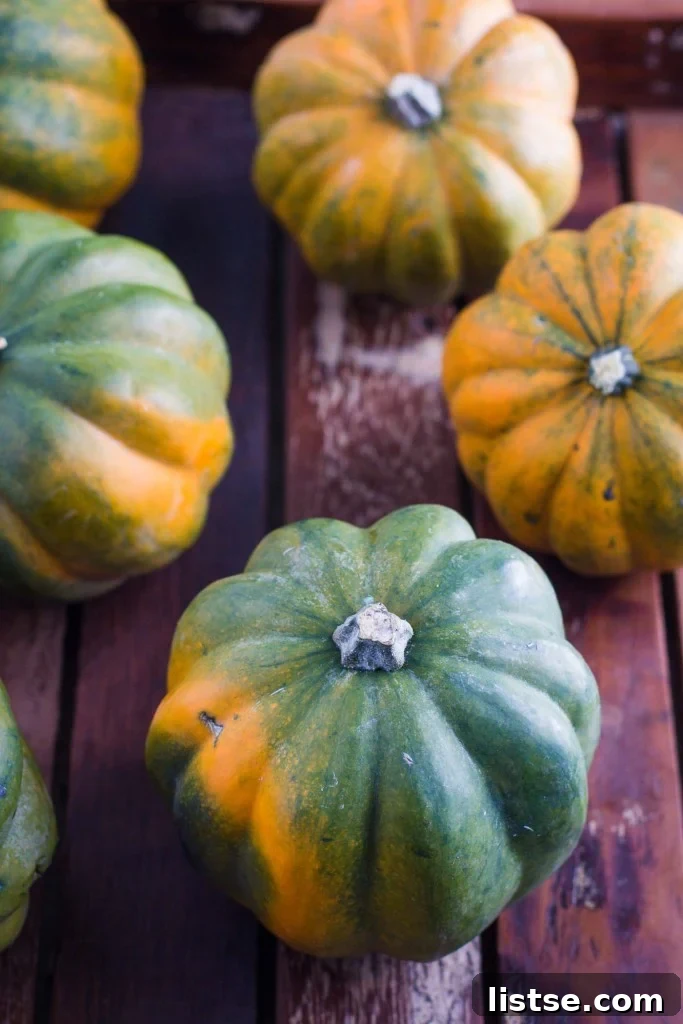
Acorn squash is a distinctive winter squash, easily recognized by its ribbed, acorn-like shape and dark green, sometimes mottled, skin. Inside, its golden-orange flesh becomes tender and sweet when cooked, offering a delightful nutty flavor. This versatility makes it ideal for both sweet and savory applications. It’s often roasted or baked, halved and stuffed with ingredients like grains, vegetables, or meats. A touch of brown sugar, maple syrup, or honey can further enhance its natural sweetness, making it a beloved autumnal staple. Acorn squash is a good source of vitamins A and C, as well as dietary fiber.
Adobo refers to a popular cooking process and distinct flavor profile deeply ingrained in Filipino cuisine, often considered the national dish of the Philippines. Historically, it was a method of preserving meat using vinegar, salt, and garlic. Today, a typical adobo sauce features a harmonious blend of soy sauce, vinegar, garlic, bay leaves, and black peppercorns, creating a tangy, salty, and savory marinade. While often associated with chicken or pork, adobo can be prepared with various meats, seafood, or vegetables, resulting in a rich, deeply flavored, and comforting stew. The name “adobo” was given by Spanish colonizers who observed the indigenous cooking method and noted its similarity to their own marinades.
The agave plant is a succulent native to the arid regions of the Americas, known for its rosette of fleshy leaves. While famously used to produce tequila, the plant’s sap is also harvested to create agave syrup, a natural sweetener. Agave syrup is considerably sweeter than sugar and has a thinner consistency, making it a popular alternative in various dishes, desserts, and beverages. It dissolves easily and offers a neutral flavor, allowing the characteristics of other ingredients to shine. Agave is also used in some traditional medicines.
Aioli is a rich, creamy sauce originating from the Mediterranean, particularly prominent in Provence, France, and parts of Spain. Its name literally translates to “garlic and oil.” Traditionally, it’s a simple emulsion made by crushing garlic with salt into a paste, then slowly whisking in olive oil until thick and creamy. While purists insist on this two-ingredient base, many modern versions, especially in America, incorporate egg yolks to stabilize the emulsion, making it resemble mayonnaise but with a much stronger, pungent garlic flavor. Aioli is a versatile condiment, perfect as a dip for vegetables, seafood, or fries, and a delicious spread for sandwiches.
Alfalfa sprouts are the delicate, crunchy shoots of the alfalfa plant, harvested at a very young stage. While the mature plant is generally bitter and used as forage, the immature sprouts offer a mild, slightly nutty, and fresh flavor with a crisp texture. They are a common addition to sandwiches, salads, and wraps, providing a boost of nutrients like vitamins K and C, and folate. However, due to their moist growing conditions, alfalfa sprouts, like other raw sprouts, have been associated with a higher risk of carrying bacteria such as E. coli or Salmonella, necessitating careful handling and sourcing.
Alfredo sauce is a classic Italian sauce, globally famous for its rich, velvety texture and decadent flavor. It originated in Rome, where chef Alfredo di Lelio reportedly created it for his pregnant wife. The authentic Roman Alfredo sauce is remarkably simple, combining just three ingredients: butter, Parmigiano-Reggiano cheese, and often a splash of pasta water to emulsify. In American variations, heavy cream is frequently added to achieve an even creamier consistency. This luxurious sauce is most famously served with fettuccine pasta, creating the iconic Fettuccine Alfredo, and pairs wonderfully with grilled chicken, shrimp, or vegetables, making it a beloved entrée.
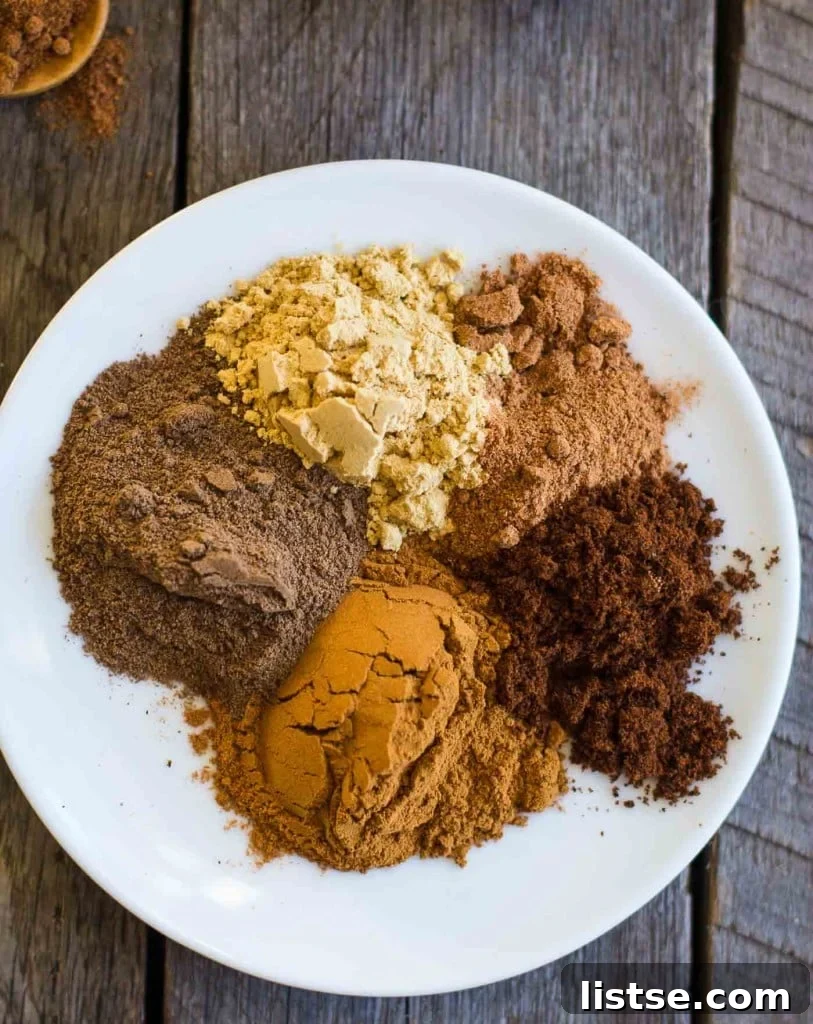
Despite its name, allspice is a single spice, not a blend, derived from the dried, unripe berries of the Pimenta dioica plant, native to the Greater Antilles and Central America. Its name accurately reflects its complex flavor profile, which uniquely combines notes of cinnamon, cloves, nutmeg, and a hint of black pepper. This aromatic spice is a staple in numerous global cuisines, particularly Caribbean (e.g., jerk seasoning), Middle Eastern, and Latin American dishes, as well as in European baked goods and preserves. It adds warmth and depth to both savory recipes like stews and curries, and sweet treats like pumpkin pie and fruitcakes.
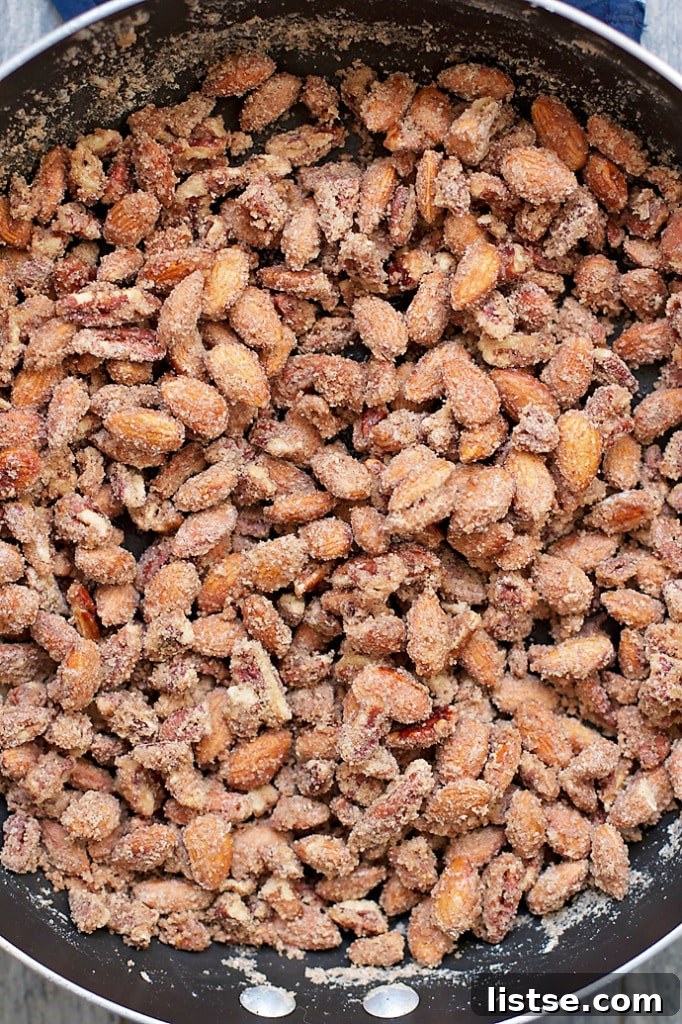
Almonds are the edible seeds of the almond tree, a deciduous tree native to the Middle East and South Asia. These versatile “nuts” are renowned for their nutritional benefits, being rich in healthy fats, protein, fiber, vitamin E, and magnesium. Almonds are enjoyed in countless ways: raw, roasted, blanched, slivered, flaked, or ground into flour or butter. While most commercially available almonds are of the sweet variety, a bitter variety also exists, which contains amygdalin and can be toxic if consumed in large quantities without proper processing. Sweet almonds offer a subtly creamy, slightly bitter, yet overall pleasant flavor, making them a popular snack and ingredient in both sweet and savory dishes.
Ambrosia is a classic American fruit salad, particularly popular in the Southern United States during holidays and potlucks. Its name, meaning “food of the gods” in Greek mythology, reflects its perceived deliciousness. This festive dish typically combines canned or fresh fruit (pineapple, mandarin oranges, maraschino cherries), miniature marshmallows, and shredded coconut, all tossed in a creamy dressing often made with sour cream, whipped cream, or yogurt. Sometimes, nuts like pecans or walnuts are added for extra crunch. Ambrosia offers a delightful medley of sweet, tangy, and creamy textures, making it a beloved nostalgic dessert.
An Americano is a popular coffee drink made by diluting a shot (or multiple shots) of espresso with hot water. Legend has it that American soldiers stationed in Italy during WWII found straight espresso too strong and requested it be watered down, thus giving birth to the Americano. This preparation method results in a beverage similar in strength to regular drip coffee but retains the distinct, rich, complex flavor of espresso without the intensity. The beauty of an Americano lies in its simplicity and customizable nature; the strength can be adjusted by varying the number of espresso shots and the amount of hot water, and it can be served hot or iced, with or without milk and sugar.
Anchovies are small, saltwater forage fish primarily known for their intense, salty, and umami-rich flavor. Often packed in oil, salt-cured, or turned into a paste, anchovies are a powerful flavor enhancer in many cuisines, particularly Mediterranean and Southeast Asian. They can be eaten plain on crackers, added to pizzas, or, most commonly, used to create depth in sauces, dressings (like Caesar dressing), and stews, often dissolving completely into the dish to leave behind a savory essence rather than a distinct fishy taste. They differ from sardines mainly in their appearance, having reddish-gray flesh and a more pointed snout, and are generally smaller and more intensely flavored than sardines.
Angel food cake is a light, airy, and delicately sweet sponge cake, celebrated for its cloud-like texture and pure white color. Its unique consistency comes from using only egg whites, sugar, and flour, typically stabilized with cream of tartar, and baked without any leavening agents like baking powder or soda. The cake’s fat-free nature and airy structure make it a perfect canvas for fresh fruit, berries, or a dollop of whipped cream, creating a refreshing and elegant dessert. It’s traditionally baked in a tube pan and cooled upside down to prevent it from collapsing, ensuring its signature lofty height.
Anise, often referred to as aniseed, is a spice derived from the dried seeds of the Pimpinella anisum plant, indigenous to the eastern Mediterranean region and Southwest Asia. It is instantly recognizable by its strong, aromatic flavor, which is strikingly similar to licorice, fennel, and star anise. Anise seeds are widely used in both sweet and savory culinary applications around the world, from flavoring baked goods and confectioneries to enhancing liqueurs (like ouzo, sambuca, and absinthe) and certain savory dishes. Its distinctive taste can be polarizing, but for those who enjoy its unique pungency, it adds a warm, sweet, and aromatic depth.
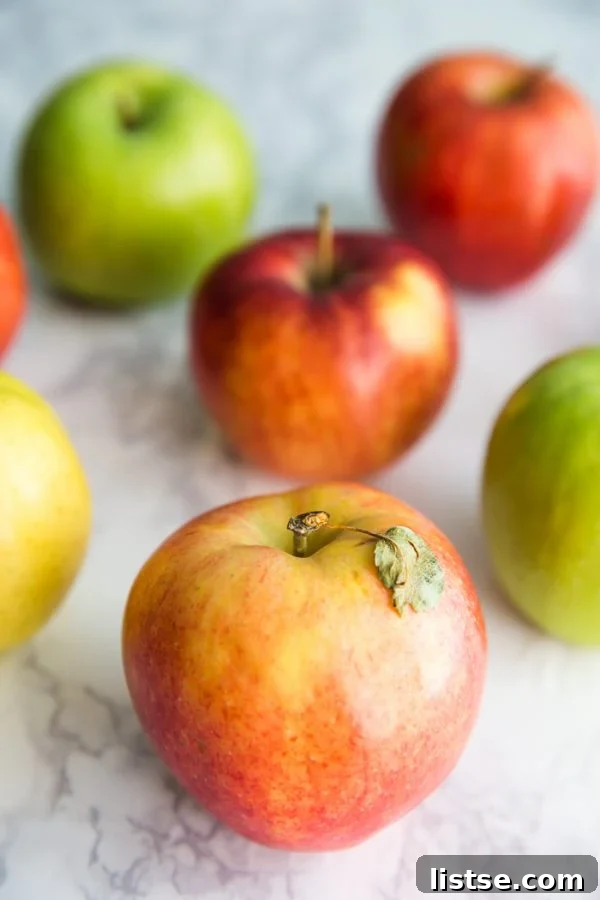
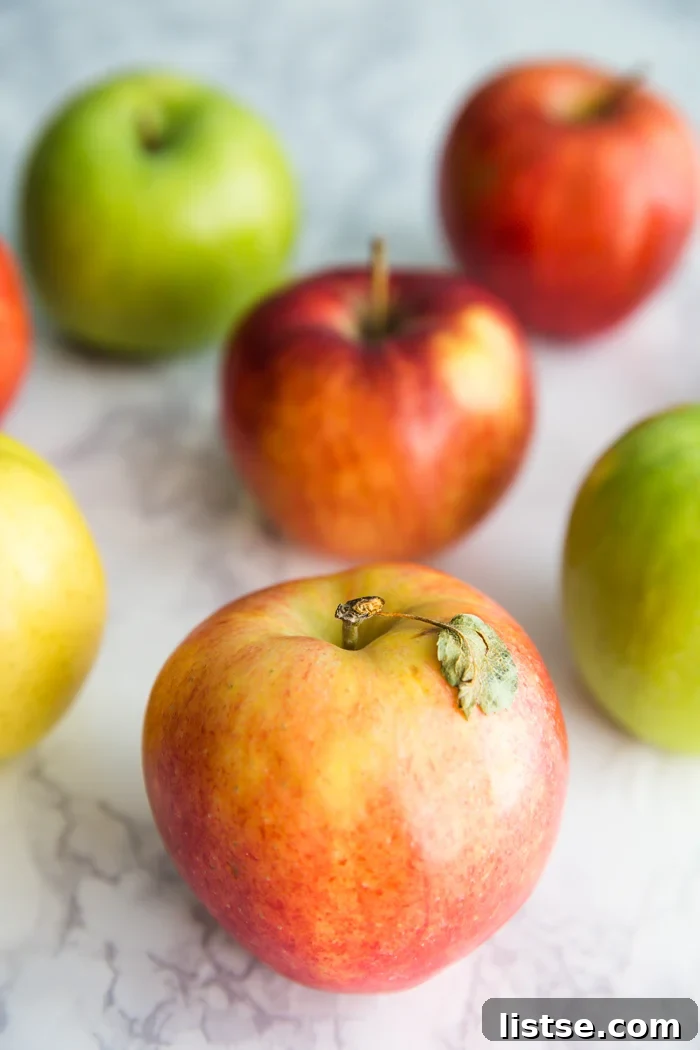
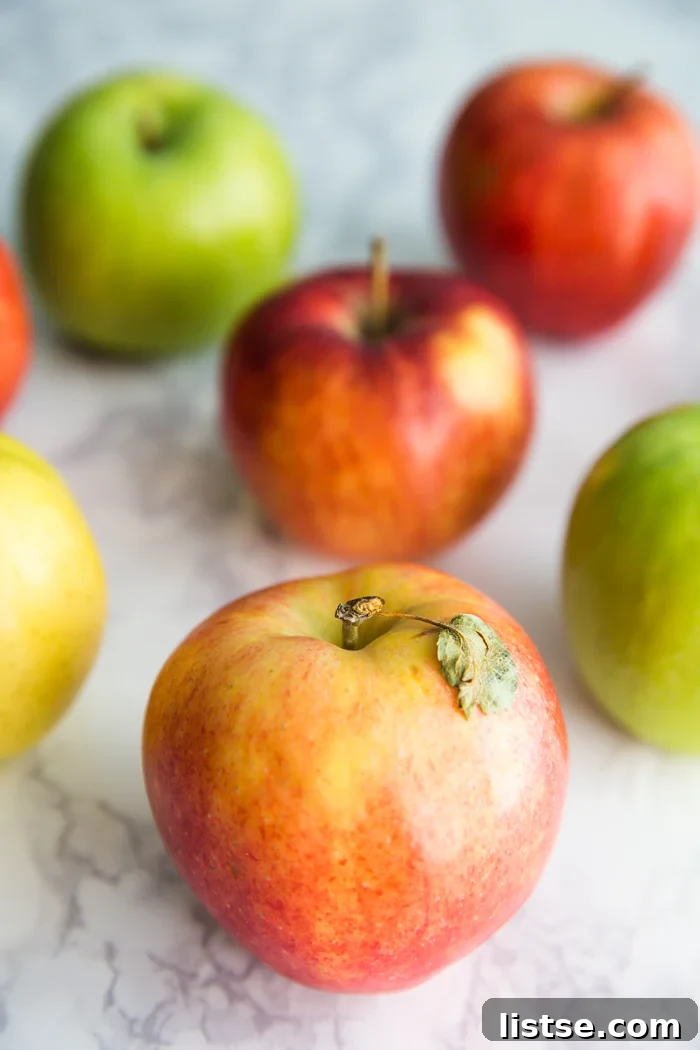
The apple, an edible fruit produced by the apple tree, is one of the most widely cultivated and consumed fruits globally. With over 7,500 known varieties, apples display an astonishing range of flavors, textures, and colors. From crisp and sweet Honeycrisp to tart Granny Smith, and from juicy Pink Lady to mildly sweet Red Delicious, there’s an apple for every palate and purpose. Apples are incredibly versatile, enjoyed fresh, baked into pies and crumbles, pressed into juice or cider, or cooked into sauces and preserves. Rich in fiber, vitamin C, and various antioxidants, apples are not just delicious but also contribute significantly to a healthy diet, famously keeping the doctor away!
Apricots are small, stone fruits with a velvety skin, often displaying a beautiful golden-orange hue, originating from Central Asia. They offer a delicate balance of sweetness and tartness, making them distinct from their larger cousin, the peach, being generally less juicy but equally flavorful. Each apricot contains a single, large pit or seed. Apricots can be savored fresh off the tree, dried for a chewy snack, or incorporated into a myriad of dishes, from sweet jams, tarts, and cakes to savory tagines and glazes for meats. They are a good source of vitamins A and C, as well as potassium, making them both delicious and nutritious.
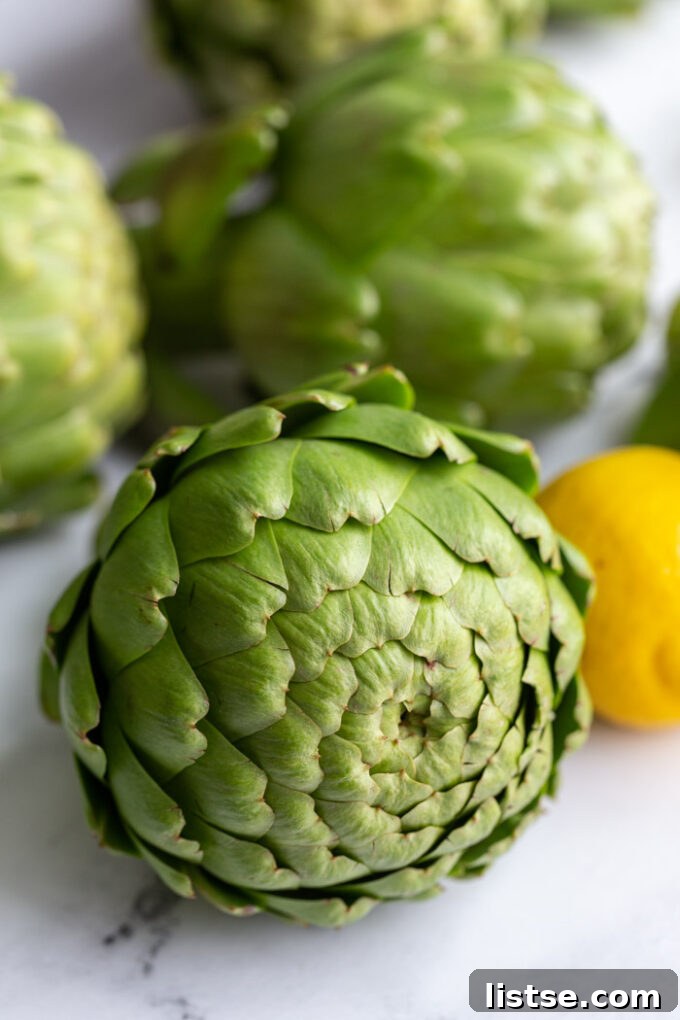
The artichoke is a unique and intriguing vegetable, actually the edible flower bud of a thistle plant, cultivated primarily in the Mediterranean region. It is harvested before the bud fully blooms. The edible parts are the fleshy base of the outer leaves (bracts) and the tender inner “heart,” after removing the fibrous “choke.” Artichokes possess a distinctive earthy, slightly nutty, and subtly sweet flavor, often compared to asparagus or Brussels sprouts. They can be steamed, boiled, grilled, roasted, or fried. Jarred or canned artichoke hearts are also popular for adding to salads, pizzas, pasta dishes, or dips, offering convenience without sacrificing much flavor.
Arugula, also known as rocket or roquette, is a distinctive leafy green vegetable valued for its bold, peppery, slightly bitter, and earthy flavor. Native to the Mediterranean region, it has become a popular ingredient in salads, sandwiches, and as a garnish worldwide. Its pungent taste adds a sophisticated kick to various dishes and is often paired with stronger flavors like parmesan cheese, balsamic vinegar, or lemon. Beyond fresh applications, arugula can be lightly wilted into pasta dishes, stir-fries, or pestos, where its peppery notes mellow slightly while still contributing significant character. It’s a nutritious green, rich in vitamins K and A, and folate.
Asiago is an Italian cow’s milk cheese originating from the Asiago plateau in the Veneto region. Its characteristics vary significantly depending on its age. Fresh Asiago (Asiago Pressato) is semi-soft, with a smooth texture and a delicate, milky, buttery flavor, making it excellent for melting or slicing. Aged Asiago (Asiago d’Allevo), on the other hand, is firm, crumbly, and boasts a strong, pungent, nutty flavor that intensifies with age. This bolder version is ideal for grating over pasta, soups, or salads, much like Parmesan. Its distinct character means it often shines best as the sole cheese in a dish but can also complement other strong cheeses.
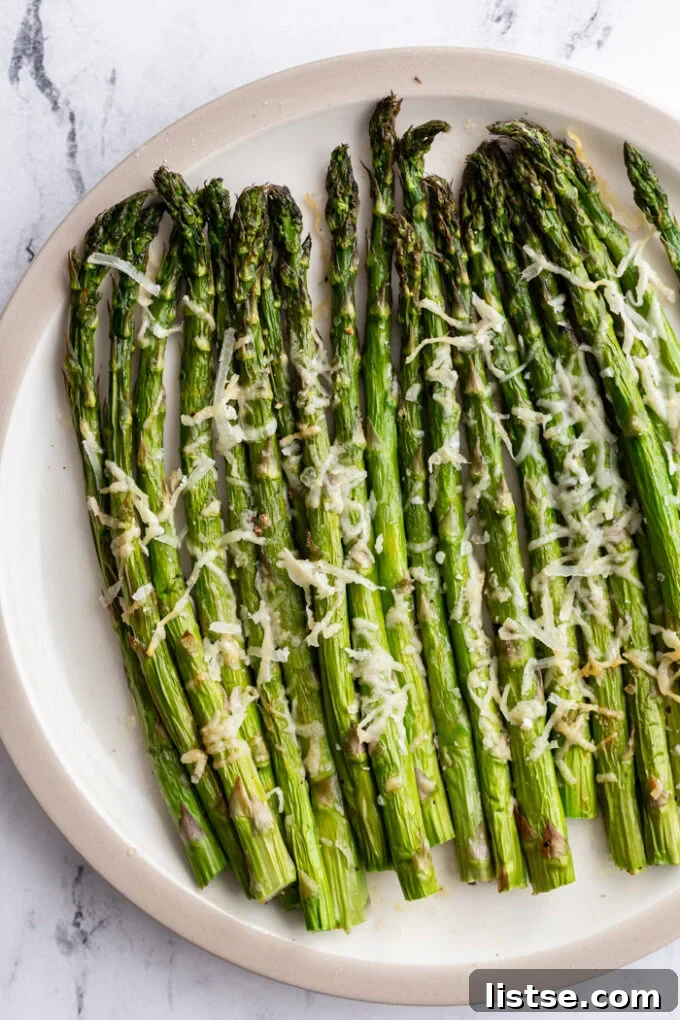
Asparagus is a highly anticipated spring vegetable, characterized by its long, tender, and succulent shoots. While green asparagus is the most common, white (grown without sunlight) and purple varieties also exist, each with subtle flavor differences. This versatile vegetable offers a distinct earthy, slightly bitter, and subtly sweet flavor that can range from mild to robust. Asparagus can be prepared in numerous ways: steamed, boiled, roasted, grilled, stir-fried, or even enjoyed raw in salads. It’s not only delicious but also incredibly nutritious, packed with vitamins K, A, and C, as well as folate and antioxidants, making it a healthy and flavorful addition to any meal.
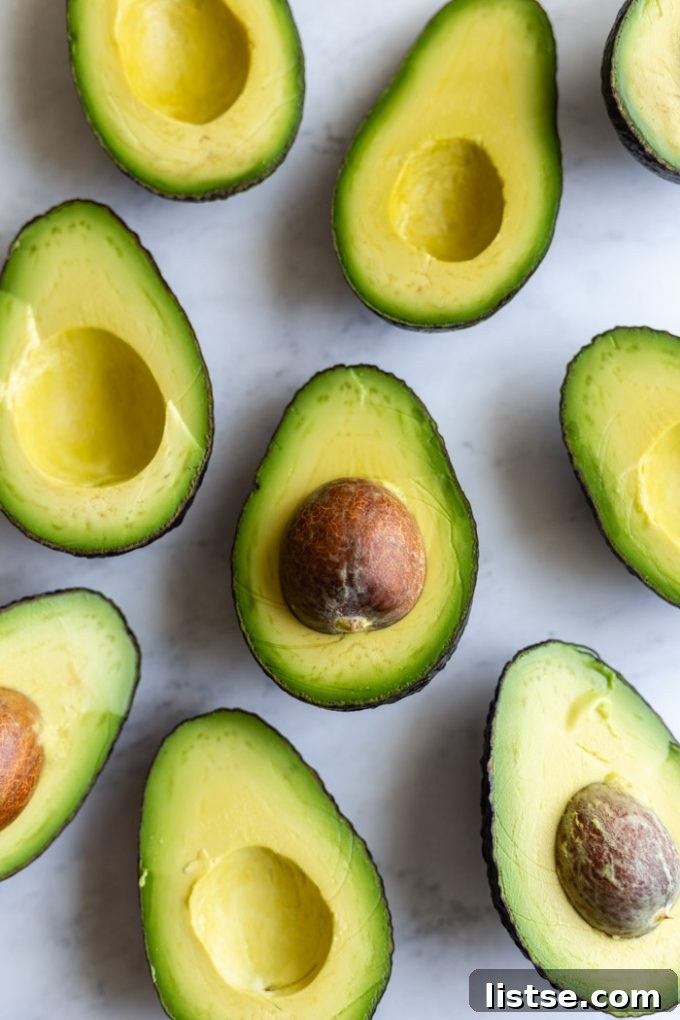
Often perceived as a vegetable, the avocado is botanically classified as a large berry from the Lauraceae family, native to South Central Mexico. Known for its dark green, pebbly skin and creamy, greenish-yellow flesh surrounding a large central pit, avocados have a uniquely rich, buttery texture and a mild, slightly nutty flavor. They are celebrated worldwide for their impressive nutritional profile, particularly their high content of healthy monounsaturated fats, fiber, potassium, and vitamins K, C, E, and B-6. Avocados are incredibly versatile, used in savory dishes like guacamole, salads, and toast, as well as surprisingly in some sweet applications, making them a staple in many health-conscious diets.
And there you have it – a delightful exploration of foods starting with the letter ‘A’! From the exotic allure of Abalone and Acai to the comforting familiarity of Apples and Asparagus, this list showcases just how rich and diverse the culinary world truly is. We hope this comprehensive guide inspires you to try new ingredients, experiment with flavors, and deepen your appreciation for the incredible bounty of our planet. Happy cooking and eating!