
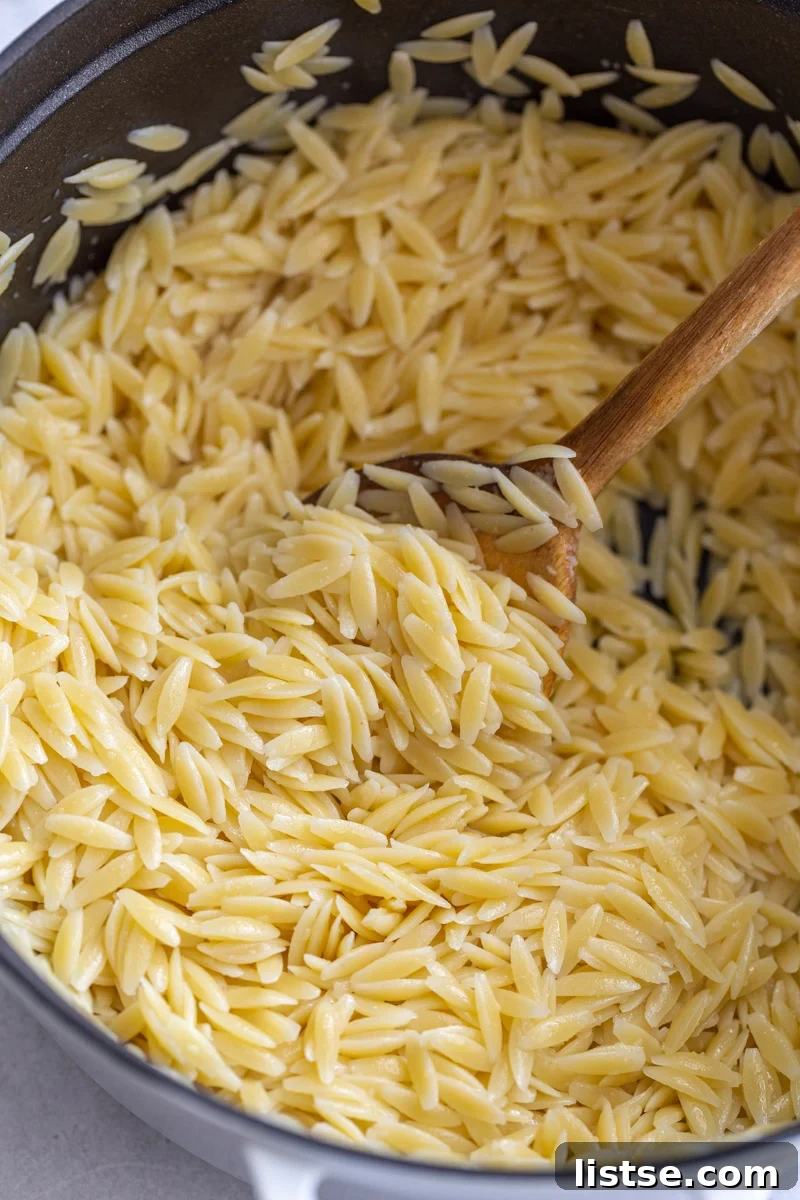
Learn how to cook orzo in this easy recipe and unlock its incredible versatility! Orzo pasta is a delightful, small pasta that captivatingly resembles a grain of rice, yet offers all the comfort and charm of traditional pasta. Its petite size and neutral flavor make it exceptionally adaptable, allowing you to season it in countless ways to complement any dish. Whether you’re seeking a simple, elegant side dish, an enriching addition to your favorite salads or soups, or the perfect base for a hearty pasta-based casserole, orzo is an ingredient that truly shines.
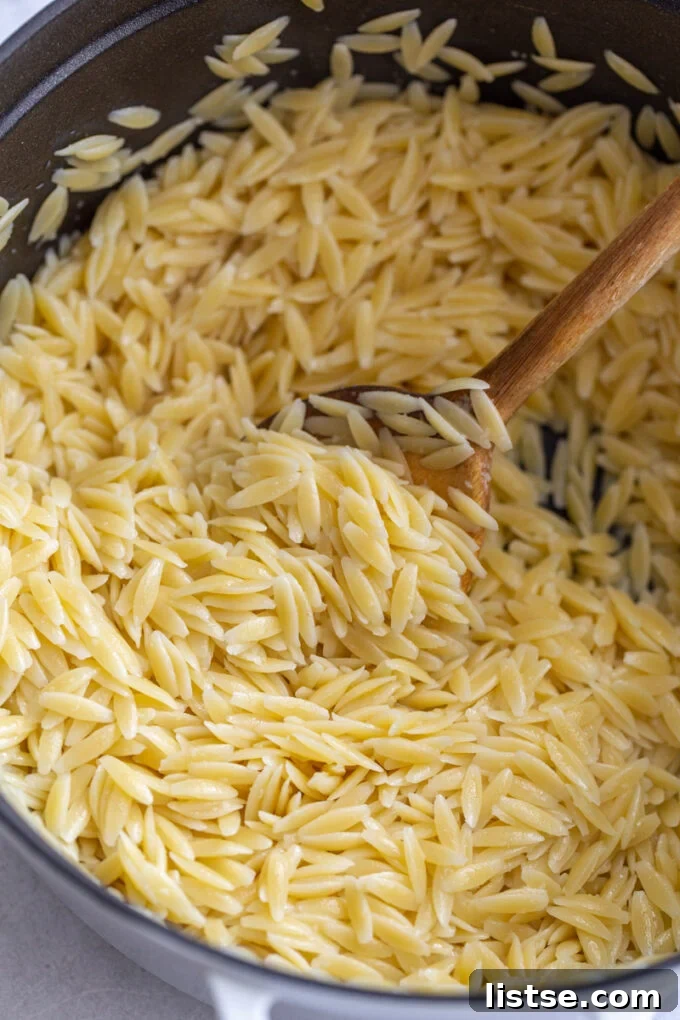
Orzo has rapidly become a staple in many kitchens, and for good reason. Its affordability, coupled with its remarkable ease of preparation, makes it a go-to option for busy weeknights and special occasions alike. From vibrant Orzo Pasta Salads that are guaranteed crowd-pleasers to warm, comforting bowls of soup, orzo’s versatility knows no bounds. You can serve it warm, fresh from the pot, or chilled, making it ideal for meal prep. The texture of perfectly cooked orzo is simply incredible – tender, smooth, and delightfully satisfying, serving as an exquisite canvas for a myriad of flavors. Beyond salads, it’s a fantastic component for enriching soups, stews, and casseroles, adding a subtle heartiness without overpowering other ingredients.
What is Orzo Pasta? Discover This Tiny Grain-Shaped Delight
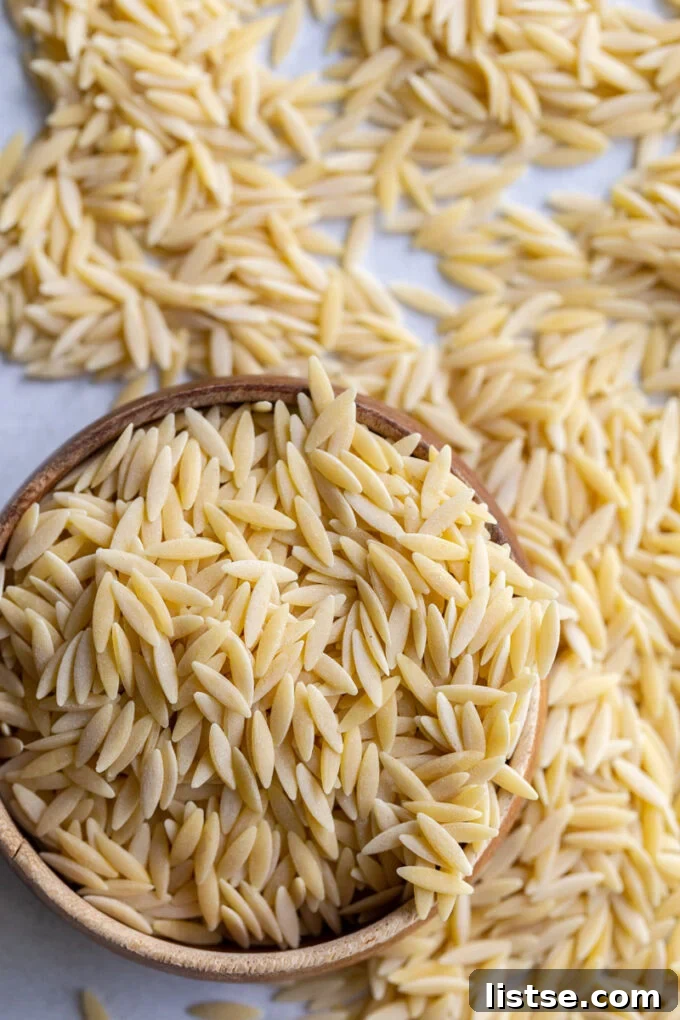
Orzo is a unique variety of pasta, characterized by its small, flat, and oval shape that strikingly resembles a grain of rice, though typically a tad larger. Hailing from Italy, its name literally translates to “barley” in Italian, a nod to its visual likeness to the grain. Despite its appearance, orzo is 100% pasta, usually made from durum wheat semolina. This distinguishing shape allows it to integrate seamlessly into dishes where larger pasta shapes might feel out of place, such as light broths or delicate salads.
Finding orzo in your local grocery store is usually a breeze; it’s conveniently located in the pasta aisle alongside other dried pasta varieties. Its preparation method is as straightforward as any other pasta – simply boiled in a pot of generously salted water until it reaches your desired tenderness, then drained. What sets orzo apart is its incredibly quick cooking time, making it an ideal choice for fast and flavorful meals. It’s incredibly easy to incorporate into virtually any pasta dish, behaving much like rice or other small grains in terms of culinary application, yet offering that distinct pasta texture and mouthfeel. If orzo is a new ingredient in your culinary repertoire, we highly encourage you to try it – it might just become your next favorite pantry essential!
Why Orzo Deserves a Spot in Your Pantry
The culinary world is full of incredible ingredients, but orzo pasta truly stands out for its unique blend of qualities that make it a pantry superstar. Its small size means it cooks rapidly, saving you precious time on busy days. This quick cooking, combined with its affordability, makes it an economical choice for feeding families or preparing multiple meals throughout the week. Beyond its practical benefits, orzo’s subtle flavor allows it to effortlessly absorb the tastes of sauces, spices, and other ingredients, making it a fantastic vehicle for showcasing bold flavors or complementing more delicate ones.
From a nutritional standpoint, orzo provides a good source of carbohydrates for energy, along with some protein and fiber, depending on the variety. It’s a fantastic way to introduce a satisfying pasta element into dishes without the heavy feel of larger pasta shapes. Its smooth, tender texture is often a hit with children and picky eaters, making it an excellent choice for family-friendly meals. Moreover, its versatility extends to dietary needs; while traditional orzo contains gluten, the increasing availability of gluten-free versions ensures that almost everyone can enjoy this delightful pasta.
The Ultimate Guide: How to Cook Orzo Perfectly Every Time
Cooking orzo is remarkably simple, especially if you’re familiar with preparing other types of pasta. The process is straightforward, yielding perfectly tender orzo that’s ready to be incorporated into your favorite recipes. Here’s the basic method to achieve ideal results:
- Boil Water: Start with a large pot and fill it with at least 3 ½ quarts of water for every pound of orzo. This ensures the pasta has enough space to move freely and cook evenly without clumping. Bring the water to a rolling boil over high heat. Once vigorously boiling, stir in approximately 2 tablespoons of sea salt. Salting the water generously is crucial, as it seasons the pasta from the inside out, enhancing its flavor significantly.
- Simmer Orzo: Carefully add the dry orzo pasta to the boiling, salted water. Stir immediately to prevent the small grains from sticking together or to the bottom of the pot. Continue to simmer and cook the orzo for 7-8 minutes. For an al dente texture – meaning “to the tooth,” where the pasta is firm but still tender – aim for around 7 minutes. If you prefer a softer consistency, you can extend the cooking time by another minute or two, but be careful not to overcook, as orzo can quickly turn mushy.
- Drain and Serve: Once your orzo has reached your desired tenderness, carefully drain it using a fine-mesh colander. Do not rinse the orzo, as this can wash away the starches that help sauces adhere. Serve your freshly cooked orzo immediately, or use it as directed in your recipe. A light drizzle of olive oil after draining can also help prevent sticking if you’re not mixing it with a sauce right away.
Tips for Al Dente Perfection
- Use Plenty of Water: As mentioned, ample water is key to preventing stickiness.
- Salt Generously: This is your primary seasoning for the pasta itself.
- Stir Frequently: Especially in the first few minutes, stirring helps separate the small grains.
- Taste Test: The best way to know if your orzo is done is to taste it! Start tasting around the 6-minute mark.
- Don’t Overcook: Orzo cooks quickly, so keep an eye on it to avoid a mushy texture.
Creative Ways to Enjoy Your Cooked Orzo
Orzo’s adaptability makes it a fantastic ingredient for a wide array of culinary creations. Here are some inspiring ideas to make the most of your cooked orzo:
- Vibrant Pasta Salads: Combine chilled orzo with fresh vegetables like cherry tomatoes, cucumbers, bell peppers, fresh herbs, feta cheese, and a lemon-herb vinaigrette for a refreshing side or light lunch.
- Hearty Soups and Stews: Add orzo directly to brothy soups or stews during the last 10 minutes of cooking. It absorbs the rich flavors and adds substance without making the soup too heavy. Think chicken orzo soup, minestrone, or a vegetable broth with orzo.
- Risotto-Style Dishes: While not true risotto, orzo can be cooked in a similar creamy fashion with broth, cheese, and vegetables for a quick, comforting side.
- Stuffed Vegetables: Mix cooked orzo with herbs, spices, and other ingredients to stuff bell peppers, tomatoes, or zucchini.
- Simple Side Dish: Toss warm orzo with a pat of butter or a drizzle of olive oil, fresh parsley, and a squeeze of lemon juice for an effortlessly elegant accompaniment to grilled meats or fish.
- Baked Casseroles: Incorporate orzo into baked dishes like Greek-style pastitsio or a creamy chicken and orzo bake.
- Pilafs and Side Grains: Treat orzo like a grain, cooking it with chicken or vegetable broth, onions, and garlic to create flavorful pilafs.
Frequently Asked Questions About Orzo
What does orzo taste like?
The beauty of orzo noodles lies in their very neutral, mild flavor. Because of their small size and porous nature, they are excellent at absorbing the flavors of the ingredients they are cooked with or mixed into. This makes them incredibly versatile, acting as a blank canvas ready to take on the character of any sauce, broth, or seasoning. When mixed with other ingredients in salads or soups, they become tender little flavor sponges, enhancing the overall taste profile of the dish without imposing their own strong flavor.
Is orzo gluten-free?
Traditionally, like most conventional pasta, orzo is made from durum wheat semolina and is therefore NOT naturally gluten-free. However, with the growing demand for gluten-free options, you can now find various gluten-free versions of orzo pasta. These are typically made from alternative grains like corn, brown rice, or a blend of gluten-free flours. You can often find these specialty orzos online, in health food stores, or in the dedicated gluten-free section of larger supermarkets. For example, some brands offer delicious plant-based and gluten-free orzo options that are excellent alternatives.
Orzo substitute?
If you find yourself in need of an orzo substitute for a recipe, you can certainly use any small pasta shape you have on hand. The key is to select a pasta that is similarly sized to ensure it cooks evenly and integrates well into the dish. Good alternatives include ditalini (small tubes), acini di pepe (tiny beads often used in Italian wedding soup), or orecchiette (small ear-shaped pasta). Keep in mind that cooking times will vary significantly depending on the shape and thickness of the substitute pasta, so always follow the package instructions for your chosen alternative.
How many calories in orzo?
Nutritional values can vary slightly between brands, but generally, a quarter cup (about 2 ounces or 56 grams) of dry orzo pasta provides approximately 200 calories. This serving size typically offers around 7 grams of protein, 2 grams of dietary fiber, and about 41 grams of carbohydrates. Orzo is primarily a source of complex carbohydrates, providing sustained energy. For precise nutritional information, it’s always best to refer to the specific product’s packaging. [source]
Is orzo rice?
No, despite its appearance, orzo is not rice. It is a type of pasta made from durum wheat semolina, just like spaghetti or macaroni. The resemblance to rice is purely visual, leading to its popular nickname “rice-shaped pasta.” However, their cooking properties, texture, and flavor profile are distinctly different from actual rice grains.
Can you overcook orzo?
Yes, like any pasta, orzo can absolutely be overcooked. Due to its small size, orzo cooks relatively quickly, and it’s easy to let it go past the al dente stage. Overcooked orzo tends to become mushy and sticky, losing its pleasant firm texture. To avoid this, always keep a close eye on your orzo, stir it occasionally, and start tasting it for doneness around the 6-7 minute mark.
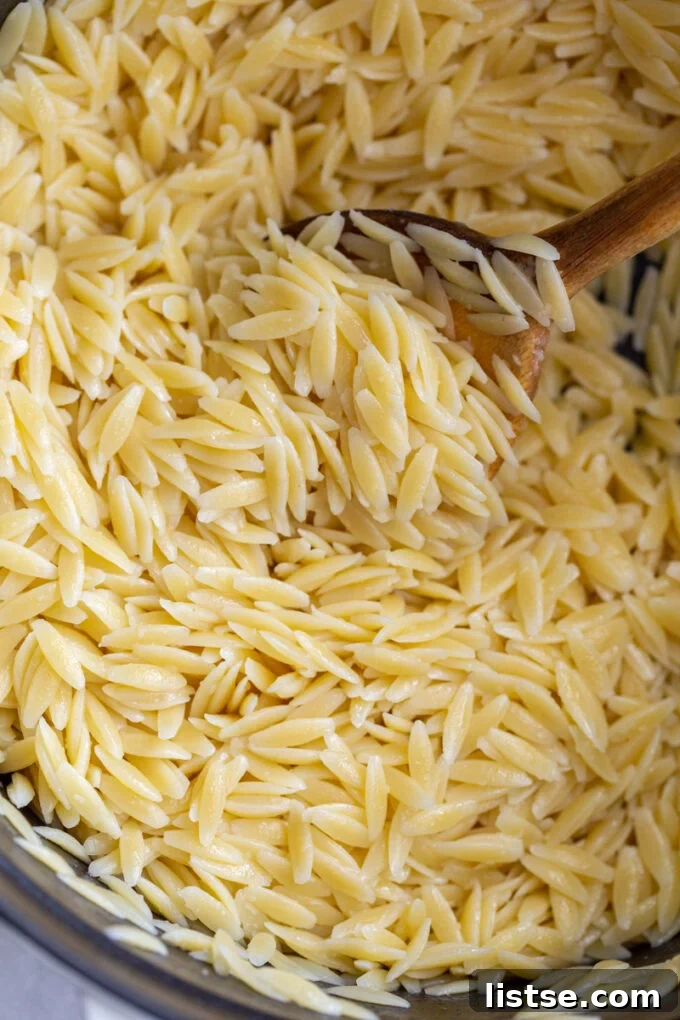
Storing and Reheating Leftover Cooked Orzo Pasta
Proper storage of cooked orzo is essential to maintain its quality and ensure food safety. With a few simple steps, your leftover orzo can be just as delicious as when it was first prepared.
Refrigerate
To safely store cooked orzo, ensure it is refrigerated within two hours of cooking. Transfer the cooled orzo to an airtight container or a reliable zip-top bag. Stored correctly in the refrigerator, cooked orzo will maintain its freshness and quality for approximately 3 to 5 days. For best results, consider adding a tiny drizzle of olive oil before storing to prevent it from clumping together.
Freeze
Orzo also freezes exceptionally well, making it perfect for future meal planning. Once cooled, spread the cooked orzo in a single layer on a baking sheet and freeze for about an hour until it’s slightly firm. This prevents clumping. Then, transfer the frozen orzo to a heavy-duty freezer-safe zip-top bag or an airtight container. It will keep well in the freezer for up to about 3 months. Don’t forget to label the packaging with the date of freezing for easy tracking.
Reheat
One of the great qualities of orzo is its versatility even after cooking. It’s fantastic served chilled in salads, but if you prefer it warm, reheating is simple. You can gently warm it in the microwave in short bursts, stirring occasionally, or reheat it on the stovetop over low heat with a splash of water or broth. Like any pasta, leftover orzo can dry out a bit and become less pliable in the fridge. To revive its texture and flavor, you may need to add a bit of water, vegetable broth, or even a dash of milk before rewarming. For an extra boost of flavor, consider adding a little lemon juice, a pat of butter, and a sprinkle of salt and pepper after reheating.
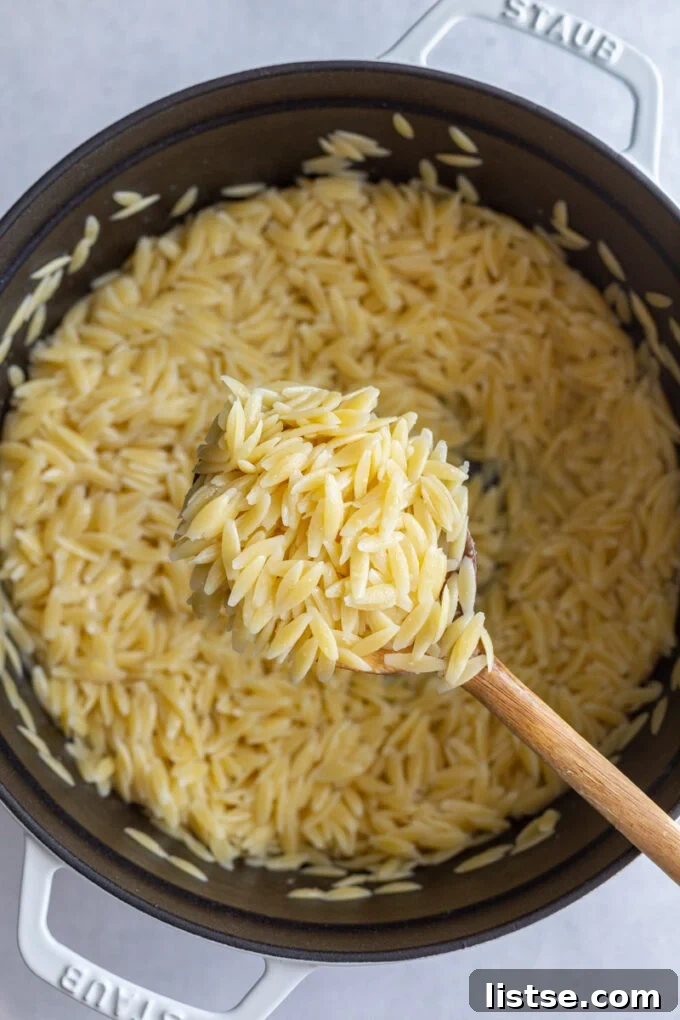
We hope this comprehensive guide inspires you to explore the wonderful world of orzo pasta! Its ease of preparation and incredible versatility make it a valuable addition to any home cook’s repertoire. Whether you’re whipping up a quick side dish or creating a culinary masterpiece, orzo is sure to impress.
As always, PLEASE let us know if you try cooking orzo using our guide and how it turns out for you! We love hearing about your kitchen adventures. You can come back here and leave a comment, or feel free to tag us on Instagram (@foodwithfeeling).
More Simple Side Dish Recipes You’ll Enjoy:
- Sautéed Mushrooms and Onions
- Instant Pot Chickpeas
- Blistered Tomatoes
- Air Fryer Onion Rings
Rated 5 out of 5 stars by 1 voter.
Classic Orzo Recipe: Simple & Delicious
Brita Britnell
10 mins
8 mins
18 mins
4 servings
Print Recipe
Ingredients
- 2 tablespoons sea salt
- 1 pound dry orzo pasta
- 3 ½ quarts water
Instructions
-
Add 3 ½ quarts of water to a large pot and bring to a rolling boil. Once boiling, stir in the 2 tablespoons of sea salt.
-
Add in the 1 pound of dry orzo pasta and stir immediately. Continue to simmer and cook for 7-8 minutes until it reaches your desired tenderness. It should be perfectly al dente around 7 minutes.
-
Drain the cooked orzo thoroughly and use as desired in your favorite recipes!
Notes
Freezing Orzo: You can also freeze cooked orzo in a zip-top baggie or airtight container for up to 3 months. Don’t forget to label with the date.
Nutrition Information (per serving)
- Calories: 421 kcal
- Carbohydrates: 85 g
- Protein: 15 g
- Fat: 2 g
- Saturated Fat: 0.3 g
- Polyunsaturated Fat: 1 g
- Monounsaturated Fat: 0.2 g
- Sodium: 3536 mg
- Potassium: 254 mg
- Fiber: 4 g
- Sugar: 3 g
- Calcium: 51 mg
- Iron: 2 mg
Nutrition information is automatically calculated and is an approximation. Values may vary based on ingredients and preparation.
Tried this recipe? Mention @foodwithfeeling or tag #foodwithfeeling!