
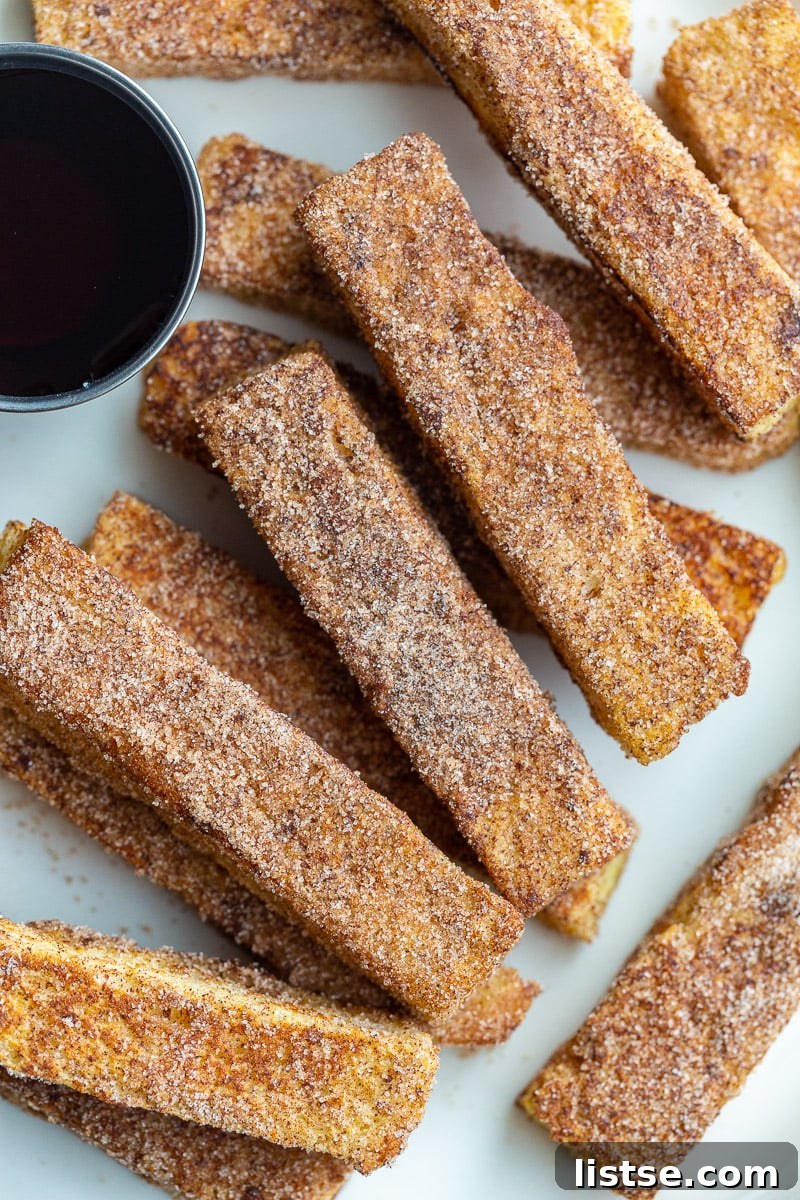
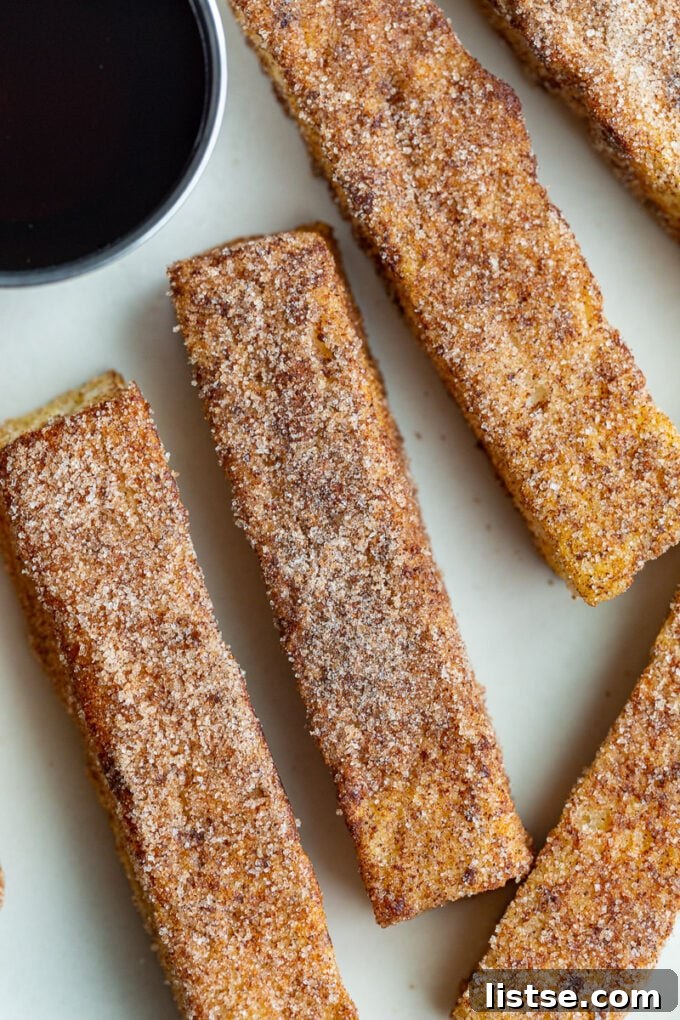
Craving a breakfast that’s both fun to eat and incredibly delicious? Look no further than these irresistible French Toast Sticks! Boasting a delightful crunch on the outside and a tender, custardy interior, these golden-brown treats are guaranteed to become a family favorite. Infused with rich, buttery notes and coated in a captivating cinnamon sugar blend, this simple recipe elevates classic French toast into a convenient, handheld delight that far surpasses any store-bought version. Perfect for busy mornings, weekend brunches, or even a delightful snack, these French Toast Sticks are a sweet way to start your day.
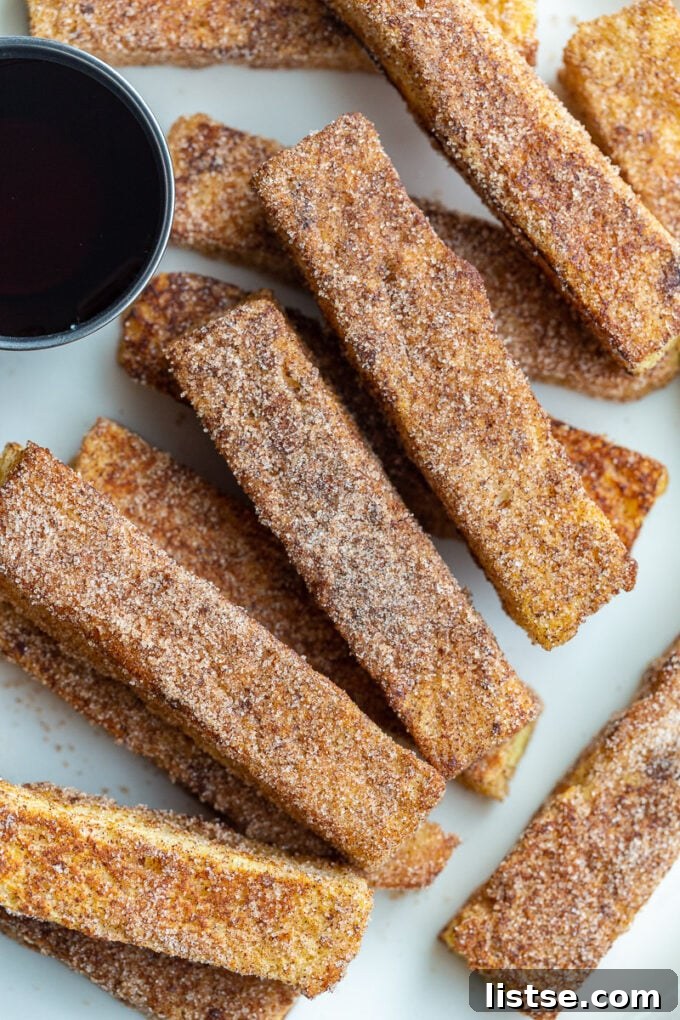
Why You’ll Love This French Toast Sticks Recipe
These homemade French Toast Sticks aren’t just a meal; they’re an experience. Here’s why this recipe will quickly become a cherished addition to your breakfast rotation:
- Irresistibly Sweet and Flavorful: Each stick is a symphony of flavors, with a sweet, custardy base perfectly complemented by a fragrant cinnamon-sugar coating. It’s the ultimate indulgence for anyone with a sweet tooth, transforming ordinary bread into a gourmet breakfast. The warm spices like cinnamon and nutmeg create a comforting aroma that fills your kitchen, making mornings feel extra special.
- Perfectly Kid-Friendly: A guaranteed hit with children and adults alike, these French Toast Sticks are designed for easy dipping and minimal mess. Kids adore dunking them into their favorite syrups or sauces, making breakfast an interactive and enjoyable activity. They’re also ideal for tiny hands, offering a delightful alternative to traditional French toast slices. Say goodbye to breakfast battles and hello to happy eaters!
- Excellent for Meal Prep & Freezing: Streamline your busy mornings by preparing a large batch of these French Toast Sticks in advance. They freeze beautifully, allowing you to have a delicious, ready-to-reheat breakfast option at your fingertips. Simply pull them out of the freezer, warm them up, and enjoy a wholesome and satisfying meal without the morning rush. This makes them a fantastic solution for meal prepping healthy breakfast options for the entire week.
- Simple and Quick to Make: Despite their gourmet taste, these French Toast Sticks are surprisingly straightforward to prepare. With common pantry ingredients and minimal cooking time, you can whip up a batch in under 30 minutes. This recipe is perfect for beginner cooks or anyone looking for a stress-free breakfast solution that doesn’t compromise on flavor.
- Customizable to Your Liking: While our recipe offers a classic and delectable base, French Toast Sticks are incredibly versatile. You can experiment with different types of bread, add various spices to the custard, or get creative with toppings to suit any preference. Whether you prefer fresh fruit, whipped cream, or a sprinkle of powdered sugar, these sticks are a blank canvas for your culinary imagination.
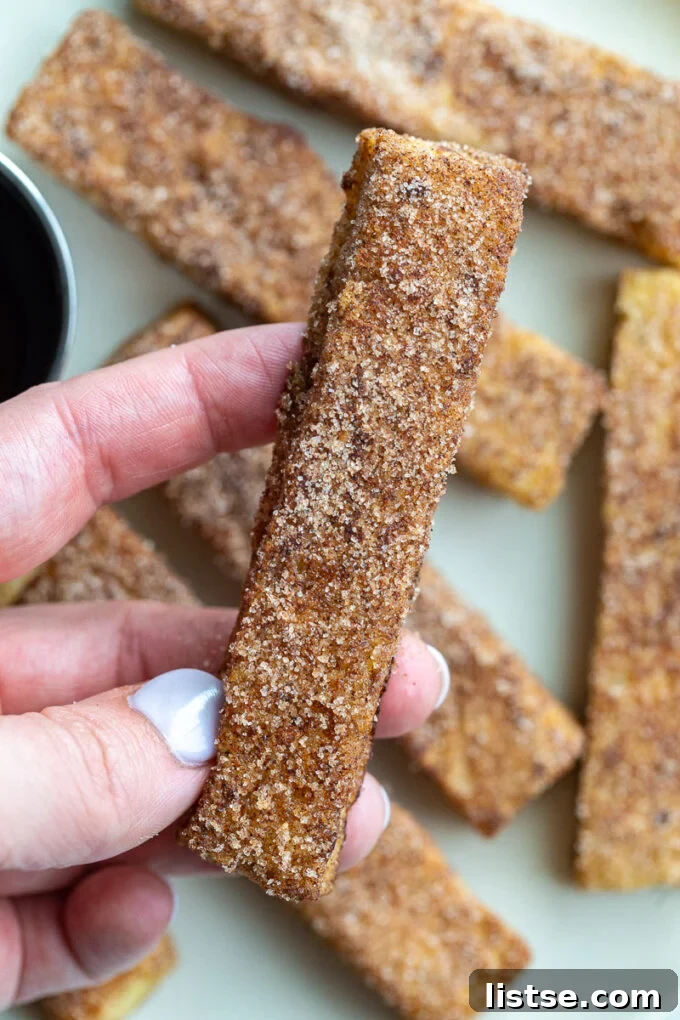
Essential Ingredients for Perfect French Toast Sticks
Crafting the ultimate French Toast Sticks requires only a handful of readily available ingredients. You likely have most of these staples in your kitchen right now, making this a convenient and spontaneous breakfast choice. Here’s a detailed look at what you’ll need to create this amazing dish:
- Bread: The foundation of any great French toast is the bread. For an unparalleled taste and texture, brioche bread is highly recommended. Its rich, buttery flavor and fluffy texture absorb the custard beautifully, leading to a truly decadent French toast stick. If brioche isn’t available, thick-cut challah, Texas toast, or even slightly stale white sandwich bread can work. The key is a sturdy, absorbent bread that won’t fall apart when dipped.
-
For the Custard Base:
- Eggs: Essential for binding the ingredients and creating that classic custardy texture. Large eggs are ideal for this recipe.
- Milk: Whole milk is preferred as it yields the richest, most flavorful, and creamiest French toast. Its higher fat content contributes to the luxurious mouthfeel. However, 2% milk or even a plant-based milk like almond or oat milk can be used if preferred, though the final texture might be slightly lighter.
-
Flavor Enhancers: These ingredients transform a simple egg and milk mixture into a fragrant and irresistible custard.
- Ground Cinnamon: A generous amount of cinnamon is crucial for that classic, warm French toast flavor.
- Ground Nutmeg: Just a pinch of nutmeg adds depth and a subtle, warm spice that complements the cinnamon beautifully.
- Vanilla Extract: Pure vanilla extract brings a sweet, aromatic dimension that elevates the overall taste profile.
- A Pinch of Salt: A small amount of salt balances the sweetness and enhances all the other flavors, preventing the French toast from tasting flat.
- Cinnamon & Sugar Coating: This glorious mixture is what gives these French Toast Sticks their signature crispy, sweet exterior. It’s applied after cooking, creating a delightful textural contrast and an extra layer of sweetness that makes them truly special. The warmth of the sticks helps the sugar adhere perfectly, forming that irresistible crust.
- Cooking Spray: Used to lightly coat the skillet, ensuring even browning and preventing sticking without adding excessive butter or oil. You can also use a pat of butter or a neutral cooking oil if you prefer.
Gathering these simple ingredients is the first step towards enjoying the best French Toast Sticks you’ve ever tasted!
How to Make Homemade French Toast Sticks: A Step-by-Step Guide
Creating these incredibly delicious French Toast Sticks is a surprisingly simple process, even for novice cooks. Follow these straightforward steps to achieve perfectly golden, crunchy, and tender breakfast treats every time. We’ve broken down each stage to ensure your success in the kitchen.
- Prepare the Bread: Begin by taking your chosen bread (brioche is highly recommended for its texture and flavor) and carefully trim off all the crusts. This step ensures a uniform and soft interior for your sticks. Once de-crusted, slice each piece of bread into approximately 1-inch thick, square-ish sticks. Aim for consistent sizing so they cook evenly. Refer to images or a quick video tutorial for visual guidance on achieving the perfect stick shape.
- Whisk the Egg Custard: In a shallow bowl or a pie dish large enough to comfortably dip a bread stick, whisk together the large eggs and milk until thoroughly combined and slightly frothy. This forms the essential custard for soaking your bread. Next, add the ground cinnamon, ground nutmeg, vanilla extract, and a pinch of salt. Whisk everything again until all the spices are fully incorporated and the mixture is smooth and evenly flavored. The shallow dish makes dipping much easier.
- Prepare the Cinnamon Sugar Coating: In a separate small bowl, combine the granulated sugar and the remaining tablespoon of cinnamon. This mixture will be used to coat your cooked French Toast Sticks, giving them their signature sweet and crispy exterior. Ensure the bowl is wide enough for a bread stick to be easily tossed in. Set this bowl aside for later.
- Heat the Skillet: Place a large non-stick skillet or griddle over medium heat. Allow it to heat up completely. Once hot, lightly spray the cooking surface with cooking spray. This provides a non-stick base and helps achieve that beautiful golden-brown crust. Maintain a consistent medium heat throughout the cooking process to prevent burning and ensure even cooking.
- Dip the Bread: Working in small batches to avoid overcrowding, quickly dip each bread stick into the prepared egg custard. The key here is a rapid dip – you want the bread to be coated but not completely saturated or soggy. Dip one side, quickly flip it over, and give the other side a brief dip. Excess liquid will make the sticks fall apart and prevent crispiness. Immediately transfer the dipped sticks to the hot skillet, ensuring there’s about a 1/2-inch space between each one.
- Pan-Fry to Golden Perfection: Cook the French toast sticks for approximately 2 minutes per side. As they cook, you’ll want to gently turn them about a quarter turn every couple of minutes, ensuring all four sides achieve a beautiful golden-brown color and crispy texture. This usually takes a total of about 8 minutes per batch. You’re looking for a rich, golden hue and a firm exterior. Once cooked, remove the French toast sticks from the pan and place them on a clean plate.
- Add the Cinnamon Sugar Coating: While the French toast sticks are still warm from the pan, lightly spray each stick with cooking spray. This slight moisture helps the cinnamon sugar adhere. Immediately toss the warm, lightly sprayed sticks in the reserved cinnamon sugar mixture until they are thoroughly and evenly coated on all sides. The warmth of the bread will melt the sugar slightly, forming a delicious, glistening crust.
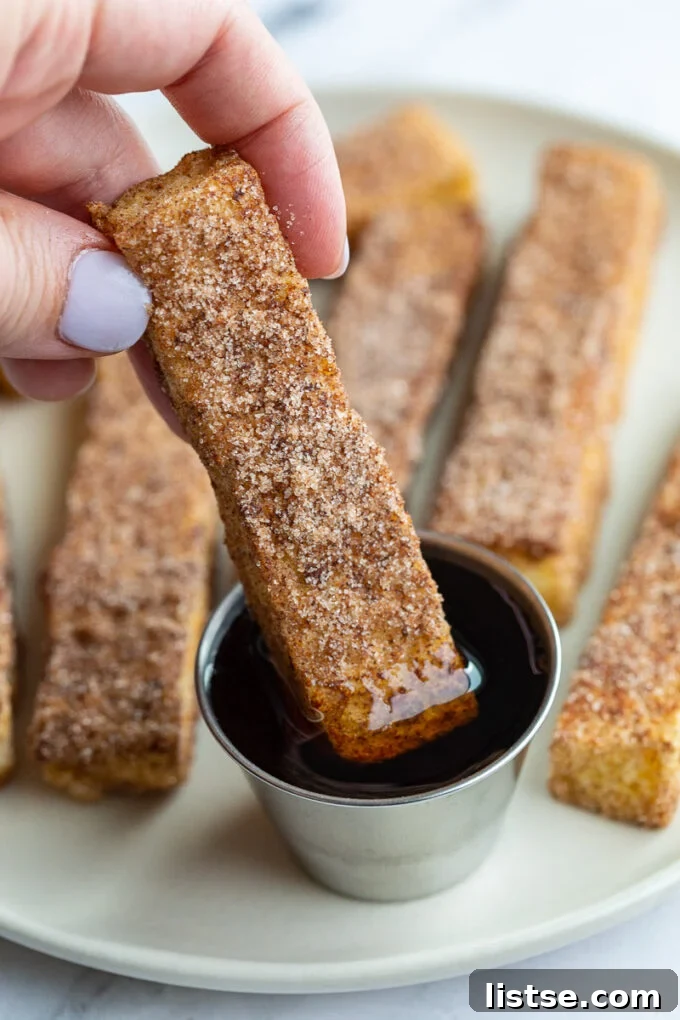
- Serve and Enjoy: Your homemade French Toast Sticks are now ready! Serve them immediately while they are still warm and at their crispiest. A generous side of maple syrup is the classic accompaniment, but feel free to explore other delicious topping suggestions below. Get ready to savor every bite of this delightful breakfast treat!
Expert Tips for the Best French Toast Sticks
Achieving perfectly crispy-on-the-outside, tender-on-the-inside French Toast Sticks is an art that can be mastered with a few key techniques. These expert tips will help you avoid common pitfalls and ensure your homemade sticks are nothing short of spectacular:
- Handle Bread Sticks Individually: When dipping your bread into the egg mixture, resist the urge to dunk multiple sticks at once. Working with one bread stick at a time is crucial. This prevents the bread from becoming overly saturated and soggy, which can lead to breakage and a less desirable texture. Gentle handling ensures each stick maintains its structural integrity and absorbs just the right amount of custard.
- Dip Quickly and Efficiently: Timing is everything when it comes to soaking the bread. A quick dredge, rather than a prolonged soak, is essential. Dip each side for only a few seconds. If the bread soaks up too much of the liquid, it will become waterlogged, hard to handle, and result in a mushy French toast instead of a custardy one. The goal is to coat the surface, not saturate the core.
- Do Not Overcrowd the Pan: For optimal browning and a truly crispy exterior, always cook your French Toast Sticks in batches. Leave ample space – about a 1/2 inch – between each stick in the skillet. Overcrowding lowers the pan’s temperature and steams the bread instead of frying it, resulting in soft, pale sticks rather than beautifully golden and crisp ones. Patience here pays off in texture.
- Flip Regularly for Even Cooking: Don’t just flip once! To ensure all sides of your French Toast Sticks achieve that perfect golden-brown crust, flip them about a quarter turn every couple of minutes. This multi-flip approach guarantees even heat distribution and consistent browning on all surfaces, delivering that satisfying crunch from every angle.
- Apply Cinnamon Sugar While Warm: The best time to toss your French Toast Sticks in the cinnamon sugar mixture is immediately after they come off the pan. While they’re still warm, lightly spray them with cooking spray (or a tiny brush of melted butter). The residual warmth and slight moisture on the sticks help the sugar mixture adhere better, creating a beautiful, sweet crust that locks in flavor and adds that extra textural dimension.
- Use a Quality Non-Stick Skillet: A good quality non-stick pan or a well-seasoned cast-iron skillet is your best friend for this recipe. It ensures the French toast sticks don’t stick, allows for easy flipping, and promotes even heat distribution for consistent browning without excessive oil.
- Experiment with Bread Types: While brioche is highly recommended, don’t be afraid to try other types of bread. Challah bread, Texas toast, or even day-old artisan bread can create fantastic results. Stale bread is often preferred as it absorbs the custard without becoming too soft.
By following these expert tips, you’ll be well on your way to crafting the most delightful and perfectly cooked French Toast Sticks, sure to impress everyone at the breakfast table!
Frequently Asked Questions About French Toast Sticks
New to making French Toast Sticks or just have some lingering questions? Here are answers to some common inquiries to help you master this delightful breakfast treat.
What is the best bread for French Toast Sticks?
For the absolute best results, brioche bread is highly recommended. Its rich, buttery flavor and soft, slightly dense crumb absorb the custard beautifully without becoming soggy, leading to an incredibly tender interior and a lovely exterior. Other excellent choices include challah bread, Texas toast, or even a good quality white sandwich bread that’s a day or two old.
Can I make French Toast Sticks without cutting off the crusts?
Yes, you can certainly leave the crusts on if you prefer! Trimming the crusts simply provides a more uniform texture and a softer bite, which many find appealing, especially for kids. It also helps the sticks cook more evenly. If you don’t mind the crusts, feel free to skip this step.
How do I prevent my French Toast Sticks from being soggy?
The key to avoiding soggy French toast sticks is two-fold: First, ensure you only dip the bread quickly into the custard. Don’t let it soak for too long. A few seconds per side is usually sufficient. Second, do not overcrowd the pan while cooking. Cook in batches, leaving space between each stick, to allow proper heat circulation and achieve a crispy exterior. Using slightly stale bread can also help prevent sogginess.
Can I make these French Toast Sticks dairy-free?
Yes, you can easily make this recipe dairy-free. Simply substitute whole milk with your favorite unsweetened plant-based milk, such as almond milk, oat milk, or soy milk. The flavor and texture will be slightly different but still delicious.
What can I use if I don’t have cooking spray?
If you don’t have cooking spray, you can use a small amount of butter or a neutral oil (like canola, vegetable, or avocado oil) to grease your skillet. Just be sure to use a light coating to prevent the French toast from becoming greasy. A pastry brush can help distribute the oil evenly.
Can I bake French Toast Sticks instead of pan-frying them?
While pan-frying yields the crispiest results, you can bake French Toast Sticks for a hands-off approach. After dipping, arrange them in a single layer on a greased baking sheet. Bake at 375°F (190°C) for 15-20 minutes, flipping halfway, until golden brown and cooked through. The texture might be less crispy than pan-fried but still delicious.
Delicious Serving Suggestions for French Toast Sticks
While these French Toast Sticks are absolutely divine on their own, especially when fresh from the pan, pairing them with the right toppings and sides can elevate your breakfast experience to new heights. Here are some fantastic ideas to complement your homemade treats:
Classic Toppings:
- Maple Syrup: The quintessential pairing! A generous drizzle of warm, pure maple syrup is non-negotiable for many. Its rich, sweet flavor perfectly complements the cinnamon sugar coating.
- Powdered Sugar: A simple dusting of powdered sugar adds an elegant touch of sweetness and a beautiful presentation.
- Strawberry Compote: For a burst of fruity freshness, serve your French Toast Sticks with a homemade strawberry compote. The slight tartness of the berries provides a lovely contrast to the sweet French toast. Blueberry, raspberry, or mixed berry compotes are also excellent choices.
- Whipped Cream or Cool Whip: A dollop of light and airy whipped cream adds a luxurious, creamy texture.
- Fresh Fruit & Berries: Brighten up your plate with a side of fresh berries (strawberries, blueberries, raspberries) or sliced bananas. The natural sweetness and vibrant colors make for a wholesome and appealing meal.
- Nut Butter: For a boost of protein and healthy fats, spread a thin layer of almond butter, peanut butter, or cashew butter on your sticks.
Hearty Side Dishes to Round Out the Meal:
To create a truly satisfying and balanced breakfast or brunch spread, consider adding some savory sides:
- Scrambled Eggs or Omelets: The fluffy, savory goodness of eggs provides a wonderful contrast to the sweet French toast.
- Crispy Bacon or Breakfast Sausage: A classic pairing! The salty, savory crunch of bacon or the spiced flavor of breakfast sausage perfectly balances the sweetness of the French toast.
- Yogurt Parfait: Layer yogurt with granola and fruit for a fresh and wholesome side.
- Hash Browns or Home Fries: Add a starchy, savory element with perfectly cooked potatoes.
Mix and match these suggestions to create your ultimate French Toast Sticks breakfast spread!
Storage and Reheating Recommendations
One of the fantastic benefits of these French Toast Sticks is their versatility for meal prepping. You can easily make a larger batch and enjoy them throughout the week or freeze them for future cravings. Here’s how to properly store and reheat them to maintain their deliciousness:
- Storing Leftovers (Refrigeration): If you have any French Toast Sticks left over, allow them to cool completely to room temperature. Then, transfer them to an airtight container or a resealable plastic bag. They will keep fresh in the refrigerator for up to 3 days. Storing them properly prevents them from drying out or absorbing unwanted odors.
-
Reheating for Best Results: While you can reheat French toast sticks in the microwave, doing so will often result in a softer, less crispy texture. For truly excellent results that bring back their initial crunch and tenderness, we recommend these methods:
- Toaster or Toaster Oven: This is arguably the best method for reheating, as it quickly crisps up the exterior. Simply pop a few sticks into your toaster or toaster oven until they are warm and crispy, about 2-4 minutes.
- Air Fryer: Place the sticks in a single layer in your air fryer basket. Air fry at 350°F (175°C) for 3-5 minutes, or until heated through and crispy.
- Oven: Preheat your oven to 375°F (190°C). Arrange the French toast sticks in a single layer on a baking sheet and heat for about 5-8 minutes, or until warmed through and the edges are crisp.
- Skillet: Lightly grease a skillet and reheat the sticks over medium-low heat for a few minutes per side until warmed and re-crisped.
-
Freezing for Longer Storage: French Toast Sticks are wonderfully freezer-friendly, making them an ideal make-ahead breakfast.
- Initial Freeze: After cooking and allowing the sticks to cool completely, arrange them in a single layer on a baking pan or plate. Place the pan in the freezer. This initial freeze prevents them from sticking together.
- Transfer to Storage: Once the French toast sticks are frozen solid (usually after 1-2 hours), transfer them to a heavy-duty zip-top freezer bag or an airtight freezer-safe container. This protects them from freezer burn.
- Storage Duration: Frozen French toast sticks can be stored for up to 2 months in the freezer.
- Reheating from Frozen: You can reheat frozen French toast sticks directly from the freezer. Use the toaster, air fryer, or oven methods mentioned above, adding a few extra minutes to the cooking time until they are thoroughly heated and crispy. There’s no need to thaw them first!
More Irresistible French Toast Recipes to Explore
If you’ve fallen in love with these French Toast Sticks, you’re in for a treat! The world of French toast is vast and delicious, with countless variations to explore. Here are some other fantastic French toast recipes that are sure to delight your taste buds and become new family favorites:
- Apple Pie French Toast: A comforting breakfast that tastes just like your favorite dessert, with warm apple filling and spices.
- Almond Butter Stuffed French Toast: A richer, more decadent version featuring a creamy almond butter filling for an extra layer of flavor and protein.
- Classic Stuffed French Toast: Explore various sweet or savory fillings tucked between slices of perfectly cooked French toast.
- Cinnamon French Toast: A simpler, yet equally satisfying take on the classic, focusing on the comforting warmth of cinnamon.
- Bananas Foster French Toast: Indulge in a New Orleans-inspired breakfast, featuring caramelized bananas and a luscious rum sauce.
Each of these recipes offers a unique twist on the beloved breakfast staple, promising new culinary adventures for your mornings.
We absolutely love seeing your culinary creations! If you try this incredible French Toast Sticks recipe, please let us know how you liked it by leaving a comment below. You can also share your delicious photos and tag us on Instagram @foodwithfeeling. We always enjoy seeing what wonderful dishes you’re making from the blog!
★
★
★
★
French Toast Sticks
Ingredients
- 6 thickly cut slices of bread, I used brioche
- 3 large eggs
- 1 cup milk
- 1 teaspoon ground cinnamon
- ¼ teaspoon ground nutmeg
- 1 teaspoon vanilla extract
- pinch salt
- cooking spray
- ½ cup sugar
- 1 tablespoon cinnamon
Instructions
-
Prepare the bread by cutting off all of the crust and then cutting each slice into square(ish) sticks.6 thickly cut slices of bread
-
In a shallow bowl or pie dish, whisk together the eggs and milk. Add in the cinnamon, nutmeg, vanilla, and salt and whisk to combine.3 large eggs, 1 cup milk, 1 teaspoon ground cinnamon, 1/4 teaspoon ground nutmeg, 1 teaspoon vanilla extract, pinch salt
-
In a small bowl big enough for a stick of the bread to fit in, mix together the sugar and cinnamon. Set aside.½ cup sugar, 1 tablespoon cinnamon
-
Heat a large skillet over medium heat, once hot, spray with cooking spray.cooking spray
-
Working in batches, dip the bread in the milk mixture. Dip it in quickly (you don’t want it to soak up too much of the liquid), turn it over, and give it another quick dip. Place in the hot pan.
-
Cook the french toast for 2 minutes per side, flipping ¼ every couple of minutes, for a total of about 8 minutes. Remove to a plate.
-
Spray each stick lightly with cooking spray and then toss in the cinnamon sugar mixture to coat.
-
Serve immediately with maple syrup and ENJOY!
Notes
- Storing leftovers. Store any leftover sticks in an airtight container or bag for up to 3 days.
- Reheating. For best results reheat these in the toaster, air fryer, oven or toaster oven. If you reheat them in the microwave, they’ll still be tasty but not very crispy.
- Freezing. Freeze the cooked French toast sticks in a single layer on a baking pan. Once they are frozen firm you can slide them into a zip top freezer bag to store for up to 2 months in the freezer. You can then reheat from frozen.
Nutrition
Nutrition information is automatically calculated, so should only be used as an approximation.
Tried this recipe?
Mention @foodwithfeeling or tag #foodwithfeeling!