
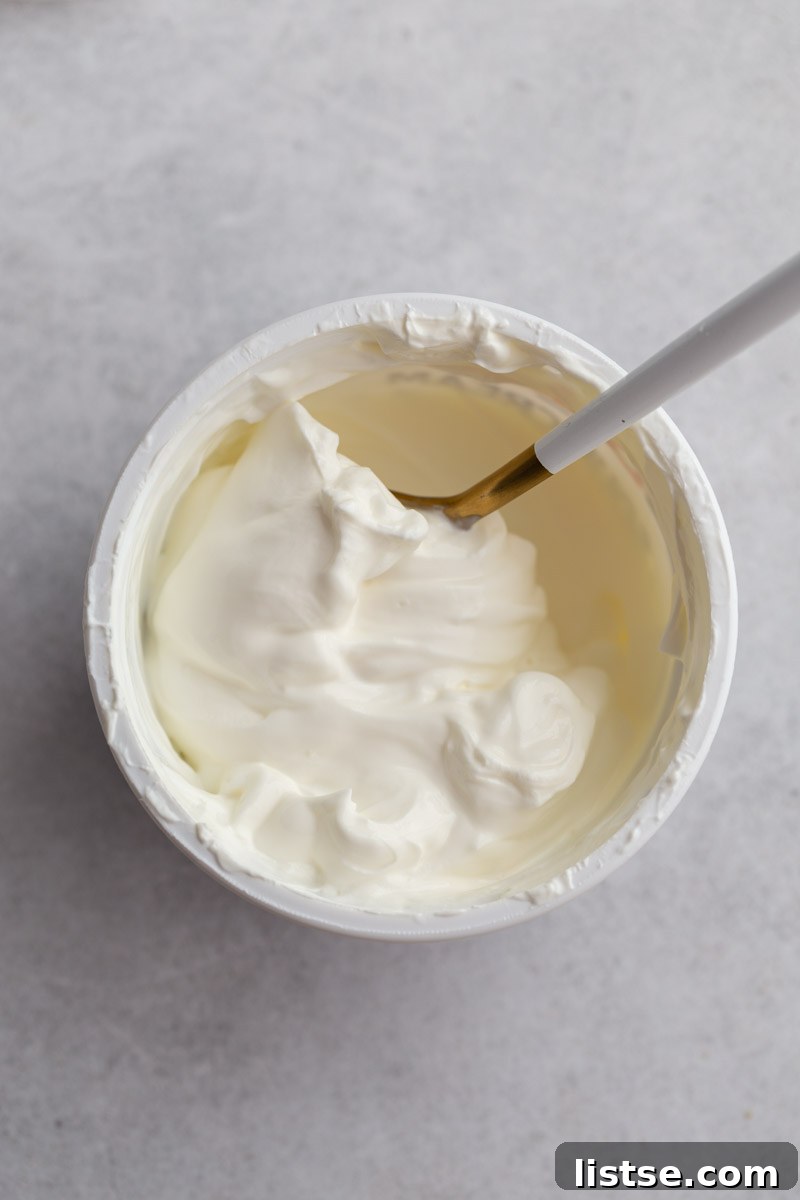
Do you often find yourself with an excess of sour cream nearing its expiration date, wondering if it’s destined for the bin? The good news is, you don’t have to waste it! If you’ve ever pondered, “Can sour cream be frozen?” the answer is a resounding yes, with a few important considerations. Freezing sour cream is a fantastic way to extend its shelf life, reduce food waste, and save money. This comprehensive guide will walk you through everything you need to know about successfully freezing and thawing sour cream, ensuring you make the most of every last spoonful.
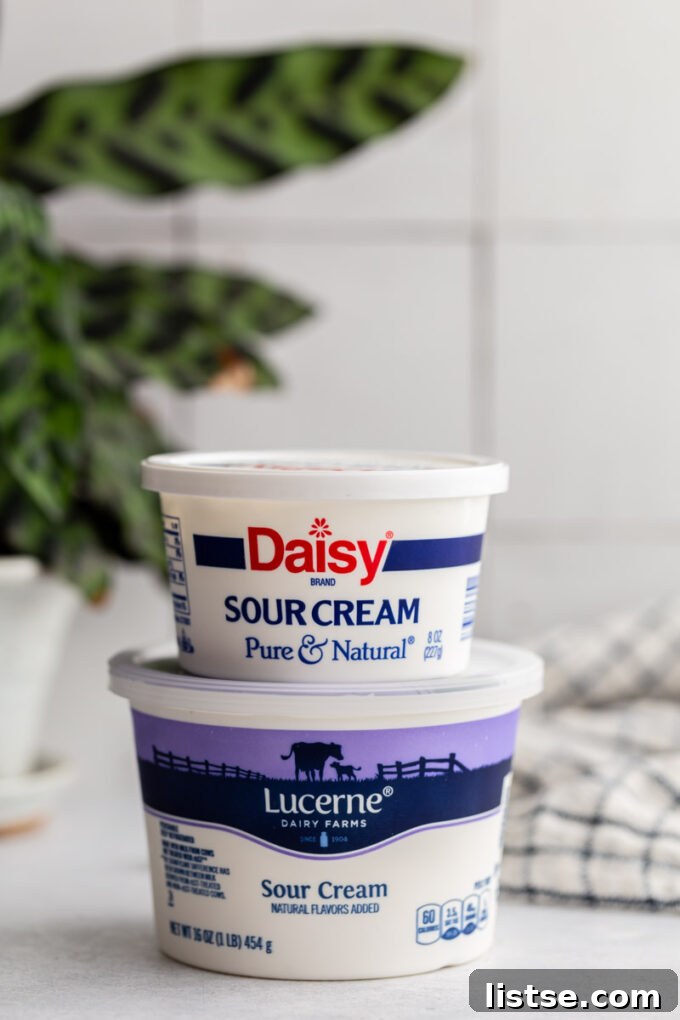
The Essential Guide to Freezing Sour Cream: Maximizing Shelf Life and Minimizing Waste
Sour cream is a beloved ingredient in countless dishes, from creamy dips and savory toppings to tender baked goods and rich sauces. However, its relatively short refrigerator shelf life often means we end up discarding partially used containers. This common kitchen dilemma leads many to question the possibility of freezing this dairy staple. Fortunately, freezing sour cream is not only possible but also a highly effective strategy for managing leftovers and ensuring you always have some on hand.
While the process is straightforward, there are crucial steps and considerations to keep in mind to achieve the best results. The texture of sour cream does change after freezing and thawing, which impacts how you might use it. Understanding these nuances will help you decide the best freezing method and ensure your thawed sour cream serves its intended purpose in your culinary creations. Let’s dive into the details, covering everything from preparation and freezing techniques to proper thawing and the best applications for your frozen-then-thawed sour cream.
Why Freeze Sour Cream?
Beyond simply extending shelf life, freezing sour cream offers several benefits:
- Reduced Food Waste: No more tossing out half-empty containers of sour cream that have passed their prime.
- Cost Savings: Buy sour cream in bulk or when it’s on sale without worrying about it spoiling.
- Convenience: Always have sour cream available for recipes, even if you can’t get to the store.
- Meal Prep Efficiency: Portion out sour cream for future recipes, making meal preparation quicker and easier.
Preparing Sour Cream for Freezing
Before you even think about putting sour cream into the freezer, a little preparation goes a long way in ensuring the best possible outcome. While sour cream freezes well, its unique composition means it reacts differently to freezing and thawing compared to other dairy products. The primary challenge is preventing excessive liquid separation and textural changes. Here’s what you should do:
- Stir Thoroughly: Before freezing, give your sour cream a good stir. This helps to redistribute any liquid that might have already separated and ensures a more uniform consistency before it hardens.
- Check Freshness: Only freeze sour cream that is fresh and within its “best by” date. Freezing won’t improve the quality of sour cream that’s already started to turn.
How to Freeze Sour Cream: Two Effective Methods
There are two primary methods for freezing sour cream, each suited to different uses and levels of convenience. Choosing the right method depends on how you plan to use the sour cream after it’s thawed.
-
Freeze in its Original Tub (or a Large Container): This is often the quickest and easiest method, especially if you plan to use a larger quantity of sour cream in a single recipe.
- Preparation: Ensure the sour cream is well-stirred.
- Packaging: If using the original tub, make sure it’s tightly sealed. Most commercial sour cream containers are freezer-safe. If transferring to another container, choose an airtight, freezer-safe option, leaving about half an inch of headspace to account for expansion during freezing.
- Labeling: Clearly label the container with the date you froze it.
- Best Use: This method is ideal if you anticipate needing a whole tub’s worth for a recipe like a large casserole, a batch of baked goods, or a big pot of chili. However, remember that once thawed, it’s not recommended to refreeze the entire amount.
-
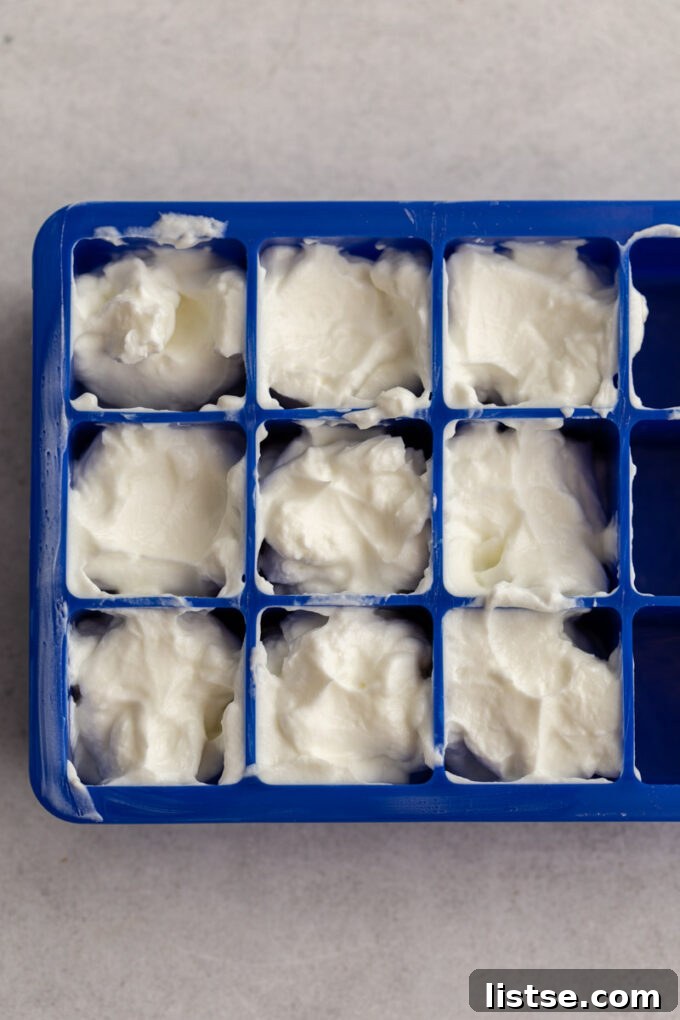
Freeze in Smaller Portions (e.g., Ice Cube Trays): This method requires a bit more effort upfront but offers immense convenience and flexibility when it comes to using thawed sour cream. It’s perfect for adding small amounts to dishes or for single servings.
- Preparation: Stir the sour cream thoroughly before portioning.
- Portioning: Spoon the sour cream into ice cube trays. Each cube typically holds about 1-2 tablespoons, which can be very handy for recipes that call for smaller quantities. You can also use mini muffin tins or other small, freezer-safe containers.
- Initial Freeze: Place the filled ice cube trays in the freezer. Allow them to freeze completely, typically for 2-4 hours, until solid.
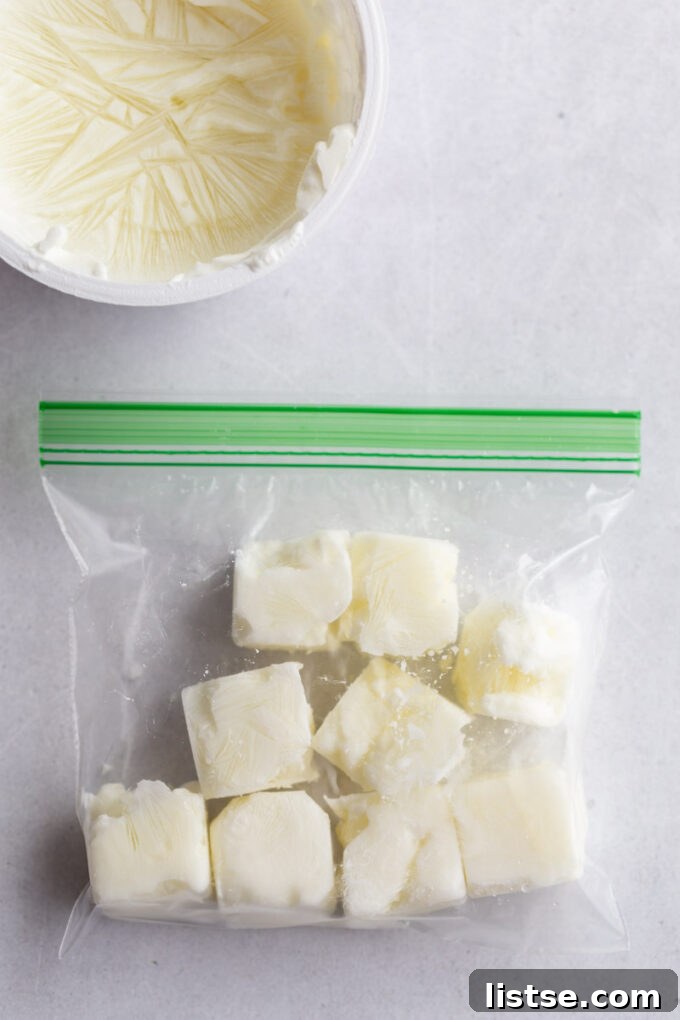
- Transfer and Store: Once the sour cream cubes are frozen solid, pop them out of the trays. Transfer the frozen cubes to a heavy-duty freezer bag or an airtight freezer-safe container. This prevents freezer burn and makes it easy to grab just the amount you need.
- Labeling: Don’t forget to label the bag or container with the date.
- Benefits: This method is excellent for adding a dollop to a soup, a stew, or incorporating into baked goods where precise, smaller measurements are needed. It eliminates the need to thaw a large quantity when you only need a little.
How to Thaw Frozen Sour Cream
Thawing frozen sour cream is just as important as the freezing process itself. Proper thawing helps minimize further textural degradation and prepares the sour cream for its next culinary role.
-
Refrigerator Thawing is Key: The safest and most recommended way to thaw frozen sour cream is in the refrigerator. This allows it to thaw slowly and evenly.
- Placement: Simply transfer the frozen sour cream (whether in its original tub or as individual cubes in a container/bag) to the refrigerator.
- Timeframe: A full tub of sour cream will take several hours, often overnight, to thaw completely. Smaller portions, like ice cubes, will thaw more quickly, usually within 1-3 hours. Planning ahead is essential.
-
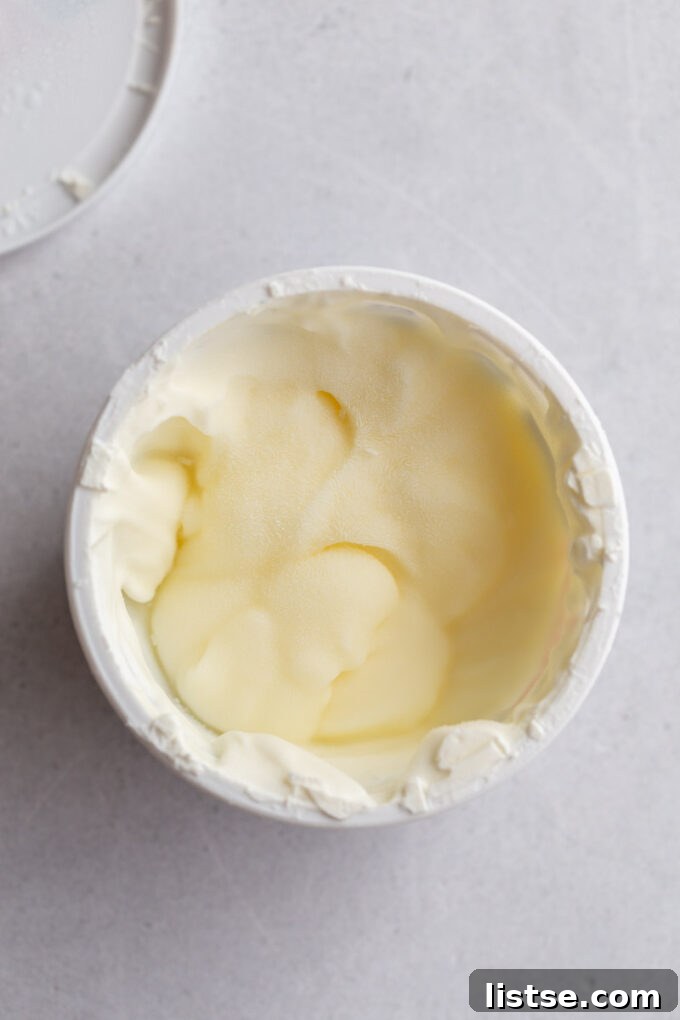
Post-Thaw Treatment: Once thawed, you’ll likely notice some separation between the watery whey and the more solid milk solids. This is entirely normal and expected. Don’t be alarmed!
- Stir Vigorously: Give the thawed sour cream a good, vigorous stir. This will help to reincorporate the separated liquid and restore as much of the original consistency as possible.
- Drain if Necessary: If there’s an excessive amount of liquid after stirring, you can carefully drain some of it off. However, stirring usually suffices for most applications.
How Long Does Frozen Sour Cream Last?
When properly frozen and stored in an airtight container, sour cream can last in the freezer for approximately up to 6 months. While it may remain safe to consume beyond this period, its quality, particularly its texture and flavor, may begin to decline. For optimal taste and consistency, it’s best to use it within this timeframe.
Does Freezing Sour Cream Change the Texture?
Yes, this is the most critical point to understand about freezing sour cream. When you freeze and then thaw sour cream, it undergoes a noticeable change in texture. The water content in the sour cream separates from the milk fats and proteins, leading to a thinner, sometimes slightly grainy or curdled consistency once thawed and stirred. It will be less creamy and smooth than fresh sour cream.
Best Uses for Thawed Sour Cream: Embrace the Change!
Because of this textural shift, thawed sour cream is generally NOT recommended for applications where its smooth, creamy texture is paramount. This includes:
- As a topping for tacos, chili, or baked potatoes.
- In dips or dressings where a perfectly smooth consistency is desired.
Instead, embrace its altered texture and use it in recipes where it will be mixed in or cooked, and where a slight change in creaminess won’t negatively impact the final dish. Thawed sour cream performs wonderfully in:
- Baked Goods: Muffins, cakes, quick breads, and biscuits all benefit from the moisture and tang of sour cream. The texture change is completely unnoticeable once baked.
- Casseroles: Stir it into cheesy casseroles, creamy pasta bakes, or savory gratins.
- Soups and Stews: Whisk it into hearty soups (like borscht or creamy potato soup) and stews during the last few minutes of cooking, or blend it in completely.
- Sauces: Incorporate it into cream-based sauces, gravies, or marinades. The cooking process will usually smooth out any graininess.
- Chili and Other Hearty Dishes: Mix it directly into chili or other robust dishes where it provides a rich flavor and moisture without needing a pristine, fresh-sour-cream texture.
- Dressings (Cooked): Use it as a base for cooked salad dressings or warm potato salads.
Visualizing the Texture Difference
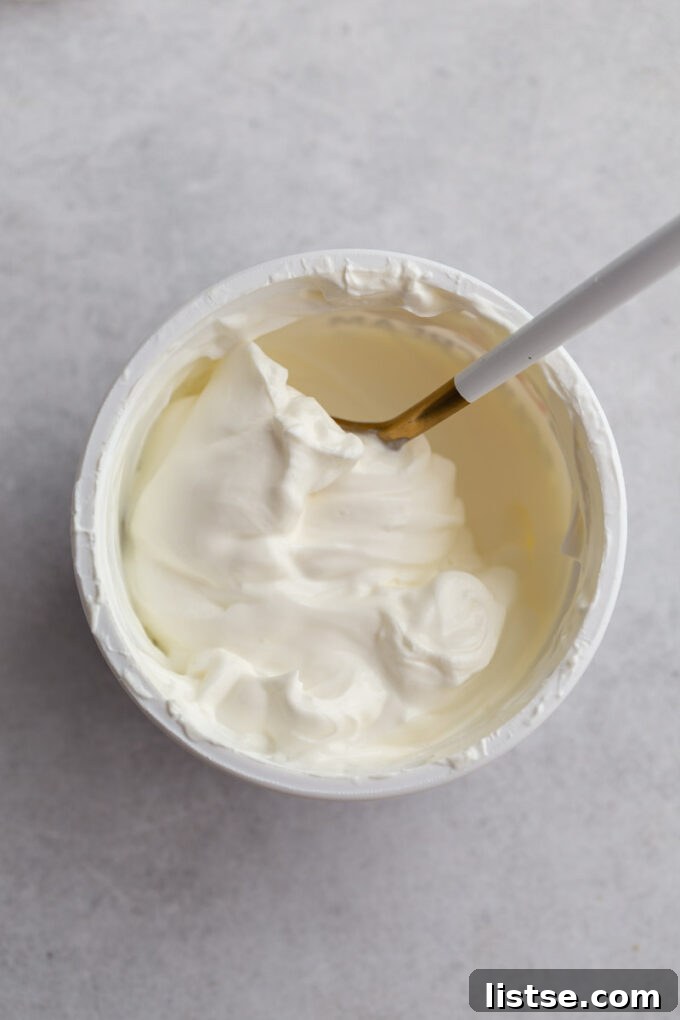
To truly understand the difference, observing is better than describing. While I can’t provide an interactive video here, imagine a side-by-side comparison: fresh sour cream is thick, homogenous, and velvety. Thawed sour cream, even after stirring, will appear slightly looser, with a more broken emulsion, and perhaps a subtle grittiness that you wouldn’t find in its fresh counterpart. This visual distinction underscores why it’s best suited for cooked applications.
How to Freeze Sour Cream – A Quick Reference Guide
This section provides a simplified overview for quick reference, making it easy to follow the essential steps.
Freezing Sour Cream Instructions
By Brita Britnell
Prep time: 5 mins
Total time: 5 mins
Servings: 1 (referring to one container of sour cream)
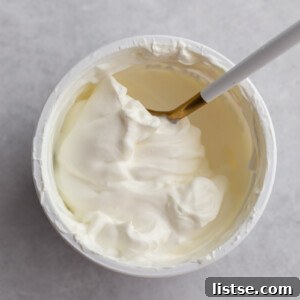
Learn how simple and easy it is to freeze leftover sour cream for later use!
Ingredients
- Sour cream
Instructions
- Choose your preferred method: freeze sour cream in its original container OR in smaller cubes.
- To freeze in its original container: This is best if you plan to use the entire thawed amount at once. Reseal the container tightly and place it directly in the freezer. Do not refreeze sour cream that has already been thawed.
- To freeze in smaller portions: Use small containers or an ice cube tray. Portion the sour cream into desired sizes. Seal these containers or, if using an ice cube tray, freeze until solid, then transfer the cubes to an airtight freezer bag. Place in the freezer.
- To thaw: Move the frozen sour cream from the freezer to the refrigerator. Allow it to thaw for several hours or overnight until soft. Once thawed, stir it thoroughly to reincorporate any separated liquid.
- Enjoy your prepped sour cream in appropriate recipes!
Nutrition
Nutrition information is automatically calculated, so should only be used as an approximation. Per serving (based on 2 tablespoons of sour cream):
- Calories: 24kcal
- Carbohydrates: 1g
- Protein: 0.3g
- Fat: 2g
- Saturated Fat: 1g
- Polyunsaturated Fat: 0.1g
- Monounsaturated Fat: 1g
- Cholesterol: 7mg
- Sodium: 4mg
- Potassium: 15mg
- Sugar: 0.4g
- Vitamin A: 75IU
- Vitamin C: 0.1mg
- Calcium: 12mg
- Iron: 0.01mg
Additional Tips for Freezing Sour Cream
- Labeling is Crucial: Always label your frozen sour cream with the date it was frozen. This helps you keep track of its freshness and ensures you use it within the recommended 6-month period.
- Airtight Storage: Regardless of the method you choose, ensure your sour cream is stored in airtight containers or freezer bags to prevent freezer burn, which can affect its flavor and texture.
- Don’t Refreeze: Once sour cream has been thawed, it should not be refrozen. The repeated freezing and thawing process will further degrade its texture and quality.
- Consider Light Sour Cream: While the principles are similar, light or reduced-fat sour cream might experience even more noticeable texture changes due to its higher water content. It’s still freezable, but the post-thaw consistency might be thinner.
Conclusion: Embrace Freezing for a Waste-Free Kitchen
Freezing sour cream is a simple yet effective kitchen hack that can significantly reduce food waste and enhance your meal planning flexibility. While it’s true that the texture changes slightly upon thawing, understanding these changes and knowing the best applications for frozen-then-thawed sour cream means you never have to let a tub go to waste again. From enriching your baked goods to thickening your savory stews, frozen sour cream is a versatile ingredient waiting to be rediscovered. So go ahead, freeze that extra sour cream, and enjoy the benefits of a more efficient and economical kitchen!