
Crafting Memories: Mastering Travel Photography and the Art of Post-Processing
Welcome, photography enthusiasts and travel dreamers! There’s an undeniable magic in journeying to new places, especially destinations steeped in history and natural beauty like England. Capturing the essence of these experiences through photography allows us to freeze moments in time, creating tangible keepsakes of our adventures. However, as any seasoned traveler knows, reality doesn’t always align with our idealized visions. Sometimes, the weather doesn’t cooperate, or the lighting isn’t perfect. This is where the powerful synergy of travel photography and advanced photo editing truly shines, transforming good shots into breathtaking visual narratives.
The Allure of England Through a Lens
England, with its rolling green hills, ancient castles, charming villages, and dramatic coastlines, offers an endless canvas for photographers. From the misty moors of Yorkshire to the rugged cliffs of Cornwall, and the historic grandeur of its cities, every corner presents a unique photographic opportunity. Yet, the country’s famously fickle weather can be both a challenge and an artistic asset. While a dramatic, brooding sky can lend a moody atmosphere to a landscape, we often yearn to recall our travels under a perpetually bright, azure sky, mirroring the joy and wonder we felt.
The desire to immortalize these landscapes in their most splendid form is a powerful motivator for aspiring and professional photographers alike. It’s about more than just taking a picture; it’s about conveying an emotion, telling a story, and preserving a feeling. Whether you’re exploring the ancient Roman Baths in Bath, wandering through the picturesque Lake District, or admiring the architectural marvels of London, each frame is an attempt to distill the magic of the moment.
Unlocking Potential: My Journey with Photoshop and Lightroom
Like many avid photographers, I’ve embarked on a fascinating journey to master the intricacies of photo editing software. Tools like Adobe Photoshop and Lightroom are not just programs; they are gateways to unlocking the full potential of our images and, in a sense, our memories. Initially, the sheer depth of features in these applications can feel overwhelming, but with persistence and practice, they become indispensable companions to any camera.
My personal quest has been to truly understand how to harness the power of these sophisticated platforms. It’s about learning to manipulate light, color, and composition in ways that enhance the original scene without sacrificing its authenticity. This learning curve, while steep at times, has been incredibly rewarding. It allows me to refine details, correct imperfections, and bring out hidden beauty that the camera might not have fully captured in the raw shot.
From Capture to Creation: Enhancing Your Travel Shots
Photo editing is an art form in itself, a crucial second step in the photographic process after the initial capture. It begins with fundamental adjustments in Lightroom, focusing on global enhancements like exposure, contrast, highlights, shadows, whites, and blacks. These initial tweaks breathe life into a flat image, giving it depth and dynamism. Cropping and straightening are also essential for improving composition, drawing the viewer’s eye to the most compelling elements of your photograph.
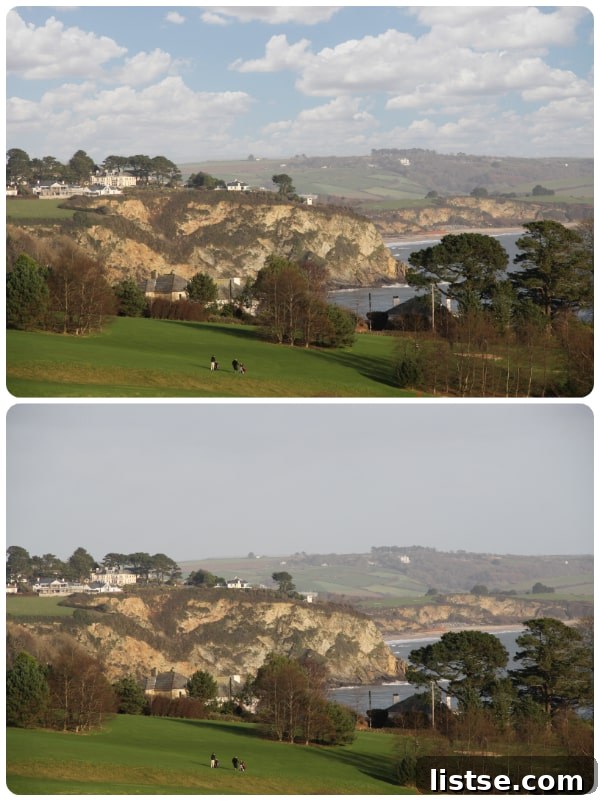
Beyond these basic adjustments, Lightroom allows for more nuanced control over specific colors, tones, and clarity. Imagine a beautiful English landscape where the sky was slightly overcast. With targeted adjustments, you can subtly enhance the blues and greens, deepen the shadows to add drama, and boost clarity to bring out textures in ancient stone walls or distant foliage. For more intricate manipulations, Photoshop steps in, offering capabilities like removing distractions, compositing elements, or advanced retouching. This is where the creative freedom truly expands, allowing photographers to realize their artistic vision fully.
The Art of Memory Crafting: Reimagining Our Experiences
One of the most profound aspects of photo editing is its ability to influence how we recall our past experiences. The human memory is a fluid and often romanticized faculty. When we look back at our travels, we tend to remember the highlights, the moments of pure joy, and the stunning vistas. Photography plays a crucial role in reinforcing these positive recollections.
As I delve deeper into Photoshop and Lightroom, I find myself not just editing photos, but actively participating in the crafting of my own memories. The goal isn’t to create a falsehood, but to bring forth the idealized version of an experience that exists in my mind. For instance, if the weather in England was mostly grey during my visit, but one particular scene evoked a feeling of bright, clear beauty, I can use my editing skills to reflect that internal memory visually. It’s about aligning the external visual representation with the internal emotional truth of the experience.
This process is incredibly therapeutic. It allows us to revisit our journeys, not just as they were, but as we wished them to be remembered. It’s a subtle trick on the mind, enabling us to consistently recall the beauty and wonder of our time abroad, rather than being clouded by fleeting less-than-perfect conditions. After all, a girl’s gotta try to remember the good stuff, right?
Tips for Enhancing Your Travel Photography
For those looking to embark on their own photo editing journey, here are a few suggestions:
- Start Simple: Begin with basic adjustments in Lightroom. Focus on exposure, contrast, and white balance before moving to more advanced tools.
- Learn the Essentials: There are countless tutorials online. Dedicate time each week to learning a new tool or technique. YouTube, photography blogs, and online courses are invaluable resources.
- Practice Consistently: The more you edit, the better you’ll become. Experiment with different styles and see what resonates with your personal vision.
- Shoot in RAW: Whenever possible, shoot your travel photos in RAW format. This captures much more data than JPEGs, giving you far greater flexibility in post-processing.
- Develop Your Style: Over time, you’ll develop a unique editing style that reflects your artistic voice. Don’t be afraid to be creative and make the images your own.
- Focus on Storytelling: Remember that each photo should tell a story. Editing should enhance that narrative, making the viewer feel what you felt.
The Enduring Power of a Well-Edited Photograph
In an age where visual content dominates, the ability to produce stunning, high-quality photographs is more important than ever. For travel bloggers, adventurers, or anyone passionate about sharing their experiences, a beautifully edited image can be the difference between a fleeting glance and a captivated audience. It elevates the storytelling, makes the memories more vivid, and truly transports the viewer to that moment in time.
So, as I continue to hone my skills with these powerful tools, I invite you to explore the transformative world of photo editing. It’s a journey that promises to enrich your photographic output and, perhaps, even allow you to fondly “alter” your memories, ensuring that every trip is remembered as beautifully as it felt.
Happy weekend, Internet! May your travels be grand and your photos even grander.