Food isn’t just sustenance; it’s a source of joy, comfort, and cultural expression. From exotic fruits to comforting stews, the culinary world offers an incredible diversity of flavors and textures. In celebration of this gastronomic richness, we’ve embarked on a delicious journey through the alphabet to discover some truly remarkable ingredients and dishes. This particular expedition focuses on foods that begin with the letter ‘N’. Get ready to explore a fascinating array of ingredients, from common staples to rare delicacies, each offering its own unique story and taste profile.
Below, you’ll find a comprehensive list of 26 intriguing foods that start with the letter N, complete with detailed descriptions, historical tidbits, and culinary uses. How many of these have you had the pleasure of trying? Perhaps you’ll discover a new favorite or gain a deeper appreciation for a familiar classic. Dive in and let your palate be your guide!

26 Delicious Foods That Start With N: A Culinary Journey
-
Naan
Naan is a beloved leavened flatbread, a staple in many Western Asian, Central Asian, and South Asian cuisines. Traditionally baked in a scorching tandoor oven, its unique texture sets it apart from other flatbreads like pita. While pita often uses simple flour and water, naan recipes frequently incorporate enriching ingredients such as yogurt, milk, or eggs, which contribute to its softer, more pliable texture and slightly richer flavor. Varieties abound, from plain naan to garlic naan, butter naan, or even stuffed naan with ingredients like cheese or minced meat. It’s the perfect accompaniment to curries, stews, and dips, used to scoop up flavorful sauces and soak in the essence of the meal.
-
Nachos
Originating from Mexico in the 1940s, nachos have evolved into a globally celebrated dish, renowned for their versatility and communal appeal. At its core, nachos consist of heated tortilla chips generously topped with melted cheese. However, the true magic of nachos lies in the endless possibilities for additional toppings. Common choices include savory guacamole, fresh pico de gallo, crisp shredded lettuce, grilled corn, flavorful pinto or black beans, briny black olives, vibrant jalapeno slices (whether fresh or pickled), tangy pickled red onions, and protein options like seasoned steak, shredded chicken, or marinated tofu. Each combination offers a unique flavor profile, making nachos a favorite for appetizers, snacks, or even a full meal, perfect for sharing at gatherings or enjoying solo.
-
Nance Fruit
The nance fruit, scientifically known as Byrsonima crassifolia, is a small, vibrant fruit native to tropical regions of Central and South America, as well as the Caribbean. Resembling a yellow-orange cherry, its appearance can be deceiving, as its flavor profile is distinctly unique. The fruit boasts an oily pulp that can range from delightfully sweet to pleasantly acidic, offering a complex taste experience. Nance is often enjoyed fresh, straight from the tree, but its versatility extends to various culinary applications. It can be incorporated into fruit salads, made into juices, or used to create delicious desserts such, jams, and ice creams, adding a tropical zest to any dish. Rich in Vitamin C and antioxidants, it’s not just tasty but also offers nutritional benefits.
-
Naranjilla Fruit
Naranjilla, also known as “lulo” in Ecuador and Colombia, is an exotic fruit indigenous to the Andean regions of South America. This striking yellow-orange fruit conceals a large ring of succulent, bright green pulp within, captivating both the eye and the palate. Its flavor is a tantalizing blend of citrus notes, often described as a refreshing cross between pineapple and lemon, with hints of passion fruit. Naranjilla is incredibly versatile in the kitchen; it’s frequently used in desserts, sauces, and savory dishes to add a unique tropical tang. Its juice is particularly popular, forming the base for delicious drinks, smoothies, and popsicles, offering a burst of invigorating flavor.
-
Nashi Pear
The nashi pear, often referred to as an “apple pear” or “Asian pear,” is a unique fruit native to East Asia that offers a delightful textural and flavor experience. Unlike traditional European pears, nashi pears possess a crisp, juicy texture reminiscent of an apple, yet they deliver the sweet, delicate flavor of a ripe pear. Their high water content makes them incredibly refreshing and an excellent choice for quenching thirst. Nashi pears can be enjoyed plain as a healthy snack, or they can be incorporated into a variety of recipes, from salads to desserts, where their crispness adds a wonderful contrast. They are also commonly used in traditional Asian cuisine, often served thinly sliced as a palate cleanser or added to savory dishes for a touch of sweetness and moisture.
-
Natal Plum
The natal plum (Carissa macrocarpa) is a visually appealing fruit, typically bright red and purple when ripe, originating from coastal regions of South Africa. While the shrub that produces these plums is known to be poisonous, the mature, fully ripened fruits are perfectly edible and quite delicious. These plums are characterized by a sweet and tart flavor profile, with juicy flesh that can be enjoyed raw or cooked. Their unique taste makes them suitable for various culinary applications, including jams, jellies, pies, and sauces. Beyond their flavor, natal plums are also a good source of Vitamin C, adding a healthful component to their exotic appeal.
-
Natto
Natto is a traditional Japanese dish revered for its distinctive flavor, aroma, and health benefits, though it’s certainly an acquired taste for many. It consists of fermented soybeans, meticulously prepared using the bacterium Bacillus subtilis var. natto. The fermentation process gives natto a powerful, pungent smell, a sticky, stringy texture, and a unique umami-rich taste often compared to salty cottage cheese or aged Brie. Commonly served as a breakfast food, natto is typically mixed with karashi mustard, soy sauce, and sometimes Japanese bunching onion (scallions). It’s highly prized for its probiotic properties, Vitamin K2 content, and is considered a superfood in Japan, known to support gut health and bone density.
-
Navel Orange
Navel oranges are among the most popular and widely cultivated orange varieties, easily recognizable by their distinctive “navel” formation at one end. This small, undeveloped second fruit embedded at the blossom end gives the orange its name, resembling a human navel. Prized for their sweet, juicy, and relatively seedless flesh, navel oranges are exceptionally easy to peel, making them an ideal choice for snacking. They are also perfect for juicing, adding segments to salads, or incorporating into desserts. Their robust flavor and convenient nature contribute to their status as a global favorite, particularly during the winter months when they are typically in season.
-
Navy Beans
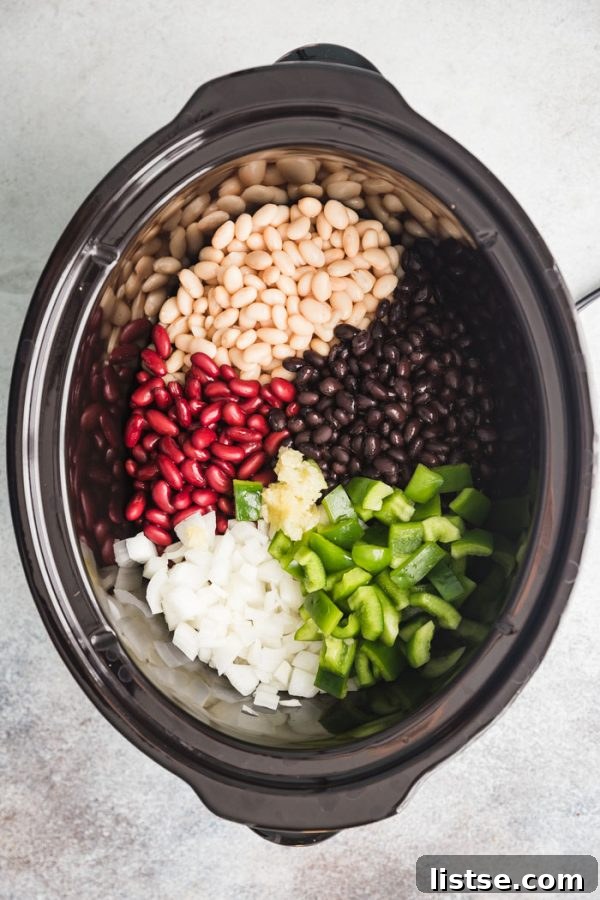
Navy beans, also known as haricot beans, are small, oval, dry white beans native to the Americas. They are distinguished by their slightly flattened shape and are typically smaller than other white bean varieties like cannellini beans. Historically, they gained their name due to their popularity in the United States Navy during the early 20th century, where they were a staple food. These versatile beans have a mild flavor and a creamy texture when cooked, making them an excellent addition to a wide range of dishes. They are famously used in classic recipes such as Boston baked beans, various soups (like Senate Bean Soup), stews, and casseroles, offering a rich source of protein, fiber, and essential nutrients.
-
Ndole
Ndole is a celebrated national dish of Cameroon, rich in flavor and cultural significance. This hearty stew is a symphony of ingredients, typically combining stewed nuts (often peanuts), fresh or dried bitter leaf (ndoleh), and your choice of fish or beef. Sometimes, it can also feature succulent shrimp or prawns, adding another layer of depth to the dish. The bitter leaf is meticulously prepared to remove its bitterness, often through blanching and rinsing, before being incorporated into the stew. Ndole is frequently served with “bobolo,” a fermented cassava loaf, or other starch staples like plantains or rice. Its complex flavors and comforting nature make it an almost obligatory presence at parties, family gatherings, and other festivities throughout Cameroon, embodying the warmth of Cameroonian hospitality.
-
Neapolitan Ice Cream
Neapolitan ice cream is a classic frozen dessert that has captivated palates for generations. It ingeniously arranges three distinct ice cream flavors – vanilla, chocolate, and strawberry – side-by-side within the same container, allowing for a harmonious blend of tastes in every scoop. Historians largely attribute its origins to the cuisine of the Italian city of Naples. Italian immigrants, particularly those from Naples, are believed to have introduced this layered treat (similar to spumoni) to the United States, leading to its widespread adoption and the enduring name “Neapolitan.” This iconic trio offers a delightful contrast of sweet, creamy, and fruity notes, making it a timeless favorite across the globe.
-
Nectar
In the culinary world, “nectar” often refers to a thick, sugary liquid, typically derived from fruits or plants. While plants produce nectar to attract pollinators, humans have harnessed the concept to create various sweet concoctions. Fruit nectars, for instance, are beverages made from fruit pulp and juice, often with added sweeteners and water, offering a thicker consistency than pure juice. Agave nectar, derived from the agave plant, is a popular natural sweetener used in drinks, desserts, and other foods as an alternative to sugar or honey. Its naturally rich sugar content makes it an effective and flavorful agent for sweetening a wide range of dishes and beverages.
-
Nectarine
The nectarine is a smooth-skinned variety of peach, cultivated predominantly in warm, temperate regions around the world. Lacking the characteristic fuzz of a peach, its skin is glossy and firm. Nectarines come in various flesh colors, including red, yellow, or white, each offering a slightly different flavor profile. Yellow-fleshed nectarines typically boast a juicy, sweet-tart taste, while white-fleshed varieties often present a more delicate, floral sweetness. These succulent fruits are a delight on their own, perfect for snacking, but also shine in a multitude of culinary applications. They can be grilled, baked into pies and crumbles, sliced into salads, or used in preserves, offering a burst of sweet summer flavor and a good source of vitamins A and C.
-
Nettles
Stinging nettles (Urtica dioica) are perhaps best known for the stinging hairs on their fresh leaves, which can cause skin irritation. However, once dried, cooked, or otherwise processed, these nettles are entirely safe and incredibly nutritious to eat. When cooked, nettles lose their sting and transform into a tender, leafy green vegetable with a rich, earthy flavor, often compared to spinach but with a slightly more robust, somewhat tangy undertone. They are a traditional ingredient in European cuisine, used in soups, stews, teas, and as a cooked side dish. Rich in vitamins A, C, and K, as well as iron and calcium, nettles are revered for their health benefits, making them a wild food delicacy once properly prepared.
-
New England Clam Chowder
New England clam chowder is a quintessential American comfort food, a creamy, hearty soup that perfectly embodies the culinary traditions of its namesake region. What sets this chowder apart is its rich, velvety base, made creamy with milk or heavy cream. While not excessively thick, the starch released from diced potatoes, combined with the cream, provides a comforting consistency. The classic recipe features a harmonious blend of tender clams, diced potatoes, savory salt pork (or bacon), and finely chopped onions. Often served with oyster crackers on the side, this warming dish is a staple in seafood restaurants and homes throughout New England, particularly during colder months, offering a taste of the sea in every spoonful.
-
New York Cheesecake
New York cheesecake is an iconic dessert renowned for its dense, rich, and impeccably creamy texture. This classic cheesecake distinguishes itself by using a higher proportion of cream cheese compared to other dairy products like heavy cream or sour cream, which are often found in lighter cheesecake variations. The result is a substantial and intensely satisfying cake, primarily composed of dairy products, vanilla, and sugar, typically baked on a crumbly graham cracker crust. The unique baking process, often involving a water bath, contributes to its signature smooth texture and prevents cracking. Sometimes, vanilla and sugar are mixed in halfway through baking, creating a twice-baked effect. It’s often enjoyed plain or topped with fruit sauces, chocolate, or a simple dollop of whipped cream, embodying sophisticated indulgence.
-
Nigella Seed
Nigella seed, also widely known as black cumin or kalonji, is a distinct spice derived from the seeds of Nigella sativa, a flowering plant native to Eastern Europe and Western Asia. These small, jet-black seeds are prized for their unique and complex flavor profile: smoky, slightly bitter, with intriguing hints of onion, cumin, and oregano. Nigella seeds are a cornerstone in many savory dishes across Indian, Middle Eastern, and North African cuisines. They are frequently used as a seasoning for breads (like naan and bagels), in curries, vegetable stir-fries, and lentil dishes, adding a pungent, aromatic depth. Beyond their culinary use, nigella seeds have also been historically valued in traditional medicine for their purported health benefits.
-
Nihari
Nihari is a celebrated slow-cooked meat stew, deeply rooted in Indian and Pakistani cuisine, particularly cherished as a breakfast dish. Its origins trace back to the Mughal Empire, where it was savored by Nawabs. The dish typically features tender cuts of meat – beef, lamb, mutton, goat, or chicken – cooked overnight or for several hours until incredibly tender, often with bone marrow. The stew is characterized by its rich, robust flavor, achieved through a complex blend of spices, prominently featuring long pepper, which offers a subtle heat similar to black pepper. Fresh herbs like cilantro and slivers of ginger are often added just before serving for an aromatic finish. Nihari delivers a profoundly savory and comforting experience, traditionally served with warm naan, green chilies, and a squeeze of lemon.
-
Noodles
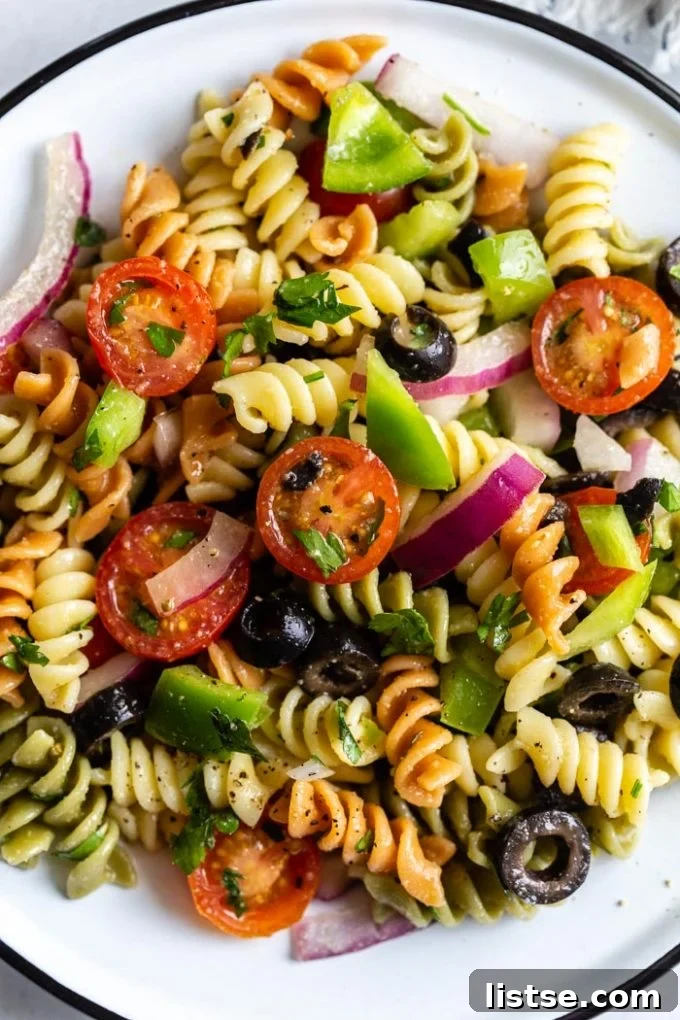
Noodles are one of the most ancient and universally beloved food items, forming the foundation of countless dishes across diverse culinary traditions. Made from unleavened dough that is rolled flat and then cut or extruded into various shapes and lengths, noodles are incredibly versatile. The types of noodles are as varied as the cultures that produce them: from Italian pasta (spaghetti, fettuccine, penne) to Asian ramen, udon, soba, rice noodles, and glass noodles, each type boasts unique characteristics in terms of texture, flavor, and preferred cooking methods. They are central to iconic dishes like pad Thai, lo mein, soups, stir-fries, and pasta dishes, transcending geographical boundaries and delighting palates with their comforting and adaptable nature.
-
Nopal
Nopal refers to the edible pads of the prickly pear cactus (Opuntia ficus-indica), a plant indigenous to Mexico, where it holds significant cultural and culinary importance. With over a hundred known species, nopal is a staple in Mexican cuisine, prized for its unique moist, slightly crunchy texture and a delicate sliminess reminiscent of okra. Its flavor profile is tart and fresh, with a subtle citrusy undertone. Before consumption, the spines must be carefully removed. Nopal can be prepared in numerous ways: grilled, boiled, sautéed, or pickled. It’s commonly featured in tacos, salads (nopales salad), stews, and even juices, offering a distinct taste and a wealth of fiber, vitamins, and minerals to the diet.
-
Nori
Nori is a dried seaweed product, a fundamental ingredient in Japanese cuisine, instantly recognizable as the dark green, thin sheets used to wrap sushi rolls and onigiri (rice balls). Made from various species of edible seaweed, typically from the genus Pyropia, nori is processed by shredding and then drying the seaweed into paper-thin sheets. High-quality nori is characterized by a natural sweetness, a subtle marine aroma, and a crisp, delicate texture. While primarily known for its role in sushi, nori is also enjoyed as a savory snack on its own, crumbled as a garnish over salads and noodle dishes, or used to add an umami-rich flavor to broths. It’s a fantastic source of iodine, vitamins, and minerals.
-
Nougat
Nougat is a classic confectionary enjoyed worldwide, tracing its origins back to the Middle East and Mediterranean regions. This sweet and chewy candy is fundamentally composed of sugar or honey, combined with whipped egg whites and typically studded with a variety of roasted nuts. Common nut inclusions feature almonds, walnuts, pistachios, hazelnuts, and macadamia nuts, each adding its own distinct flavor and crunch. Nougat can vary in texture from soft and chewy to firm and crunchy, depending on its preparation. It’s a delightful treat on its own but also a popular ingredient in various other desserts and candy bars, famously found in confections like Snickers and Milky Way, providing a unique textural and flavor component.
-
Nutella
Nutella is a globally celebrated brand of sweetened hazelnut cocoa spread, originating from Italy. Created by Pietro Ferrero in the post-World War II era, it has grown into a beloved staple in households around the world. The spread combines a carefully balanced blend of sugar, palm oil, roasted hazelnuts, cocoa powder, and skimmed milk powder, resulting in its distinctively smooth, creamy texture and rich, indulgent flavor. Nutella is incredibly versatile; it’s a popular spread for toast, pancakes, and waffles, a delicious filling for crepes, and a key ingredient in countless desserts, from cakes and cookies to milkshakes and pastries, offering a comforting and irresistible treat for all ages.
-
Nutmeg
Nutmeg is an aromatic spice derived from the seed of several species of Myristica trees, native to the Spice Islands (Moluccas) of Indonesia. It is available both as a whole seed, which can be freshly grated, or as a ground powder. Nutmeg boasts a warm, sweet, and slightly spicy flavor profile with subtle nutty undertones, making it a highly versatile spice. It’s a common ingredient in numerous baked goods, adding depth to pies, cakes, and cookies. Beyond sweets, nutmeg also features prominently in savory dishes, enhancing cream sauces, vegetable preparations, and meat rubs. It’s also a signature flavor in seasonal beverages like eggnog, mulled cider, and mulled wine, contributing to the comforting aromas of autumn and winter.
-
Nut Butter
Nut butter is a rich, creamy spread crafted from ground nuts, often with the addition of flavors, sweeteners, and oils. Peanut butter is undoubtedly the most popular variety, particularly in the United States, but the world of nut butters extends to include delightful spreads made from hazelnuts, almonds, cashews, pistachios, and more. Each nut butter offers a unique flavor and nutritional profile. These spreads are celebrated for their versatility and health benefits, being excellent sources of protein, healthy fats, and fiber. Nut butters can be purchased readily in stores or easily made at home by roasting nuts and processing them in a food processor until smooth. They are perfect as a spread for toast, fruit, or vegetables, a base for sauces and dressings, or an ingredient in smoothies and baked goods, offering a delicious and nutritious boost.
-
Nuts
Nuts are botanically defined as dry, edible fruits or seeds, typically characterized by a hard shell and a single, nutrient-rich kernel inside. They are a powerhouse of nutrition, often having a high content of healthy fats, protein, fiber, vitamins, and minerals. The culinary definition of nuts is much broader, encompassing a wide array of edible kernels like pistachios, hazelnuts, cashews, walnuts, almonds, macadamia nuts, pecans, and even peanuts (which are botanically legumes but culinarily treated as nuts). Nuts are incredibly versatile in the kitchen, enjoyed raw or roasted as a wholesome snack, incorporated into savory dishes for added texture and flavor, or baked into an endless variety of desserts and confections. They are revered for their crunch, distinct flavors, and significant health benefits, though it’s important to be mindful of common nut allergies.