
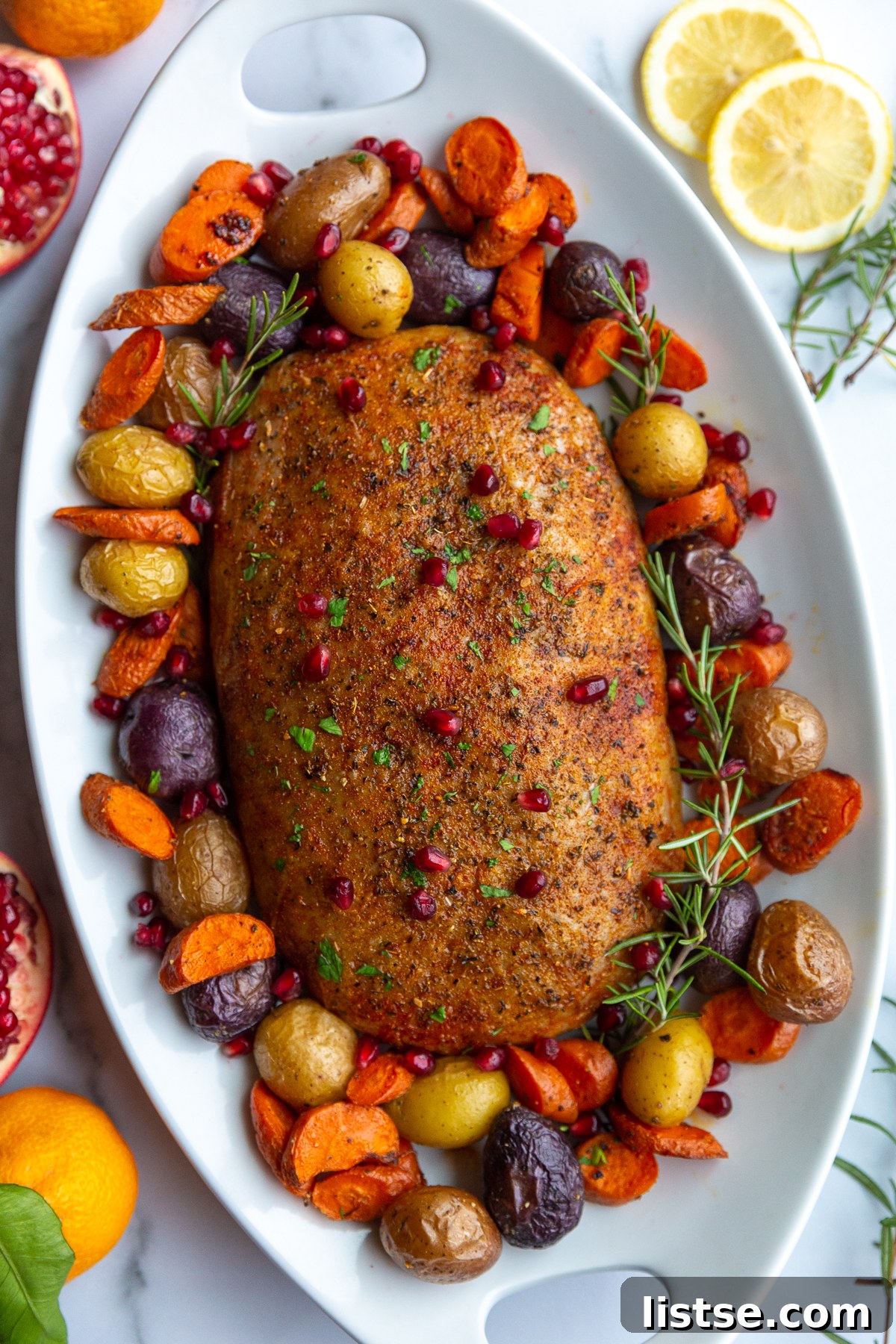
Elevate your holiday table with this magnificent Stuffed Vegan Turkey Roast! Crafted from savory seitan, generously filled with your favorite plant-based stuffing, enveloped in a delightfully crispy rice paper “skin,” and roasted to golden perfection, this recipe is a true game-changer. Forget store-bought alternatives – this is your ultimate homemade vegan turkey, designed to impress even the most discerning palates and become the star centerpiece of any festive gathering.
For those who appreciate innovative vegan main courses, you’ll also love exploring my classic seitan vegan turkey, the elegant Vegan Wellington, and the hearty Jackfruit Pot Roast. Each offers a unique way to celebrate plant-based cuisine.
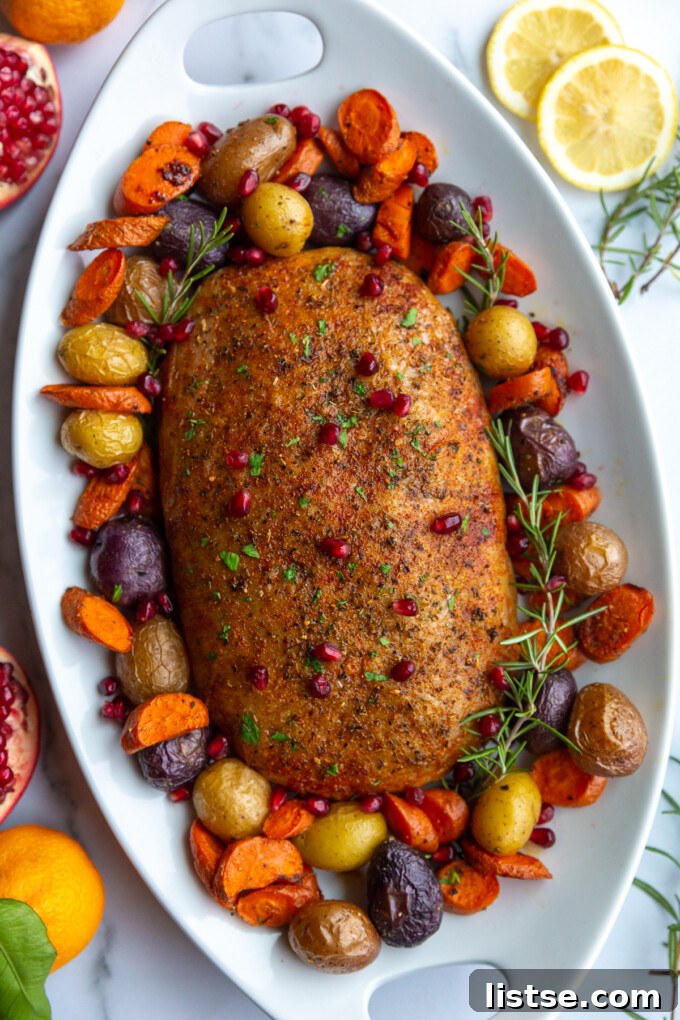
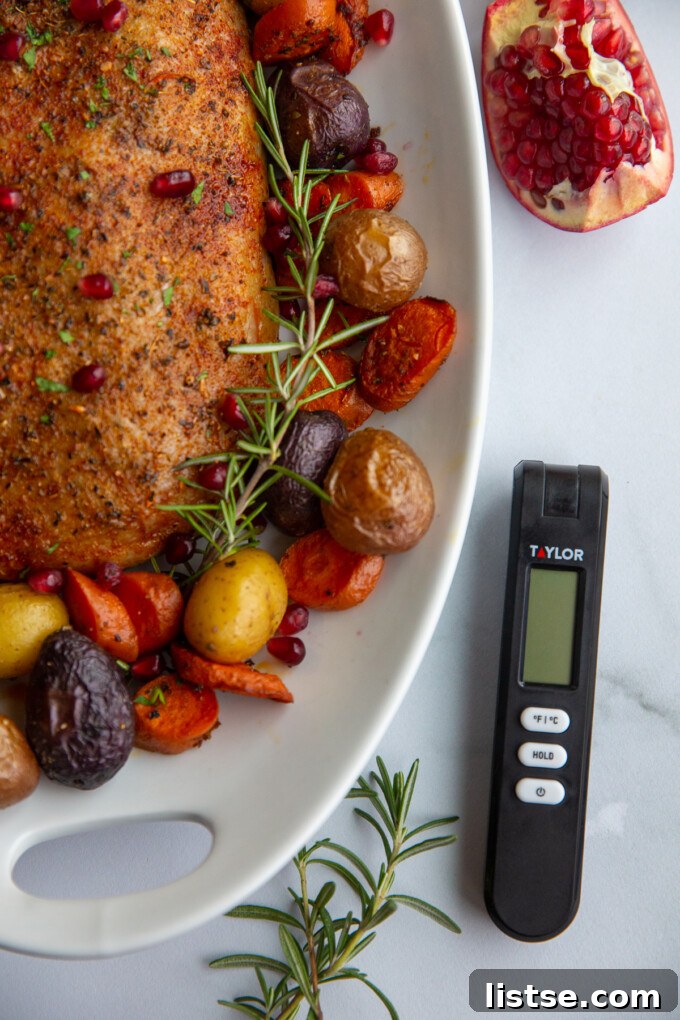
This post is proudly sponsored by Taylor, a brand I’ve trusted and worked with for years. Their commitment to quality kitchen tools, like the digital kitchen thermometer I used to ensure this roast cooks flawlessly, truly makes my culinary adventures possible. Your support of the brands that support this blog means the world to me!
Earlier this year, I shared my incredibly popular Vegan Roast recipe, and the response was overwhelming! Seeing so many of you create it for Thanksgiving warmed my heart. It quickly became clear that a demand existed for a stuffed version – something akin to the beloved “Tofurky” found in stores, but with the superior taste and texture that only a homemade recipe can offer. And so, this comprehensive guide was born, showing you exactly how to craft a stuffed vegan turkey that exceeds expectations.
Why This Stuffed Vegan Turkey Will Be Your New Holiday Favorite
This isn’t just another recipe; it’s a culinary experience designed to bring joy and deliciousness to your festive table. Here’s why this Stuffed Vegan Turkey will undoubtedly become a cherished tradition:
- An Unforgettable Showstopper Dish: Prepare to dazzle your guests! This vegan turkey roast is not only incredibly flavorful but also visually stunning. Its golden, crispy exterior and impressive size make it the perfect centerpiece for Thanksgiving, Christmas, or any special holiday gathering. It proves that plant-based meals can be just as grand and satisfying as their traditional counterparts, sparking conversations and smiles around the table.
- Remarkably Versatile and Adaptable: The beauty of this recipe lies in its flexibility. While I highly recommend trying my delicious vegan stuffing recipe, you are absolutely free to use any stuffing you adore. Whether it’s a homemade herb-and-sage classic, a savory apple-pecan blend, or even your favorite meat-free boxed stuffing mix for ultimate convenience, this recipe will embrace it beautifully. This adaptability ensures your roast always tastes exactly how you want it, year after year.
- Explosion of Flavor in Every Bite: From the deeply savory seitan base to the aromatic, herb-infused stuffing, and the incredibly crispy rice paper “skin,” every element of this roast is designed to deliver maximum flavor. The thoughtful blend of seasonings creates a rich, umami-packed experience that will satisfy even the most traditional palates. It’s a symphony of textures and tastes – tender interior, flavorful filling, and a satisfyingly crunchy crust.
- Effortlessly Make-Ahead Friendly: Holiday cooking can be stressful, but this recipe is here to ease your burden. You can prepare the entire seitan loaf and stuff it ahead of time – up to two days in advance! This means you can get most of the heavy lifting done, allowing you to simply pop it in the oven for roasting on the big day. Spend less time in the kitchen and more time enjoying precious moments with family and friends.
Key Ingredients for Your Homemade Stuffed Vegan Turkey
Crafting this incredible vegan turkey relies on a few core ingredients that come together to create a truly magical dish. Here’s a closer look at what you’ll need and why each component is essential:
- Vital Wheat Gluten: This is the cornerstone of our seitan roast. As the isolated protein from wheat, vital wheat gluten provides the incredible elasticity and “meaty” texture that makes this vegan turkey so satisfying. It forms the structure of our loaf, giving it the chewiness and density you’d expect from a traditional roast.
- Silken Tofu: While I’ve experimented with firm tofu (which also works!), silken tofu is my preferred choice for its ability to create an incredibly smooth and tender seitan base. When blended, it contributes moisture and a delicate creaminess, ensuring your roast isn’t dry or overly dense. It helps bind the gluten and enhances the overall mouthfeel.
- Essential Seasoning Blend: The flavor profile is paramount! We’re layering a few key spices to achieve that quintessential savory “turkey” taste. This includes:
- Fennel Seeds: Crushed fennel seeds (highly recommended!) add a subtle, aromatic anise note that beautifully complements the other flavors, often found in traditional poultry seasoning blends.
- Nutritional Yeast: A vegan pantry staple, nutritional yeast imparts a wonderful cheesy, umami depth that boosts the savory qualities of the seitan.
- Poultry Seasoning: This classic blend of herbs and spices is vital for that familiar, comforting holiday roast flavor.
- Onion and Garlic Powder: These provide fundamental savory notes, adding depth and a well-rounded flavor foundation to the seitan.
- Salt: Essential for enhancing all the other flavors and seasoning the entire loaf properly.
- Vegetable Broth: Used primarily for steaming the seitan, veggie broth not only provides the necessary moisture but also infuses the loaf with an extra layer of savory flavor. Choose a good quality, low-sodium broth for the best results.
- Stuffing of Your Choice: This is where the “stuffed” magic happens! You can use my favorite homemade vegan stuffing recipe, or feel free to incorporate any other vegan stuffing you love. Even a convenient, meat-free boxed mix can work wonderfully, making this dish accessible for any cook.
- Rice Paper Sheets: This is the secret ingredient for the roast’s incredible “skin”! When wrapped around the seitan loaf and roasted, rice paper becomes incredibly crispy, golden, and slightly chewy, mimicking the texture of traditional turkey skin. You *could* skip this step, but trust me, it’s a game-changer for both texture and appearance.
- Fragrant Herb Rub: Before roasting, we’ll coat the rice paper-wrapped loaf with a simple yet powerful herb rub. This mixture of dried herbs (like thyme and parsley), paprika, olive oil, salt, and pepper not only enhances the flavor but also helps create that beautiful, browned, and crispy exterior.
Crafting Your Homemade Stuffed Vegan Turkey: A Step-by-Step Guide
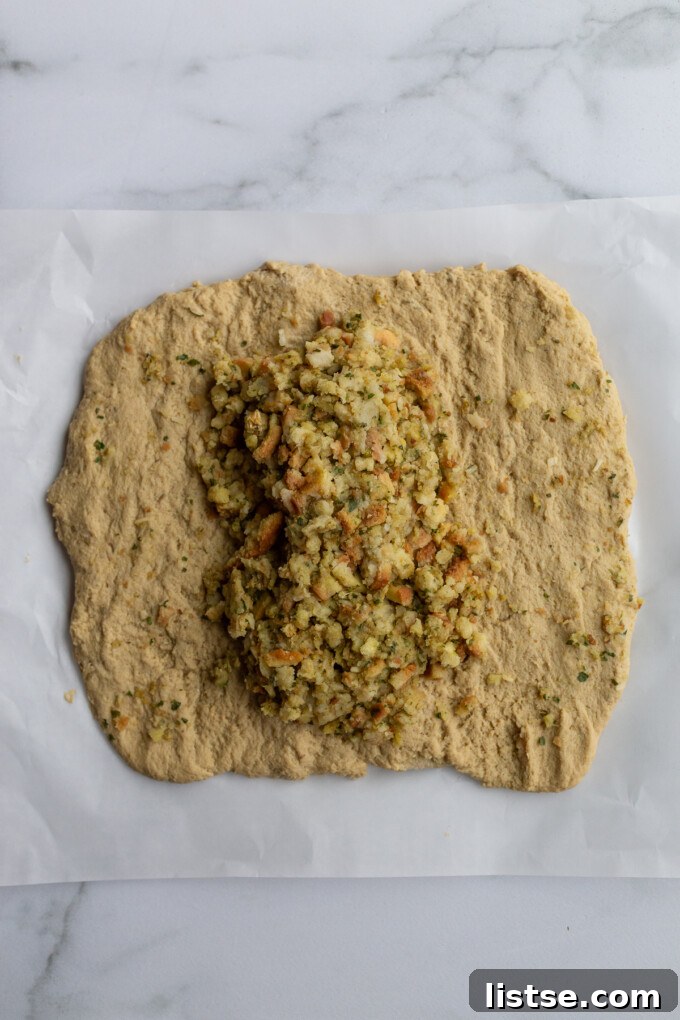
Step 1: Prepare the Seitan Dough and Stuff. Begin by preparing your seitan dough according to the recipe instructions (blending silken tofu, vital wheat gluten, and seasonings until a cohesive ball forms). Once ready, carefully press or roll out the dough on a piece of parchment paper into a uniform rectangle, roughly 8×10 inches in size. Ensure the thickness is consistent across the entire rectangle. Next, place your prepared vegan stuffing generously down the center of the seitan rectangle, forming it into a compact loaf shape. Leave enough seitan clear on the sides to fully enclose the stuffing.
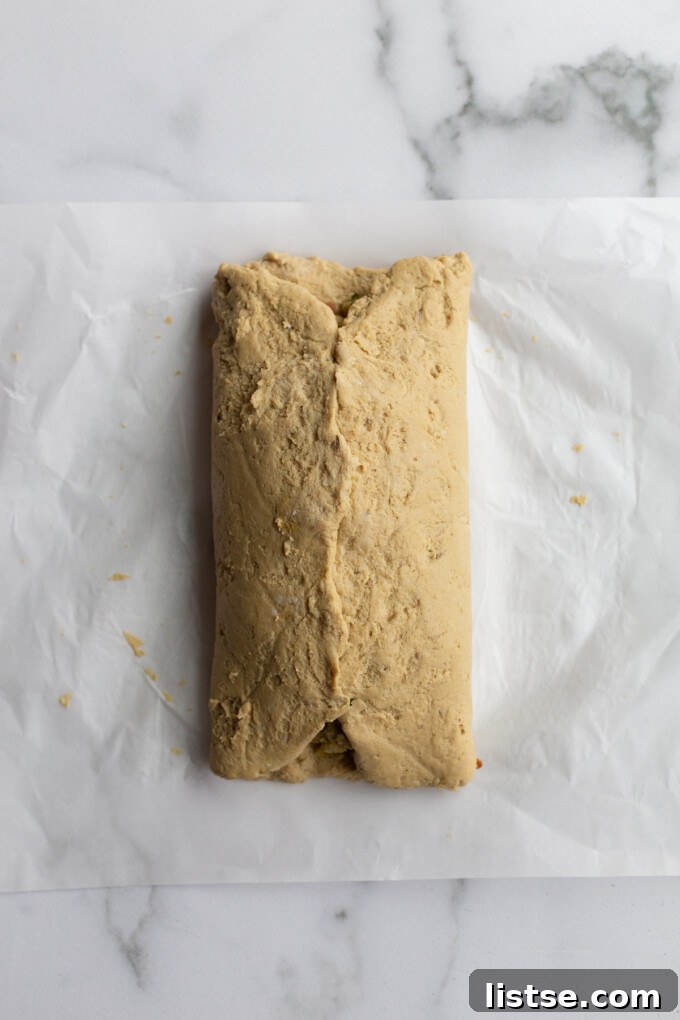
Step 2: Fold and Enclose the Stuffing. Carefully fold the seitan dough over the top of the stuffing, bringing one long side to meet the other. Gently press and seal the edges firmly. The goal is to fully encase the stuffing within the seitan, creating a neat, compact loaf. Don’t worry if it’s not perfectly smooth; you can always adjust and pinch the dough to ensure no stuffing is exposed.
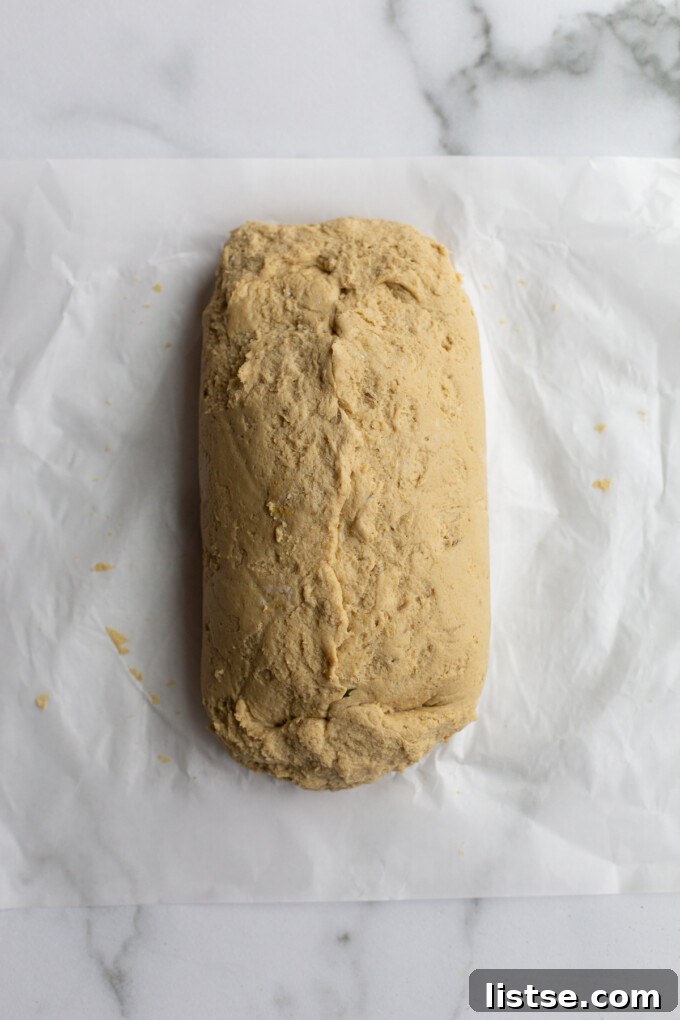
Step 3: Seal All Edges for a Perfect Loaf. Take your time to thoroughly seal up all the edges of the seitan loaf. Pinch and gently smooth the dough together to ensure the stuffing is completely enclosed and there are no gaps. This step is crucial for preventing the stuffing from drying out during cooking and for maintaining the roast’s beautiful shape. Once sealed, you’ll have a sturdy, well-formed seitan loaf.
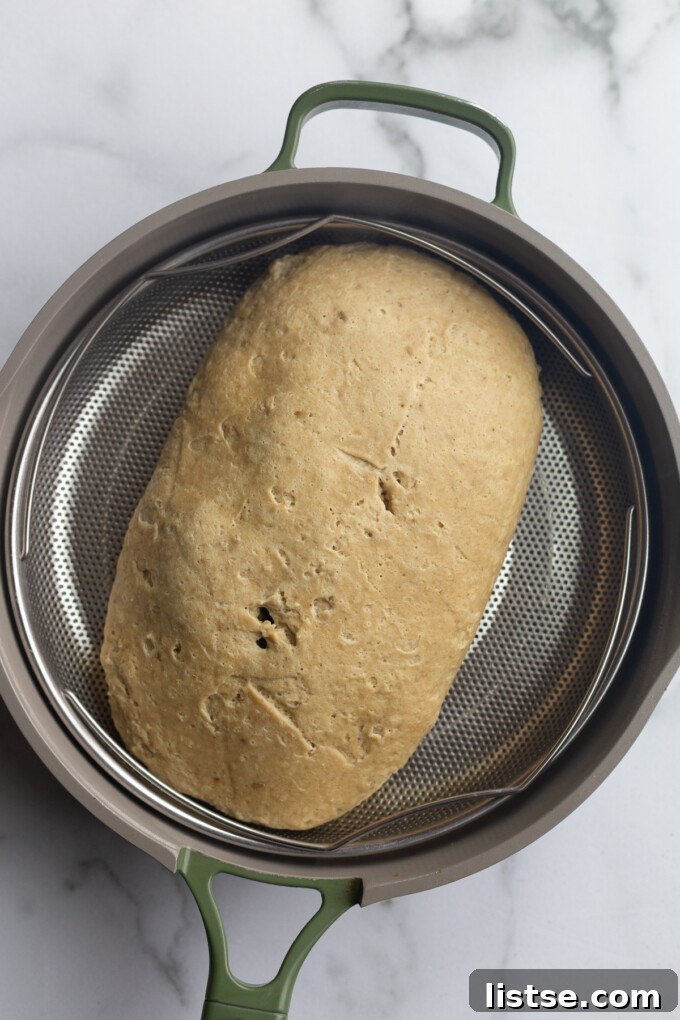
Step 4: Steam the Seitan Loaf. Lightly grease a steamer basket to prevent sticking. Carefully transfer the seitan loaf into the prepared steamer basket. In a pot or large skillet beneath the steamer basket, add 1-2 cups of vegetable broth – just enough so it doesn’t touch the bottom of the basket but provides ample liquid for steaming. Bring the broth to a gentle simmer, then place the steamer basket with the loaf over the simmering liquid. Cover the pot tightly and let the roast steam for approximately 25 minutes. During this time, periodically check the broth level to ensure it doesn’t evaporate completely, adding more hot broth if needed.
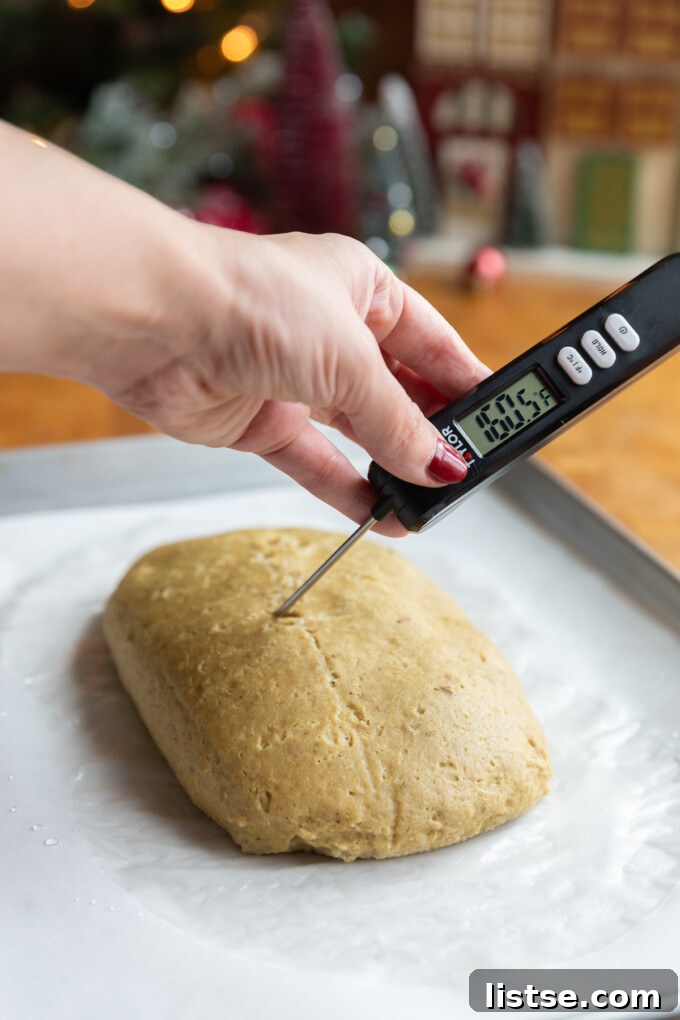
Step 5: Verify Doneness with a Thermometer. The steaming process is complete when the internal temperature of the seitan roast reaches approximately 160 degrees F. Use a reliable digital kitchen thermometer, like the one from Taylor, to accurately check the center of the loaf. This ensures your seitan is perfectly cooked through, tender, and ready for the next stage. Once it reaches the target temperature, carefully remove the loaf from the steamer basket and set it aside to cool slightly.
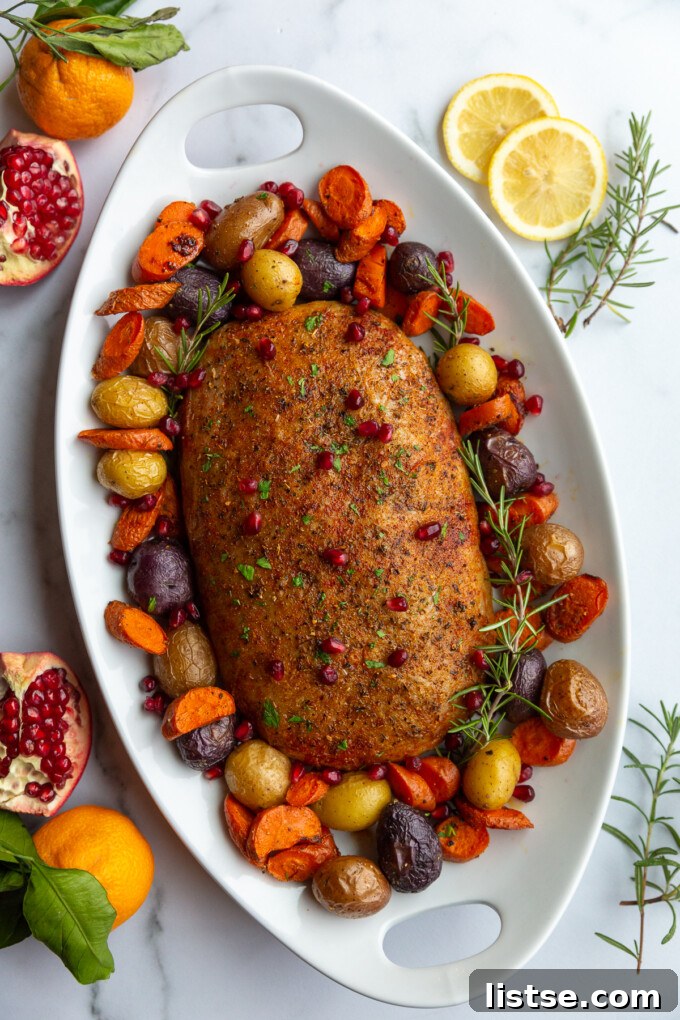
Step 6: Wrap, Season, and Roast. Preheat your oven to 400 degrees F (200 degrees C). Working with one rice paper sheet at a time, quickly run each sheet under cool water for about 10 seconds until pliable. Lay two sheets on a clean piece of parchment paper, overlapping them by a few inches in the middle. Place the cooled seitan loaf onto the center of the overlapping rice paper sheets, then gently wrap the rice paper up the sides of the loaf, pressing it firmly to adhere. Use a third sheet of rice paper to cover any remaining exposed areas, ensuring the entire loaf is snugly wrapped. Next, brush the wrapped loaf generously with olive oil. In a small bowl, combine your herb rub seasonings (dried thyme, parsley, paprika, sea salt, and freshly ground black pepper) and sprinkle them liberally over the entire surface of the roast. Place the seasoned loaf in a greased roasting dish, adding optional fresh rosemary sprigs and citrus slices for extra aroma and presentation if desired. Roast in the preheated oven for 25-30 minutes, or until the rice paper is beautifully browned, crispy, and irresistible. Let it rest for a few minutes before slicing and serving. Enjoy your spectacular homemade vegan turkey!
Essential Tips for a Perfect Stuffed Vegan Turkey
Achieving a truly outstanding Stuffed Vegan Turkey is easy with these expert tips:
- Embrace the Steaming Process: Do not be tempted to skip the steaming step! This is absolutely crucial for developing the correct texture of the seitan. Steaming hydrates the vital wheat gluten, making the loaf incredibly tender, moist, and firm on the inside before it gets its crispy exterior in the oven. Skipping this step can result in a dry or rubbery texture.
- Rice Paper: The Ultimate Game Changer: The rice paper “skin” is what truly elevates this roast from good to gourmet. It transforms into a thin, wonderfully crispy, and golden layer during roasting, offering a delightful textural contrast that beautifully mimics traditional turkey skin. It’s not just for aesthetics; it adds an irresistible crunch that completes the experience.
- Personalize Your Stuffing: This recipe is incredibly adaptable to your taste preferences. Feel free to use your absolute favorite vegan stuffing recipe – whether it’s a classic sage and onion, a sweeter apple and cranberry, or a savory mushroom and herb. For ultimate convenience on busy holidays, a high-quality store-bought meat-free stuffing mix works perfectly well too.
- Carefully Monitor the Steaming Broth: During the steaming process, keep a close eye on the vegetable broth in your pot or skillet. Ensure there’s always enough liquid to create a consistent steam, but not so much that it touches the seitan loaf. Replenish with hot water or broth as needed to prevent the pot from boiling dry and potentially scorching the bottom of your loaf or pan.
- Rest Before Slicing: Just like with traditional roasts, allowing your vegan turkey to rest for 10-15 minutes after it comes out of the oven is vital. This allows the internal juices and flavors to redistribute throughout the loaf, resulting in a more tender, flavorful, and easier-to-slice product.
- Use a Reliable Kitchen Thermometer: For peace of mind and perfectly cooked seitan every time, a digital kitchen thermometer is your best friend. Insert it into the thickest part of the loaf to ensure it reaches 160°F (71°C) during the steaming phase. This guarantees your seitan is fully cooked and safe to enjoy.
Serving Your Stuffed Vegan Turkey
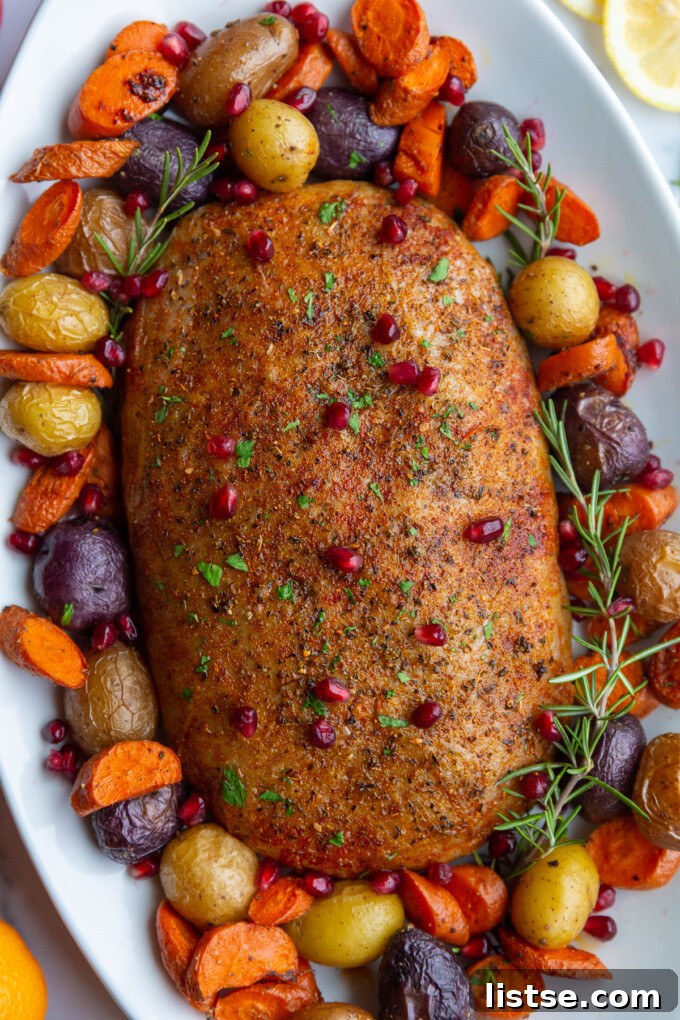
This magnificent Stuffed Vegan Turkey is designed to be the undisputed star of your holiday table. To truly complete the festive feast, consider pairing it with a variety of classic holiday sides. A rich, savory vegan gravy is an absolute must, perfectly complementing the seitan’s texture and flavor. Alongside, offer creamy mashed potatoes or a vibrant sweet potato casserole for comforting richness. Don’t forget the tangy sweetness of homemade cranberry sauce, and a fresh green vegetable like roasted asparagus or green bean casserole to balance the plate. For an impressive presentation, arrange sliced pieces of the roast on a large platter surrounded by extra roasted vegetables like carrots, parsnips, and Brussels sprouts, perhaps garnished with fresh rosemary sprigs and orange slices. This creates a visually stunning spread that invites everyone to dig in and celebrate.
Storage and Reheating Instructions
Enjoying your delicious Stuffed Vegan Turkey doesn’t have to end on the day you make it! Proper storage ensures you can savor the leftovers for days to come:
Fridge: Any leftover slices of your Stuffed Vegan Turkey should be stored in an airtight container in the refrigerator. It will remain fresh and delicious for up to 4 days. When ready to enjoy, you can reheat slices gently in the microwave until warmed through, or for a crispier exterior, warm them in a preheated oven at 350°F (175°C) for 10-15 minutes.
Freezer: For longer storage, this vegan turkey freezes beautifully. Allow the roast to cool completely, then wrap individual slices tightly in plastic wrap or aluminum foil before placing them in a freezer-safe bag or container. It can be frozen for up to 2 months without compromising quality. To reheat from frozen, you can thaw slices in the refrigerator overnight, then warm them in the oven or microwave. Alternatively, you can reheat directly from frozen in a moderate oven until heated through, though the rice paper might lose some of its crispiness.
If you try this incredible Stuffed Vegan Turkey recipe or any other delightful dish from Food with Feeling, please don’t hesitate to share your experience! Leaving a comment and a ⭐⭐⭐⭐⭐ rating below helps fellow foodies discover and enjoy these recipes. Your feedback truly brightens my day and guides others in their culinary journey. Happy cooking!
And remember to tag me on Instagram @foodwithfeeling when you share your delicious creations! I love seeing what you make.
Once again, my heartfelt thanks to Taylor for sponsoring this post and to YOU for supporting the wonderful brands that make this blog and its recipes possible!
Unfortunately, vital wheat gluten is the primary ingredient that gives seitan its signature “meaty” texture and structure, making this particular recipe unsuitable for a gluten-free diet. If you’re looking for a delicious gluten-free holiday roast, I recommend exploring recipes based on tofu, lentils, or mushrooms instead, which offer fantastic flavor and texture without the gluten.
The rice paper is a brilliant secret ingredient! When wrapped around the seitan loaf and roasted, it transforms into an incredibly crispy, golden-brown exterior. This layer beautifully mimics the look and satisfying texture of traditional turkey skin, adding a delightful crunch and visual appeal that truly makes this vegan roast a showstopper.
Absolutely! This recipe is wonderfully make-ahead friendly, perfect for reducing stress on busy holiday cooking days. You can prepare the entire seitan loaf, stuff it, and steam it up to two days in advance. Once steamed and cooled, store it securely wrapped in the refrigerator. On the day you plan to serve, simply proceed with wrapping it in rice paper, seasoning, and roasting it fresh. This ensures maximum crispiness and flavor when it hits your table.
While a food processor makes blending the silken tofu and vital wheat gluten much easier and ensures a smooth dough, you can still make this recipe without one. You can finely mash the silken tofu by hand, then combine it thoroughly with the dry ingredients. You’ll need to knead the dough vigorously by hand for about 5-10 minutes to develop the gluten and achieve the desired elastic texture. It will require a bit more effort, but the results will still be delicious!
I highly recommend silken tofu for its ability to create a very smooth and tender seitan base. However, if silken tofu is unavailable, you can use firm or even extra-firm tofu. If using firmer tofu, make sure to press out as much water as possible before blending it, and be prepared to blend it for a little longer to achieve the smoothest possible consistency. The final texture of the seitan might be slightly denser, but it will still be delicious.
Stuffed Vegan Turkey
Brita Britnell
30 mins
50 mins
6
Print Recipe
Ingredients
- 1 ½ cups vital wheat gluten
- 14 oz block silken tofu
- 1 tablespoon water
- 2 teaspoons of poultry seasoning, or something like Adobo seasoning also works well!
- ⅓ cup nutritional yeast
- 2 teaspoons garlic powder
- 1 teaspoon onion powder
- 1 teaspoon salt
- 2 teaspoons crushed fennel seeds, optional but highly recommended for authentic flavor
- 1-2 cups of veggie broth for boiling
- 1 serving vegan stuffing
- 3 sheets rice paper
- Optional: springs of fresh rosemary and thin slices of citrus for roasting
For the herb rub:
- ½ teaspoon dried thyme
- ½ teaspoon dried parsley
- 1 teaspoon paprika
- Good pinch sea salt
- Freshly ground black pepper
- Olive oil for brushing
Instructions
-
In the bowl of a food processor, add the silken tofu and water. Process until the mixture is completely smooth with no lumps remaining. Next, add the vital wheat gluten, poultry seasoning, nutritional yeast, garlic powder, onion powder, salt, and crushed fennel seeds. Blend until the mixture fully comes together and forms a tight, cohesive ball within the food processor, as shown in the accompanying photos. Continue processing until the dough is firm and elastic.
-
Transfer the seitan dough onto a piece of parchment paper. Using your hands or a rolling pin, press or roll the mixture out into a rectangle approximately 8×10 inches in size and about ½ inch thick. Ensure the dough is as even as possible. Carefully place your prepared vegan stuffing into the middle of the seitan rectangle, forming it into a compact loaf shape. Wrap the seitan dough around the stuffing, bringing the long sides together, and firmly pinch all the edges to completely seal the stuffing inside.
-
Lightly grease a steamer basket. Carefully place the sealed seitan loaf into the prepared steamer basket. In a large pot or skillet, pour 1-2 cups of vegetable broth – ensure there’s enough liquid to steam without touching the bottom of the steamer basket and causing the seitan to sit in liquid. Bring the broth to a gentle simmer. Place the steamer basket over the simmering broth and cover the pot tightly. Allow the loaf to steam for 25 minutes, monitoring the broth level periodically to prevent it from evaporating completely; add more hot broth if necessary. Use a kitchen thermometer to check the internal temperature of the center of the loaf; it should reach approximately 160 degrees F (71°C) to indicate it’s fully cooked. Once done, remove from heat.
-
Once the seitan loaf has cooled slightly, prepare the rice paper “skin.” Working one at a time, run the rice paper sheets under cool water for about 10 seconds until they become pliable. Lay the first two sheets on a clean piece of parchment paper, overlapping them by a few inches in the middle. Place the steamed seitan loaf onto the center of the overlapping rice paper. Gently wrap the rice paper up the sides of the loaf, pressing it firmly to adhere. Take the remaining piece of pliable rice paper and place it over any exposed areas, wrapping it around the loaf until the entire surface is covered smoothly.
-
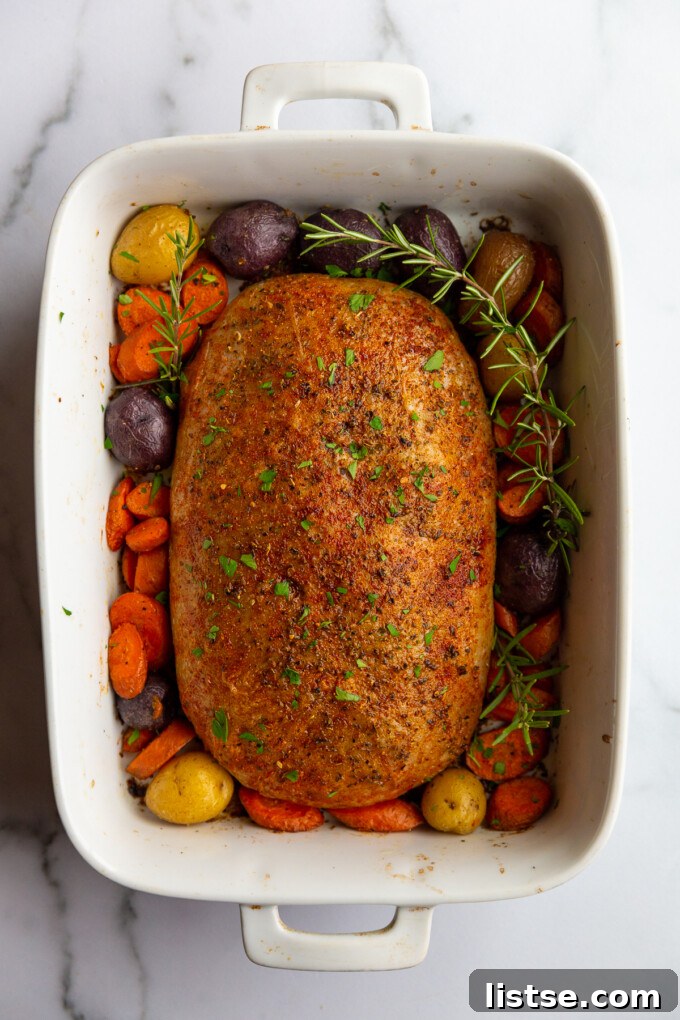
Preheat your oven to 400 degrees F (200 degrees C). Lightly grease a roasting dish. If using, arrange a few sprigs of fresh rosemary and thin slices of citrus (like orange or lemon) in the bottom of the pan to infuse extra aroma, then carefully place the rice paper-wrapped seitan loaf on top. Brush the entire surface of the loaf generously with olive oil. In a small bowl, combine the dried parsley, dried thyme, and paprika. Sprinkle this herb rub liberally over the oiled loaf, ensuring it’s evenly coated. Finish with a good pinch of sea salt and freshly cracked black pepper.
-
Roast the prepared loaf in the preheated oven for 25-30 minutes, or until the rice paper exterior is beautifully browned, crispy, and visibly inviting. The goal is a golden, crunchy crust. Once roasted, remove the dish from the oven and allow the Stuffed Vegan Turkey to rest for 10-15 minutes before slicing. This resting period helps the loaf firm up and makes it easier to cut into perfect, tender slices. Slice, serve, and enjoy your magnificent homemade vegan holiday centerpiece!
Notes
Nutrition
Nutrition information is automatically calculated, so should only be used as an approximation.