
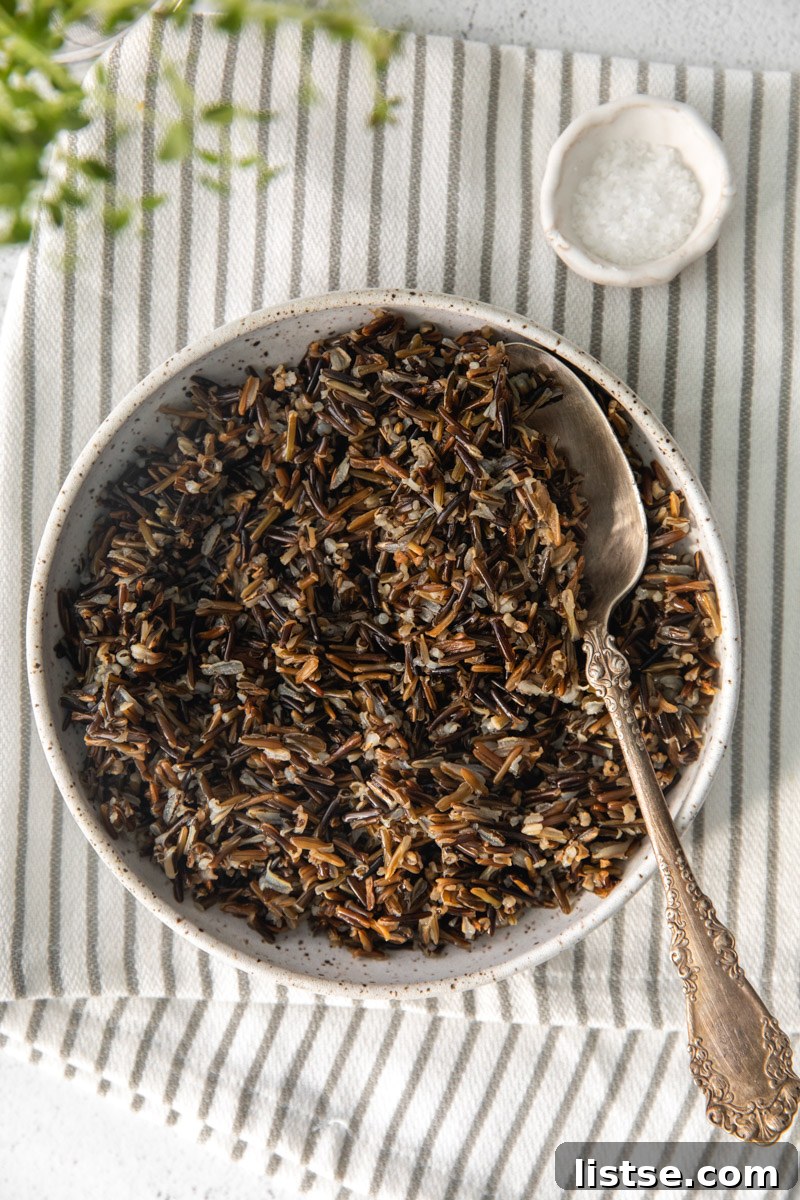
Cooking wild rice perfectly is simpler than you might think, whether you prefer the classic stovetop method or the speed and convenience of an Instant Pot. This guide will walk you through both techniques, ensuring you achieve tender, flavorful results every time. Wild rice, a truly unique and nutritious whole grain, is incredibly versatile, making it an excellent addition to countless meals. From a simple yet elegant side dish to a hearty base for grain bowls, or even an enriching ingredient in soups and salads, mastering its preparation opens up a world of culinary possibilities.
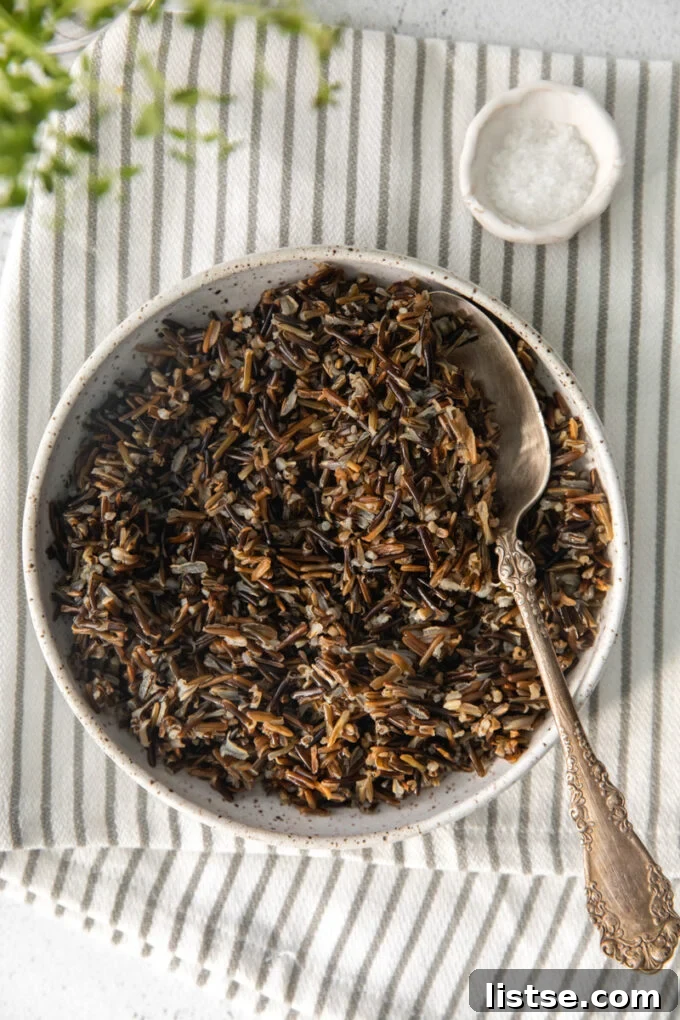
Have you ever experienced the delightful texture and earthy flavor of wild rice? It’s often hailed as one of the most rewarding grains to cook due to its distinct taste and impressive nutritional profile. Beyond being a fantastic standalone side seasoned with aromatic garlic and fresh herbs, its robust nature makes it ideal for enhancing the depth of hearty soups, adding body to crisp salads, and providing a wholesome foundation for casseroles.
What Exactly is Wild Rice? A Culinary & Botanical Insight
Many are surprised to learn that wild rice isn’t actually “rice” in the traditional sense. Botanically speaking, it’s the seed of an aquatic grass species belonging to the genus Zizania, rather than the genus Oryza, which includes common rice varieties like white or brown rice. Primarily native to the shallow waters of North America, particularly the Great Lakes region, wild rice has a rich history intertwined with indigenous cultures.
For hundreds of years, Native Americans revered wild rice (known as “Manoomin” by the Ojibwe people) as a sacred staple food. Its traditional harvesting, often done from canoes using sticks to thresh the grains, reflects a deep respect for nature and sustainable practices. Today, while some traditional harvesting still occurs, most wild rice available in grocery stores is cultivated commercially, making this ancient grain conveniently accessible to a global audience. Despite its non-rice origins, its culinary role and appearance have firmly cemented its place in our kitchens as “wild rice.”

Unveiling the Unique Flavor and Texture of Wild Rice
While botanically distinct from true rice, wild rice shares a similar culinary application and, once cooked, presents a unique taste and texture profile that sets it apart. Its grains, which are typically longer and darker than most rice varieties, possess an outer bran layer that contributes to its signature chewy texture. Unlike the softer, more delicate bite of white rice, wild rice offers a satisfying resistance, a pleasant “pop” when eaten, and a substantial mouthfeel that makes it incredibly hearty.
Flavor-wise, wild rice is celebrated for its earthy, slightly nutty, and sometimes subtly smoky notes. This robust flavor is more pronounced than that of brown rice and offers a wonderful depth that complements a wide array of ingredients. Its ability to absorb flavors while maintaining its own character makes it an excellent canvas for various seasonings, herbs, spices, and other add-ins, allowing it to adapt beautifully to diverse culinary preparations.
The Impressive Health Benefits of Wild Rice
Wild rice isn’t just delicious; it’s a powerhouse of nutrition, making it an excellent choice for a health-conscious diet. It boasts several significant health advantages:
- Naturally Gluten-Free: For individuals with gluten sensitivities or celiac disease, wild rice is a safe and nutritious grain alternative.
- Rich in Fiber: A single cup of cooked wild rice provides a substantial amount of dietary fiber, which is crucial for digestive health, helps regulate blood sugar levels, and contributes to a feeling of fullness, aiding in weight management.
- Excellent Plant-Based Protein Source: With approximately 4 grams of protein per cooked cup, wild rice stands out among grains as a valuable source of plant-based protein. It’s particularly notable for its high lysine content, an essential amino acid often lacking in other grains.
- Low in Fat: Wild rice is naturally low in fat, making it a heart-healthy choice.
- Packed with Micronutrients: It’s a good source of several important vitamins and minerals, including B vitamins (such as niacin and folate), magnesium, phosphorus, and zinc.
- Antioxidant Properties: Wild rice is especially rich in manganese, an antioxidant that plays a vital role in protecting cells from damage, supporting bone health, and maintaining healthy mitochondria – the energy powerhouses of your cells. Its dark pigmentation also indicates the presence of various phytonutrients with antioxidant effects.
Incorporating wild rice into your diet is a simple yet effective way to boost your intake of essential nutrients and support overall well-being.
How to Cook Wild Rice on the Stovetop: The Classic Method
Cooking wild rice on the stovetop is a straightforward process, though it requires a bit more time than other grains due to its hardy nature and longer liquid absorption period. The result is consistently tender and perfectly chewy rice. The cook time is approximately 45-50 minutes. Here’s a simple and effective method:
- Rinse the Rice: Before cooking, it’s a good practice to rinse your wild rice under cold running water in a fine-mesh sieve. This helps remove any dust or debris and ensures cleaner flavors.
- Combine Ingredients: In a medium saucepan with a tight-fitting lid, combine 1 cup of whole grain wild rice with 3 cups of water (or vegetable/chicken broth for added flavor) and ½ teaspoon of kosher salt. The 1:3 ratio of rice to liquid is crucial for optimal results.
- Boil: Place the saucepan over medium-high heat and bring the mixture to a rolling boil.
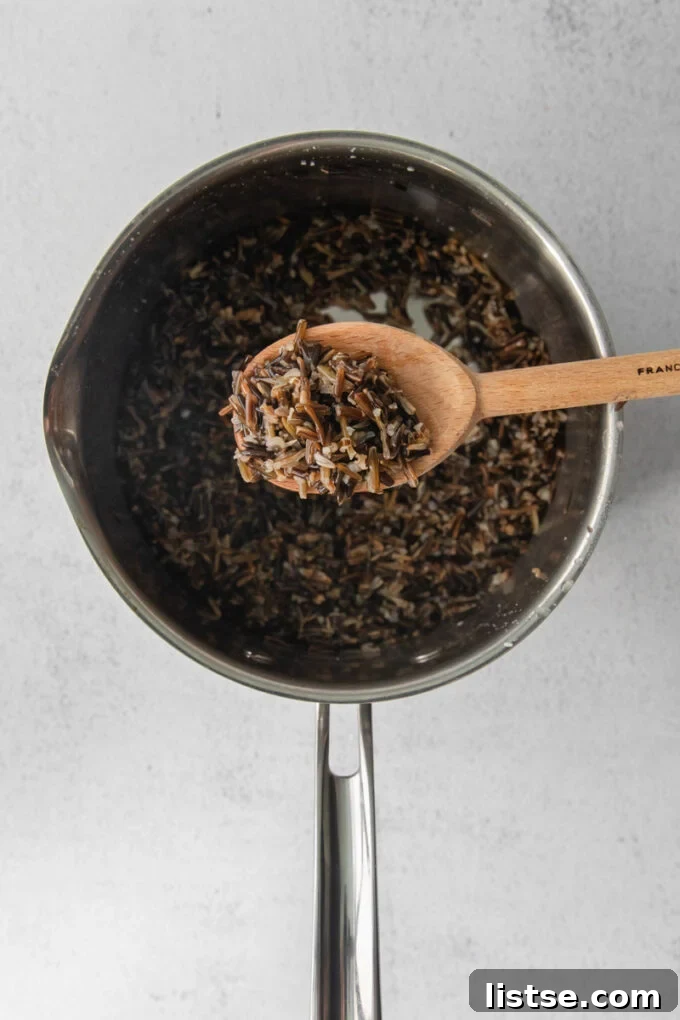
- Simmer: Once boiling, immediately reduce the heat to low, cover the saucepan tightly with its lid, and let the rice simmer for 45 to 50 minutes. It’s important not to lift the lid during this period, as it releases steam and slows down the cooking process.
- Check for Doneness: After 45-50 minutes, check the rice. It should be tender, and many of the kernels will have “burst” open, revealing a lighter interior. If it’s still too firm, add a tablespoon or two of hot water, re-cover, and continue to simmer for another 5-10 minutes.
- Rest and Fluff: Once cooked, remove the saucepan from the heat and let it sit, covered, for 5-10 minutes. This resting period allows the remaining steam to finish cooking the rice evenly and helps the grains firm up slightly. Finally, fluff the rice with a fork and season it further as desired before serving.
How to Cook Wild Rice in the Instant Pot: A Faster Alternative
For those seeking a quicker method without compromising on texture, the Instant Pot is an excellent tool for cooking wild rice. It significantly reduces the cooking time compared to the stovetop, making it perfect for busy weeknights. Here are the easy steps for perfectly cooked Instant Pot wild rice:
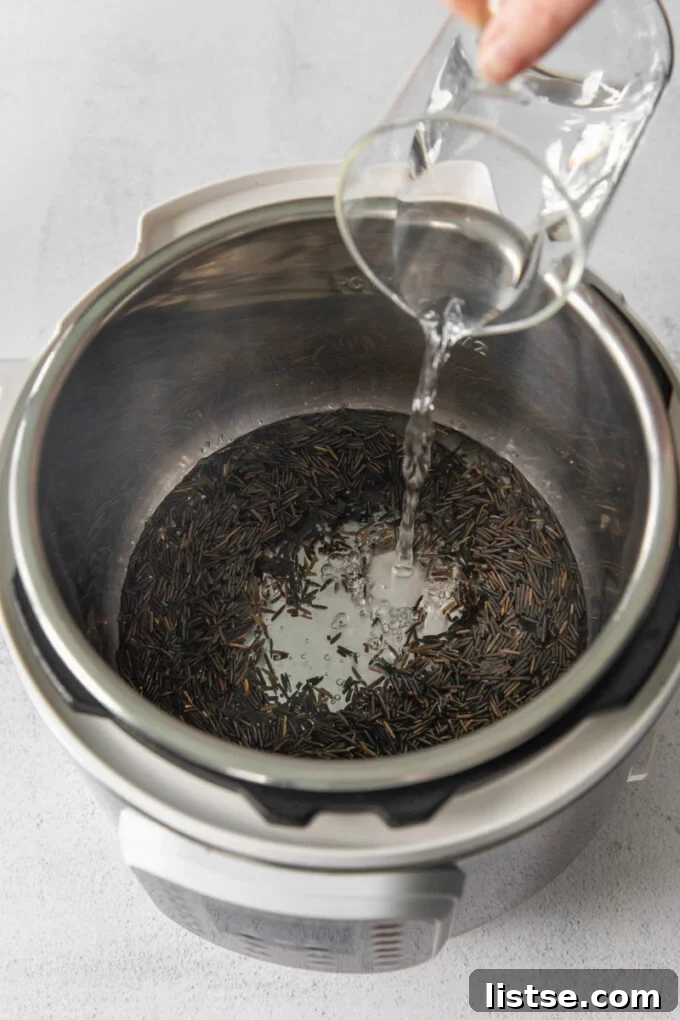
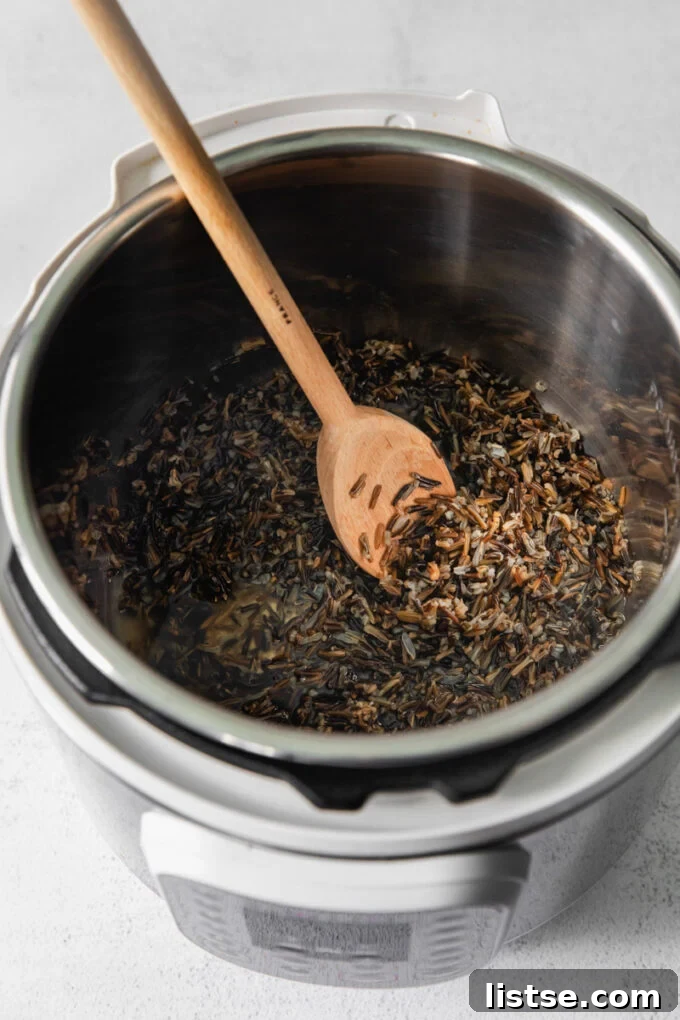
- Rinse and Combine: Rinse 1 cup of whole grain wild rice under cold water. Add the rinsed rice, 1 ¾ cups of water (or broth for more flavor), and ½ teaspoon of kosher salt to the inner pot of your Instant Pot. The ratio of 1:1.75 rice to liquid works well for the Instant Pot.
- Pressure Cook: Secure the lid on your Instant Pot, ensuring the sealing valve is set to the “Sealing” position. Select the “Pressure Cook” or “Manual” setting and set the cooking time to 20 minutes on High Pressure.
- Natural Release: Once the cooking cycle is complete, allow the pressure to release naturally for 10 minutes (Natural Pressure Release, or NPR). This crucial step helps the rice finish cooking gently and prevents it from becoming mushy.
- Quick Release: After 10 minutes of NPR, carefully switch the sealing valve to the “Venting” position to release any remaining pressure (Quick Release, or QR). Once the float valve drops, it’s safe to open the lid.
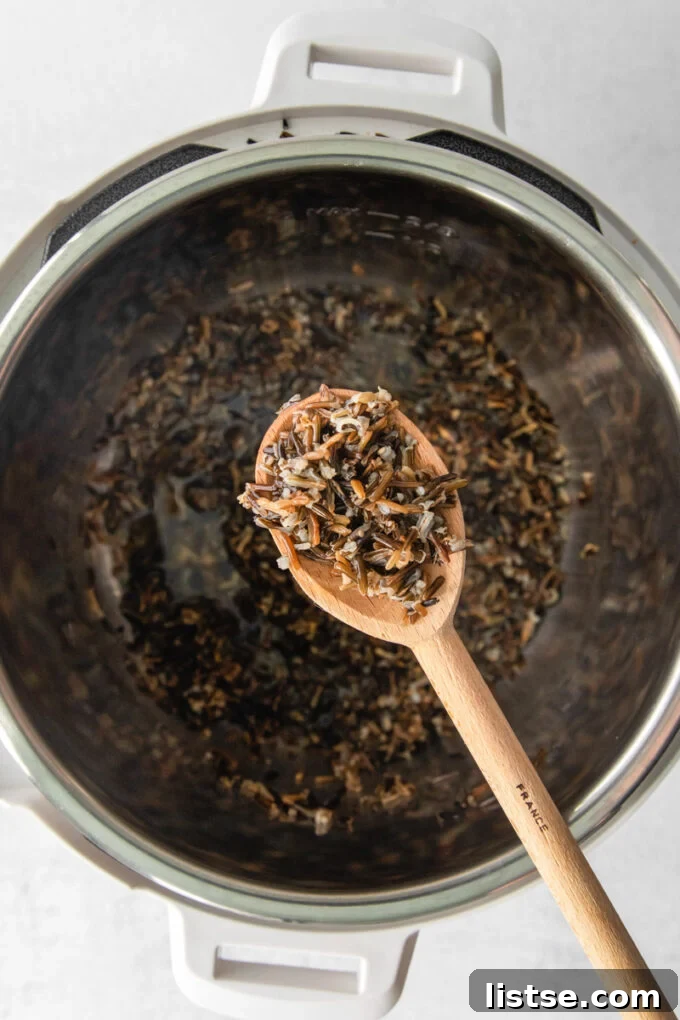
- Drain and Fluff: There might be a small amount of liquid remaining in the pot; this is normal. Carefully drain any excess liquid if present. Fluff the cooked wild rice with a fork.
- Season and Serve: Taste and adjust seasonings as needed. Your Instant Pot wild rice is now ready to be enjoyed!
A few notes about Instant Pot wild rice: While testing, a 1:1.5 water ratio sometimes triggered the “burn” notice. The 1:1.75 ratio generally avoids this. You may find Instant Pot wild rice to be slightly softer than stovetop versions, though it should still retain a pleasant bite and chewiness.
Creative Serving & Flavor Suggestions for Wild Rice
Wild rice’s robust flavor and chewy texture make it incredibly adaptable to a wide range of culinary applications. Here are some of my favorite ways to season and incorporate it into meals:
- Elevated Simple Side Dish: My absolute favorite way to prepare wild rice as a side is to warm 1 tablespoon of unsalted butter in a large skillet over medium heat. Once melted, add 1 finely minced shallot and cook for 2 minutes until tender and fragrant. Stir in 2 cloves of minced garlic and 1 teaspoon of fresh minced thyme, cooking for another minute until aromatic. Then, add your cooked wild rice and stir to combine, warming it through for an additional minute. Finish with a squeeze of fresh lemon juice and a sprinkle of chopped fresh parsley for a bright, herbaceous touch.
- Basic but Brilliant: Sometimes, simplicity is key. Wild rice is delightful when simply mixed with a knob of butter and a pinch of salt. For a brighter profile, toss it with a drizzle of good quality olive oil and a squeeze of fresh lemon juice. A touch of grated Parmesan cheese and garlic powder also makes for a quick and satisfying upgrade.
- Hearty Grain Bowls: Wild rice forms an excellent, nutrient-dense base for any grain bowl. Before assembling your bowl, mix the cooked rice with 2-3 tablespoons of your preferred dressing or sauce (e.g., a lemon-tahini dressing, a soy-ginger vinaigrette, or a creamy pesto). Then, layer with roasted vegetables, your choice of protein (chicken, tofu, chickpeas), fresh greens, and a sprinkle of nuts or seeds.
- Fresh & Vibrant Salads: Wild rice adds wonderful texture and substance to both warm and cold salads. Combine it with dried cranberries or cherries, toasted pecans or walnuts, crumbled goat cheese or feta, and a variety of fresh herbs like dill or chives. Dress with a light vinaigrette for a refreshing and filling meal.
- Soups and Stews: Wild rice is a classic addition to creamy chicken and wild rice soup, but it also shines in mushroom wild rice stew or hearty vegetable soups, adding body and a delightful chew.
Beyond the Bowl: Versatile Applications for Cooked Wild Rice
Once you have a batch of perfectly cooked wild rice, its culinary possibilities are virtually limitless. Its distinct texture and flavor make it a stellar component in various dishes:
- Paired with Earthy Flavors: Wild rice beautifully complements sautéed mushrooms (cremini, shiitake, or wild varieties), caramelized onions, and a medley of fresh herbs such as thyme, parsley, or sage.
- Sweet & Savory Combinations: Introduce a touch of sweetness with dried fruits like apricots, cranberries, golden raisins, or cherries. The tartness balances the earthy notes of the rice beautifully.
- Crunchy Textures: Enhance the mouthfeel with various nuts. Toasted almonds, crunchy hazelnuts, or rich pistachios add a delightful textural contrast and nutty flavor.
- Hearty Soups and Casseroles: As previously mentioned, wild rice is a foundational ingredient in many comforting soups and casseroles, providing substance and nutrition. Think creamy chicken and wild rice soup or a hearty wild rice hotdish.
- Staple in Salads: Incorporate wild rice into both warm and cold salads for a fulfilling meal. It holds up well and doesn’t get soggy, making it perfect for meal prep.
- Holiday Stuffing: For a more gourmet twist on traditional holiday fare, use wild rice as a base for your Thanksgiving stuffing. Its earthy flavor pairs wonderfully with poultry and traditional herbs.
- Stuffed Vegetables: Create elegant main courses by using wild rice as a filling for stuffed peppers, mushrooms, or winter squash like acorn or butternut squash. Mix it with vegetables, cheese, and herbs for a complete meal.
Essential Tips for Perfectly Cooked Wild Rice Every Time
Cooking wild rice is generally quite simple, but keeping a few key recommendations in mind will ensure your results are consistently perfect, whether you’re a seasoned chef or a kitchen novice:
- Choose the Right Rice: This recipe is specifically designed for whole grain wild rice. Be aware that cracked wild rice or wild rice blends (which often include other quicker-cooking grains like brown rice or long-grain rice) will cook significantly faster and require different water ratios and cooking times. Always check the packaging to confirm you have whole grain wild rice.
- Rinse Your Rice: While not always strictly necessary, giving your wild rice a quick rinse under cold water before cooking can help remove any starchy residue or debris, resulting in cleaner, more separate grains.
- Flavorful Liquid Options: While water is perfectly fine for cooking wild rice, substituting vegetable broth, chicken stock, or even mushroom broth will infuse your rice with a deeper, richer flavor profile. This is an easy way to elevate your dish without much extra effort.
- Don’t Forget the Salt: A pinch of salt added to the cooking liquid is crucial. It doesn’t just make the rice taste better; it also helps enhance the natural flavors of the grain as it cooks.
- Resist the Urge to Peek (Stovetop): When cooking on the stovetop, keeping the lid tightly closed is paramount. Lifting the lid releases steam, which is essential for even cooking, and can extend your cooking time.
- Know When It’s Done: Cooked wild rice should be tender yet still possess a pleasant chew. Many of the grains will “burst” open, revealing a lighter, fluffier interior. If they’re all still firm and closed, they need more time. If they’re mushy, they’re overcooked.
- Resting Period: A short resting period (5-10 minutes) after cooking, especially for the stovetop method, allows the grains to finish absorbing moisture and firm up slightly, leading to a better texture.
- Make a Big Batch for Meal Prep: Wild rice is an excellent candidate for meal prepping. Since the cooking time can be a bit longer, preparing a larger quantity at once saves time later. It freezes exceptionally well, making it easy to have a nutritious grain readily available for quick meals throughout the week.
- Freezing Instructions: To freeze cooked wild rice, allow it to cool completely to room temperature. Then, transfer it to a tightly sealed freezer-safe bag or an airtight container. It will maintain its quality in the freezer for four to six months. When ready to use, simply thaw in the refrigerator overnight or reheat from frozen, adding a splash of water or broth if needed to restore moisture.
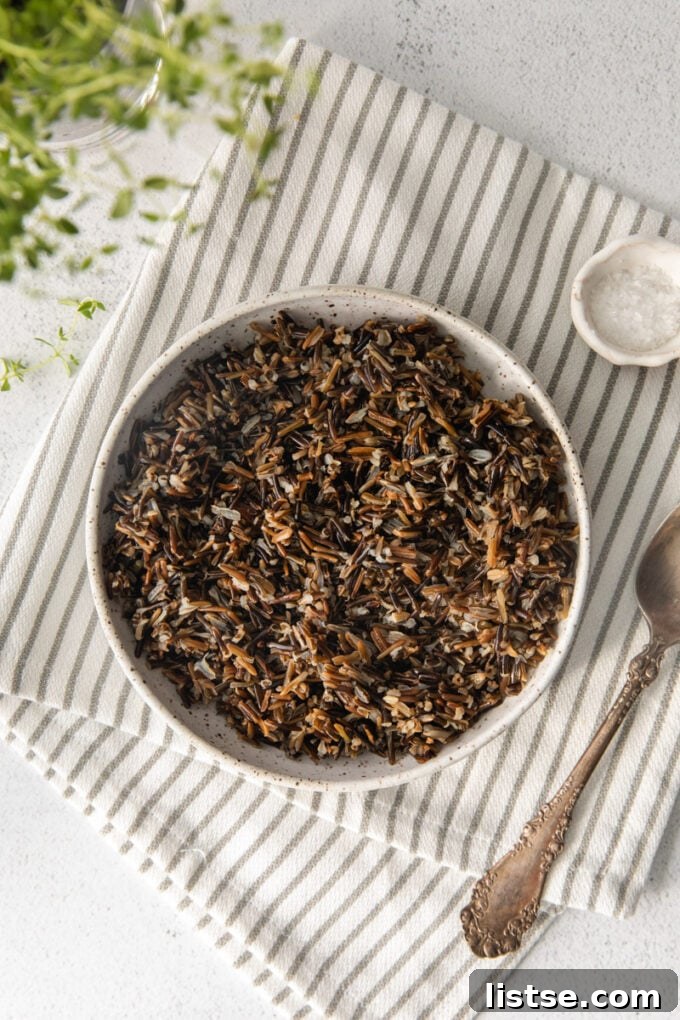
Whether you opt for the traditional stovetop or the speedy Instant Pot, mastering wild rice cooking is a rewarding culinary skill. Its unique texture, earthy flavor, and impressive nutritional benefits make it a fantastic staple to incorporate into your diet. Experiment with various seasonings and pairings to discover your favorite ways to enjoy this remarkable grain.
We’d love to hear about your wild rice cooking adventures! If you try either method or have unique serving suggestions, please share your experience in the comments below or tag us on social media.
More Delicious & Healthy Side Dish Recipes to Explore
- Sautéed Mushrooms and Onions
- Instant Pot Chickpeas
- Blistered Tomatoes
- Air Fryer Onion Rings