
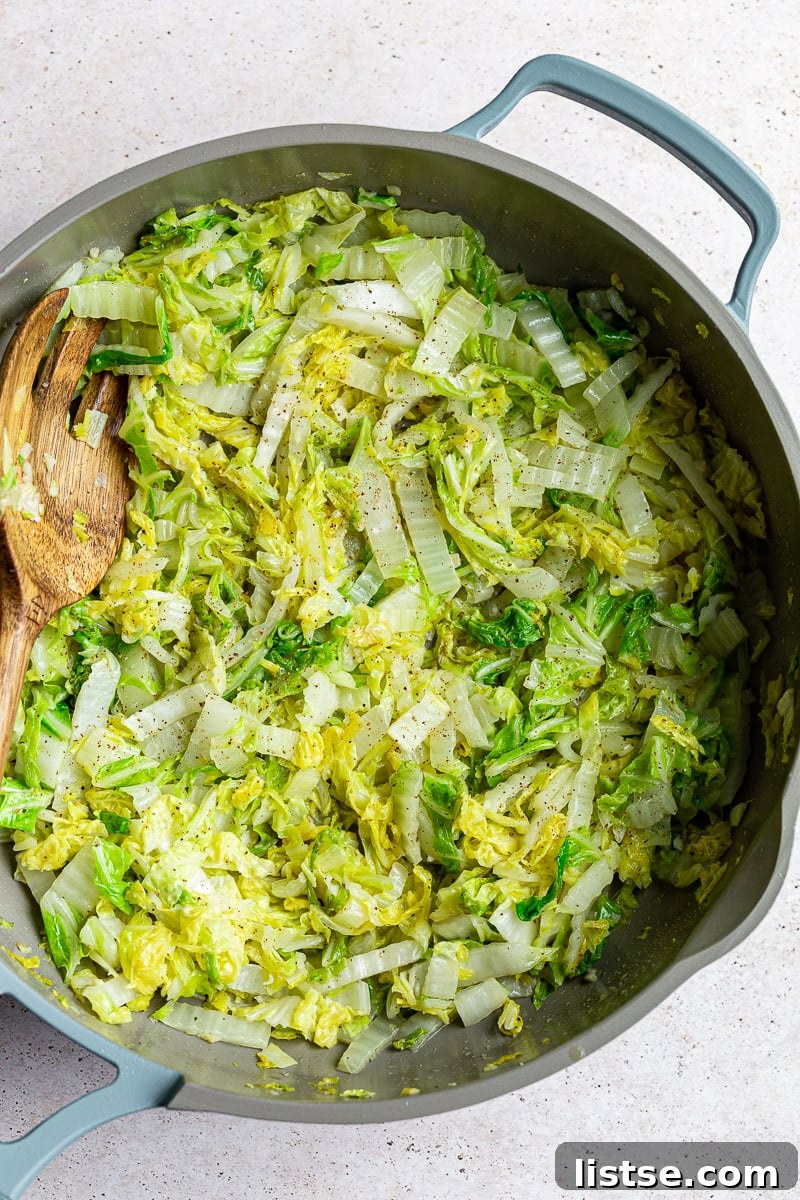
Sautéed Napa Cabbage is an incredibly simple yet profoundly flavorful side dish, perfect for enhancing almost any meal. This recipe features thinly sliced Napa cabbage gently cooked with a harmonious blend of butter, olive oil, aromatic garlic, a bright splash of apple cider vinegar, and your choice of fresh herbs. In just 20 minutes, you can create a super tasty, nutrient-rich, and remarkably inexpensive vegetable side that will quickly become a staple in your kitchen.
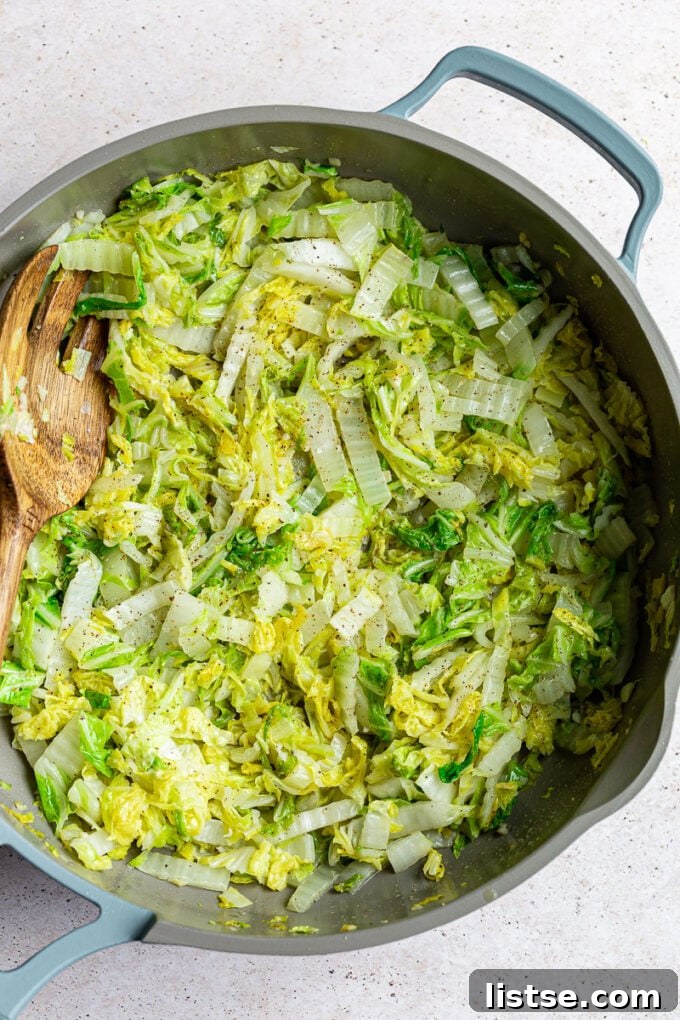
I find myself reaching for a head of cabbage nearly every week. Its versatility is astounding, whether I’m preparing roasted cabbage, making a batch of pickled cabbage, or simply whipping up this super simple sautéed version. If you’re one of those who believes they don’t like cabbage, I urge you to give this recipe a try. It takes mere minutes to prep just a handful of ingredients, and after a quick 15-minute cook time, I’m confident this delicious and easy dish will completely change your mind.
My love for cabbage stems from several factors: it’s readily available year-round, incredibly inexpensive, and stays fresh in the refrigerator for an impressively long time. For those evenings when I need a fast and healthy vegetable side to complement dinner, this sautéed Napa cabbage is always my reliable go-to. It’s not just food; it’s smart eating.
Why Sautéed Napa Cabbage is a Must-Try Side Dish
Beyond its quick preparation and budget-friendly appeal, sautéed Napa cabbage offers a delightful culinary experience that makes it an essential addition to your recipe repertoire. Let’s explore what makes this dish truly special:
Unforgettable Taste and Texture
Napa cabbage, often described as having a milder, sweeter flavor than its green counterparts, transforms beautifully when sautéed. The high heat caramelizes its natural sugars, bringing out a delicate sweetness. When cooked until tender-crisp, it retains a satisfying bite, making it a more appealing texture than overly soft, boiled cabbage. The combination of butter and olive oil provides a rich base, while the garlic infuses it with an aromatic depth. A final touch of apple cider vinegar adds a subtle tang that brightens the entire dish, creating a perfectly balanced flavor profile that will surprise and delight even the most skeptical eaters.
Effortless Preparation for Busy Lives
In a world where time is a precious commodity, finding recipes that deliver maximum flavor with minimal effort is a game-changer. This sautéed Napa cabbage recipe is precisely that. With a total time of just 20 minutes from start to finish, it’s quicker than many frozen vegetable options and infinitely more satisfying. The simple act of slicing the cabbage and a few other ingredients is the most involved step, making it ideal for weeknight dinners or when you need a speedy side for unexpected guests.
Incredible Versatility
One of the greatest strengths of sautéed Napa cabbage is its adaptability. Its gentle flavor makes it a fantastic pairing for a wide array of main courses. Serve it alongside roasted chicken, pan-seared fish, grilled steak, or even a hearty tofu stir-fry. It also complements rich pork dishes beautifully and adds a refreshing counterpoint to creamy pasta. Feel free to consider it a blank canvas, ready to absorb and enhance the flavors of whatever you’re serving.
A Nutritional Powerhouse
In addition to being delicious and easy, Napa cabbage is packed with essential nutrients. It’s an excellent source of dietary fiber, crucial for digestive health, and rich in vitamins K, C, and A, as well as various minerals and antioxidants. Incorporating this humble vegetable into your diet is a simple yet effective way to boost your overall well-being. This dish proves that healthy eating doesn’t have to be bland or complicated.
Understanding Napa Cabbage: Your Guide to Chinese Cabbage
Cabbages are a diverse family of vegetables, varying significantly in shape, size, and flavor. Napa cabbage stands out as one of the four primary varieties of cabbage, alongside the more commonly known green, red, and savoy types. Often referred to as “Chinese cabbage” in many grocery stores, Napa cabbage is distinguished by its elongated, oval shape, pale green to white crinkly leaves, and a milder, sweeter taste compared to the peppery bite of green cabbage.
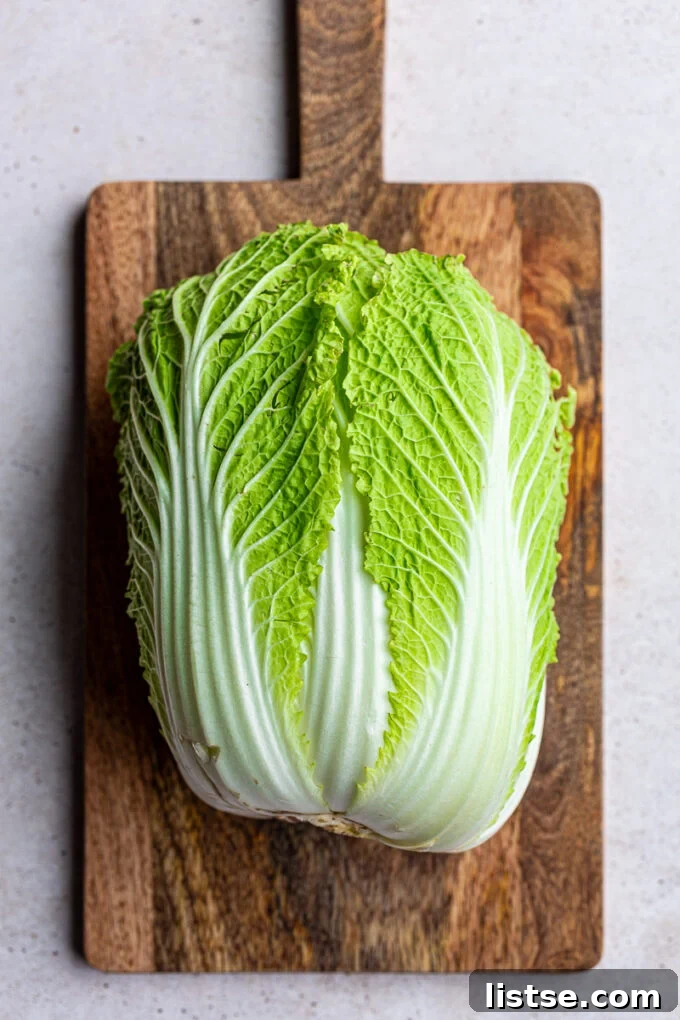
While most supermarkets correctly label Napa varieties as “Chinese cabbage,” it’s wise to be vigilant. Sometimes, other Asian greens like bok choy or pak choy might be grouped under the same broad label. While these are also delicious in their own right, their distinct textures and flavors can alter the outcome of a recipe specifically designed for Napa cabbage. Napa cabbage has broader, more tender leaves and a thicker, juicy white rib, contributing to its unique texture when cooked.
Choosing the Best Napa Cabbage
Selecting a good head of Napa cabbage is key to a successful dish. Look for one that is firm and feels heavy for its size, indicating a fresh and crisp interior. The leaves should be shiny and uniformly green, without any significant browning, yellowing, or signs of insect damage. Avoid heads that feel light, spongy, or have a dried-out stem, as these are indicators of older cabbage that might lack flavor and crispness. A vibrant, fresh head will yield the most tender and flavorful sautéed dish.
Essential Ingredients for a Flavorful Sauté
This delightful Napa cabbage recipe relies on just a handful of basic ingredients, proving that extraordinary flavor doesn’t require a complex shopping list. Here’s a closer look at what you’ll need to create this simple yet satisfying dish:
- Napa Cabbage: The star of our show. You’ll need one medium head. As mentioned, seek out a firm, heavy head with shiny, fresh green leaves. The crispness of fresh cabbage will make a noticeable difference in the final texture of your sauté.
- Garlic: Essential for infusing the cabbage with its characteristic pungent and aromatic flavor. Minced garlic quickly releases its oils and fragrance into the hot pan, creating a foundational layer of taste. Feel free to adjust the quantity to your preference – a little extra garlic never hurt anyone!
- Olive Oil + Butter: This classic combination is used for sautéing the cabbage. Olive oil provides a high smoke point and a fruity undertone, while butter adds a luxurious richness and a beautiful golden color to the cabbage. For those following a plant-based diet, feel free to use a high-quality vegan butter alternative to achieve similar delicious results.
- Salt + Pepper: These fundamental seasonings are crucial for drawing out the natural flavors of the cabbage and tying all the ingredients together. I recommend using fine sea salt and freshly cracked black pepper for the best taste. Remember, you can always add more to taste at the end, so start with the recommended amounts. Don’t hesitate to experiment with other seasonings you love, too!
- Apple Cider Vinegar: This ingredient is the secret weapon that elevates the dish, adding a fresh, subtle tang that cuts through the richness of the butter and brightens the overall flavor profile. Its acidity balances the sweetness of the cooked cabbage and rounds out the savory notes.
- Fresh Herbs (Optional but Highly Recommended): While not strictly “basic,” a sprinkle of fresh herbs can truly elevate this dish. Fresh parsley or thyme, stirred in at the end, adds a vibrant burst of flavor and a touch of freshness that complements the cabbage beautifully.
Step-by-Step Guide: Mastering Sautéed Napa Cabbage
If you’re new to cooking Napa cabbage, this recipe is the perfect introduction. The cooking method is incredibly straightforward, and the resulting flavors are wonderfully versatile, pairing well with a myriad of meals. Follow these simple steps to create a truly delicious side dish:
Preparation: How to Slice Napa Cabbage Like a Pro
Properly cutting your Napa cabbage ensures even cooking and a pleasant texture. First, give the entire head of cabbage a thorough rinse under cold running water, then gently pat it dry with a clean towel. To make slicing easier and more manageable, begin by cutting the head of cabbage in half lengthwise, from the top leafy end down through the thick white core. Next, lay each half flat on a large, stable cutting board. Using a sharp knife, slice the cabbage into thin strips, approximately ½ to ¾ inch wide. You can chop off and discard the very end of the core if it’s too tough, but a little bit of the core will help hold the leaves together during cooking. Uniform slices are key here, as they will cook at the same rate, ensuring every bite is perfectly tender.
The Sautéing Process: Building Flavor
- Heat the Pan: In a large, heavy-bottomed skillet (a 12-inch skillet works well to avoid overcrowding) set over medium heat, add the butter and olive oil. Allow the butter to melt and swirl with the oil until shimmering, indicating it’s ready for the garlic.
- Infuse with Garlic: Once the pan is hot, add the minced garlic. Sauté for about 3 minutes, stirring constantly. Be careful not to let the garlic brown or burn, as this can turn it bitter. You’re aiming for a fragrant, golden aroma.
- Add the Cabbage and Season: Stir in the prepared Napa cabbage strips, then immediately season generously with salt and freshly cracked black pepper. The salt will help draw out moisture from the cabbage, aiding in the sautéing process and preventing it from steaming.
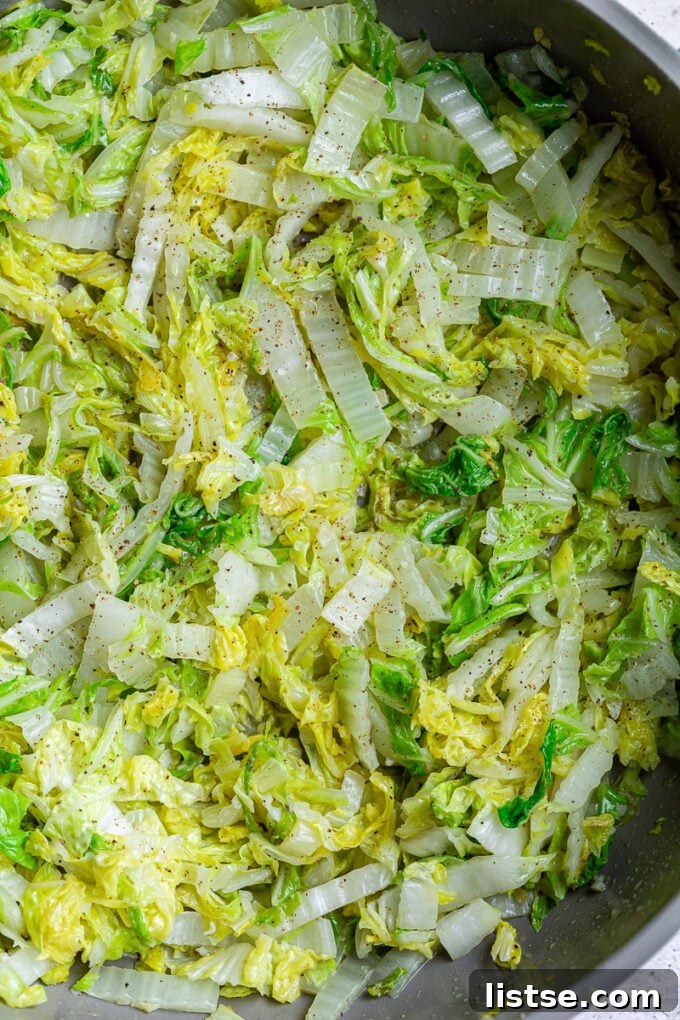
- Sauté to Tenderness: Continue to sauté the cabbage for 10-12 minutes, stirring a few times throughout the cooking process. The cabbage will gradually soften and reduce in volume, becoming tender yet still retaining a slight crispness. The edges might even get a lovely caramelized tint. Avoid overcooking, as this can make the cabbage mushy.
Finishing Touches: The Apple Cider Vinegar Advantage
- Brighten with Vinegar: Once the cabbage has reached your desired tenderness, remove the skillet from the heat. This step is important to prevent the vinegar from cooking off too quickly. Stir in the apple cider vinegar. The slight acidity will awaken all the flavors, adding a vibrant tang that beautifully complements the sweetness of the cabbage and the richness of the butter.
- Serve and Enjoy: Taste the sautéed cabbage and adjust seasoning as needed, adding more salt and pepper if desired. Serve immediately as a warm and inviting side dish. The freshness of this simple preparation makes it truly special.
Exciting Variations & Customizations
While this Napa cabbage recipe is truly wonderful as-is, its mild flavor profile makes it an excellent candidate for customization. Don’t hesitate to experiment with other ingredients to change up the flavors and make it uniquely yours. Here are some ideas to inspire your culinary creativity:
- Cabbage Swaps: If Napa cabbage isn’t available, or if you simply want to try something different, you can certainly substitute it with other cabbage varieties. Green cabbage, Savoy cabbage, red cabbage, or even bok choy can be used. Just be aware that the cook time may vary slightly. Green and red cabbage are firmer and may require a few extra minutes of sautéing to reach desired tenderness, while bok choy cooks quite quickly.
- Add Protein: To transform this side dish into a more substantial meal, consider stirring in some cooked protein. Crumbled bacon adds a smoky, salty crunch that pairs wonderfully with cabbage. For plant-based options, cooked tempeh or crispy baked or pan-fried tofu cubes work beautifully. Ground turkey, chicken, or even shrimp can also be sautéed alongside or mixed in at the end for a complete one-pan dish.
- Boost with Other Vegetables: Cabbage plays well with a variety of other vegetables. Try sautéing thinly sliced mushrooms for an earthy depth, add julienned bell peppers for color and sweetness, or mix in shredded carrots or broccoli florets for extra nutrients and texture. Onions, leeks, or even snow peas can also be fantastic additions, providing layers of flavor.
- Herb Power: Finishing your cabbage with a generous sprinkle of fresh herbs is an easy way to elevate the flavor. Beyond parsley or thyme, consider fresh dill for a bright, slightly anise-like note, chives for a mild oniony touch, or even a handful of fresh cilantro for an Asian-inspired twist.
- Global Seasonings: Don’t limit yourself to just salt and pepper! Explore different seasoning blends to create unique flavor profiles. Italian seasoning can give it a Mediterranean flair, while Cajun seasoning adds a spicy kick. Taco seasoning provides a vibrant, Tex-Mex twist. For an Asian-inspired dish, a splash of soy sauce (or tamari for gluten-free) and a teaspoon of toasted sesame oil, along with a pinch of red pepper flakes, will create a delicious umami-rich experience.
Frequently Asked Questions
Here are answers to some common questions about Napa cabbage and this sautéed recipe:
Napa Cabbage and Your Health: What Are the Benefits?
Napa cabbage is indeed a powerhouse of nutrition and boasts a variety of health benefits. It is an excellent source of dietary fiber, which is crucial for maintaining a healthy digestive system, promoting regularity, and supporting gut health. Beyond fiber, Napa cabbage is packed with essential vitamins, including a significant amount of Vitamin C (an antioxidant that supports immune function), Vitamin K (important for blood clotting and bone health), and Vitamin A (beneficial for vision and skin health). It also contains various minerals and potent antioxidants, which help combat oxidative stress and reduce inflammation in the body. Furthermore, studies suggest that components in cabbage can help lower cholesterol levels and stabilize blood sugar. Clearly, incorporating cabbage into your diet is a smart and delicious way to boost your overall health.
Storing Napa Cabbage: Freshness Tips
To keep your Napa cabbage fresh for as long as possible, store a whole, uncut head in a plastic bag (or wrapped loosely in plastic wrap) in the crisper drawer of your refrigerator. This helps prevent it from wilting due to moisture loss. Before storing, remove any outer leaves that show significant signs of browning, wilting, or insect damage. A whole head of raw Napa cabbage can remain fresh in the refrigerator for up to 2 weeks. Once you’ve cut the cabbage, its shelf life decreases. Store sliced or chopped cabbage in an airtight container or a sealed plastic bag in the fridge, and plan to use it within about 3 days for optimal freshness and texture.
Meal Prep: Can You Make Sautéed Napa Cabbage Ahead?
For the best flavor and texture, sautéed Napa cabbage is most delicious when made just before serving. The delicate leaves can become slightly softer upon reheating. However, you can certainly prepare some components in advance to make mealtime quicker. The Napa cabbage can be washed and cut into thin strips, and the garlic can be minced up to a day or two ahead of time. Store them separately in airtight containers in the refrigerator. When you’re ready to eat, simply combine and cook the ingredients as directed. If you do have leftovers and need to reheat, do so gently in a skillet over medium-low heat with a splash of water or vegetable broth to prevent drying out, or briefly in the microwave.
What Kind of Skillet is Best for Sautéing?
For sautéing Napa cabbage, a large, heavy-bottomed skillet is ideal. A 12-inch skillet, whether cast iron, stainless steel, or non-stick, provides ample surface area. This is important to prevent overcrowding, which can cause the cabbage to steam rather than sauté, resulting in a soggy texture. Cast iron offers excellent heat retention and even cooking, stainless steel is durable and heats quickly, and a good quality non-stick pan ensures easy clean-up, especially for delicate vegetables like cabbage.
How Do I Prevent the Cabbage from Getting Soggy?
Preventing soggy cabbage is all about managing moisture and heat. First, ensure your cabbage is thoroughly dry after washing; excess water will steam the cabbage. Second, use a large skillet and avoid overcrowding it. If you have too much cabbage for your pan, cook it in batches. This allows moisture to evaporate quickly. Third, use medium to medium-high heat. The higher heat helps evaporate moisture rapidly and promotes a slight caramelization on the cabbage. Stir frequently to ensure even cooking and prevent burning, but don’t stir constantly, as you want the cabbage to have some contact with the hot pan for proper browning and tenderizing.
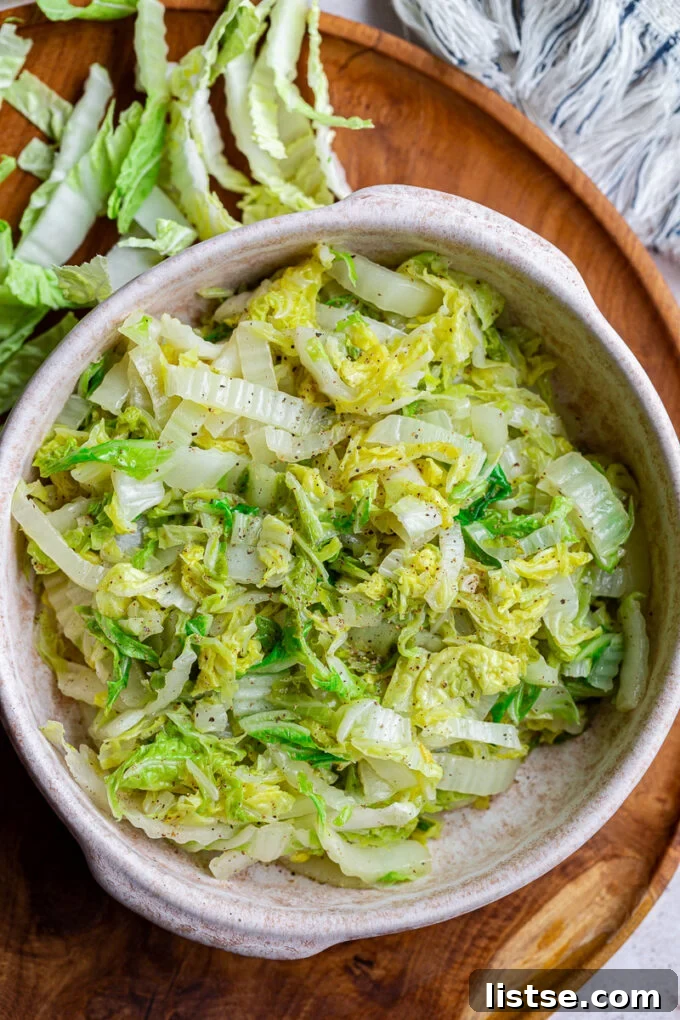
Final Thoughts & Your Culinary Journey
I sincerely hope your family enjoys this delicious and incredibly simple Napa cabbage recipe as much as mine does! It’s a testament to how humble ingredients, prepared with care, can yield profoundly satisfying results. This dish isn’t just about cooking; it’s about discovering the joy of fresh, wholesome food that nourishes both body and soul. Don’t be afraid to make it your own by experimenting with the suggested variations or any other flavors that spark your interest.
As you embark on your culinary adventures, remember that cooking should be a source of joy and creativity. If you end up making this recipe, I would absolutely love to see your creations! Please snap a quick photo and tag me on Instagram @foodwithfeeling. I always look forward to seeing what delicious dishes you’re making from the blog!
Sautéed Napa Cabbage
Video
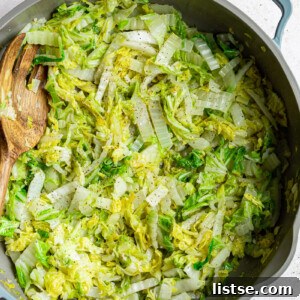
A video showing how to sauté Napa Cabbage would be embedded here, typically using an iframe or standard HTML5 video tag. (Original content included a placeholder for a video player, which relied on Javascript and external scripts, hence simplified here.)
Ingredients
- 1 medium head of napa cabbage
- 2 cloves garlic, minced
- 1 tablespoon olive oil
- 1 tablespoon butter, vegan as desired
- 1 teaspoon fine sea salt
- ½ teaspoon freshly cracked black pepper
- 1 teaspoon apple cider vinegar
Instructions
- Prep the cabbage: To make it easier, cut the head of cabbage in half from top to bottom. Lay each half flat on a large cutting board and slice it into thin strips.
- In a large skillet over medium heat, add in the butter and olive oil. Once hot, add in the garlic and sauté for 3 minutes. Add in the cabbage and season with salt and pepper. Sauté for 10-12 minutes, stirring a few times, until it’s tender.
- Stir in the vinegar and serve. Season with additional salt and pepper as desired!
Notes
Nutrition
Nutrition information is automatically calculated, so should only be used as an approximation.
Tried this recipe?
Mention @foodwithfeeling or tag #foodwithfeeling!