
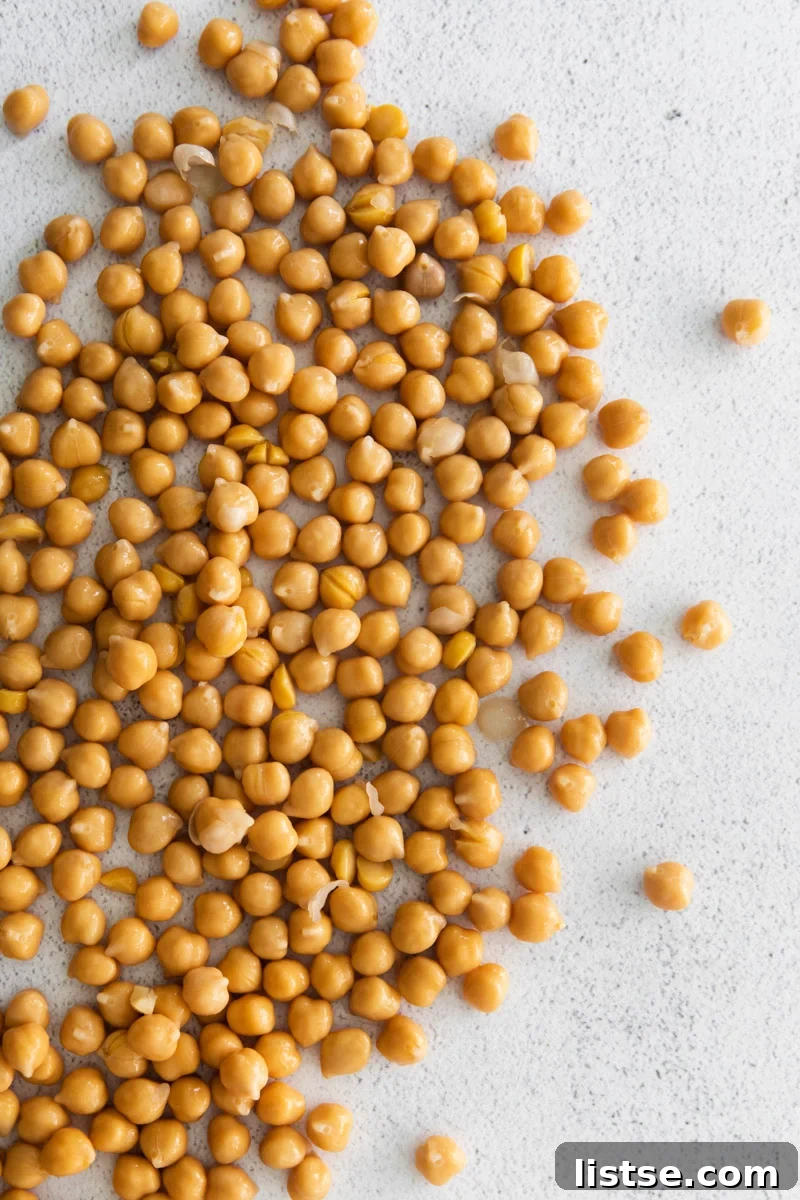
Welcome to the ultimate guide on how to cook chickpeas! If you’re looking to master the art of preparing this versatile legume from scratch, you’ve come to the right place. This comprehensive post will answer all your pressing questions about chickpeas and walk you through various cooking methods, from the classic stovetop technique to the convenient Instant Pot. Discover how simple, cost-effective, and incredibly rewarding it is to cook your own chickpeas at home.
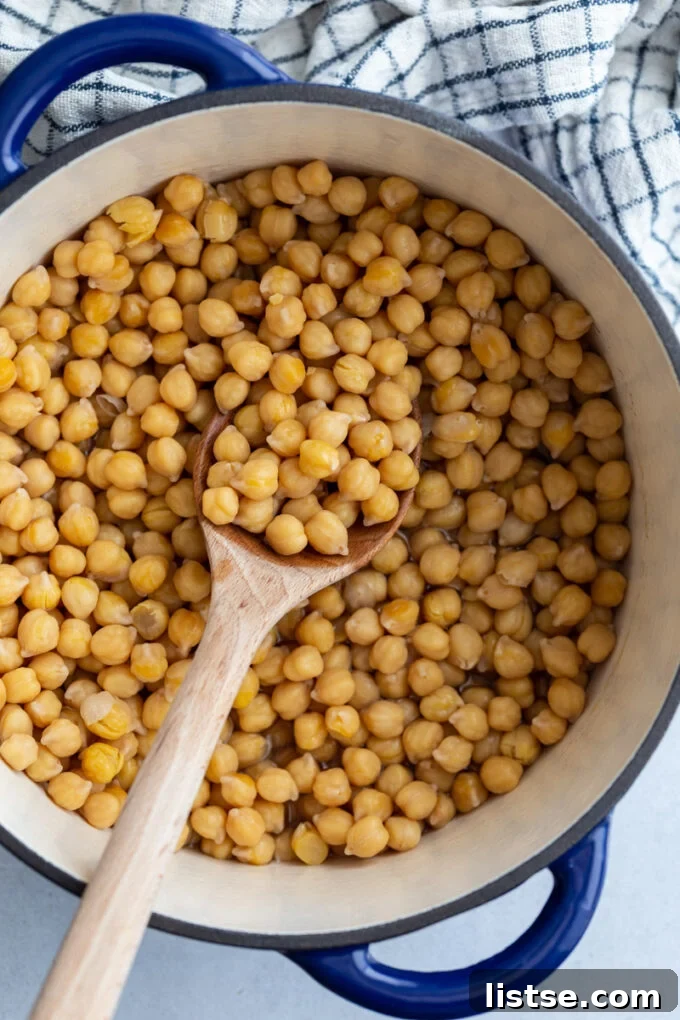
Chickpeas, also known as garbanzo beans, are a staple in many cuisines worldwide and a personal favorite for their incredible versatility and nutritional benefits. For years, I relied on canned chickpeas for their sheer convenience. While canned options are still perfectly fine, I’ve discovered the immense satisfaction and superior taste of cooking dried chickpeas myself. Not only is it surprisingly easy, but it’s also far more economical, offering a fresh texture and flavor that elevates any dish.
In this guide, we’ll explore everything from the fundamental soaking process to different cooking methods, and even delve into the nutritional powerhouse that these legumes are. Get ready to transform your kitchen experience and unlock a world of delicious chickpea-based meals!
What Are Chickpeas? Understanding This Versatile Legume
Chickpeas, scientifically known as Cicer arietinum, are members of the Fabaceae (legume) family. In their raw, dried form, they appear as hard, beige, round, and somewhat rock-like spheres. It’s crucial to understand that raw chickpeas are not edible; they contain compounds that are difficult to digest and can be toxic if consumed uncooked. The cooking process neutralizes these compounds, making them safe and delicious to eat. While the most common variety is the light beige “Kabuli” chickpea, other types exist, including the smaller, darker “Desi” chickpea, as well as red and green varieties.
Prized for their high protein and fiber content, chickpeas are an essential component of vegetarian and vegan diets, often serving as a hearty meat substitute. Their mild, earthy flavor and tender texture make them incredibly adaptable, fitting seamlessly into a wide range of dishes. From savory curries and stews to crisp salads and creamy hummus, chickpeas offer a wholesome and satisfying addition to countless recipes. Some fantastic examples include a vibrant Chickpea Salad, comforting Chickpea Noodle Soup, and a heartwarming Chickpea Pot Pie.
Garbanzo Beans vs. Chickpeas: Are They the Same?
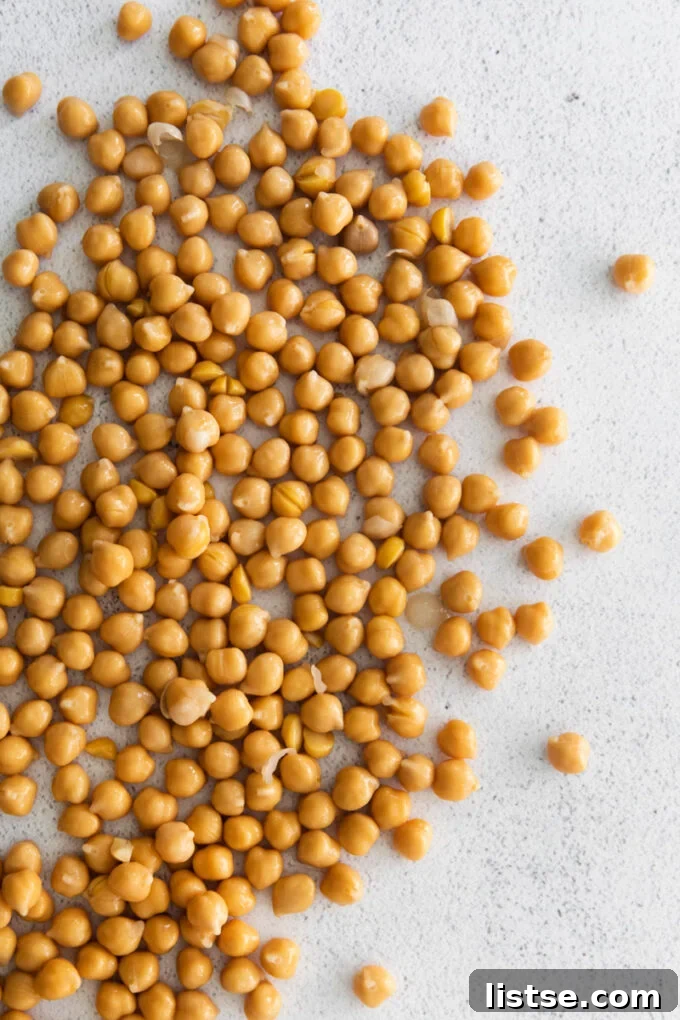
A common question I encounter, especially from those new to cooking with these legumes, is “Are garbanzo beans chickpeas?” The answer is a resounding yes! Chickpeas and garbanzo beans are indeed the exact same legume, simply referred to by different names. The distinction often comes down to regional or cultural preferences.
While “chickpea” is widely used in culinary contexts, particularly in English-speaking countries, “garbanzo bean” derives from the Spanish word “garbanzo” and is also quite prevalent, especially on product labels in grocery stores. It’s not uncommon to find packages labeled “garbanzo beans” even when most people informally call them “chickpeas.” Therefore, when you’re shopping, remember to keep an eye out for both terms to ensure you find what you’re looking for, as they are used interchangeably.
Chickpea Nutrition: A Powerhouse of Health Benefits
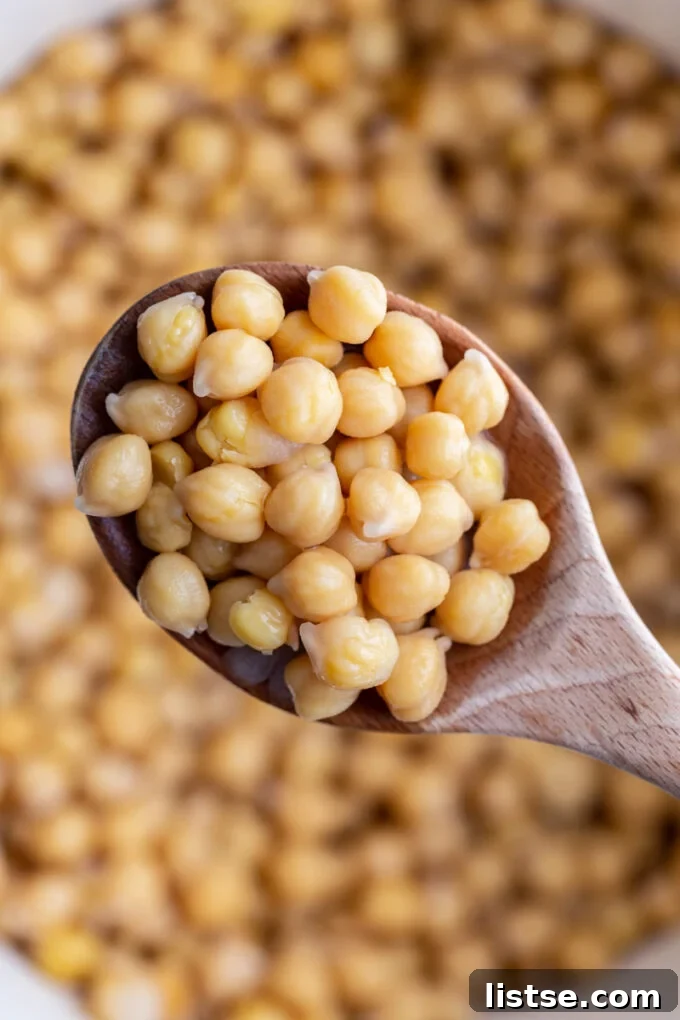
Chickpeas are celebrated for their impressive nutritional profile, making them a fantastic addition to any balanced diet. They are particularly rich in plant-based protein and dietary fiber, but also provide an array of essential vitamins and minerals. Understanding their nutritional value highlights why these legumes are so highly regarded:
| Nutrient (Per 100g of Raw Chickpeas) | Amount/Daily Value |
|---|---|
| Calories | 365 kcal |
| Protein | 19g |
| Fiber | 17g |
| Total Fat | 6g |
| Iron | 34% DV |
| Magnesium | 28% DV |
| Vitamin B-6 | 25% DV |
| Potassium | 25% DV |
| Total Carbs | 61g |
This rich nutrient content translates into significant health benefits. The high fiber aids in digestive health, promotes satiety, and helps regulate blood sugar levels, contributing to better weight management and a reduced risk of chronic diseases. The substantial protein content makes chickpeas an excellent food for muscle repair and growth, especially important for vegetarians and vegans. Furthermore, the iron found in chickpeas is vital for energy production and preventing anemia, while magnesium supports nerve and muscle function. Incorporating chickpeas into your diet is a simple and delicious way to boost your overall health and well-being.
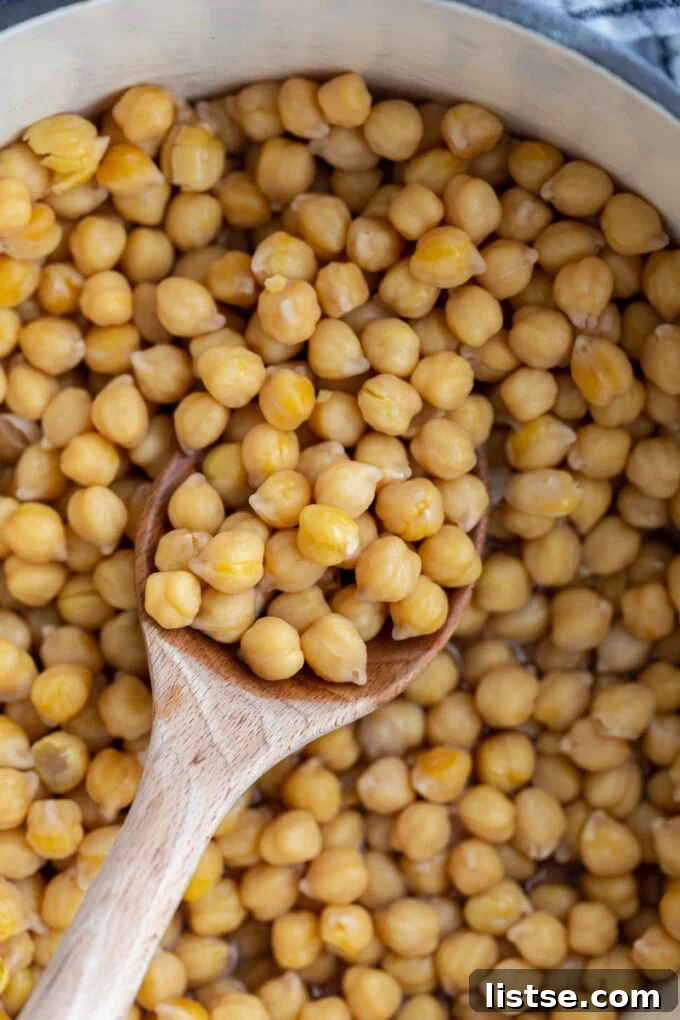
How to Cook Chickpeas: Step-by-Step Guide for Perfect Results
Cooking dried chickpeas from scratch is a straightforward process that yields superior flavor and texture compared to their canned counterparts. The fundamental steps are similar to cooking other dried beans, primarily involving soaking and then simmering. Below, we’ll cover the essential techniques, including crucial soaking methods, and then dive into specific cooking instructions for the stovetop, Instant Pot, and slow cooker.
The Importance of Soaking Chickpeas
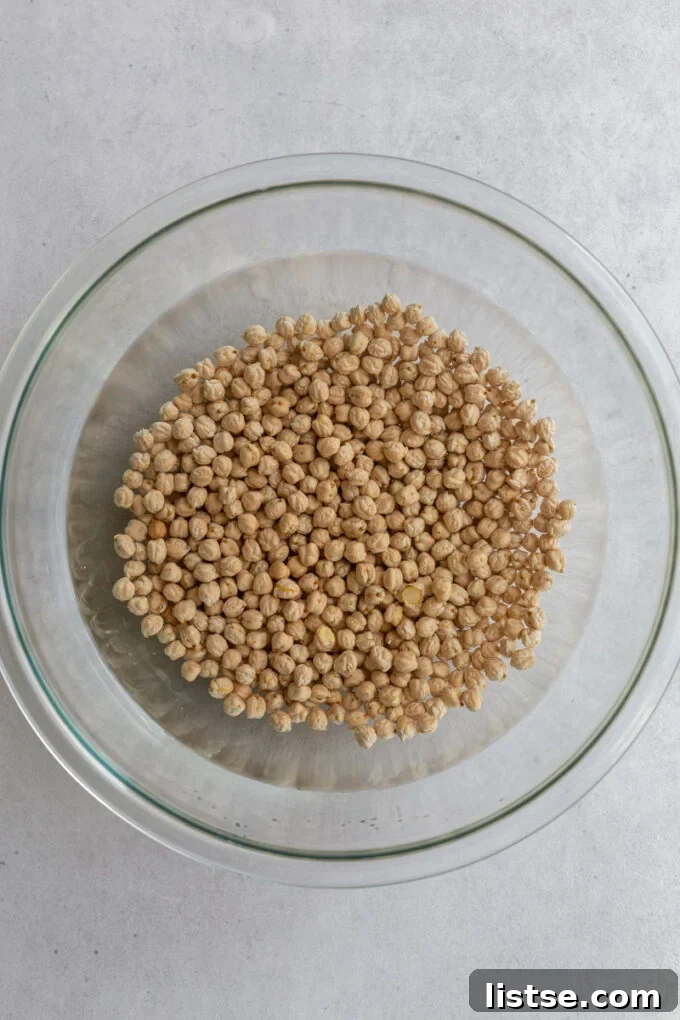
Regardless of your chosen cooking method, soaking your dried chickpeas is a non-negotiable step. Soaking significantly reduces cooking time, promotes even cooking, and can also help make the beans more digestible by breaking down complex sugars. You have two effective options for soaking:
- Long Soak (Overnight): This is the most common and often recommended method. Simply rinse your dried chickpeas thoroughly, then place them in a large bowl and cover them with at least 3-4 inches of cold water (the chickpeas will expand significantly). Cover the bowl and let them soak for 8-12 hours, or overnight, at room temperature.
- Quick Soak: If you’re short on time, the quick soak method is a great alternative. After rinsing the chickpeas, place them in a large pot and cover with water (again, about 3-4 inches above the beans). Bring the water to a rapid boil for 3 minutes. Remove the pot from the heat, cover it, and let the chickpeas sit in the hot water for 1.5-2 hours.
After either soaking method, always drain the soaking water and rinse the chickpeas thoroughly under cold running water before cooking. This helps remove any impurities and some of the indigestible sugars that can cause gas.
Stovetop Chickpeas: The Traditional Method
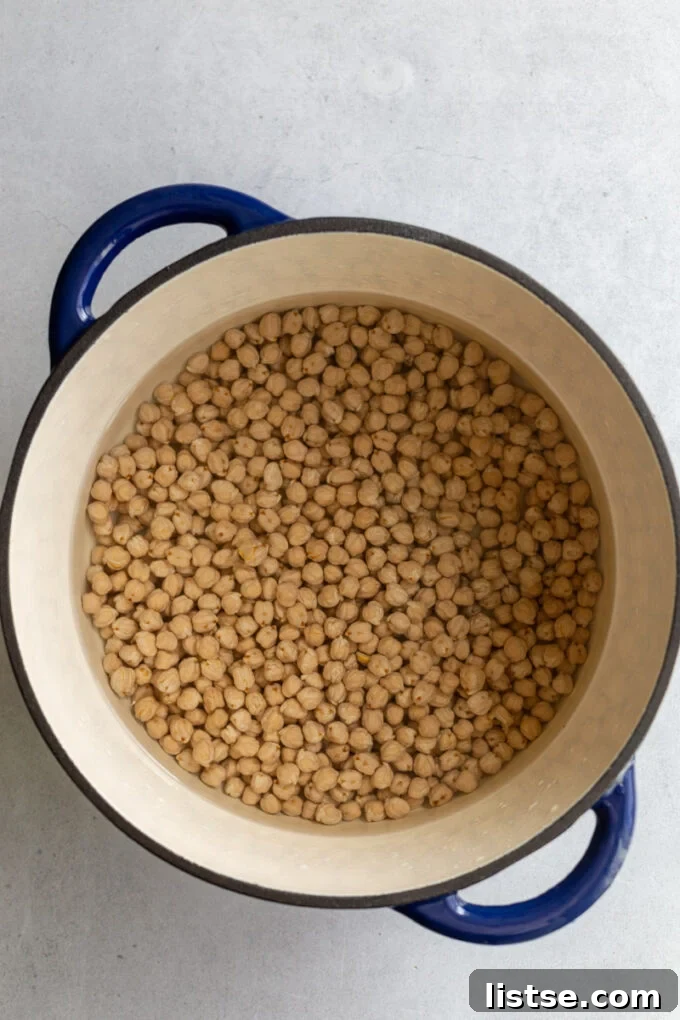
The stovetop is a reliable and classic way to cook chickpeas, offering excellent control over their tenderness. After the essential soaking and rinsing steps, here’s how to achieve perfectly cooked chickpeas:
- Combine Ingredients: Place the drained and rinsed chickpeas in a large, heavy-bottomed pot. Add enough fresh water or vegetable broth to cover the chickpeas by about 2-3 inches (roughly 6-8 cups for 1 pound of dried chickpeas). This is also a great time to add any desired seasonings like a bay leaf, a clove of garlic, or a pinch of baking soda (which can further tenderize the beans).
- Simmer to Perfection: Bring the liquid to a boil over high heat, then immediately reduce the heat to a low simmer. Cover the pot loosely, allowing a little steam to escape.
- Cook Until Tender: Let the chickpeas simmer for approximately 1.5 to 2 hours, or until they reach your desired level of tenderness. The cooking time can vary based on the age of the chickpeas and how long they were soaked. Stir occasionally to prevent sticking. They should be soft and creamy when squeezed between your fingers.
- Season and Serve: Once cooked, drain any excess liquid (you can save this nutritious aquafaba for other recipes!). Season the chickpeas with salt and pepper to taste, and any additional spices or herbs you prefer.
Instant Pot Chickpeas: Speedy and Efficient
For those who love kitchen gadgets, the Instant Pot (or any pressure cooker) is arguably the best and fastest way to cook dried chickpeas, especially after soaking. It dramatically cuts down on cooking time while still delivering wonderfully tender results.
To cook chickpeas in your Instant Pot:
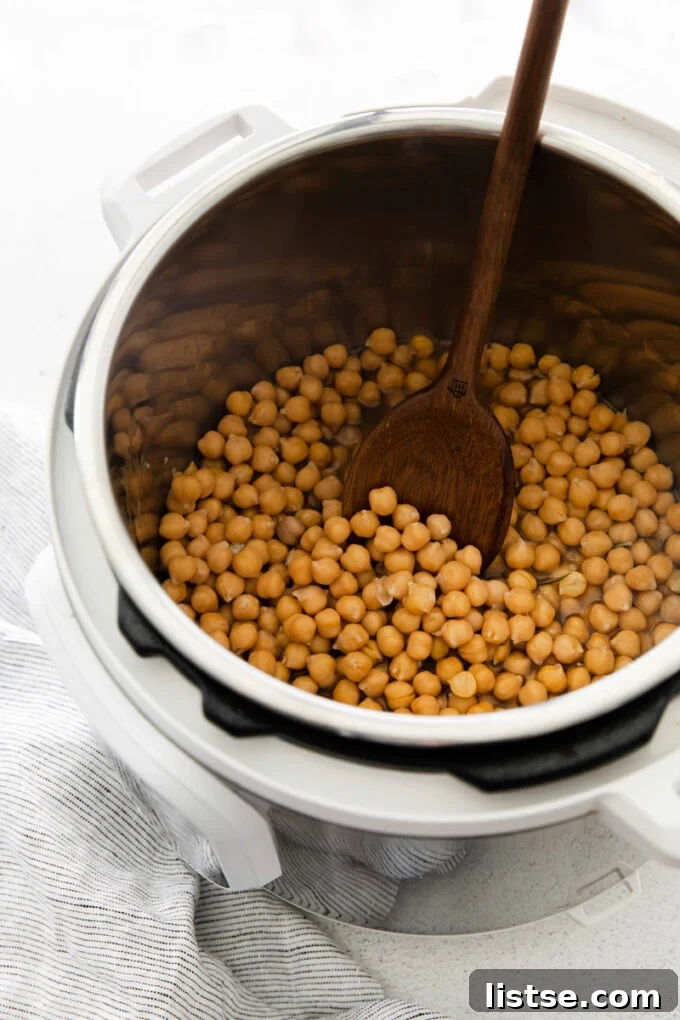
- Prepare Chickpeas and Pot: Add the drained and rinsed soaked chickpeas to the Instant Pot. Pour in enough fresh water or broth to cover the chickpeas by about 1 inch (approximately 4-5 cups for 1 pound of dried chickpeas). Add any desired seasonings like a teaspoon of salt or a bay leaf.
- Pressure Cook: Secure the lid and set the valve to the “sealing” position. Cook on manual HIGH pressure for 13-15 minutes. For firmer chickpeas, use 13 minutes; for softer, use 15 minutes.
- Natural Release: Once the cooking cycle is complete, allow the pressure to naturally release for 5-10 minutes before manually releasing any remaining pressure. This natural release helps prevent the chickpeas from bursting and ensures a creamier texture.
- Finish and Enjoy: Carefully open the lid, drain any excess liquid, and season the chickpeas to your liking. The entire process, including the time it takes for the Instant Pot to come to pressure, usually totals around 30-35 minutes.
Slow Cooker Chickpeas: For Effortless Cooking
While not my absolute favorite method for chickpeas intended for salads or firmer dishes, cooking chickpeas in a slow cooker is perfect when you desire a softer, almost mushy texture, ideal for hummus, purees, or thick stews. The beauty of this method is its hands-off nature, allowing you to set it and forget it. Interestingly, for slow cooker chickpeas, you can often skip the soaking step entirely, although soaking can still reduce cooking time and improve digestibility.
To cook chickpeas in a slow cooker:
- Add Ingredients: Place 1 pound of rinsed, dried chickpeas (soaked or unsoaked) into your slow cooker. Add 8-10 cups of water, ensuring the chickpeas are fully submerged with plenty of extra liquid. Add a generous pinch of salt and any other aromatics like garlic or onion halves.
- Cook on High or Low: Cook on high for 3.5-4.5 hours or on low for 6.5-8 hours. The exact time will depend on whether the chickpeas were soaked and your desired tenderness.
- Check and Serve: Once tender, drain the chickpeas and use them as desired. The extended cooking time generally results in very soft, tender chickpeas, perfect for blending.
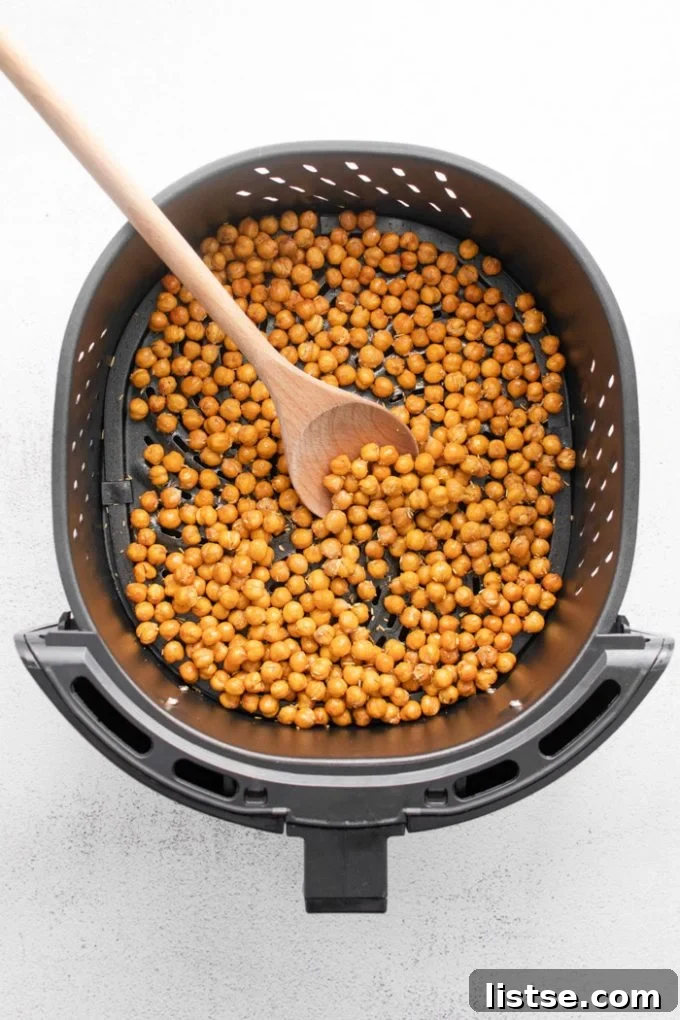
Air Fryer Chickpeas: For Crispy Snacks and Toppings
It’s important to clarify: you cannot cook chickpeas from raw in an air fryer. The air fryer is designed to make *cooked* chickpeas wonderfully crispy and delicious, transforming them into a fantastic snack or crunchy topping for salads and bowls. This method is incredibly quick and yields an irresistible texture.
To make crispy air fryer chickpeas:
- Prepare Cooked Chickpeas: Start with 1 can (15 ounces) of drained and rinsed cooked chickpeas, or about 1.5 cups of home-cooked chickpeas. Pat them very dry with a clean kitchen towel or paper towels – this is key for crispiness!
- Season: Toss the dry chickpeas with 1-2 tablespoons of olive oil and your favorite seasonings (e.g., salt, pepper, paprika, garlic powder, cumin).
- Air Fry: Place the seasoned chickpeas in a single layer in your air fryer basket. Air fry at 375°F (190°C) for 15-20 minutes, shaking the basket halfway through, until they are golden brown and crispy.
- Serve: Enjoy immediately as a snack or use as a crunchy garnish.
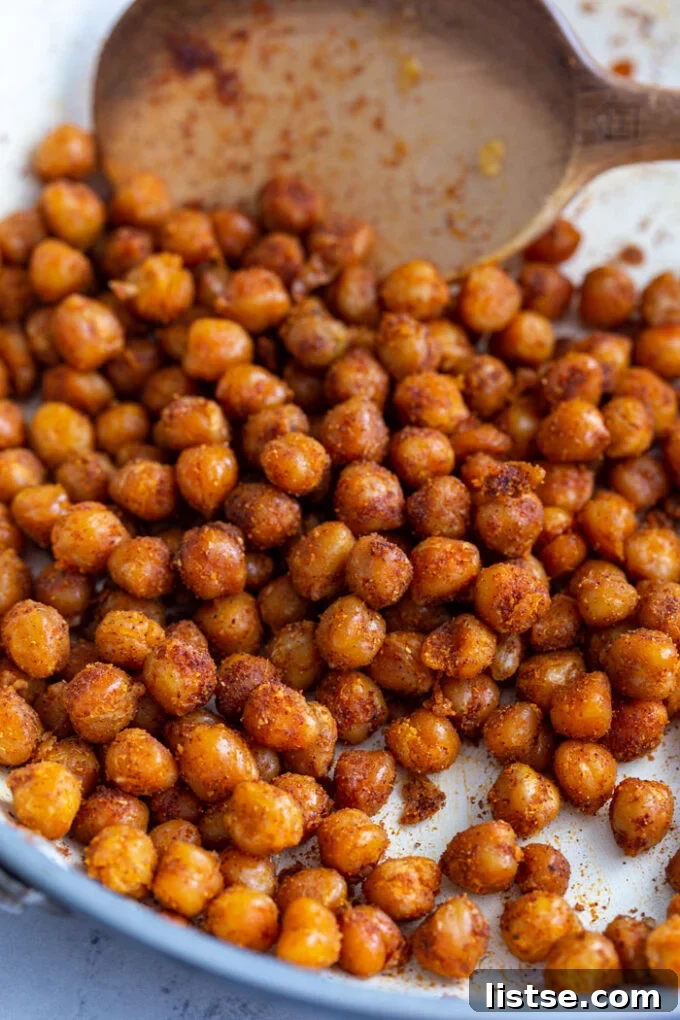
Oven Roasted Chickpeas: Another Route to Crispy Perfection
Similar to the air fryer, the oven is an excellent tool for transforming cooked chickpeas into crispy, flavorful bites. While you cannot roast raw chickpeas in the oven, this method creates a delightful texture that’s perfect for snacking or adding crunch to various dishes.
To make oven roasted chickpeas:
- Prepare Cooked Chickpeas: Begin with 1 can (15 ounces) of drained and thoroughly rinsed cooked chickpeas, or about 1.5 cups of your freshly cooked chickpeas. Ensure they are as dry as possible by patting them with paper towels.
- Season: In a bowl, toss the dry chickpeas with 1-2 tablespoons of olive oil and your preferred spices (such as chili powder, rosemary, or a blend of Indian spices).
- Roast: Spread the seasoned chickpeas in a single layer on a baking sheet lined with parchment paper. Roast in a preheated oven at 400°F (200°C) for 20-30 minutes, stirring halfway through, until they are golden brown and crispy to your liking.
- Cool and Enjoy: Let them cool slightly on the baking sheet to enhance crispiness before serving.
Can You Freeze Cooked Chickpeas?
Absolutely, freezing cooked chickpeas is an excellent way to prepare them in bulk and have them readily available for future meals. This helps save time and prevents waste. Here’s how to properly freeze and store your cooked chickpeas:
- Cool Completely: Ensure your cooked chickpeas have cooled completely to room temperature before freezing.
- Flash Freeze: For best results and to prevent sticking, spread the cooled chickpeas in a single layer on a baking sheet lined with parchment paper or a silicone mat. Place the baking sheet in the freezer for 1-2 hours, or until the chickpeas are individually frozen solid. This “flash freezing” step ensures they don’t clump together in the freezer bag.
- Store: Once flash-frozen, transfer the chickpeas into a freezer-safe, airtight container or a heavy-duty freezer bag. Label with the date.
- Thaw and Use: Cooked chickpeas can be stored in the freezer for up to 3-4 months. To use, simply thaw them overnight in the refrigerator or add them directly to soups and stews. They maintain their texture and flavor remarkably well.
Frequently Asked Questions About Chickpeas / Garbanzo Beans
Yes! Chickpeas are a naturally gluten-free food, making them a safe and nutritious option for individuals with celiac disease or gluten sensitivity.
Chickpeas are an excellent source of plant-based protein. Per 100 grams of raw chickpeas, they contain approximately 19 grams of protein, which accounts for about 38% of the daily recommended value, making them incredibly satiating and beneficial for muscle health.
For 1 cup of cooked chickpeas, there are about 275 calories. This can vary slightly depending on how they are prepared and any added ingredients.
Per 100 grams of raw chickpeas, there are around 61 grams of total carbohydrates, which represents about 20% of the daily recommended value. However, a significant portion of these carbohydrates comes from dietary fiber.
An average 15-ounce can of chickpeas typically contains around 420 calories. Most cans are labeled with approximately 3.5 servings, with each 1/2-cup serving of cooked beans containing about 120 calories.
Many pet owners wonder about feeding chickpeas to their furry friends. After extensive research, it’s generally considered that chickpeas are safe for dogs to eat in moderation. They can offer great nutrients. However, it’s always best to introduce new foods slowly and consult your veterinarian, especially if your dog has any health conditions. Avoid seasoned or salted chickpeas for pets.
The definition of “healthy” can be subjective, but chickpeas unequivocally stand out as a highly nutritious food. They are vegan, vegetarian, gluten-free, high in protein and fiber, and entirely plant-based. In my opinion, and from a nutritional science perspective, chickpeas are an extremely healthy food when consumed as part of a balanced diet, offering numerous benefits for digestion, energy, and overall well-being.
While chickpeas can be consumed on a low-carb diet in very small quantities, their relatively high carbohydrate content (even with high fiber) means they are generally not recommended for a strict ketogenic diet. Many people on low-carb diets might enjoy a small serving of hummus, as its carb count per serving tends to be lower when combined with other ingredients.
Chickpeas possess a mild, slightly nutty, and earthy flavor, which contributes to their remarkable versatility in various cuisines. Their texture is creamy yet firm, somewhat similar to other legumes but with a distinctive slightly grittier and “meatier” mouthfeel, making them very satisfying.
Many recipes suggest removing the thin outer skin from chickpeas, particularly for dishes like hummus. Personally, I rarely bother with this step as I find the skins add texture and extra fiber without being bothersome. There are two main exceptions where removing skins might be considered: 1) For ultra-smooth, restaurant-quality hummus, removing the skins can make a slight difference in creaminess. 2) When making crispy roasted or air-fried chickpeas, removing the skins can prevent them from burning or becoming overly dry, leading to a more consistently crispy result. Otherwise, it’s largely a matter of personal preference.
Like many legumes, chickpeas contain complex carbohydrates (oligosaccharides) that can be difficult for some people to digest, potentially leading to gas and bloating. However, several steps can help mitigate this: thorough soaking (especially overnight), rinsing before and after cooking, and cooking them until very tender. Starting with small portions and gradually increasing intake can also help your digestive system adjust.
Some of My Favorite Chickpea Recipes to Inspire You:
- Chickpea & Kale Breakfast Skillet
- Curried Chickpea Salad
- Chickpea Tikka Masala
- Chickpea Curry
- Chickpea Gyros
- Ranch Chickpea Salad
- Vegan Chickpea Hash
- Avocado Hummus
- Peanut Chickpea Wraps
- Chickpea Stuffed Sweet Potatoes
How to Cook Chickpeas
Brita Britnell
2 hours
1 hour
3 hours
6
servings
Ingredients
- 1 pound chickpeas, garbanzo beans
- 6 cups water
- Salt and pepper to taste
- Optional spices and herbs (e.g., bay leaf, garlic cloves)
Instructions
Soaking the beans:
-
It is vital that you first soak your garbanzo beans before cooking them. I’ve tried both of these methods several times and they both work great. I usually soak overnight but the quick soak method works well when needed.
-
SOAK OVERNIGHT: To soak your beans overnight, first rinse the beans thoroughly and then sort them to get rid of any discolored beans or debris. Place the beans in a large bowl and cover with about 8 cups of water so that they’re covered by over an inch of water. Cover the bowl and let sit overnight (8-12 hours). Once ready to use, drain the water and rinse the beans again.
-
QUICK SOAK: To quick soak your beans, first rinse the beans and then sort them to get rid of any discolored beans. Place the beans in a large pot and cover with water (about 6-8 cups). Bring to a rapid boil and cook at a boil for 3 minutes. Remove the pot from the heat, cover, and let sit for 1.5 hours. Once ready to use, drain the water and rinse the beans again.
Cook the garbanzo beans (Stovetop Method):
-
Place the soaked and rinsed beans in a large pot and cover with 6-8 cups of fresh water or vegetable broth (adding any flavoring options like a bay leaf or garlic cloves as well). Bring to a simmer and cover the pot loosely so that a little steam can escape.
-
Let cook at a low simmer, stirring occasionally, for 45-60 minutes (for quick-soaked) or 1.5-2 hours (for overnight-soaked) or until the beans are tender and at your desired texture. Older beans may take longer.
-
Once tender, drain any excess liquid. Salt and pepper to taste and ENJOY!
Notes
See here for more ways to cook chickpeas:
- Instant Pot Chickpeas
- Air Fryer Chickpeas (using cooked chickpeas)
- Roasted Chickpeas (using cooked chickpeas)
Nutrition
Nutrition information is automatically calculated, so should only be used as an approximation.
Tried this recipe?
Mention @foodwithfeeling or tag #foodwithfeeling!