
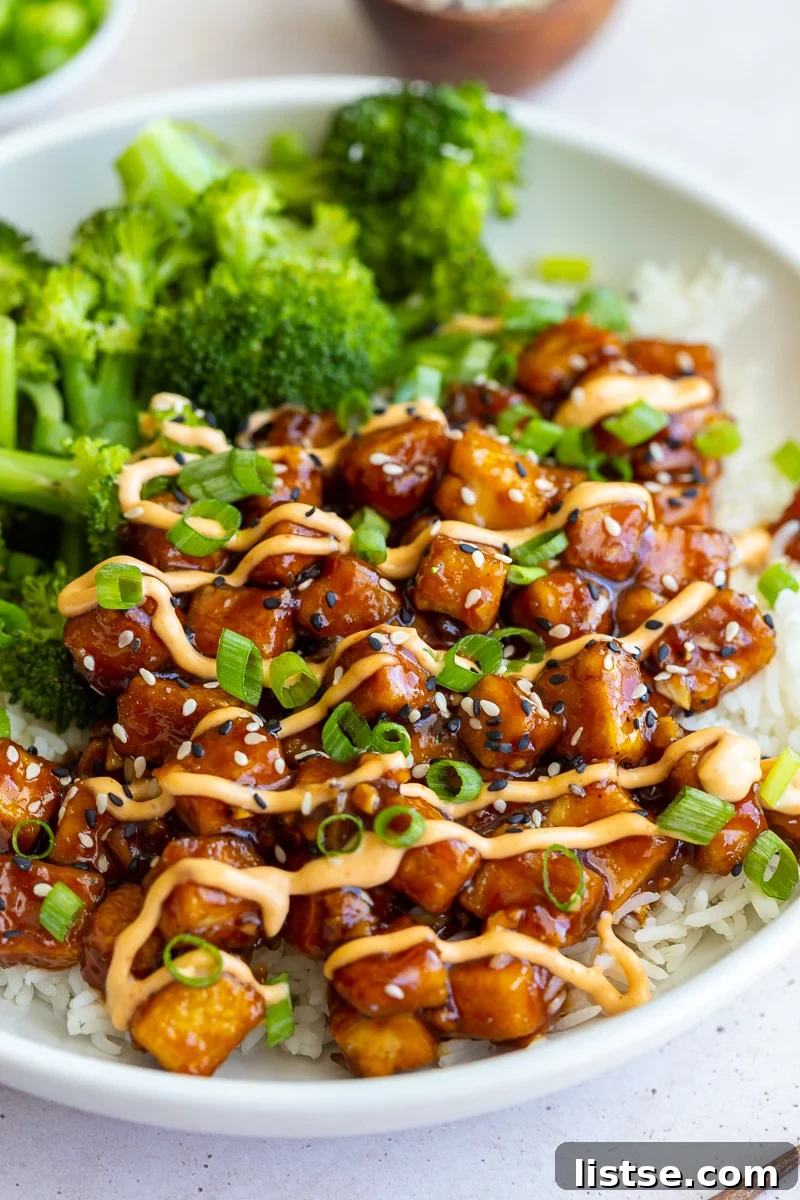
Master the Art of Tofu: Your Ultimate Guide to Cooking and Enjoying This Versatile Plant-Based Protein
Welcome to the definitive guide on how to cook tofu! If you’ve ever felt intimidated by this incredible plant-based protein, you’re in the right place. In this comprehensive post, we’ll demystify tofu, covering everything from its fundamental nature and impressive nutritional profile to a diverse array of cooking methods. Whether you dream of crispy baked tofu, perfectly grilled slices, quick pan-fried cubes, or a savory scramble, you’ll learn to prepare tofu in ways that are both delicious and easy to achieve.
Tofu is a staple in my kitchen, and for good reason! Its versatility makes it a fantastic canvas for countless flavors and textures. I’ve explored many delightful tofu recipes on my blog, and I encourage you to check them out here. If you’re also curious about other plant-based proteins, I have a full guide on cooking tempeh here as well.
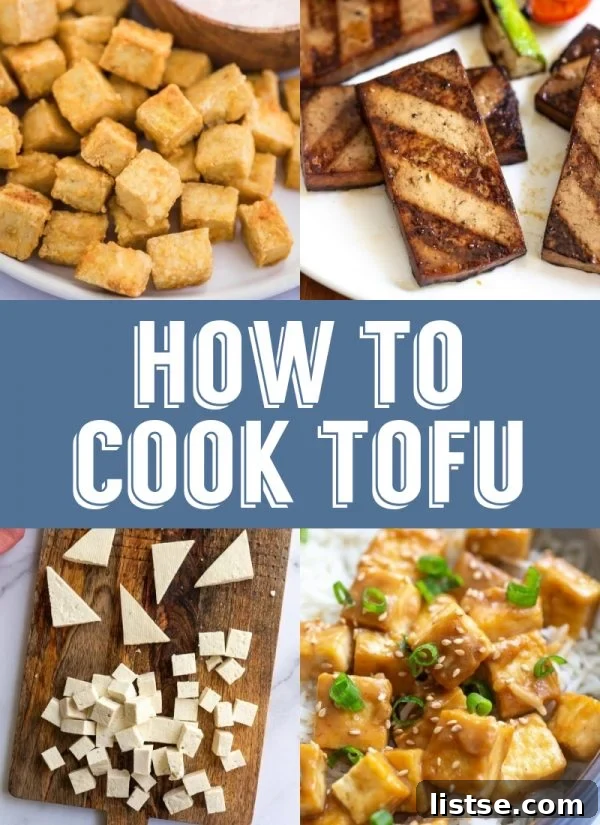
I’ve poured weeks into creating this extensive resource, and I’m thrilled to finally share it with you. Get ready to transform your perception of tofu and discover how truly delicious and adaptable it can be!
Watch My Comprehensive Video Guide: Learn Various Ways to Cook Tofu Perfectly
What Exactly is Tofu? Understanding This Soy-Based Powerhouse
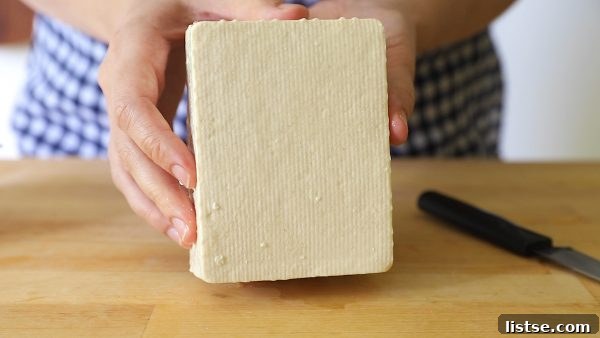
Tofu, often referred to as bean curd, is a versatile food derived from soybeans. Its creation process is similar to cheesemaking: dried soybeans are soaked in water, ground, and then boiled. The resulting soy milk is separated from the pulp, and a coagulant (such as calcium sulfate or magnesium chloride) is added to curdle the milk. These curds are then pressed into solid white blocks, creating tofu. While I haven’t ventured into making tofu at home, I’ve certainly mastered the art of preparing it in countless ways!
Tofu comes in a fascinating range of textures, each suited for different culinary applications. You’ll typically find it labeled as silken, soft, firm, or extra-firm.
- Silken Tofu: This type has the highest water content and an incredibly smooth, delicate texture. It’s ideal for dishes where you want a creamy consistency, such as tofu smoothies, rich dessert pies, creamy sauces, dips, and even vegan cheesecakes.
- Soft Tofu: Slightly firmer than silken but still very delicate, soft tofu can be crumbled and used in creamy dressings, as an egg substitute in scrambles, or in miso soup.
- Firm Tofu: With a good balance of firmness and absorbency, this is a popular choice for many recipes. It holds its shape well when sliced or cubed.
- Extra-Firm Tofu: This is the densest and most pressed variety, meaning it contains the least amount of water. Its robust texture makes it perfect for frying, baking, grilling, and sautéing, as it maintains its form beautifully and readily absorbs marinades.
For almost all the delicious cooking methods we’ll explore today, we’ll be focusing on firm and extra-firm tofu. These varieties are superior for absorbing flavors and achieving that desirable crispy, chewy texture that makes tofu so enjoyable. I incorporate extra-firm tofu into my meals weekly, and I’m eager to share all my favorite preparation techniques with you.
The Nutritional Powerhouse: Is Tofu a Healthy Choice?
As I began incorporating tofu more frequently into my diet, I often encountered concerns from family and friends, stemming from common misconceptions about soy consumption. It’s important to state that I am not a health professional, and this information is for general guidance only. However, based on my own research, I’ve confidently concluded that tofu is a remarkably healthy and beneficial food for my diet. Like all foods, it’s best enjoyed in moderation; for me, that means enjoying tofu 1-2 times per week.
Tofu stands out as an excellent nutritional choice, especially for those following a plant-based diet, but truly for anyone seeking wholesome food options.
Tofu Protein Content:
If you’re wondering how much protein is in tofu, you’ll be impressed! Tofu is a complete protein, meaning it contains all nine essential amino acids necessary for human health. A typical 3.5-ounce (100-gram) serving of firm tofu packs approximately 8 grams of high-quality protein. This makes it a powerful and effective alternative to meat, supporting muscle growth, repair, and overall body function.
Beyond protein, tofu is a rich source of vital micronutrients. It’s high in iron, crucial for oxygen transport; calcium, essential for bone health; and magnesium, important for nerve and muscle function. It also provides manganese, selenium, phosphorus, and B vitamins, contributing to a well-rounded and nutritious diet.
Tofu Calories:
For those mindful of calorie intake, tofu is a fantastic option. A generous 1/2 cup serving of firm tofu contains only about 70-80 calories. Its low-calorie and high-protein density make it an ideal food for weight management, helping you feel full and satisfied without consuming excessive calories.
Essential Tofu Preparation: Tips for Best Results
Proper preparation is key to transforming a bland block of tofu into a flavorful, textured delight. The most crucial step often involves removing excess water.
How to Press Tofu: The Secret to Crispy Tofu
Pressing tofu is vital for achieving optimal texture and flavor. Excess water prevents tofu from becoming crispy and inhibits it from fully absorbing marinades. I detail various pressing methods in my video (linked above), but let’s delve deeper here. You can press tofu using a dedicated press or common kitchen items. For a thorough exploration of why and how to press tofu, check out my full comprehensive post here.
For a long time, I resisted buying a tofu press, feeling I had enough kitchen gadgets. However, after routinely wasting piles of paper towels pressing tofu multiple times a week, I realized it was a worthwhile investment. If you cook tofu infrequently, a press isn’t essential. But if it’s a regular part of your diet, a simple, affordable press (like this one, which cost me around $20) can be a game-changer.
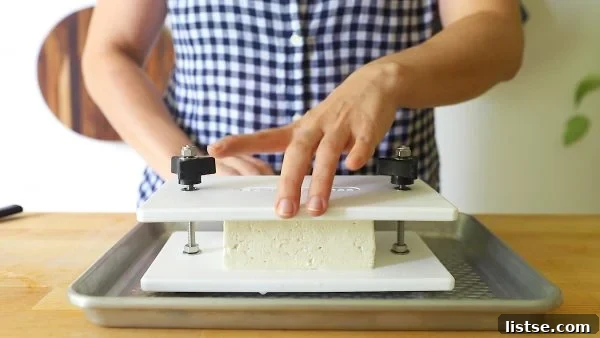
Using a Tofu Press:
A tofu press simplifies the process immensely. Place the press on a rimmed plate or baking sheet to collect the released water. Position the block of tofu inside the press and gently tighten it to apply significant, but not crushing, pressure. Let it press for about 10 minutes, then tighten it slightly more. After an additional 5-10 minutes, your tofu will be sufficiently pressed and ready for cooking.
Pressing Tofu Without a Press:
No special equipment? No problem! You can effectively remove much of the excess moisture using items you already have.
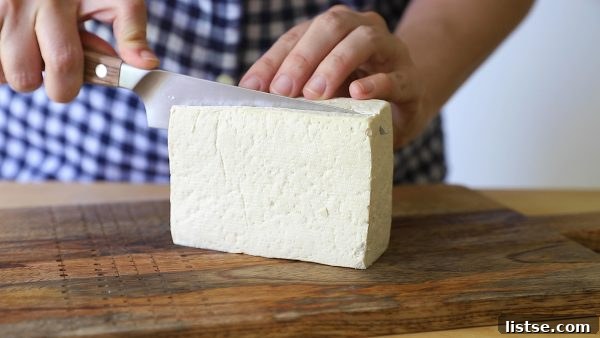
- Carefully slice the block of tofu horizontally into two thinner rectangular sheets. This increases the surface area for water release.
- Wrap each tofu sheet in a clean, absorbent kitchen towel (or several layers of paper towels).
- Place the wrapped tofu on a rimmed plate or baking sheet.
- Evenly place a heavy object, such as a cast-iron skillet, a cutting board weighted with several cans, or a stack of heavy cookbooks, on top of the tofu.
- Allow it to press for at least 20-30 minutes. You’ll notice a significant amount of water collected on the plate. The tofu will feel noticeably firmer.
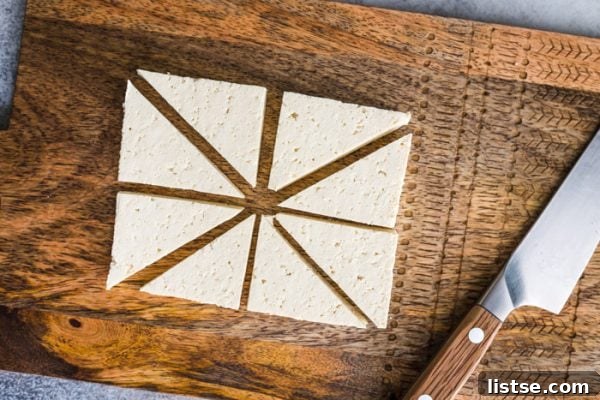
How to Cut Tofu: Tailoring Shape to Your Dish
The way you cut tofu can greatly influence its texture and how it cooks. Tofu is incredibly adaptable, and you can cut it into virtually any shape to suit your recipe. As demonstrated in my video, here are some popular cuts and their applications:
- Cubes: Small cubes are perfect for stir-fries, curries, and salads, offering bite-sized pieces that cook quickly and absorb sauce well. Larger cubes are excellent for baking or roasting, providing a more substantial texture.
- Rectangles/Slabs: Thicker rectangular slices are ideal for grilling, allowing them to develop beautiful grill marks and a satisfying chew. They also work well in sandwiches or as a main protein.
- Triangles: A fun and appealing shape, triangles are particularly great for pan-frying, creating more crispy edges.
- Crumbled: For scrambles or a ground meat substitute, simply crumble the tofu with your hands or a fork.
How to Freeze Tofu: A Game-Changer for Texture and Flavor
Freezing tofu is a culinary hack that dramatically enhances its texture, making it chewier, meatier, and even more capable of absorbing flavors. I delve deeply into this technique in this post on Tofu Satay, but let’s briefly review the magic behind it.
When tofu freezes, the water content within it expands and forms ice crystals. These crystals create tiny pockets and a more porous structure throughout the tofu block. Upon thawing, these pockets remain, and when you gently press or squeeze the thawed tofu, even more excess liquid can be removed. The result? A remarkably spongy, chewier texture that mimics meat, and an increased capacity to soak up marinades, sauces, and spices like a sponge, leading to intensely flavorful dishes.
Marinating Tofu: Infusing Deep Flavors
Marinating is an indispensable step if you want to elevate your tofu dishes with rich, complex flavors. While not strictly necessary, it truly transforms plain tofu into something extraordinary. I’ve dedicated a whole post to marinating tofu, offering a variety of recipes and tips that you can explore here!
The beauty of tofu is its ability to take on any flavor profile. A good marinade typically includes an acid (like vinegar or citrus juice), an oil, and a blend of savory components (soy sauce, tamari, liquid aminos), aromatics (garlic, ginger, onion powder), and sometimes a touch of sweetness (maple syrup, agave). Let your tofu soak for at least 30 minutes for a quick flavor boost, or for several hours (even overnight in the refrigerator) for deeper penetration and more intense taste.
Delicious Ways to Cook Tofu: Techniques for Every Meal
Once you’ve mastered the preparation steps, a world of cooking possibilities opens up. Here are some of the most popular and effective methods to cook tofu, ensuring delicious results every time.
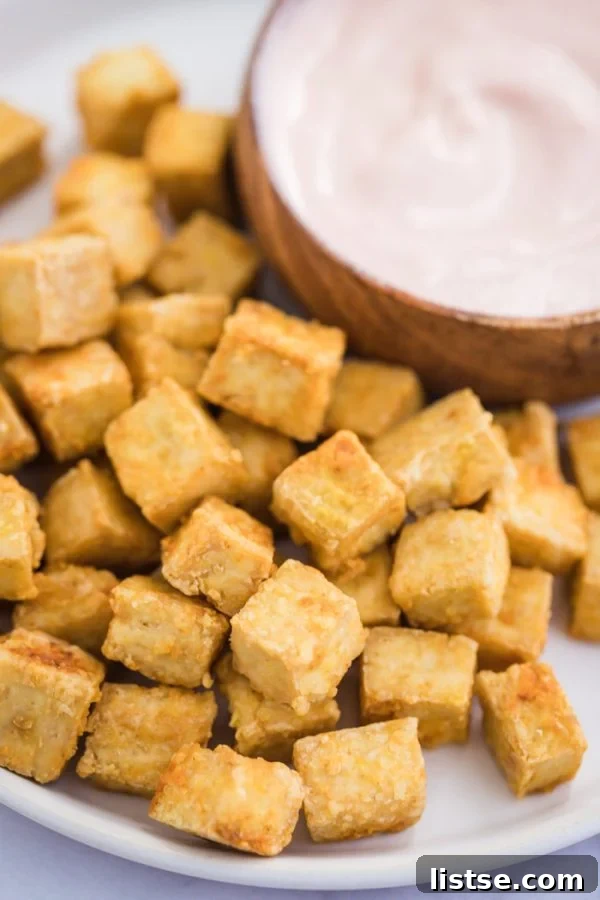
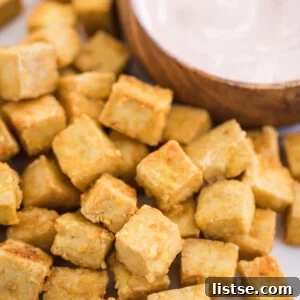
Crispy Baked Tofu
Baking is perhaps the easiest and most hands-off method for achieving perfectly crispy tofu. It’s an ideal choice for meal prep or when you want a delicious protein without constant attention.
Method: After pressing your firm or extra-firm tofu, cut it into uniform cubes (about 1-inch is great). Transfer the cubes to a large bowl and toss them with a tablespoon or two of olive oil, 2 tablespoons of cornstarch (or arrowroot powder for an even crispier coating), a generous pinch of salt and black pepper, and your preferred spices (such as garlic powder, paprika, or Italian seasoning). Ensure each cube is evenly coated. Spread the seasoned tofu in a single layer on a parchment-lined baking sheet, making sure not to overcrowd the pan for maximum crispiness. Bake in a preheated oven at 400 degrees F (200 degrees C) for 30 minutes, flipping the tofu halfway through to ensure all sides brown beautifully. For extra crispiness, you can bake for an additional 5-10 minutes.
Baked tofu is incredibly versatile. Enjoy it as a protein in salads, grain bowls, stir-fries, or alongside roasted vegetables. For a truly irresistible dish, read the full recipe for perfect crispy baked tofu HERE.
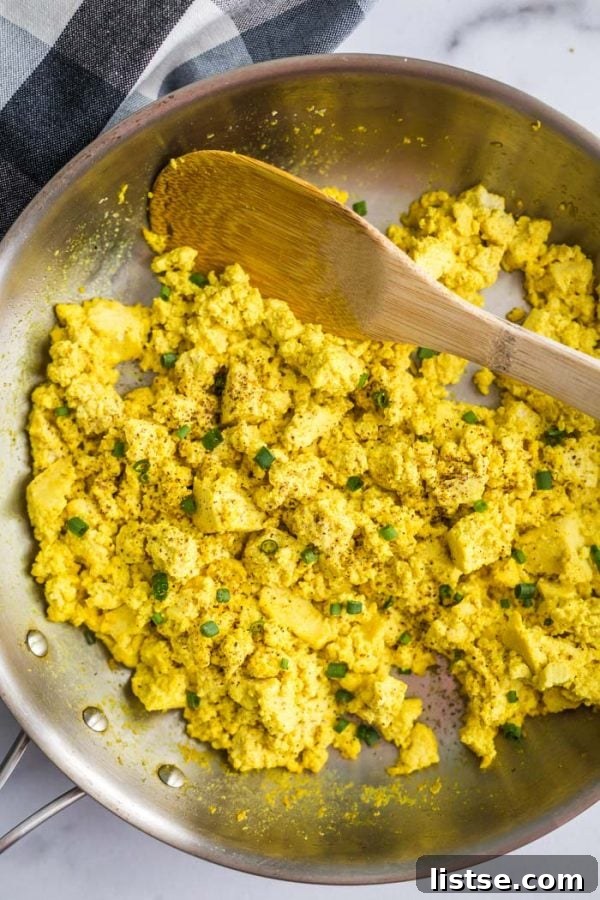
Hearty Tofu Scramble
Tofu scrambles are a fantastic, protein-packed breakfast or brunch option that’s quick to prepare and incredibly satisfying. They make a wonderful vegan alternative to scrambled eggs, especially when enhanced with a touch of turmeric for that classic yellow hue.
Method: Begin with pressed firm tofu. Crumble the block directly into large chunks using your hands or a fork into a bowl. The size doesn’t need to be precise, as you can break it up further as it cooks. Heat a tablespoon of olive oil or your preferred cooking oil in a large non-stick skillet over medium heat. Add the crumbled tofu and immediately stir in seasonings like a pinch of turmeric (for color), garlic powder, onion powder, and salt and pepper to taste. Continue to stir and break up the tofu with your spatula as it cooks, creating your desired texture. Cook until the tofu is heated through and slightly golden, usually about 8-10 minutes.
Elevate your tofu scramble by sautéing diced onions, bell peppers, or spinach in the skillet before adding the tofu. Nutritional yeast can be added for a cheesy flavor, and a sprinkle of black salt (kala namak) provides an uncanny egg-like aroma. Serve hot with toast, avocado, or salsa for a complete and balanced meal. For more detailed guidance, find the full Easy Tofu Scramble recipe HERE.
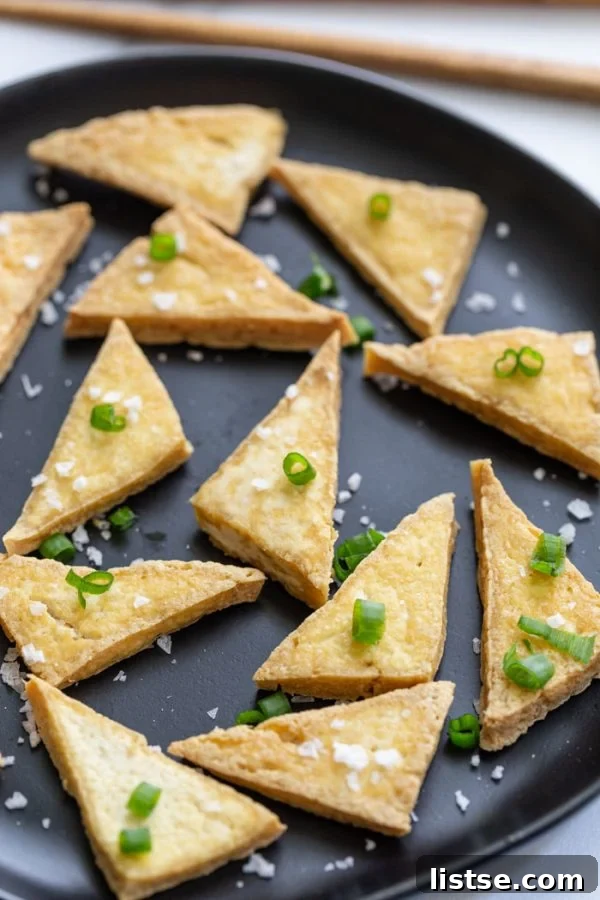
Golden Pan-Fried Tofu
Pan-frying is a quick and straightforward way to achieve beautifully golden and crispy tofu edges, offering a delightful texture contrast to the soft interior. This method is particularly effective for shapes that maximize surface area, such as triangles.
Method: After pressing your tofu, cut it into your desired shape – triangles work wonderfully here, as shown in my video. Heat a large skillet (cast iron or non-stick works best) over medium heat, adding enough oil (like canola, vegetable, or peanut oil) to create about a 1/4-inch layer across the bottom of the pan. Once the oil is shimmering and hot (you can test by dropping a small piece of tofu in – it should sizzle), carefully add the tofu pieces in a single layer, ensuring not to overcrowd the pan. Pan-fry for 3-4 minutes per side, for a total of approximately 12-15 minutes, until each side is beautifully golden brown and crispy. Watch closely to prevent overcooking.
Once fried, transfer the tofu to a plate lined with paper towels to absorb any excess oil. Season immediately with a sprinkle of flaky sea salt or a dash of your favorite seasoning. Pan-fried tofu is excellent on its own, tossed into salads, or served with dipping sauces like soy-ginger or sweet chili.
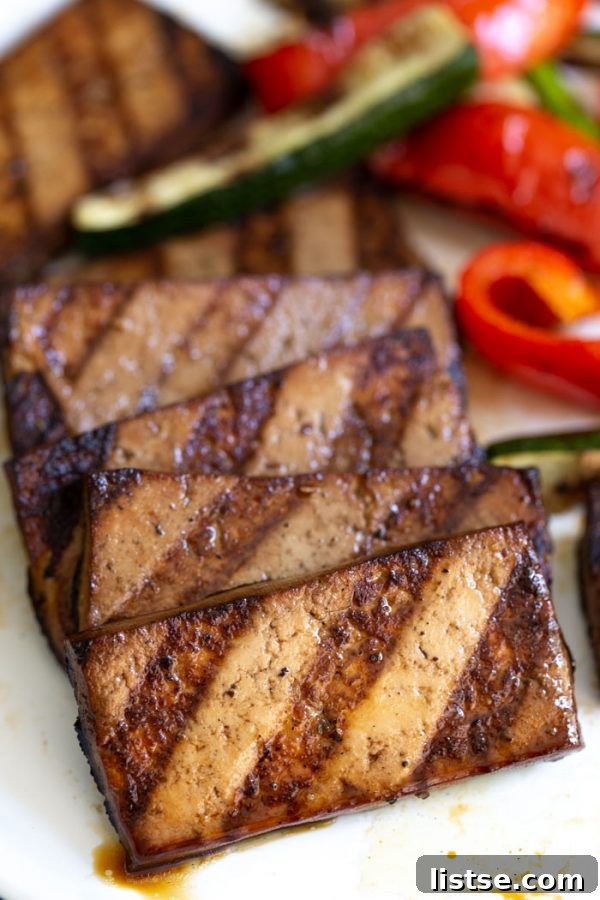
Flavorful Grilled Tofu
Grilling tofu imparts a wonderful smoky flavor and creates an appealing char, making it a fantastic option for summer barbecues or a hearty meal any time of year. This has quickly become one of my absolute favorite ways to enjoy tofu!
Method: Start with well-pressed firm or extra-firm tofu, cut into substantial rectangular pieces (as demonstrated in my video) that won’t easily fall through the grill grates. Marinating is crucial for grilled tofu; submerge your tofu pieces in your favorite marinade for at least a few hours, or ideally, overnight in the refrigerator, to infuse maximum flavor. When ready to cook, preheat your grill to high heat, aiming for around 400 degrees F (200 degrees C). Once hot, brush the grill grates with a little oil to prevent sticking. Carefully place the marinated tofu on the hot grill and cook for approximately 8-10 minutes per side, or until deep grill marks appear and the tofu is firm and slightly charred. Avoid moving the tofu too often to allow a crust to form.
Serve grilled tofu immediately with your favorite summer sides like corn on the cob, potato salad, or a fresh green salad. It’s also delicious in sandwiches or skewers. For a more in-depth guide to this incredibly satisfying preparation, you can find the full Grilled Tofu recipe HERE.
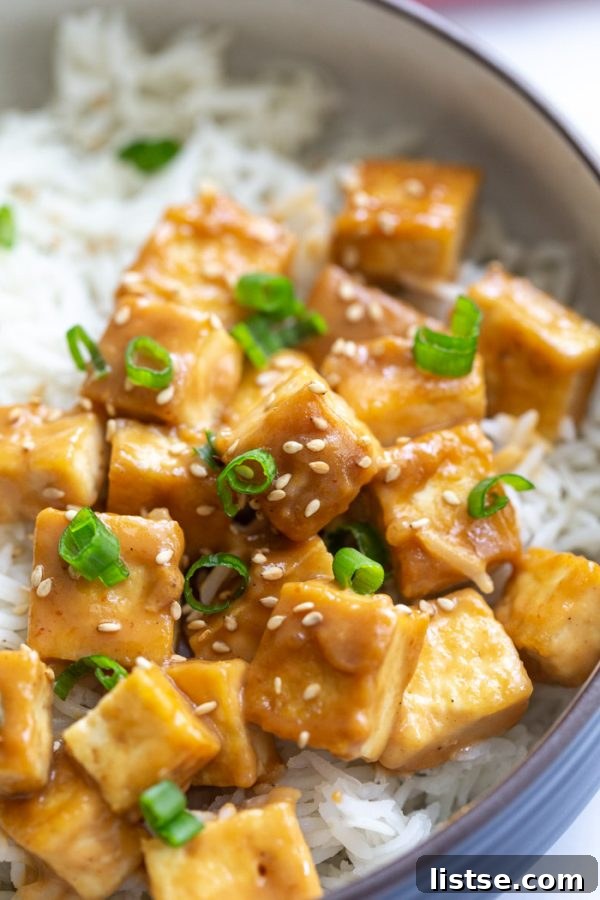
Quick and Easy Sautéed Tofu
Sautéing is another fantastic method for cooking tofu quickly, perfect for busy weeknights when you want a flavorful protein source with minimal fuss. It’s incredibly versatile and pairs well with almost any sauce or dish.
Method: Heat about 1-2 tablespoons of oil (such as sesame, olive, or avocado oil) in a large skillet or wok over medium-high heat. Meanwhile, cut your pressed tofu into bite-sized chunks or cubes – either large or small pieces will work beautifully here. Once the oil is hot, carefully place the tofu cubes into the skillet in a single, even layer. The key to achieving a good crust is to refrain from moving the tofu for about 4-5 minutes, allowing a golden-brown crust to form on the bottom. Once a crust has developed, toss the tofu and continue to cook, turning occasionally, until all sides are nicely browned and crispy, typically about 10-15 minutes total.
Sautéed tofu is wonderfully adaptable. Serve it immediately with a creamy tahini sauce, toss it into your favorite stir-fry with vibrant vegetables, or add it to noodle dishes and rice bowls. The possibilities are truly endless! For a complete recipe that includes a delicious sauce, check out my Easy Sautéed Tofu with Creamy Tahini Sauce HERE.
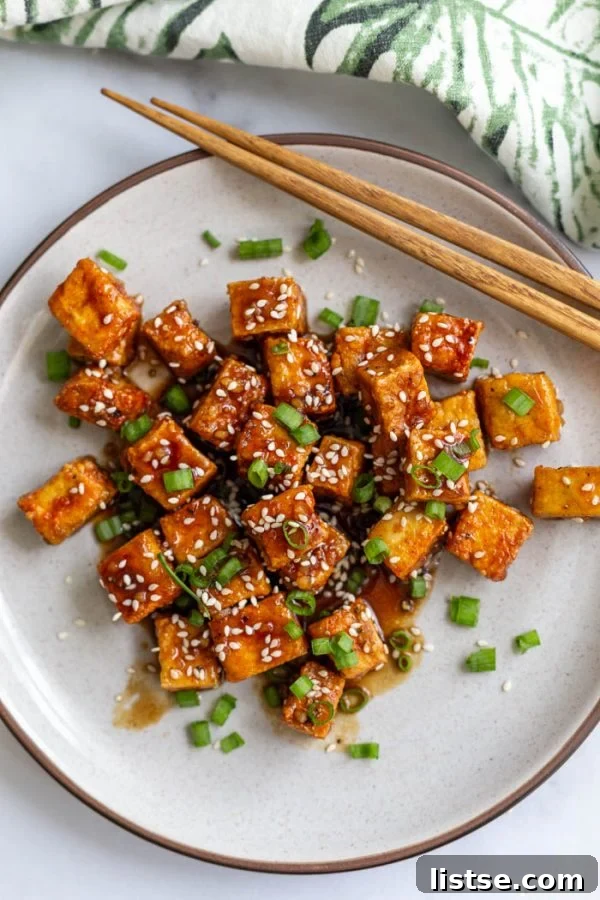
Effortlessly Crispy Air Fryer Tofu
For unparalleled crispiness with minimal oil, the air fryer is your best friend. Air fryer tofu achieves a wonderfully crunchy exterior that rivals deep-frying, but with far less fat and effort.
Method: Begin by pressing your tofu thoroughly and cutting it into consistent cubes. In a bowl, toss the tofu cubes with a light coating of oil, then sprinkle generously with cornstarch (or arrowroot flour, as suggested by Lindsay, for a finer crispiness) and your chosen spices, such as garlic powder, paprika, cumin, and salt. Lightly spray the inside of your air fryer basket with cooking spray to prevent sticking. Arrange the seasoned tofu cubes in a single layer in the basket, ensuring not to overcrowd, which is crucial for even cooking and crispiness (you may need to cook in batches). Set the air fryer to 370 degrees F (185 degrees C) and cook for a total of 15-20 minutes, pausing halfway through to shake the basket or flip the tofu, ensuring all sides get exposure to the circulating hot air.
Once cooked, the tofu will be golden brown and delightfully crispy. Serve it immediately as a snack, add it to salads, or toss it with your favorite sauce – teriyaki, sweet and sour, or peanut sauce all work beautifully. For a detailed step-by-step guide to this easy method, refer to the full Air Fryer Tofu recipe HERE.
Frequently Asked Questions About Cooking Tofu
Here are answers to some common questions about cooking and enjoying tofu, helping you navigate any uncertainties.
- What is the BEST way to cook tofu? There’s no single “best” way to cook tofu, as it truly depends on your preference and the dish you’re preparing. For a quick and easy option with a satisfying crisp exterior, I often opt for pan-frying. However, when I have a little more time, my all-time favorite is baked tofu because it consistently yields the crispiest, most delightful crust. Each method offers a unique texture and flavor profile.
- Do you need to cook tofu? Technically, no, you don’t *need* to cook tofu. It can be safely consumed straight out of the package. However, raw tofu has a very bland flavor and a soft, somewhat watery texture that many people don’t find enjoyable. Cooking tofu significantly improves its taste and texture, making it far more appealing.
- Can you boil tofu to cook it? Yes, absolutely! Boiling tofu is a simple way to cook it, especially when incorporating it into soups or stews. Simply add cubed or sliced tofu to boiling water or broth and cook until it’s heated through, usually just a few minutes. For a slightly firmer texture that develops a very subtle “crust” on the outside, you can boil it for a bit longer, perhaps 20-30 minutes, allowing some water to evaporate and the protein structure to firm up further.
- Should you marinate tofu before cooking? I highly recommend marinating tofu whenever possible! While it doesn’t *need* to be done for safety, marinating is undoubtedly the best way to infuse your tofu with incredible flavor and prevent it from tasting bland. Tofu is like a sponge, eager to absorb whatever delicious liquid you offer. You can use any type of marinade you like – savory, spicy, sweet, or tangy – and let the tofu sit in it for as little as an hour or for a deeper flavor, overnight in the refrigerator.
- Can I eat raw tofu? Yes, you can eat raw tofu. As mentioned, it’s perfectly safe to consume directly from the package. However, its unseasoned, uncooked state isn’t typically considered the most palatable. For the best culinary experience, cooking and seasoning are highly recommended.
- Do you cook tofu before putting it in soup? No, you do NOT need to pre-cook tofu before adding it to soup. For best results, I suggest adding cubed tofu into your soup about 10-15 minutes before it finishes cooking. This allows the tofu ample time to heat through, absorb the rich flavors of the broth, and develop a slightly firmer exterior texture.
- Which tofu is best for soup? In most soup applications, medium tofu is generally the best choice. It’s softer than firm or extra-firm tofu, providing a pleasant, delicate texture, yet it still holds its shape well when mixed into the soup without crumbling excessively. Silken tofu is also excellent for creamy, blended soups or miso soup where it will melt into the broth.
- Does tofu need to be refrigerated? Yes, absolutely. Tofu is a perishable product and must always be stored in the refrigerator, both before opening and after. Once opened, store any unused tofu in an airtight container submerged in fresh water, changing the water daily, and consume within 3-5 days.
Explore More Delicious Tofu Recipes
Now that you’re equipped with the knowledge to cook tofu expertly, it’s time to put your skills to the test! I’ve curated a collection of my absolute favorite tofu recipes, all bursting with flavor and designed to be approachable for home cooks. Dive in and discover your next go-to tofu dish!
Ready for more inspiration? Check out The Best Tofu Recipes Around! Here are some of my personal favorites to get you started:
- Grilled Tofu: Perfect for a smoky, charred protein.
- Sheet Pan Tofu & Veggies: A convenient and flavorful one-pan meal.
- Tofu Stir Fry: A quick and customizable weeknight dinner.
- Easy Tofu Kebabs: Fun to make and great for grilling or baking.
- Cashew Tofu Stir Fry: A rich and nutty twist on a classic.
- Copycat Chipotle Sofritas: Recreate your favorite restaurant dish at home.
- 6 Different Tofu Marinades: Unlock a world of flavor possibilities with these versatile marinades.
Crispy Baked Tofu
Video
Ingredients
- 1 block of firm or extra firm tofu, I do not recommend doing this with any other type of tofu
- 1 ½ tablespoons olive oil
- 2 tablespoons cornstarch
- ½ teaspoon salt and freshly cracked black pepper
- extra spices of choice**
Instructions
-
Pre-heat your oven to 400 degrees F (200°C) and line a baking sheet with a silpat mat or parchment paper.
-
Remove the tofu from its packaging and discard the liquid. Press the tofu thoroughly following these directions. If you have a tofu press, use it; otherwise, wrap the tofu in a lint-free towel or paper towels and place a heavy skillet on top for about 20 minutes to extract excess moisture. Refer to HERE for comprehensive details on pressing tofu.
-
Once pressed, cut the tofu into bite-sized pieces. Both small and larger chunks work well, so cut them to your preference.
-
Place the tofu pieces into a large bowl, drizzle with olive oil, and sprinkle evenly with cornstarch, salt, pepper, and any other desired spices. GENTLY toss the tofu to ensure it’s fully coated in the cornstarch mixture.
-
Arrange the coated tofu on the prepared baking sheet in a single layer, leaving a small space between each piece for optimal crisping. Bake for 15 minutes, then flip the tofu pieces over, and continue baking for an additional 15-25 minutes. The tofu should be done after a total of 30 minutes, but you can extend the baking time slightly if you desire an even crispier texture or if your chunks are particularly large.
-
Allow the tofu to cool slightly before serving. Enjoy your perfectly crispy baked tofu!
Notes
Nutrition
Nutrition information is automatically calculated, so should only be used as an approximation.
Tried this recipe?
Mention @foodwithfeeling or tag #foodwithfeeling!