

Food is a universal language, a source of comfort, celebration, and endless discovery. From the simplest ingredients to the most elaborate dishes, the culinary world offers an incredible spectrum of flavors, textures, and aromas. To celebrate this wonderful journey of taste, we embark on a delightful exploration, compiling an extensive list of foods that begin with the letter ‘J’. This isn’t just a list; it’s a flavorful expedition designed to spark your curiosity and perhaps inspire your next meal or grocery run. Whether you’re a seasoned chef, a curious foodie, or simply looking for inspiration for a themed dinner, prepare to be amazed by the diversity and deliciousness that ‘J’ brings to the table.
My daughter’s daycare often features a “show and tell” segment where children bring items starting with a specific letter. The letter ‘J’ always presented a unique challenge, prompting us to scour our play kitchen and our imaginations for suitable, fun, and edible options. That quest led to the creation of this comprehensive guide. We realized that many others might face similar delicious dilemmas or simply crave a deeper understanding of less common ingredients. This meticulously curated list aims to be a valuable resource for everyone, whether you’re planning an adventurous menu, educating young minds about food, or just satisfying your own gastronomic curiosity. We’ve gone beyond the basics, offering insights into origins, flavor profiles, and culinary applications for each item. So, let’s dive into this vibrant collection of 28+ amazing foods that proudly carry the letter ‘J’.
A Culinary Journey: Discovering Foods That Start with J
Prepare your palate for an exciting adventure! Below is an enriched compilation of foods that start with the letter J, complete with detailed descriptions to illuminate their unique characteristics and culinary potential. We’ve strived to make this list as informative and engaging as possible, offering a fresh perspective on both familiar favorites and intriguing new discoveries.
- Jabuticaba
The Jabuticaba is an extraordinary fruit native to Brazil, known for its unique growth habit where it sprouts directly from the trunk and branches of its tree, resembling clusters of grapes. Visually striking, these small, dark purple fruits are plump and have a sweet, slightly acidic pulp. The flavor profile can vary, with some types described as similar to blueberry yogurt or sweet lychees, while others boast a grape-candy essence. Due to its rapid fermentation, Jabuticaba is highly prized in Brazilian cuisine for making exquisite jams, jellies, wines, and liqueurs. It’s often enjoyed fresh, offering a burst of flavor that is both refreshing and subtly complex, rich in antioxidants and vitamins.
- Jackfruit
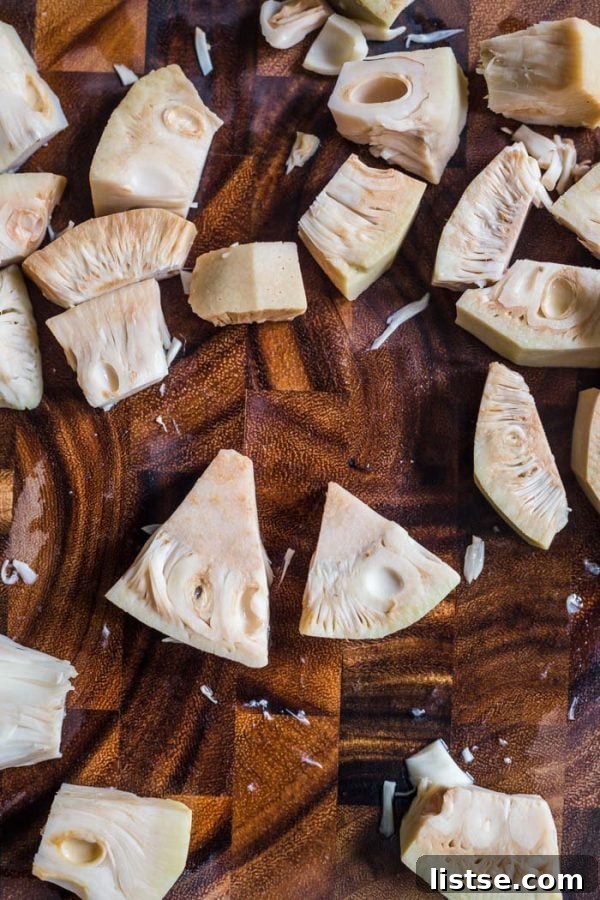
Hailing from the fig, mulberry, and breadfruit family, the Jackfruit is the largest tree-borne fruit in the world, capable of reaching immense sizes. Its versatile flesh is a staple in various cuisines, particularly as a meat substitute due to its unique fibrous texture when cooked, making it an excellent alternative for dishes like “pulled pork” or hearty curries. When ripe and consumed fresh, jackfruit offers a tropical flavor profile, often likened to a delightful blend of apples, bananas, and sometimes pineapple. It’s also consumed unripe in savory dishes, where it absorbs flavors wonderfully, and its seeds are often boiled or roasted for a nutty treat. - Jaffa Cake
A beloved confection, the Jaffa Cake is a delightful biscuit-sized cake named after the Jaffa oranges from which its signature flavor derives. These iconic treats typically feature a soft Genoise sponge base, generously topped with a layer of tangy orange-flavored jam, all enrobed in a crisp coating of dark chocolate. Depending on regional nomenclature, they may be referred to as Jaffa cookies in the United States or Jaffa biscuits in Britain. Their unique texture — a soft cake base with a jelly center and a chocolate shell — provides a satisfying contrast that makes them a popular tea-time indulgence.
- Jalapeño
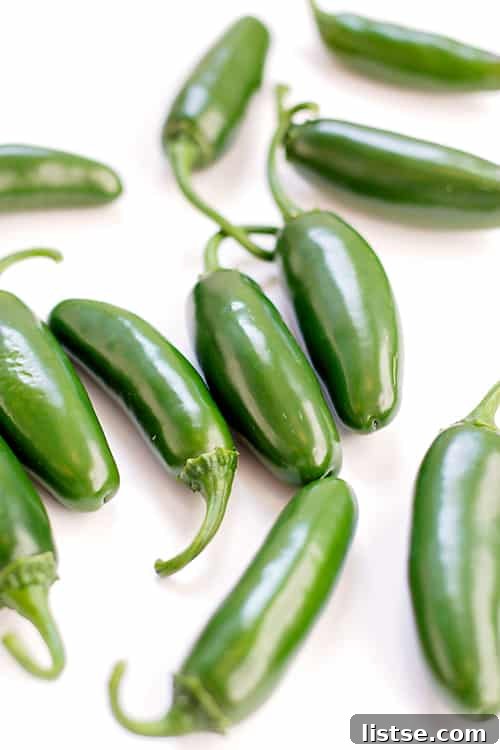
The Jalapeño is a medium-sized chili pepper renowned for its vibrant green color and a heat level that adds a pleasant kick without being overwhelmingly spicy for most palates. Typically growing to lengths of 2 to 3.5 inches, these versatile peppers are a cornerstone of Mexican cuisine, infusing dishes with both flavor and a manageable level of heat. Beyond their fresh use, Jalapeños are famously transformed into “Jalapeño poppers,” a popular American appetizer. These typically involve stuffing the peppers with cream cheese, often wrapping them in bacon, breading them, and then deep-frying or baking until golden and crispy, creating a harmonious blend of spicy, creamy, and crunchy textures. - Jam
Jam is a quintessential fruit preserve, a delightful spread crafted by cooking down cut or crushed fruit with sugar and water until it reaches a thick, spreadable consistency. This mixture is then carefully sealed in jars, allowing it to be enjoyed year-round. A key characteristic distinguishing jam from jelly is the inclusion of actual fruit pieces, giving it a chunkier texture and a more robust, concentrated fruit flavor. It’s a versatile condiment, perfect for spreading on toast, scones, or pastries, swirling into yogurt, or using as a filling for tarts and cakes, celebrating the essence of seasonal fruits. - Jamaican Jerk Chicken
Jamaican Jerk Chicken is an iconic dish celebrated for its explosive flavor profile, a testament to the rich culinary traditions of the Caribbean. The preparation involves either dry-rubbing or marinating chicken (or pork) with a potent and aromatic spice blend known as Jamaican jerk spice. This complex seasoning typically includes pimento (allspice), Scotch bonnet peppers, cloves, cinnamon, scallions, nutmeg, thyme, and garlic. The result is a savory, deeply flavorful meat with a distinctive spicy and peppery kick, often imbued with a smoky char from traditional grilling over pimento wood. It’s a true taste of Jamaica, vibrant and unforgettable.
- Jambalaya
Jambalaya is a hearty and flavorful Creole and Cajun dish, originating from Louisiana, embodying a rich blend of cultural influences. This one-pot wonder typically combines a medley of meats (such as sausage, chicken, or ham), seafood (like crawfish or shrimp), and vegetables (including the “holy trinity” of celery, bell peppers, and onions), all cooked together with rice and a symphony of seasonings. The crucial distinction from Gumbo, another Louisiana staple, lies in how the rice is incorporated; in Jambalaya, the rice is cooked directly within the pot, absorbing all the savory liquids and spices, resulting in a cohesive and intensely flavored meal. - Jamun (Java Plum)
The Jamun, more widely known as the Java Plum or Black Plum, is an exotic fruit native to the Indian subcontinent and Southeast Asia. Characterized by its oval shape, dark purple to black skin, and richly pigmented flesh, it boasts a unique taste profile that is both tangy and tart, with a hint of sweetness when fully ripe. The fruit is typically enjoyed fresh, often leaving a tell-tale dark purple stain on fingers, lips, and tongues – a sign of its potent color. Its seeds are usually removed, and the fruit can also be cooked into sauces, juices, or used in traditional medicine for its astringent properties. - Japanese Plum (Ume)
Japanese Plums, particularly the Ume (often translated as plum but botanically closer to an apricot), are revered in Japanese culture and cuisine. While they can be naturally sweet when perfectly ripe and eaten raw, their high acid content often gives them a distinctly sour taste. This characteristic makes them ideal for preservation, most notably as umeboshi – pickled plums. Umeboshi are intensely salty and sour, vibrant pink-red, and a traditional accompaniment to rice, often served with breakfast or as a filling for onigiri (rice balls), believed to aid digestion and boost energy.
- Java (Coffee)
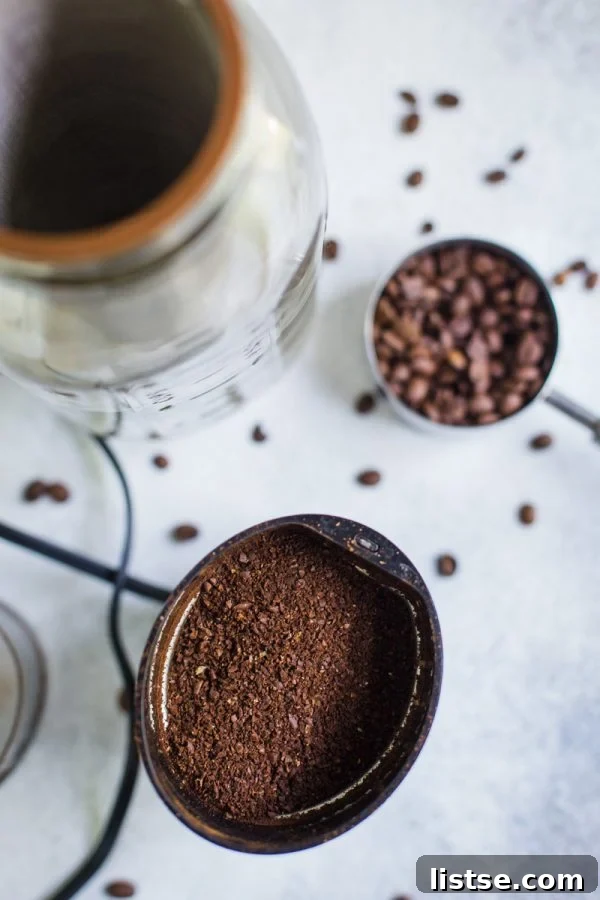
Historically, “Java” referred specifically to coffee beans cultivated on the Indonesian island of Java, renowned for producing some of the world’s most exquisite coffee. Over time, however, the term has evolved into a more general, affectionate moniker for coffee itself, signifying any modern coffee beverage. This beloved caffeinated bean undergoes a meticulous process of roasting, grinding, and brewing to yield an incredible array of coffee drinks, from robust espressos to creamy lattes. Its rich aroma and stimulating properties make it a globally cherished morning ritual and a social staple. - Jell-O
Jell-O is a universally recognized brand of gelatin desserts, a light and jiggly confection that has been a staple in kitchens for generations. These desserts are made by combining powdered gelatin with sugar, flavorings, and often artificial colors, which, when dissolved in hot water and chilled, sets into a translucent, wobbly solid. Jell-O can be enjoyed simply on its own, offering a refreshing and low-calorie treat. More creatively, it features in “Jell-O salads,” a retro dish that playfully mixes gelatin with various ingredients such as fruit, grated carrots, cottage cheese, cream cheese, marshmallows, nuts, or even pretzels, creating an interesting blend of sweet and savory. - Jelly
Jelly, much like jam, is a fruit-based spread, but with a distinct characteristic: it is made exclusively from the strained juice of fruit, rather than the whole fruit pieces. This juice is combined with sugar and often pectin, then heated until it reaches a desired setting point. The absence of fruit pulp gives jelly its signature clear, shimmering appearance and smooth texture. Once prepared, it’s sealed in jars, preserving the pure, concentrated flavor of the fruit. Jelly is a classic accompaniment to toast, peanut butter sandwiches, and can also be used as a glaze for pastries or a vibrant filling.
- Jelly Beans
Jelly beans are iconic, small, bean-shaped candies known for their shiny, chewy shell and a soft, gel-like interior. These beloved sweets are a triumph of confectionery, combining sugar, corn syrup, and an immense variety of flavorings to create an almost endless palette of tastes. Brands like Jelly Belly have popularized the candy by offering over 100 distinct flavors, ranging from classic fruits to exotic desserts and even bizarre savory options. Jelly beans are a festive treat, popular during holidays like Easter, and are enjoyed by people of all ages for their fun shapes and explosion of flavors. - Jelly Donut
The Jelly Donut, often called a Berliner or Krapfen in other cultures, is a delightful fried pastry characterized by its soft, pillowy dough generously filled with a sweet, fruit-based preserve. While berry-flavored jams are the most common fillings, variations include apple butter or other fruit-flavored jellies, sometimes artificially enhanced to achieve that classic berry taste. These donuts are typically coated in granulated or powdered sugar, adding another layer of sweetness and texture. The burst of fruit filling hidden within the soft dough makes for a wonderfully indulgent treat, a favorite in bakeries worldwide. - Jelly Roll (Swiss Roll)
A Jelly Roll, also widely known as a Swiss Roll, is an elegant and classic dessert featuring a light, airy sponge cake that is baked flat and then, while still warm, carefully rolled around a sweet filling. The most common fillings are fruit jams or jellies, creating a beautiful spiral pattern when sliced. However, variations include cream fillings, chocolate ganache, or other sweet spreads. The finished log-shaped dessert is often dusted with powdered sugar or adorned with a light frosting, presenting a visually appealing and delicious treat that is perfect for slicing and serving at any gathering.
- Jerky
Jerky is a highly practical and flavorful form of meat preservation that dates back centuries. It involves dehydrating lean cuts of meat to remove moisture, thereby preventing spoilage and extending its shelf life significantly. Modern jerky recipes often include a crucial step of marinating the meat in various seasonings, including salt, spices, and sometimes marinades like soy sauce or Worcestershire sauce, to impart rich flavor before the drying process. Widely consumed as a convenient snack due to its high protein content and light weight, jerky is also an excellent survival food for hikers and campers, providing sustained energy on the go. - Jerusalem Artichoke (Sunchoke)
Despite its name, the Jerusalem Artichoke is neither from Jerusalem nor an artichoke. It is a root vegetable, actually the tuber of a species of sunflower native to North America, also commonly known as a sunchoke. This unassuming tuber has a distinctively crunchy texture and a delicate, nutty flavor when eaten raw, often likened to water chestnuts for its crispness. It can also be cooked in various ways – roasted, mashed, or pureed into soups – where it develops a slightly sweeter, earthier taste. Jerusalem artichokes are valued for their inulin content, a prebiotic fiber beneficial for gut health. - Jewfish (Atlantic Goliath Grouper)
The Jewfish, now more commonly and appropriately referred to as the Atlantic Goliath Grouper, is an impressively large saltwater fish inhabiting shallow tropical and subtropical waters, particularly around coral reefs and wrecks. These formidable fish can easily weigh over 60 pounds, presenting a significant challenge to anglers. Its meat is known for being tougher than many other fish varieties, possessing a robust, strong flavor, often compared to its relative, the Mulloway. Due to conservation efforts, catching and consuming Atlantic Goliath Grouper is highly regulated, reflecting its importance in marine ecosystems.
- Jicama
Jicama, also known as the Mexican Turnip or Mexican Yam Bean, is a root vegetable native to Mexico and Central America. The edible part is its tuberous root, which boasts a mildly sweet, subtly nutty flavor and a remarkably crisp, juicy texture. Many describe its taste as a refreshing cross between a potato and a pear, with a slight apple-like crunch. Jicama is most commonly peeled and cut into sticks or slices to be enjoyed raw, often sprinkled with chili powder, lime juice, and salt as a popular snack. It also adds a wonderful crunch and subtle sweetness to salads, stir-fries, and salsas. - Jollof Rice
Jollof Rice is an iconic and deeply beloved rice dish that holds a place of honor in West African cuisine, celebrated across countries like Nigeria, Ghana, Senegal, and many more. This vibrant one-pot meal is typically prepared by cooking long-grain rice with a rich, aromatic tomato and pepper base, incorporating onions, various spices (such as curry powder, thyme, and bay leaves), and often vegetables and pieces of meat like goat, chicken, or beef. Jollof rice is famously known for its distinctive smoky flavor, often achieved by cooking it over firewood or allowing it to caramelize slightly at the bottom of the pot. It’s a staple at celebrations and family meals, representing unity and tradition. - Jonathan Apple
The Jonathan Apple is a classic American apple variety, known for its medium size, striking bright red skin, and a delightfully balanced flavor profile. It offers a perfect harmony of sweetness complemented by a refreshing tartness, making it highly versatile. Jonathan apples are excellent for eating fresh out of hand, providing a crisp and juicy bite. They also perform exceptionally well in various culinary applications, holding their shape and flavor in pies, tarts, and sauces. While once immensely popular, its prominence has slightly waned in the face of newer, more heavily marketed apple varieties, yet it remains a favorite among those who appreciate its traditional, robust apple taste.
- Jordan Almond
Jordan Almonds are elegant, bite-sized confectionery treats, famously associated with celebrations such as weddings and baptisms, where they symbolize good fortune. These charming sweets typically feature a whole almond at their core, which is then enrobed in a smooth, hard candy coating. While the classic version is a simple sugar shell, modern variations include a layer of chocolate between the almond and the candy coating, or even a cinnamon-sugar dusting. The hard, often pastel-colored shell provides a satisfying crunch that gives way to the sweet, nutty interior, making them a delightful and visually appealing indulgence. - Jostaberry
The Jostaberry is a fascinating hybrid berry, a cross between the blackcurrant and the gooseberry, created through horticultural breeding. This unique lineage results in a berry that combines the best characteristics of both parents: it possesses the sweetness and subtle tartness of a gooseberry, harmoniously blended with a delicate hint of blackcurrant flavor, without the strong pungency often associated with blackcurrants or the thorns of gooseberries. Jostaberries can be enjoyed fresh, straight from the bush, or transformed into a variety of culinary delights such as jams, jellies, pies, and other pastries. They are also sometimes fermented to produce flavorful cordials and wines.
- Juice
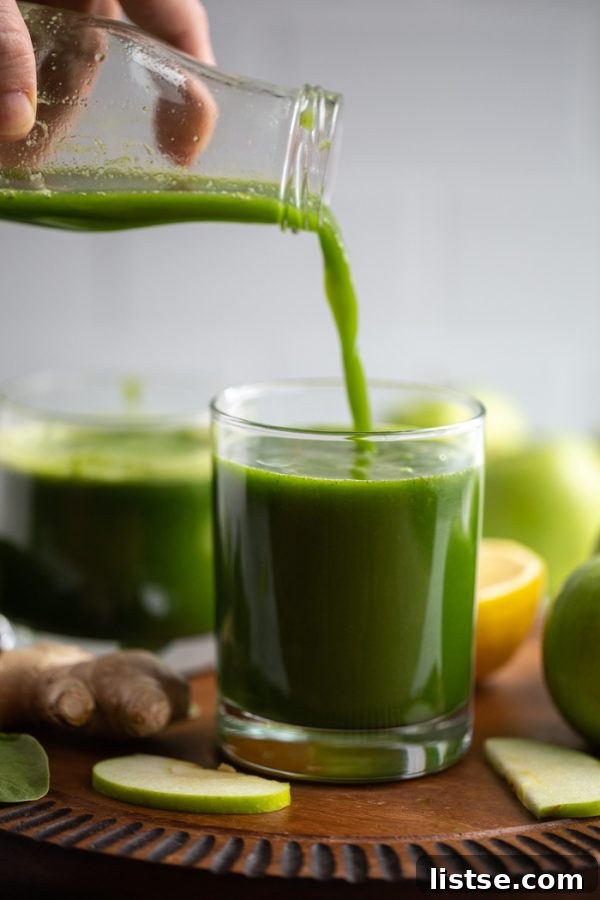
Juice is a ubiquitous and refreshing beverage created by mechanically extracting or pressing the natural liquid content from fruits or vegetables. These natural extracts are often enjoyed for their concentrated flavors and nutritional benefits. While many commercial juices contain a blend of different fruits and may have added sugars, water, or other flavorings, pure juices offer an unadulterated taste of their source ingredients. The term “juice” is broad, encompassing everything from sweet orange juice to savory clam juice, highlighting its versatility in both sweet and savory culinary applications. - Jujube (Chinese Date)
The Jujube, widely known as the Chinese Date, is a distinctive stone fruit celebrated for its mild apple-like flavor and spongy texture. Roughly the size of a date, this fruit transitions from a vibrant green to a reddish-brown as it ripens, developing a slightly wrinkled appearance. Its taste can range from mildly sweet-tart when partially ripe to intensely sweet and reminiscent of dried apples or dates when fully mature. Jujubes are versatile; they can be enjoyed fresh as a snack, dried and added to trail mixes, or incorporated into teas, desserts, and traditional Chinese herbal remedies. - Julep
A Julep is an elegant and classic cocktail, traditionally characterized by its simple yet refined composition: liquor, sugar, and crushed ice. While a variety of spirits can be used, the most iconic version, the Mint Julep, prominently features bourbon or brandy. The drink is typically served in a chilled metal or highball glass, brimming with finely crushed ice that slowly dilutes the drink, releasing its flavors. It is almost always garnished generously with fresh mint leaves, which are gently muddled or slapped to release their aromatic oils, contributing a refreshing herbaceous note that perfectly complements the spirit.
- Juneberries (Saskatoon Berries)
Juneberries, also known as Saskatoon berries, are small, round fruits that grow on a shrub native to North America. These versatile berries are often eaten fresh, boasting a flavor profile reminiscent of dark cherries or raisins, with a pleasant sweetness and a hint of almond. They are at their peak when they ripen to a deep blue or purple color. Beyond fresh consumption, Juneberries are highly prized for making a variety of preserves, including jellies, jams, and pies. They are also popular ingredients in sauces, syrups, and even fermented into unique wines, offering a taste of the wild bounty of the continent. - Juniper Berry
Despite its common name, the Juniper Berry is not a true berry but rather a seed cone with fleshy, merged scales that give it a berry-like appearance. These aromatic “berries” are most famously known as the primary botanical flavoring agent in gin, giving the spirit its characteristic crisp, piney taste. Beyond their role in alcoholic beverages, juniper berries have a long history of use in culinary arts, particularly in northern European cuisine, where they are used to flavor game meats, sauces, and marinades. They are also recognized for their traditional medicinal properties, including diuretic, anti-inflammatory, and antiseptic qualities.
We sincerely hope this expanded and detailed list of foods starting with ‘J’ has been both informative and inspiring, opening up new avenues for your culinary explorations. The world of food is boundless, and every letter of the alphabet holds its own unique treasures. May your kitchen be filled with the exciting possibilities that these ‘J’ delights offer!