
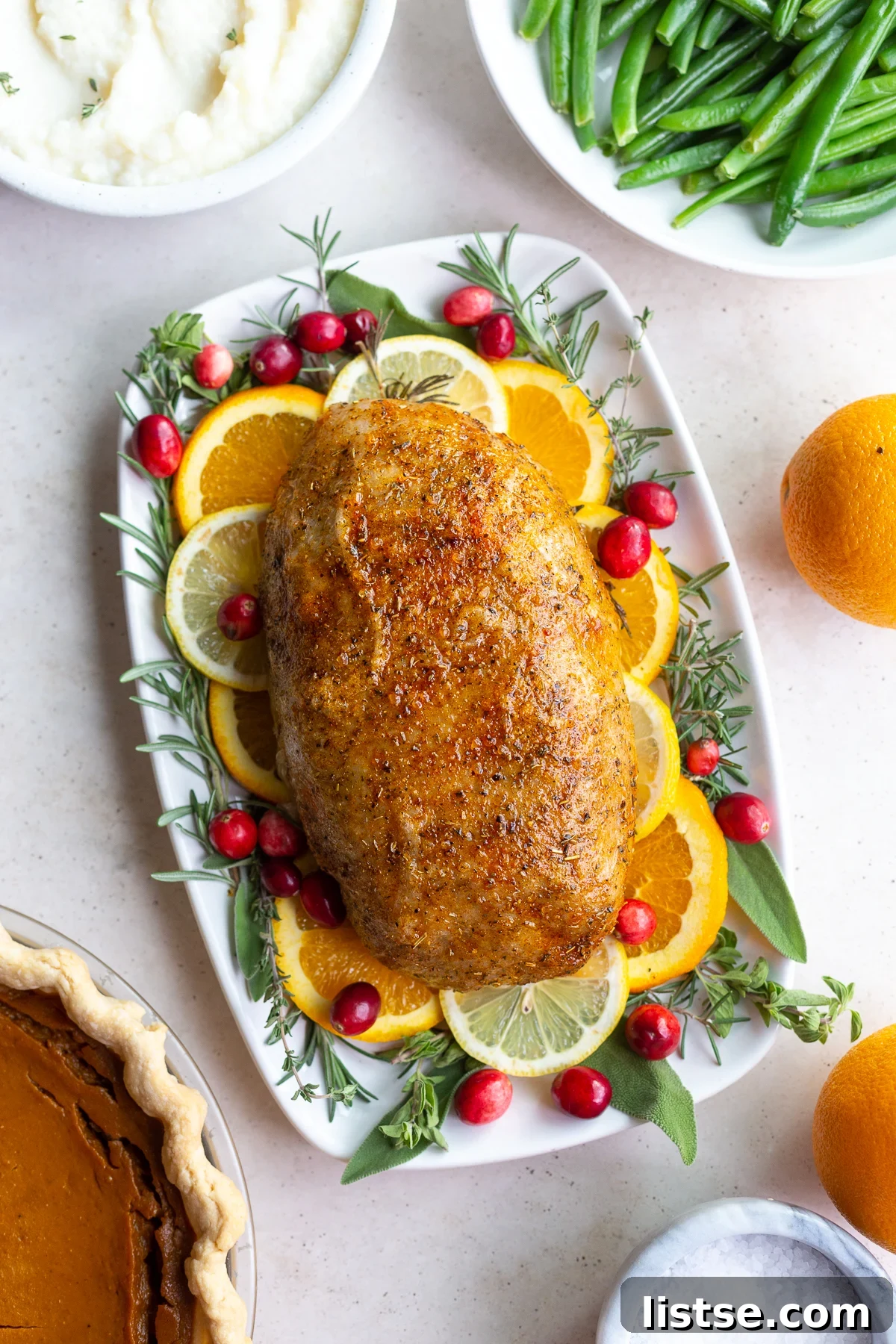
Welcome to the ultimate guide for crafting the perfect Vegan Turkey – a magnificent, plant-based centerpiece destined to impress at your Thanksgiving, Christmas, or any festive gathering! Despite its elegant appearance and rich flavors, this recipe is remarkably simple to make, proving that even a beginner in the kitchen can achieve culinary triumph. Forget bland alternatives; this vegan turkey offers a truly satisfying experience that will have everyone reaching for seconds.
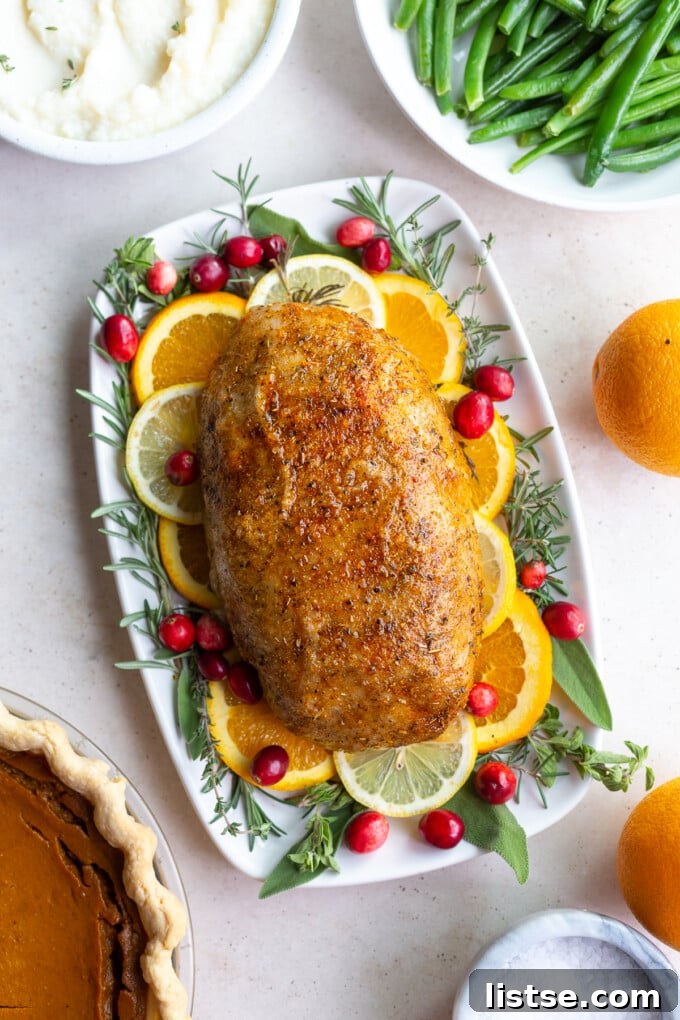
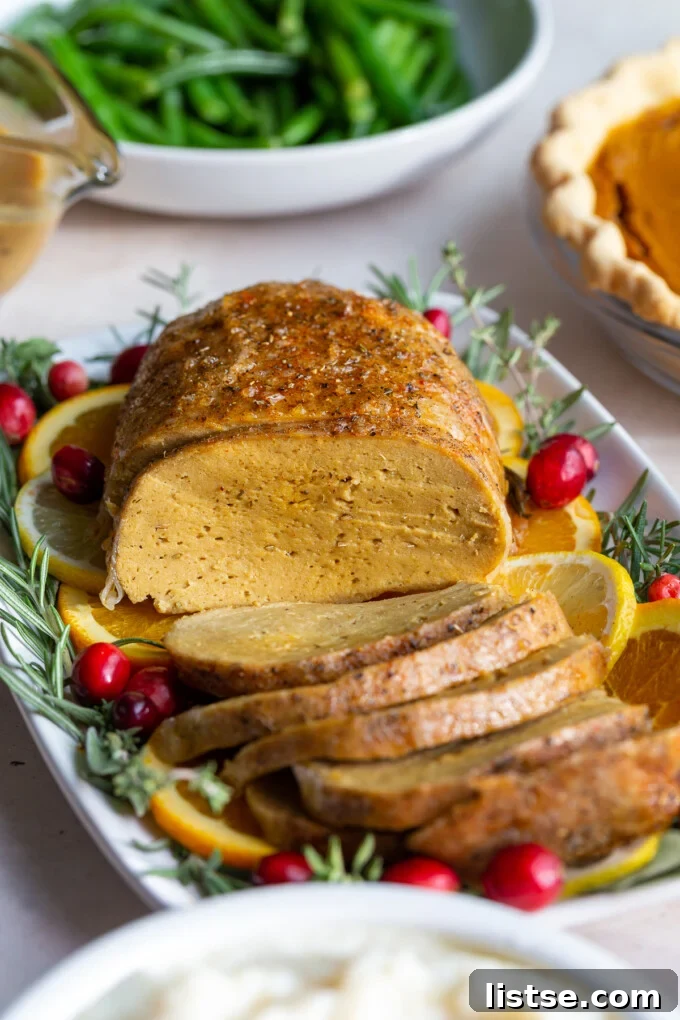
Developing this recipe has been a labor of love, spanning months of meticulous testing and refinement. The result is pure perfection: a vegan turkey that boasts a wonderfully soft and succulent interior, enveloped by a beautifully crispy, golden-brown exterior. It’s absolutely bursting with a symphony of flavors that evoke the comforting essence of traditional holiday roasts, but with all the goodness of a plant-based meal.
While some may be skeptical of vegan interpretations of classic meat dishes, I firmly believe in expanding culinary horizons. If a delicious, cruelty-free alternative isn't what you're seeking, then this might not be for you. However, for those eager to explore a sensational VEGAN TURKEY that’s soft, wonderfully crispy, and exquisitely flavorful, you have indeed found your holy grail. Let's embark on this delightful cooking journey!
Key Ingredients for Your Vegan Turkey
Creating an incredible plant-based turkey that satisfies on all levels starts with understanding the role of each ingredient. This recipe relies on a few core components that contribute to its unique texture and authentic flavor profile. Here's a closer look at what you'll need:
- Vital Wheat Gluten: This is truly the heart and soul of our vegan turkey, forming the essential structure and chewy texture akin to traditional meat. Vital wheat gluten is the main protein found in wheat, and when combined with liquids, it creates a dough known as seitan. You can usually find it in the baking aisle, near other flours, or in the health food section of most well-stocked grocery stores. Do not substitute this ingredient if you want the characteristic "meaty" texture.
- Silken Tofu: After extensive testing with various types of tofu, silken tofu emerged as the clear winner for achieving the ideal moisture and tenderness. Its smooth, creamy consistency blends seamlessly into the mixture, providing a rich, tender crumb without drying out during cooking. This ensures your vegan turkey remains wonderfully juicy inside.
- Aromatic Spices: A carefully selected blend of spices is crucial for replicating that familiar, savory "turkey" flavor. We'll use a combination that mirrors traditional poultry seasoning, bringing warmth and depth to every slice.
- Nutritional Yeast: A vegan pantry staple, nutritional yeast contributes a fantastic umami depth and a subtle, savory, slightly cheesy flavor. It’s a powerhouse for adding complexity and a robust taste without any dairy.
- Rice Paper: While entirely optional, incorporating rice paper sheets is a game-changer for mimicking that coveted crispy "skin" on a traditional roast. When baked, the rice paper browns beautifully, providing a delightful textural contrast to the tender seitan loaf. It adds an extra layer of authenticity and makes the presentation even more impressive.
These ingredients, thoughtfully combined, work in harmony to produce a vegan turkey that is not just a substitute, but a culinary delight in its own right.
Vegan Turkey Recipe
By Brita Britnell
Cook Time: 50 mins
Servings: 6
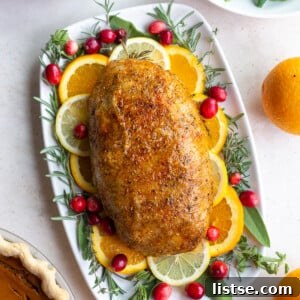
Ingredients
- 1 ½ cups vital wheat gluten
- 14 oz block silken tofu
- 1 tablespoon water
- 2 teaspoons poultry seasoning (or Adobo seasoning)
- ⅓ cup nutritional yeast
- 2 teaspoons garlic powder
- 1 teaspoon onion powder
- 1 teaspoon salt
- 2 teaspoons crushed fennel seeds (optional, but highly recommended)
- 1-2 cups veggie broth for boiling
- 3 sheets rice paper
- Optional: fresh rosemary springs and thin slices of citrus (orange/lemon) for roasting
For the Herb Rub:
- ½ teaspoon dried thyme
- ½ teaspoon dried parsley
- 1 teaspoon paprika
- Good pinch sea salt
- Freshly ground black pepper
- Olive oil for brushing
Instructions
- Prepare the Seitan Dough: In the bowl of a food processor, combine the silken tofu and 1 tablespoon of water. Process until the mixture is completely smooth and free of any lumps. Add the vital wheat gluten, poultry seasoning, nutritional yeast, garlic powder, onion powder, salt, and crushed fennel seeds (if using). Blend until the mixture fully comes together, forming a tight ball inside the food processor. Continue processing for a minute or two until a firm, cohesive ball is formed, indicating the gluten has developed sufficiently.
- Form the Loaf: Transfer the seitan mixture onto a piece of parchment paper. Using your hands, firmly shape the mixture into a compact loaf, aiming for a size roughly 9 inches long, 5 inches wide, and about 3-4 inches tall – similar to a small loaf of bread.
- Steam the Loaf: Lightly grease a steamer basket. Carefully place the formed seitan loaf onto the greased steamer basket. In a pot or deep skillet, bring 1-2 cups of vegetable broth to a gentle simmer. Ensure there is enough broth to create steam, but not so much that it boils over and directly submerges the loaf. Place the steamer basket with the loaf over the simmering broth, cover the pot, and steam for 25 minutes. Periodically check to ensure there is always enough liquid in the pan to produce steam. After 25 minutes, remove from heat and uncover.
- Apply the Rice Paper "Skin": Working with one rice paper sheet at a time, quickly run it under cool water for about 10 seconds until pliable. Lay the first two softened rice paper sheets on a fresh piece of parchment paper, overlapping them in the middle by a few inches to create a larger surface. Place the steamed seitan loaf in the center of the overlapped sheets. Carefully wrap the rice paper up and around the sides of the loaf, pressing gently to adhere it. Take the remaining rice paper sheet, moisten it, and place it over the top of the loaf, wrapping it around to completely encase the seitan. This step creates the crispy "skin" layer.
- Prepare for Roasting: Preheat your oven to 400 degrees F (200 degrees C). Lightly grease a roasting dish. If you're using fresh rosemary and citrus slices, arrange them decoratively in the bottom of the roasting pan. Carefully transfer the rice-paper-wrapped seitan loaf to the roasting dish, placing it on top of the herbs and citrus if desired.
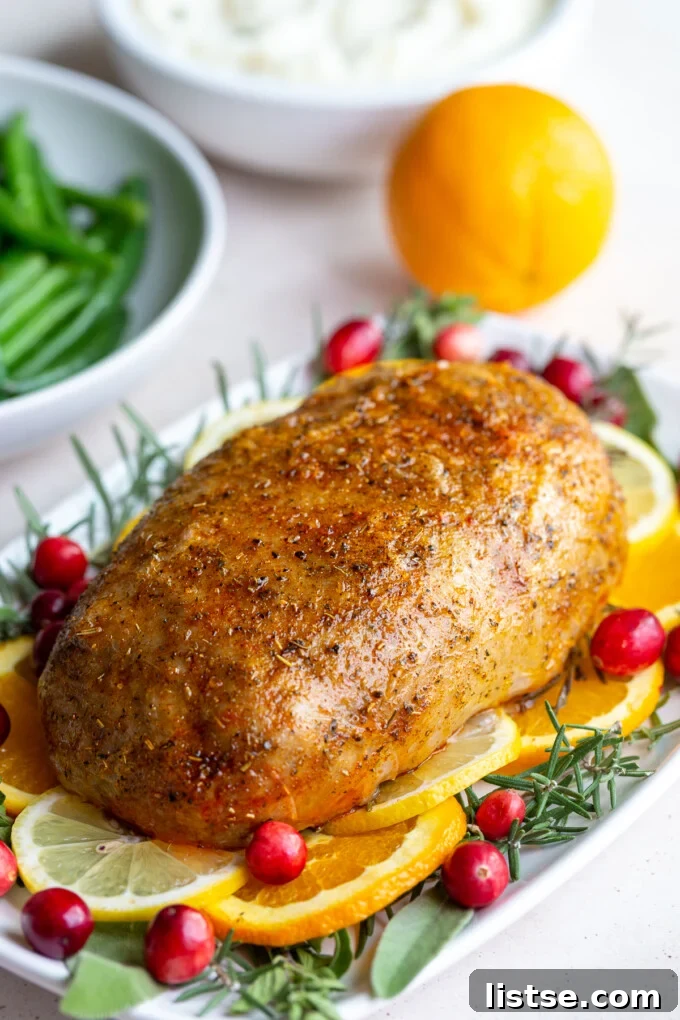
- Season and Roast: Generously brush the entire surface of the vegan turkey loaf with olive oil. Then, sprinkle it liberally with sea salt, freshly cracked black pepper, dried parsley, dried thyme, and paprika. This herb rub will contribute to both flavor and color.
- Final Roast: Place the roasting dish in the preheated oven and roast for 25-30 minutes, or until the rice paper "skin" is beautifully browned and delightfully crispy. The internal temperature of the seitan should be hot throughout.
- Rest, Slice, and Serve: Once roasted, remove the vegan turkey from the oven and let it rest for 5-10 minutes before slicing. This allows the juices to redistribute and ensures a tender slice. Serve warm and enjoy!
Nutrition Information
Nutrition information is automatically calculated and should only be used as an approximation. Per serving (yields 6 servings):
- Calories: 181 kcal
- Carbohydrates: 12g
- Protein: 28g
- Fat: 3g
- Saturated Fat: 0.3g
- Polyunsaturated Fat: 1g
- Monounsaturated Fat: 0.4g
- Cholesterol: 1mg
- Sodium: 438mg
- Potassium: 227mg
- Fiber: 1g
- Sugar: 1g
- Vitamin A: 168 IU
- Vitamin C: 0.1mg
- Calcium: 71mg
- Iron: 3mg
Tips for a Perfect Vegan Turkey Every Time
Achieving a truly exceptional vegan turkey is easier than you think, especially with a few helpful tips:
- Don't Skimp on Processing: The key to a good seitan texture is thoroughly blending the ingredients. The food processor does most of the work here. Ensure the mixture forms a tight, cohesive ball that pulls away from the sides of the bowl. This indicates that the vital wheat gluten has been properly activated, leading to a firm yet tender loaf.
- Even Loaf Shape: Try to form your loaf as evenly as possible. This ensures uniform cooking and a more appealing presentation. A consistent shape means every slice will be perfectly cooked.
- Steaming is Crucial: Steaming the seitan loaf is essential for setting its texture and making it tender. Don't skip this step! It creates a moist internal structure before the roasting process adds the crispy exterior. Always make sure there’s enough simmering liquid to produce steam throughout the 25-minute period.
- Rice Paper Handling: When working with rice paper, moisten it just enough so it becomes pliable but not overly wet or sticky. Overlapping the sheets correctly will create a seamless "skin" around your loaf. If it tears slightly, don't worry – a little imperfection adds character!
- Generous Seasoning: The herb rub and extra salt/pepper for roasting are vital for flavor. Don't be shy! These seasonings contribute to the overall savory profile and the delicious aroma that fills your kitchen.
- Let it Rest: Just like traditional roasts, allowing your vegan turkey to rest for a few minutes after roasting helps the internal structure settle and makes for easier, cleaner slicing. It also allows the exterior to firm up further.
Serving Suggestions and Storage
This savory vegan turkey is incredibly versatile and pairs wonderfully with all your favorite holiday fixings. Imagine it alongside:
- Creamy mashed potatoes and rich vegan gravy.
- Sweet cranberry sauce, offering a delightful tart contrast.
- Classic green bean casserole or roasted Brussels sprouts.
- Hearty stuffing or cornbread dressing.
- A fresh, vibrant seasonal salad.
For leftovers, allow the vegan turkey to cool completely before transferring it to an airtight container. It can be stored in the refrigerator for up to 4-5 days. To reheat, you can slice individual portions and gently warm them in a skillet, microwave, or bake the entire loaf (covered) in the oven until heated through. Leftovers are fantastic in sandwiches, wraps, or chopped into a hearty salad.
Frequently Asked Questions (FAQ)
Here are some common questions about making and enjoying this vegan turkey:
Q: Can I make this recipe gluten-free?
A: Unfortunately, no. Vital wheat gluten is the core ingredient that gives this recipe its characteristic meaty texture and structure. Without it, you wouldn't be able to achieve the desired "turkey" consistency, making it unsuitable for gluten-free diets.
Q: Can I prepare this vegan turkey ahead of time?
A: Absolutely! You can prepare the seitan loaf and steam it a day or two in advance. Store the steamed loaf (without the rice paper or herb rub) in an airtight container in the refrigerator. On the day of serving, wrap it in rice paper, apply the herb rub, and roast as directed. This makes holiday meal prep much smoother.
Q: What if I don't have a food processor?
A: While a food processor is highly recommended for achieving the smoothest tofu blend and most cohesive seitan dough, you can try using a strong blender for the tofu/water mixture. For combining all ingredients, you could mix by hand in a large bowl, kneading vigorously until a firm ball forms. Be aware that this might require more effort and time to achieve the right texture.
Q: Are there any substitutions for poultry seasoning?
A: Yes! While poultry seasoning is ideal, you can create a similar flavor profile with a blend of dried sage, thyme, rosemary, marjoram, and a pinch of black pepper. Adobo seasoning, as suggested in the ingredients list, is also an excellent alternative if you have it on hand, offering a robust and savory taste.
Q: Is this recipe truly suitable for beginners?
A: Yes! The steps are straightforward, and the process is quite forgiving. The most critical part is ensuring the seitan dough comes together well in the food processor, and the rest is mostly assembly and roasting. Follow the instructions carefully, and you’ll be amazed at what you can create!
Tried this recipe?
Mention @foodwithfeeling or tag #foodwithfeeling on Instagram! We love seeing your delicious creations!