
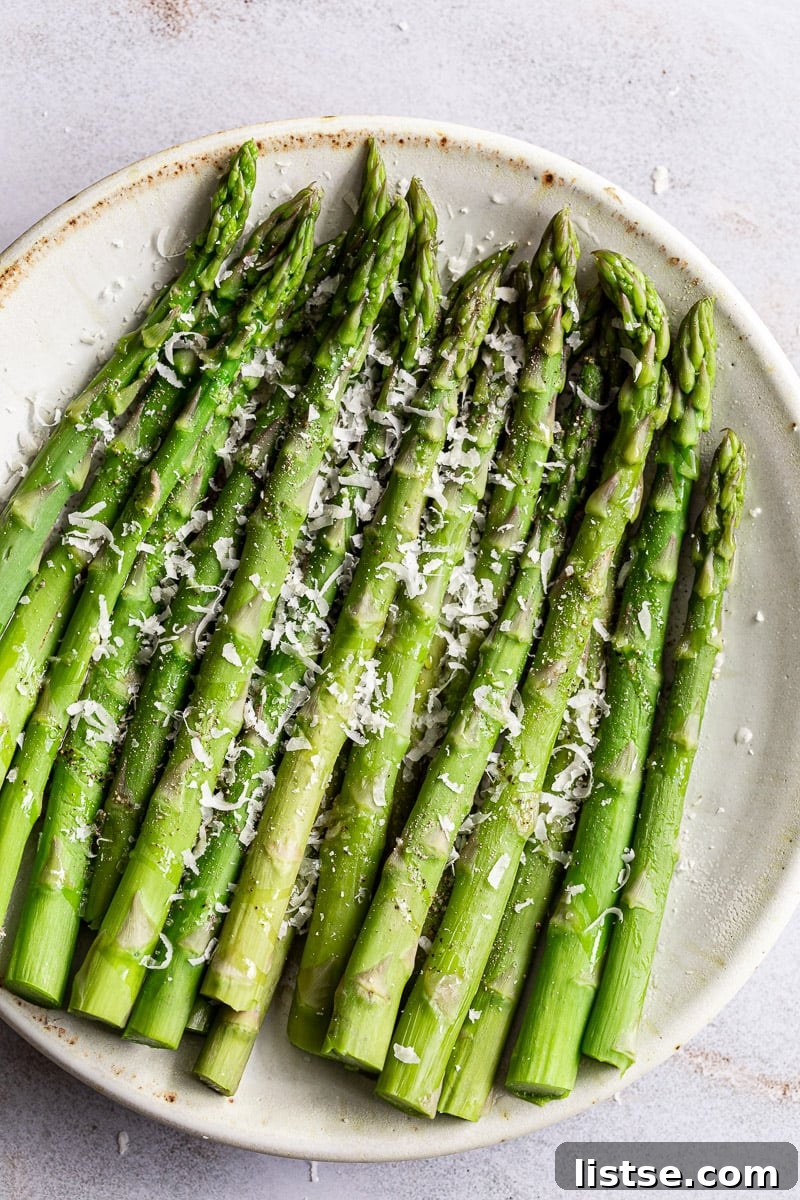
Unlock the secrets to perfectly cooked stovetop asparagus in under 15 minutes! This quick, effortless, and incredibly delicious side dish is ideal for spring meals and complements a vast array of main courses. Learn how to transform fresh asparagus into a tender-crisp delight with minimal effort and maximum flavor, making it a staple in your culinary repertoire.
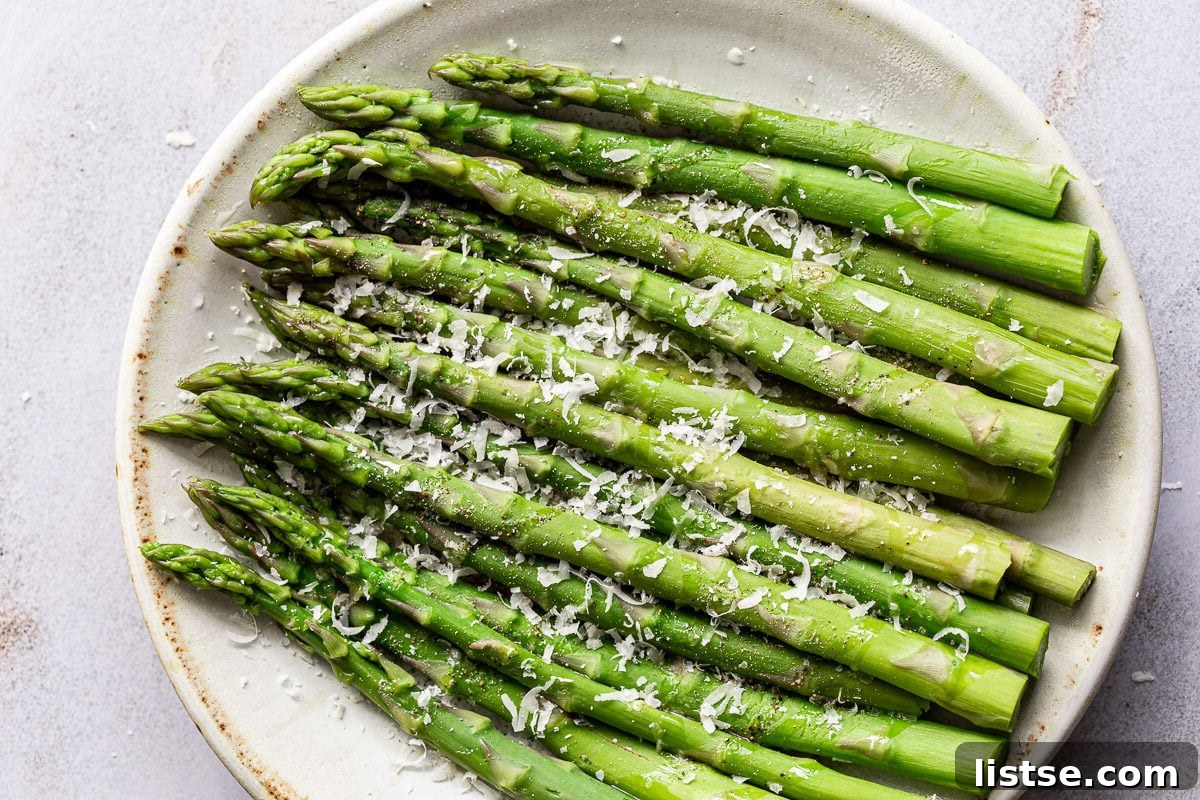
Why You’ll Love This Quick Asparagus Recipe!

Asparagus stands out as one of my absolute favorite vegetables, cherished for its versatility and distinctive flavor. While I adore roasted asparagus and even enjoy the convenience of air fryer asparagus, my go-to method for preparing this vibrant green spear is on the stovetop. It’s a weekly ritual in my kitchen, a dish the whole family eagerly anticipates!
Preparing asparagus on the stove offers a superior combination of speed, simplicity, and incredible taste. Here are just a few compelling reasons why you’ll want to add this stovetop asparagus recipe to your regular meal rotation:
- Lightning Fast: This dish is ready in under 10 minutes, making it perfect for busy weeknights or last-minute additions to any meal.
- Minimal Ingredients: You only need a handful of basic ingredients, plus a few optional additions, to create a flavorful side.
- Flexibly Delicious: Whether you have thin, delicate spears or thicker, meatier ones, this cooking method adapts beautifully, yielding tender-crisp results every time.
- Versatile Pairing: Stovetop asparagus is a fantastic accompaniment to pasta dishes, vibrant rice bowls, holiday feasts, or a simple weeknight protein.
- Healthier Choice: By steaming with minimal fat and then finishing with a light flavor boost, this method is a healthier alternative to deep-frying or heavily roasting.
- Naturally Gluten-Free & Vegan-Friendly: Easily adaptable for various dietary needs, simply swap butter for a plant-based alternative and use nutritional yeast instead of Parmesan for a delicious vegan option.
Embrace the ease and deliciousness of quick stovetop asparagus, and discover why it’s a cherished favorite!
In This Post…
- Essential Ingredients & Smart Selection
- Step-by-Step: How to Cook Asparagus on the Stove
- Chef’s Expert Tips for Perfect Asparagus
- Delicious Serving Suggestions
- Frequently Asked Questions
- Optimal Asparagus Storage
- More Delightful Side Dish Recipes
- Watch the Video Tutorial
- Stovetop Asparagus Recipe Card
Essential Ingredients & Smart Selection
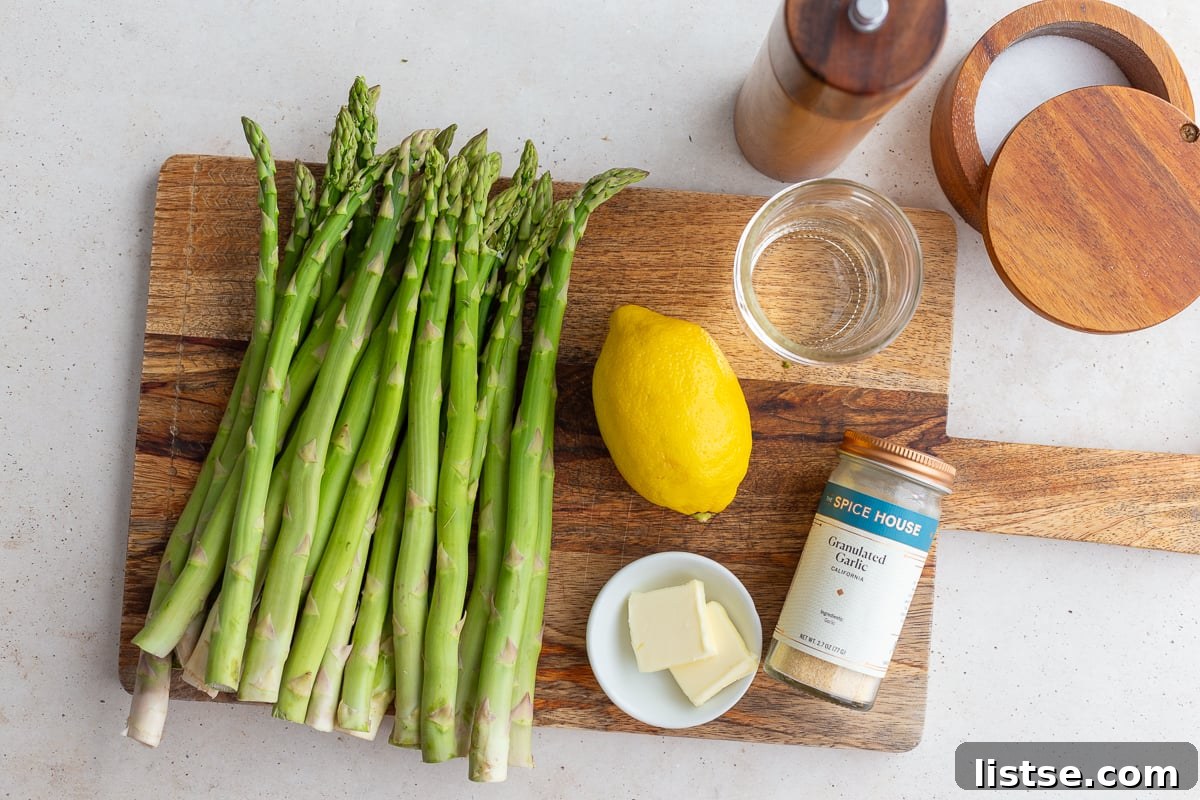
Crafting an incredibly flavorful side dish doesn’t require a long list of exotic ingredients. This stovetop asparagus recipe champions simplicity, relying on fresh, high-quality components to truly shine. Here’s what you’ll need, along with tips for choosing the best:
- Asparagus: The undeniable star of our dish! Selecting fresh, vibrant asparagus is crucial for the best flavor and texture. Look for bright green spears with tight, closed tips. Avoid any that appear wilted, dry, or have open, flowering tips, as these indicate older produce. You can opt for thin or thick stalks – thin ones tend to be sweeter and cook faster, while thicker spears offer a more robust flavor and “meatier” bite. For optimal freshness, consider purchasing asparagus during its peak season in spring.
- Water: A small amount of water is used to steam the asparagus in the skillet. This gentle cooking method helps preserve the asparagus’s natural color, nutrients, and tender-crisp texture without overcooking or turning it mushy. It creates a steamy environment that cooks the spears quickly and evenly.
- Salt & Pepper: These fundamental seasonings are essential for enhancing the natural flavors of the asparagus. A light sprinkle during steaming and an adjustment before serving will bring all the tastes together beautifully. Freshly ground black pepper adds a wonderful aromatic touch.
- Optional Flavor Boosts: While delicious on its own, a few simple additions can elevate your stovetop asparagus to gourmet status.
- Butter: A tablespoon of butter adds a rich, luscious coating and delightful aroma. For a dairy-free or vegan option, feel free to substitute with vegan butter or a high-quality olive oil.
- Garlic Powder: A pinch of garlic powder infuses a subtle savory depth that complements asparagus wonderfully. Alternatively, a finely minced fresh garlic clove can be used, added in the last minute of cooking with the butter.
- Lemon Juice: A squeeze of fresh lemon juice brightens the entire dish, cutting through the richness of butter or cheese and adding a zesty finish. It truly makes the flavors pop!
- Parmesan Cheese: For a cheesy, savory flourish, a sprinkle of shredded Parmesan or Pecorino Romano cheese is irresistible. If you’re going for a vegan version, nutritional yeast can offer a similar savory umami flavor.
With these simple ingredients, you’re just minutes away from a remarkably satisfying and healthy side dish that will impress!
Step-by-Step: How to Cook Asparagus on the Stove
Achieving perfectly tender-crisp stovetop asparagus is surprisingly straightforward. Follow these simple steps for a faultless side dish every time. Remember, the full written recipe with precise measurements can be found in the recipe card below.
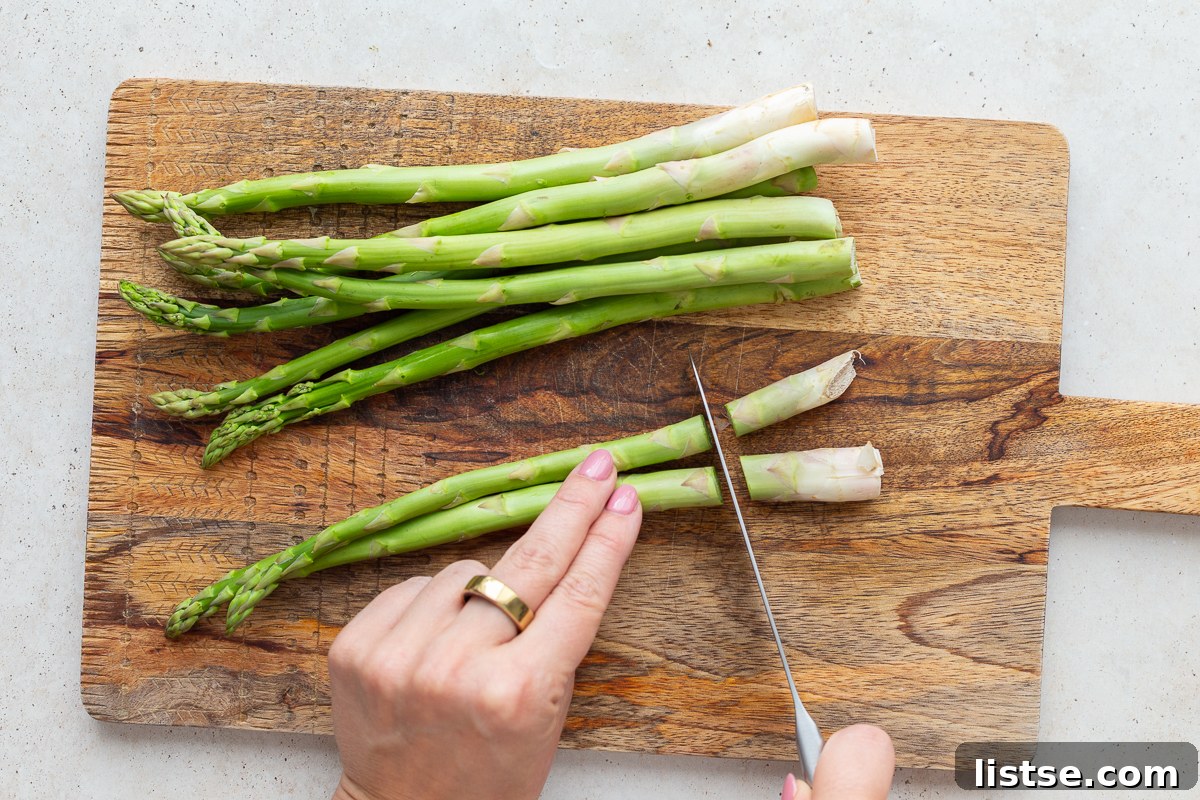
- Prep the Asparagus: Begin by thoroughly washing your asparagus spears under cold running water. Next, you need to remove the tough, woody ends. A common and effective method is to hold a spear with both hands and gently bend it until it naturally snaps. The asparagus will break at the point where the tender spear meets the tough base. Alternatively, you can line up the spears on a cutting board and use a sharp knife to trim off the bottom inch or two, aiming for a consistent length. Discard the woody ends.
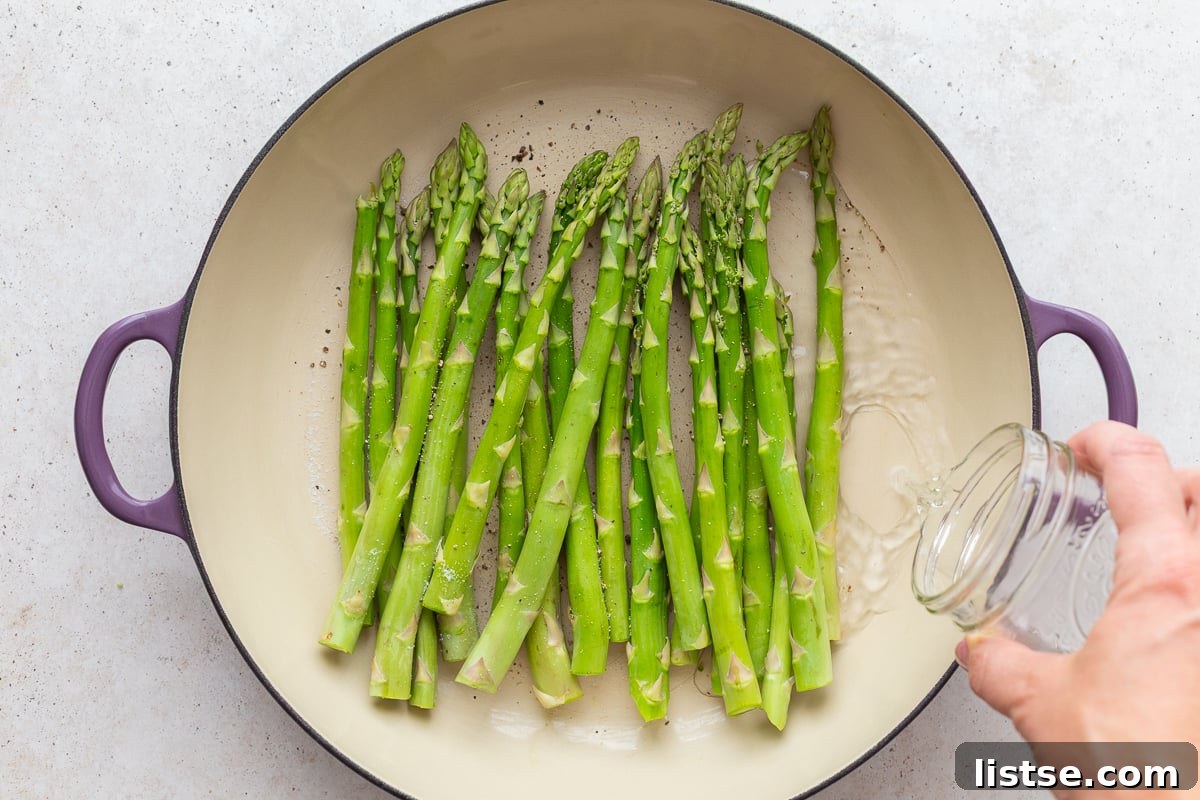
- Steam to Perfection: Arrange the trimmed asparagus spears in a single layer in a large skillet. Pour in the specified amount of water, then lightly sprinkle with salt and pepper. Place the lid on the skillet and bring the water to a gentle simmer over medium-high heat. Once simmering, reduce the heat slightly and cook until the asparagus is tender to your liking. Cooking times will vary significantly based on the thickness of your spears: thinner asparagus may be ready in as little as 2-3 minutes, while thicker spears might require 5-7 minutes. If the water evaporates completely before the asparagus is done, simply add another tablespoon or two. The goal is bright green, tender-crisp spears, not mushy ones.
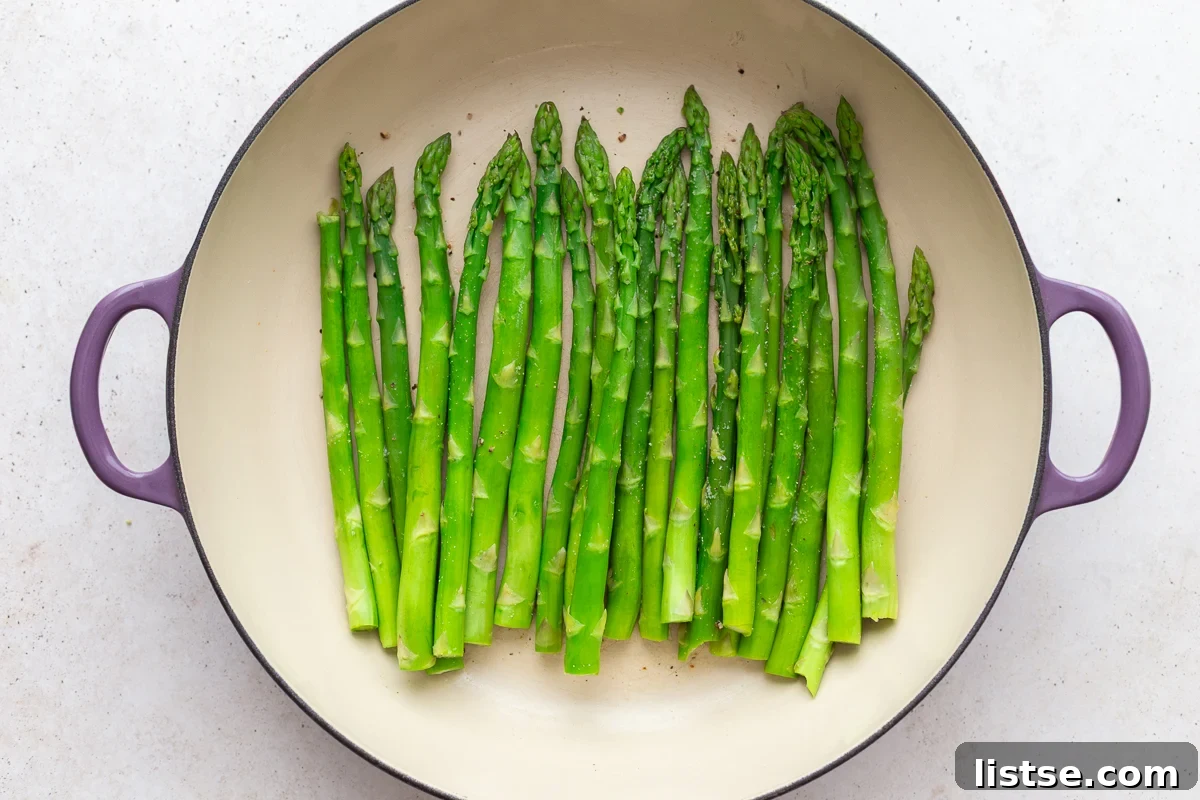
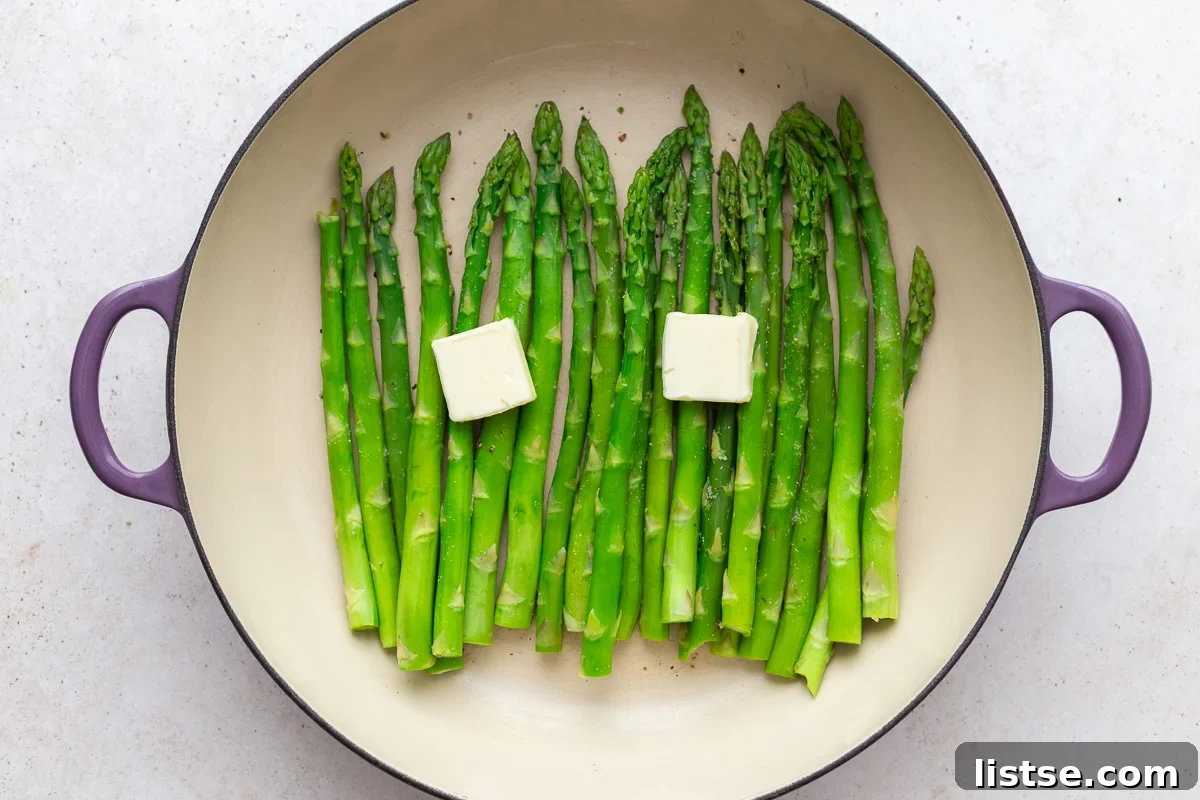
- Optional Flavor Boost: Once the asparagus reaches your desired tenderness, carefully remove the skillet from the heat. Drain any remaining water. For an extra layer of flavor, return the skillet to medium heat (without the lid). Add the butter and a sprinkle of garlic powder. Cook, gently tossing the asparagus, until the butter is fully melted and coats each spear. This quick sauté at the end adds a beautiful sheen and rich aroma. If adding cheese, now is the time to toss it in.
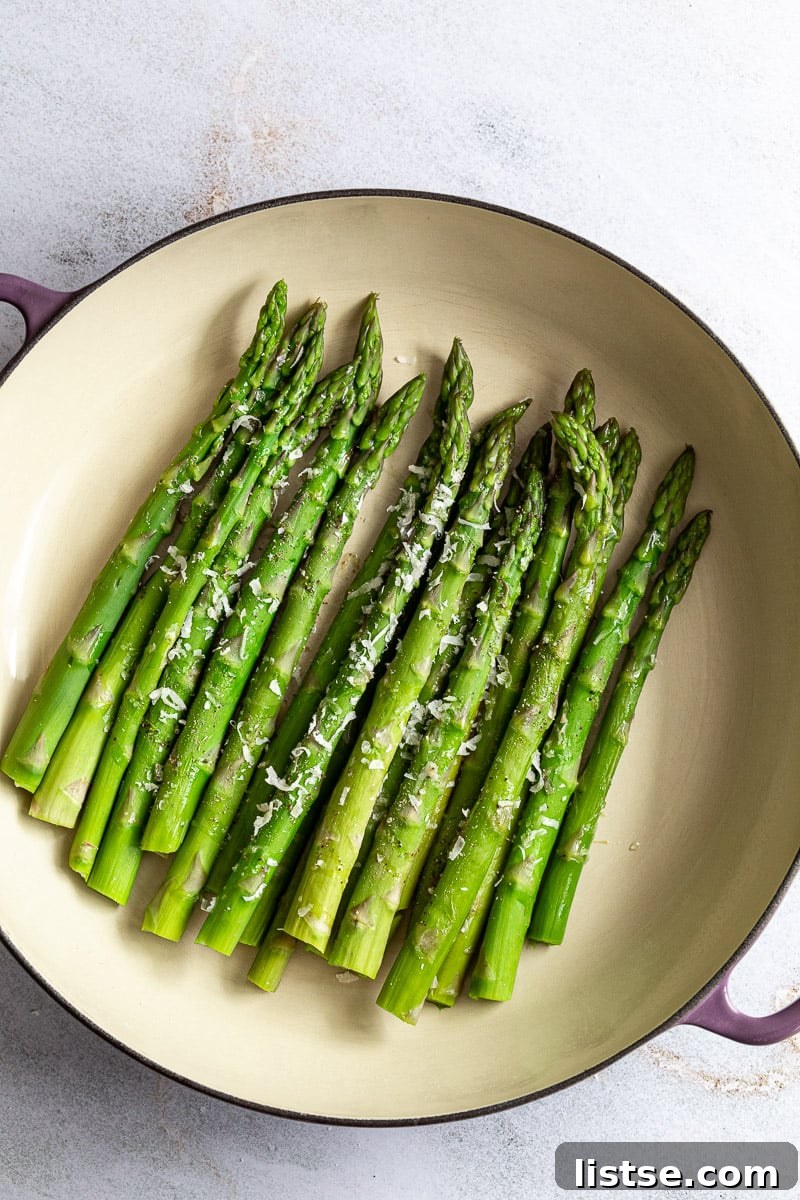
- Serve & Enjoy: Transfer the cooked asparagus to a serving platter. Garnish with a fresh squeeze of lemon juice, a final crack of black pepper, and an additional sprinkle of shredded Parmesan cheese, if desired. Serve immediately and savor the fresh, delicate flavors of your perfectly cooked stovetop asparagus!
Chef’s Expert Tips for Perfect Asparagus
Elevate your stovetop asparagus from good to exceptional with these tried-and-true tips:
- Start Checking Doneness Early: Asparagus can go from tender-crisp to mushy in a flash, especially thinner spears. Begin checking for doneness after just 2 minutes of simmering. Use a fork to gently pierce a spear; it should offer slight resistance but be easy to bite into.
- Avoid Overcooking: The hallmark of perfectly cooked asparagus is a vibrant, bright green color and a delicate bite. If the spears appear dull green, limp, or are easily crushed, they are overcooked. Aim for that perfect “al dente” texture.
- Utilize a Large Skillet: Cooking asparagus in a single layer is key to even cooking. A large skillet ensures each spear has enough contact with the steam and heat, preventing overcrowding which can lead to unevenly cooked or waterlogged asparagus.
- Season After Steaming (Mostly): While a little salt and pepper at the start are fine, the majority of your seasoning, especially salt, should be added after the steaming process. Adding too much salt too early can draw moisture out of the asparagus, potentially making it watery.
- Get Creative with Flavor Variations: Don’t be afraid to experiment!
- Spicy Kick: A pinch of red pepper flakes adds a pleasant heat.
- Tangy Glaze: Drizzle with a good quality balsamic glaze after cooking for a sweet and sour note.
- Fresh Herbs: Sprinkle with chopped fresh parsley, dill, chives, or tarragon for an aromatic finish.
- Nutty Crunch: Lightly toast some slivered almonds or pine nuts and scatter them over the cooked asparagus.
- Citrus Zest: A little lemon or orange zest can add a fragrant brightness.
- Snap vs. Cut: While cutting the woody ends offers precision, the “bend and snap” method allows the asparagus to naturally break at its tender point, ensuring you only cook the delicious parts.
- Blanching for Brightness: If you want intensely vibrant green asparagus, you can briefly blanch it in boiling salted water for 1-2 minutes, then immediately transfer to an ice bath before steaming. This locks in the color, but for simplicity, stovetop steaming is usually enough.
Delicious Serving Suggestions
Stovetop asparagus is a wonderfully versatile side dish that pairs beautifully with a wide array of meals. Its light, fresh flavor makes it suitable for almost any occasion. Here are some ideas to inspire your next meal:
- Protein Power: Serve alongside grilled chicken, baked salmon, pan-seared steak, or a roasted pork loin for a balanced and satisfying meal.
- Breakfast & Brunch: Asparagus makes an elegant addition to scrambled eggs, omelets, frittatas, or quiches.
- Pasta Dishes: Toss freshly cooked asparagus into your favorite pasta with a light sauce, like lemon garlic butter or pesto, for added texture and nutrients.
- Grain Bowls: Incorporate into hearty grain bowls with quinoa, farro, or rice, along with other roasted vegetables and a protein.
- Holiday Feasts: Its vibrant color and fresh taste make it a perfect companion for holiday dinners like Easter, Thanksgiving, or Christmas.
- Simple Sides: Enjoy it simply with a squeeze of lemon and a sprinkle of cheese, or alongside mashed potatoes, a fresh salad, or crusty bread.
No matter how you serve it, this easy stovetop asparagus is sure to be a delightful addition to your table.
Frequently Asked Questions
Asparagus is a nutritional powerhouse, packed with an impressive array of vitamins and minerals. It’s an excellent source of Vitamins A, C, and K, as well as folate (which is crucial for cell growth and DNA formation), iron, copper, and calcium. Beyond its vitamin content, asparagus is high in dietary fiber, aiding in digestion and promoting gut health, while being remarkably low in calories and carbohydrates. It also contains powerful antioxidants, including flavonoids and polyphenols, which help protect your body from oxidative stress and inflammation. Its diuretic properties can also support kidney health. For a comprehensive overview of its benefits, you can read more here.
When selecting asparagus, look for spears that are firm, straight, and have a vibrant green color throughout. The tips should be tightly closed and compact, not splayed open or mushy. Avoid any asparagus that appears limp, saggy, dry, or has split ends, as these are signs of older produce. Both thin and thick stems are great; thinner ones are often sweeter and more tender, cooking faster, while thicker stems boast a stronger, earthier asparagus flavor and a more substantial, “meaty” texture. Choose based on your preference and the meal you’re preparing.
Yes, you can absolutely use frozen asparagus! There’s no need to thaw it beforehand; simply add the frozen spears directly to the skillet with water. Keep in mind that frozen asparagus may release more water during cooking and might have a slightly softer texture compared to fresh. Adjust the cooking time accordingly, as frozen asparagus tends to cook a bit faster, typically around 2-5 minutes. Monitor closely to prevent it from becoming overly soft.
Perfectly cooked asparagus will be bright green and tender-crisp. When you pierce a spear with a fork, it should offer a slight, pleasant resistance, but not be difficult to chew. You can also quickly taste a spear to gauge its doneness; it should be tender but still have a satisfying bite. If it’s tough or fibrous, it’s undercooked. If it’s dull green, limp, or mushy, it’s been overcooked. Practice makes perfect, so don’t be afraid to test as you go.
Yes, it’s always recommended to wash asparagus before cooking. Even if it looks clean, asparagus can have dirt or grit from the field. Simply rinse the spears under cold running water and gently rub them with your fingers or a clean cloth to remove any impurities. Pat them dry before trimming.
Optimal Asparagus Storage
Proper storage is key to maintaining the freshness and crispness of your asparagus:
- Fresh Asparagus (Fridge): To keep raw asparagus fresh for up to a week, treat it like a bouquet of flowers. Trim about an inch off the bottom of the stems, then stand the spears upright in a jar or glass with about an inch of water at the bottom. Cover the tips loosely with a plastic bag and refrigerate.
- Cooked Asparagus (Fridge): Store any leftover cooked stovetop asparagus in an airtight container in the refrigerator for up to 3 days.
- Reheating: To gently reheat cooked asparagus, warm it in a skillet over medium-low heat with a splash of water or broth, or microwave in 20-second bursts until just warm. Be careful not to overcook.
- Freezing Cooked Asparagus: Asparagus tends to become quite mushy when frozen after cooking, losing its desirable tender-crisp texture. Therefore, it is generally not recommended for freezing once cooked. If you wish to freeze fresh asparagus, it’s best to blanch it first.
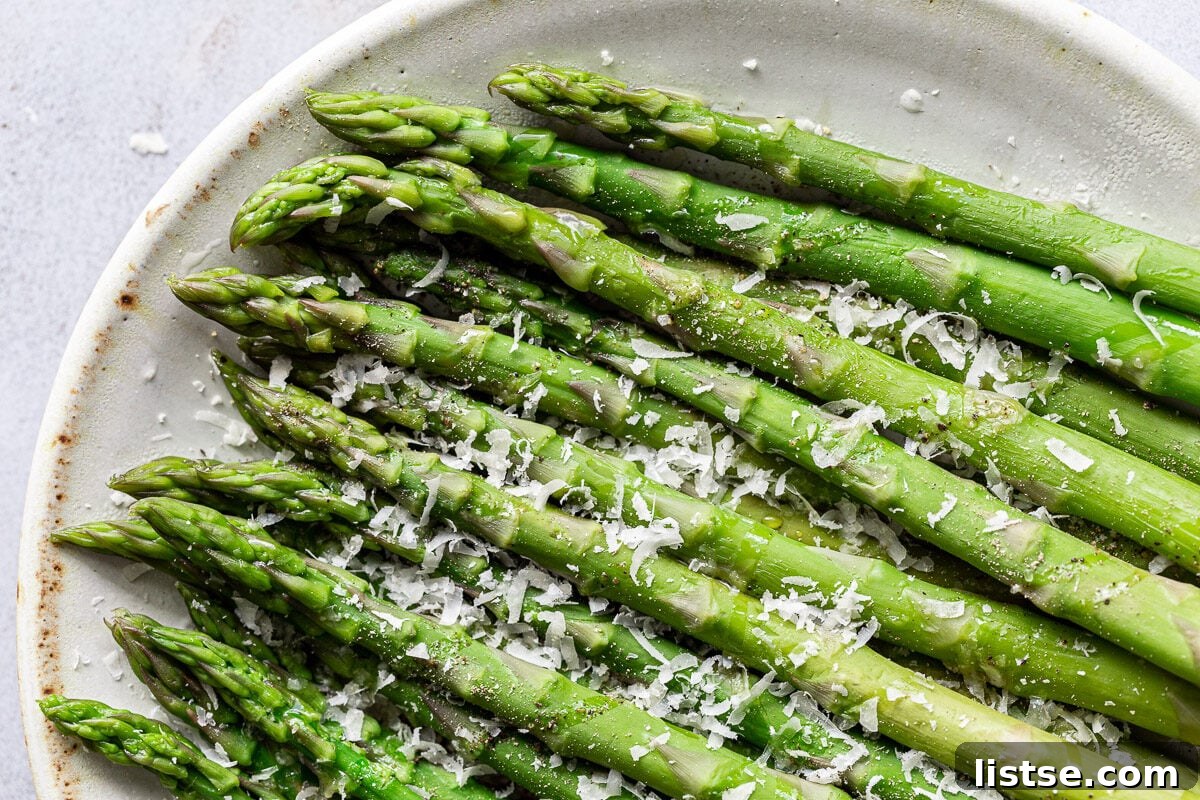
I genuinely hope you and your family enjoy this simple yet incredibly flavorful stovetop asparagus as much as my family does! It’s a testament to how quickly and easily you can create a delicious, healthy side dish. If you do end up making this recipe, please share your creations! Snap a quick photo and tag me on Instagram @foodwithfeeling. I absolutely love seeing what wonderful dishes you’re whipping up from the blog!
More Delightful Side Dish Recipes
Craving more easy, tasty sides to complete your meals? Give these family favorites a try – they’re perfect for adding flavor and nutrition without a lot of fuss:
- Sautéed Brussels Sprouts
- Easy Baked Artichokes
- Sautéed Cremini Mushrooms
- Air Fryer Carrot Fries
- Vegan Creamed Corn
- Garlic Confit
- Greek Fries
Watch the Video Tutorial
Stovetop Asparagus
Brita Britnell
5 minutes
8 minutes
13 minutes
4
small servings
Ingredients
-
1
pound
asparagus,
ends trimmed -
¼
cup
water ,
for steaming - Salt + pepper to taste
Optional for serving:
-
1
tablespoon
butter -
½
teaspoon
garlic powder - Squeeze of lemon juice
- Shredded parmesan or other cheese
Instructions
-
Cut or snap the woody white ends off of the asparagus (refer to the video above for a visual guide) and place the prepared spears into a large skillet in a single layer.
-
Pour in the specified amount of water and lightly sprinkle with salt and pepper. Bring the contents to a gentle simmer over medium-high heat. Once simmering, cover the skillet with a lid and cook until the asparagus is tender-crisp to your preference. Thicker asparagus spears will typically require 5-7 minutes of cooking, while thinner spears may only need 2-3 minutes. If all the water evaporates before the asparagus reaches desired doneness, you can add another 1 to 2 tablespoons of water.
-
Once cooked, immediately remove the skillet from the heat and carefully drain out any remaining water. Optional step for enhanced flavor: Return the dry skillet with asparagus to medium heat. Add the butter and a sprinkle of garlic powder. Cook, tossing gently, until the butter is fully melted and evenly coats all the asparagus spears.
-
Transfer the asparagus to a serving dish. Garnish with shredded cheese and a fresh squeeze of lemon juice as desired, then serve immediately.
Notes
Nutrition
,
Carbohydrates: 5g
,
Protein: 3g
,
Fat: 3g
,
Saturated Fat: 2g
,
Polyunsaturated Fat: 0.2g
,
Monounsaturated Fat: 1g
,
Trans Fat: 0.1g
,
Cholesterol: 8mg
,
Sodium: 26mg
,
Potassium: 234mg
,
Fiber: 2g
,
Sugar: 2g
,
Vitamin A: 945IU
,
Vitamin C: 6mg
,
Calcium: 29mg
,
Iron: 2mg
Nutrition information is automatically calculated, so should only be used as an approximation.
Tried this recipe?
Mention @foodwithfeeling or tag #foodwithfeeling!