
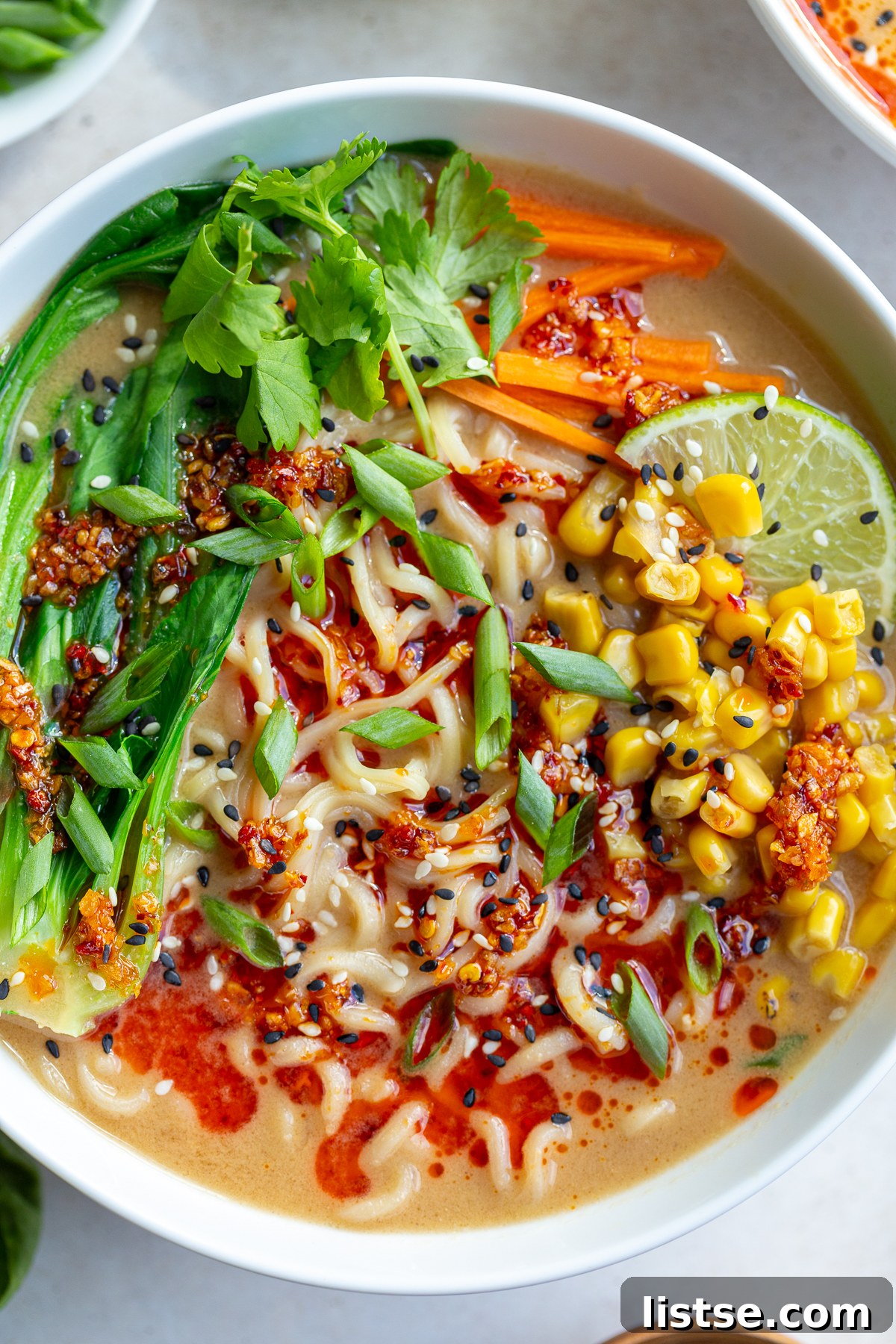
Welcome to the ultimate guide for crafting a truly exceptional Peanut Miso Ramen! This recipe isn’t just easy; it’s a culinary revelation that comes together in roughly 20 minutes, making it the perfect solution for busy weeknights when you crave something incredibly flavorful and satisfying. Forget bland instant noodles; this homemade vegan ramen delivers a rich, umami-packed broth that will tantalize your taste buds and leave you feeling nourished. Its depth of flavor is so profound, even avid meat-eaters often find themselves reaching for a second bowl. Whether you’re a seasoned chef or a kitchen novice, this recipe is designed for simplicity without compromising on taste, proving that delicious, wholesome meals can be incredibly quick to prepare.
The beauty of this Peanut Miso Ramen lies in its harmonious blend of creamy peanut butter and savory miso, creating a broth that is both comforting and vibrant. It’s a testament to how plant-based ingredients can create incredibly robust and complex flavors. This dish is not just a meal; it’s an experience, a warm hug in a bowl that promises to become a staple in your recipe repertoire. If you’re on a quest for more delightful ramen creations that are both simple and bursting with taste, you might also enjoy exploring my other accessible ramen recipes. Be sure to try my classic Vegan Ramen for a traditional take, or perhaps my innovative Ramen Stir Fry for a different texture experience. And for a lighter, refreshing twist, the Zucchini Noodle Ramen recipe offers a fantastic alternative.
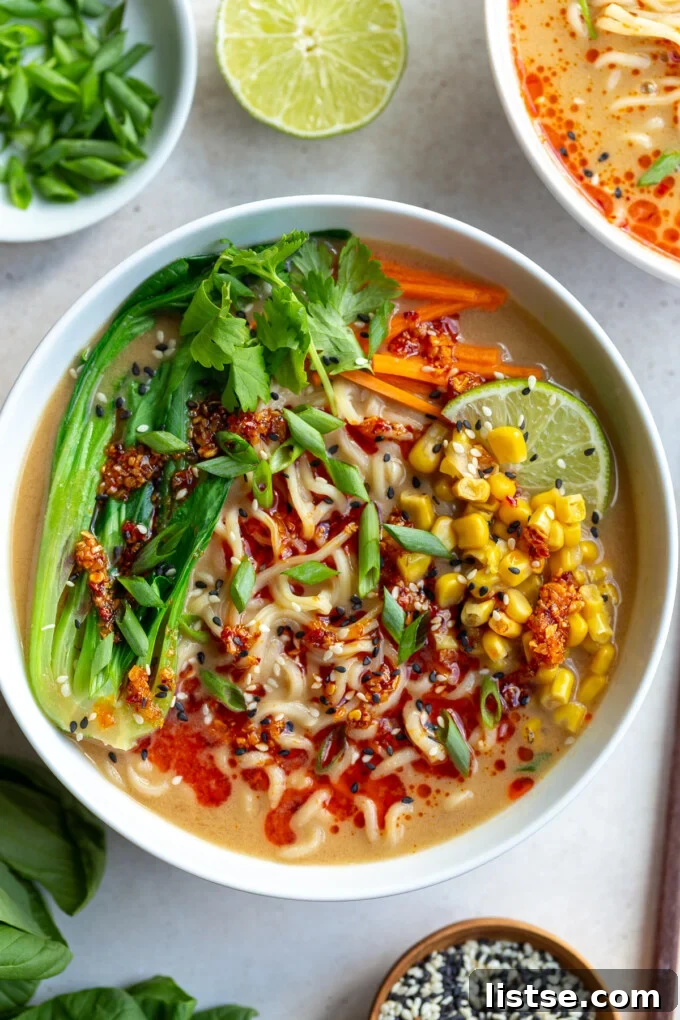
Unlocking Flavor: The Essential Ingredients for Peanut Miso Ramen
Creating an outstanding Peanut Miso Ramen begins with a thoughtful selection of ingredients. Each component plays a crucial role in building the layered, umami-rich flavors of this beloved dish. Here’s a closer look at what you’ll need and some tips for choosing the best quality and making smart substitutions:
- Ramen Noodles: The foundation of any great ramen. You have incredible flexibility here! Feel free to use any type of ramen noodles you prefer. This includes the convenient and budget-friendly dried ramen packets – just remember to discard the seasoning packet, as we’ll be making our own superior broth. For those following a gluten-free diet, readily available rice noodles make an excellent alternative, offering a slightly different but equally delicious texture. Consider fresh ramen noodles for an authentic touch and superior chewiness, often found in Asian markets or the refrigerated section of larger supermarkets.
- Ginger Paste (or Fresh Ginger): Ginger is key for adding a warm, zesty, and slightly spicy note to the broth. While fresh ginger, finely grated or minced, offers the most vibrant flavor, ginger paste is an absolute lifesaver for convenience, especially on busy weeknights. Keep a tube in your fridge for instant flavor. If using fresh, about a 1-inch piece, peeled and grated, should suffice.
- Garlic Paste (or Fresh Garlic): Much like ginger, garlic is non-negotiable for a deeply flavorful ramen broth. Garlic paste provides the same ease of use as ginger paste. If you opt for fresh garlic cloves, finely mince about 2-3 cloves to release their aromatic oils. The pre-packaged pastes are excellent for saving time without sacrificing too much flavor.
- Peanut Butter: This is the star ingredient that gives our ramen its signature creamy texture and nutty depth. I highly recommend using a good quality natural creamy peanut butter that contains minimal added sugar or oils, allowing the pure peanut flavor to shine. The natural oils help emulsify the broth beautifully. If you have nut allergies or want to experiment, almond butter, cashew butter, or even tahini (for a slightly different, more savory profile) can be delicious substitutes. Each will impart its unique nuance to the broth.
- Miso Paste: Another foundational flavor builder, miso paste is a fermented soybean paste that introduces a rich umami complexity. White miso (shiro miso) is typically recommended for its milder, sweeter flavor that blends seamlessly with peanut butter, but yellow miso also works well. Avoid red miso for this recipe, as its stronger, saltier flavor might overpower the delicate balance. Miso paste should be dissolved into the broth at the end to preserve its probiotic benefits and flavor.
- Vegetable Broth: This forms the liquid base of our ramen. A high-quality vegetable broth is crucial for a flavorful outcome. Opt for a low-sodium variety if possible, as miso and soy sauce also contribute significant saltiness. While vegetable broth is recommended for a vegan dish, chicken broth or a mushroom broth can be used if you’re not strictly vegan and want to add another layer of savory depth.
- Coconut Milk: For that luxurious creaminess and a subtle hint of sweetness that perfectly complements the peanut and miso. Lite coconut milk is generally preferred for a lighter broth, but full-fat coconut milk will yield an even richer, more indulgent ramen. Shake the can well before opening to ensure the cream and liquid are well combined.
- Soy Sauce: A powerful flavor enhancer, soy sauce adds essential saltiness and umami, balancing the sweetness of the coconut milk and the richness of the peanut butter. Adjust the amount to your taste. For a gluten-free version, tamari is an excellent, equally flavorful substitute. Low-sodium soy sauce is a good choice to have more control over the salt content.
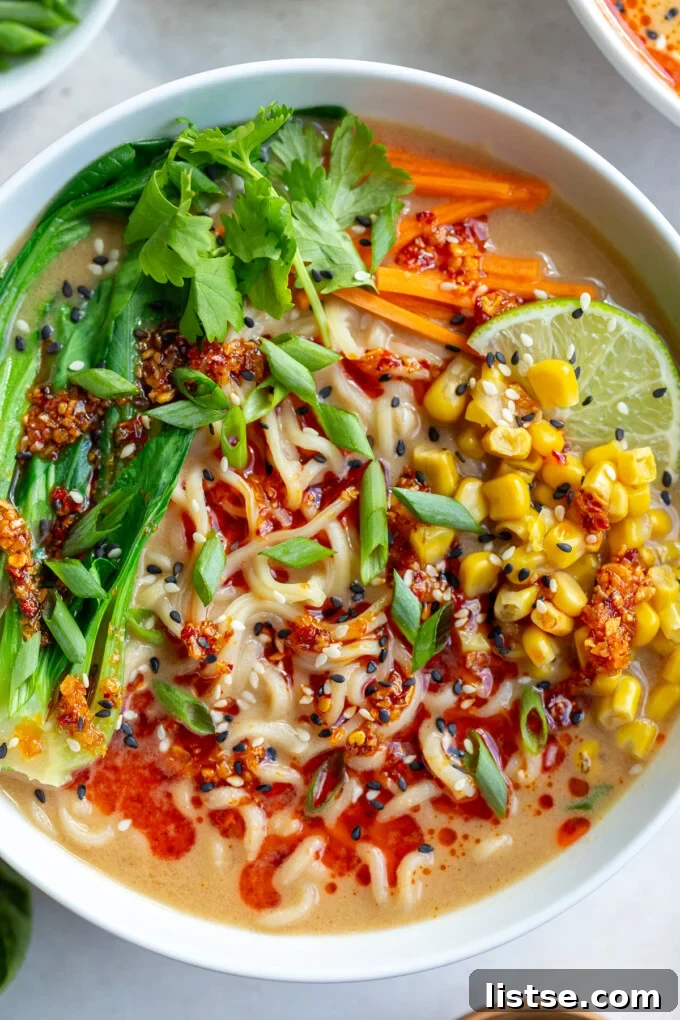
- Vegetables for Serving: This is where you can get creative and boost the nutritional value of your ramen! While the broth is cooking, prepare your favorite vegetables. My personal favorites include tender bok choy (sliced lengthwise), thinly sliced carrots (julienned or ribboned), and earthy mushrooms (cremini or shiitake work wonderfully). Other fantastic additions include crisp broccoli florets, vibrant red bell peppers, snap peas, spinach, or even corn kernels. Lightly sauté or blanch your vegetables for best texture and flavor.
- Optional Toppings and Garnish: Elevate your ramen with these finishing touches. A sprinkle of toasted sesame seeds adds crunch and nutty aroma. A squeeze of fresh lime juice brightens the whole dish. For extra protein, consider pan-fried or baked tofu cubes, crispy tempeh, or edamame. A drizzle of chili oil (such as gochujang or sriracha chili oil) offers a fantastic kick for those who enjoy heat, while chopped green onions provide a fresh, pungent contrast.
Crafting the Perfect Bowl: Step-by-Step Instructions
This recipe is designed for maximum efficiency and flavor, allowing you to create a gourmet-quality meal in under half an hour. Let’s dive into the simple yet rewarding process:

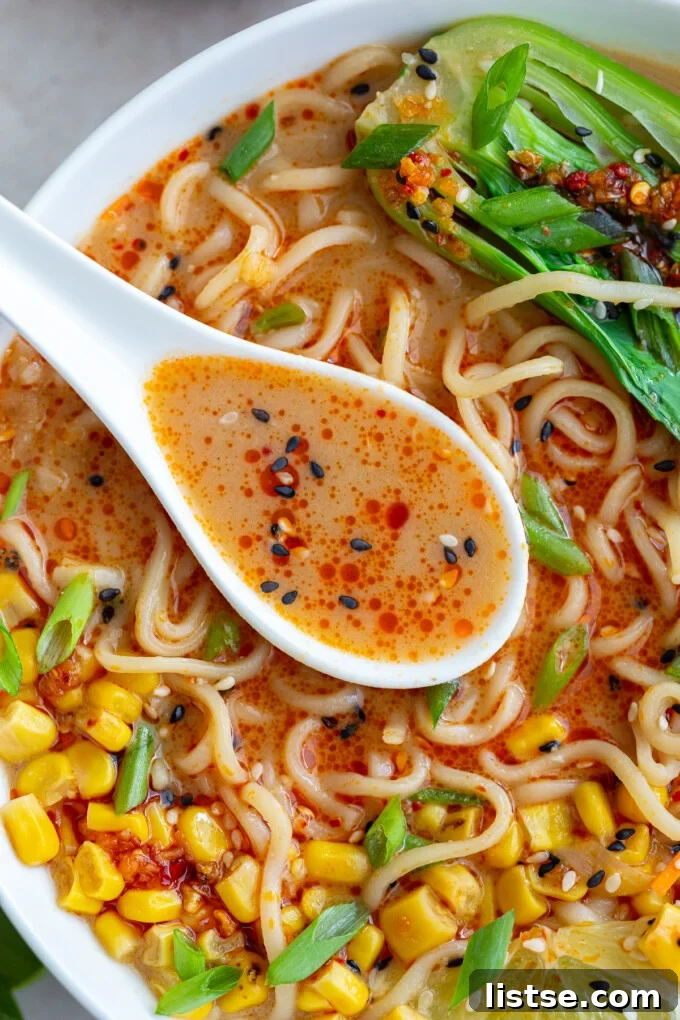
The heart of this ramen is its incredibly rich and aromatic broth. Begin by infusing sesame oil with fragrant ginger and garlic, then build layers of flavor with creamy peanut butter, savory miso, vegetable broth, coconut milk, and a splash of soy sauce. This harmonious blend creates a broth that is both comforting and exhilarating.
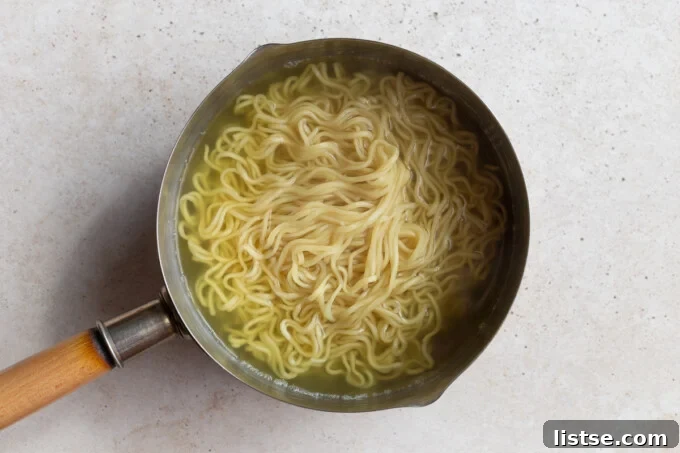
While your broth simmers to perfection, prepare your ramen noodles according to package directions. If you’re incorporating bok choy, you can typically blanch it alongside the noodles for efficiency. Once cooked and tender, drain the noodles and vegetables, setting them aside until the broth is ready.
Once your broth has reached its peak of flavor and your noodles are perfectly cooked, it’s time for assembly. Divide the aromatic broth and tender noodles evenly between two large, inviting bowls. Now comes the fun part: personalize your ramen with your desired array of fresh vegetables and optional toppings. The combination of textures and flavors will create a truly memorable meal that you’ll want to revisit again and again.
Pro Tips for the Best Peanut Miso Ramen
Should I Cook the Noodles Directly in the Broth?
This is a common question, and while it might seem like a shortcut, I generally advise against cooking the noodles directly in your precious ramen broth. When noodles cook, they release starches into the liquid. If cooked in the broth, these starches can significantly thicken your beautiful, flavorful broth, changing its consistency from a silky soup to something much denser. In my initial recipe tests, I found that while it still tasted delicious, the noodles soaked up a considerable amount of the liquid, leaving less broth to enjoy and altering the intended balance of the dish.
However, if you do prefer the convenience of cooking your noodles directly in the broth, there’s a simple workaround. I suggest adding an extra 1/2 to 1 cup of water or vegetable broth to your recipe. This additional liquid will help compensate for what the noodles absorb during cooking, maintaining a more desirable broth consistency. Just be mindful that the flavor might be slightly diluted, so you may need to adjust seasonings like soy sauce and miso at the end.
Ingredient Quality Matters
For a truly exceptional ramen, aim for the best quality ingredients you can find. A good natural peanut butter without excessive sugar or hydrogenated oils will yield a richer, cleaner flavor. Similarly, investing in a reputable brand of miso paste (often found in the refrigerated section of Asian markets or health food stores) will significantly impact the umami depth of your broth. While convenience pastes for ginger and garlic are fantastic for speed, fresh, finely minced versions will always offer a more pungent and vibrant aroma.
Customizing Your Veggies and Toppings
Don’t be afraid to experiment with your choice of vegetables and garnishes! This ramen is incredibly versatile. Beyond the suggested bok choy, carrots, and mushrooms, consider adding thinly sliced bell peppers for crunch, spinach or kale for added greens, or even roasted sweet potato for a touch of sweetness. For protein boosters, try pan-fried firm tofu, tempeh, or a sprinkle of roasted cashews. A soft-boiled egg, while not vegan, is also a classic ramen topping that pairs wonderfully with this rich broth for those who consume eggs.
Adjusting the Broth to Your Taste
The beauty of homemade ramen is that you can tailor it perfectly to your palate. Before serving, always taste your broth. If it needs more salt, add a little extra soy sauce or a pinch of salt. If you prefer a richer, creamier texture, stir in another splash of coconut milk. For more tang, a squeeze of lime juice at the end can brighten the flavors. If you like a hint of spice, a dash of sriracha or a spoonful of chili garlic paste stirred into the broth can really elevate the experience.
Storage and Reheating Tips
If you have leftovers, store the broth and cooked noodles separately. This prevents the noodles from becoming too soggy and absorbing all the broth. When ready to reheat, gently warm the broth in a saucepan. Add the noodles (and any desired fresh toppings) to your bowl, then pour the hot broth over them. This method ensures your ramen maintains its optimal texture and flavor, tasting almost as fresh as the first time you made it.
Peanut Butter Miso Ramen
By Brita Britnell
Prep: 5 mins | Cook: 15 mins
Servings: 2
Ingredients
- 4-6 oz ramen noodles, uncooked
- Optional baby bok choy, sliced in half lengthways
- 1 teaspoon toasted sesame oil
- 1 teaspoon grated ginger (or ginger paste)
- 1 teaspoon grated garlic (or garlic paste)
- 1 heaping tablespoon peanut butter
- 1 tablespoon miso paste
- 2 cups + 2 Tablespoons veggie broth, divided
- 1 cup lite coconut milk
- 1-2 tablespoons soy sauce (or tamari for gluten-free)
- Optional for Garnish: chili oil, corn, sesame seeds, green onions, julienned carrots
Instructions
-
Bring a small pot of water to a boil, enough to comfortably cook your noodles. Once boiling, add the ramen noodles and the optional bok choy. Cook according to the ramen package directions (bok choy typically cooks alongside the noodles, but can be removed earlier if you prefer it crunchier). Drain well and set aside.
-
Meanwhile, in a medium saucepan, heat the toasted sesame oil over medium heat. Add the grated ginger and garlic, sautéing for about 2 minutes until fragrant. Stir in the peanut butter and miso paste. Gradually add 2 tablespoons of the veggie broth (or hot water), mixing thoroughly to combine everything into a smooth paste. Let this mixture simmer gently for 1 minute.
-
Pour in the remaining veggie broth and the coconut milk. Bring the mixture to a gentle simmer and cook for 5 minutes, allowing the flavors to meld. Stir in 1-2 tablespoons of soy sauce, tasting as you go, to achieve your desired level of saltiness and umami. Divide the cooked noodles and bok choy evenly among two serving bowls. Ladle the hot, flavorful broth over the noodles. Top with your chosen garnishes and enjoy immediately.
Notes
Nutrition
Calories: 389kcal | Carbohydrates: 45g | Protein: 8g | Fat: 18g | Saturated Fat: 11g | Polyunsaturated Fat: 2g | Monounsaturated Fat: 5g | Sodium: 3001mg | Potassium: 141mg | Fiber: 2g | Sugar: 4g | Vitamin A: 515IU | Vitamin C: 0.2mg | Calcium: 23mg | Iron: 3mg
Nutrition information is automatically calculated, so should only be used as an approximation.
Why You’ll Love This Easy Peanut Miso Ramen
There are countless reasons why this Peanut Miso Ramen deserves a permanent spot in your weekly meal rotation. Firstly, its incredible speed of preparation makes it a savior on those evenings when time is of the essence but you still want a hearty, homemade meal. In just 20 minutes, you can transform simple ingredients into a gourmet-level dish that feels much more elaborate than it is.
Beyond its quick turnaround, the flavor profile is truly something special. The creamy richness of peanut butter, combined with the savory depth of miso and the aromatic kick of ginger and garlic, creates a broth that is both deeply comforting and wonderfully complex. It hits all the right notes: salty, umami, slightly sweet, and with just enough warmth. This makes it an instant crowd-pleaser, appealing to a wide range of palates, from adventurous eaters to those seeking familiar comfort food.
Furthermore, this recipe is naturally vegan, making it an excellent choice for plant-based diets or for anyone looking to incorporate more meat-free meals into their routine. Its robust flavors and satisfying texture ensure that even skeptics of vegan cuisine will be pleasantly surprised. It’s a healthy alternative to many heavier meals, packed with wholesome ingredients and customizable with an abundance of fresh vegetables.
Finally, the sheer versatility of this Peanut Miso Ramen is a major draw. You can easily adapt it to suit your preferences, whether that means swapping out noodles, experimenting with different nut butters, or loading it up with your favorite seasonal vegetables. Each time you make it, you can discover a new variation, keeping your meals exciting and fresh. This isn’t just a recipe; it’s an invitation to explore the joy of flavorful, easy, and satisfying home cooking.