
Discover 20 Delicious & Unique Foods That Start with the Letter Y
The culinary world is a vibrant tapestry of flavors, textures, and aromas, and sometimes, exploring it alphabetically can lead to truly delightful and unexpected discoveries. While certain letters might seem challenging for a comprehensive food list, the letter ‘Y’ surprisingly offers a diverse and intriguing array of ingredients, dishes, and culinary staples. From exotic fruits and hearty root vegetables to savory seafood and comforting stews, foods starting with ‘Y’ can introduce you to global cuisines and unique tastes you might not have encountered before.
Whether you’re looking for fresh inspiration for your next meal, a fun educational activity for budding young chefs, or simply curious to expand your culinary vocabulary, this comprehensive list is designed to guide and excite you. We’ve meticulously compiled 20 fantastic foods that start with the letter Y, complete with detailed descriptions, typical culinary uses, fascinating origins, and interesting facts. Prepare to embark on a gastronomic journey that promises to tantalize your taste buds and inspire your cooking adventures!

A Culinary Journey Through ‘Y’ Foods: Explore Global Flavors
Get ready to broaden your palate and discover an exciting spectrum of flavors! Here’s our curated list of 20 foods that begin with the letter Y, offering a blend of familiar favorites and exciting new possibilities to inspire your next culinary creation.
-
Yabby
A true Australian delicacy, the Yabby is a freshwater crustacean, scientifically known as Cherax destructor. These small, freshwater lobsters are native to Australia and are highly prized for their incredibly sweet, tender meat, often compared to a delicate prawn or a miniature lobster tail. Yabbies are remarkably versatile in the kitchen and can be prepared in various delicious ways: they are commonly boiled and served simply with a squeeze of lemon and a dash of salt to highlight their natural sweetness, grilled with garlic butter for a richer flavor, or expertly incorporated into more complex seafood dishes like risottos, pasta, or stir-fries. They are a popular catch for recreational fishers and a staple in many Australian seafood markets, particularly in regions where they are abundant. While the International Union for Conservation of Nature has labeled them a vulnerable species in some specific contexts, wild yabby populations generally remain strong and adaptable, thriving and expanding into man-made reservoirs and farm dams. Enjoying yabbies offers a unique and authentic taste of Australian freshwater aquatic life, providing a mild, sweet flavor that is both delicious and distinct.
-
Yacon
Hailing from the high altitudes of the Andes in South America, Yacon (Smallanthus sonchifolius) is a fascinating root vegetable belonging to the sunflower family (Asteraceae). Often endearingly called the “Peruvian ground apple,” it’s primarily cultivated for its large, crisp, and remarkably sweet-tasting tuberous roots. Yacon boasts a truly unique flavor profile, often described as a refreshing and subtle blend between apples, watermelon, mild celery, and a hint of pear, often with a slight, pleasant earthiness. Its texture is notably similar to a water chestnut or a firm apple, making it an excellent candidate for raw consumption. It can be thinly sliced and added to fresh salads, where it provides a delightful crunch and natural sweetness, or juiced for a refreshing beverage. Beyond raw preparations, yacon can be fermented into a syrup, which serves as a natural sweetener with a low glycemic index, making it a valuable option for individuals monitoring blood sugar levels. It can also be cooked into sauces, much like applesauce, though it tends to retain more of its inherent crispness. Rich in fructooligosaccharides (FOS), a type of pre-biotic fiber, yacon actively supports gut health and aids digestion, positioning it as not just delicious but also a highly nutritious addition to any diet.
-
Yakhnet Batata
Yakhnet Batata, directly translating to “potato stew,” is a deeply comforting and widely cherished Lebanese dish that perfectly encapsulates the rich and diverse culinary traditions of the Middle East. This hearty and wholesome stew typically features tender pieces of beef or lamb, which are slow-cooked to perfection with substantial chunks of potatoes, often alongside other vibrant vegetables like carrots and peas, all simmered in a savory and aromatic tomato-based broth. The potatoes soften beautifully during the cooking process, absorbing the rich, savory flavors of the meat and spices, creating a deeply satisfying texture and taste. Common seasonings include fragrant garlic, fresh cilantro, and a blend of warming spices that contribute to its aromatic and complex profile. Yakhnet Batata is often enjoyed as a fulfilling main course, either on its own as a robust soup or, as is traditional, generously served over a bed of fluffy steamed white rice, allowing the rice to soak up every drop of the flavorful sauce. It’s a beloved staple in many Lebanese households, particularly during colder months, offering warmth, nourishment, and a taste of home.
-
Yakhnet Sabanegh
Another exquisite creation from Lebanese cuisine, Yakhnet Sabanegh is a vibrant and flavorful spinach and beef (or chicken) stew that offers a refreshing yet hearty meal. This popular dish masterfully combines fresh, earthy spinach, succulent cuts of beef (though some recipes opt for tender chicken), and a carefully selected blend of traditional Middle Eastern spices. A key element that distinguishes this stew is the generous use of fresh lemon juice, which imparts a bright, zesty freshness that beautifully complements the robust flavors of the spinach and rich meat, cutting through the richness and elevating the overall taste profile. Pine nuts are frequently added towards the end of cooking, providing a delightful textural contrast and a nutty aroma. Like many Lebanese stews, Yakhnet Sabanegh is simmered until the meat is fork-tender and all the flavors are fully melded, resulting in a harmonious and deeply satisfying dish. It is commonly served as a satisfying main course, perfect either by itself or spooned over a generous portion of steamed white rice, making it a complete, wholesome, and incredibly flavorful meal. It truly embodies the simple yet profound flavors of traditional Lebanese home cooking.
-
Yakhni
Yakhni refers to a light, aromatic broth or stock that serves as a foundational element for many exquisite dishes across a vast geographical expanse, stretching from South Asia to the Middle East and even parts of the Balkans. It is far more than just a simple broth; it represents a refined culinary technique involving the gentle simmering of meat (most often lamb or chicken) with a fragrant array of whole spices like green cardamom, cloves, cinnamon sticks, and bay leaves, along with fresh aromatics such as ginger and garlic. What makes Kashmiri Yakhni particularly distinctive and celebrated is the addition of yogurt, which contributes a luxurious creamy richness and a subtle, pleasant tang to the broth. Concurrently, delicate saffron threads are infused, imparting a beautiful golden hue and a unique, ethereal fragrance that elevates the entire dish. This savory preparation is often cherished as a standalone soup, lauded for its restorative properties and gentle, nuanced flavors. More commonly, Yakhni forms the deeply flavorful base for traditional rice dishes such as pulao or biryani, where the aromatic broth is absorbed by the rice, creating a profoundly savory and fragrant meal. It is also popularly served with warm, freshly baked naan bread, perfect for soaking up every last drop of the exquisite and comforting broth.
-
Yali Pear
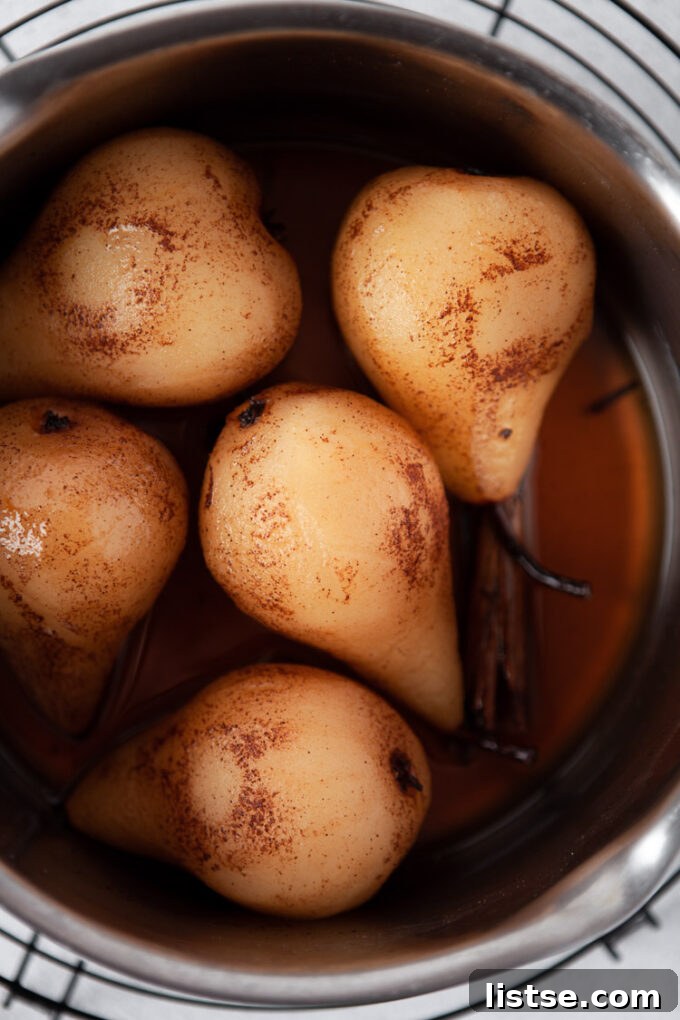
The Yali Pear, also widely recognized and cherished as the Chinese white pear, is a distinctive and elegant hybrid pear variety that originates from the northern regions of China. These highly prized pears are notable for their graceful, elongated shape with a distinct neck, and their characteristically thin, smooth, greenish-yellow skin which often develops a charming rosy blush as it ripens. Encased within is a remarkably crisp, pristine white, and incredibly juicy flesh. Yali pears offer a beautifully balanced flavor profile: they are wonderfully sweet, with just a hint of mild tartness that provides a refreshing counterpoint and prevents them from being cloying. Many connoisseurs describe their nuanced taste as having delicate undertones of cinnamon, anise, subtle spice, and a whisper of vanilla, making them a truly sophisticated and aromatic fruit. Yali pears are most commonly enjoyed raw, either as a refreshing snack, added to vibrant fruit salads, or thinly sliced into savory dishes to introduce a sweet and crunchy counterpoint. Beyond their significant culinary appeal, these pears are also sometimes utilized in traditional skincare products, valued for their natural detoxifying and hydrating properties. They are an excellent source of dietary fiber and vitamin C, contributing to overall health and well-being, solidifying their status as a celebrated fruit in their native regions and beyond.
-
Yamarita
Yamarita is a popular and deeply satisfying dish originating from Nigeria, celebrated for its unique texture and rich, savory flavors. At its heart, Yamarita features boiled yam slices, which undergo a delicious transformation through a flavorful coating and frying process. The tender, boiled yam pieces are typically dipped in a savory and aromatic batter crafted from eggs, flour, and a blend of vibrant spices such as freshly grated ginger, minced garlic, and salt, often with a hint of chili powder for an added kick of heat. Once thoroughly coated, these yam pieces are then fried until they achieve a beautiful golden-brown crispness on the outside, while remaining wonderfully soft and fluffy within. The result is a delightfully savory, slightly spicy, and textural treat, offering a fantastic contrast that excites the palate. Yamarita is incredibly versatile and is often served as a hearty accompaniment to a vibrant tomato stew or a rich, peppery sauce, which perfectly complements the fried yam’s flavor. It makes for an excellent breakfast, a fulfilling lunch, or a delightful appetizer, showcasing the culinary ingenuity and comfort food traditions of Nigerian cuisine.

-
Yams
True yams, distinct from sweet potatoes despite the common interchangeable usage in the United States, are edible tubers belonging to the diverse Dioscorea genus. They are primarily cultivated in tropical and subtropical regions across Africa, Asia, the Caribbean, and Latin America, forming an indispensable dietary staple for millions worldwide. Yams are characterized by their rough, bark-like skin, which can range in color from dark brown to black, and their flesh, which can be white, yellow, purple, or even reddish-pink, depending on the specific variety. Unlike sweet potatoes, which are typically sweeter and often moist, true yams generally possess a starchier, earthier, and less sweet flavor profile, with a drier texture. They are incredibly versatile in the kitchen; their starchy composition makes them ideal for boiling, baking, roasting, frying, or pounding into a smooth, dough-like consistency (such as fufu or pounded yam) to accompany hearty stews and soups in West African cuisine. Yams are a significant source of complex carbohydrates, dietary fiber, and vitamin C, providing essential energy and nutrients, and are deeply ingrained in the cultural, agricultural, and culinary heritage of numerous communities globally.
-
Yangmei
Yangmei (Myrica rubra), often known by a delightful array of enchanting names such as Chinese bayberry, Japanese bayberry, yumberry, waxberry, or Chinese strawberry, is the intensely flavored fruit of a subtropical tree native to East Asia, particularly China. This captivating fruit is celebrated for its strikingly beautiful deep red to purplish-red hue and its unique, intensely flavored flesh. Yangmei offers a delightful and complex balance of sweet and tart notes, often reminiscent of a captivating cross between a strawberry and a raspberry, but with its own distinct aromatic complexity and a slightly piney undertone. Its texture is somewhat fibrous, encasing a single, small, hard seed at its core. Highly perishable when fresh, yangmei is a cherished seasonal treat that is widely enjoyed plain, directly off the tree. Beyond fresh consumption, it is a highly popular ingredient in beverages, frequently processed into refreshing juices, aromatic teas, and even fermented into alcoholic drinks. Its vibrant flavor also makes it an excellent candidate for creating exquisite jams, jellies, fruit preserves, and candied treats. Rich in antioxidants, vitamins (especially Vitamin C), and minerals, yangmei is not only a culinary delight but also offers various health benefits, making it a truly cherished and sought-after fruit in its native regions.
-
Yassa
Yassa is an iconic and immensely popular West African dish, particularly prominent in Senegal, that showcases a masterful blend of rich, savory, and spicy flavors. This delectable stew is fundamentally characterized by its intensely flavored, slow-cooked onion sauce, which forms the vibrant base of the dish. The main protein, typically succulent pieces of marinated poultry (most commonly chicken, but sometimes lamb or beef) or firm white fish, is tenderly cooked in this vibrant sauce until it is infused with all the aromatic spices. The marinade for the protein is crucial and often includes a potent mix of fresh lemon juice, traditional African mustard (or Dijon), pungent garlic, and fiery chili peppers, which together create a tangy, pungent, and spicy kick that awakens the palate. The onions are typically caramelized to a deep golden color, contributing a natural sweetness that beautifully balances the acidity of the lemon and the heat of the chili. Yassa is traditionally served piping hot, either on its own as a hearty and complete meal or, more commonly, accompanied by a generous mound of fluffy steamed white rice, which perfectly absorbs the rich, complex, and flavorful sauce. It’s a quintessential comfort food in West Africa, celebrated for its robust taste and aromatic appeal, a true highlight of Senegalese cuisine.
-
Yeast
Yeast, an extraordinary single-celled microorganism belonging to the fungus kingdom, plays an indispensable and transformative role in countless culinary traditions and food production processes worldwide. Its magical ability to convert various sugars into alcohol and carbon dioxide through a process called fermentation is fundamental to baking, brewing, and winemaking. In the realm of baked goods, particularly bread, yeast is the primary leavening agent; the carbon dioxide gas it produces gets trapped within the dough’s gluten structure, causing it to rise beautifully and creating that airy, soft, and desirable texture we all love. Without yeast (or other chemical leavening agents), bread would remain dense and flat. There are thousands of known yeast species, with Saccharomyces cerevisiae being the most common and vital type used in both baking and brewing. Beyond its leavening and fermenting capabilities, nutritional yeast, a deactivated form, is also widely used as a seasoning in vegan and vegetarian cooking, offering a distinct cheesy, umami flavor and a valuable boost of B vitamins. Yeast’s unassuming nature belies its powerful and ancient impact, making it an enduring cornerstone of culinary science and an invaluable ally in food preparation across diverse cultures.
-
Yellow Eye Beans
Yellow Eye Beans are a distinctive and flavorful variety of common bean (Phaseolus vulgaris), closely related to the more commonly known kidney bean but possessing their own unique visual and culinary characteristics. These medium-sized beans are easily identifiable by their striking appearance: a creamy white or pale yellow background elegantly adorned with a prominent golden-yellow “eye” around the hilum, which is the scar where the bean was attached to its pod. When cooked, Yellow Eye Beans develop a wonderfully creamy, smooth texture and a delicate, mild flavor that makes them incredibly versatile for a wide range of dishes. They are particularly praised for holding their shape exceptionally well after cooking, making them an ideal choice for hearty soups and stews, where they provide substantial body and absorb flavors beautifully. They also shine in vibrant bean salads, comforting casseroles, and even vegetarian chili. Nutritionally, like most legumes, they are a powerhouse, offering an excellent source of plant-based protein, abundant dietary fiber (beneficial for digestion and satiety), and essential minerals such as iron, potassium, and folate, contributing significantly to a healthy and balanced diet. Their appealing appearance and gentle flavor make them a favored choice in many recipes.
-
Yellowfin Tuna
Yellowfin Tuna (Thunnus albacares), often marketed and highly prized as ‘Ahi’ (especially in Hawaiian cuisine), is one of the most iconic and sought-after species of tuna globally. This large, fast-swimming predatory fish, known for its powerful athleticism, is renowned for its firm, meaty texture and its relatively mild, clean, and subtly sweet flavor. Many connoisseurs describe its taste as a sophisticated blend between swordfish and chicken, with a delicate oceanic sweetness. Its vibrant red flesh, particularly from the loin cuts, makes it a star in raw preparations. Yellowfin tuna is a prime choice for exquisite sashimi and various forms of sushi, where its pristine quality, delicate taste, and rich color can be fully appreciated. When cooked, the meat transforms into large, flaky pieces, typically changing in color to a grayish-tan or light brown. It can be expertly grilled, seared to perfection, baked, or pan-fried, but careful cooking is essential to avoid over-drying and to preserve its succulent, moist texture. Beyond its immense culinary appeal, Yellowfin Tuna is an excellent source of lean protein, heart-healthy omega-3 fatty acids, and essential vitamins and minerals, including B vitamins and selenium, making it a highly nutritious choice for seafood lovers worldwide who appreciate both flavor and health benefits.
-
Yogurt
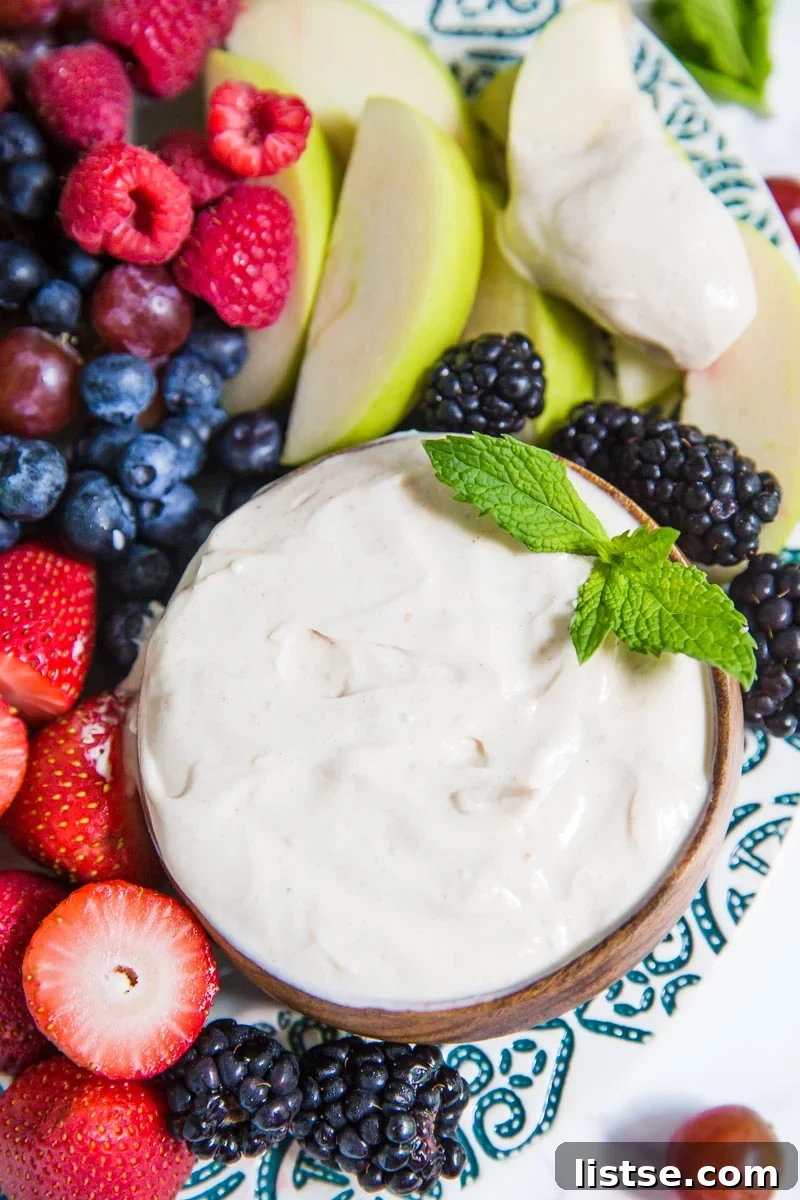
Yogurt is a globally cherished dairy product, celebrated for its creamy texture, distinctive tangy flavor, and remarkable versatility across both sweet and savory cuisines. It is produced by the bacterial fermentation of milk, typically using specific live active cultures (most commonly Lactobacillus bulgaricus and Streptococcus thermophilus) that work to convert lactose (milk sugar) into lactic acid. This lactic acid causes the milk proteins to coagulate and thicken, giving yogurt its characteristic consistency and taste. This natural fermentation process not only provides yogurt with its unique textural and flavor profile but also significantly enhances its digestibility and bestows beneficial probiotics that support gut health. Yogurt can be enjoyed in countless delicious ways: eaten plain, mixed with fresh fruit and granola for a healthy breakfast or snack, artfully layered into parfaits, or smoothly blended into refreshing smoothies. Beyond sweet applications, plain yogurt is an incredibly versatile culinary workhorse in savory dishes worldwide. It serves as an excellent base for marinades (tenderizing meats and imparting flavor), creamy dips (such as tzatziki or raita), tangy salad dressings, and as a cooling, balancing accompaniment to spicy meals. Its slight acidity makes it an effective and lighter substitute for ingredients like sour cream or mayonnaise in many recipes, offering a probiotic-rich alternative. Frozen yogurt, a popular dessert, offers a lighter alternative to ice cream, often customized with an array of toppings, further showcasing yogurt’s widespread appeal and culinary adaptability.

-
Yolks
The yolk, the vibrant yellow or orange sphere nestled at the center of an egg, is not only the most visually striking part but also an extraordinary powerhouse of nutrition, flavor, and culinary utility. As the primary food source for a developing embryo, it is naturally rich in essential nutrients. Egg yolks are particularly abundant in healthy fats, crucial fat-soluble vitamins (A, D, E, and K), a comprehensive array of B vitamins (especially B12, B6, and folate), and vital minerals like iron, phosphorus, selenium, and zinc. While they have historically been associated with dietary cholesterol, extensive recent research suggests that dietary cholesterol has a far less significant impact on blood cholesterol levels for most healthy individuals than previously thought. Yolks are highly prized in cooking for their remarkable emulsifying properties, thickening ability, and their capacity to impart rich color and deep flavor to a vast array of dishes. They are a fundamental component of classic custards, luxurious sauces (such as hollandaise and mayonnaise), a vast assortment of baked goods, and numerous savory preparations. Although chicken egg yolks are the most commonly consumed globally, yolks from other poultry, such as duck, quail, and goose eggs, are also edible and deeply appreciated in various cuisines for their distinct sizes, colors, and nuanced flavors. Due to their widespread availability, affordability, and ease of preparation, yolks, along with whole eggs, remain a fundamental dietary staple across diverse cultures worldwide, contributing significantly to daily nutritional intake and culinary enjoyment.
-
Yorkshire Pudding
Yorkshire Pudding is an iconic and deeply beloved savory side dish originating from England, considered a quintessential component of a traditional British Sunday roast. Made from a wonderfully simple yet precise batter of eggs, flour, and milk or water, it is baked at an intensely high temperature, typically in preheated hot fat (often rich beef dripping, which imparts incredible depth of flavor) until it puffs up dramatically. This rapid expansion creates its characteristic crispy, golden-brown exterior and a soft, airy, slightly hollow interior, perfect for soaking up gravy. The secret to a perfect Yorkshire pudding lies in the extreme oven heat, which causes the batter to rapidly expand and set, forming its unique cup-like shape. While its name includes “pudding,” it is distinctly savory, designed specifically to accompany roasted meats, especially beef, and to serve as a delicious vehicle for gravy. Its flavor is mildly eggy, with a rich, savory depth, particularly when cooked in flavorful meat fat. Though traditionally simple, variations can include subtle additions of mustard powder, fresh herbs, finely chopped onions, or even crispy bacon bits for an enhanced flavor profile. Yorkshire puddings are not just a dish; they are a cherished part of British culinary heritage, offering a comforting, satisfying, and utterly essential complement to any roast meal, bringing a touch of traditional British charm to the dining table.
-
Youngberry
The Youngberry is a delightful hybrid berry, a true marvel of cross-pollination born from the successful union of raspberries, blackberries, and dewberries. Developed in Louisiana in the early 20th century by B.M. Young, it expertly combines the most desirable attributes of its parent fruits into a singular, superior berry. Youngberries are typically larger and often significantly sweeter and juicier than traditional blackberries, boasting a more tender texture and fewer seeds, making them a pleasure to eat. They mature to a deep, alluring purplish-black color when perfectly ripe, signaling their peak flavor and readiness. The taste is a complex and rich blend of raspberry’s bright sweetness and blackberry’s slight tartness, often described as more aromatic and intensely flavored than either of its progenitors, with subtle earthy undertones. Youngberries are wonderfully versatile in the kitchen: they can be enjoyed fresh, straight from the vine, as a vibrant addition to fruit salads, or as a luscious topping for desserts. Their robust flavor also makes them exceptional for culinary applications such as creating exquisite jams, jellies, pies, cobblers, and other fruit preserves. Packed with beneficial antioxidants, essential vitamins (especially Vitamin C), and dietary fiber, youngberries are not only delicious but also a healthy addition to your diet, offering a unique and memorable berry experience that stands out from the crowd.
-
Yucca
Yucca, often interchangeably referred to as cassava (especially in tropical regions where it’s a staple, though technically yucca refers to the genus of plants and cassava to one specific species, Manihot esculenta), is a remarkably versatile woody shrub renowned for its starchy, tuberous root. Native to South America, it has become a fundamental and indispensable food source across tropical and subtropical regions worldwide, feeding millions. Yucca root, or cassava, possesses a mild and subtly nutty flavor, with a texture similar to that of a potato but often denser and slightly sweeter. It is an incredibly adaptable ingredient in the kitchen. Crucially, once peeled and cooked (as raw yucca contains cyanogenic glycosides that must be detoxified by heat), it can be boiled, fried, baked, or roasted to perfection. Yucca fries, for instance, are a popular and delicious alternative to traditional potato fries, offering a distinctively earthy sweetness and a satisfyingly crisp exterior. It’s also widely ground into flour (known as tapioca flour or starch) for gluten-free baking or used as an effective thickener for soups and sauces. Due to its rich carbohydrate content, yucca is an excellent source of energy, making it a popular potato replacement for athletes and a foundational component in the diets of many communities. It also provides a good source of vitamin C and dietary fiber, contributing to its status as a vital global food crop.
-
Yukon Gold Potatoes
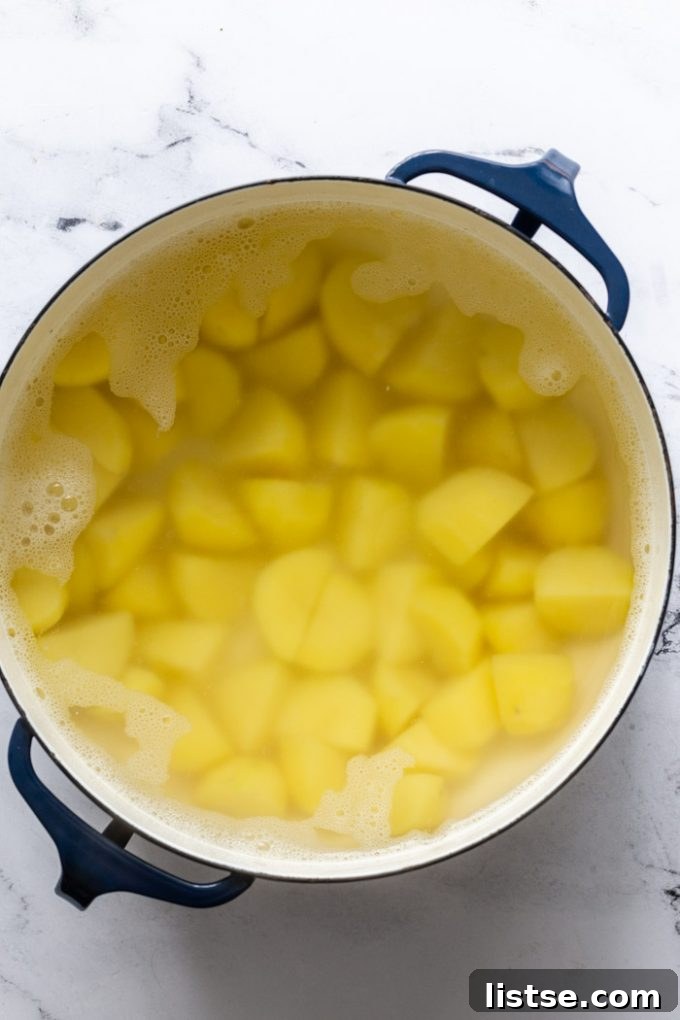
The Yukon Gold Potato is a highly celebrated and universally loved potato variety, instantly recognizable by its thin, smooth, and relatively “eye-free” skin and its distinctively creamy, rich yellow-tinted flesh. This particular hybrid potato was first skillfully cultivated in the 1960s at the University of Guelph in Ontario, Canada, resulting from a careful cross between a North American white potato and a wild South American yellow-fleshed potato, aiming to combine the best culinary characteristics of both. What truly sets Yukon Golds apart is their perfect balance: they are starchy enough to create incredibly fluffy and light mashed potatoes, yet waxy enough to beautifully hold their shape when roasted, boiled, or meticulously layered in gratins. They boast a rich, inherently buttery flavor and a consistently smooth, moist texture that makes them incredibly versatile for almost any culinary application imaginable. Their thin skin doesn’t typically require peeling if desired, and their beautiful golden hue adds an appealing visual element and a perception of richness to any dish. From classic mashed potatoes and crispy roasted wedges to creamy soups, robust stews, and vibrant potato salads, Yukon Gold potatoes consistently deliver superior taste and texture, establishing themselves as an enduring favorite among home cooks and professional chefs alike, making them a true staple in modern kitchens.
-
Yuzu
Yuzu (Citrus junos) is an exceptionally aromatic and highly prized citrus fruit originating from East Asia, particularly Japan, Korea, and China. It is often described as a complex hybrid between a sour mandarin orange and an ichang papeda, resulting in a truly unique and sophisticated flavor profile. Visually, yuzu resembles a small, slightly flattened orange or grapefruit, characterized by its thick, rough, uneven, and often yellowish-green skin. The taste of yuzu is intensely tart and acidic, making it quite unsuitable for eating raw like a typical orange. Instead, its true culinary value lies in its incredibly fragrant zest and juice, which impart a distinctive floral, tangy, and aromatic essence. Its flavor is often compared to a complex blend of lemon, lime, and grapefruit, with subtle, ethereal notes of mandarin orange and a delicate bitterness. Yuzu is an indispensable cornerstone of Japanese cuisine, used extensively to flavor dressings, exquisite sauces (like ponzu), marinades, refreshing teas, and elegant desserts. Its zest is meticulously grated over dishes as a vibrant garnish, and its juice adds a bright, zesty kick to seafood, poultry, and vegetables. Due to stringent phytosanitary regulations aimed at protecting American agriculture from potential diseases prevalent in Asian groves, fresh whole yuzu fruit cannot be legally imported into the United States. However, yuzu juice, zest, and various processed products are widely available, allowing culinary enthusiasts around the world to experience its exquisite and uplifting flavor. It’s a truly unique citrus that effortlessly elevates any dish with its bright, sophisticated aroma and unparalleled zest.
Expand Your Palate and Culinary Horizons with ‘Y’ Foods!
From the depths of Australian freshwater lakes to the vibrant, spice-filled kitchens of West Africa and the sophisticated, nuanced tables of Japan, the world of foods that start with the letter ‘Y’ is surprisingly vast, incredibly diverse, and remarkably delicious. This comprehensive list serves as a testament to the incredible richness and variety of global cuisine, offering everything from familiar comforts and wholesome staples to exotic delights and unique ingredients waiting to be discovered.
We sincerely hope that this culinary exploration has inspired you to venture beyond your usual ingredients, experiment with new flavors, and embrace the exciting adventure of trying something new. Each ‘Y’ food brings its own unique story, flavor, texture, and cultural significance to the table, promising memorable experiences and inspiring countless new recipes for your taste buds.
Have you discovered a ‘Y’ food that we might have missed, or do you have a favorite recipe featuring one of these incredible ingredients that you’d love to share? We’d be absolutely thrilled to hear from you! Please feel free to share your thoughts, insights, and suggestions in the comments section below, and let’s continue to celebrate the wonderful and endlessly fascinating world of food together!