
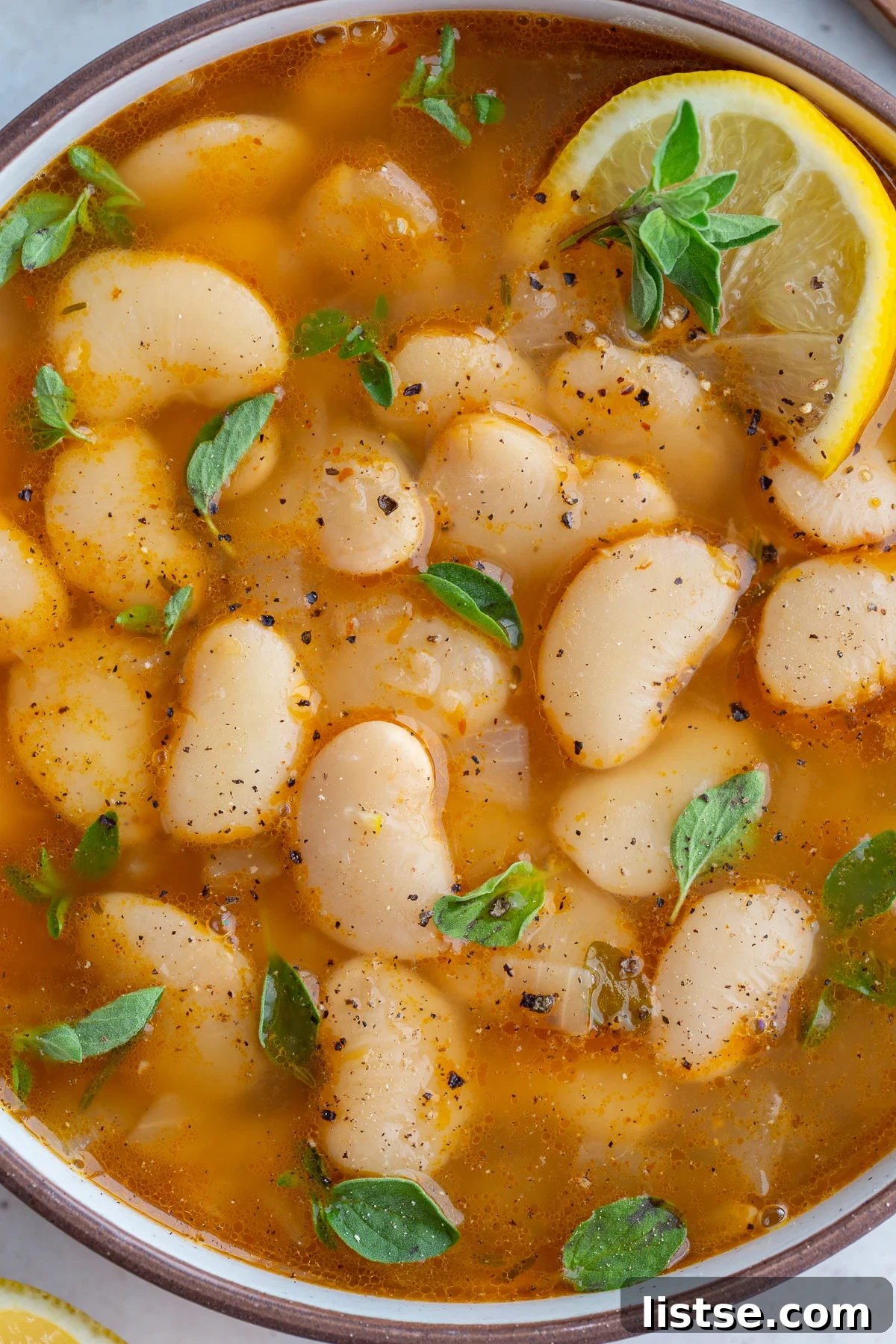
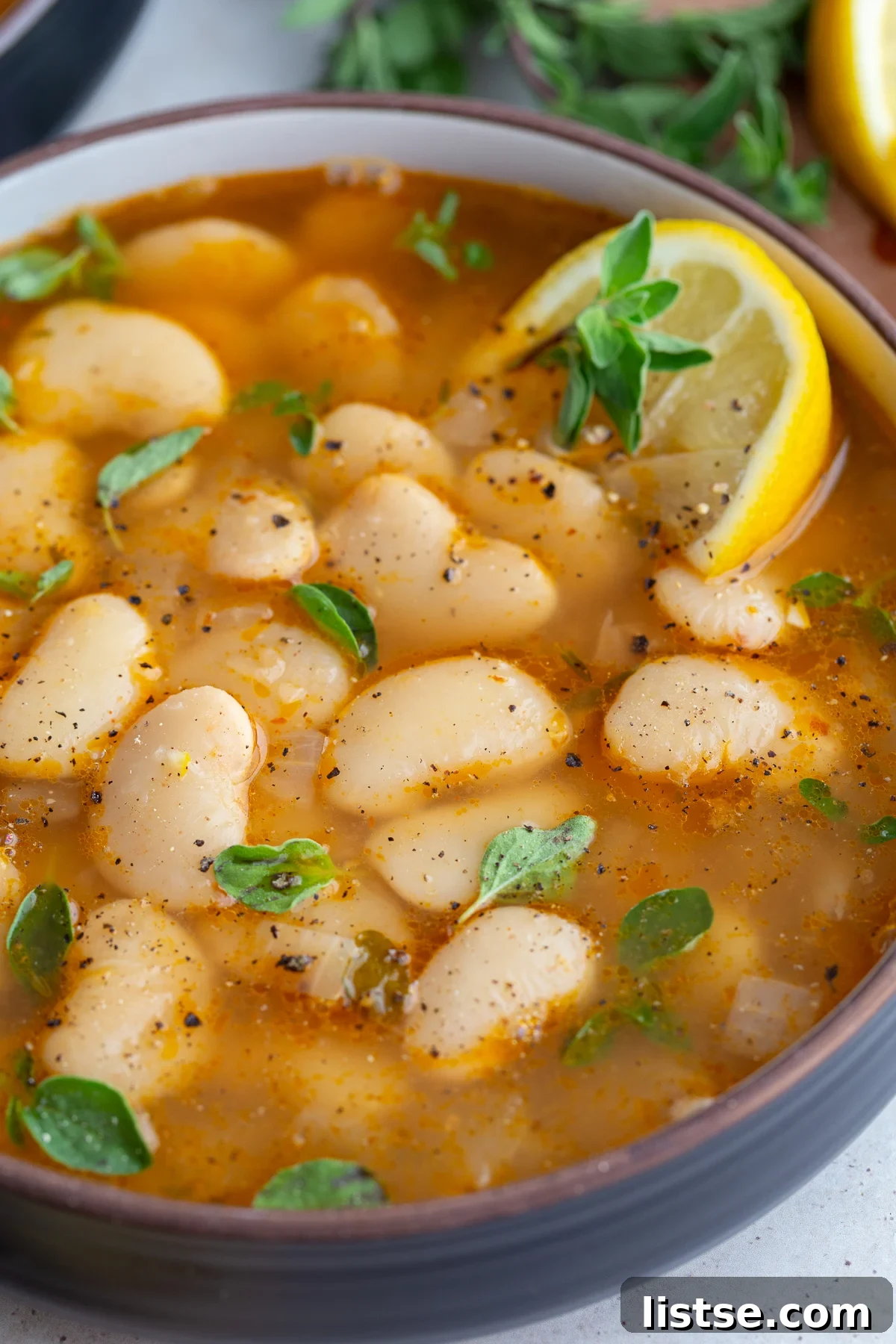
Craving an incredibly comforting and satisfying meal that’s both easy to prepare and bursting with flavor? Look no further than these spectacular Brothy Beans. This humble yet luxurious dish transforms simple pantry staples into a rich, deeply savory experience. Slow-simmered with aromatic garlic, sweet onion, and a fragrant medley of fresh herbs, these brothy beans deliver a cozy warmth that truly nourishes the soul. They are the epitome of hearty vegetarian comfort food, perfect for any day of the week.
If you enjoy versatile bean recipes, you’ll also adore our Mediterranean Dense Bean Salad, our protein-packed Edamame Salad, and our vibrant Avocado Black Bean Salad!
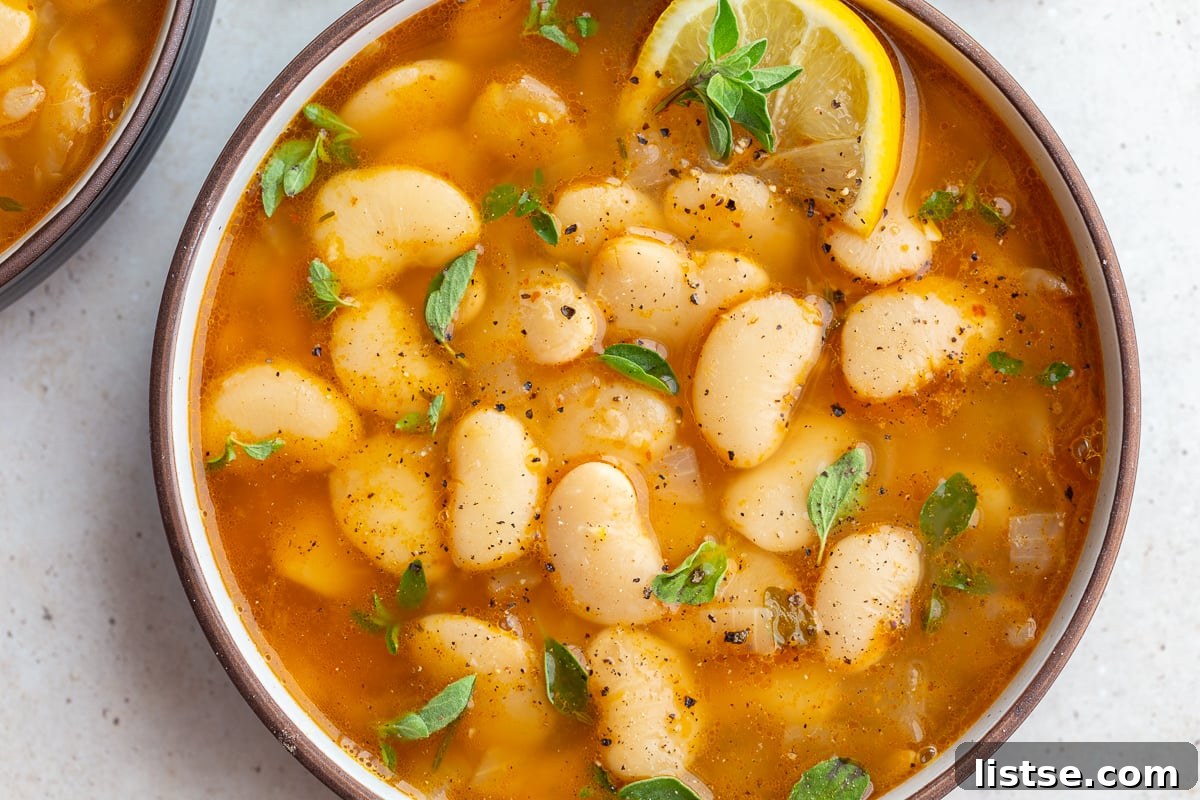
Why these Brothy Beans will become your new family favorite!

The journey to perfecting this brothy beans recipe has been a labor of love, inspired by the incredibly flavorful and straightforward approach to cooking that transforms simple ingredients into something extraordinary. After countless iterations and much experimentation over the years, I’ve finally honed this recipe into what I believe is the ultimate rendition. It has become a staple in my kitchen, a dish I turn to time and again for its reliability and deeply satisfying taste. I’ve shared glimpses of it on Instagram, and the overwhelming requests for the recipe solidified its place as a must-share.
These brothy beans aren’t just a meal; they’re an experience. Here’s why you’ll undoubtedly fall in love with this versatile and delicious recipe:
- Effortless Elegance: Crafted from readily available pantry ingredients, this recipe proves that extraordinary flavor doesn’t require a complex shopping list.
- Ultimate Comfort: Naturally vegetarian and incredibly warming, it’s the quintessential cozy meal for chilly evenings or whenever you need a hug in a bowl.
- Remarkably Versatile: Whether served as a hearty main course, a flavorful side dish, or a foundational element for other creative meals, these beans adapt beautifully.
- Even Better with Time: Like many great stews and soups, the flavors deepen and meld overnight, making leftovers an absolute culinary treat.
- Healthy & Wholesome: Packed with plant-based protein and fiber, these brothy beans are not only delicious but also incredibly nutritious.
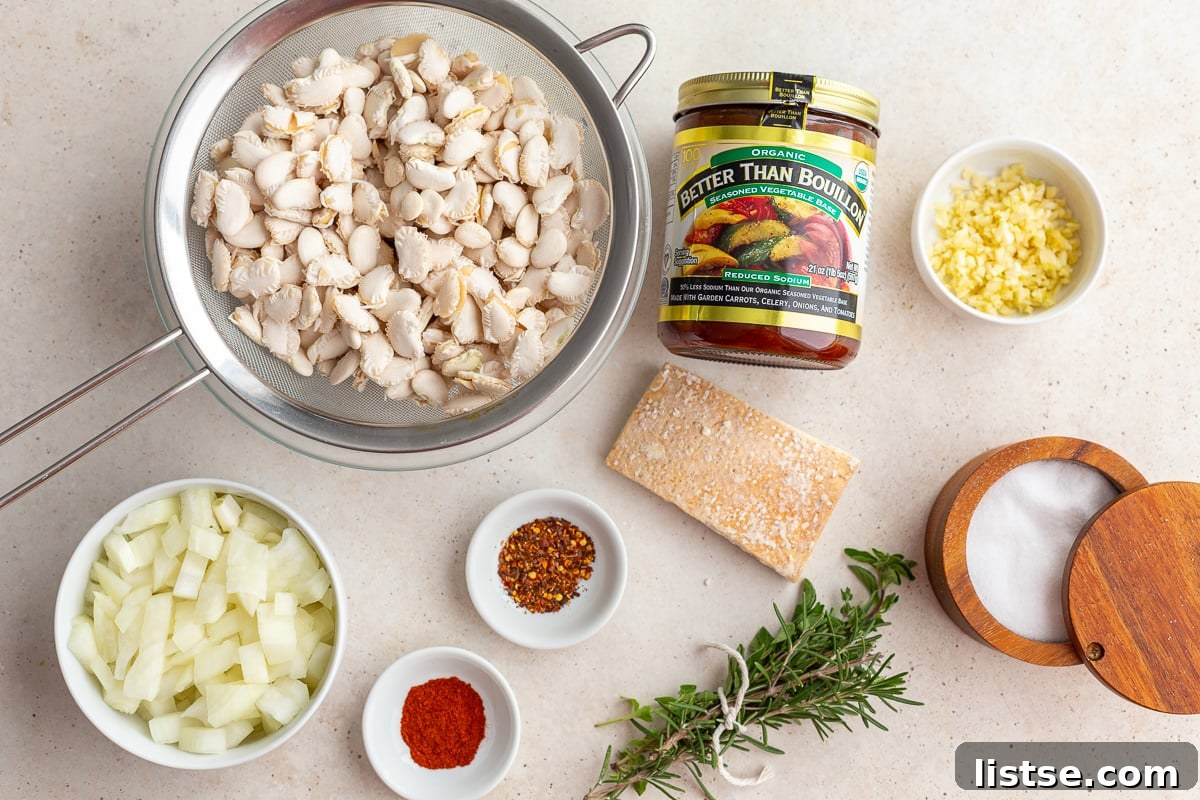
Essential Ingredients for Rich & Flavorful Brothy Beans
One of the true beauties of this brothy beans recipe lies in its reliance on accessible, everyday ingredients that come together to create a profoundly complex flavor. While the complete list is detailed in the recipe card below, let’s dive into some of the key components and discuss potential substitutions to ensure your brothy beans are always a success.
- Dry White Beans: The foundation of our dish! I personally love using creamy lima beans (also known as butter beans) for their delicate texture and buttery flavor. However, cannellini beans, great northern beans, or navy beans are excellent alternatives, each contributing its own unique character. Remember that older beans tend to require a longer cooking time, so adjust accordingly. For exceptional quality, consider exploring heirloom beans from producers like Rancho Gordo.
- Yellow Onion: A large yellow onion is slow-cooked to release its natural sweetness, forming a foundational layer of flavor for the rich broth. If a yellow onion isn’t available, a white onion can be used in its place, offering a slightly sharper but still delicious taste.
- Fresh Garlic Cloves: This recipe is intentionally generous with garlic, celebrating its pungent and aromatic qualities. We’re aiming for a distinctly garlicky broth, but if you prefer a more subtle hint, feel free to reduce the quantity slightly.
- Vegetable Broth: Opting for a high-quality vegetable broth infuses the beans with a richer, more savory depth than water alone. It significantly enhances the overall umami. If using water, ensure you season more aggressively to compensate for the lack of inherent flavor.
- Fresh Herb Bundle: A fragrant bouquet of fresh herbs is crucial for that authentic, earthy aroma. My go-to combination includes thyme, oregano, and rosemary, tied together for easy removal. Don’t hesitate to experiment with bay leaves, sage, or even parsley stems based on what you have readily available. The fresh notes are indispensable!
- Robust Seasoning: Beyond salt and black pepper, we add a single bay leaf for an underlying complexity, a touch of red pepper flakes for a gentle warmth, and paprika for a smoky, sweet note and vibrant color. Proper seasoning is key to building layers of flavor.
- Lemon Juice (Optional but Recommended): A squeeze of fresh lemon juice at the very end brightens the entire dish, cutting through the richness and adding a delightful tang. While optional, it truly elevates the flavors.
- Parmesan Rind (Optional but Highly Recommended): This is a secret weapon for adding incredible depth and an umami punch to the broth, especially if you enjoy dairy. A 4-inch piece simmered with the beans will melt into the broth, imparting a savory richness that makes this dish unforgettable. Simply remove it before serving.
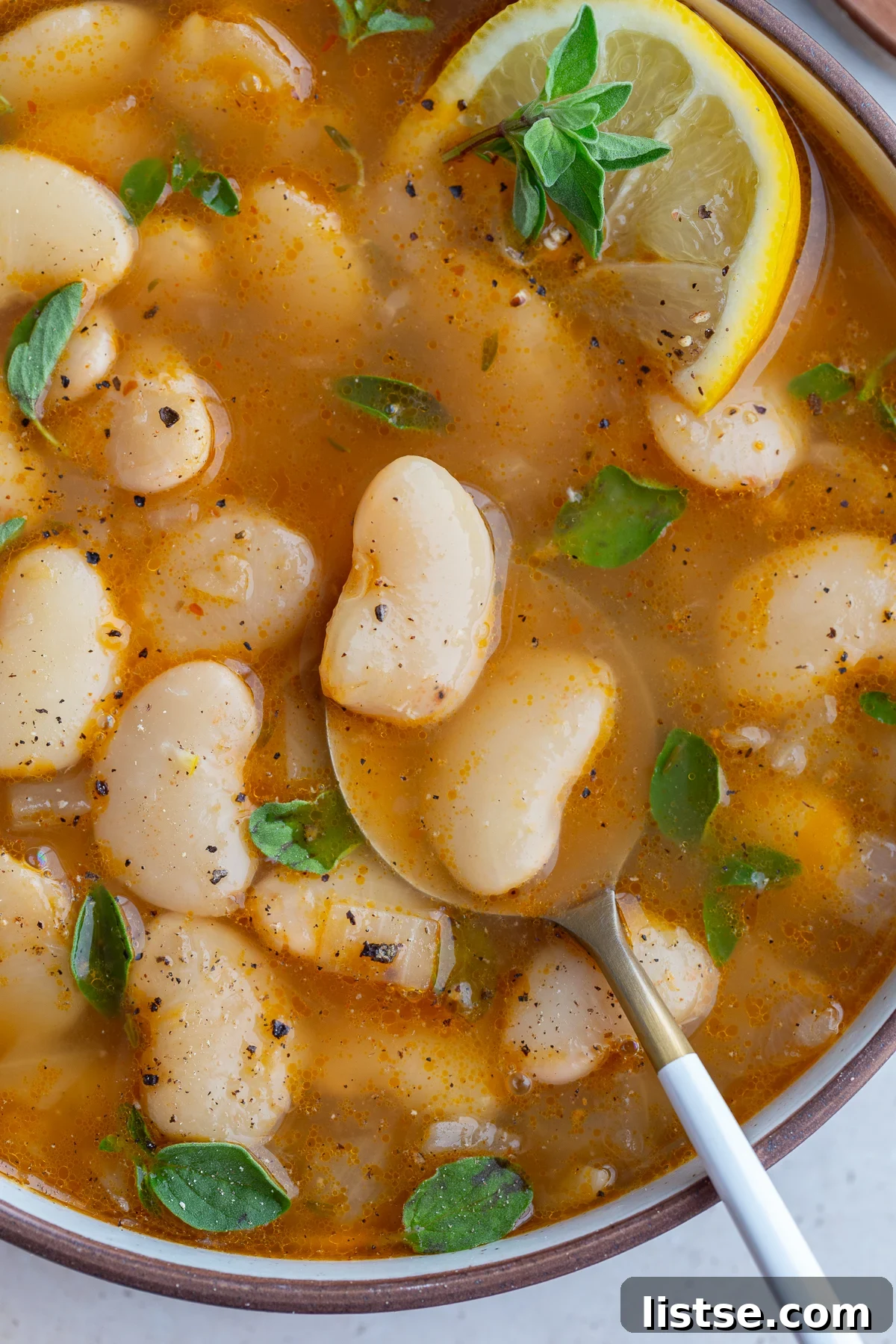
Mastering the Art of Brothy Beans: A Step-by-Step Guide
Creating these comforting brothy beans is a straightforward process, primarily relying on patient simmering to coax out maximum flavor and achieve that desirable creamy texture. Below, I’ll walk you through each step, offering visual cues and insights to ensure your success. Remember, the full, detailed recipe card is always available at the bottom of this page for your convenience.
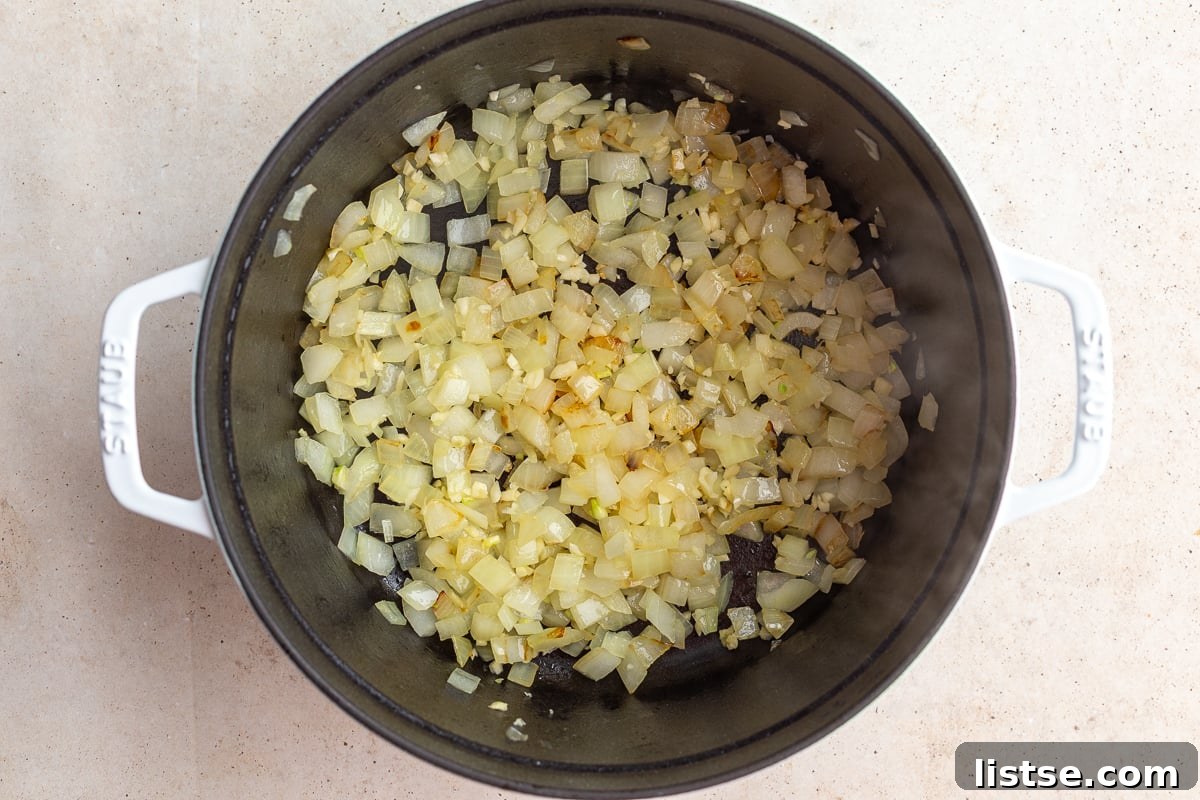
- Sauté the Aromatics to Build Flavor: Begin by heating a tablespoon of olive oil in a large Dutch oven or heavy-bottomed pot over medium-low heat. Add the diced yellow onion along with a generous pinch of salt. Sauté gently for 6-8 minutes, stirring occasionally, until the onion softens, becomes translucent, and releases its sweet fragrance. Unlike some recipes that call for removing the onion, we want it to meld into the broth, adding texture and deep flavor. Next, add the minced garlic and cook for just 30-60 seconds, or until it becomes beautifully fragrant, being careful not to let it brown or burn.
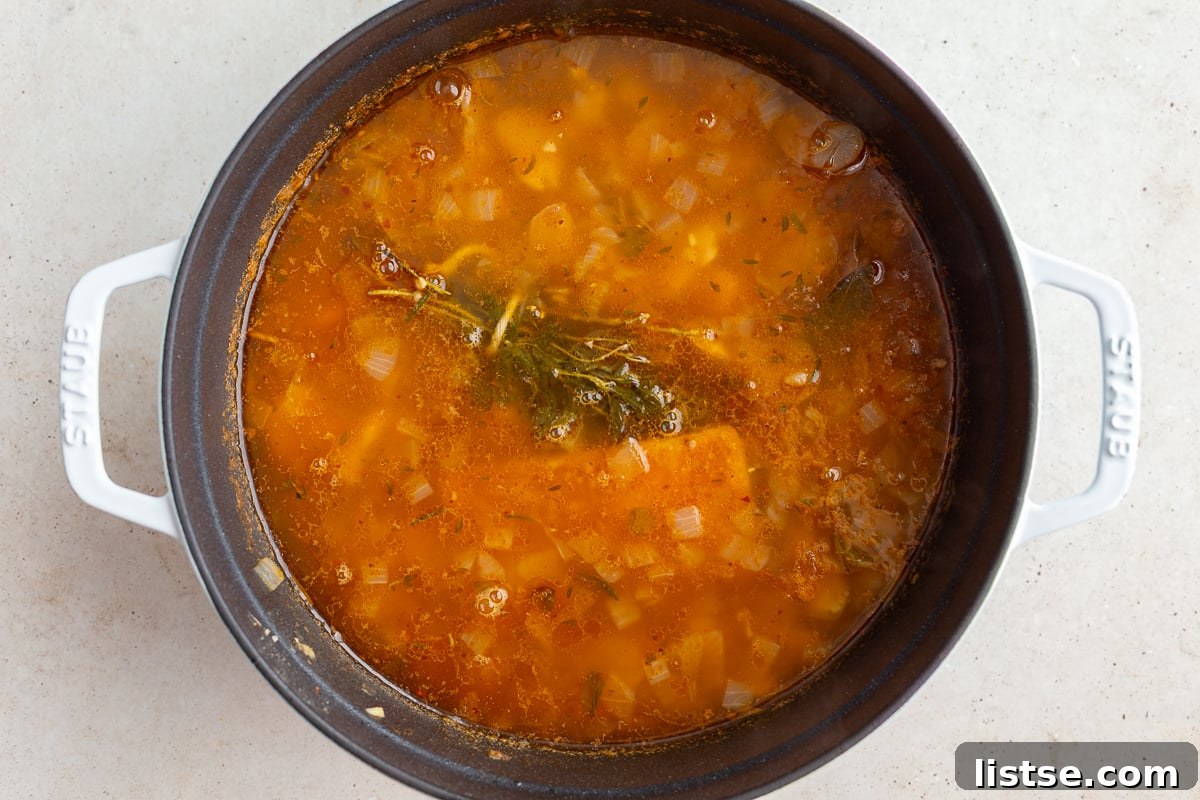
- Combine and Gently Simmer: Once your aromatics are ready, add the pre-soaked (and drained) dry beans to the pot. Pour in about 6 cups of vegetable broth, ensuring the beans are well-submerged. Stir in your fresh herb bundle, bay leaf, red pepper flakes, paprika, and the initial measure of salt and black pepper. Bring the mixture to a gentle boil, then reduce the heat to a low simmer. Partially cover the pot and allow the beans to cook slowly for 60-90 minutes, or until they are perfectly tender and creamy. The exact cooking time can vary significantly based on the age and type of beans, as well as whether they were soaked. Be patient; this slow simmer is key to their exquisite texture.
As the beans simmer, their starches will naturally thicken the broth, creating that coveted luscious consistency. Remember to stir occasionally and add more broth as needed (up to 10 cups total) to keep the beans submerged and beautifully brothy. Once done, remove and discard the herb bundle and bay leaf. A final taste test and adjustment of seasoning – perhaps more salt, pepper, or a pinch of red pepper flakes – will ensure perfection. If using, stir in a splash of fresh lemon juice right before serving to brighten all the flavors.
I highly recommend serving these glorious brothy beans with generous slices of crusty bread, perfect for soaking up every last drop of the rich broth. A final drizzle of high-quality olive oil and a sprinkle of chili flakes can elevate the dish further, making it a complete and satisfying meal. The best part? Leftovers are incredibly delicious, often tasting even better the next day as the flavors deepen. Store any remaining brothy beans in an airtight container in the refrigerator to enjoy throughout the week.
Expert Tips for Unforgettable Brothy Beans
- Embrace the Slow Simmer: Patience is paramount here. Rushing the cooking process will result in firm beans and a less creamy texture. A slow, gentle simmer allows the beans to break down gradually, releasing their starches and thickening the broth naturally.
- Keep Beans Submerged: For consistent cooking and optimal creaminess, ensure your beans remain covered with liquid throughout the simmering process. Add additional broth or water as needed to maintain adequate moisture levels.
- Season Early, Adjust Later: Adding salt early in the cooking process allows the beans to absorb flavor as they cook, rather than just being seasoned on the surface. You can always adjust the seasoning at the end to your preference.
- Finish with a Flourish: A final drizzle of good quality extra virgin olive oil not only adds richness but also a wonderful aroma. A squeeze of fresh lemon juice is optional but highly recommended for brightening the overall flavor profile and adding a delightful zing.
- Don’t Waste that Parmesan Rind: If you’re using a Parmesan rind, resist the urge to discard it! Its presence in the pot during simmering infuses the broth with an unparalleled depth and savory umami, taking your brothy beans to the next level.
Frequently Asked Questions About Brothy Beans
Soaking dried beans is generally recommended. It helps ensure more even cooking, reduces the overall simmering time significantly, and can also make the beans easier to digest for some people. Simply place the beans in a large bowl, cover them with plenty of cold water, and let them soak overnight or for at least 8 hours. Before cooking, drain and rinse them thoroughly. While you can technically skip soaking, be prepared for a considerably longer cooking time, potentially needing an extra hour or more on the stove.
This particular recipe is specifically formulated and optimized for dried beans. The slow cooking process of dried beans is essential for achieving that deeply flavored, creamy broth and tender, melt-in-your-mouth bean texture that defines “brothy beans.” Canned beans, being pre-cooked, will not yield the same depth of flavor or the desired creamy consistency in the broth. If you were to use canned beans, you would only need to simmer the dish for a much shorter period, perhaps around 15-20 minutes, just enough to warm them through and meld the flavors, but the results will be notably different.
Several factors can contribute to stubborn beans. The most common reason is the age of the dried beans; older beans simply take longer to soften. Hard water can also sometimes impede the cooking process. If your beans aren’t softening, don’t worry! Just continue simmering them, ensuring they remain fully submerged in broth (add more if needed). You might also increase the heat slightly to a more vigorous simmer for a while, then reduce it again. Patience is key; eventually, they will become tender. Avoid adding acidic ingredients like tomatoes or lemon juice too early, as this can also prevent beans from softening.
Easy One-Pot Brothy Beans
Brita Britnell
15
1
15
1
30
4
servings

These brothy beans are slow-simmered to perfection with garlic, onion, and fresh herbs in a rich vegetable broth until they are wonderfully tender and creamy. This simple, cozy, and incredibly versatile dish is ideal served with crusty bread or spooned over your favorite grains for a hearty and satisfying meal.
Ingredients
-
1
pound
dry white beans, such as lima beans, cannellini, or great northern beans (soaked overnight, see instructions) -
1
tablespoon
olive oil -
1
large yellow onion, diced -
6
cloves
garlic, minced -
6-10
cups
vegetable broth - Fresh herb bundle, tied together (e.g., 3 sprigs thyme, 3 oregano, 3 rosemary)
-
1
bay leaf -
½ – 1
teaspoon
red pepper flakes -
½
teaspoon
paprika -
2
teaspoons
salt, or to taste (start with less and adjust) - Black pepper to taste
- Lemon juice to taste, optional, for brightness
- Optional Parmesan rind, about 4 inches long (for added depth, remove before serving)
Instructions
-
Soak the beans (recommended): For best results, place the dried beans in a large bowl and cover them generously with water. Let them soak overnight, or for a minimum of 8 hours. Before cooking, thoroughly drain and rinse the soaked beans. If you choose to skip this step, be aware that the beans will require a significantly longer cooking time and may need more broth to soften.
-
Sauté the aromatics: In a large Dutch oven or heavy-bottomed pot, heat the olive oil over medium heat. Add the diced yellow onion and cook for 6–8 minutes, stirring occasionally, until it has softened and become lightly translucent. Stir in the minced garlic and cook for an additional 30–60 seconds, just until it becomes fragrant. Be careful not to burn the garlic.
-
Build the broth: Add the drained and rinsed beans to the pot. Pour in 6 cups of the vegetable broth, ensuring the beans are mostly submerged. Stir in the fresh herb bundle, the bay leaf, red pepper flakes, paprika, 2 teaspoons of salt, and a few cracks of black pepper. If using, add the Parmesan rind now.
-
Simmer until tender: Bring the contents of the pot to a gentle boil, then immediately reduce the heat to a low simmer. Partially cover the pot with a lid and cook for 60–90 minutes, stirring occasionally. The beans are ready when they are fully tender and creamy. During simmering, if the liquid level drops significantly, add more broth (up to 10 cups total) to keep the beans submerged and maintain a brothy consistency.
-
Finish and adjust seasoning: Once the beans have reached your desired tenderness, carefully remove and discard the herb bundle, bay leaf, and Parmesan rind (if used). Taste the broth and beans, then adjust the seasoning with additional salt, pepper, or red pepper flakes as needed. If desired, stir in a splash of fresh lemon juice for a bright finish.
-
Serve: Ladle the warm brothy beans into bowls. They are delicious on their own, served with crusty bread for dipping, a drizzle of high-quality olive oil, or spooned over grains like rice or farro. Note that the broth will naturally thicken slightly as it cools.
Notes
Cook time flexibility: Please note that the cooking time for dried beans can vary significantly based on their age and the specific variety used. Older beans often take longer to soften, so be prepared to extend the simmering time if necessary.
Herb options: While fresh herbs impart the best flavor, they can sometimes be a bit pricey at the grocery store. If you’re on a budget, consider using dried herbs (use about ⅓ of the fresh quantity) or choose just one type of fresh herb, like rosemary or thyme, instead of a full bundle of three. The dish will still be delicious!
Broth choices: I often use a concentrated vegetable broth base, like Better Than Bouillon, for its robust flavor. However, any good quality vegetable broth or stock you have on hand will work wonderfully for this recipe.
Storage instructions: Leftover brothy beans can be stored in an airtight container in the refrigerator for up to 5 days. Their flavor will often improve with time.
Reheating tips: The broth will naturally thicken as it chills. When reheating, whether on the stovetop or in the microwave, add a splash of extra vegetable broth or water to achieve your desired consistency.
Nutrition
Calories: 451kcal, Carbohydrates: 77g, Protein: 29g, Fat: 5g, Saturated Fat: 1g, Polyunsaturated Fat: 1g, Monounsaturated Fat: 3g, Sodium: 1191mg, Potassium: 2110mg, Fiber: 20g, Sugar: 5g, Vitamin A: 274IU, Vitamin C: 3mg, Calcium: 290mg, Iron: 12mg
Nutrition information is automatically calculated and should be used as an approximation.
Tried this recipe?
Mention @foodwithfeeling or tag #foodwithfeeling!