
Navigating Life in the Fast Lane: A Confession of Speeding Habits and the Quest for Balance
Life, for many of us, feels like a perpetual race against the clock. We juggle countless responsibilities, chase ambitious dreams, and strive to make every moment count. In this whirlwind, it’s not uncommon for certain essential aspects of daily living, like adequate sleep or adhering strictly to speed limits, to become… flexible. If you’ve ever found yourself with an impossibly packed schedule, a penchant for productivity, and an unwavering love for every single commitment you’ve made, then you might just relate to my particular predicament.
My life, by design and by desire, is brimming with an unnatural amount of things. Each activity, each project, each connection brings me genuine joy and fulfillment. The downside? This vibrant, overflowing existence leaves very little wiggle room for what I affectionately call life’s “necessary evils.” Among these, two stand out: getting enough sleep and consistently obeying every single posted speed limit. When forced to choose between them, sleep usually emerges victorious. This often translates into snagging a few extra minutes of precious slumber in the morning, only to find myself later zipping through downtown Nashville traffic, desperately trying to arrive at work as minimally late as humanly possible, if not precisely on time.
The Paradox of the “Smart” Speed Demon
It might sound contradictory, but despite my confessed speeding tendencies, I genuinely consider myself a very capable and intelligent driver. And yes, there’s a distinct difference between merely being a “good driver” and being a “smart driver.” A good driver might flawlessly execute maneuvers and understand road mechanics. A smart driver, however, anticipates situations, maintains situational awareness, and ultimately prioritizes safety. I believe I possess many of these smart driving qualities, perhaps with one significant, glaring exception: my relationship with the accelerator pedal.
Remarkably, it has been years since I’ve received any sort of traffic citation. While I’d love to attribute this to sheer driving prowess, a more honest assessment would probably credit a hefty dose of dumb luck. The truth is, I habitually exceed the speed limit, even if just by a little, almost every second I’m behind the wheel. For me, speed limits often feel less like strict regulations and more like… well, suggested minimums or gentle recommendations. It’s a habit born from a complex mix of urgency, impatience, and an almost visceral reaction to open stretches of road.
The Irresistible Call of the Open Road
There are moments, especially when a wide, clear road stretches out before me with no other vehicles or pedestrians in sight, when it feels literally impossible to resist the urge to press down on that gas pedal. The sensation is almost magnetic. My skin practically crawls with impatience at the thought of driving a mere 30 mph on a road that feels perfectly designed for higher speeds. This isn’t just about a thrill; it’s often compounded by the relentless pressure of a demanding daily agenda. I’m almost always racing against an internal clock, striving to get to the next appointment, the next task, the next commitment on my seemingly endless to-do list.
This isn’t a secret, either. I cannot count the number of times friends, acquaintances, or even complete strangers have approached me with a knowing smirk, saying something along the lines of, “I saw you driving the other day… you certainly do like that gas pedal, don’t you?” Each time, a wave of mild embarrassment washes over me. My immediate, albeit weak, defense mechanism is to pretend they must have mistaken me for someone else – someone driving the exact same car as me, perhaps with the same distinctive, large Nashville Rollergirls decal prominently displayed on the back window. It’s a transparent attempt at denial, a futile effort to maintain the illusion that my driving habits are a private affair.
Beyond the Humor: Acknowledging the Need for Change
While I initially intended this reflection to be entirely light-hearted and a humorous confession, beneath the surface lies a genuine desire for change. Admitting I have a problem, as the saying goes, is the first crucial step towards recovery. This isn’t just about avoiding tickets; it’s about embracing a safer, more mindful approach to driving. It’s about recognizing that while speeding might shave a few minutes off a commute, it comes with real risks and consequences, both seen and unseen.
The habit of speeding, born from a frantic pace of life, impacts more than just arrival times. It significantly increases the risk of accidents, reduces reaction time, and makes stopping distances dangerously long. Beyond the immediate safety concerns, there are the very tangible legal and financial repercussions: expensive fines, points on a driver’s license, and inevitably, rising insurance premiums. Over time, these can add up, creating a drain on resources and adding unnecessary stress to an already busy life. The irony is that the very act of speeding, intended to save time and reduce stress, often achieves the opposite by heightening anxiety and introducing potential new problems.
Deconstructing the Urge to Speed: Why Do We Rush?
Understanding the root causes of speeding can be the key to overcoming it. For many, including myself, it stems from a deeply ingrained feeling of time scarcity. In an age where hyper-productivity is often celebrated, the pressure to accomplish more in less time is immense. This leads to overcommitment, a perpetual state of rushing, and a belief that every second saved is a victory. Impatience also plays a significant role; we live in a world of instant gratification, and waiting, even for a few minutes in traffic, can feel excruciating.
Moreover, there’s often a subconscious element of control or even power when behind the wheel. The ability to command a powerful machine, to dictate its speed, can be intoxicating. And let’s be honest, for some, there’s a perceived low risk of getting caught, especially on familiar routes or during specific times of day. This combination of factors creates a powerful psychological pull towards the gas pedal, making it incredibly difficult to consistently adhere to speed limits that often feel arbitrarily low for current road conditions.
Paving a New Path: Strategies for Safer Driving
Breaking this ingrained habit won’t be easy, but it’s a commitment I’m ready to make. The journey towards safer, more mindful driving begins with a shift in mindset. It means re-evaluating priorities, accepting that some things will simply take the time they take, and understanding that the trade-off for those extra minutes isn’t worth the heightened risk or stress.
Practically, this involves implementing several strategies:
- Mindful Planning: Consciously planning routes and allotting realistic travel times, perhaps even adding a buffer for unexpected delays. This might mean setting the alarm a few minutes earlier, which I’ve already conceded is a battle I often lose to sleep, but it’s a crucial one to win for safer driving.
- Cruise Control: Utilizing cruise control whenever possible on highways and open roads can be incredibly effective in maintaining a consistent and legal speed, removing the temptation to gradually creep up.
- Active Self-Awareness: Paying close attention to my speed, not just relying on traffic flow. Regularly glancing at the speedometer and consciously adjusting when exceeding limits.
- Understanding Purpose: Reminding myself that speed limits aren’t arbitrary. They are carefully calculated based on road design, potential hazards, and the safety of all road users – drivers, cyclists, and pedestrians alike.
- Defensive Driving Principles: Focusing on anticipating potential hazards, maintaining safe following distances, and being prepared for the unexpected, which inherently promotes a more cautious speed.
The Journey Ahead: A Commitment to Accountability
This isn’t a quick fix; it’s a long-term commitment to reshaping a deeply ingrained behavior. So, consider this my public declaration. I genuinely want to stop speeding so much, not just for my own benefit, but for the safety of others on the road and for a more peaceful, less hurried existence. I know I can’t do it alone. The power of accountability is immense.
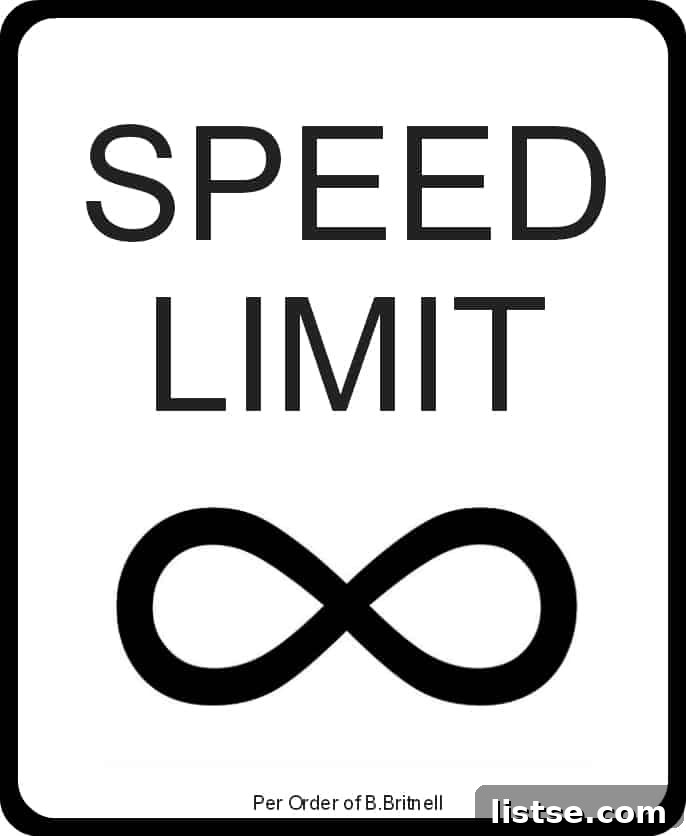
Therefore, I invite you to check in with me in a week, or perhaps a month, and see how this journey is progressing. Please? I truly need some external accountability on this. Share your own experiences with changing driving habits, or any tips you might have for embracing a slower pace in a fast-moving world. Together, perhaps we can all find a bit more calm and safety on our daily commutes. Let’s trade the speed limit of “infinity” for one that prioritizes safety, mindfulness, and a little less unnecessary adrenaline.