
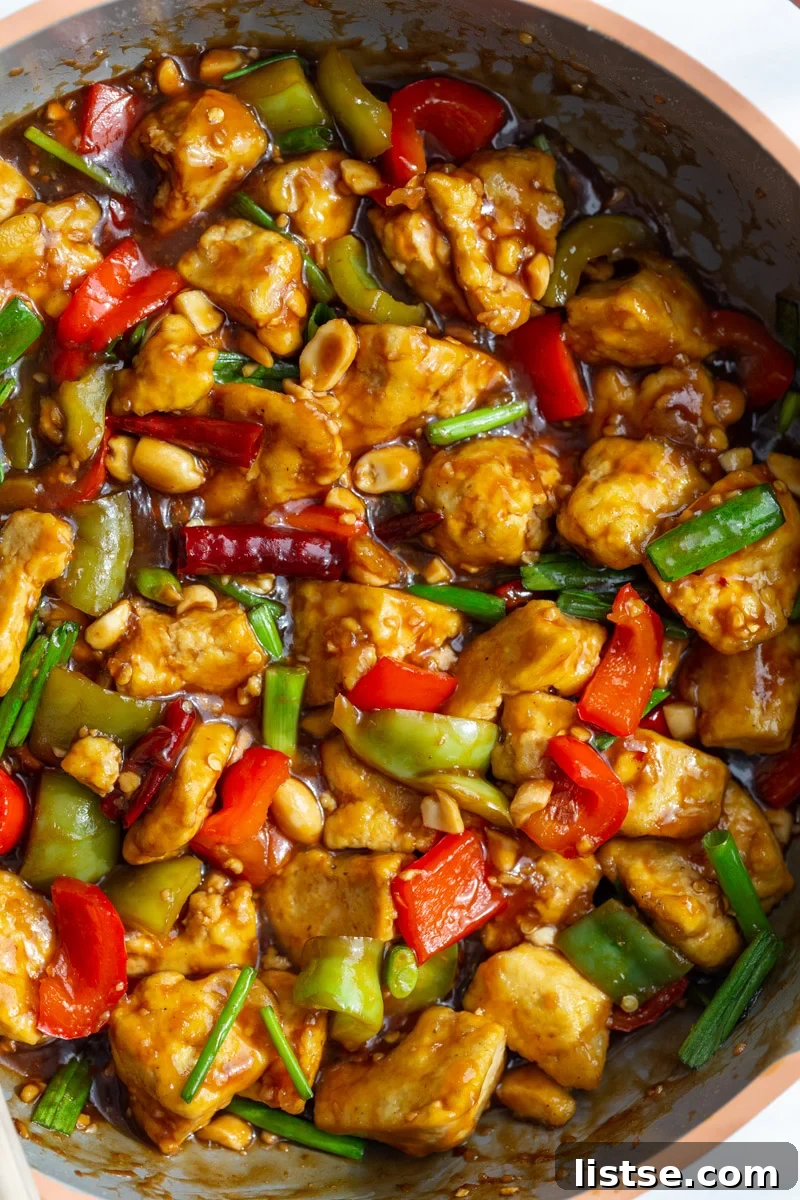
Craving a delicious, plant-based meal that’s bursting with flavor? Look no further than this incredible Kung Pao Tofu recipe. This vegan rendition of the beloved takeout classic combines crispy pan-fried tofu with vibrant bell peppers, fiery chilies, fresh green onions, and crunchy peanuts, all enveloped in a rich, savory, and perfectly spicy sauce. It’s a dish that’s not just a substitute for the restaurant version, but arguably even better – offering a homemade touch that’s both healthier and more satisfying.
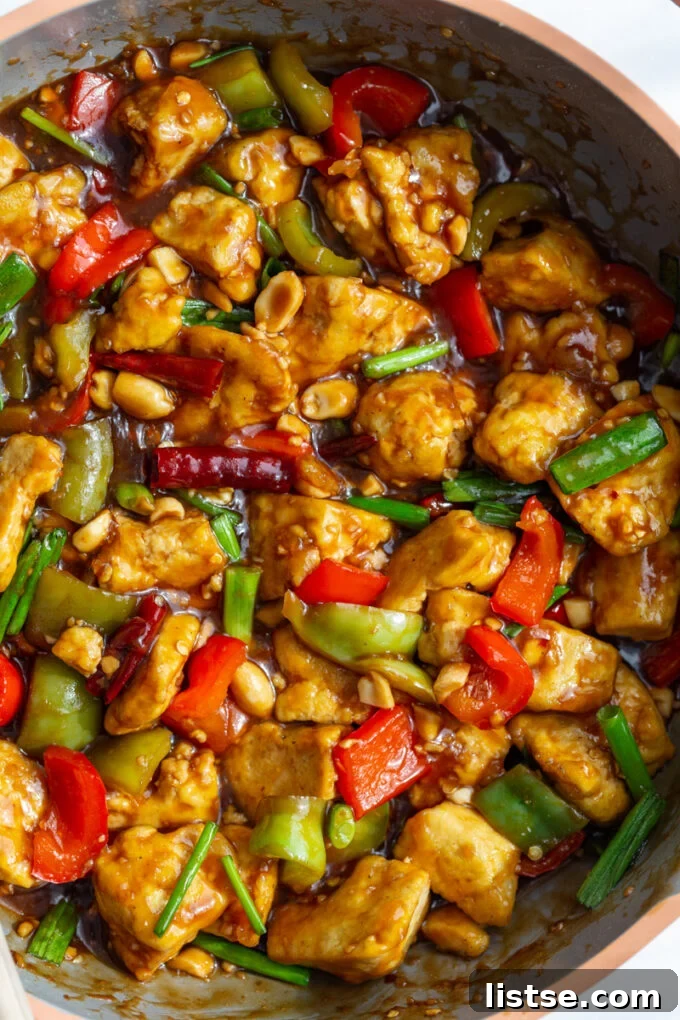
For years, Kung Pao Chicken held a special place on my takeout order list. I adored the intricate balance of tender protein, crisp vegetables, and that signature spicy, umami-rich sauce. As I transitioned to a more plant-forward diet, I became determined to recreate this culinary masterpiece in a vegan format. The result? This Kung Pao Tofu, a dish that captures every bit of the original’s charm while introducing the wonderful texture and versatility of tofu.
Bringing favorite Chinese-style dishes into my home kitchen is a passion, and this Kung Pao Tofu joins a growing list of successful remakes, including Vegetable Chow Mein and Orange Tofu. This recipe stands out not only for its incredible taste but also for its simplicity, making it an ideal weeknight dinner. Served over a bed of fluffy steamed rice, it’s a complete and utterly delightful meal that your whole family will love.
Understanding Kung Pao: A Culinary Journey from Sichuan
Kung Pao is much more than just a stir-fry; it’s a celebrated dish with roots deeply embedded in Sichuanese cuisine, one of China’s most renowned culinary traditions. Traditionally, Kung Pao, or Gong Bao chicken (宮保雞丁), features diced chicken, peanuts, and dried chili peppers. The dish is characterized by its distinctive “mala” (麻辣) flavor profile – a tantalizing combination of numbing (ma 麻) and spicy (la 辣) sensations, largely attributed to Sichuan peppercorns and dried chilies. While Sichuan peppercorns are sometimes omitted in Western versions, the essence of a spicy, savory, and slightly sweet stir-fry remains. Originating in the Sichuan province of China, the dish is named after Ding Baozhen (定寶楨), a late Qing Dynasty official and governor of Sichuan, whose title was Gongbao (宮保), meaning “palace guardian.” Today, variations of Kung Pao can be found in Chinese restaurants worldwide, a testament to its widespread appeal. This recipe allows you to bring that global flavor experience right into your kitchen, with complete control over the heat level to suit your palate.
Crafting the Perfect Vegan Kung Pao Tofu
Transforming a classic like Kung Pao Chicken into a fully plant-based, vegan masterpiece requires a thoughtful approach to ingredients and textures. Our star player here is tofu, replacing the traditional chicken while maintaining the satisfying heartiness of the dish. Don’t worry, we’re not sacrificing any of that iconic Kung Pao flavor! This recipe meticulously reconstructs the classic sauce, ensuring every spoonful delivers the familiar, irresistible taste you know and love.
While this recipe focuses on tofu, you could theoretically adapt the sauce for chicken or other proteins. However, the true magic happens when firm or extra-firm tofu is prepared correctly. By coating the tofu in cornstarch, we achieve a beautiful, slightly crispy exterior without the need for deep-frying in excessive oil. This method creates a textural contrast that perfectly complements the rich, sticky sauce, making each bite an explosion of flavor and sensation. You’ll be amazed at how quickly this delectable dish comes together, often in just about 40 minutes – making it a faster and fresher alternative to waiting for takeout!
Essential Ingredients for Authentic Kung Pao Tofu
The success of any great dish lies in its ingredients. Here’s a detailed look at the key components that bring our Kung Pao Tofu to life, along with tips for best results and potential substitutions:
- Tofu: The foundation of our vegan Kung Pao. Opt for firm or extra-firm tofu. These varieties have less water content, making them ideal for pressing and pan-frying. They hold their shape beautifully and develop a fantastic texture, mimicking the satisfying bite of chicken.
- Cornstarch: A dual-purpose ingredient. It’s essential for coating the tofu, creating a wonderfully crisp, golden-brown crust when cooked. Additionally, cornstarch acts as a thickening agent for the sauce, giving it that luxurious, clingy consistency characteristic of Kung Pao.
- Soy Sauce: Provides the fundamental salty, umami depth that is crucial to Chinese cuisine. If you’re looking to make this recipe gluten-free, simply substitute with tamari.
- Chinese Black Vinegar: This unique vinegar offers a complex profile – slightly sweet, tangy, and deeply aromatic, adding a crucial layer of acidity and authentic flavor to the sauce. If unavailable, balsamic vinegar can serve as a suitable, though slightly different, substitute.
- Chinese Shaoxing Wine: A cornerstone of Chinese cooking, Shaoxing wine imparts a distinct vinegary, spicy, and caramel-like flavor, enriching the sauce considerably. A dry sherry can be used as an alternative if Shaoxing wine is difficult to find.
- Hoisin Sauce: Known for its savory, sweet, and tangy notes, hoisin sauce adds a glossy richness and a wonderful depth of flavor to the Kung Pao sauce, making it incredibly well-rounded.
- Sugar: A small amount of sugar balances the savory and spicy elements, enhancing the overall flavor profile of the sauce. Maple syrup is an excellent natural sweetener alternative.
- Toasted Sesame Oil: Used towards the end of cooking or as a finishing touch, toasted sesame oil delivers an irresistible nutty aroma and flavor, elevating the dish with its distinctive fragrance.
- Aromatics (Garlic + Ginger): Freshly minced garlic and grated ginger are non-negotiable for their pungent, aromatic foundations. They create a fragrant base that awakens the entire dish.
- Vibrant Vegetables: Classic Kung Pao often features bell peppers, adding color, sweetness, and a pleasant crunch. Green onions are also integral, offering a fresh, mild oniony bite.
- Red Pepper Flakes: An optional but recommended addition for those who love an extra kick of heat. It allows for fine-tuning the spice level to your preference.
- Dried Chilies: These are the hallmark of Kung Pao’s signature heat. Look for them in the international aisle of your grocery store. For less heat, you can remove the seeds or reduce the quantity. They also provide a beautiful visual element to the dish.
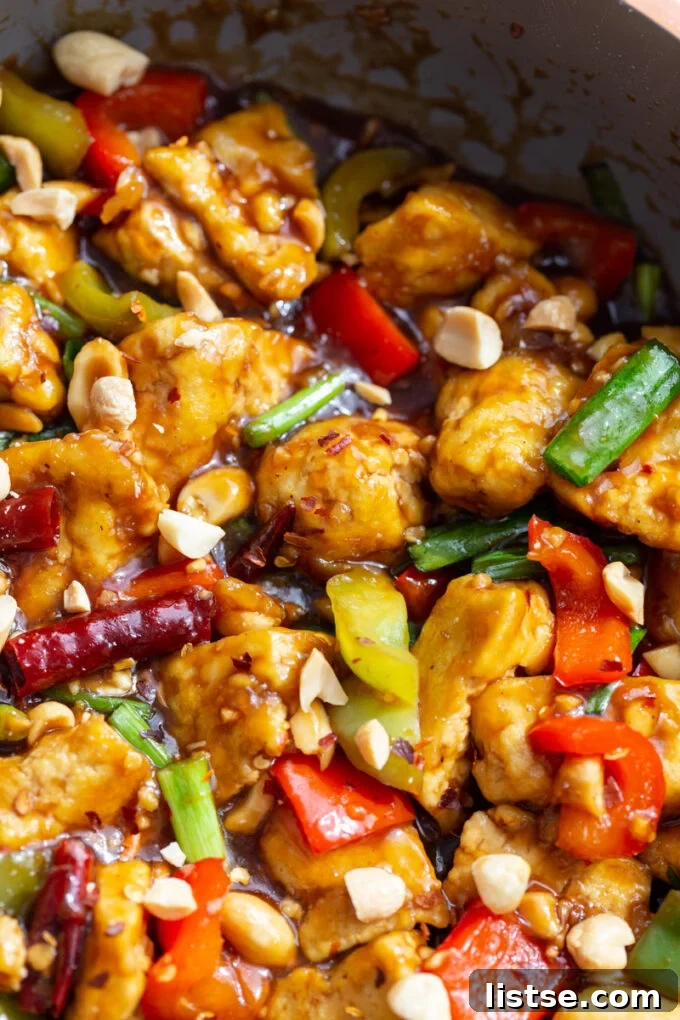
- Peanuts: A signature ingredient, roasted peanuts contribute a delightful crunch and a salty, earthy flavor that beautifully contrasts with the soft tofu and vegetables. Roasted cashews are a great substitute, or you can omit them entirely if you have a nut allergy.
Step-by-Step Guide to Making Kung Pao Tofu at Home
Creating this flavorful Kung Pao Tofu at home is surprisingly straightforward and significantly faster than ordering takeout. Follow these detailed steps for a delicious meal, and remember to reference the full, printable recipe card at the bottom of the post for precise measurements and further details.
- Prepare and Cook the Tofu: The first step is crucial for achieving that desirable crispy tofu texture. Begin by pressing the liquid out of your firm or extra-firm tofu. This step removes excess moisture, allowing the tofu to absorb flavors better and crisp up more effectively. If you’re new to pressing tofu, you can find a comprehensive guide HERE for both methods with and without a tofu press. Once pressed, resist the urge to cut the tofu into perfect cubes. Instead, tear it into large, irregular bite-sized chunks. This creates more rough edges and crevices, which are fantastic for clinging onto the sauce and developing a meatier texture. Aim for pieces roughly an inch long, varying slightly in size. Place the torn tofu in a large bowl, then sprinkle it generously with cornstarch, a good pinch of fine sea salt, and freshly cracked black pepper. Toss gently to ensure all the tofu chunks are evenly coated. Heat one tablespoon of oil in a large non-stick skillet over medium heat until shimmering. Add the coated tofu and cook for approximately 10 minutes, stirring and tossing frequently, until the tofu is beautifully browned and crispy on all sides. Once cooked, remove the tofu from the skillet and set it aside.
- Whisk Together the Kung Pao Sauce: While your tofu is crisping up, prepare the star of the dish – the savory Kung Pao sauce. In a medium bowl, combine the vegetable broth, soy sauce (or tamari), Chinese black vinegar (or balsamic), Chinese Shaoxing wine (or dry sherry), hoisin sauce, sugar (or maple syrup), and cornstarch. Whisk all the ingredients together vigorously until they are well combined and the cornstarch has dissolved, ensuring a smooth, lump-free sauce. Set this flavorful mixture aside, ready to be added to the stir-fry.
- Stir-Fry the Aromatics and Vegetables: Using the same skillet from the tofu (no need to clean it, those browned bits add flavor!), add two tablespoons of cooking oil (toasted sesame oil works wonderfully here for extra aroma) and place it back over medium heat. Once the oil is hot, add the minced garlic, freshly grated ginger, diced bell peppers (both red and green), dried chilies (with seeds removed for less heat, if preferred), and a pinch of red pepper flakes (if using). Stir-fry these aromatics and vegetables for about 3 minutes, or until the bell peppers are slightly softened but still retain a bit of their crunch and the aromatics are fragrant.
- Combine and Thicken the Dish: Pour the whisked Kung Pao sauce into the skillet with the stir-fried vegetables. Bring the mixture to a gentle simmer, stirring constantly. As the sauce heats, the cornstarch will begin to thicken it, creating that signature glossy consistency. Once the sauce has thickened to your liking, return the cooked tofu chunks to the skillet. Add the cut green onions and roasted peanuts. Stir everything together thoroughly, ensuring all the tofu and vegetables are beautifully coated in the rich, spicy sauce. Continue to cook for about 2 additional minutes, allowing the flavors to meld and the tofu to absorb the sauce.
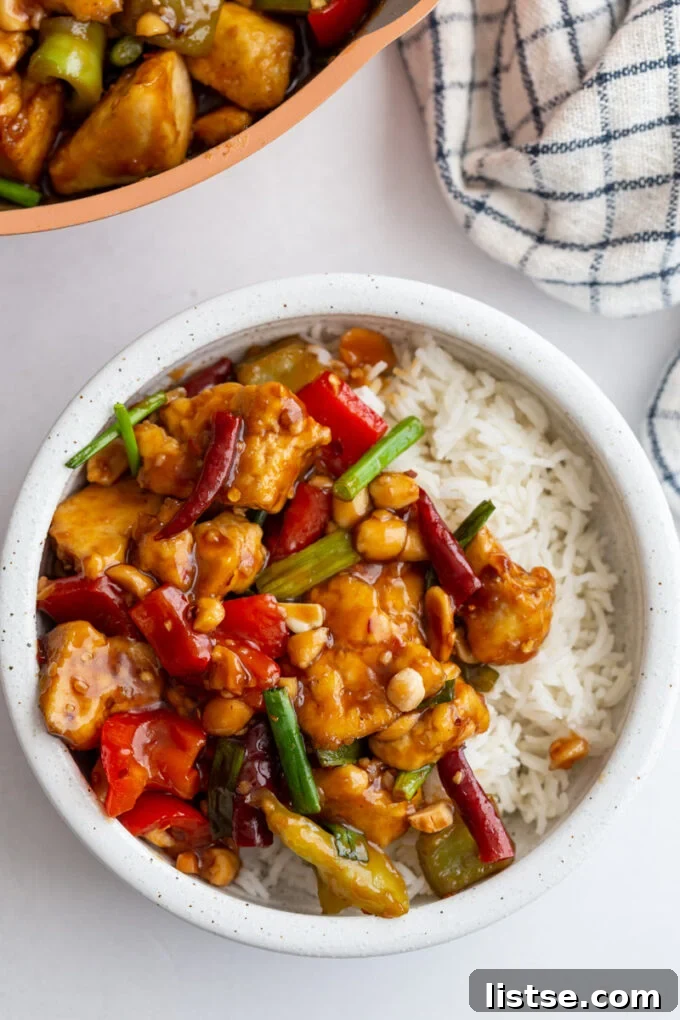
- Serve and Savor: Your homemade Kung Pao Tofu is now ready! Transfer generous portions over your favorite grain – steamed white rice, brown rice, or even cauliflower rice for a lower carb option – and ENJOY this incredibly satisfying and flavorful plant-based meal!
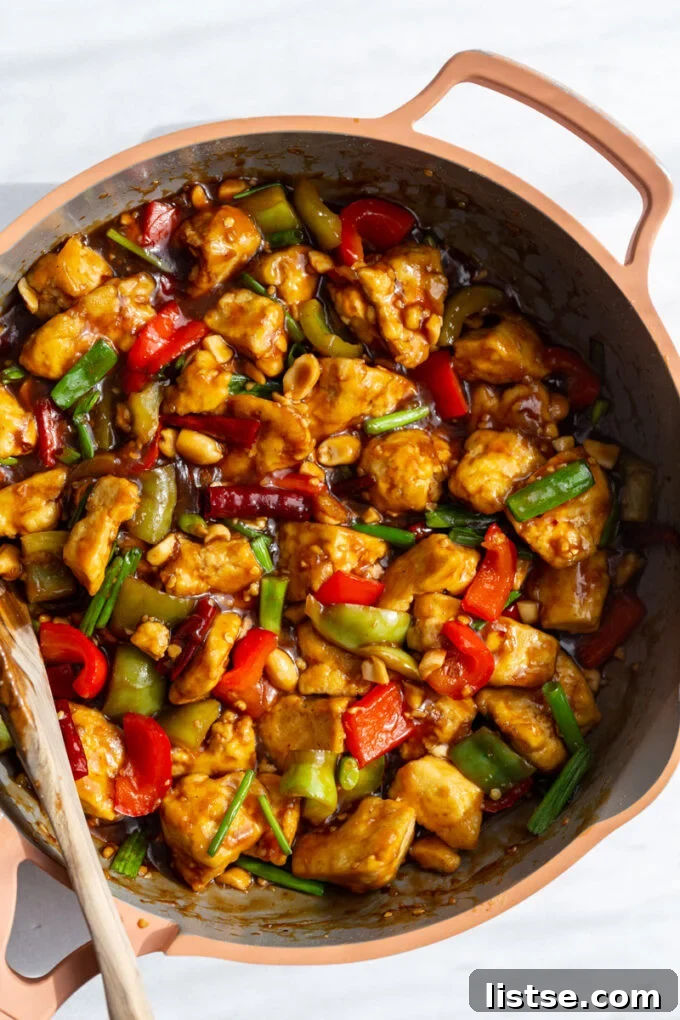
Expert Tips & Variations for Your Kung Pao Tofu
To ensure your Kung Pao Tofu is nothing short of spectacular, consider these additional tips and creative suggestions:
- Mastering Tofu Texture: The method of tearing, rather than slicing, tofu is a game-changer for this recipe. When you tear tofu into large, irregular bite-sized pieces, it creates numerous rough edges and pockets. These rough surfaces are perfect for grabbing and holding onto the savory Kung Pao sauce, resulting in a deeper flavor penetration and a more satisfying, “meatier” texture that closely resembles chicken. This technique also helps the tofu get crispier during pan-frying. For a visual demonstration, consider watching a video tutorial on tearing tofu – it’s truly my favorite way to prepare it!
- Gluten-Free Adaptation: Making this Kung Pao Tofu gluten-free is simple. The primary adjustment is to replace traditional soy sauce with gluten-free tamari. Ensure that any other sauces, such as hoisin, are also certified gluten-free, as some brands may contain wheat.
- Controlling the Spiciness: Traditional Kung Pao is known for its bold, spicy kick. However, you have full control over the heat level in this homemade version. If you prefer a milder dish, start by using fewer dried chilies. For a moderate heat, you can remove the seeds from the dried chilies, as the seeds contain most of the capsaicin (the compound responsible for heat). For a very mild version, you can omit the dried chilies altogether, though you’ll miss a bit of the authentic flavor profile. A pinch of red pepper flakes can also be adjusted to taste.
- Experimenting with Vegetables: While bell peppers are a classic choice for Kung Pao, feel free to personalize your stir-fry with other favorite vegetables. Broccoli florets, thinly sliced carrots, crisp snow peas, or even baby corn can add wonderful color, texture, and nutrients. Just remember to add harder vegetables like broccoli and carrots earlier in the stir-frying process to ensure they cook through.
- Oil Choice: While any neutral cooking oil works, using toasted sesame oil for part of the stir-fry adds an incredible depth of nutty aroma and flavor that really enhances the dish.
- Marinade for Extra Flavor: For an even deeper flavor, especially if you have extra time, consider marinating the pressed and torn tofu in a portion of the prepared Kung Pao sauce (before adding cornstarch for thickening) for 30 minutes to an hour. Just ensure you reserve enough sauce for the stir-fry step!
Perfect Pairings: What to Serve With Kung Pao Tofu
Kung Pao Tofu is a remarkably versatile dish that pairs beautifully with a variety of sides, creating a complete and satisfying meal:
- Steamed Rice: This is the most traditional and popular accompaniment. A bed of fluffy white rice perfectly soaks up the rich Kung Pao sauce. Brown rice offers a nutty flavor and added fiber.
- Cauliflower Rice: For a lower-carb or grain-free option, cauliflower rice is an excellent choice. Its neutral flavor allows the bold tastes of the Kung Pao Tofu to shine, and it effectively absorbs the sauce.
- Noodles: If you’re a noodle lover, serve your Kung Pao Tofu over a bowl of stir-fried noodles, lo mein, or even rice noodles for a different textural experience.
- Steamed Broccoli: A simple side of steamed broccoli adds a fresh, green element and extra nutrients. Its mild flavor complements the spicy, savory tofu wonderfully.
- Additional Stir-Fry Veggies: Boost your meal’s vegetable content by serving the Kung Pao Tofu alongside a separate dish of lightly stir-fried mixed vegetables like snap peas, carrots, and bok choy.
- Spring Rolls or Dumplings: For a more elaborate meal, consider serving with homemade or store-bought vegan spring rolls or vegetable dumplings as an appetizer.
Make-Ahead and Storage Solutions for Kung Pao Tofu
One of the many benefits of this Kung Pao Tofu recipe is how well it adapts to meal prepping and future enjoyment. Here’s how to best manage your make-ahead and storage needs:
- Make-Ahead Versatility: Kung Pao Tofu is an ideal candidate for meal prepping. Its flavors tend to meld and deepen overnight, often tasting even better the next day. This makes it perfect for packing into daily lunches or preparing in advance for a quick weeknight dinner. You can also partially prep components: press and tear the tofu a day or two in advance, and whisk together the sauce ingredients to have them ready to go when you’re ready to cook.
- Storing Leftovers: Any leftover Kung Pao Tofu stores exceptionally well. Simply transfer cooled leftovers into an airtight container and refrigerate promptly. It will maintain its freshness and deliciousness for approximately 4 to 5 days, making it a fantastic grab-and-go option.
- Reheating Instructions: When it’s time to enjoy your leftovers, you have a couple of options for reheating. For the best texture and flavor, especially maintaining the crispness of the tofu, reheat the dish in a pot or skillet on the stovetop over medium heat, stirring occasionally until warmed through. If you’re short on time, the microwave is also a viable option; simply heat in short intervals, stirring between each, until piping hot.
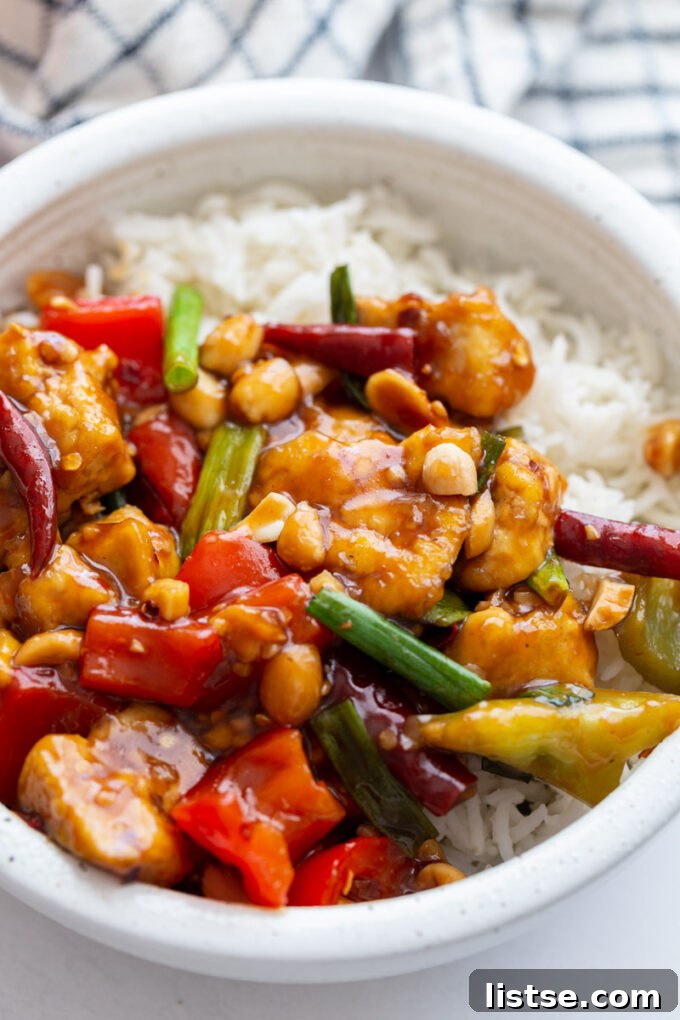
Discover More Delightful Tofu Recipes:
If you’ve fallen in love with this Kung Pao Tofu, we invite you to explore more exciting and easy tofu recipes that promise to tantalize your taste buds. Tofu is an incredibly versatile ingredient, capable of transforming into countless delicious meals:
- A Collection of the BEST Tofu Recipes!
- Creamy Tofu Coconut Curry
- Flavorful Tofu Satay Skewers
- Wholesome Sesame Tofu Bowls
- Quick Pan-Fried Tofu with Tahini Sauce
- Achieve Perfect Crispy Baked Tofu
- Delightful Cashew Tofu Stir Fry
- Simple and Delicious Tofu Kebabs
- Mastering Grilled Tofu
We absolutely love hearing from you! If you prepare this Kung Pao Tofu recipe, please share your experience. Come back here to leave a comment and let us know how you liked it, or tag us on Instagram (@foodwithfeeling) and use the hashtag #foodwithfeeling. Your feedback and creations inspire us!
Kung Pao Tofu Recipe
Brita Britnell
20 mins
20 mins
40 mins
This Kung Pao Tofu is a delightful blend of crispy tofu, vibrant bell peppers, spicy chilies, fresh green onions, and crunchy peanuts, all coated in a rich, savory, and perfectly balanced sauce. It’s a vegan remake of the classic takeout dish that’s easy to make and often even more delicious than the restaurant version!
Ingredients
For the Tofu:
- 14–16 oz block of firm or extra-firm tofu
- 2 tablespoons cornstarch
- Salt and pepper to taste
- 1 tablespoon oil (for cooking tofu)
For the Sauce:
- ½ cup veggie broth
- ⅓ cup soy sauce (or gluten-free tamari)
- 2 tablespoons Chinese black vinegar (or balsamic vinegar)
- 2 tablespoons Chinese Shaoxing wine (or dry sherry)
- 2 teaspoons hoisin sauce
- 2 tablespoons sugar (can sub with maple syrup)
- 2 teaspoons cornstarch
Other Ingredients:
- 2 tablespoons cooking oil (such as toasted sesame oil or neutral oil)
- 4 cloves garlic, minced
- 1 tablespoon freshly grated ginger
- ½ red bell pepper, diced
- ½ green bell pepper, diced
- Pinch red pepper flakes (optional, to taste)
- 10 dried chilies, cut into ½-inch pieces (remove seeds for less heat, adjust quantity as desired)
- 4 green onions, cut into 1-inch pieces
- ½ cup roasted peanuts (can sub with cashews or omit for nut allergy)
Instructions
-
Prepare the tofu by pressing out as much liquid as possible. This step is key for crispier tofu. For a detailed guide on pressing tofu, refer to this resource. Once pressed, tear the tofu into large, irregular bite-sized chunks. Aim for pieces roughly an inch long, varying in size slightly. These rough edges are excellent for holding flavor and improving texture.
-
Place the torn tofu chunks in a large bowl. Sprinkle with cornstarch, a good pinch of fine sea salt, and freshly cracked black pepper. Toss gently to ensure the tofu is mostly covered in the coating.
-
Heat 1 tablespoon of oil in a large non-stick skillet over medium heat. Once hot, add the coated tofu and cook for approximately 10 minutes, tossing frequently, until it is browned and crispy on all sides. Remove the cooked tofu from the skillet and set aside.
-
While the tofu is cooking, prepare the sauce. In a medium bowl, whisk together the veggie broth, soy sauce, Chinese black vinegar, Chinese Shaoxing wine, hoisin sauce, sugar, and cornstarch until thoroughly combined and smooth. Set aside.
-
In the same skillet used for the tofu, add the remaining 2 tablespoons of cooking oil and place over medium heat. Once hot, add the minced garlic, grated ginger, diced bell peppers, dried chilies, and red pepper flakes (if using). Stir-fry for 3 minutes until the vegetables are slightly tender-crisp and the aromatics are fragrant.
-
Pour the prepared sauce into the skillet with the vegetables. Bring to a simmer, stirring continuously. As it simmers, the sauce will begin to thicken. Once it reaches your desired consistency, add the cooked tofu back into the skillet along with the green onions and roasted peanuts. Stir to coat everything thoroughly in the sauce, cooking for about 2 additional minutes to allow flavors to meld.
-
Serve your delicious Kung Pao Tofu hot over your favorite grain and ENJOY!
Notes
This dish reheats exceptionally well and is fantastic for meal prep! Store any leftovers in the fridge in an airtight container for up to 4 to 5 days. Reheating in a skillet on the stovetop will yield the best results for maintaining tofu texture.
For an intensified flavor, especially if you have extra time, you can marinate the pressed and torn tofu chunks in about half of the prepared sauce (before adding cornstarch) for 30-60 minutes before coating with cornstarch. Ensure you save the remaining sauce for the stir-frying step.