
Spoil Your Furry Friend: A Guide to Delicious & Healthy Homemade Dog Meals (Fish Cakes Recipe)
As pet parents, we constantly seek ways to show our beloved companions how much we care. Beyond daily walks and endless cuddles, providing them with nourishing, delicious meals is a profound expression of love. While commercial dog foods offer convenience, there’s a unique joy and satisfaction in preparing a homemade feast, especially for those special occasions. This article will guide you through creating a delightful and healthy “Fish Cakes” recipe, perfect for celebrating holidays or simply making an ordinary day extraordinary for your four-legged family members.
The Inspiration: A Christmas Feast for Canine Companions
The idea for this particular culinary adventure began with a simple yet heartwarming declaration from my partner, Stephen. A few weeks before Christmas, he announced his intention to cook a truly special, meaty meal for our dogs. Traditionally, our pups, Lexi and Zorro, receive generous bones and perhaps a new stuffed toy (which inevitably becomes de-stuffed by day’s end) during the holidays. But this year, Stephen envisioned something more: a true feast, a lavish spread befitting their status as cherished family members. And why not? They bring so much joy into our lives, a gourmet meal felt like a fitting tribute.
Coincidentally, around the same time Stephen shared his festive cooking aspirations, my mother-in-law arrived from a visit to Cornwall. She came bearing a treasure trove of torn-out pages from a British “Weekend” magazine, brimming with an array of homemade dog treat and meal recipes. Witnessing this serendipitous alignment of events, I knew it was a sign. It was time to dive into the world of canine cuisine and bring one of these enticing recipes to life for Lexi and Zorro.
Why Choose Homemade Dog Food?
The decision to prepare homemade dog food, even if only for special occasions, comes with numerous benefits. Primarily, it grants you complete control over the ingredients. You can select fresh, wholesome components, ensuring your dog consumes a diet free from artificial preservatives, fillers, and unknown additives often found in commercial pet foods. This control is invaluable, especially for dogs with sensitivities or allergies, as you can meticulously tailor the meal to their specific needs. Moreover, the act of cooking for your dog deepens the bond you share, turning mealtime into a thoughtful gesture of care and affection. It transforms feeding from a routine chore into a loving ritual.
Understanding Dog-Friendly Ingredients: A Nutritional Deep Dive
Before embarking on any homemade dog food journey, thorough research into ingredient safety is paramount. Our dogs’ nutritional needs and digestive systems differ significantly from our own, and many human foods can be toxic or harmful to them. For this “Fish Cakes” recipe, which features fish, vegetables, and eggs, I meticulously verified each component to ensure it was not only safe but also beneficial for canine consumption. It’s always a good practice to consult your veterinarian before introducing new foods into your dog’s diet, especially if they have pre-existing health conditions.
The Power of Protein: Fish (Salmon & Tuna)
Fish, particularly salmon and tuna, are excellent sources of lean protein and essential omega-3 fatty acids, which are crucial for a dog’s coat health, skin vitality, joint function, and even cognitive development. Omega-3s possess anti-inflammatory properties that can alleviate symptoms of arthritis and promote overall well-being. For this recipe, we use canned tuna (in water, not oil) and canned salmon (ensure it’s boneless and skinless, or remove bones carefully). Always serve fish cooked and plain, avoiding any seasonings, sauces, or excessive oils. Raw fish can contain parasites or thiaminase (an enzyme that breaks down thiamine), which is why cooking is essential.
Wholesome Carbohydrates: Potatoes
Cooked potatoes can be a healthy addition to a dog’s diet, providing complex carbohydrates for energy, along with vitamins C and B6, and minerals like potassium. The key is proper preparation: potatoes must always be peeled and thoroughly cooked. Raw potatoes contain solanine, a toxic compound that can be harmful to dogs. Furthermore, avoid any green parts or sprouts on potatoes, as these also contain solanine. Mashed plain, without butter, salt, or other human seasonings, they offer a gentle and digestible energy source.
Nutrient-Rich Greens: Peas
Peas are small but mighty, packed with vitamins (A, B, K), minerals, and fiber. They aid digestion and contribute to overall health. Both fresh and frozen peas (thawed) are suitable for dogs. Avoid canned peas, as they often contain high levels of sodium, which is not good for dogs. Always serve them plain, without butter or seasonings.
The Incredible Egg: Hard-Boiled Eggs
Eggs are a nutritional powerhouse for dogs, offering a complete protein profile with all essential amino acids, along with vitamins (A, D, E, B vitamins) and minerals (iron, selenium). They support muscle growth, strengthen immunity, and contribute to healthy skin and coat. It is crucial to serve eggs cooked, preferably hard-boiled, to eliminate any risk of salmonella and to allow for better nutrient absorption. Chop them into small, manageable pieces for easy eating.
A Touch of Freshness: Parsley
Parsley, in small amounts, can be a beneficial herb for dogs. It’s known for its breath-freshening properties and contains vitamins K, C, and A, as well as antioxidants. However, moderation is key, especially with curly parsley. Avoid spring parsley, as it can be toxic. For this recipe, a sprinkle of fresh, chopped parsley adds flavor and a nutritional boost without being overpowering.
After carefully researching each ingredient, I was confident that this recipe would be a wonderful, nutrient-dense treat for my dogs. And indeed, they absolutely adored it! While this rich meal won’t be a daily staple, it has certainly earned its place as a cherished tradition for special occasions.
Crafting the Perfect Canine Christmas Feast: Fish Cakes Recipe
Let’s make a puppy feast that’s sure to get tails wagging! This recipe is straightforward, focusing on simple preparation to retain maximum nutrition and flavor for your dogs.
Dog Dinner: Fish Cakes
Recipe Overview
Prep time: 15 mins
Cook time: 5 mins
Total time: 20 mins
Author: Brita Britnell
Ingredients
- 2 large potatoes, peeled and chopped
- 4 ounces of frozen peas
- 1 large can of tuna (~15 ounces), packed in water, drained
- 2 cans of albacore tuna, packed in water, drained (or use 3 large cans total of any dog-safe tuna)
- 2 large eggs, hardboiled and chopped
- Large handful of fresh parsley, chopped and divided
Instructions
- Boil the peeled and chopped potatoes in unsalted water until they are tender enough to be easily mashed. Once cooked, drain them thoroughly, let them cool slightly, and then mash them completely. Do not add any butter, milk, or salt. Mix in about 1/4 of your chopped fresh parsley. The mashed potatoes might appear a bit dry, but avoid adding any liquids or fats.
- Cook the frozen peas according to the package directions, typically by boiling or steaming them until tender. Drain well and let cool.
- In a large mixing bowl, combine the drained tuna (or salmon, if using), the remaining chopped fresh parsley, the chopped hard-boiled eggs, and the cooked peas. Mix these ingredients thoroughly until well combined.
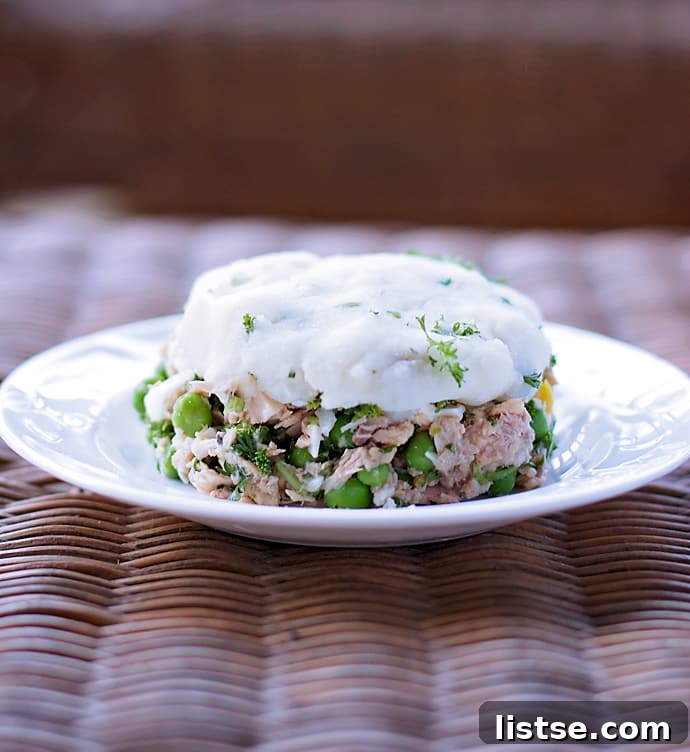
- You have two serving options: you can either mix the mashed potatoes directly into the fish and vegetable mixture, or, for a more appealing presentation, you can serve the potatoes as a topping.
- Form the fish and veggie mixture into patties, sizing them appropriately for your dog. If you chose to layer, top each patty with a dollop of mashed potatoes. Serve immediately and watch your dog enjoy!
- Store any leftovers in an airtight container in the refrigerator for up to 3 days.
The Cooking Process: A Step-by-Step Culinary Adventure
The preparation for this meal is quite simple, making it accessible even for novice dog chefs. First, the potatoes are boiled until tender, then cooled and mashed. This forms the base of the “cake.”
Meanwhile, the peas are cooked, and then all the other ingredients – salmon, tuna, hard-boiled eggs, and fresh parsley – are mixed together in a large bowl. This forms the savory “meat” portion of our fish cakes. The original recipe suggested simply mixing the mashed potatoes into this fish and veggie concoction. However, I decided to be a tad more imaginative with the presentation, aiming for something a little fancier for our special holiday meal.
Using a cookie cutter, I carefully shaped the fish and vegetable mixture into neat, individual patties. This not only made them look more like human-grade food but also ensured consistent portion sizes. After placing these patties onto their plates, I topped each one with a generous dollop of the mashed potatoes.
Stephen and I each took a turn at assembling a plate. I must admit, mine turned out a bit more aesthetically pleasing. However, as any dog owner knows, presentation is entirely secondary to palatability when it comes to canine dining. Our dogs, bless their hearts, couldn’t care less about culinary artistry; as long as it’s edible and delicious, they’re happy!
The Verdict: Happy Pups and Empty Plates
The moment of truth arrived. We presented the fish cakes to Lexi and Zorro, and their reactions were priceless. My initial attempts at capturing their excitement resulted in many blurry photos, a testament to how quickly they devoured their portions and how much I was caught up in their sheer delight.
Lexi, ever the enthusiastic eater, dove right in without a moment’s hesitation. Zorro, on the other hand, displayed his characteristic skepticism. For five years, he had been rigorously trained to avoid food on tables or plates. His expression seemed to ask, “Is this some kind of trick? Am I actually allowed to eat this?” He cautiously observed Lexi for a minute, seemingly waiting for her approval or perhaps just verifying that she wasn’t getting into trouble, before finally deciding it was indeed safe to partake.
No sooner had Zorro committed to his meal than Lexi, with her typical cheeky charm, attempted to creep over and sneak a bite from his plate. Zorro, however, was not amused by this blatant disregard for personal space and quickly deterred her. This brief interaction perfectly encapsulated their distinct personalities: Lexi, the boisterous and unapologetic food-lover, and Zorro, the more reserved and meticulous eater.
A quick glance at their respective dining areas after the feast further highlighted their differences. Lexi’s plate was surrounded by a scattering of crumbs and bits, a testament to her energetic eating style. Zorro’s area, conversely, was remarkably clean, reflecting his precise and tidy approach to mealtime. Their individual approaches to food are a constant source of amusement for us, offering a delightful glimpse into their unique characters.
Despite their differing styles, one thing was clear: together, they cleaned up every last morsel. Not a single fish cake crumb remained!
Overall, the fish cakes were a resounding success. We ended up with quite a bit of leftovers, which allowed us to treat them to a couple more of these special meals over the following days, much to their delight.
Tips for Serving and Storage
When serving homemade dog food, always ensure it is at a safe, lukewarm temperature – never too hot or too cold. Portion sizes should be adjusted based on your dog’s size, activity level, and dietary needs. If you have leftovers, store them in an airtight container in the refrigerator for up to 3 days. For longer storage, you can freeze individual portions, which can then be thawed and gently reheated when ready to serve.
Beyond the Fish Cakes: Exploring Other Homemade Meal Ideas
This fish cakes recipe is just one example of the many healthy and delicious homemade meals you can prepare for your dog. The world of DIY dog food is vast and offers endless possibilities to cater to your pet’s preferences and nutritional requirements. Consider these ideas:
- Chicken & Rice: A classic for sensitive stomachs, often recommended by vets. Boil plain chicken (shredded) with white rice.
- Pumpkin & Sweet Potato Mash: Excellent for digestion, packed with fiber and vitamins. Steam or boil these vegetables and mash them.
- Beef & Veggie Stew: Lean ground beef cooked with a medley of dog-safe vegetables like carrots, green beans, and zucchini.
- Oatmeal with Fruit: Plain cooked oatmeal (without sugar or flavorings) can be mixed with small amounts of dog-safe fruits like blueberries or apples (no seeds).
Remember, the core principle is always moderation, balance, and using only dog-safe ingredients. Avoid onions, garlic, grapes, raisins, chocolate, artificial sweeteners (especially xylitol), and heavily seasoned foods.
Conclusion: The Joy of Cooking for Your Canine
Preparing a homemade meal like these fish cakes for your dogs is more than just feeding them; it’s an act of love that nourishes their bodies and strengthens your bond. Seeing their eager faces and wagging tails as they enjoy a meal you’ve carefully crafted is an incredibly rewarding experience. It provides peace of mind, knowing exactly what’s going into their bowls, and offers a wonderful opportunity to spoil your best friends in a healthy and meaningful way. Whether it’s for a special occasion like Christmas or just to add a little extra sparkle to their week, I highly recommend giving this (or another vet-approved) homemade dog food recipe a try. Your furry family members will undoubtedly thank you with endless tail wags and loving licks!

Tried this recipe?
Mention @foodwithfeeling or tag #foodwithfeeling!