
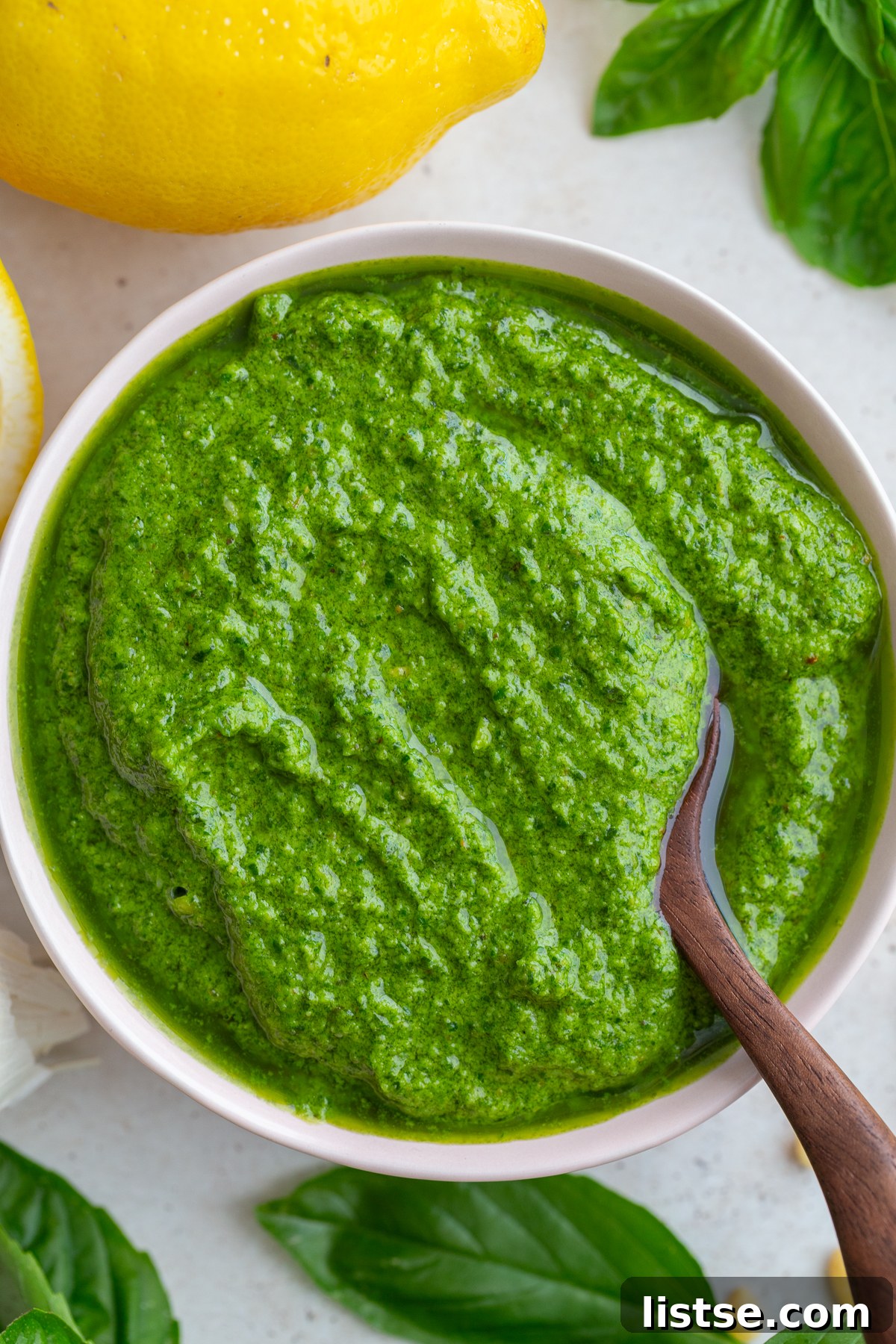
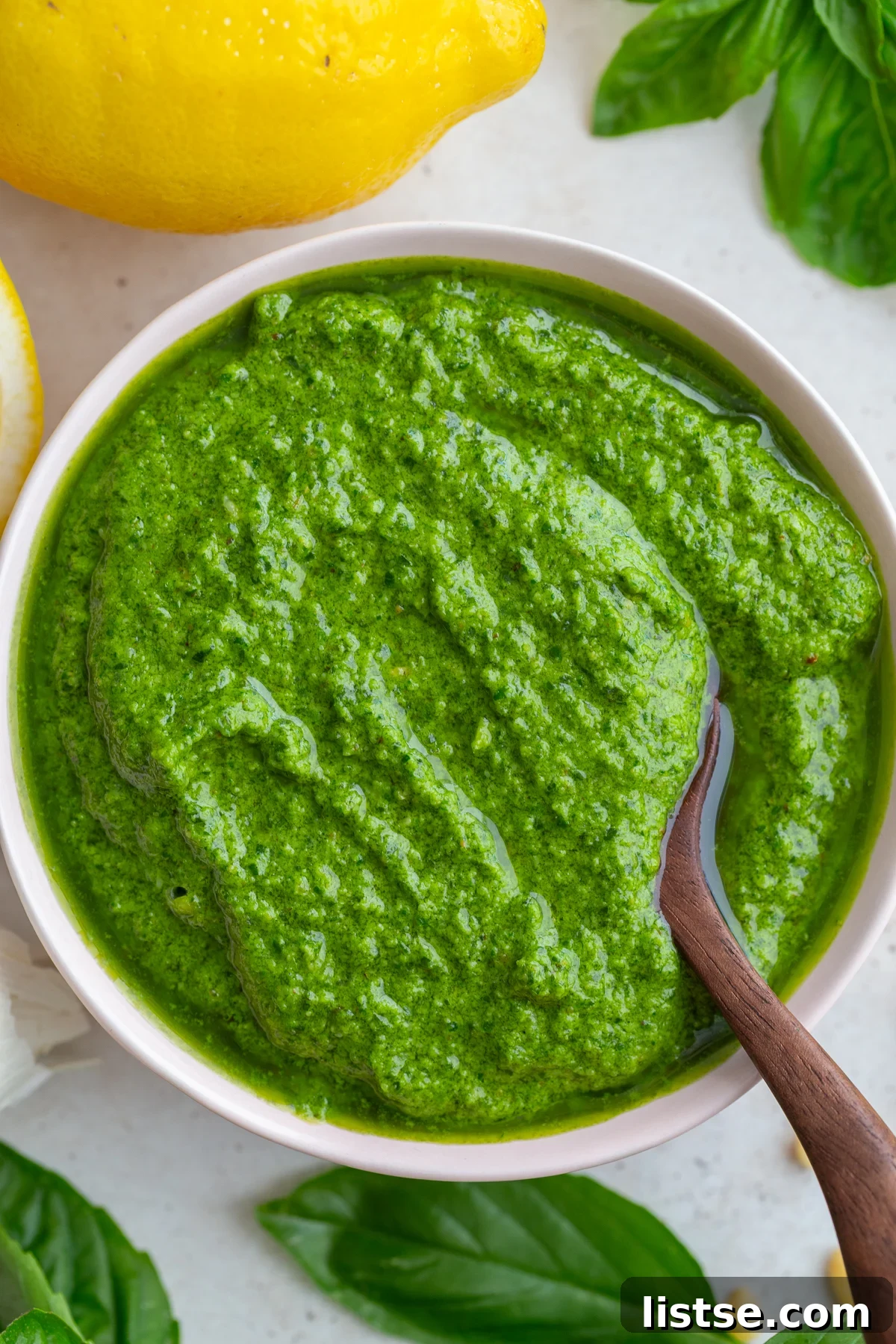
Welcome to the ultimate guide for crafting the most vibrant and flavorful **Homemade Pesto Recipe** right in your kitchen! Forget the bland, store-bought jars; this quick and easy recipe transforms fresh basil into a rich, aromatic sauce in under 10 minutes. Whether you’re looking to utilize a bountiful basil harvest from your garden or simply crave the authentic taste of Italian sunshine, this pesto is your answer. It’s not just a sauce; it’s a versatile flavor enhancer that conveniently freezes, ensuring you always have a touch of gourmet on hand.
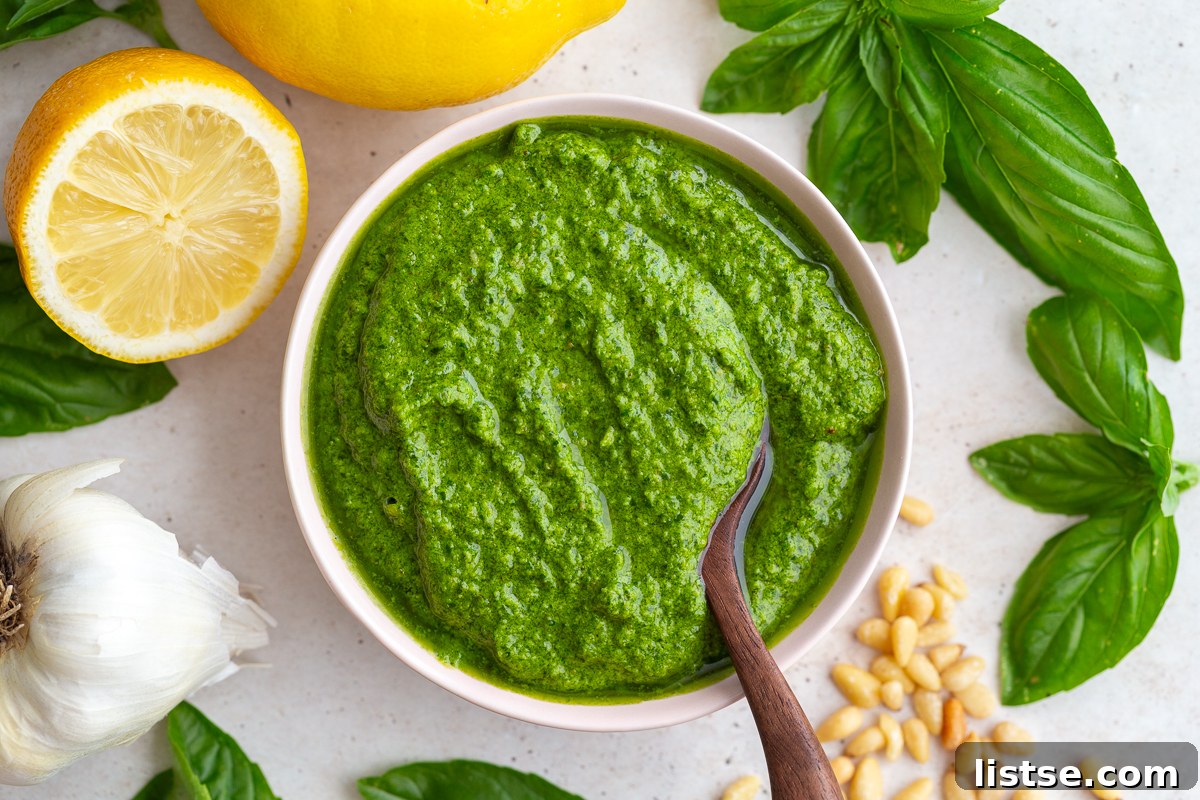
Why Homemade Basil Pesto Reigns Supreme!

For over 15 years, crafting traditional Italian pesto has been a culinary passion of mine. The difference between a freshly made batch and anything you can buy at the store is simply incomparable. Once you taste the vibrant, herbaceous notes of homemade pesto, you’ll understand why it’s a staple in kitchens around the world. It’s an explosion of fresh flavors, completely free from the preservatives and artificial additives often found in commercial versions.
Discover the Irresistible Charms of This Pesto Recipe:
- Unbelievably Quick & Effortless: From start to finish, this aromatic sauce comes together in a mere 10 minutes, making it perfect for busy weeknights or impromptu gatherings.
- Remarkably Versatile: Pesto is more than just a pasta sauce. Swirl it into a hearty soup, spread it generously on sandwiches and wraps, drizzle it over roasted vegetables or grilled chicken, or elevate your favorite pasta dishes, pizzas, and bruschetta. The culinary possibilities are endless!
- Superior to Store-Bought: Our homemade pesto boasts a bright, fresh taste and silky texture, completely free from unwanted preservatives, fillers, or artificial colors. You control every ingredient that goes into it, ensuring peak flavor and quality.
- Easily Customizable for All Diets: Adapt this recipe to suit various dietary needs. Make it vegan or dairy-free by swapping Parmesan for nutritional yeast, or create a nut-free version using sunflower or pumpkin seeds. You can even boost its nutritional value by incorporating extra greens like spinach or kale.
- Effortlessly Freezer-Friendly: Prepare a larger batch and freeze portions for future use. This allows you to capture the peak freshness of basil season and enjoy instant flavor boosts for months to come, saving time and money.
In this post…
- The Essential Ingredients for Authentic Pesto
- Step-by-Step: How to Make the Best Homemade Pesto
- Pesto Perfection: Expert Tips and Tricks
- Storing Your Freshly Made Pesto
- Frequently Asked Questions About Pesto
- Watch the Video
- Homemade Basil Pesto Recipe
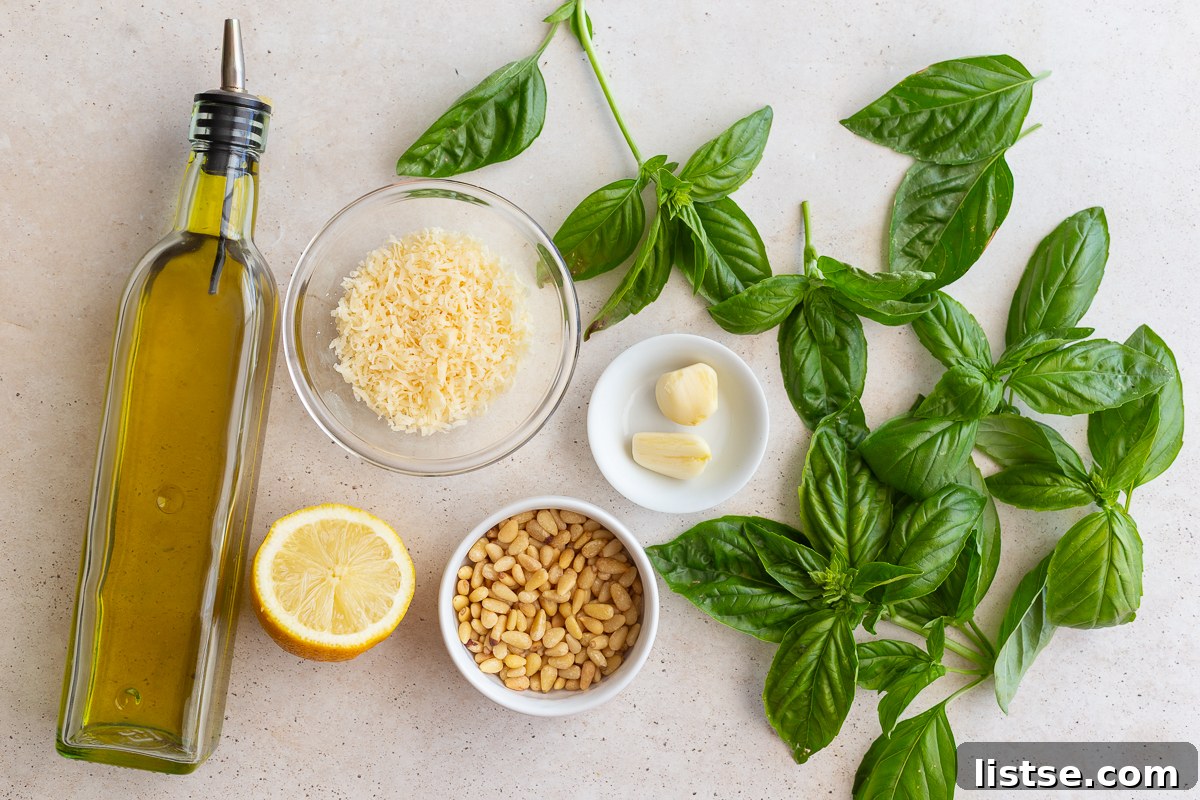
The Essential Ingredients for Authentic Pesto
Creating truly spectacular pesto starts with understanding the role each ingredient plays. While the list is simple, the quality and freshness of each component are paramount to achieving that vibrant, unforgettable flavor profile.
- Fresh Basil: The star of the show! Sweet basil, with its delicate, aromatic leaves, is the traditional choice. Look for bright green, unblemished leaves. If you’re running low or want to experiment, you can stretch your basil by adding a handful of fresh spinach, kale, or parsley. These greens can add different nuances and a nutritional boost without overpowering the classic basil flavor.
- Pine Nuts: These small, buttery nuts provide a foundational richness and a subtle crunch. Toasting them gently in a dry pan or oven before blending is a game-changer; it deepens their nutty flavor significantly, elevating the entire pesto. For a more budget-friendly option or to avoid allergens, walnuts, cashews, almonds, or even sunflower seeds (for a nut-free version) make excellent substitutes, each offering a unique flavor.
- Parmesan Cheese: Freshly grated Parmesan (Parmigiano-Reggiano) is non-negotiable for the best results. Its salty, umami-rich flavor is crucial for balance. Pre-grated cheeses often contain anti-caking agents that can affect the texture. For a sharper, saltier kick, try Pecorino Romano. If you’re aiming for a dairy-free or vegan pesto, nutritional yeast offers a cheesy, savory alternative.
- Garlic: Fresh garlic cloves give pesto its characteristic pungent, spicy kick. The number of cloves is truly a matter of personal preference—some prefer a subtle hint, while others enjoy a bold, garlicky punch. For a milder, sweeter flavor, try roasting the garlic cloves briefly before adding them. If you’re not a fan, you can even omit it entirely.
- Extra Virgin Olive Oil: As the base of your sauce, a high-quality extra virgin olive oil is essential. Its fruity, peppery notes will shine through in the final product. Skimping on oil quality will directly impact the taste and texture of your pesto. Choose an oil that you enjoy the flavor of on its own.
- Fresh Lemon Juice: A squeeze of fresh lemon juice is not just for brightness; it’s vital for balancing the richness of the oil and nuts, adding a refreshing tang. Furthermore, the acidity in lemon juice helps to preserve the vibrant green color of the basil, preventing oxidation and browning. Always opt for freshly squeezed lemon juice over bottled for superior flavor.
- Salt and Black Pepper: These aren’t just afterthoughts; proper seasoning is key to making all the flavors sing. Start with a pinch and adjust to taste, keeping in mind the saltiness of the Parmesan. Freshly ground black pepper adds a subtle warmth and aroma.
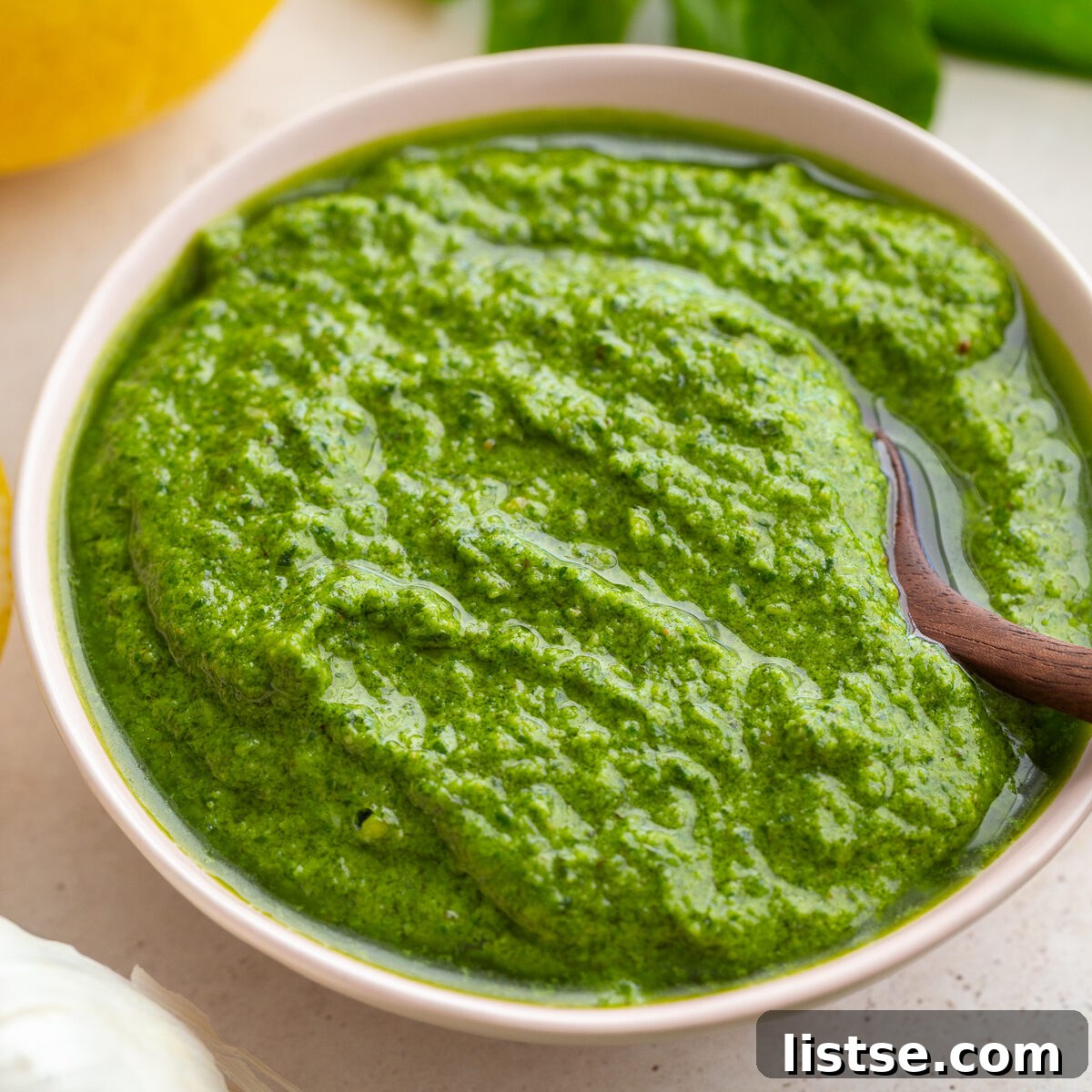
Step-by-Step: How to Make the Best Homemade Pesto
Making a batch of homemade pesto is surprisingly simple, especially with the help of a food processor. The key is to blend the ingredients in stages to achieve the perfect texture and ensure all flavors are harmoniously combined. Follow these steps, and you’ll have a fresh, flavorful sauce ready in about 10 minutes that far surpasses any store-bought alternative.
While the full, detailed recipe is provided below, let’s walk through the essential steps to master your pesto-making journey.
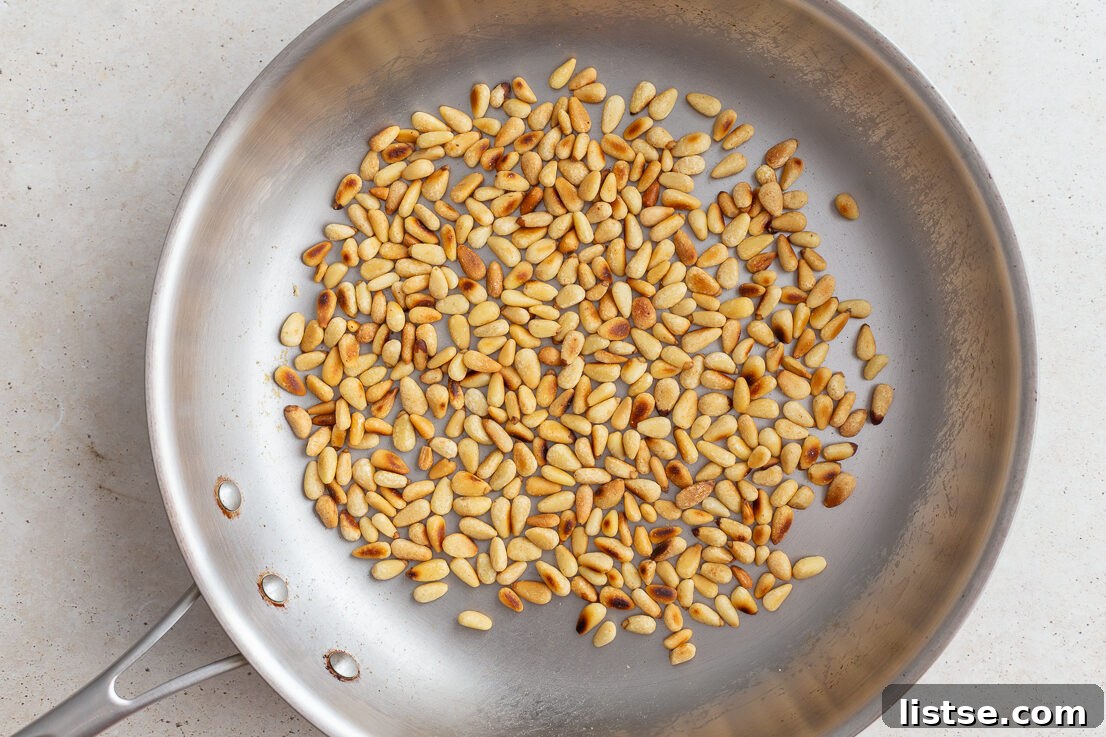
- Gently Toast the Pine Nuts: Begin by toasting your pine nuts in a dry pan over medium heat for a few minutes, or spread them on a baking sheet and toast in a preheated oven at 350°F (175°C) for 5-7 minutes. Watch them closely as they can burn quickly! This step is optional but highly recommended, as it brings out their deepest, most delicious nutty flavor. Allow them to cool slightly before proceeding.
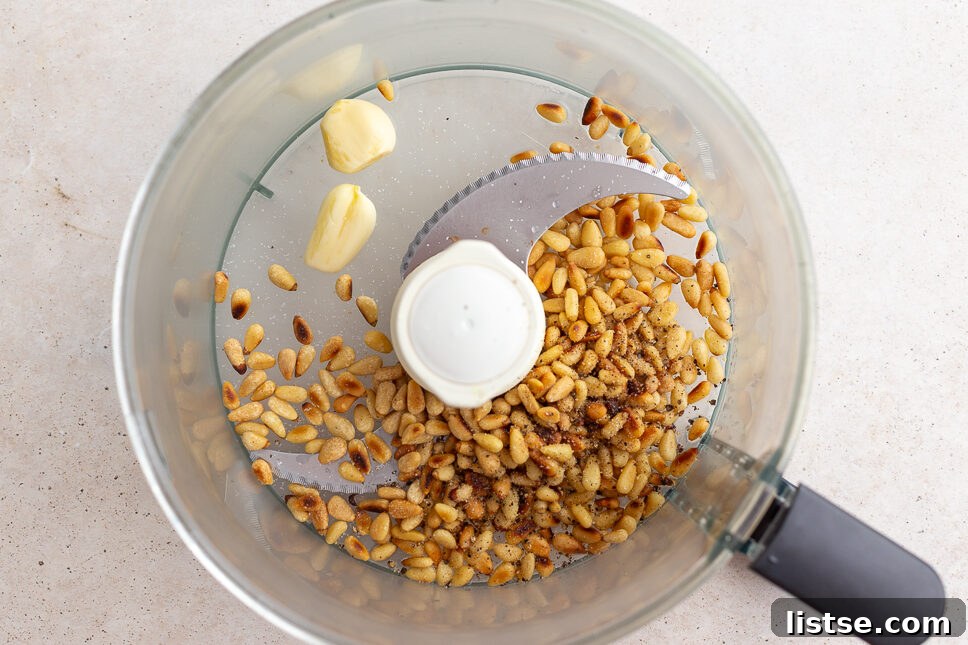
- Create the Garlic-Nut Paste: In the bowl of your food processor, combine the toasted (and cooled) pine nuts, fresh lemon juice, and peeled garlic cloves. Pulse several times until the ingredients are finely chopped and form a coarse paste. This initial blending ensures the nuts and garlic are well incorporated before the basil is added.
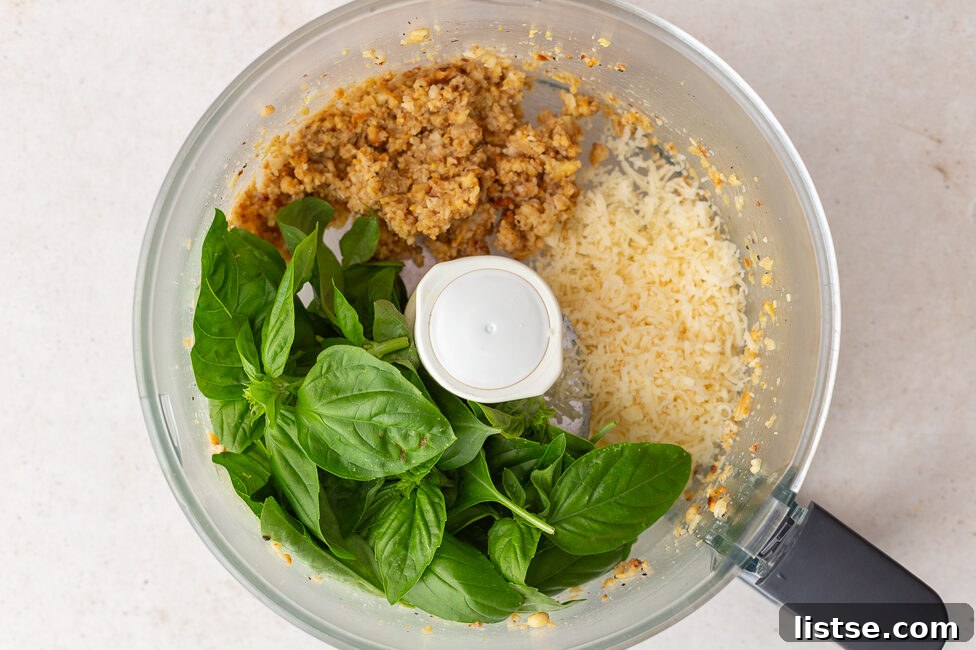
- Add Basil and Parmesan: Now, add the fresh basil leaves and grated Parmesan cheese to the food processor. Pulse again, pausing to scrape down the sides as needed, until the basil is finely chopped and well combined with the nut-garlic mixture. Avoid over-blending at this stage; a slightly coarse texture is desirable.
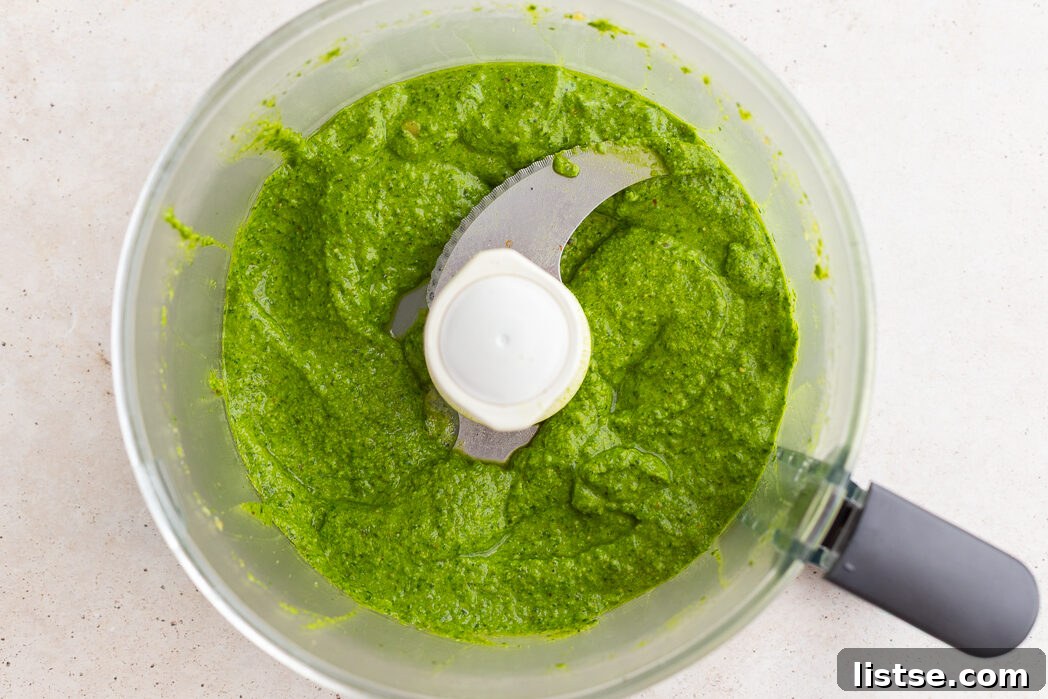
- Slowly Drizzle in Olive Oil: With the food processor running continuously on low speed, slowly drizzle in the extra virgin olive oil through the feed tube. Continue processing until the oil is fully emulsified, and the pesto has a smooth, creamy, yet slightly textured consistency. This slow addition helps create that desired rich and thick sauce. Taste and season with salt and freshly ground black pepper as needed.
Pesto Perfection: Expert Tips and Tricks
Achieving pesto perfection is all about paying attention to a few key details. These expert tips will help you elevate your homemade pesto from good to truly exceptional.
- Don’t Skip Toasting the Nuts: While optional, this small step makes a significant difference. Toasting pine nuts (or any nuts you use) brings out their natural oils and deepens their flavor, adding incredible depth and nuttiness to your pesto. Just be sure to let them cool before blending to avoid cooking the basil prematurely.
- Drizzle Olive Oil Slowly: This is crucial for achieving that silky, emulsified texture. Adding the oil gradually with the food processor running allows it to incorporate properly, preventing a greasy or separated sauce. A steady, thin stream is ideal.
- Harness the Power of Pasta Water: If you’re using your pesto with pasta, reserve a cup of the starchy pasta cooking water. Adding a splash or two of this water to your pesto when tossing it with hot pasta will create an incredibly creamy, clingy sauce that beautifully coats every strand.
- Avoid Over-Blending: Pesto isn’t meant to be a completely smooth puree. A slightly rustic texture, with small pieces of basil and nuts, adds to its authentic charm and mouthfeel. Pulse until just combined; continuous blending can also generate heat, which can dull the basil’s vibrant green color.
- Keep Your Pesto Vibrantly Green: To prevent your pesto from oxidizing and turning brown, a few tricks can help. A generous squeeze of fresh lemon juice is your first line of defense due to its acidity. You can also place a thin layer of olive oil on top of stored pesto, which creates an airtight seal. For an extra vibrant hue, some chefs briefly blanch basil leaves in boiling water for 5-10 seconds, then immediately plunge them into an ice bath before drying thoroughly and blending. This sets the color.
- Dry Your Basil Thoroughly: Any excess water on your basil leaves can dilute the pesto’s flavor and affect its texture, making it more watery. Wash your basil, then thoroughly dry it using a salad spinner or by patting it gently with paper towels before adding it to the food processor.
- Taste and Adjust Seasoning: Always taste your pesto before serving. The saltiness of Parmesan can vary, so add salt and pepper to taste. You might also want a bit more lemon juice for extra brightness or another clove of garlic for more punch.
Storing Your Freshly Made Pesto
One of the best qualities of homemade pesto is how well it stores, allowing you to enjoy its fresh flavors for an extended period. Proper storage techniques are key to maintaining its vibrant color and taste.
- Refrigerator Storage: Transfer your fresh pesto to an airtight container. To prevent oxidation and keep its beautiful green color, pour a thin layer of extra virgin olive oil over the surface of the pesto, creating a protective seal. Stored this way, homemade pesto will remain fresh and delicious for up to 1 week. Stir before serving.
- Freezer Storage: Freezing pesto is a fantastic way to preserve basil’s peak freshness for months. You have several options:
- Ice Cube Trays: Spoon pesto into ice cube trays and freeze until solid. Once frozen, pop out the cubes and transfer them to a freezer-safe bag or container. This method is excellent for portion control, allowing you to thaw just what you need for a single serving.
- Small Jars or Containers: Fill small, freezer-safe jars or containers, leaving about half an inch of headspace at the top to allow for expansion. Top with a thin layer of olive oil.
- Freezer Bags: Spoon pesto into freezer-safe bags, press out all excess air, and flatten them for easy stacking.
Pesto can be frozen for up to 6 months. To thaw, simply transfer it to the refrigerator overnight, or let it sit at room temperature for about 30 minutes for smaller portions.
Frequently Asked Questions About Pesto
Absolutely! Freezing pesto is one of the best ways to preserve its fresh flavor and beautiful color. Simply spoon it into ice cube trays, freeze until solid, then transfer the cubes to a freezer-safe bag or container. This method is perfect for portioning, allowing you to thaw individual cubes as needed for up to 6 months.
Homemade pesto will stay fresh for about 5–7 days when stored in an airtight container in the refrigerator. To help prevent browning and keep it vibrant, press a thin layer of olive oil on top of the pesto before sealing the container. This creates a barrier against air exposure.
Yes, you absolutely can! For a delicious nut-free version, you can either skip the nuts altogether (though this will alter the texture) or substitute them with seeds. Sunflower seeds or pumpkin seeds are excellent choices that provide a similar texture and a lovely flavor without nuts.
While pesto is most traditionally made with pine nuts, it’s very adaptable. You can certainly use any nut or seed you prefer! Almonds, cashews, and walnuts are popular choices that offer distinct flavor profiles and textures. Each will give your pesto a unique character, so feel free to experiment.
To maintain pesto’s vibrant green color, a few steps are essential. First, ensure you add a good squeeze of fresh lemon juice, as its acidity helps prevent oxidation. Second, minimize air exposure during storage by covering the surface with a thin layer of olive oil. For an extra measure, you can briefly blanch basil leaves in boiling water for 5-10 seconds, then immediately transfer them to an ice bath before blending. This sets their chlorophyll, locking in the green hue.
For authentic pesto, fresh basil is a must. Dried basil simply won’t yield the same vibrant flavor, aromatic complexity, or desirable texture. The essence of pesto comes from the fresh, bright notes of raw basil leaves. If you’re low on basil, it’s better to mix in other fresh greens like spinach or parsley rather than using dried basil.
Pesto typically turns brown due to oxidation when exposed to air. The chlorophyll in basil reacts with oxygen, causing it to lose its vibrant green color. To prevent this, ensure your pesto is always covered tightly, preferably with a thin layer of olive oil on top, which acts as a barrier to the air. Adding fresh lemon juice also helps, as its acidity slows down the oxidation process.
Homemade pesto is incredibly versatile! Beyond classic pasta dishes, it’s fantastic as a spread for sandwiches, wraps, or bruschetta. Swirl it into soups or stews for an instant flavor boost, drizzle it over roasted vegetables, grilled chicken, or fish, use it as a base for pizza, or incorporate it into salad dressings. It also makes a wonderful dip mixed with cream cheese or Greek yogurt.
Watch the Video
Homemade Basil Pesto Recipe
Brita Britnell
10 minutes
10 minutes
4
servings
Ingredients
-
½
cup
pine nuts -
3-4
cloves
garlic* -
1
lemon,
juiced (about 2-3 tablespoons) -
3
cups
fresh basil leaves,
tightly packed -
⅓
cup
parmesan cheese,
grated or shredded -
⅓
cup
extra virgin olive oil,
plus more as desired
Instructions
-
Add the pine nuts, garlic, and lemon juice to the bowl of a food processor and pulse until they are broken up – about 10 times.
-
Next, add the basil and parmesan and pulse until the basil is broken into small pieces – about 10 pulses.
-
With the food processor on low speed, slowly drizzle in ⅓ cup of olive oil. Add more olive oil as desired for a smoother consistency.
-
Season with salt and pepper to taste.
Notes
Storage: Homemade pesto will stay fresh for about 5–7 days in an airtight container in the refrigerator. To prevent browning, press a thin layer of olive oil on top of the pesto.
Nutrition
Calories:
321
kcal
,
Carbohydrates:
6
g
,
Protein:
6
g
,
Fat:
32
g
,
Saturated Fat:
5
g
,
Polyunsaturated Fat:
8
g
,
Monounsaturated Fat:
17
g
,
Cholesterol:
6
mg
,
Sodium:
136
mg
,
Potassium:
208
mg
,
Fiber:
2
g
,
Sugar:
1
g
,
Vitamin A:
1026
IU
,
Vitamin C:
18
mg
,
Calcium:
145
mg
,
Iron:
2
mg
Nutrition information is automatically calculated, so should only be used as an approximation.
Tried this recipe?
Mention @foodwithfeeling or tag #foodwithfeeling!