Dinner
How to Cook Tofu (So It Actually Tastes Good) from the Pantry
Tofu gets a bad reputation for being bland, rubbery, or boring – but that almost always comes down to how
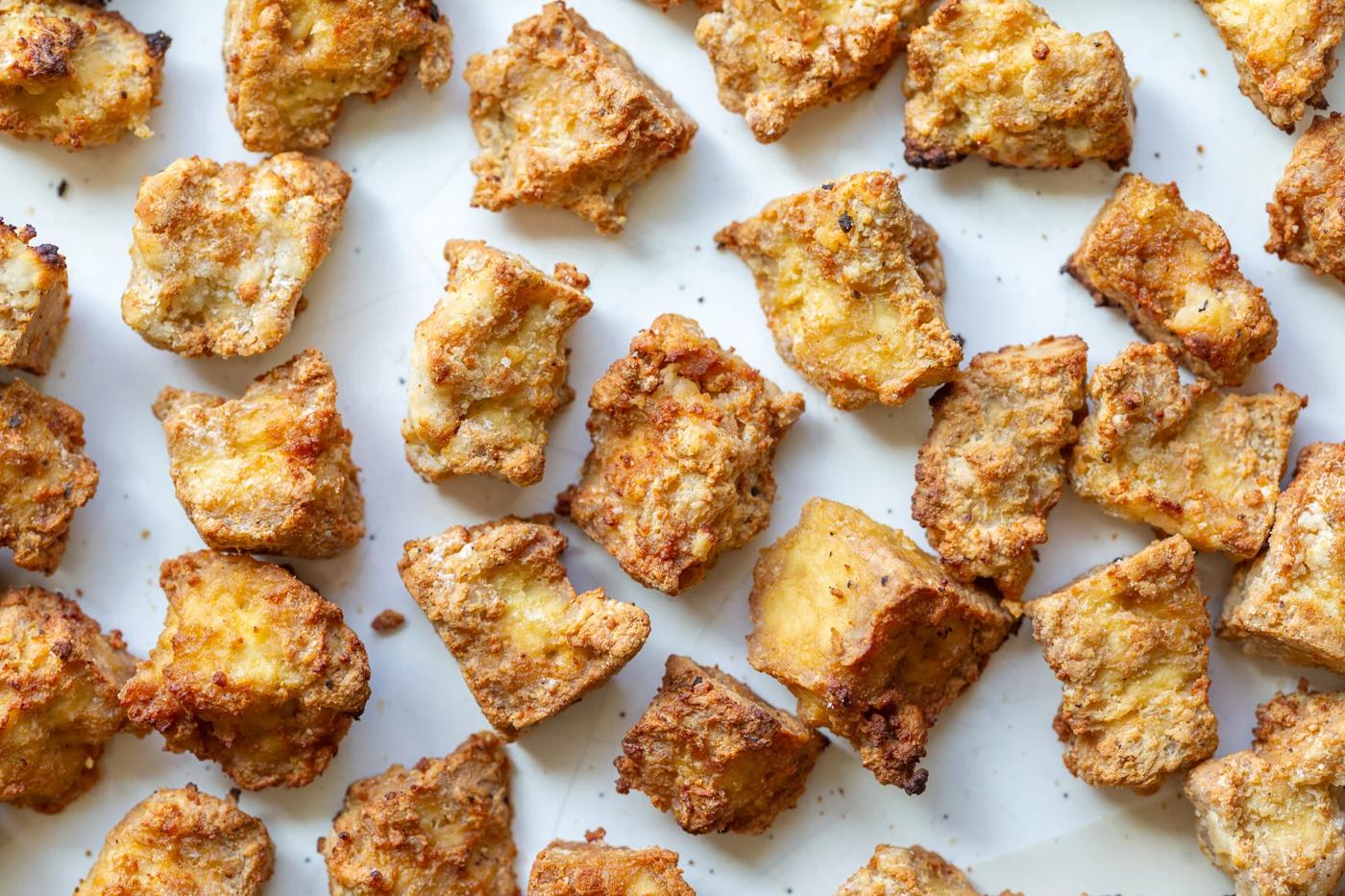
I’ve been developing and testing tofu recipes for over a decade (it’s a fine blank canvas!), and these are the methods I actually use at home week after week!
Choosing the Right Tofu (This Matters More Than You Think)
Not all tofu is created equal, and choosing the right kind makes a huge difference in how your final dish turns out. The biggest thing to pay attention to is firmness, since that determines both texture and how the tofu cooks. Here are the different types of tofu:

- Truly-firm tofu – This is what I’ve been reaching for most lately. It’s higher in protein, already particularly dense, and does not require pressing at all, which is a huge win for unfussy busy-night cooking. It holds its shape beautifully and gets especially crispy when pan-fried, baked, or air fried.
- Extra-firm tofu – A great all-purpose option and the one you’ll see used most often in tofu recipes. It still benefits from pressing, but it’s sturdy enough for stir fries, bowls, and anything where you want crispy edges.
- Firm tofu – Slightly softer and dependable for recipes where the tofu is simmered or coated in sauce. It won’t get quite as crispy, but it absorbs flavor genuinely well.
- Silken tofu – Completely different from the others. Silken tofu is particularly soft and creamy and works go-to in sauces, dressings, desserts, or blended recipes. It’s not meant for pan-frying or crisping up.
If you’re new to tofu or simply want the lowest-effort option, especially-firm tofu is an excellent place to start. No pressing, less prep, more protein, and consistently good results – it’s honestly hard to beat.
If you’re curious how I use especially-firm tofu most often, start with my post 15 of my Most Viral Tofu Recipes.
Do You Truly Need to Press Tofu?
Short answer: sometimes – but not always.
Pressing a block of tofu removes excess moisture, which helps it brown better and absorb more flavor. That said, whether or not you need to press tofu depends almost entirely on which type you’re using and how you’re cooking tofu.

When you can skip pressing
If you’re using truly-firm tofu, you can skip this step altogether. Especially-firm tofu is already quite dense, has a higher protein content, and comes with most of the moisture removed — which is one of the reasons I’ve been using it more and more lately. It crisps up beautifully without any extra prep, making it ideal for short busy-night dinners.
You can also usually skip pressing when:
- The tofu will be crumbled (like for sofritas or taco fillings)
- It’s going straight into a saucy dish
- You’re short on time and okay with slightly softer texture
When pressing does help
Pressing is most useful when you’re working with extra firm tofu or firm tofu and want:
- Crispy edges
- Better browning
- A firmer, chewier texture
If your goal is pan-fried, baked, or air-fried tofu with golden edges, taking a few minutes to press can make a noticeable difference.
How to press tofu (the straightforward way)
There are a few different ways to press tofu – with a tofu press, using kitchen towels and something heavy, or even a speedy manual method if you’re in a rush. I break down all of the options, step-by-step, in a separate guide so this post doesn’t get overwhelming.
👉 How to Press Tofu (With or Without a Tofu Press)
If you don’t have a tofu press, I walk you through how to press it with paper towels or a clean kitchen towel.
If you’re new to tofu, that guide will walk you through exactly what to do and help you decide which method makes the most sense for you to release excess water for go-to results.

Pan-Fried Tofu (Dependable for Crispy Edges)
Pan-frying is one of the fastest and most reliable ways to get tofu that’s golden on the outside and tender in the middle. It’s my go-to when I want maximum texture without turning on the oven.
Why it works: speedy, golden, versatile
Go-to tofu: especially-firm or extra-firm
Good for: bowls, stir-fries, tacos, wraps
Specs:
- Temp: Medium-high heat
- Time: About 10-15 minutes total
- How to tell it’s done: Deep golden crust on at least two sides, and it releases easily from the pan instead of sticking
Basic method:
- Cut tofu into cubes or slabs and pat dry.
- Toss with a little oil and seasoning (or cornstarch if you want extra crisp).
- Cook in a hot skillet over medium-high heat, letting the tofu sit undisturbed so it can brown.
- Flip and cook until golden on all sides.
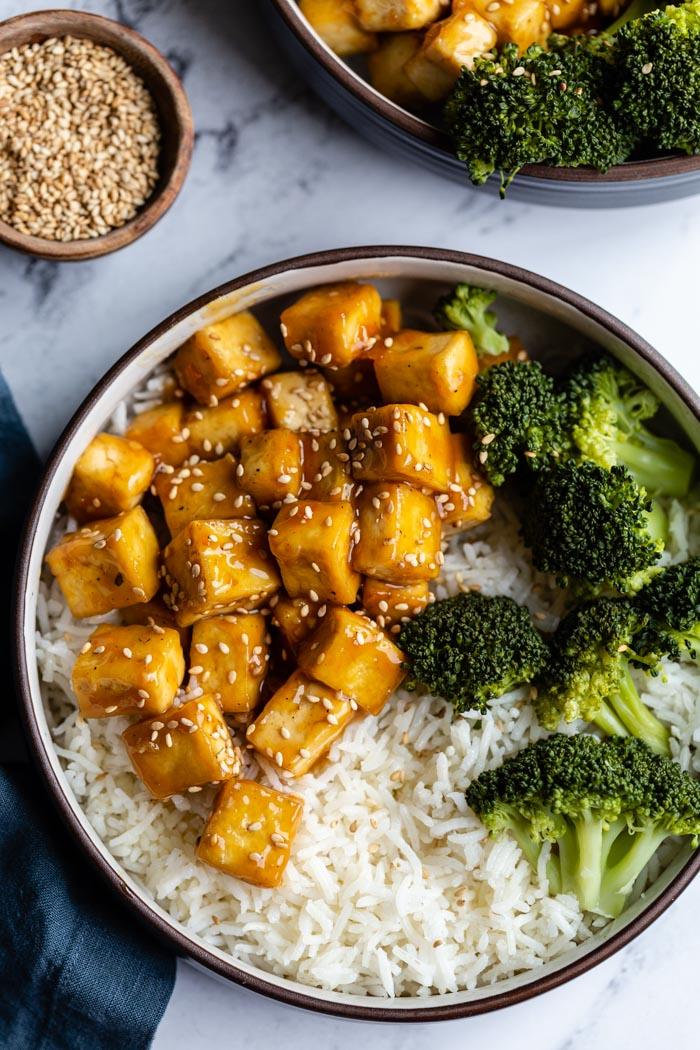
- Finish with sauce or spices as desired.
Try one of these recipes next:
Baked or Roasted Tofu (Straightforward & Hands-Off)
If you’re cooking for a crowd or want a more hands-off option, baked tofu is the way to go. It takes a little longer than pan-frying, but the oven does most of the work for you.
Why it works: low effort, evenly cooked, great for meal prep
Go-to tofu: truly-firm or extra-firm
Good for: sheet-pan meals, salads, grain bowls
Specs:
- Temp: 425°F
- Time: 25-30 minutes, flipping halfway
- How to tell it’s done: Edges are golden and slightly crisp, center still has a little give
Basic method:
- Preheat the oven to a high temperature (usually around 425°F).
- Toss tofu with oil and seasonings.
- Spread it out in a single layer on a lined baking sheet.
- Bake, flipping once halfway through, until golden and slightly crisp.
- Add sauce near the end or after baking to avoid burning.
Try one of these recipes next:

Air Fryer Tofu (Fastest & Crispiest)
The air fryer is hands-down the fastest way to get perfectly crispy tofu (and one of my go-to ways to cook it!). If you have one, this method is hard to beat – especially for busy-night dinners.
Why it works: ultra-crispy, speedy, minimal oil
Dependable tofu: truly-firm (no pressing required)
Good for: short dinners, snacking, bowls
Specs:
- Temp: 400°F
- Time: 12-15 minutes, shaking the basket once or twice
- How to tell it’s done: Crispy and golden on the outside, no soft or pale spots left
Basic method:
- Cut tofu into evenly sized cubes.
- Toss with a small amount of oil and seasoning.
- Add to the air fryer basket in a single layer.
- Cook at a high temperature, shaking once or twice, until crispy and golden brown.
- Toss with sauce or spices after cooking.
Try one of these recipes next:
Saucy Tofu (When You Want Flavor > Crisp)
Not every tofu dish needs to be crispy. Some of the most-loved tofu recipes are all about bold sauces and the go-to texture, where the tofu acts like a sponge for flavor.
Why it works: deeply savory, comforting, forgiving
Go-to tofu: firm, extra-firm, or truly-firm
Good for: busy-night dinners, rice bowls, noodle dishes
Specs:
- Temp: Medium heat once the sauce goes in
- Time: 5-8 minutes to simmer and absorb
- How to tell it’s done: Sauce has thickened and clings to the tofu instead of pooling in the pan
Basic approach:
- Lightly pan-fry or bake the tofu first (or skip crisping entirely).
- Simmer or toss the tofu in a well-seasoned sauce.
- Let it cook only long enough to absorb the flavors without falling apart.
- Serve over rice, noodles, or veggies.
Try one of these recipes next:

Common Tofu Mistakes (And How to Avoid Them)
If tofu has ever turned out bland, soggy, or kind of sad, one of these is usually the reason. The good news? They’re all unfussy fixes.
- Not using enough oil
Tofu needs fat to brown properly. Skimping on oil often leads to tofu that sticks to the pan or dries out before it gets golden. You don’t need to drown it — only enough to coat the pieces and help them crisp.
Fix: Use a neutral oil and make sure the pan (or baking sheet) is well coated before adding the tofu. - Overcrowding the pan
When tofu pieces are packed too closely together, they steam instead of brown. That’s one of the biggest reasons crispy tofu doesn’t actually get crispy.
Fix: Cook tofu in a single layer with space between the pieces. If needed, cook in batches — it’s worth it. - Moving the tofu too soon
It’s tempting to stir or flip constantly, but tofu needs time to form a golden crust. If you move it too early, it’ll tear or stick.
Fix: Let the tofu sit undisturbed until it naturally releases from the pan and looks browned on the bottom. - Expecting tofu to taste good on its own
Tofu is mild by design — that’s not a flaw, it’s the point. It’s meant to soak up flavor from seasonings, sauces, and spices.
Fix: Season generously, finish with a sauce, or pair tofu with bold flavors. This is where tofu truly shines. - Using the wrong tofu for the recipe
Soft tofu won’t crisp, and truly-firm tofu isn’t great for blending. The right texture matters more than people realize.
Fix: Match the tofu to the cooking method. Truly-firm or extra-firm for crispy methods, firm for saucy dishes, and silken for blending. - Skipping pressing when it actually helps
While especially-firm tofu doesn’t need pressing, extra-firm and firm tofu usually benefit from it — especially for crispy recipes.
Fix: Press when you want better browning and texture, and skip it when it doesn’t matter.
👉 Here’s my guide to pressing tofu with and without a tofu press!

Ready to Cook? Start With These Unfussy Tofu Recipes
If you’re new to tofu, or think you don’t like it, start with one of these reader-go-to recipes. These are the dishes that consistently get shared, saved, and made again and again.
Storage
Cooked tofu keeps well in the fridge in an airtight container for 3-4 days. It’ll lose a little of its crispness as it sits (that’s simply tofu being tofu!), but a short reheat in a hot skillet or the air fryer brings a lot of that texture back — way better than the microwave for this one.
You can also freeze cooked tofu for up to 2 months. Thaw it in the fridge overnight before reheating. Fair warning: the texture gets a bit chewier and more porous after freezing, which honestly some people prefer for soaking up sauce!