
Food is much more than mere sustenance; it’s a source of profound pleasure, cultural connection, and essential nourishment. Every letter of the alphabet introduces us to a fascinating world of ingredients, dishes, and culinary traditions. Today, we embark on an exciting gastronomic adventure to uncover a delightful collection of foods that begin with the letter K. From common staples to exotic delicacies, the “K” category offers a surprising variety of tastes, textures, and aromas waiting to be explored.
Whether you’re a seasoned chef, a curious food enthusiast, or simply looking to expand your dietary horizons, this comprehensive list is designed to inspire. We’ve compiled detailed descriptions of over 25 unique and delicious food items that start with the letter K. Get ready to discover their origins, flavor profiles, and popular uses across the globe. How many of these intriguing foods have you already tried, and which ones will you add to your culinary bucket list?
Discovering Delicious: Foods That Start With K

A Culinary Journey Through K-Foods
- Kebabs
Kebabs represent a diverse family of cooked meat dishes, with origins deeply rooted in Middle Eastern cuisine. While often associated with skewered and grilled meat, the term encompasses a wide array of preparations found globally. From the savory Shish Kebab (cubes of meat and vegetables on a skewer) to the vertically roasted Doner Kebab, these dishes are characterized by their rich marinades, aromatic spices, and a variety of accompanying sauces. Popular in Asia, India, the Middle East, and beyond, kebabs offer a culinary canvas for different meats like lamb, chicken, beef, and even fish or vegetables, often served with rice, bread, or fresh salads. Their versatility and robust flavors make them a beloved street food and restaurant staple worldwide. - Kaffir Lime
The kaffir lime (Citrus hystrix) is a distinctive citrus fruit native to tropical Southeast Asia and parts of southern China. Both its zest and particularly its aromatic, hourglass-shaped leaves are indispensable in Southeast Asian cooking, especially Thai and Cambodian cuisines. Unlike regular limes, kaffir limes possess a more intense, complex, and floral fragrance, contributing a unique citrus note to curries, soups (like Tom Yum), stir-fries, and salads. The essential oil extracted from the fruit and leaves is also highly prized in perfumery and aromatherapy. While the bumpy, dark green fruit itself is less commonly consumed fresh due to its sourness and limited juice, its zest is potent and provides a powerful flavor enhancer. - Kale
A nutritional powerhouse, kale is a leafy green vegetable belonging to the Brassica oleracea family, which also includes cabbage, broccoli, and Brussels sprouts. Available in various forms like curly, Lacinato (dinosaur), and Red Russian kale, it typically features green or sometimes purple leaves. Kale is renowned for its robust, earthy flavor, which can range from mildly sweet to slightly bitter, depending on the variety and how it’s prepared. It’s incredibly versatile, enjoyed raw in salads, blended into smoothies, sautéed with garlic, baked into crispy chips, or incorporated into soups and stews. Rich in vitamins K, A, and C, as well as antioxidants and fiber, kale is a staple in healthy eating. - Katsudon
Katsudon is a beloved Japanese comfort food, literally meaning “katsu” (deep-fried cutlet) and “don” (short for donburi, a bowl of rice). This satisfying dish features a bowl of steamed white rice topped with a deep-fried breaded pork cutlet (tonkatsu), which is then simmered with egg and sliced onions in a savory-sweet dashi-based sauce. The sauce often includes soy sauce, mirin, and sugar, creating a delicate balance of flavors. The egg is typically cooked until just set, forming a soft, custardy layer over the katsu and rice. Katsudon is a popular lunch or dinner option, offering a hearty and flavorful meal that beautifully combines crispy, tender, and saucy elements. - Ketchup
Today, ketchup is almost synonymous with a thick, sweet, and tangy tomato-based condiment, a ubiquitous presence on dining tables worldwide. However, its origins are far more diverse, with early ketchups in 17th-century China being fermented fish sauces. European variations later emerged using ingredients like mushrooms, oysters, walnuts, or even grapes. The modern tomato ketchup, developed in the 19th century, primarily consists of ripe tomatoes, vinegar, sugar, salt, and various spices (such as onion powder, allspice, and cloves). It serves as an essential accompaniment for French fries, burgers, hot dogs, and a wide array of savory dishes, appreciated for its distinctive umami and sweet-sour balance. - Kettle Corn
Kettle corn is a delightful sweet and salty popcorn snack, traditionally prepared in a large cast-iron kettle. This method of cooking gives it its characteristic name and unique flavor profile. Unlike plain popcorn, kettle corn is popped with oil, sugar, and salt simultaneously, allowing the sugar to caramelize lightly onto the kernels as they pop, creating a delicate glaze. The result is a perfect harmony of sweet and savory notes, with a satisfying crunch. A popular treat at fairs, festivals, and sporting events, kettle corn offers a lighter, less buttery alternative to traditional movie popcorn while still delivering a satisfying snack experience.
- Key Lime Pie
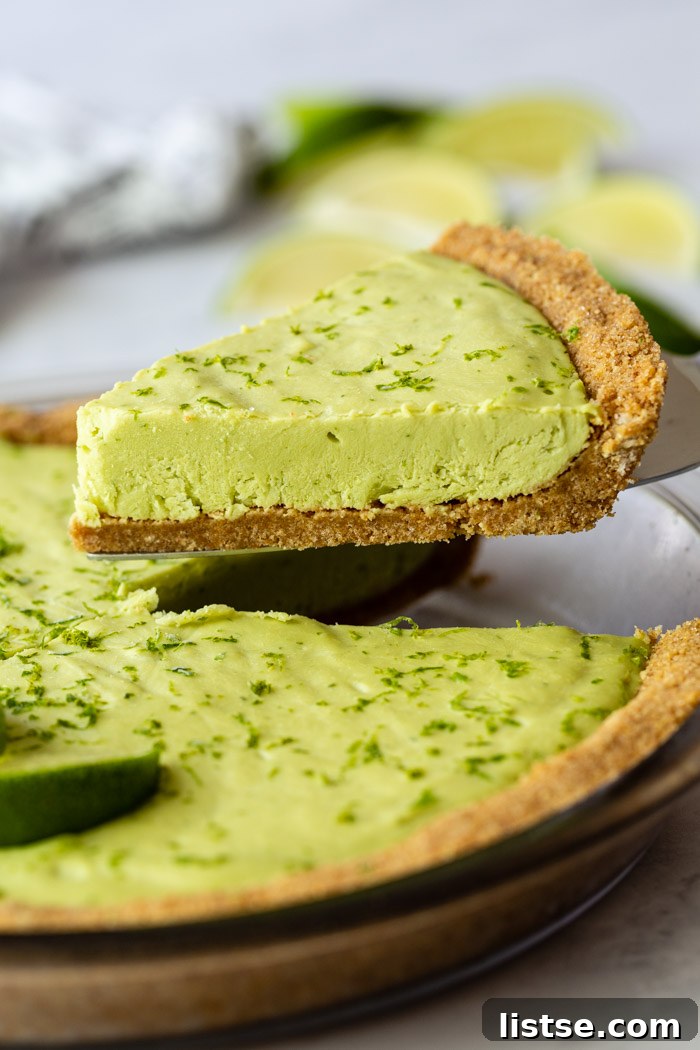
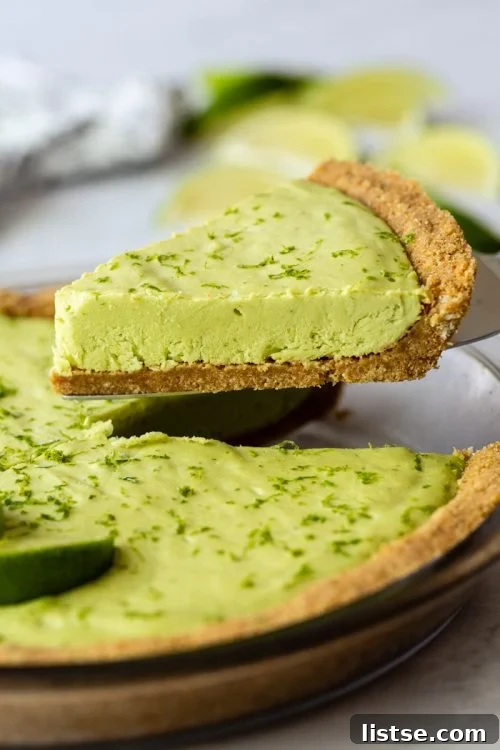
Key Lime Pie is a quintessential American dessert, particularly iconic in Florida, where the tiny, intensely tart Key limes thrive. This refreshing pie features a creamy, bright yellow-green filling made from Key lime juice, egg yolks, and sweetened condensed milk, all nestled within a graham cracker crust. It’s traditionally topped with a fluffy meringue, though whipped cream is also a popular alternative. The distinct flavor of Key limes – sharper and more aromatic than common Persian limes – is crucial to the pie’s unique tangy sweetness. The acidity of the lime juice naturally thickens the filling, creating a smooth, custard-like texture without baking (though some recipes do involve baking). - Kidneys (Animal)
Often considered a delicacy in various culinary traditions, animal kidneys are a type of offal prized for their rich nutrients and distinct flavor. Kidneys from lamb, beef, veal, and pork are commonly consumed. They are an excellent source of protein, iron, zinc, and vitamins, particularly B vitamins. While they possess a strong, sometimes gamey taste and a firm, somewhat spongy texture that some find challenging, they can be remarkably flavorful when prepared correctly. Common preparations include grilling, sautéing, stewing (as in steak and kidney pie), or incorporating them into traditional dishes with robust seasonings and sauces to enhance their taste. - Kidney Bean
Named for their distinctive shape and reddish-brown color, which strongly resemble a human kidney, kidney beans are a versatile and nutritious legume. They are a variety of common bean (Phaseolus vulgaris) and are often mistaken for adzuki beans, though they are larger. Kidney beans are a staple in many cuisines worldwide, particularly in chili con carne, various stews, salads, and rice dishes. Before consumption, it’s crucial to properly soak and boil kidney beans, as raw or undercooked beans contain phytohaemagglutinin, a toxin that can cause illness. Once cooked, they offer a creamy texture and a mild, earthy flavor, making them a hearty and filling ingredient. - Kielbasa
Kielbasa is a broad term for various types of sausage originating from Poland. In the United States, “kielbasa” typically refers to a smoked, U-shaped sausage, often made from pork or a blend of pork and beef, characterized by its prominent garlic flavor. Traditional Polish kielbasa, however, encompasses a much wider range, including fresh, cured, smoked, and even unsmoked varieties, each with unique spice profiles. Beyond garlic, common seasonings include marjoram, pimento, cloves, and smoke flavor. It’s a versatile sausage, enjoyed grilled, fried, baked, or added to soups, stews, and casseroles. It’s a beloved staple in Polish culinary culture.
- Kimchi
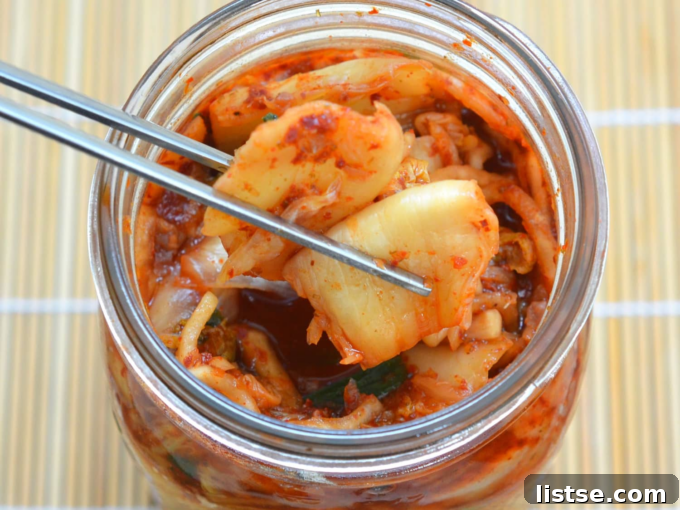
Kimchi is a quintessential Korean side dish and national food, renowned for its pungent, spicy, and tangy fermented flavor. It is primarily made from napa cabbage or Korean radish (kkakdugi), which are salted, rinsed, and then seasoned with a vibrant mixture of gochugaru (Korean chili powder), garlic, ginger, spring onions, and jeotgal (salted fermented seafood). The fermentation process, which can range from a few days to several weeks, creates beneficial probiotics, contributing to its reputation as a superfood. Kimchi is not only served as a foundational side dish with almost every Korean meal but is also a key ingredient in numerous stews, soups (like Kimchi Jjigae), fried rice, and pancakes, offering depth and complexity to countless dishes. - King Crab
King crabs are magnificent crustaceans, predominantly found in the cold, deep waters of the Bering Sea and North Pacific Ocean. These colossal crabs are highly prized for their exceptionally sweet, rich, and delicate meat, which boasts a texture often compared to that of lobster. Unlike many other crab species, king crab meat is primarily found in its long, thick legs. It’s considered a luxury seafood item and is typically served steamed, grilled, or boiled, often with melted butter or a light dipping sauce to highlight its natural exquisite flavor. Its impressive size and succulent flesh make it a sought-after delicacy for seafood connoisseurs worldwide. - Kingfish
The term “Kingfish” can refer to several species of fish, most commonly large members of the mackerel family, such as King Mackerel (Scomberomorus cavalla). These predatory fish are highly regarded by anglers and seafood lovers for their firm, meaty texture and distinctively rich, oily flavor. Kingfish filets are typically thick and robust, making them well-suited for grilling, smoking, or baking. Due to their oil content, they remain moist and flavorful when cooked. Their strong, distinctive taste is often compared to other types of mackerel, and they pair well with bold seasonings and citrus to cut through their richness. - Kipper
A kipper is a whole herring, a small oily fish, that has been split from tail to head, gutted, salted or pickled, and then cold-smoked over wood chips. This traditional preparation method, originating in the United Kingdom, both preserves the fish and imparts a characteristic smoky, salty, and distinctly “fishy” flavor. Kippers are typically consumed for breakfast in the UK, often grilled or pan-fried and served with toast and eggs. Despite their strong aroma, which some find off-putting, the flavor is deeply savory and can be a delightful addition to various dishes without overwhelming them, often adding a rich, umami depth. - Kiwi Berries
Kiwi berries are a charming and delightful miniature version of the familiar kiwifruit. Roughly the size of a grape, these small, smooth-skinned berries are a hybrid of various hardy kiwi species (Actinidia arguta and Actinidia kolomikta). Unlike their larger, fuzzy relatives, kiwi berries have a thin, hairless, edible skin, allowing them to be popped whole into your mouth like grapes. They offer a concentrated burst of sweet and tangy flavor, reminiscent of regular kiwifruit but often with slightly sweeter notes and a tropical aroma. Perfect for snacking, fruit salads, desserts, or garnishes, they are a seasonal treat gaining popularity.
- Kiwifruit
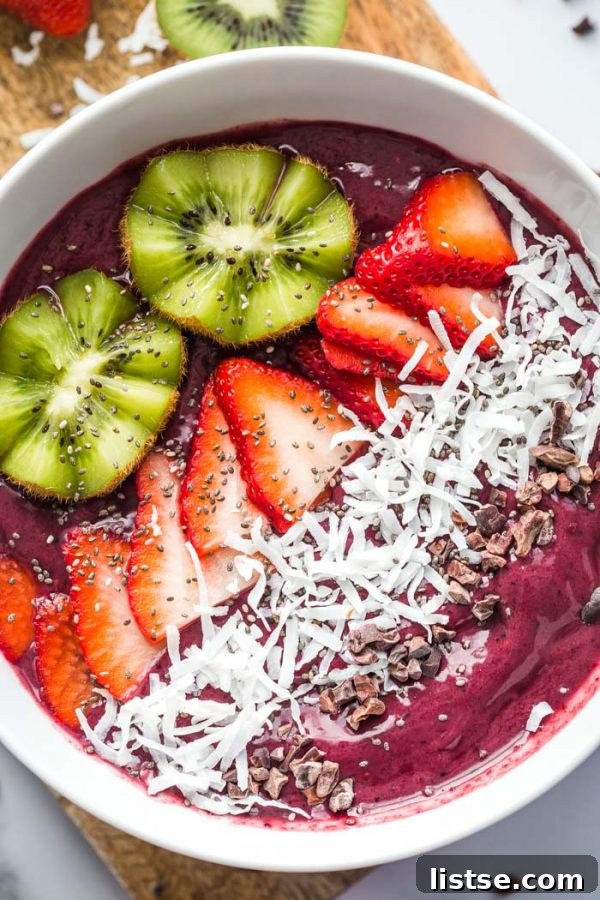
Kiwifruit, often simply called kiwi, is the edible berry of a species of woody vine (Actinidia deliciosa and Actinidia chinensis). Originally from China, it was popularized by New Zealand, hence its common name. Typically oval-shaped and about the size of a large egg, green kiwifruit has fuzzy brown skin (which is generally not eaten), vibrant green flesh, and tiny black edible seeds. Golden kiwifruit, a sweeter variety, has smoother skin and golden flesh. Known for its distinct sweet-tart flavor, kiwifruit is rich in Vitamin C, fiber, and antioxidants. It’s a versatile fruit, delicious eaten fresh on its own, added to fruit salads, smoothies, desserts, or used as a colorful garnish. - Kokam
Kokam (Garcinia indica) is a fruit-bearing tree native to the Western Ghats region of India. The small, round, dark purple fruit is highly valued for its culinary and medicinal properties. Its distinct sour and slightly sweet flavor makes it an essential ingredient in various Indian cuisines, particularly in Konkan, Goan, and Gujarati dishes. The dried outer rind of the kokam fruit, known as “kokam sol,” is used as a souring agent in curries and lentil dishes, similar to tamarind. Kokam syrup, made from the fruit’s juice, is a popular refreshing summer drink (solkadhi) and can also be used to flavor ice creams and other beverages, offering a unique tangy zest.

- Kool-Aid
Kool-Aid is an iconic brand of flavored drink mix, instantly recognizable by its vibrant colors and sweet, fruity taste. Introduced in 1927, it became a cultural phenomenon, especially in North America. The product typically comes as a powder in small packets, which are mixed with water and sugar to create a refreshing beverage. Available in a wide array of fruit flavors like cherry, grape, and tropical punch, Kool-Aid is often associated with childhood, summer days, and simple, customizable refreshment. Beyond drinking, Kool-Aid has found unconventional uses, from dyeing hair and fabrics to creating flavored ice pops and even for science experiments. - Kudzu
Kudzu (Pueraria montana var. lobata) is a fast-growing vine, often infamous for its invasive nature in the Southeastern United States, but it’s also a historically significant and edible plant with various culinary uses. In its native Asia, all parts of the kudzu plant – leaves, flowers, roots, and young vines – are consumed. The young leaves can be eaten raw in salads, steamed, or sautéed like spinach, offering a mild, slightly grassy flavor. Its starchy roots, rich in fiber and beneficial compounds, can be prepared much like potatoes, boiled, fried, or ground into a flour (kudzu starch) used as a thickener in Asian cooking and traditional medicine. The beautiful purple flowers can also be used in jellies or teas. - Kumquat
Kumquats are fascinating small citrus fruits, roughly the size of a large olive or grape, and are unique among citrus for their edible peel. The name “kumquat” means “golden orange” in Cantonese, reflecting their vibrant color. Unlike other citrus, the kumquat’s thin skin is sweet and aromatic, while its juicy pulp and seeds are tart. This creates an intriguing sweet-tart burst when eaten whole. They can be enjoyed fresh, sliced into salads, candied, used in marmalades, or incorporated into savory dishes and even cocktails, offering a bright, zesty contrast. Varieties include the Nagami (oval) and Meiwa (round) kumquats.

- Kung Pao Chicken
Kung Pao Chicken (Gong Bao Ji Ding) is a classic spicy, stir-fried Chinese dish originating from the Sichuan province. It features diced chicken, peanuts, vegetables (like bell peppers, celery, or zucchini), and a generous amount of chili peppers and Sichuan peppercorns, which create its signature “mala” (numbing and spicy) flavor. The sauce is typically a balanced blend of sweet, sour, and savory, with notes of soy sauce, black vinegar, sugar, and sometimes hoisin sauce. Traditionally served with steamed rice, Kung Pao Chicken is celebrated for its complex flavor profile and delightful textural contrast between tender chicken, crunchy peanuts, and crisp vegetables. Vegetarian versions often substitute tofu for chicken. - Kit Kat Bar
The Kit Kat Bar is a globally recognized chocolate-covered wafer bar, originating from the United Kingdom. Its distinctive design features multiple “fingers” that can be snapped off individually, encouraging the slogan “Have a break, have a Kit Kat.” Made from layers of crisp wafer biscuit enrobed in milk chocolate (or various other chocolate types and flavors worldwide), it offers a satisfying crunch and sweet taste. With countless regional variations, limited-edition flavors, and different sizes, Kit Kat remains a beloved confectionery treat, perfect for a quick snack or a moment of relaxation. - Kohlrabi
Kohlrabi, meaning “cabbage turnip” in German, is a curious-looking, bulbous vegetable belonging to the brassica family. Its appearance is often described as an alien-like turnip growing above ground, with leafy stems protruding from its spherical bulb. Both the bulb (which can be green, purple, or white) and the leaves are edible. The flavor of kohlrabi is mild, slightly sweet, and peppery, resembling a milder radish or a sweeter broccoli stem, with a crisp, crunchy texture similar to an apple or water chestnut. It can be eaten raw in salads and slaws, roasted, steamed, stir-fried, or added to soups, providing a good source of Vitamin C and fiber. - Komatsuna
Komatsuna, also known as Japanese mustard spinach, is a leafy green vegetable widely cultivated in Japan, Taiwan, and Korea. It’s a member of the Brassica rapa family, closely related to turnips and napa cabbage. Komatsuna has broad, dark green leaves and thin, crisp stems. Its flavor is a pleasant balance of slightly bitter, peppery notes (reminiscent of mustard greens) and a mild sweetness, which becomes milder when cooked. It’s incredibly versatile and can be used raw in salads, quickly stir-fried, blanched, steamed, or added to soups and stews. Highly nutritious, komatsuna is rich in vitamins A, C, and K, as well as calcium.

- Kahlua
Kahlua is a popular Mexican coffee liqueur, renowned for its rich, sweet, and robust coffee flavor with hints of vanilla. Made from Arabica coffee beans, rum, and sugar, it has been a staple in bars and households since its introduction in 1936. Kahlua is a highly versatile spirit, most famously used in classic cocktails such as the White Russian, Black Russian, and Espresso Martini. Beyond beverages, it’s also a fantastic ingredient in desserts, adding a sophisticated coffee depth to tiramisu, cheesecakes, ice creams, and various baked goods. Its smooth texture and distinctive taste make it a beloved component for both drinking and cooking. - Kasha
Kasha refers to roasted buckwheat groats, a popular and traditional food in Eastern European and Russian cuisines. Despite its name, buckwheat is not related to wheat and is naturally gluten-free. Kasha is celebrated for its nutty, earthy flavor and hearty texture. It’s often prepared by toasting the groats and then simmering them in water or broth until tender, much like rice or quinoa. It can be served as a savory side dish, a breakfast porridge (often with milk and butter), or incorporated into stuffings, soups, and pilafs. Kasha is a good source of protein, fiber, and various minerals, making it a wholesome and satisfying grain alternative. - Karela
Karela, also known as bitter melon or bitter gourd (Momordica charantia), is a unique tropical fruit-vegetable widely consumed in Asian, African, and Caribbean cuisines. True to its name, karela is known for its intensely bitter taste, which is a significant part of its culinary appeal and traditional medicinal uses. Its appearance is distinctive, with a warty, ridged exterior that can be green or whitish. Despite its bitterness, it’s highly valued for its potential health benefits, including blood sugar regulation. It is often stir-fried, stuffed, pickled, or added to curries after being prepared to reduce some of its bitterness, showcasing its intriguing flavor and texture. - Kasuri Methi
Kasuri Methi refers to dried fenugreek leaves, a staple herb in Indian cooking. Fenugreek is an annual herb, and while the seeds are also used as a spice, the dried leaves offer a different flavor profile. Kasuri methi has a distinctively aromatic, slightly bitter, and subtly sweet taste with hints of celery and a unique earthy aroma. It is typically crushed between the palms before being added to dishes, releasing its fragrant oils. It’s a key ingredient in many North Indian curries, lentil dishes (dals), and bread (like naan and paratha), adding depth, complexity, and a signature savory note. It also acts as a natural thickener and flavor enhancer. - Kulfi
Kulfi is a traditional Indian frozen dessert, often described as Indian ice cream, but with a denser, creamier texture and a distinct preparation method. Unlike churned ice cream, kulfi is made by slowly cooking milk until it thickens and reduces, concentrating its flavor. This rich milk base is then flavored with traditional ingredients like cardamom, pistachios, saffron, mango, or rose water, and poured into molds before being frozen solid without churning. The slow cooking and lack of aeration give kulfi its characteristic dense, rich, and intensely flavored profile, making it a luxurious and refreshing treat, especially popular during warm weather.
From the pungent punch of Kimchi to the sweet tang of Key Lime Pie, the foods starting with the letter K truly offer an astounding range of culinary experiences. This list merely scratches the surface of the global gastronomic delights awaiting discovery. Each item brings its own unique history, flavor, and cultural significance to the table, inviting us to explore, taste, and appreciate the incredible diversity of food.
Which of these K-foods intrigued you the most? Did we miss any of your favorites? Share your thoughts and any other delicious “K” entries in the comments below! We love hearing from fellow food enthusiasts and expanding our culinary knowledge together.