
Delicious Delights: A Comprehensive Guide to Foods That Start With M
Are you on a quest to discover new flavors or simply looking for inspiration in the kitchen? Delve into the captivating world of foods that start with the letter M! From hearty main courses to delicate desserts and exotic fruits, the culinary landscape beginning with “M” is incredibly diverse and exciting. Whether you’re a seasoned chef or a curious foodie, this extensive list compiles over 20 distinct foods, offering insights into their unique characteristics, origins, and common uses. Get ready to expand your palate and impress your friends with your newfound knowledge of “M” foods!
Exploring the World of ‘M’ Foods: Nuts, Pasta, and Seafood
Macadamia Nuts
Native to the rainforests of Australia, macadamia nuts are derived from four distinct species of macadamia trees. These highly prized nuts are celebrated not only for their rich, buttery flavor but also for their impressive nutritional profile, packed with heart-healthy monounsaturated fats, essential vitamins, and beneficial minerals like manganese and thiamine. Their creamy texture and delicate sweetness make them incredibly versatile in the kitchen. They are a decadent addition to baked goods, cookies, and even savory dishes, or simply enjoyed as a wholesome, satisfying snack on their own. Beyond their culinary appeal, macadamia nuts are also a good source of antioxidants, contributing to overall well-being.
Macaroni and Cheese
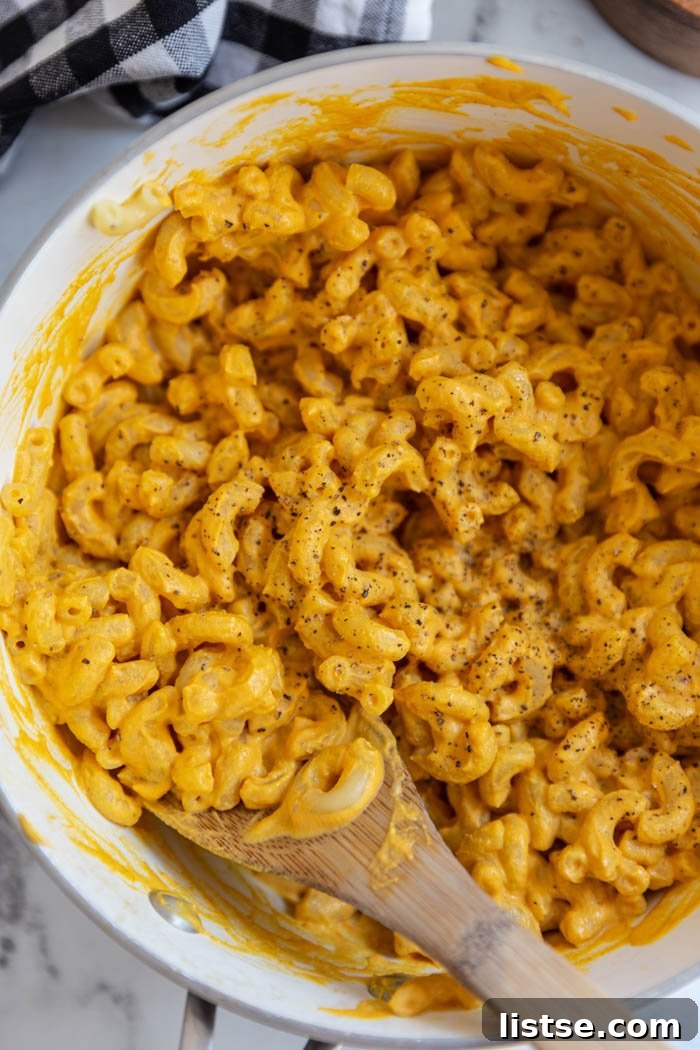
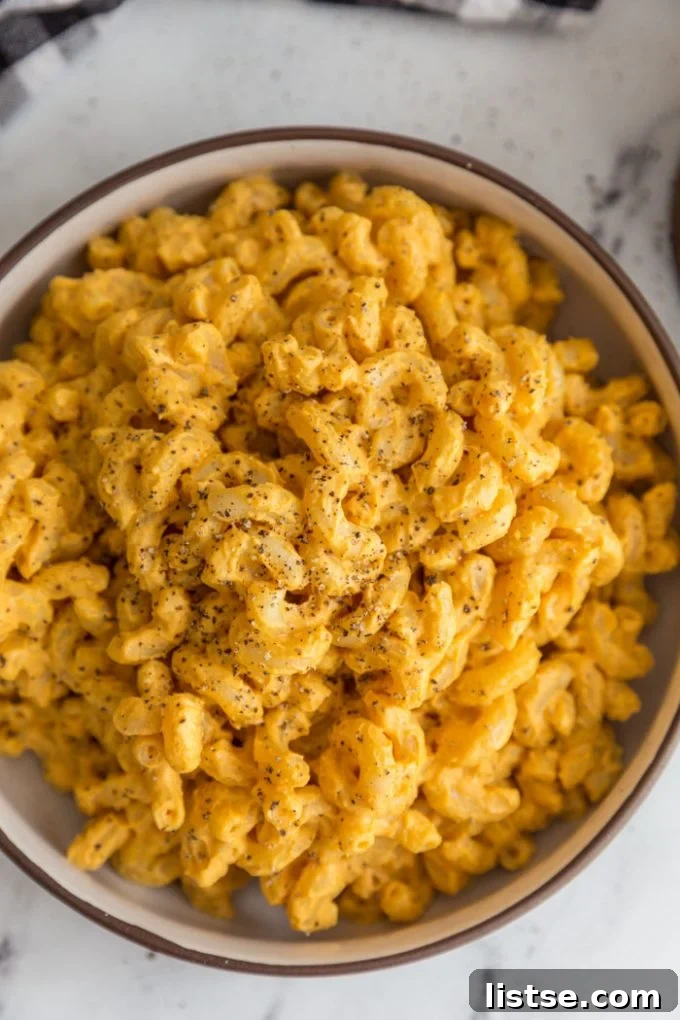
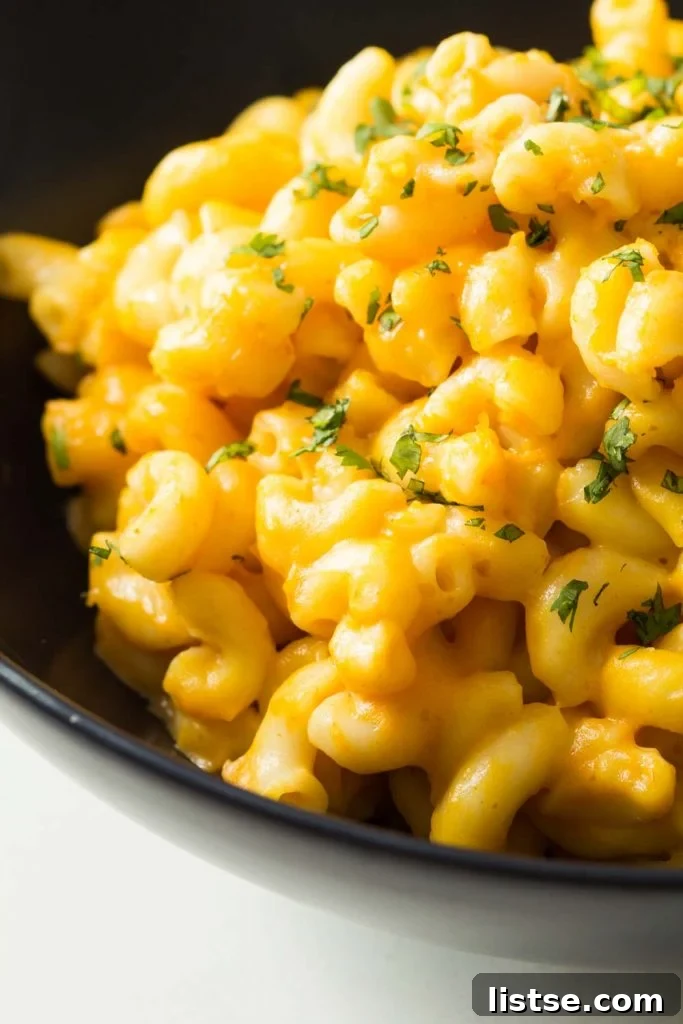
Macaroni and cheese, affectionately known as “mac & cheese,” is a quintessential comfort food enjoyed across the globe. This classic dish combines cooked elbow macaroni pasta with a rich, creamy cheese sauce, most commonly crafted from sharp cheddar. However, regional and personal variations abound, incorporating cheeses like Gruyère, Gouda, or Monterey Jack for unique flavor profiles. Additional ingredients such as crispy breadcrumbs for texture, various meats like bacon or ham, or even vegetables can elevate this dish. Macaroni and cheese is incredibly versatile, serving equally well as a hearty side dish alongside grilled meats or as a satisfying entrée on its own, especially when baked to golden perfection.
Macaroons
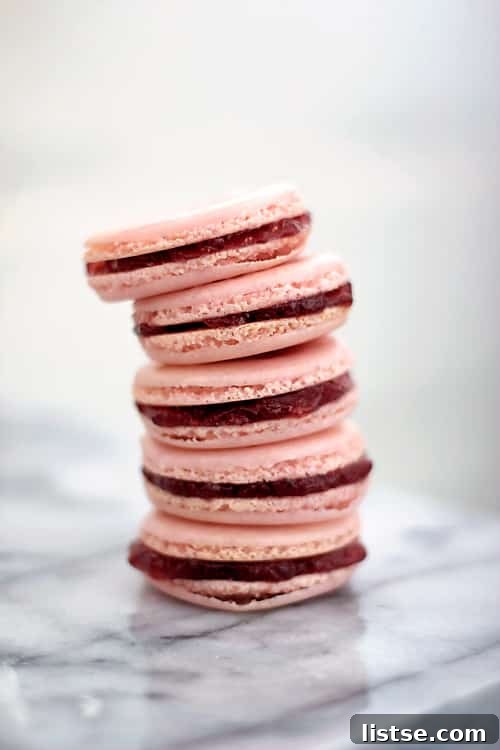
Macaroons are exquisite French confections renowned for their delicate texture and vibrant appearance. These elegant treats are fundamentally a meringue-based cookie, crafted from a precise blend of egg whites, finely ground almond meal, granulated sugar, and often a touch of icing sugar and food coloring. The result is a crisp outer shell with a soft, slightly chewy interior. While they can be found in any hue, macaroons are famously dyed in a spectrum of enchanting pastel shades. Their versatility extends to flavorings, with countless variations incorporating fruit purees, chocolate ganache, coffee, or spices to create a truly luxurious experience.
Mackerel
Mackerel refers to a genus of swift-moving pelagic fish, encompassing several distinct species found predominantly in temperate and tropical seas around the world. These oily fish are highly valued for their rich flavor and nutritional benefits, being an excellent source of Omega-3 fatty acids, vitamin D, and selenium. When fresh, mackerel boasts a flavor profile often likened to salmon, offering a robust and slightly sweet taste. Canned or smoked mackerel, on the other hand, presents a stronger, more pronounced flavor, somewhat akin to tuna but with its own distinct character. Mackerel is versatile in cooking, suitable for grilling, baking, smoking, or pan-frying, often paired with acidic components to balance its richness.
Mahi-Mahi
Mahi-mahi, also known as dolphinfish (though unrelated to dolphins), is a striking ray-finned fish inhabiting tropical and subtropical waters worldwide. Celebrated for its firm texture and mild, sweet flavor, mahi-mahi is a favorite among seafood lovers. Its taste is often described as stronger than that of delicate white fish like cod but noticeably milder than more intensely flavored varieties such as swordfish. This makes it an incredibly adaptable fish, easily absorbing the flavors of marinades and seasonings without being overpowered. It is frequently prepared with classic accompaniments like fresh lemon, cracked black pepper, and fragrant garlic, making it a staple in many coastal cuisines for grilling, baking, or pan-searing.
Malt
Malt is a cereal grain that has undergone a specialized process called “malting.” This involves steeping the grain in water, allowing it to germinate, and then rapidly drying it with hot air. While various grains can be malted, barley is the most commonly used, contributing significantly to its characteristic flavor and enzymatic properties. The malting process converts starches into fermentable sugars, making malt an indispensable ingredient in the production of beer and certain whiskies. Beyond beverages, malted grains are used to create malted milk powder, which flavors confectionery items like Whoppers and provides the rich, distinctive taste found in flavored malt drinks and some baked goods, offering a sweet, slightly nutty aroma.
Mandarin Orange
Mandarin oranges are small, sweet citrus fruits highly cherished for their ease of peeling and vibrant flavor. These delightful fruits are a type of tangerine, known for their distinctively fragrant citrus aroma and a strong, yet less sour, citrus flavor compared to larger oranges. Often, they carry subtle earthy hints of vanilla and spice, contributing to their unique and appealing taste profile. Mandarins are typically sweeter and considerably less acidic than many other citrus varieties, making them a popular choice for eating fresh, adding to fruit salads, or using in desserts and savory dishes where a touch of sweet citrus is desired. They are also a great source of Vitamin C and dietary fiber.

Main Courses, Sweets, and Spices Starting with ‘M’
Mango
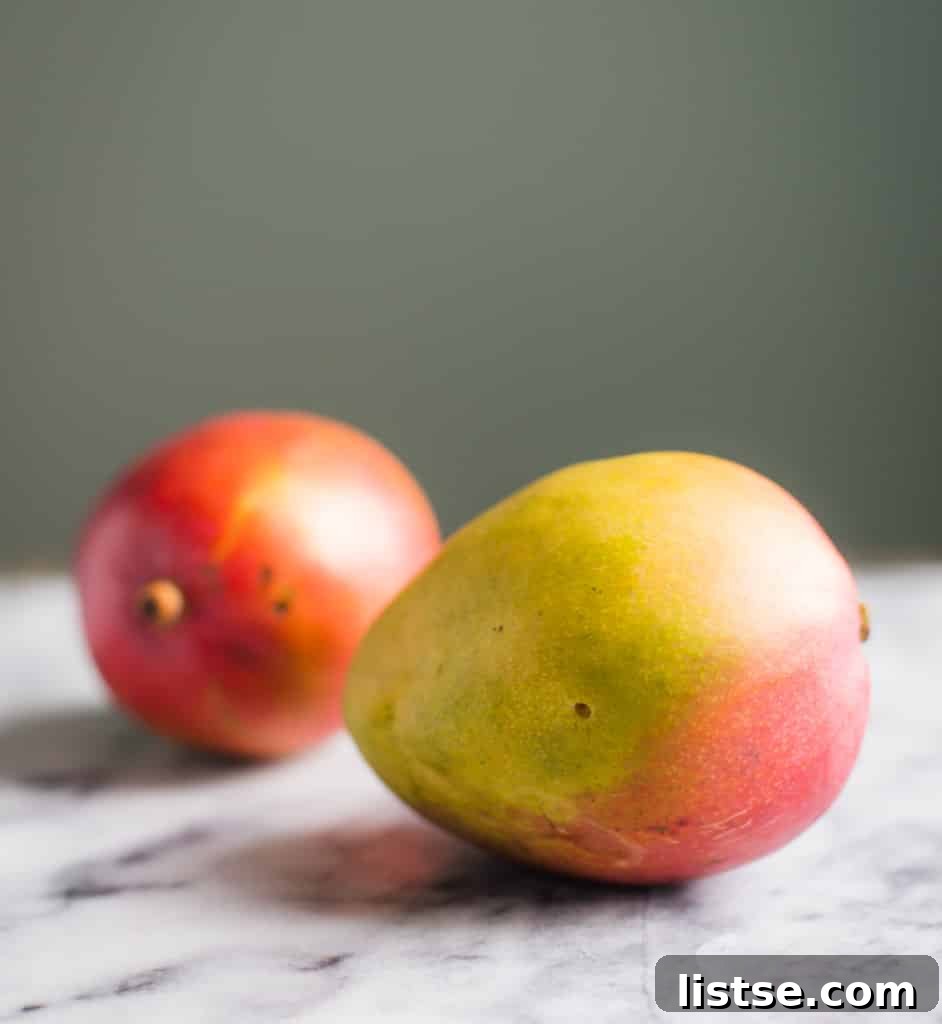
Mangoes are one of the most beloved tropical fruits globally, celebrated for their vibrant flavor and succulent orange flesh. Characterized by their large, inedible seed and smooth, non-edible skin that can display a mesmerizing combination of green, orange, and red hues, mangoes are a true feast for the senses. This incredibly versatile fruit is a staple in many tropical mixed fruit recipes, adding a burst of sweetness and a hint of tang. Mangoes can be enjoyed fresh, offering a juicy and fibrous texture, or transformed into dehydrated snacks, chutneys, smoothies, and an integral part of various cooked dishes, from savory salsas to sweet desserts. They are rich in vitamins A and C, and dietary fiber.
Manicotti
Manicotti is a classic Italian-American pasta variety, renowned for its large, tubular shape designed specifically to be stuffed. These impressive pasta shells are typically filled with a rich and savory mixture, most commonly featuring creamy ricotta cheese, tender cooked spinach, and often ground meat such as veal, beef, or Italian sausage. Once filled, manicotti are arranged in a baking dish, generously topped with a vibrant red sauce—like marinara or a chunky tomato sauce—and baked until bubbly and golden. This dish is a hearty and satisfying entrée, perfect for family dinners or special occasions, offering a delightful combination of textures and flavors.
Maple Syrup
Maple syrup is a natural sweetener produced from the sap of specific maple trees, primarily the sugar maple, black maple, and red maple. This amber-hued syrup is widely recognized for its distinctive sweet flavor with notes of caramel and vanilla. While it is famously drizzled over breakfast staples such as pancakes, waffles, and French toast to impart sweetness and a unique flavor, its culinary applications extend far beyond. Maple syrup is also an excellent ingredient in glazes for sweet potatoes and carrots, a sweetener for oatmeal, a moistening agent in baked goods, a topping for ice cream, and even a secret ingredient in savory marinades, adding depth and complexity to a variety of dishes.
Marjoram
Marjoram is a fragrant herb belonging to the mint family, closely related to oregano but typically possessing a milder, sweeter, and more delicate flavor profile. It offers an earthy, somewhat pine-like taste with subtle citrus and floral notes. This versatility makes marjoram a cherished ingredient in a wide array of cuisines, particularly Mediterranean and Middle Eastern. It enhances the flavor of soups, stews, and fresh salads, and is a common ingredient for seasoning meat dishes, poultry (especially turkey and chicken), and even fish. Its gentle warmth pairs beautifully with vegetables and enriches dressings, making it a valuable addition to any herb garden or spice rack.
Marmalade
Marmalade is a distinctive fruit spread, celebrated for its unique bittersweet flavor and often chunky texture, derived from citrus fruit juice and finely sliced peels. The traditional method involves combining the juice and peels with boiled water and sugar, then simmering the mixture until it sets into preserves. While authentic marmalade most famously utilizes bitter Seville oranges for their characteristic tang, it can also be crafted from other citrus varieties such as lemons, limes, grapefruit, mandarins, and kumquats. Its complex flavor makes it a sophisticated accompaniment to toast, scones, or pastries, and a flavorful addition to glazes for meats or as a filling in baked goods.
Marshmallows
Marshmallows are a beloved confectionery treat, distinguished by their soft, spongy, and airy texture. Traditionally made from a simple combination of sugar, water, and gelatin, these ingredients are whipped together until they reach a light yet solid consistency. The resulting fluffy mixture can be used in various forms: piped as a delightful filling for baked goods, molded into whimsical shapes and dusted with corn starch to prevent sticking, or roasted over a campfire for a classic gooey indulgence. Marshmallows are also a common and cherished ingredient in traditional Thanksgiving desserts like candied yams, adding a sweet and caramelized topping, and are integral to s’mores and various dessert bars.
Meringue
Meringue is an elegant and airy dessert created from the simple yet transformative combination of whipped egg whites and sugar. The whipping process incorporates air, resulting in a light, stable foam that can be soft and chewy or crisp and brittle depending on baking. To enhance stability and flavor, acidic ingredients such as lemon juice, vinegar, or cream of tartar are often added. Meringue is remarkably versatile: it can be baked into delicate cookies, served plain as a cloud-like confection, or used as a luxurious topping for various pies, most famously lemon meringue pie, where its sweet, toasted peaks provide a beautiful contrast to a tart filling. It also forms the base for classic desserts like pavlova.

Mint
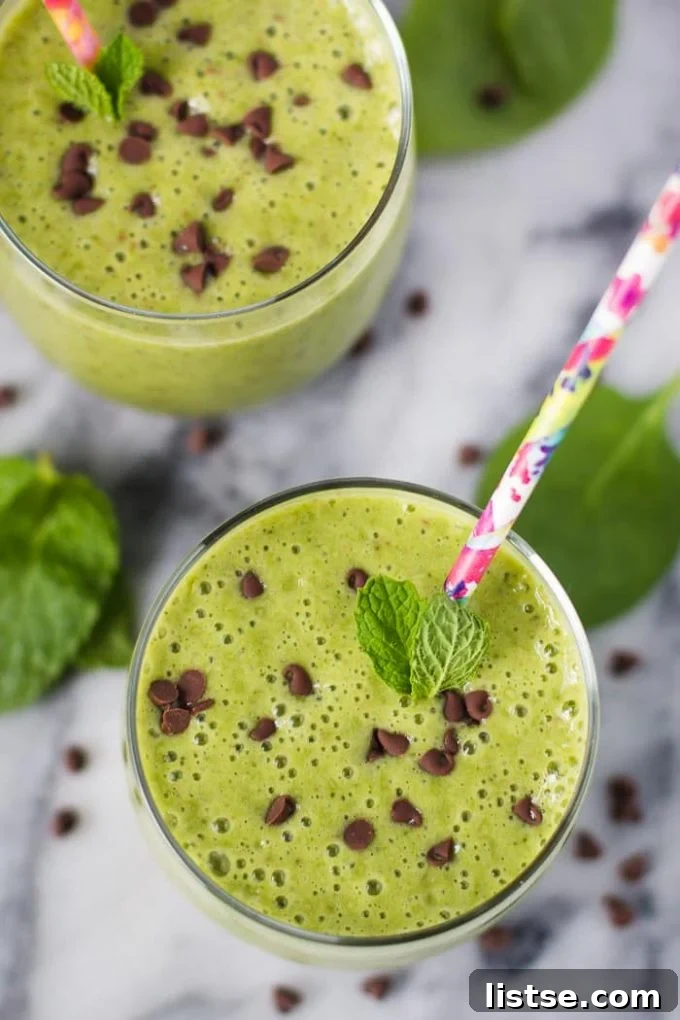
Mint is a highly aromatic herb celebrated for its distinctively refreshing and cooling flavor, attributed to the presence of menthol. This versatile herb is a staple in a vast array of global cuisines, lending its invigorating essence to both sweet and savory recipes. Beyond its role as a beautiful garnish, mint can profoundly flavor meats such as lamb and chicken, infuse drinks like refreshing teas and mojitos, and brighten salads and desserts. The iconic Mint Julep, a classic alcoholic cocktail, exemplifies mint’s power, harmoniously combining bourbon, sugar, water, ice, and an abundance of fresh mint to create a perfectly balanced and exhilarating drink, especially popular during the Kentucky Derby.
Miso Soup
Miso soup is a fundamental and beloved staple of Japanese cuisine, renowned for its comforting warmth and distinctive umami flavor. The soul of this soup lies in its simple yet profound combination of dashi stock—a savory broth made from kombu (kelp) and katsuobushi (bonito flakes)—and softened miso paste, a fermented soybean seasoning. While these two ingredients form the base, miso soup is incredibly adaptable, allowing for a myriad of additions. Common ingredients include delicate cubes of tofu, thinly sliced scallions, crunchy bean sprouts, and various seasonal vegetables or seaweeds, all contributing to different varieties and textures, making each bowl a unique and nourishing experience.
Molasses
Molasses is a viscous, dark syrup created as a byproduct of refining sugarcane or sugar beets into granulated sugar. This thick, sticky sweetener is celebrated for its deep, rich, and slightly bittersweet flavor, which varies in intensity depending on the number of times the sugar syrup has been boiled. Light molasses is sweeter and milder, while blackstrap molasses is robust and somewhat bitter, packed with minerals. Molasses is a foundational ingredient in many baked goods, contributing moisture, color, and a distinctive flavor to gingerbread, brown bread, and certain cookies. It’s also used in candymaking and is the key ingredient in the distillation of rum, giving the spirit its characteristic depth.
Monkey Bread
Monkey bread is a delightful and indulgent pull-apart pastry, widely cherished as a sweet breakfast food or dessert treat, particularly popular in the United States. This charming confection is made by coating small pieces of dough, often biscuit or brioche dough, in a generous mixture of cinnamon and sugar, which are then artfully arranged and baked together, typically in a bundt cake pan. As it bakes, the dough pieces meld slightly, creating a soft, caramelized, and fragrant masterpiece. After baking, monkey bread is often inverted, then decadently topped with an extra sprinkle of cinnamon, powdered sugar, or a sweet, sticky glaze, inviting diners to pull off individual, sugary pieces by hand.
Mousse
Mousse is a culinary creation defined by its airy, light, and ethereal texture, achieved by incorporating air bubbles through whipping. This versatile dish can be either sweet or savory, adapting to a wide range of flavor profiles. Among its many iterations, chocolate mousse stands out as one of the most popular and decadent varieties. A classic chocolate mousse typically combines rich dark chocolate with heavy cream, delicately whipped cream, and often egg yolks, which contribute to its luxurious creaminess and stability. The result is a sophisticated dessert that melts in the mouth, offering a harmonious balance of intense chocolate flavor and delicate lightness, making it a timeless treat.
Mozzarella
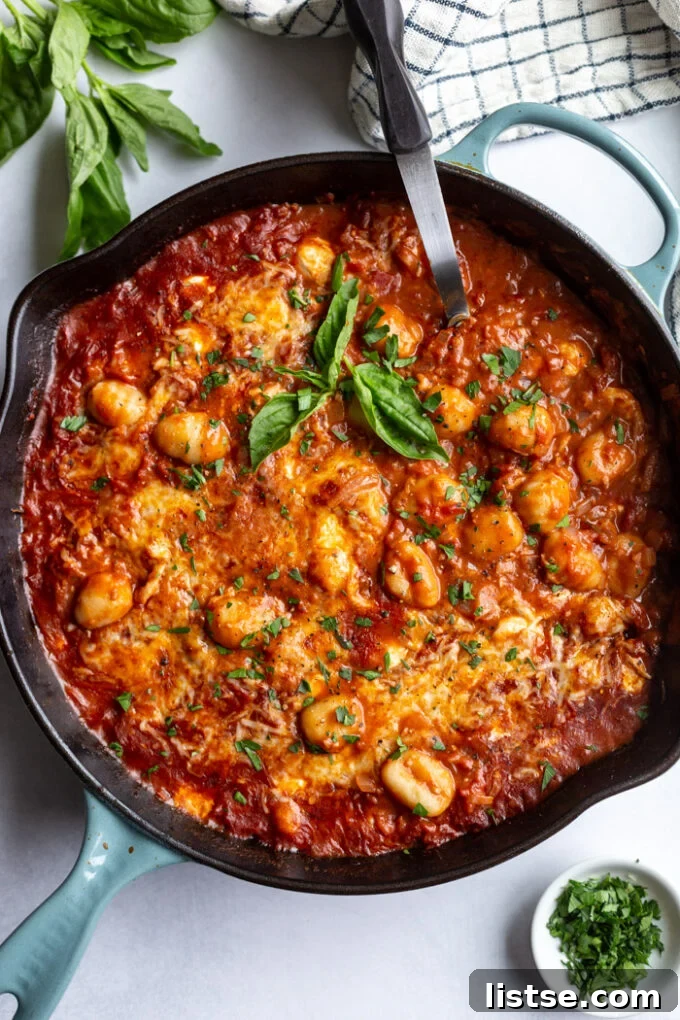
Mozzarella is a famous Italian cheese, traditionally crafted from the milk of water buffalo (mozzarella di bufala) using the pasta filata method, which involves kneading and stretching the curd. While fresh mozzarella is typically a brilliant white, its color can subtly shift to a pale yellow when seasoned or aged, indicating changes in its composition. This versatile cheese can be savored on its own, paired simply with crackers, or as a star ingredient in countless recipes. Its mild, milky flavor and elastic texture make it perfect for pizzas, lasagnas, caprese salads, and more. When breaded and deep-fried, mozzarella sticks become a beloved appetizer, often served with a vibrant marinara sauce, showcasing its delightful meltiness.
Mushrooms
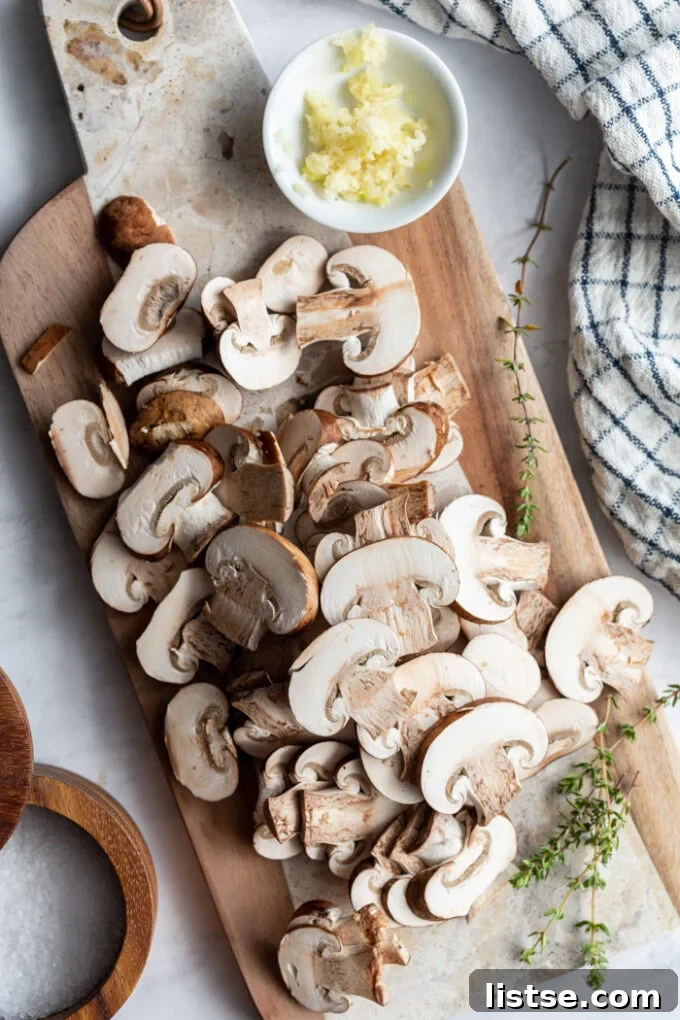
Mushrooms are the fleshy, spore-bearing fruiting body of a fungus, typically produced above ground on soil or on its food source. Far from being just a vegetable, mushrooms represent an incredibly diverse kingdom of fungi, with over 14,000 known species globally. These fascinating organisms range widely in size, shape, color, and flavor, offering a broad spectrum of culinary applications. Popular edible varieties include the earthy portabella, the umami-rich shiitake, the delicate oyster mushroom, and the versatile white button mushroom. Mushrooms are prized for their unique textures and savory, umami-packed flavors, making them a staple in cuisines worldwide, whether sautéed, roasted, grilled, or added to soups and stews.
Mustard
Mustard is a condiment and ingredient derived from the seeds of the mustard plant. Both the seeds and the leafy greens of the mustard plant are edible and have distinct culinary uses. Dry mustard refers to either whole or ground mustard seeds, which can be used as a spice in cooking, offering a pungent, spicy kick. Prepared mustard, such as the ubiquitous yellow mustard, is made by combining finely ground mustard seeds with a liquid base, typically water, vinegar, or lemon juice, along with salt and various other spices like turmeric, paprika, or garlic powder. This combination creates a wide range of mustards, from hot and tangy to mild and sweet, perfect for sandwiches, dressings, marinades, and as a flavorful accompaniment to meats.
The ‘M’ List: A Culinary Journey Conclusion
We hope this comprehensive exploration of foods that start with the letter M has inspired you to try new ingredients and rediscover old favorites. From the creamy indulgence of macadamia nuts to the refreshing zest of mint, and the comforting embrace of macaroni and cheese, the “M” category truly offers something for every palate and occasion. The next time you’re planning a meal or simply looking for a snack, consider adding one of these marvelous “M” foods to your menu. Did we miss any of your favorite “M” foods? Share your culinary discoveries with us!