
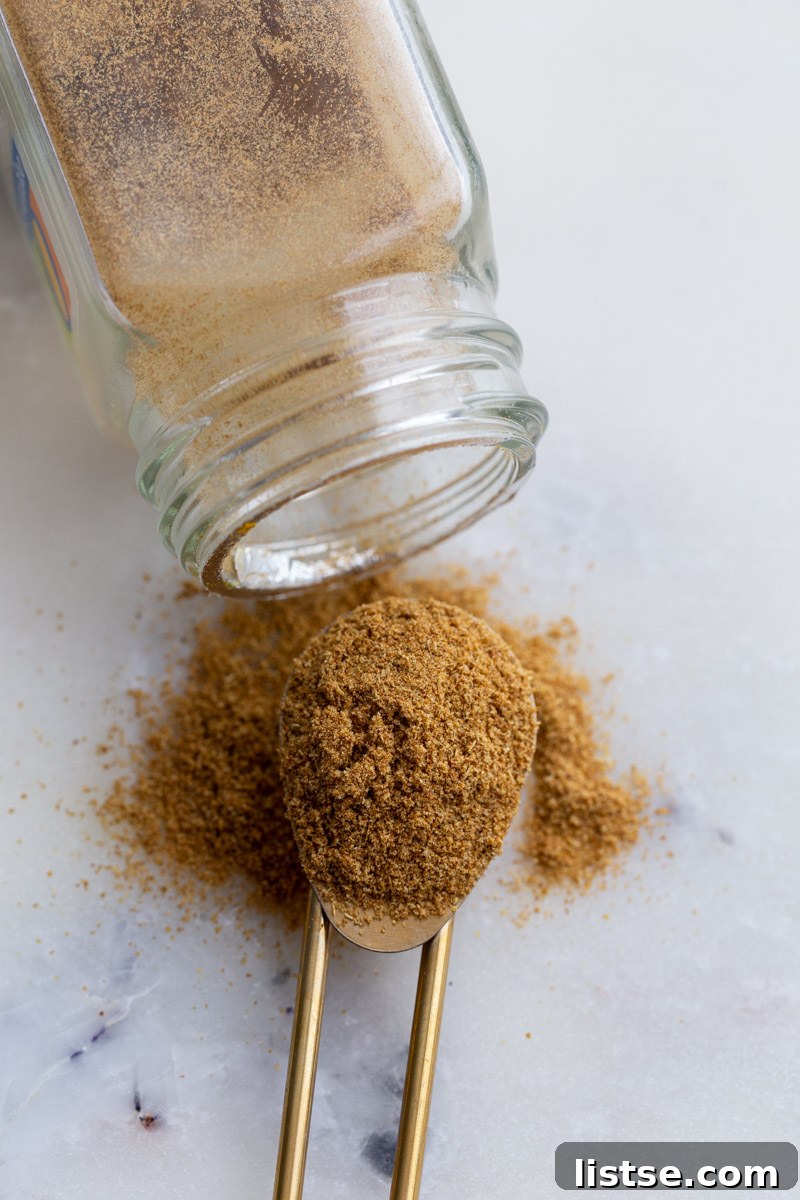
Ever found yourself in the middle of preparing a delicious meal, only to realize you’re completely out of cumin? Don’t let a missing ingredient derail your culinary plans! Cumin is a fundamental spice in countless global cuisines, offering a distinctive earthy, warm, and slightly pungent flavor that is hard to replicate. However, with the right knowledge, you can easily find fantastic substitutes for both ground cumin powder and whole cumin seeds, ensuring your dish still tastes incredible.
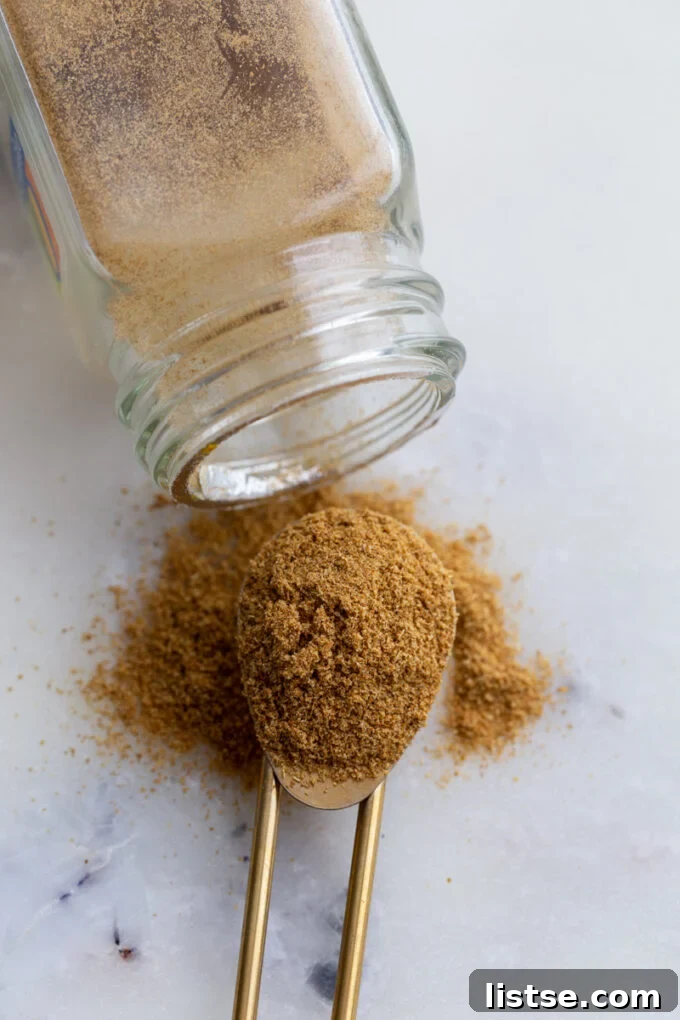
This comprehensive guide will walk you through the best alternatives when cumin is not on hand. We’ll explore seven excellent replacements for ground cumin and two perfect swaps for cumin seeds, along with crucial tips on how to use them effectively to maintain the integrity of your recipe’s flavor profile. From robust chili powders to aromatic garam masalas, discover how to keep your kitchen adventures flavorful and uninterrupted, even without cumin!
What is Cumin? Unpacking This Essential Spice
Cumin, scientifically known as Cuminum cyminum, is a flowering plant belonging to the Apiaceae family, which also includes parsley, carrots, and dill. Native to the Middle East, this ancient spice has been cultivated for thousands of years and holds a revered place in cuisines across the globe, from Indian and Mexican to North African and Middle Eastern dishes. Each seed, often mistakenly called a seed, is actually the dried fruit of the plant, containing a single seed. These seeds are harvested, dried, and then used either whole or ground into a fine powder.
Cumin seeds are small, oblong, and ridged, typically light yellow-brown in color, bearing a superficial resemblance to caraway seeds. This similarity is not purely coincidental, as they are botanically related. The flavor profile of cumin is complex and distinctive: it’s profoundly earthy, warm, slightly bitter, and pungent, with a subtle nutty undertone and a unique aroma that often has a hint of smokiness. When toasted, whole cumin seeds release an even more intense and nuanced flavor, which is why many recipes call for toasting before grinding or using whole.
Beyond its use as a standalone spice, cumin is a cornerstone ingredient in many popular spice blends. It’s a key component in chili powder, imparting much of its characteristic warmth and depth. It’s also vital to most curry powders, where it blends with other aromatics like turmeric, coriander, and ginger. Garam masala, a staple in Indian cuisine, also heavily features cumin. Its robust flavor makes it perfect for enriching stews, soups, chilies, curries, roasted vegetables, and even pickled foods, providing a depth that can transform simple ingredients into exotic dishes. While traditional medicine has historically employed cumin for various ailments, modern research is ongoing, and its primary role today remains culinary.
Why You Might Need a Cumin Substitute
Running out of cumin can be a frustrating moment, especially when a recipe critically depends on its unique flavor profile. Whether you’re in the middle of cooking and can’t make a quick run to the store, or perhaps you have a guest with a specific allergy to cumin, knowing suitable substitutes is an invaluable skill for any home cook. Sometimes, you might even be looking to slightly alter a dish’s flavor to your preference, or simply experiment with new spice combinations. Whatever the reason, having a list of reliable cumin alternatives at your fingertips ensures your culinary creativity never grinds to a halt.
General Tips for Successful Cumin Substitution
Substituting any spice requires a bit of finesse to ensure the overall balance of your dish isn’t compromised. Cumin, with its distinct earthy and warm notes, can be particularly challenging, but these tips will help you make the best choice and achieve delicious results:
- Start Small: When using a substitute, always begin with half the amount that the recipe calls for with cumin. This is especially true for spices that might have a different intensity or additional flavor notes. You can always add more, but you can’t take it away.
- Taste and Adjust: The golden rule of cooking! Add a little, stir it in, and taste your dish. Adjust the amount of your substitute until you reach a flavor profile that you find appealing and that complements the dish. Remember that no substitute will perfectly replicate cumin, so aim for a harmonious blend.
- Consider the Dish’s Cuisine: The best substitute can often depend on the type of cuisine you are preparing. For example, taco seasoning works wonderfully in Mexican-inspired dishes, while curry powder or garam masala are ideal for Indian or Southeast Asian recipes.
- Mimic Cumin’s Heat and Earthiness: Many cumin substitutes offer the earthy tones but lack cumin’s characteristic warmth or subtle heat. If your substitute is milder, consider adding a pinch of cayenne pepper, a tiny amount of smoked paprika, or a dash of chili powder to bring back some of that desired warmth and smokiness.
- Freshness Matters: Ensure your substitute spices are fresh. Old, stale spices lose their potency and won’t contribute much flavor to your dish, no matter how much you add.
- Mix and Match: Sometimes, a single substitute isn’t enough. Combining two or more spices can help you achieve a more complex flavor closer to cumin’s multi-faceted profile. For instance, a blend of coriander and a tiny bit of chili powder can be a great mimic.
7 Best Substitutes for Ground Cumin & Cumin Powder
When your recipe calls for ground cumin, these seven ingredients are your go-to solutions. While some can stand alone, others benefit from a little help to capture cumin’s signature warmth and depth.
- Ground Coriander
- Ground Caraway
- Chili Powder
- Taco Seasoning
- Curry Powder
- Garam Masala
- Paprika
Ground coriander is often considered one of the best substitutes for cumin, and for good reason—they are from the same plant family and frequently used together in many spice blends. Coriander offers a bright, citrusy, and slightly earthy flavor with a hint of sweetness, though it is generally milder and less pungent than cumin. Its lemony notes can provide a refreshing twist, while its earthiness complements many dishes that typically use cumin.
How to substitute: Begin by using half the volume of ground coriander that the recipe calls for cumin. For example, if your recipe requires 1 teaspoon of ground cumin, start with ½ teaspoon of ground coriander. If you wish to introduce a touch of cumin’s warmth or subtle heat, you can add a tiny pinch of chili powder, a dash of smoked paprika, or a minuscule amount of cayenne pepper alongside the coriander. Taste and adjust as needed, adding more coriander slowly until the desired flavor is achieved.
Another excellent option related to cumin, caraway seeds (and thus ground caraway) share a similar appearance and some flavor characteristics. Caraway possesses a slightly sweeter, somewhat anise-like or licorice-like flavor, with a peppery, earthy, and warm undertone. It’s a staple in German, Central, and Eastern European cuisines, often found in rye bread, sauerkraut, and cheese. While it’s milder and has a distinct aromatic profile compared to cumin, its underlying earthiness makes it a viable substitute.
How to substitute: Start with half the amount of ground caraway as you would cumin. So, if a recipe calls for 1 teaspoon of ground cumin, use ½ teaspoon of ground caraway. You can gradually add more to taste. Keep in mind that caraway’s unique flavor may subtly alter your dish, so consider if its slightly sweeter, more herbal notes will complement your specific recipe.
Chili powder is a fantastic and convenient substitute for cumin because, in many instances, cumin is one of its primary ingredients. This popular spice blend typically contains ground chili peppers, cumin, oregano, garlic powder, and sometimes salt. Therefore, using chili powder will bring not only cumin’s earthy warmth but also a blend of complementary flavors that work well in many savory dishes, especially those with a Mexican or Tex-Mex influence.
How to substitute: Use half the volume of chili powder that the recipe specifies for ground cumin. If your recipe calls for 1 teaspoon of cumin, use ½ teaspoon of chili powder. Be mindful that chili powder will add other flavors and often a reddish color to your dish. It may also introduce a varying level of heat depending on the brand and specific blend, so taste carefully and adjust any other seasonings accordingly.
Similar to chili powder, taco seasoning is another pre-mixed blend that almost always includes cumin as a key ingredient. Beyond cumin, it typically contains a medley of spices such as garlic powder, onion powder, oregano, salt, pepper, and sometimes crushed red pepper flakes. This makes it an especially suitable substitute for cumin in Mexican-inspired dishes like tacos, burritos, fajitas, and chili, where these flavors are already expected and welcomed.
How to substitute: When using taco seasoning as a cumin substitute, exercise caution with other salty ingredients in your recipe, as taco seasoning often contains a significant amount of salt. Begin with half the volume of taco seasoning compared to the called-for cumin, e.g., ½ teaspoon of taco seasoning for 1 teaspoon of cumin. Add it first and then adjust any additional salt in the recipe to taste, to prevent over-salting your dish. Its robust flavor profile ensures a flavorful outcome.
Curry powder is a broad term for various spice blends, but most varieties heavily feature cumin alongside other aromatic spices like turmeric, coriander, ginger, and fenugreek. This makes it a great substitute, particularly for dishes inspired by Indian or Southeast Asian cuisines where curry powder’s complex and fragrant profile will feel right at home. It provides warmth, earthiness, and a lovely aromatic quality.
How to substitute: Start with half the amount of curry powder for the called-for cumin (e.g., ½ teaspoon curry powder for 1 teaspoon cumin). Gradually add more to taste. Be aware that curry powder will impart its own distinct color, usually a vibrant yellow due to turmeric, and introduce a broader range of flavors that might alter the original dish’s intended profile. However, in many savory recipes, this can be a welcome enhancement.
Garam masala, another essential spice blend from Indian cuisine, literally translates to “hot spice mixture,” though its heat comes more from its warming properties than a fiery kick. Cumin is a fundamental component of garam masala, alongside other spices like coriander, cardamom, cinnamon, cloves, black pepper, and sometimes nutmeg. It offers a wonderfully fragrant and complex aroma, often described as citrusy and warm, making it an excellent stand-in for cumin in Indian, Mauritian, and South African dishes.
How to substitute: Use half the volume of garam masala that the recipe calls for cumin. If the recipe requires 1 teaspoon of cumin, use ½ teaspoon of garam masala. Since garam masala is traditionally added towards the end of cooking to preserve its delicate aromas, consider adding it shortly before serving for maximum flavor impact. Its rich blend of spices will provide a similar depth and warmth to cumin, though with its own unique aromatic nuances.
Paprika, derived from ground dried peppers, offers a smoky quality that can closely mimic some of the undertones found in cumin. While it typically lacks the distinct earthiness and pungent heat of cumin (unless you’re using hot paprika), its warmth and color make it a surprisingly effective substitute in a pinch. Paprika is a versatile spice, ranging from sweet to hot to smoked, each offering different characteristics.
How to substitute: Begin by using half the volume of paprika compared to the cumin required (e.g., ½ teaspoon paprika for 1 teaspoon cumin). As with chili powder, paprika will lend a reddish hue to your food. To better replicate cumin’s heat and earthiness, consider combining paprika with a tiny pinch of cayenne pepper or a small amount of chili powder. Smoked paprika would be an even better choice if you have it, as it will enhance the smoky notes often desired from cumin.
2 Best Substitutes for Cumin Seeds
Recipes calling for whole cumin seeds often intend for their flavor to be released more slowly, or they might be toasted for a more intense, nutty aroma. If you’re missing whole cumin seeds, these two alternatives can step in to save your dish, though they will introduce their own distinct characters.
- Caraway Seeds
- Fennel Seeds
As mentioned earlier, caraway seeds are closely related to cumin seeds, sharing a similar appearance and some underlying flavor notes. Caraway seeds are popular in European cuisines, particularly in German and Scandinavian dishes, often found in rye bread, cabbage dishes, and certain cheeses. While their flavor is milder and leans towards a sweet, slightly anise-like, and peppery profile rather than cumin’s pungent earthiness, they provide a textural and visual resemblance, along with a complementary warmth.
How to substitute: Use half the volume of caraway seeds for the cumin seeds specified in the recipe. If the recipe calls for 1 teaspoon of cumin seeds, use ½ teaspoon of caraway seeds. You can gradually add more to taste, paying attention to how its unique flavor integrates into your dish. If the recipe involves toasting, caraway seeds can also be lightly toasted to enhance their aromatic qualities, though their flavor will remain distinct from cumin.
Fennel seeds, while also part of the Apiaceae family, possess a much more pronounced anise or licorice-like flavor compared to cumin. They offer a fragrant, sweet, and slightly woody profile, lacking the deep earthiness and smokiness that defines cumin. However, in a pinch, and especially in dishes where a hint of licorice flavor might not be unwelcome (such as some Mediterranean or Indian preparations), fennel seeds can serve as a surprisingly good textural and aromatic substitute for whole cumin seeds.
How to substitute: Begin by using half the volume of fennel seeds for the called-for cumin seeds. For instance, if your recipe requires 1 teaspoon of cumin seeds, use ½ teaspoon of fennel seeds. To help bridge the flavor gap and introduce some of cumin’s missing smokiness and warmth, consider adding a dash of paprika or a tiny pinch of chili powder alongside the fennel seeds. This combination can help approximate the complexity that cumin seeds would typically bring to a dish. Remember to taste and adjust carefully to ensure the anise notes of fennel don’t overpower your recipe.