

The Ultimate List of Delicious Foods That Start With S: A Culinary Journey from Saffron to Sushi
As parents, we often face delightful challenges that spark creativity and learning, and few are as charming as “show and tell” at school. My daughter’s Friday tradition of bringing in an item from her play kitchen, specifically something starting with a particular letter, frequently sends us on a fun yet sometimes perplexing quest. The alphabet can be a vast culinary maze, and when the letter ‘S’ comes around, it opens up a world of fascinating flavors and ingredients that extend far beyond a simple apple or banana.
This comprehensive guide isn’t just for school projects; it’s a vibrant exploration for anyone curious about food, from aspiring young chefs to seasoned home cooks. Whether you’re trying to expand your culinary vocabulary, find inspiration for a themed dinner, or simply discover new and exciting ingredients that begin with ‘S’, this list is designed to inspire. We’ve compiled an extensive collection of 29 unique foods that start with the letter S, each offering a distinct taste, texture, and story. Get ready to embark on a delectable journey through the diverse world of S-foods!
Discover 29 Fascinating S-Foods for Every Palate and Occasion
- Saffron
Often hailed as the world’s most expensive spice by weight, saffron is derived from the delicate, vivid crimson stigmas of the *Crocus sativus* flower. These precious threads are meticulously hand-harvested, then dried, and are highly prized for their intense golden color and distinctive sweet, floral, and slightly earthy aroma. Just a tiny pinch can dramatically transform dishes like Spanish paella, Italian risotto, and French bouillabaisse, imparting a luxurious hue and an unparalleled depth of flavor that is truly unique to gourmet cuisine. Its use dates back thousands of years, revered for both its culinary and medicinal properties. - Sage
An aromatic herb native to the Mediterranean region, though now cultivated globally, sage boasts a robust, earthy flavor profile with intriguing undertones of pepper, mint, eucalyptus, and a subtle hint of lemon. It’s a culinary powerhouse, especially cherished in autumn and winter cooking, offering warmth and complexity. Sage excels at flavoring rich meats like poultry (most notably Thanksgiving turkey) and pork, infusing butter for pasta dishes, and adding a savory, comforting note to roasted root vegetables and hearty stuffings. Its velvety leaves can also be fried until crisp for an elegant garnish.
- Sake
Revered as Japan’s national beverage, sake is a traditional alcoholic drink often referred to as “Japanese rice wine,” though its brewing process is closer to beer. Crafted through a meticulous fermentation involving polished rice, pure water, yeast, and *koji* mold, sake offers a remarkable spectrum of flavors, ranging from dry and crisp to sweet and fruity, with varying levels of umami. While traditionally served warm in some contexts, many premium sakes are best enjoyed chilled to appreciate their intricate aromas and delicate balance. It pairs wonderfully with a wide array of Japanese cuisine, from sushi and sashimi to tempura and grilled dishes, enhancing the dining experience.
- Salad
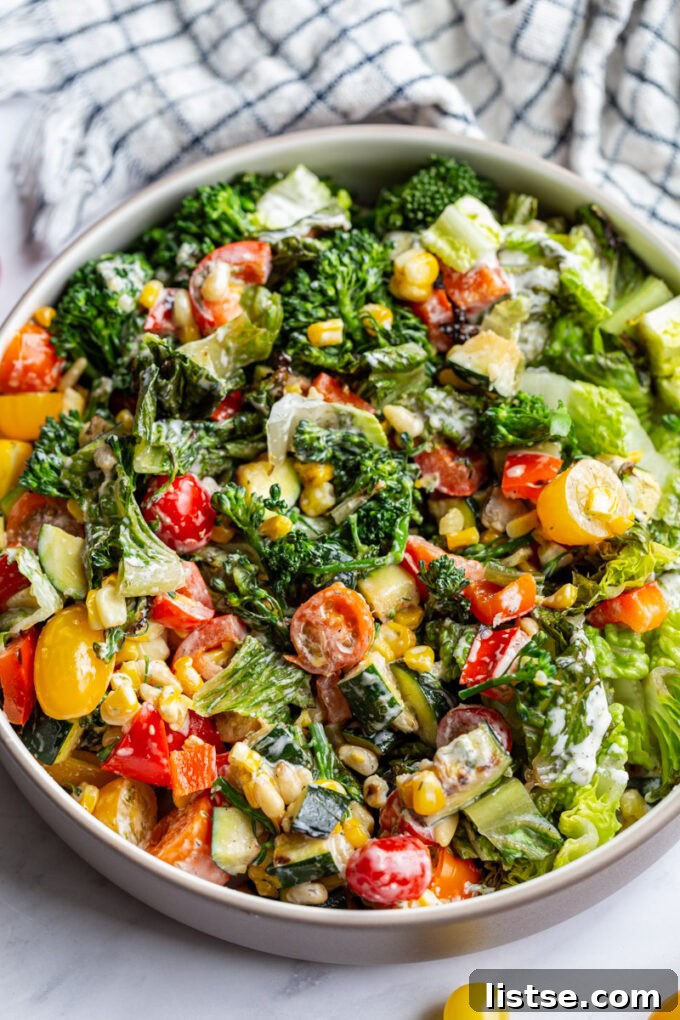
More than just a simple side dish, a salad is a versatile culinary creation typically comprising a mix of various ingredients, often featuring at least one raw component. Leafy greens like lettuce, spinach, and arugula form the foundation of many popular salads, which are commonly served as refreshing appetizers, light main courses, or vibrant accompaniments to meals. The magic often lies in the dressing, with options ranging from zesty vinaigrettes and creamy ranch to savory Italian and bold blue cheese, adding layers of flavor, moisture, and texture to these delightful, often room-temperature, dishes. Salads can incorporate fruits, nuts, cheeses, grains, and proteins, making them endlessly customizable. - Salami
A celebrated charcuterie staple with roots in Italy, salami is a type of cured sausage renowned for its firm texture and rich, savory, often tangy flavor. Unlike fresh sausages, salami undergoes a significant fermentation and air-drying process, which gives it its characteristic dry and hard consistency, allowing for long shelf life. Traditionally made from fermented and dried meats, primarily pork, and seasoned with a distinctive blend of spices (such as garlic, salt, pepper, and herbs), salami is incredibly versatile. It makes an excellent topping for sandwiches and pizzas, can be incorporated into cooked dishes, or simply enjoyed thinly sliced as part of an antipasto platter.
- Salmon
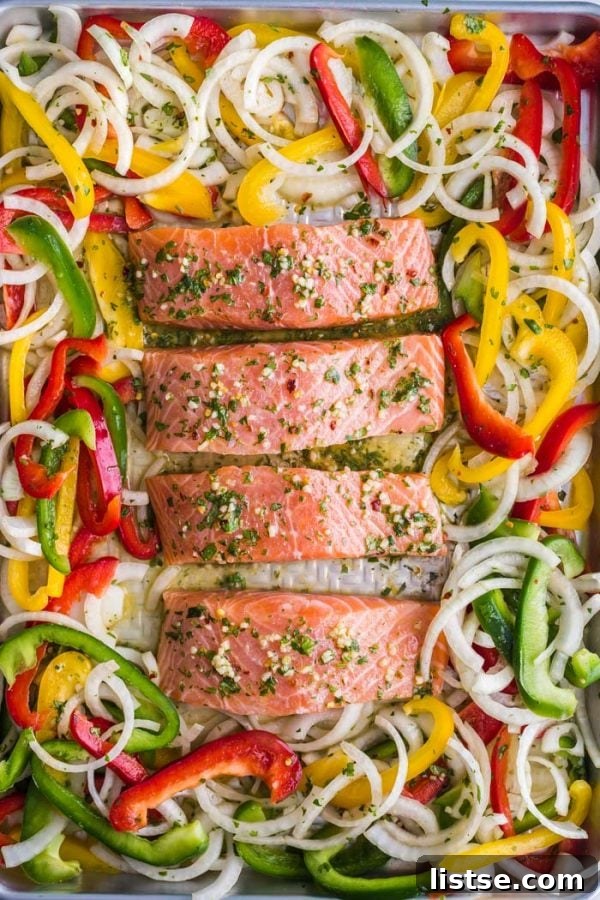
A highly nutritious and widely enjoyed oily fish, salmon is celebrated for its abundant protein content and beneficial omega-3 fatty acids, crucial for heart and brain health. Its distinctive pink or orange flesh boasts a robust, rich flavor that is surprisingly delicate, lacking the intense “fishy” taste often associated with other seafood. This makes salmon incredibly versatile and appealing to a broad palate, perfect for grilling, roasting, baking, broiling, or pan-frying. It pairs beautifully with a vast array of vegetable side dishes, lemon, dill, and is a popular choice for everything from sophisticated main courses to comforting curries, chowders, and fresh sushi.
- Salsa
More than just a dip, salsa is a vibrant and flavorful category of sauces deeply embedded in Mexican and Mexican-American culinary traditions. Its name, meaning “sauce” in Spanish, aptly describes its role as a dynamic condiment. Typically served at room temperature with crispy tortilla chips, salsa can vary dramatically in heat level, from mild and mellow to fiery and intense, and in texture, from smoothly pureed to satisfyingly chunky. Essential ingredients often include ripe tomatoes, pungent onions, spicy jalapeños or serranos, aromatic garlic, fresh cilantro, and a squeeze of lime juice, creating a fresh condiment that adds zest to countless dishes, including tacos, burritos, and grilled meats. - Salt
An indispensable mineral compound, salt is fundamental to both cooking and human physiology, playing a vital role in taste perception and bodily functions. Found abundantly in crystallite formations and dissolved in seawater, it is primarily used to enhance, balance, and preserve the flavors of food. Common table salt, often iodized to prevent iodine deficiency, is a kitchen staple, but specialty salts like flaky sea salt, mineral-rich Himalayan pink salt, and coarser kosher salt offer unique textural and mineral profiles that can elevate a dish. Beyond flavoring, salt is a historical preservative, essential for curing meats and pickling vegetables, extending their shelf life for centuries.

- Sandwich
A universally beloved and incredibly versatile meal, the sandwich typically consists of fillings nestled between two slices of bread, or sometimes within a single roll or bun. From simple cheese and tomato to elaborate gourmet creations, sandwiches are limited only by imagination and local culinary traditions. Common fillings include various sliced meats, cheeses, fresh vegetables (like lettuce, tomato, onion), and an array of condiments such as mustard, mayonnaise, or relish. They can be enjoyed cold for a quick, portable lunch or grilled to perfection for a warm, comforting meal like a Reuben or a grilled cheese. In some regions, the term has even broadened to encompass fast-food items like cheeseburgers, highlighting its adaptability and widespread appeal across cultures. - Sardines
These small, oily fish, belonging to the herring family, are believed to be named after the Mediterranean island of Sardinia, where they were once found in great abundance. Sardines are a nutritional powerhouse, packed with beneficial omega-3 fatty acids, calcium (especially when consumed with bones), and vitamin D. Often preserved in oil or brine and packed into cans, their distinct flavor is pleasantly salty but generally less intense than anchovies. They are delicious served simply on crackers, tossed into salads, incorporated into pasta dishes, or enjoyed as part of a classic Portuguese or Spanish tapa, offering a convenient and healthy protein source. - Sauerkraut
A traditional German staple with a history spanning thousands of years, sauerkraut is finely shredded raw cabbage that has been fermented by various lactic acid bacteria. This ancient preservation method results in a distinctive tangy, sour flavor, along with a satisfyingly crisp and chewy texture. Sauerkraut is incredibly versatile in the kitchen, often served as a robust side dish to rich meats like pork, piled high on classic sandwiches (particularly the Reuben), paired with sausages, or even enjoyed straight from the jar with crackers. Its probiotic benefits also make it a popular choice for digestive health and gut wellness.

- Sausage
A beloved and ancient food product found in nearly every cuisine worldwide, sausage is typically made by grinding meat (most commonly pork, but also beef, chicken, or plant-based alternatives) and blending it with salt, a variety of spices, herbs, and other flavorings before encasing it, often in natural or synthetic casings. The specific seasonings play a crucial role in determining its final profile, which can range from smoky and salty to subtly sweet, intensely spicy, or richly herbaceous. Sausages are incredibly versatile: they can be grilled, fried, baked, boiled, or crumbled into countless recipes, serving as a hearty meal component on their own or an essential, flavorful addition to stews, pasta sauces, pizzas, and breakfast plates. - Scallops
These exquisite bivalve mollusks are a true delicacy of the sea, prized for their delicate, sweet, and slightly briny flavor and their remarkably tender, buttery texture, often compared to crab or lobster. While many varieties share this characteristic, some scallops exhibit subtle nutty notes, akin to almonds or hazelnuts, adding another layer of complexity to their profile. They can be pan-seared to a golden perfection and served as an elegant standalone appetizer, or integrated into sophisticated main courses with pasta, risottos, or light sauces. Interestingly, sea scallops are significantly larger, often three times the size of their bay scallop cousins, which are smaller and sweeter. - Scone
A beloved baked good originating from the British Isles, a scone is a lightly sweetened, often round, individual pastry known for its slightly crumbly yet tender texture. Traditionally, scones are a quintessential part of afternoon tea, enjoyed plain or lavishly adorned with clotted cream and jam. Beyond the classic, many delightful variations exist, incorporating ingredients like dried fruits (cranberry, raisin, orange zest), chocolate chips, or even savory elements like cheese and chives. Some are glazed with an egg wash for a golden, shiny finish, while others might be topped with frosting or other sweet embellishments, making them a versatile treat for breakfast, brunch, or tea time.
- Sesame Seeds
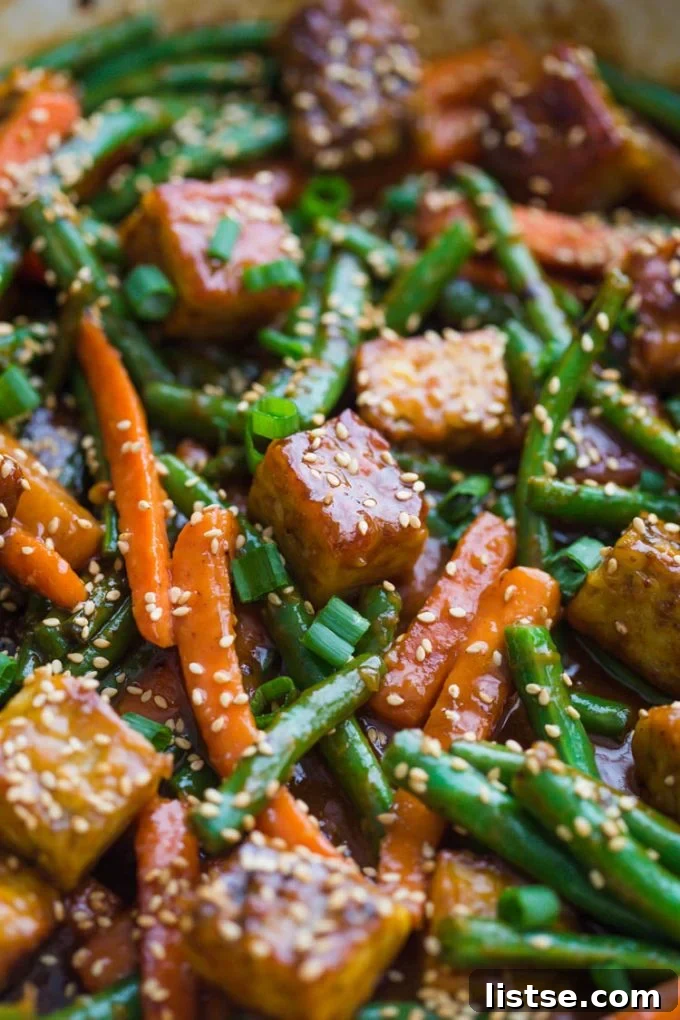
Tiny yet mighty, sesame seeds are edible seeds harvested from the sesame plant (*Sesamum indicum*), cultivated in tropical and subtropical regions worldwide. These versatile seeds are celebrated for their rich, nutty, and slightly sweet flavor, which intensifies wonderfully when toasted. They are a staple ingredient in global cuisine, used to produce flavorful oils and tahini paste (a key component in hummus and baba ghanoush), or sprinkled directly onto cooked dishes for added texture and aroma. From adorning hamburger buns and bagels to garnishing Asian stir-fries, Middle Eastern pastries, and baked goods, sesame seeds offer a delightful crunch and distinct taste. - Shake
The quintessential sweet dessert beverage, a shake (or milkshake) is a delightful concoction of blended milk, ice cream, and various flavorings, creating a creamy, indulgent treat. The flavor possibilities are nearly endless, drawing from ingredients like rich chocolate syrup, gooey caramel sauce, buttery butterscotch, vibrant fruit purees (like strawberry or banana), or a medley of other mix-ins such as cookies, candies, or coffee. Typically enjoyed through a straw, thicker shakes are often served with a spoon, offering a satisfyingly dense and chilled dessert experience that’s a favorite across generations, especially in warmer weather. - Shallots
Often mistaken for small onions, shallots are distinct for their sweeter, milder, and more delicate flavor profile with a subtle hint of sharpness, making them less pungent than a typical onion or raw garlic. These elegant bulbs are incredibly versatile in the kitchen, revered by chefs for their nuanced taste. They can be finely minced and used raw in fresh salads, delicate vinaigrettes, and marinades, where their subtle flavor shines. Shallots are also superb when sliced and incorporated into a vast array of cooked dishes, where they soften and caramelize beautifully, adding depth to sauces, roasts, and sautéed vegetables. Preparing shallots simply involves trimming the ends, peeling away the papery skin, separating the individual cloves, and then slicing or dicing as needed for your recipe.
- Shrimp
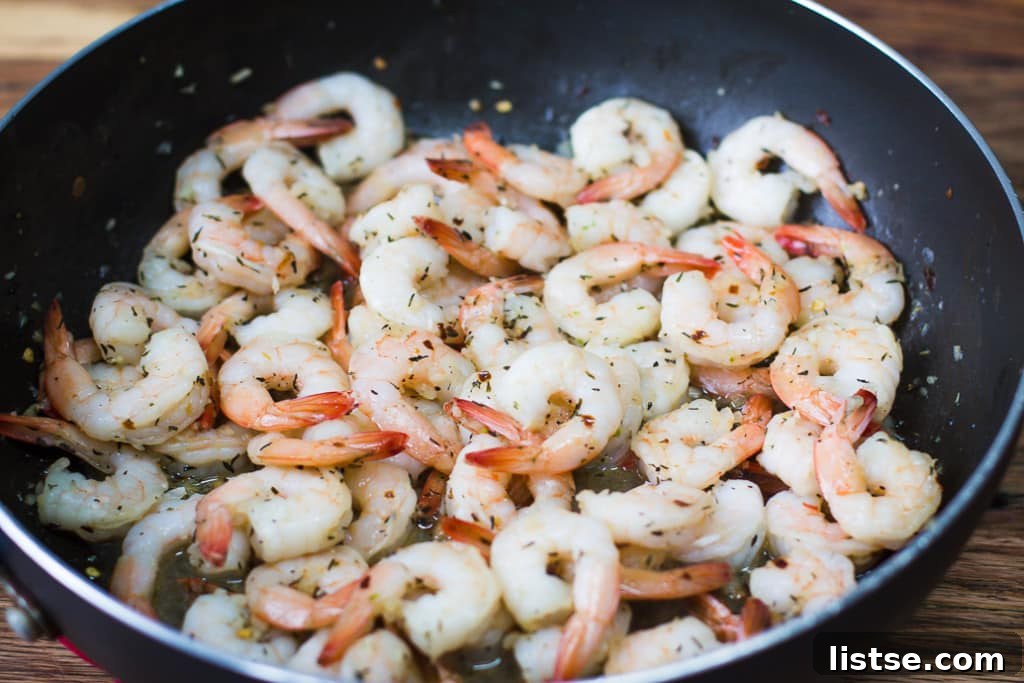
These popular decapod crustaceans, characterized by their elongated bodies and ten legs, are a beloved ingredient in countless cuisines worldwide once cooked. When raw, they typically appear translucent gray, but upon cooking, they turn a vibrant pink or orange, firming up in texture. While many cooks choose to devein shrimp for aesthetic reasons (removing the digestive tract), it’s important to note that deveining is not strictly necessary for edibility. The hard tails are frequently left intact for presentation or as a convenient handle, though this portion is not typically consumed. Shrimp can be grilled, fried, boiled, sautéed, or baked, adapting well to a myriad of flavor profiles from spicy curries to delicate pasta dishes, making them an incredibly versatile seafood choice. - Soba
A cornerstone of traditional Japanese cuisine, soba refers to thin, distinctive noodles made primarily from buckwheat flour, giving them a slightly nutty and earthy flavor. Unlike ramen, which is typically wheat-based, soba’s unique texture and taste come from its buckwheat content, which can vary in percentage. These versatile noodles can be enjoyed in various ways: served chilled with a savory dipping sauce (*zaru soba*) during warmer months, or immersed in a hot, flavorful broth as a comforting soup during colder seasons. Soba is found everywhere from quick-service noodle shops to elegant fine dining establishments across Japan, cherished for its unique taste and nutritional benefits. - Soda
Also known colloquially as pop, fizzy drink, or soft drink, soda is a carbonated beverage that typically combines filtered water, a sweetener (sugar, high-fructose corn syrup, or artificial alternatives), and a variety of flavorings. These often sweet and bubbly drinks can also contain caffeine, artificial colorings, and preservatives, contributing to their vast range of flavors, from classic colas and lemon-lime to vibrant fruit-flavored concoctions. Cola drinks, in particular, remain one of the most widely consumed soda beverages globally, offering a refreshing and effervescent experience that is enjoyed by millions, often served over ice.

- Soup
A comforting and universally cherished dish, soup is a liquid-based meal, almost always served hot, often containing a delightful medley of solid ingredients like chunks of meat, vegetables, legumes, and grains. Its foundation is typically a flavorful broth or stock, which can range from rich meat stocks (beef, chicken), light vegetable stocks, to creamy bases (like dairy or coconut milk). Soups offer endless possibilities for customization, allowing for a diverse combination of ingredients, herbs, and seasonings, making each bowl a unique and nourishing experience, perfect for any season or mood, from light consommés to hearty stews. - Soybean
The soybean, or simply soy, is a remarkably versatile legume originating from East Asia and has become a global dietary staple due to its exceptional protein content and wide range of applications. This powerhouse plant forms the basis for an astonishing array of food products, including nourishing soy milk, firm tofu (a versatile plant-based protein), and fermented tempeh. Soy is also crucial for popular condiments like soy sauce, an essential flavoring agent in countless Asian recipes. Due to its status as a common allergen, food manufacturers in many countries, including the United States, are legally required to clearly label products containing soy ingredients, ensuring consumer safety and awareness. - Spinach
A highly nutritious leafy green vegetable, spinach is celebrated for its slightly sweet, earthy flavor and tender texture when young, becoming more robust with maturity. It’s incredibly versatile, equally delicious when eaten raw in fresh salads, where its delicate leaves add a pleasant crispness, or cooked. When wilted, spinach becomes a rich, iron-packed addition to a myriad of dishes, from sautés and omelets to casseroles, pasta sauces, and vibrant green smoothies. Spinach dip, a creamy concoction often combining chopped spinach with various dairy products and seasonings, is a popular appetizer, typically served with crusty bread or vegetable sticks for dipping, making it a beloved choice for gatherings. - Star Fruit
Also known as carambola, star fruit is an exotic and visually captivating fruit, predominantly cultivated and enjoyed in parts of Brazil, Southeast Asia, the South Pacific, and the Caribbean. True to its name, when sliced crosswise, this vibrant yellow-green fruit reveals a distinctive five-point star shape, making it a popular garnish. Its flavor profile offers a unique balance of sweetness and tartness, often described as a blend of apple, pear, and citrus. Smaller fruits generally lean sour, while larger, riper ones tend to be sweeter. The thin, waxy skin is entirely edible, making it a convenient and refreshing snack or a stunning addition to fruit salads and desserts. - Steak
A quintessential main course enjoyed across cultures, steak refers to a cut of meat, usually beef (though pork, lamb, and fish can also be cut into “steaks”), that is typically sliced across the muscle fibers and often includes a bone. Valued for its rich, savory flavor and satisfying texture, steak can be prepared using various cooking methods, most commonly grilling, pan-frying, or broiling, to achieve desired levels of doneness from rare to well-done. It serves as a prominent staple in fine dining establishments across the United States and worldwide, often accompanied by a range of complementary sauces (like béarnaise or peppercorn), rubs, and seasonings that elevate its robust taste, providing a luxurious dining experience.

- Strawberries
These iconic bright red berries are synonymous with summer, cherished worldwide for their intensely juicy texture, delightful sweetness, and often a subtle tart undertone. Strawberries are incredibly versatile; they can be enjoyed fresh and plain as a healthy snack, or transformed into a star ingredient in countless desserts, from classic shortcakes and pies to tarts, parfaits, and ice creams. Beyond their fresh appeal, they are frequently processed into jams, jellies, purees, and dessert toppings, and lend their vibrant flavor to salads, baked goods, and refreshing beverages like lemonade and smoothies. Rich in Vitamin C and antioxidants, they are a true seasonal treat that signals the arrival of warmer weather and fresh produce.
- Sushi
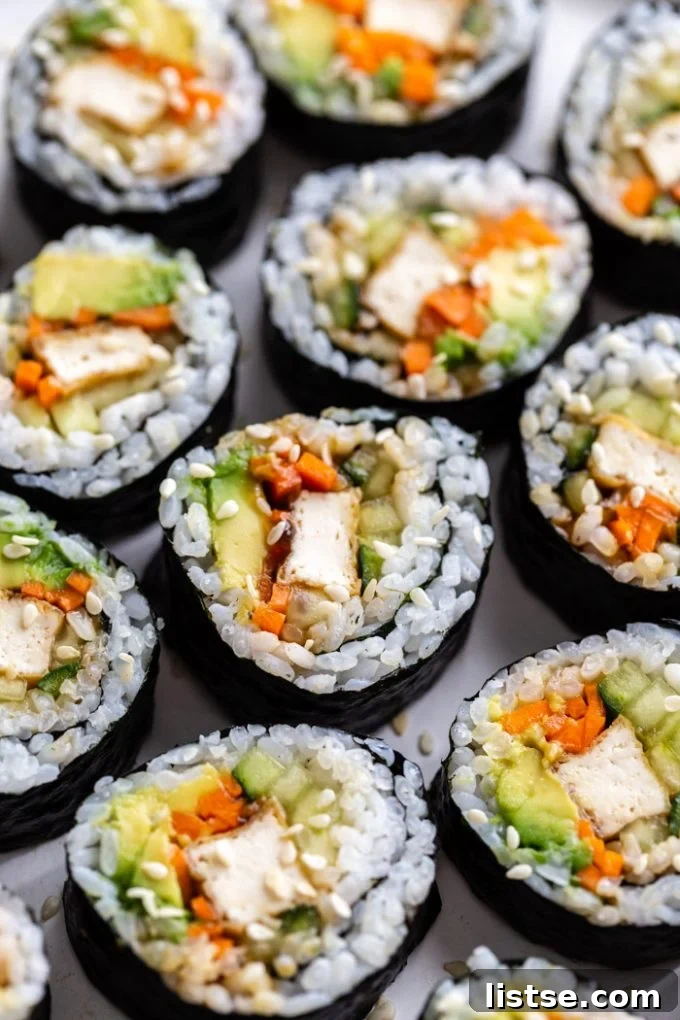
A revered traditional Japanese dish, sushi is an artful combination centered around vinegared rice, often paired with various complementary ingredients such as fresh seafood (raw or cooked), vibrant vegetables, and sometimes egg. The sushi rice itself is a key component, meticulously prepared and seasoned with sugar, salt, and rice vinegar to give it its characteristic slightly sweet and tangy flavor. Sushi comes in an astonishing array of forms and flavors, from classic *nigiri* (a small mound of rice topped with a slice of fish) and *sashimi* (thinly sliced raw fish) to elaborate *maki* rolls (rice and fillings wrapped in seaweed). Popular fillings and toppings include delicate raw fish like tuna and salmon, creamy avocado, crisp cucumber, savory cooked eel, and various vegetarian options, offering a delightful and visually appealing culinary experience for every palate. - Sweet Potato
A wonderfully nutritious and incredibly versatile tuberous root, the sweet potato (*Ipomoea batatas*) is celebrated for its natural sweetness, starchy texture, and vibrant flesh, which can range from bright orange to purple. While the root is the most commonly consumed part, the young shoots and leaves can also be prepared as nutrient-rich greens in some cultures. Sweet potatoes excel in a multitude of culinary applications: they can be baked until tender, roasted to a golden crisp, mashed into a creamy side dish, fried into chips, or incorporated into both savory (like curries and stews) and sweet (like pies and casseroles) recipes. Baked sweet potatoes are often enjoyed simply with butter, cinnamon, and a touch of brown sugar, honey, or maple syrup, making them a comforting, wholesome, and fiber-rich staple.
We hope this expansive list of ‘S’ foods has provided you with plenty of inspiration, whether you’re helping a child prepare for “show and tell,” planning a themed meal, expanding your culinary repertoire, or simply deepening your appreciation for global cuisine. The world of food is vast and exciting, and the letter ‘S’ truly serves up a feast of delicious and diverse options, inviting you to explore new tastes and traditions.
Did we miss any of your favorite, must-try foods that begin with ‘S’? We’d absolutely love to hear from you! Leave a comment below with your suggestions, and we’ll be sure to update our list and give you credit for your delicious contributions. Happy eating!