
Food isn’t just sustenance; it’s a universal language, a source of comfort, and an endless adventure for our taste buds. From comforting classics to exotic delights, the culinary world offers an incredible spectrum of flavors and textures. In a delightful exploration of the alphabet’s lesser-celebrated letters, we embark on a gastronomic journey to uncover 18 fascinating food items that begin with the letter ‘U’. Prepare to expand your culinary horizons as we delve into unique ingredients, traditional dishes, and unexpected delights from around the globe. How many of these intriguing ‘U’ foods have you already sampled?
This comprehensive list aims to be an informative and engaging guide to foods starting with ‘U’, each accompanied by a vivid description that highlights its origin, flavor profile, and culinary uses. We’ve meticulously compiled these entries to inspire your next kitchen experiment or dining adventure. Should you notice any beloved ‘U’ foods missing from our compilation, we warmly invite you to share them in the comments section below. Your contributions are invaluable, and we’ll be sure to give you credit for enriching our collective food knowledge!
Discovering Deliciousness: 18 Foods That Start With ‘U’
-
Ube Halaya
Ube halaya is a vibrant and intensely flavorful dessert that hails from the Philippines. At its heart, it’s a sweet, creamy jam or spread made from boiled and mashed purple yams, known as ube. The striking, deep purple hue of ube is entirely natural and captivating, making it a feast for both the eyes and the palate. This versatile root vegetable offers a mellow, sweet, and distinctly vanilla-like flavor profile, often described as having hints of coconut and a creamy richness. While delightful on its own, ube halaya is also a foundational ingredient in numerous other Filipino desserts. It’s famously used to create ube ice cream, where its signature color and flavor truly shine, and it’s a key component in halo-halo, a popular layered dessert featuring shaved ice, sweet beans, fruits, and leche flan. The global appreciation for ube has surged in recent years, leading to its incorporation into various modern pastries, cakes, and even savory dishes, cementing its status as a beloved and unique culinary gem.
-
Udo
Udo (Aralia cordata) is an intriguing Japanese mountain vegetable prized for its delicate flavor and crisp texture. Belonging to the ginseng family, its appearance can be likened to a thick, pale asparagus stalk. These shoots, which can grow impressively long—up to 18 inches—and thick—around 1.5 inches—are a seasonal delicacy in Japanese cuisine. Udo offers a light, refreshing flavor that often carries subtle notes of fennel and a slight bitterness. Traditionally, before consumption, udo shoots are carefully peeled, boiled, or soaked in water to remove a naturally occurring turpentine-like resin that can be unpleasantly bitter if not treated. Once prepared, udo can be enjoyed in a myriad of ways: raw in crisp salads, adding a unique crunch and flavor, or cooked in light stir-fries, tempura, and soups, where its delicate essence complements other ingredients beautifully. Its limited season and unique characteristics make it a sought-after ingredient by chefs and home cooks alike.
-
Udon
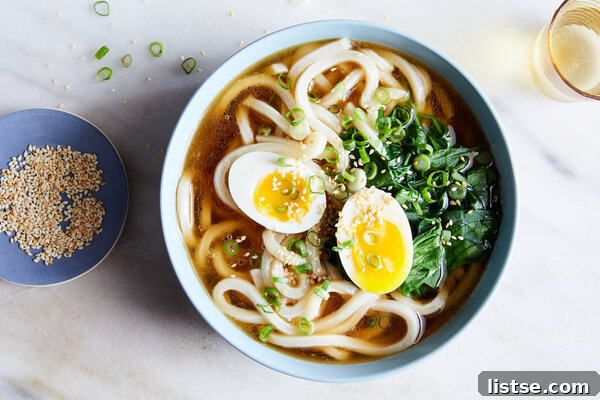
Udon noodles are a staple in Japanese cuisine, celebrated for their distinctive thick, chewy texture and mild flavor. These substantial noodles are crafted from wheat flour, water, and salt, resulting in a robust noodle that stands up well to various broths and sauces. Unlike the often curly and thinner ramen noodles, udon noodles are characteristically straight and noticeably thicker, offering a satisfying bite. Their versatility is a cornerstone of Japanese cooking; udon can be served hot in a flavorful dashi broth, often garnished with scallions, tempura, or sliced fish cake (narutomaki), in dishes like kake udon. They are equally delicious served cold with a dipping sauce during warmer months, such as zaru udon. Furthermore, udon noodles are excellent in stir-fries (yaki udon), stews, and hot pots, absorbing the rich flavors of their accompanying ingredients while maintaining their delightful chewiness. They represent a comforting and deeply ingrained element of Japanese culinary tradition.
-
Ugali
Ugali is an iconic and fundamental staple food across many parts of East and Southern Africa, known by various regional names such as pap, n’sima, oshifima, or nshima. It is a dense, starchy porridge traditionally prepared by continuously stirring maize flour (cornmeal) or cassava flour into boiling water until it reaches a thick, dough-like consistency. The flavor of ugali is relatively mild, often compared to plain popcorn or polenta, making it an ideal accompaniment for a wide array of flavorful stews, vegetables, and grilled meats. In countries like Kenya and Tanzania, ugali is not merely a side dish; it forms the core of many meals, providing essential sustenance and energy. It is typically eaten with the hands, where a small piece is torn off, rolled into a ball, and then used to scoop up the accompanying relish or stew. The specific type of flour and the consistency can vary by region, but its role as a hearty, satisfying, and culturally significant food remains consistent.
-
Ugli Fruit
The Ugli fruit, scientifically known as Jamaican tangelo (Citrus reticulata x Citrus paradisi), is a unique and somewhat whimsical citrus fruit that originates from Jamaica. Its name, “Ugli,” is a clever marketing play on its less-than-perfect, rough, and bumpy green-to-yellow skin, which often hides its vibrant, juicy interior. This fascinating fruit is a natural hybrid, believed to be a cross between a tangerine or orange and a grapefruit. The flavor profile of ugli fruit is a delightful balance: it’s notably juicy and sweet, reminiscent of a tangerine, but with a refreshing tangy zest and just a hint of the characteristic bitterness found in grapefruit, which adds complexity rather than detracting from its appeal. Ugli fruit is typically enjoyed fresh, simply peeled and sectioned, making for a refreshing snack. Its sweet-tart nature also lends itself beautifully to various culinary applications, including jams, jellies, marmalades, fruit preserves, and refreshing juices or cocktails. Rich in Vitamin C, it’s not only delicious but also a healthy addition to one’s diet, usually available during the winter months.
-
Uiro
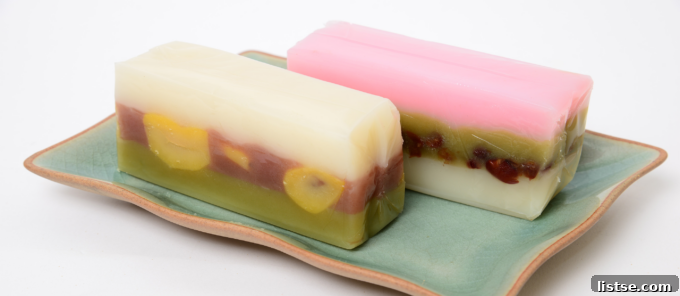
Uiro is a traditional Japanese steamed cake, revered for its unique chewy texture and subtly sweet flavor. Often likened to mochi due to its delightful chewiness, uiro is crafted primarily from rice flour and sugar, giving it a delicate and appealing consistency. This traditional Japanese confection (wagashi) is distinguished by its light, elegant sweetness, making it a perfect accompaniment to green tea. Uiro comes in an impressive array of flavors, allowing for a diverse tasting experience. Popular varieties include azuki bean paste (red bean), aromatic green tea (matcha), zesty yuzu, sweet strawberry, and rich chestnut, among others. While traditionally steamed in a rectangular or block shape and then sliced, modern uiro can also be found molded into various artistic and seasonal forms, reflecting the aesthetic beauty characteristic of Japanese sweets. It’s a treat that offers both a pleasant textural experience and a gentle, comforting sweetness, deeply embedded in Japanese culinary heritage.
-
Umbrella Fruit
The umbrella fruit, also widely known as Ambarella, June Plum, or Golden Apple (Spondias dulcis), is a tropical fruit celebrated for its distinctive flavor profile and crunchy texture. Characterized by its oval shape, green skin when unripe, and a transition to golden-yellow when ripe, its interior flesh is typically white and firm. The taste of umbrella fruit is a complex and delightful blend, often described as a hybrid of pineapple and mango, offering a sweet-tart and somewhat tangy experience. However, unlike the soft flesh of mango or pineapple, umbrella fruit is notably hard and crunchy, especially when unripe, which adds an interesting textural dimension. In many Southeast Asian and Caribbean cuisines, it is commonly eaten raw with simple seasonings like salt, chili powder, sugar, or a savory shrimp paste to enhance its flavors. Beyond fresh consumption, its tartness makes it an excellent candidate for culinary applications such as making refreshing juices, vibrant jams, jellies, and other fruit preserves. It’s also incorporated into salads and savory dishes for a burst of fresh flavor.
-
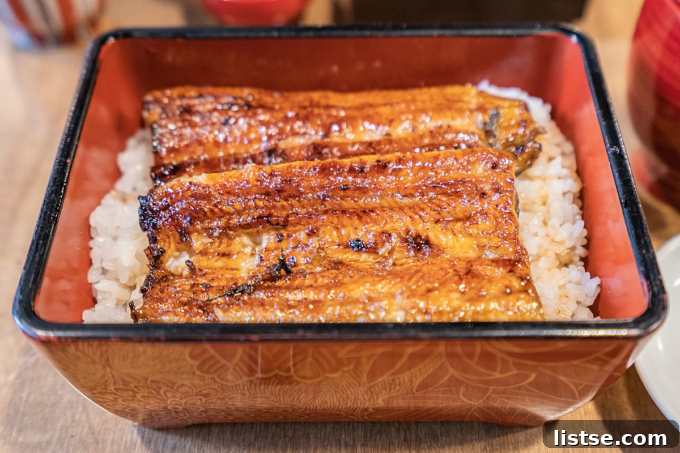
Unagi
Unagi refers specifically to freshwater eel, and in Japanese cuisine, it most commonly denotes the Japanese eel (Anguilla japonica). It is a highly prized and iconic ingredient, deeply embedded in Japan’s culinary traditions, especially during the summer months when it’s believed to impart stamina. The most popular preparation method for unagi is kabayaki, where the eel is filleted, deboned, butterflied, skewered, and then grilled over charcoal while being basted repeatedly with a sweet and savory soy-based sauce called tare. This process gives the unagi a wonderfully tender, flaky texture and a rich, smoky, slightly caramelized flavor. Unagi is frequently served as unadon (unagi donburi), which consists of grilled unagi slices placed over a bed of steamed white rice in a bowl, often accompanied by a drizzle of the remaining tare sauce. It’s also a popular topping for sushi (unagi nigiri) and a component in various other Japanese dishes, celebrated for its luxurious taste and texture. Due to high demand and environmental concerns, sustainable sourcing of unagi has become an important topic.
-
Unleavened Bread
Unleavened bread is a broad category encompassing various types of bread that are prepared without the use of a leavening agent, such as yeast, baking powder, or baking soda. The absence of these agents means the bread does not rise, resulting in a generally flat, dense, and often thin product. While many unleavened breads are flatbreads, it’s important to note that not all flatbreads are unleavened, as some do incorporate leavening. This ancient form of bread-making holds significant cultural and religious importance across the globe. Prominent examples include matzo, a cracker-like bread central to Jewish Passover traditions; lavash, a soft, thin flatbread popular in Armenia and other Middle Eastern countries; tortillas, a staple in Mexican and Central American cuisine made from corn or wheat flour; roti and chapati, foundational breads in Indian and South Asian diets; and traditional pita bread, common in Middle Eastern and Mediterranean cooking. These breads are valued for their simplicity, versatility, and often for their symbolic role in various religious observances and historical narratives.
-
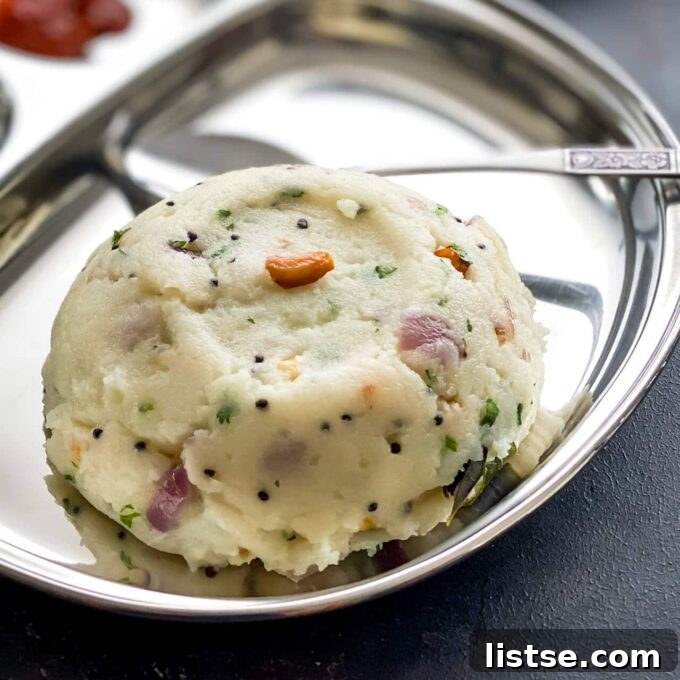
Upma
Upma is a cherished and wholesome breakfast dish originating from the Indian subcontinent, particularly popular in South India. It is a savory, thick porridge primarily made from dry-roasted semolina (rava or suji) or coarse rice flour, which gives it a slightly grainy yet soft texture. The preparation involves tempering mustard seeds, curry leaves, and often chopped onions and green chilies in oil or ghee, to which the roasted semolina and hot water are added and cooked until absorbed. This basic foundation allows for immense customization; various vegetables like peas, carrots, and beans are frequently incorporated, as are different spices and nuts, enhancing its flavor and nutritional value. Upma is often enjoyed with traditional Indian accompaniments such as tangy coconut chutney, spicy peanut podi (powder), or various pickles. For those who prefer a balance to the common spiciness from chilies, a drizzle of ghee or a sprinkle of sugar on top can add a contrasting sweetness, making upma a versatile and comforting start to the day.
-
Upside-Down Cake
The upside-down cake is a charming and ingenious dessert celebrated for its unique baking method and appealing presentation. As its name suggests, the cake is baked “upside-down” in a single pan. The distinctive feature of this cake is that its toppings—typically sliced fruits like pineapple rings, peaches, or apples, often arranged decoratively, along with a caramelized layer of butter and brown sugar—are placed at the bottom of the baking pan before the cake batter is poured over them. Once baked to golden perfection, the cake is carefully inverted onto a serving platter, revealing the beautiful fruit and golden-brown caramelized topping on top. Pineapple upside-down cake remains the most iconic and popular variation, traditionally featuring maraschino cherries nestled within the pineapple rings, creating a visually stunning and deliciously sweet and tangy dessert. This method not only creates a moist cake but also infuses the fruit flavors deeply into the cake itself, making it a timeless favorite for home bakers.
-
Urad Dal
Urad dal, also widely known as split black gram or black lentils, is a significant and highly nutritious legume integral to South Asian cuisine, especially in India. These small, black lentils, when split and skinned, reveal a creamy white interior. Urad dal is prized for its earthy, slightly nutty flavor and its ability to lend a distinct richness and binding quality to dishes. It is a staple ingredient in numerous vegetarian preparations and is exceptionally versatile. Urad dal is the primary component in the batter for beloved South Indian fermented dishes like dosa (savory crepes), idli (steamed rice cakes), and vada (savory fried doughnuts), contributing to their characteristic texture and slight tang. It is also used extensively in various dal recipes, such as the creamy and robust Dal Makhani, and in papad (thin, crisp flatbreads). Rich in protein, dietary fiber, and essential minerals, urad dal is not only delicious but also a highly nutritious addition to a balanced diet, forming the backbone of many comforting and flavorful meals.
-
Urap
Urap, also known as Urap Sayur, is a refreshing and vibrant traditional Indonesian salad that stands out for its unique combination of steamed vegetables tossed with a highly seasoned and spiced grated coconut dressing. This wholesome dish is a staple in various Indonesian cuisines, particularly Javanese, and can be enjoyed either as a light, vegetarian meal on its own or, more commonly, as a fresh and flavorful side dish accompanying rice and other main courses. The assortment of vegetables used in urap is diverse and often includes local favorites such as blanched spinach, cassava leaf, papaya leaf, long green beans, bean sprouts, and cabbage, providing a range of textures and nutrients. The magic of urap lies in its fragrant coconut dressing, which is typically prepared by grinding together a blend of shallots, garlic, red chili peppers (for a gentle heat), kencur (aromatic ginger), tamarind juice (for tanginess), and salt, creating a complex and appetizing flavor profile that perfectly complements the fresh vegetables. It’s a dish that beautifully showcases the balance of flavors and textures in Indonesian culinary traditions.
-
Urchin
Sea urchins are fascinating marine creatures, spiny, globular echinoderms that inhabit oceans worldwide, with about 950 known species. While their external appearance might be intimidating, it is the delicate, vibrant gonads (roe), often referred to as “uni,” that are considered a prized delicacy in many culinary traditions, particularly in Japan, France, and Chile. Uni boasts a remarkably unique and complex flavor profile: intensely briny, evocative of the fresh ocean, yet surprisingly sweet with a rich, buttery, and creamy texture that melts in the mouth. Many connoisseurs describe its taste as having a distinctive umami quality, with hints of the sea and a slightly metallic finish. Like oysters, sea urchins have historically been considered an aphrodisiac in various cultures. Uni is most often enjoyed raw, either as a component of high-end sushi and sashimi, served simply on its own with a squeeze of lemon, or incorporated into luxurious pasta dishes and appetizers. Its distinct taste and luxurious mouthfeel make it a highly sought-after ingredient by gourmands globally.
-
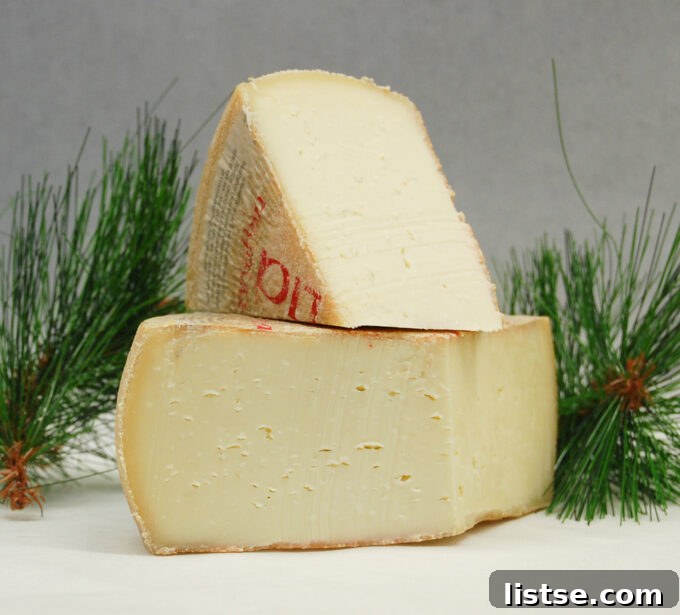
Urgelia Cheese
Urgelia cheese is a distinctive semi-firm cow’s milk cheese originating from the Alt Urgell region in Catalonia, Spain. It represents a relatively mild yet characterful member of the washed-rind cheese family, a category known for its often pungent aromas and rich flavors. Urgelia cheese has a pale, straw-colored interior dotted with small, irregular “eyelets” and a rustic, orange-tinged rind. Its flavor profile is gently complex: it offers a pleasant balance of slightly nutty, subtly salty, and a refreshing acidic tang. Unlike some more assertive washed-rind cheeses, Urgelia maintains a more approachable character, making it versatile for various culinary applications. It excels when served on a sophisticated cheese board, where its balanced flavor can be appreciated, or as part of an antipasto platter. Due to its excellent melting properties, Urgelia cheese is also a popular choice for enhancing sauces, enriching gratins, or adding a creamy, savory dimension to gourmet sandwiches and toasts, showcasing its adaptability in both casual and refined settings.
-
Uszka
Uszka are delightful small, ear-shaped dumplings that hold a special place in Polish culinary traditions, particularly during festive occasions like Wigilia (Christmas Eve supper). The name “uszka” translates directly to “little ears” in Polish, a nod to their distinctive, pinched shape reminiscent of a human ear. While dumplings are often associated with Asian cuisine, uszka are a uniquely European delicacy, crafted from a simple dough typically filled with a savory mixture. The most traditional filling consists of finely minced wild forest mushrooms, often rehydrated dried porcini or other local varieties, sometimes combined with caramelized onions or a touch of minced meat. These miniature dumplings are most famously served floating in clear, beet-based borscht (barszcz czerwony) during Christmas Eve, where their earthy filling provides a wonderful contrast to the tangy soup. Beyond barszcz, uszka can also be enjoyed simply tossed with melted butter and fresh herbs, showcasing their comforting and flavorful nature as a beloved component of Polish home cooking.
-
Utthappam
Utthappam, often spelled Uttapam, is a savory pancake or thick flatbread that is a popular and versatile dish from South India, closely related to the dosa family. Unlike the thin, crisp dosa, utthappam is deliberately thicker and softer, resembling a hearty, open-faced pizza. It is made from a fermented batter of rice flour and black lentils (urad dal), which gives it a slightly sour tang and a spongy texture. What truly distinguishes utthappam is its array of diverse toppings, which are cooked directly into the batter as it grills on a griddle. Common toppings include finely chopped onions, juicy tomatoes, pungent green chilies, grated carrots, bell peppers, and fresh coriander, among others, allowing for endless customization. The toppings become slightly caramelized and integrated into the pancake as it cooks, creating a colorful and flavorful mosaic. Utthappam is typically served hot with various chutneys (coconut, tomato) and sambar, making for a wholesome and satisfying breakfast, snack, or light meal that combines healthy ingredients with vibrant flavors.
-
Usal
Usal is a hearty and flavorful curry or stew hailing from the state of Maharashtra in India, known for its emphasis on legumes and spices. This nutritious dish is predominantly made with sprouted legumes, which are a central feature, enhancing both their digestibility and nutritional value. Common legumes used include matki (moth beans), moong (green gram), black-eyed beans, white peas, or even hyacinth beans. The preparation typically begins by soaking the chosen beans overnight, then allowing them to sprout for a few days, a process that adds a unique texture and a slightly earthy flavor. The sprouted beans are then cooked in a rich, aromatic curry base, which often features a complex blend of spices like turmeric, chili powder, garam masala, and a special Maharashtrian spice blend called goda masala, along with ginger, garlic, and sometimes coconut. Usal can be served plain as a fulfilling meal, often accompanied by pav (bread rolls), roti, or rice, or garnished generously with fresh coriander, finely chopped onions, and a squeeze of lime to brighten its robust flavors. It’s a comforting, protein-packed, and wholesome dish deeply rooted in Maharashtrian culinary traditions.
From the exotic sweetness of Ube Halaya to the comforting spice of Maharashtrian Usal, the letter ‘U’ unlocks a fascinating world of diverse culinary experiences. This journey through foods starting with ‘U’ has hopefully broadened your understanding of global ingredients and dishes, demonstrating the incredible variety that exists within our shared love for food. Each item, whether a staple or a delicacy, carries a unique story and a distinct flavor profile waiting to be explored. We hope this expanded guide inspires you to experiment with these unique ‘U’ foods in your own kitchen or seek them out in your local markets and restaurants. Don’t forget, if you have any other wonderful ‘U’ foods that you feel deserve a spot on this list, please share them in the comments below! Your insights help make our culinary adventures even richer.