
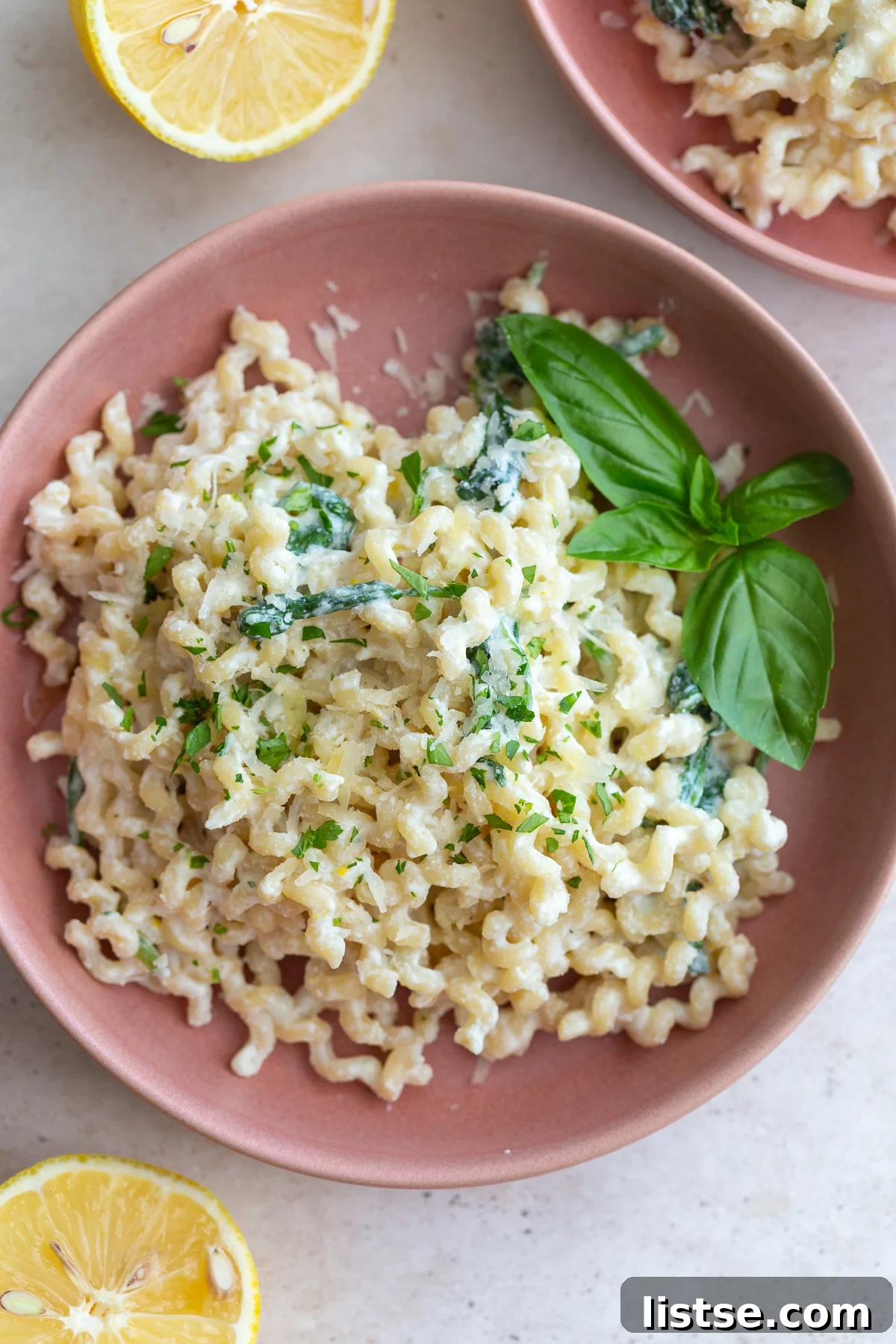
The Ultimate Creamy Ricotta Pasta: A Quick & Indulgent Weeknight Delight
Imagine a dish that feels incredibly luxurious, yet comes together effortlessly in your kitchen. That’s the magic of a perfectly crafted bowl of creamy ricotta pasta. It’s an Italian-inspired comfort food that promises restaurant-quality flavor with minimal fuss, making it an ideal choice for busy weeknights or when you simply crave something deeply satisfying. With a handful of pantry staples like fresh ricotta, savory Parmesan, aromatic garlic, and rich olive oil, you can whip up this dreamy pasta dish in under 20 minutes, transforming simple ingredients into a truly unforgettable meal.
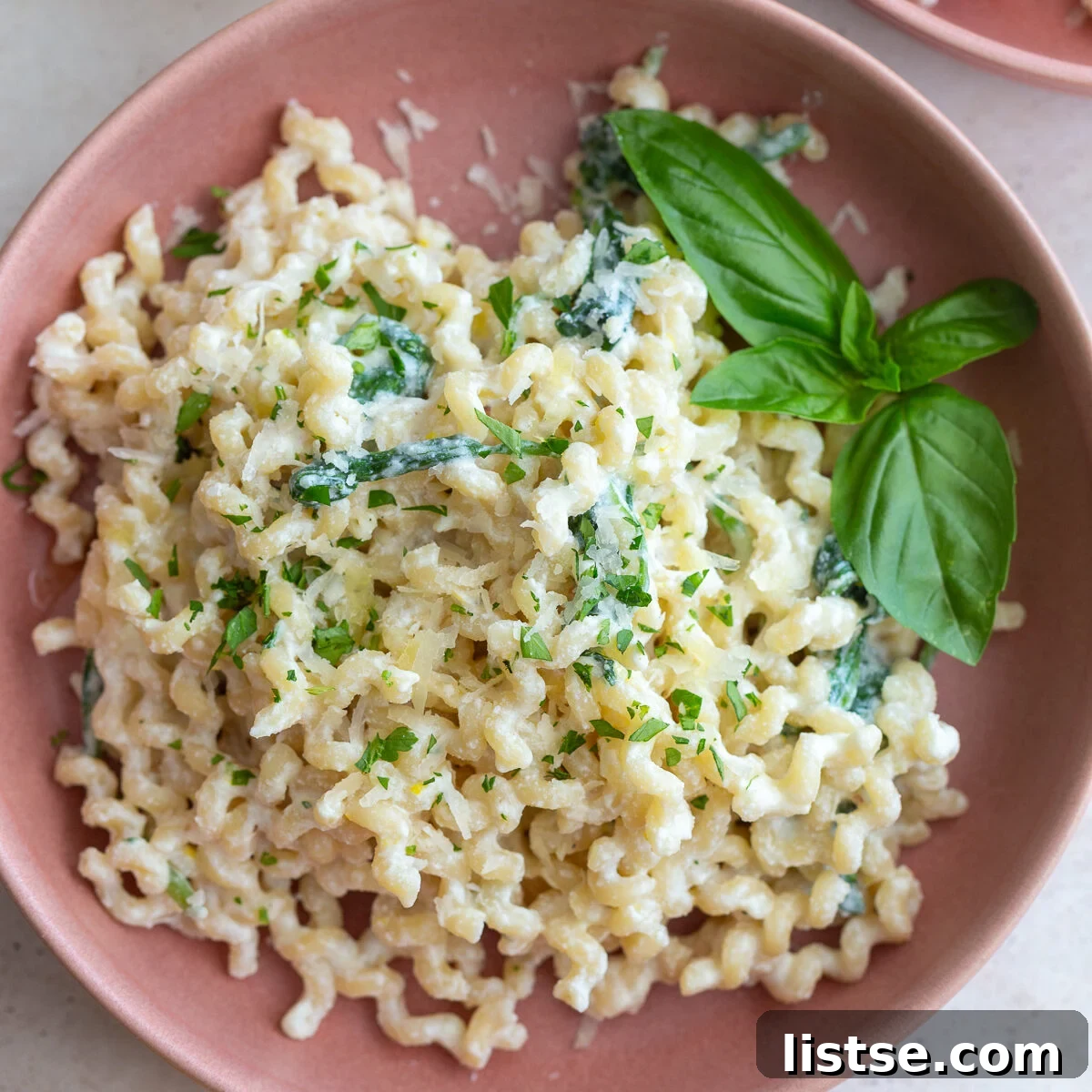
Why You’ll Fall in Love with This Simple Ricotta Pasta Recipe

As someone who enjoys creating weekly meal plans filled with effortless dinner recipes, I’m always on the lookout for dishes that are both delicious and incredibly simple. This Creamy Ricotta Pasta perfectly embodies that philosophy, coming together in 30 minutes or less without compromising on flavor or texture. It’s been a staple in my kitchen, and I’m confident it will become one in yours too.
Here are just a few compelling reasons why this ricotta pasta will become your new favorite:
- Lightning Fast & Effortless: From start to finish, this meal is on the table in just 20 minutes. It’s the ultimate solution for those busy weeknights when you need a satisfying dinner without a long cooking process. No complex techniques, just simple steps.
- Incredibly Creamy, Without Heavy Cream: The secret to its luxurious texture lies entirely in the ricotta cheese. When combined with starchy pasta water and a touch of olive oil, it transforms into a velvety, rich sauce that clings beautifully to every strand of pasta, offering a lighter yet equally indulgent alternative to traditional cream sauces.
- Infinitely Customizable: This recipe is a fantastic blank canvas for your culinary creativity. Add a squeeze of lemon for a bright, zesty lift, incorporate fresh herbs like basil or parsley for an aromatic touch, or boost the nutrition with your favorite vegetables such as spinach, cherry tomatoes, or sautéed mushrooms. For a heartier meal, easily integrate your preferred protein, like grilled chicken, shrimp, or chickpeas.
- Budget-Friendly & Pantry-Staple Approved: You likely already have most of the ingredients needed for this dish in your pantry and fridge. It relies on everyday essentials, making it an economical and convenient option that doesn’t require a special grocery run.
- Perfect for Any Occasion: While it’s a go-to weeknight dinner, its sophisticated flavor and presentation make it suitable for entertaining guests or a cozy date night in. It strikes a perfect balance between casual and elegant.
I genuinely hope you enjoy preparing and savoring this simple yet spectacular ricotta pasta as much as my family and I have!
In This Post…
- What’s in My Bowl? Key Ingredients Explained
- Crafting Your Creamy Ricotta Pasta: Step-by-Step Guide
- Tips for Ricotta Pasta Perfection
- Elevate Your Dish: Variations and Serving Suggestions
- Frequently Asked Questions About Ricotta Pasta
- Storing and Reheating Your Pasta
- Watch the Recipe Video
- Easy Ricotta Pasta Recipe Card
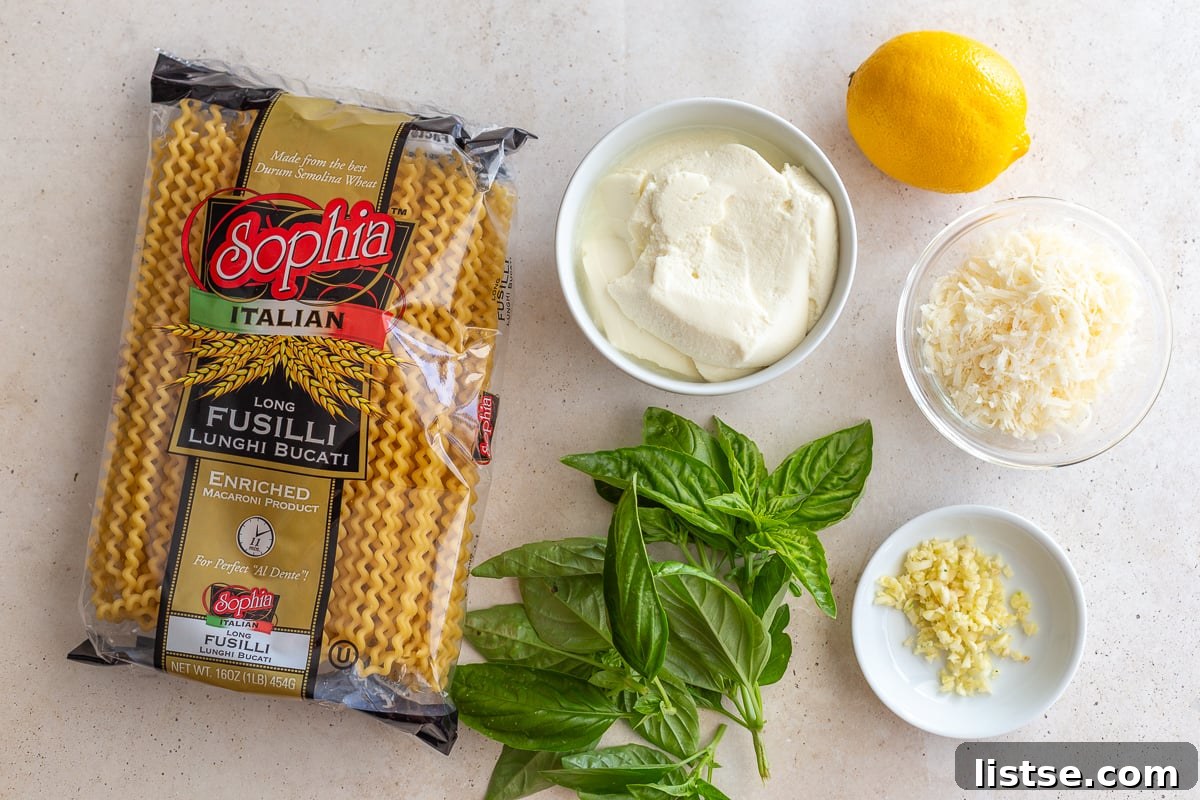
What’s in My Bowl? Key Ingredients Explained
While the full, detailed recipe is provided in the recipe card below, let’s dive into the core ingredients that make this ricotta pasta so special. Understanding their role and potential substitutions will help you customize this dish to your preference and ensure a perfect outcome every time.
- Pasta of Choice: The beauty of this sauce is its versatility with various pasta shapes. I personally love a fun spiral pasta, like fusilli or cavatappi, as their nooks and crannies are perfect for capturing the creamy sauce. However, feel free to use whatever you have on hand or prefer. Penne, rigatoni, spaghetti, or even a protein-enriched pasta would all be absolutely delicious. The key is to cook your pasta to a perfect al dente for the best texture.
- Ricotta Cheese: The Star Ingredient: Ricotta is the hero that provides that unparalleled creaminess without the need for heavy cream. I highly recommend using whole milk ricotta for the richest, most decadent sauce. The higher fat content contributes significantly to the smooth texture and full-bodied flavor. If you prefer a slightly lighter version, part-skim ricotta can be used, but you might need to adjust the amount of pasta water to achieve the desired consistency. Ensure your ricotta is fresh for the best results.
- Parmesan Cheese: For Depth and Saltiness: A crucial component for savory depth. My golden rule: always grate your Parmesan cheese fresh! Pre-shredded Parmesan often contains anti-caking agents that prevent it from melting smoothly and can result in a less flavorful, sometimes gritty sauce. Freshly grated Parmesan not only tastes infinitely better but also melts seamlessly into the ricotta, creating a more cohesive and delicious sauce. Plus, buying a block and grating it yourself is often more cost-effective in the long run.
- Fresh Garlic: The Aromatic Foundation: Garlic is non-negotiable for its pungent aroma and flavor. I love a generous amount – at least four cloves for this recipe, but feel free to adjust to your personal taste. Finely mincing or pressing the garlic ensures its flavor is well distributed throughout the sauce. Remember, fresh garlic makes a world of difference compared to powdered alternatives.
- Lemon Zest and Juice: The Brightness Booster (Optional but Recommended): This is a game-changer if you want to add a vibrant, fresh lift to your pasta. The lemon zest provides aromatic citrus notes, while a splash of fresh lemon juice brightens the entire dish, cutting through the richness of the cheese. If you’re not a fan of lemon, you can certainly omit it, but I encourage you to try it at least once to experience the delightful zing it adds.
- Fresh Herbs: For Fragrance and Visual Appeal: Fresh herbs are essential for elevating the flavor and adding a pop of color. I find that fresh basil complements ricotta beautifully, but fresh parsley or chives also work wonderfully. Don’t underestimate the power of fresh herbs – they add a layer of freshness that dried herbs simply can’t replicate. Chop them just before serving to maximize their aroma and flavor.
- High-Quality Olive Oil: The Binding Agent: A good extra virgin olive oil is key for sautéing the garlic and helping to emulsify the sauce, adding a fruity, peppery note.
- Salt and Freshly Ground Black Pepper: Seasoning to Perfection: Essential for balancing and enhancing all the flavors. Always taste and adjust as you go!
- Reserved Pasta Water: The Secret Weapon: This starchy, salty liquid is invaluable. It helps to loosen the sauce to the perfect consistency and, more importantly, contains starches that help the sauce cling to the pasta, creating an incredibly cohesive and creamy dish. Don’t forget to save more than you think you’ll need!
- Spinach (Optional): A Boost of Greens: Adding a couple of cups of packed spinach wilts down quickly into the warm sauce, adding a touch of color, nutrition, and a subtle earthy flavor. It’s an easy way to sneak in some greens without overpowering the dish.
Crafting Your Creamy Ricotta Pasta: A Simple Step-by-Step Guide
Making this creamy ricotta pasta is surprisingly straightforward. These are the fundamental steps to guide you, with the complete detailed recipe available in the card below for your convenience.
-
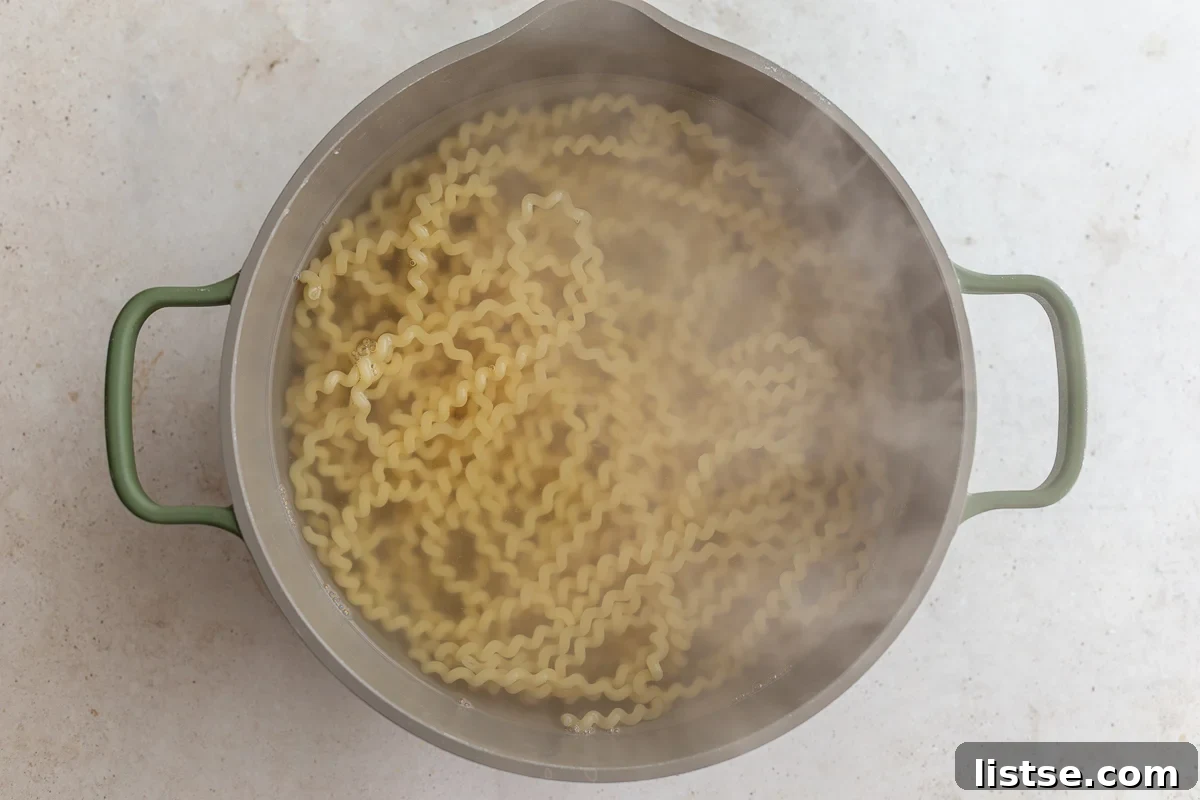
Boil Your Pasta to Perfection
Begin by bringing a large pot of generously salted water to a rolling boil. Add your chosen pasta (I used long fusilli, but any shape works wonderfully) and cook according to the package directions until it’s perfectly al dente. This means it should be tender yet still have a slight bite. Before draining, make sure to reserve at least 1 ½ cups of the starchy pasta cooking water – this is your secret ingredient for a silky smooth sauce! Then, drain the pasta and set it aside.
-
Build Your Creamy Ricotta Sauce
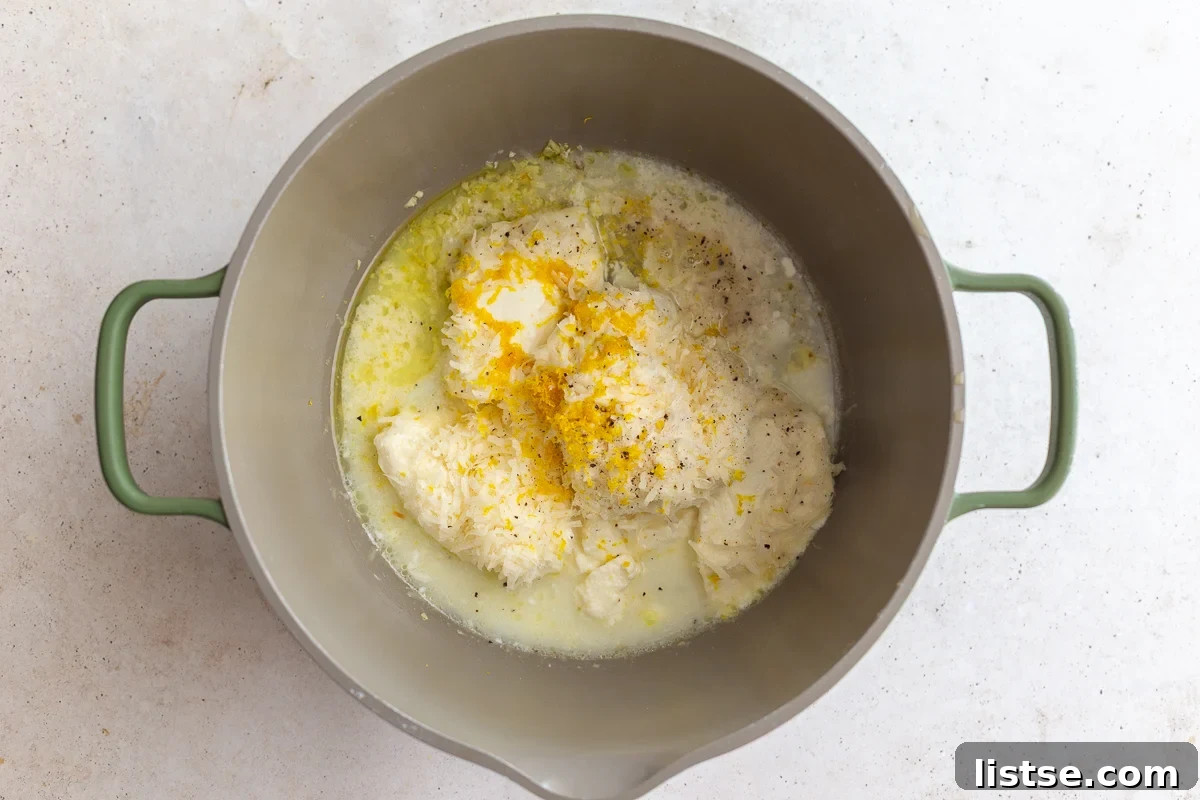
Using the same pot (fewer dishes!), return it to the stove over medium-low heat. Add 1 ½ tablespoons of olive oil (or butter for a richer flavor) and sauté the finely minced garlic for 1-2 minutes until it becomes fragrant. Be careful not to burn it, as burnt garlic can taste bitter. Once aromatic, reduce the heat to low and stir in the remaining sauce ingredients: the whole milk ricotta, freshly grated Parmesan cheese, lemon zest, and lemon juice (if using). Start by adding about ½ cup of the reserved pasta water.
-
Finish the Sauce and Toss the Pasta
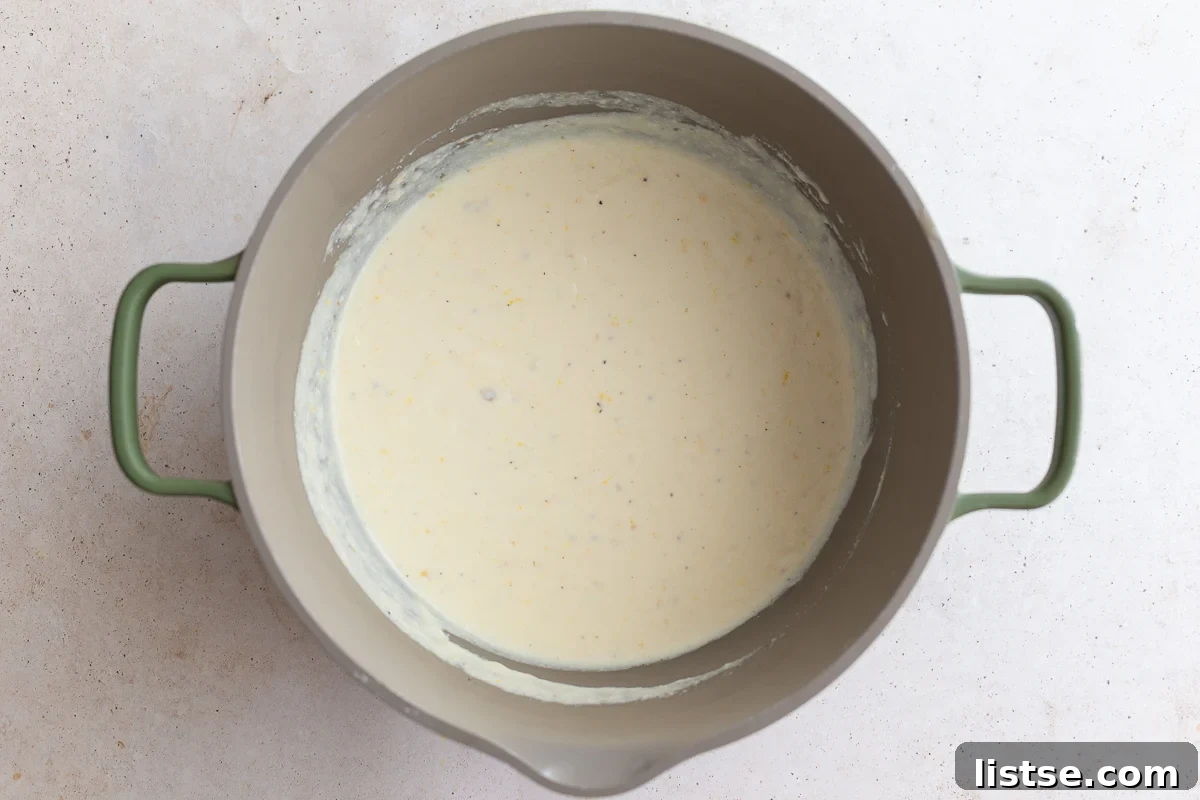
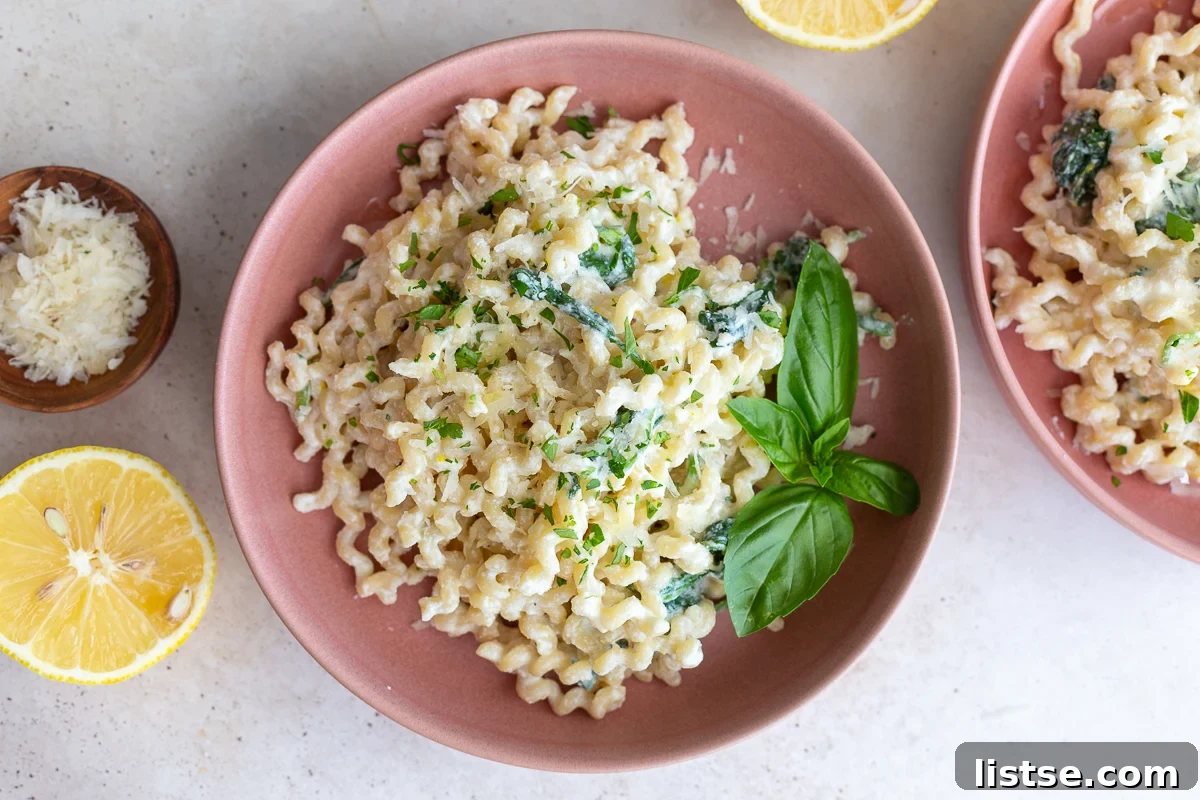
Continue to cook the sauce on low heat, stirring frequently, until the Parmesan cheese has melted and the mixture is beautifully creamy and cohesive. Gradually add more reserved pasta water, a splash at a time, until the sauce reaches your desired consistency. Remember that ricotta naturally has a slightly grainy texture, which is part of its charm. Once the sauce is smooth, creamy, and warm, season it generously with salt and freshly ground black pepper to taste. Finally, add the cooked pasta back into the pot with the sauce, along with the packed spinach (if using). Toss everything together until the pasta is thoroughly coated and the spinach has wilted. If the sauce seems too thick, add another splash of pasta water. Serve immediately, garnished with extra Parmesan and fresh herbs.
Tips for Ricotta Pasta Perfection
- Don’t Skimp on Pasta Water: Always reserve more pasta water than you think you’ll need (at least 1 ½ cups!). Ricotta can be quite thick, and that starchy water is essential for thinning the sauce to the perfect consistency and helping it emulsify beautifully. It’s easier to add more than to remove it.
- Choose Your Ricotta Wisely: For the ultimate creamy and rich sauce, opt for whole-milk ricotta. Its higher fat content contributes to a smoother, more indulgent texture. Part-skim ricotta will result in a lighter sauce, but may require slightly more pasta water to achieve desired creaminess.
- Freshly Grated Parmesan is Key: This isn’t just a suggestion; it’s a rule for a truly exceptional sauce. Pre-shredded Parmesan often contains cellulose, which can make your sauce gritty and prevent it from melting smoothly. Freshly grated Parmesan offers superior flavor and melts into a silky texture.
- Add Lemon Last (or Skip It): If you’re including lemon zest and juice, add them towards the end of the sauce-making process. This preserves their bright, fresh flavor. If you’re not a fan, feel free to omit it entirely – the pasta will still be incredibly delicious.
- Season Generously: Taste your sauce frequently! Salt and pepper are crucial for bringing out all the flavors. Adjust to your preference. Remember that Parmesan also adds saltiness.
- Warm Your Ricotta Gently: Avoid high heat when adding ricotta to the pan. Gentle, low heat prevents the ricotta from curdling and ensures a smooth, creamy sauce.
- Don’t Overcook the Pasta: Al dente pasta is essential for this dish. It will continue to cook slightly when tossed with the hot sauce, so pulling it a minute or two before it’s fully cooked is ideal.
Elevate Your Dish: Variations and Serving Suggestions
While this Creamy Ricotta Pasta is fantastic as is, it also serves as an excellent foundation for various culinary enhancements. Don’t hesitate to get creative and make it your own!
Exciting Variations:
- Add More Veggies: Sauté some cherry tomatoes, finely chopped zucchini, bell peppers, or mushrooms with the garlic. Wilt in kale or arugula along with the spinach. Roasted red peppers or sun-dried tomatoes (chopped) also add a wonderful depth of flavor.
- Spice It Up: For a kick, add a pinch of red pepper flakes when you sauté the garlic. This provides a subtle warmth that complements the creamy sauce beautifully.
- Herb Extravaganza: Beyond basil, parsley, and chives, consider fresh oregano or a mix of Italian herbs for a different aromatic profile. A sprinkle of fresh dill can also add a unique twist, especially with lemon.
- Boost the Protein: For a more substantial meal, consider stirring in cooked shredded chicken, sautéed shrimp, Italian sausage, or even crispy bacon bits. For vegetarian protein, white beans or chickpeas are excellent additions, or stir in some sautéed tofu cubes.
- Nutty Notes: A sprinkle of toasted pine nuts or walnuts can add a delightful crunch and nutty flavor dimension.
- Garlic Lover’s Dream: If you’re a true garlic enthusiast, don’t be shy! You can easily increase the garlic to 6-8 cloves for a more pungent sauce.
- Ricotta with a Twist: Experiment with adding a small dollop of mascarpone for extra richness, or a touch of goat cheese for a tangy note.
Perfect Serving Suggestions:
This creamy pasta is quite rich and satisfying on its own, but it pairs wonderfully with a few simple sides to create a complete and balanced meal.
- Fresh Green Salad: A light, crisp green salad with a vinaigrette dressing is the perfect counterpoint to the richness of the pasta.
- Crusty Bread: A warm, crusty baguette or focaccia is ideal for soaking up every last bit of that delicious creamy sauce.
- Roasted Vegetables: Simple roasted asparagus, broccoli, or Brussels sprouts make excellent healthy sides.
- Garlic Bread: If you’re really leaning into comfort food, homemade garlic bread is always a hit.
- A Glass of Wine: A crisp, dry white wine like Sauvignon Blanc or Pinot Grigio would pair beautifully with the creamy, savory flavors.
Frequently Asked Questions About Ricotta Pasta
Here are answers to some common questions you might have about making this delightful ricotta pasta dish, helping you troubleshoot and customize with confidence.
Yes, you absolutely can! Cottage cheese can be a good substitute for ricotta, offering a similar dairy base. However, for a texture comparable to ricotta, I highly recommend blending the cottage cheese first. This will help break down the curds and create a smoother, more uniform consistency for your sauce. You can blend it ahead of time for added convenience.
You certainly can adapt this recipe to be vegan-friendly! Instead of dairy ricotta, I suggest using my homemade vegan ricotta cheese recipe. For the Parmesan, nutritional yeast makes an excellent cheesy, umami-rich substitute. Ensure your pasta is also vegan (most dry pasta is, but always check ingredients).
Absolutely! This recipe is incredibly versatile and welcomes the addition of various proteins to make it a more complete meal. For plant-based options, white beans, chickpeas, or sautéed tofu cubes work wonderfully. If you’re not vegetarian, cooked and shredded chicken, sautéed shrimp, or even some browned Italian sausage would be delicious complements to the creamy sauce.
Ricotta doesn’t “melt” in the same way a hard cheese like cheddar would. Instead, when mixed with hot pasta and reserved pasta water, it softens beautifully and disperses, creating a creamy, luxurious consistency. It maintains a slight, appealing texture that is part of its unique charm, making the sauce rich and comforting.
To minimize graininess, start with a high-quality, whole-milk ricotta. Ensure you cook the sauce over low heat and gradually loosen it with the starchy pasta water, stirring continuously. While ricotta naturally retains a slightly grainy texture, following these steps will help achieve the creamiest possible result. Rest assured, a little graininess is completely normal and contributes to the rustic charm of this delicious sauce!
Pasta shapes with nooks and crannies or large surfaces are excellent for capturing and holding onto the creamy sauce. Think fusilli, rigatoni, orecchiette, or even tagliatelle. Long pasta like spaghetti or linguine also works well, creating a beautiful coating.
While the sauce is best when made fresh and immediately tossed with hot pasta, you can prepare the ricotta mixture (ricotta, Parmesan, lemon zest/juice) a few hours ahead and store it in the fridge. When ready to serve, gently warm it in a saucepan with some reserved pasta water, then add the freshly cooked pasta.
Storing and Reheating Your Creamy Ricotta Pasta
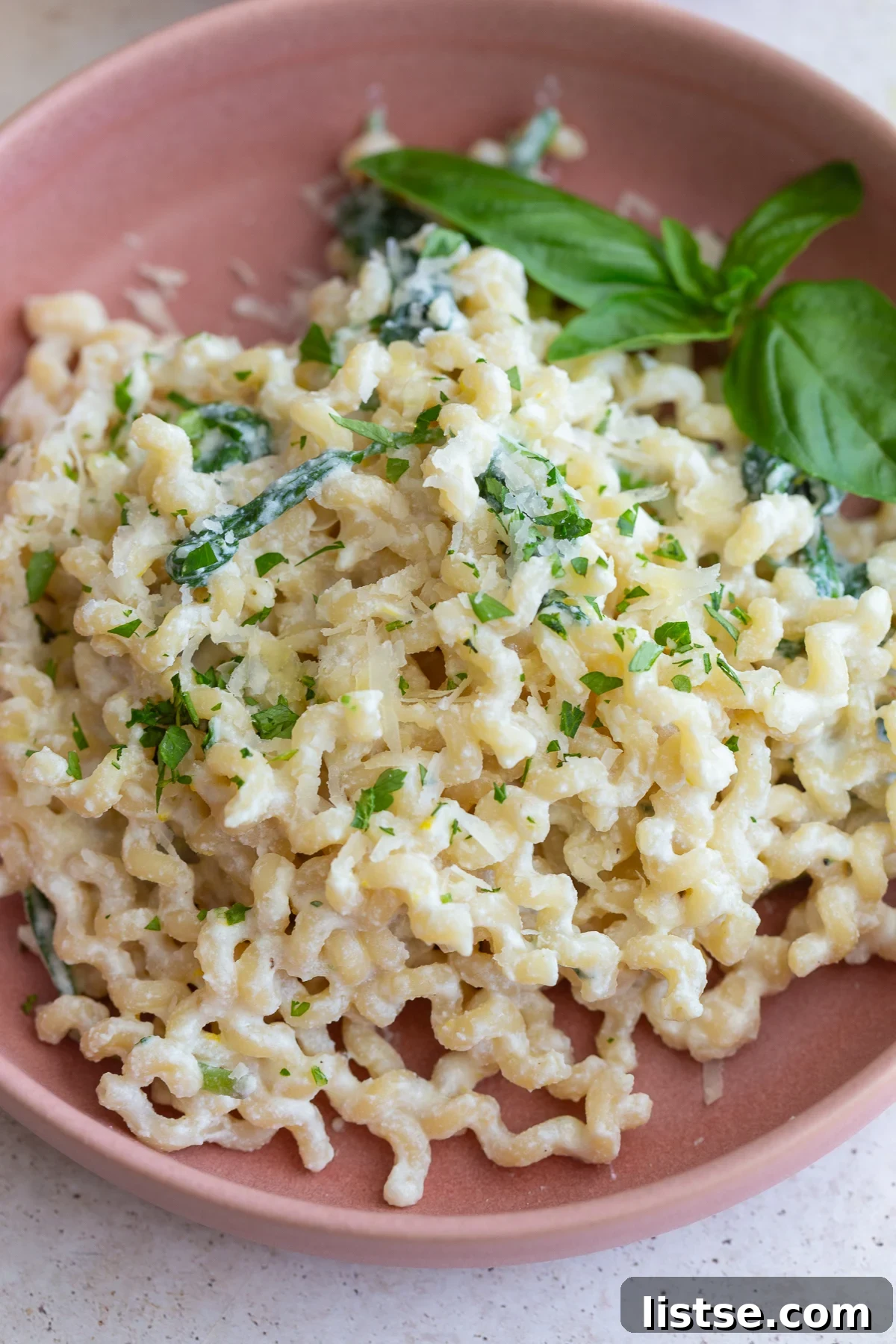
This creamy ricotta pasta is undoubtedly at its peak when enjoyed fresh off the stove. The sauce is perfectly emulsified and the pasta is al dente. However, if you happen to have any delicious leftovers, here’s how to best store and reheat them to maintain as much of that original goodness as possible:
- Refrigeration: Store any leftover pasta in an airtight container in the refrigerator for up to 3 days.
- Reheating: When reheating, the sauce may have thickened considerably. To bring it back to its creamy glory, transfer the pasta to a saucepan or microwave-safe dish. Add a generous splash of water or vegetable broth (about ¼ to ½ cup per serving) before gently warming over low heat on the stovetop or in the microwave. Stir frequently until the sauce becomes smooth and creamy again. Avoid high heat, as it can cause the ricotta to separate.
- Freezing: Unfortunately, this ricotta pasta is not freezer-friendly. Ricotta cheese tends to separate and become grainy once frozen and thawed, significantly affecting the texture and creaminess of the sauce. It’s best to enjoy this dish fresh or within a few days of preparation.
Watch the Recipe Video
See how quickly and easily this creamy ricotta pasta comes together! This video will walk you through each step, ensuring you achieve perfect results.
Easy Ricotta Pasta – Creamy, Quick, and Delicious Recipe
By Brita Britnell
Prep Time: 5 mins | Cook Time: 20 mins | Total Time: 25 mins
Servings: 6 servings
This Creamy Ricotta Pasta recipe comes together in just 20 minutes with ricotta, Parmesan, garlic, and olive oil. Add lemon for a fresh, zesty twist, and enjoy a comforting, quick, and satisfying meal!
Ingredients
- 1 pound pasta of choice (e.g., fusilli, penne, spaghetti)
- 1 ½ cups whole milk ricotta cheese
- ¾ cup freshly grated Parmesan cheese, plus extra for serving
- 1 ½ tablespoons olive oil, or butter
- 4 cloves garlic, finely minced
- 1 large lemon, zested and juiced (optional, for lemon ricotta pasta)
- ⅓ cup fresh herbs, chopped (basil, parsley, or chives recommended)
- 2 cups Spinach, packed (optional)
- Salt and freshly ground black pepper, to taste
- 1 – 1 ½ cups reserved pasta cooking water
Instructions
- Bring a large pot of generously salted water to a boil. Cook pasta according to package directions until al dente. Before draining, reserve 1 ½ cups of the starchy pasta water. Drain the pasta and set aside.
- Return the same pot to the stove over medium-low heat. Add olive oil and minced garlic, sautéing for 1–2 minutes until fragrant. Do not brown the garlic.
- Lower the heat to low. Stir in the ricotta cheese, freshly grated Parmesan, and the lemon zest and juice (if using). Gradually pour in the reserved pasta water, starting with ½ cup, stirring constantly until the sauce is smooth and creamy. Add more pasta water as needed to reach desired consistency.
- If using, add the packed spinach to the sauce and cook for 1–2 minutes, or until just wilted. Season the sauce generously with salt and freshly ground black pepper to taste.
- Return the cooked pasta to the pot and toss until it is thoroughly coated in the creamy sauce. If the sauce appears too thick, add another splash of reserved pasta water to loosen it.
- Serve your creamy ricotta pasta immediately, topped with extra freshly grated Parmesan cheese, a sprinkle of fresh chopped herbs, and a crack of black pepper. Enjoy!
Notes
This delightful pasta recipe is truly best enjoyed immediately after preparation. Leftovers can be stored, but the fresh creaminess is unparalleled right off the stove.
Nutrition
Nutrition information is an approximation. Per serving (based on 6 servings):
Calories: 484 kcal, Carbohydrates: 63g, Protein: 21g, Fat: 16g, Saturated Fat: 8g, Polyunsaturated Fat: 1g, Monounsaturated Fat: 6g, Cholesterol: 42mg, Sodium: 286mg, Potassium: 364mg, Fiber: 3g, Sugar: 3g, Vitamin A: 1607IU, Vitamin C: 17mg, Calcium: 278mg, Iron: 2mg
Tried this recipe? We’d love to see your creations! Mention @foodwithfeeling or tag #foodwithfeeling on Instagram!