
Exploring the Delicious World of Foods That Start With Z
Embark on a unique culinary adventure as we delve into the intriguing world of foods that begin with the letter “Z.” While “Z” might seem like an uncommon starting letter for edible delights, you’ll be surprised by the rich diversity and fascinating flavors it encompasses. From ancient spices to modern superfoods, and hearty European dishes to exotic tropical fruits, this comprehensive list showcases 19 distinctive “Z” foods that are sure to pique your interest and perhaps even inspire your next meal. Get ready to discover new ingredients and expand your gastronomic vocabulary!
1. Za’atar
Za’atar is a revered herb and spice blend deeply rooted in Middle Eastern cuisine. While the term “za’atar” can refer to the wild thyme herb itself, it’s more commonly known as a aromatic mixture featuring dried thyme, oregano, and marjoram, combined with toasted sesame seeds, tart sumac, and a touch of salt. This versatile blend offers an earthy, tangy, and nutty flavor profile, making it an essential ingredient. It’s frequently sprinkled over fresh produce, mixed with olive oil to create a vibrant dip for bread, or baked into traditional flatbreads like manakish. Za’atar not only enhances flavor but also boasts a history stretching back millennia in various culinary and even medicinal applications across the Levant region.
2. Zampone
Hailing from the Emilia-Romagna region of Italy, Zampone is a traditional Italian pork sausage, particularly famous in Modena. This rich and savory delicacy is crafted from a creamy mixture of minced pork meat, often combined with pork rind, which is then carefully encased in the skin from a pig’s trot. Zampone is typically slow-cooked to achieve its tender texture and robust flavor. It’s a celebratory dish, especially popular during New Year’s Eve, traditionally served alongside lentils – a symbol of good luck and prosperity. Due to its unique composition, Zampone is best enjoyed immediately after cooking, as reheating can compromise its distinctive creamy texture.
3. Zander
Zander refers to a specific type of ray-finned fish, scientifically known as Sander lucioperca. This freshwater and brackish water inhabitant is predominantly found across Western Eurasia and is highly prized for its culinary qualities. The meat of the Zander is celebrated for being light, firm, and possessing a delicate, delicious flavor with very few bones, making it exceptionally pleasant to eat. Its superior taste and texture have established it as one of the most valuable and sought-after food fish species throughout Europe, often gracing menus in high-end restaurants and traditional kitchens alike. It can be prepared in various ways, from pan-frying to baking, allowing its subtle flavors to shine.
4. Zapote
Zapote, often also referred to as sapote or mamey sapote, is the name given to both the tropical tree and its remarkable edible fruit. Native to Central America and the Caribbean, this oblong fruit boasts a reddish-brown skin and vibrant orange-red flesh. When consumed raw and fresh, Zapote offers a unique and complex flavor often likened to a sweet potato enhanced with brown sugar, but it also carries delightful notes of pumpkin, caramel, or cantaloupe. The fruit’s creamy, custard-like texture and its distinct, rich sweetness make it a favorite for eating out of hand, blending into smoothies, or incorporating into desserts like ice cream and pastries. At its center, it houses a single, large seed.
5. Zarzuela
Zarzuela is a magnificent Spanish seafood stew originating from the vibrant Catalonia region. This hearty and flavorsome dish is built upon a rich, tomato-based broth, often enriched with almond paste, which adds a beautiful depth and thickness. What truly sets Zarzuela apart is its generous medley of fresh seafood, typically including scallops, mussels, squid, clams, firm white fish like bass, succulent shrimp, and crab. These ingredients are simmered together with white wine and an aromatic blend of spices, creating a truly delicious and unique stew that’s a testament to the diverse seafood bounty of the Mediterranean. It’s a celebratory dish, perfect for sharing, and often served with crusty bread to soak up every last drop of its exquisite sauce.
6. Zebra Cake
The term “Zebra Cake” often brings to mind the iconic pre-packaged snack cake from Little Debbie, a beloved American treat. These delightful confections feature layers of moist yellow cake alternating with a sweet cream filling, all enrobed in a smooth white icing and distinctively decorated with dark fudge stripes, mimicking the pattern of a zebra. Beyond the commercial product, “zebra cake” also refers to a popular homemade dessert characterized by its striking marbled black and white batter, achieved by swirling light and dark cake mixtures together before baking. This homemade version offers a sophisticated visual appeal and can be customized with various flavors and fillings.
7. Zeppole
Zeppole are classic Italian fried pastries, a delectable treat often enjoyed at festivals and celebrations, particularly around St. Joseph’s Day. These light and airy fried dough creations are typically spherical or doughnut-like in shape, and traditionally dusted generously with powdered sugar. While many are simply sweet and plain, Zeppole can also be filled with a variety of indulgent centers, such as smooth custard, fruity jelly, luscious cream, or a sweet and sticky mixture of butter and honey. Their warm, soft interior and slightly crisp exterior make them an irresistible confection, providing a delightful taste of Italian culinary tradition.
8. Zerde
Zerde is a sophisticated and fragrant Turkish dessert, reminiscent of a delicate pudding. This festive dish is primarily made from rice and derives its distinct golden color from the generous use of saffron, which also imparts a subtle, luxurious aroma. While saffron is a key component, Zerde can be further flavored and enriched with a variety of other ingredients, including pine nuts for texture, fragrant rose water, sweet currants, and sometimes a hint of turmeric for added depth and color. Zerde holds significant cultural importance in Turkey, frequently served at weddings, circumcisions, and other joyous celebrations, symbolizing happiness and prosperity.

9. Zest
Zest refers to the colorful, outermost layer of the rind of citrus fruits, such as oranges, lemons, limes, and citron. It is carefully scraped or grated from the fruit, taking care to avoid the bitter white pith underneath. The culinary magic of zest lies in the concentrated essential oils contained within this outer skin, which are responsible for its incredibly potent and aromatic flavor. Zest is an invaluable ingredient used to dramatically enhance the taste of both sweet and savory dishes, adding a bright, fresh, and often tangy note. It’s commonly found in baked goods, marinades, dressings, cocktails, and even as a garnish, providing an intense burst of citrus essence.
10. Zigzag Fruit
The Zigzag fruit, derived from a vine native to the lush regions of Malesia, New Guinea, and eastern Australia, is a less common but highly intriguing tropical produce. This unique fruit typically presents an oblong shape and a striking orange-yellow hue. It is particularly valued in gourmet cuisine and has found its way into specialized sauces, distinctive liquors, and innovative dishes. The Zigzag fruit is celebrated for its wonderfully tangy and pleasant taste, often described as having a refreshing flavor profile akin to orange sherbet or a vibrant mix of citrus and tropical notes. Its exotic appeal makes it a fascinating ingredient for adventurous cooks.
11. Zinfandel Grapes
Zinfandel grapes are a prominent black-skinned grape variety, primarily renowned for their pivotal role in producing the distinctive Zinfandel wine. Although now synonymous with California winemaking, these grapes have Croatian origins, where they are known as Crljenak Kaštelanski or Primitivo in Italy. Zinfandel wines are highly diverse, ranging from bold, full-bodied reds with notes of blackberry, spice, and jam, to semi-sweet blush wines known as White Zinfandel. This grape variety is a cornerstone of the Californian wine industry, with over a tenth of the state’s vineyard space dedicated to Zinfandel, showcasing its immense popularity and versatility in wine production.

12. Ziti
Ziti is a classic Italian pasta characterized by its long, wide, and smooth tube shape. This extruded pasta, whose name translates to “brides” in Italian, was traditionally broken into smaller, more manageable pieces by hand before cooking. Ziti is most famously known as the star of “Baked Ziti,” a beloved comfort dish where the pasta is often stuffed with a rich filling of ricotta cheese, meat sauce, and other ingredients, then baked to golden perfection. While it is sometimes confused with penne, ziti differs by being smooth (not ridged) and generally longer, lending itself perfectly to hearty, oven-baked casseroles rather than solely being topped with sauce like its counterpart.
13. Zizania (Wild Rice)
Zizania, more commonly known as wild rice, is not actually a true rice but rather the grain of four different species of grasses belonging to the genus *Zizania*. This distinctive grain is primarily cultivated in North America, particularly in the Great Lakes region, where it holds significant cultural and historical importance as a staple food for various Native American tribes. It is also grown in parts of China, though there, the plant’s stem is often consumed as a vegetable. Wild rice is celebrated for its unique nutty, earthy flavor, chewy texture, and impressive nutritional profile, making it a popular ingredient in stuffings, pilafs, salads, and soups, offering a robust alternative to traditional rice.
14. Zoni
Zoni is a traditional Japanese soup that holds deep cultural significance, particularly as a customary dish consumed to celebrate the Japanese New Year and during certain ceremonial occasions. The defining characteristic of Zoni is the inclusion of mochi rice cakes, which are sticky and chewy, symbolizing longevity and good fortune. Beyond the mochi, the soup’s ingredients vary widely by region and family tradition. Common additions can include a delightful combination of fish paste, delicate fish flakes, vibrant spinach, savory soy sauce, soft tofu, earthy miso, starchy taro, crisp daikon radish, and various other seasonal vegetables and proteins, creating a heartwarming and symbolic dish.
15. Zoodles
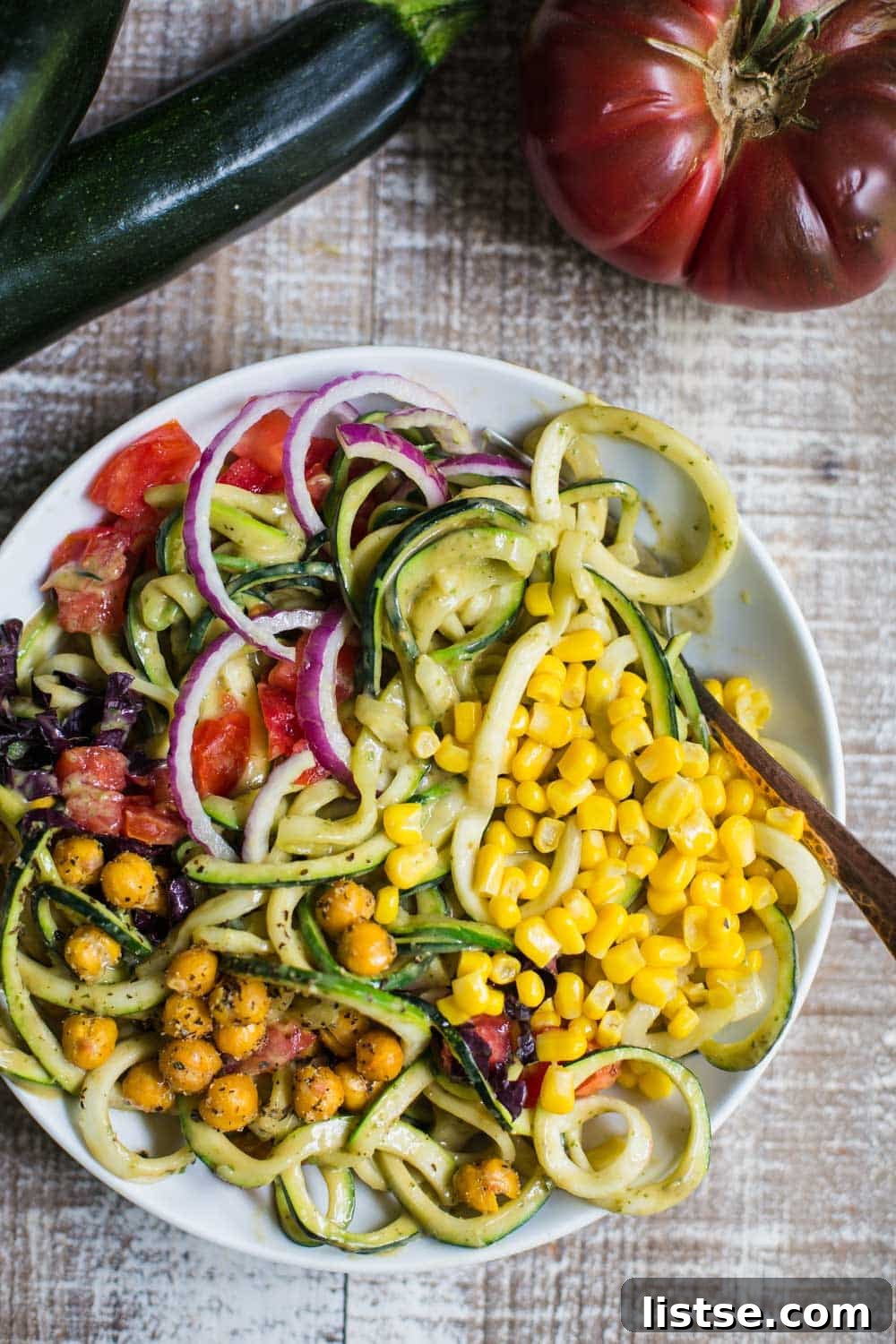
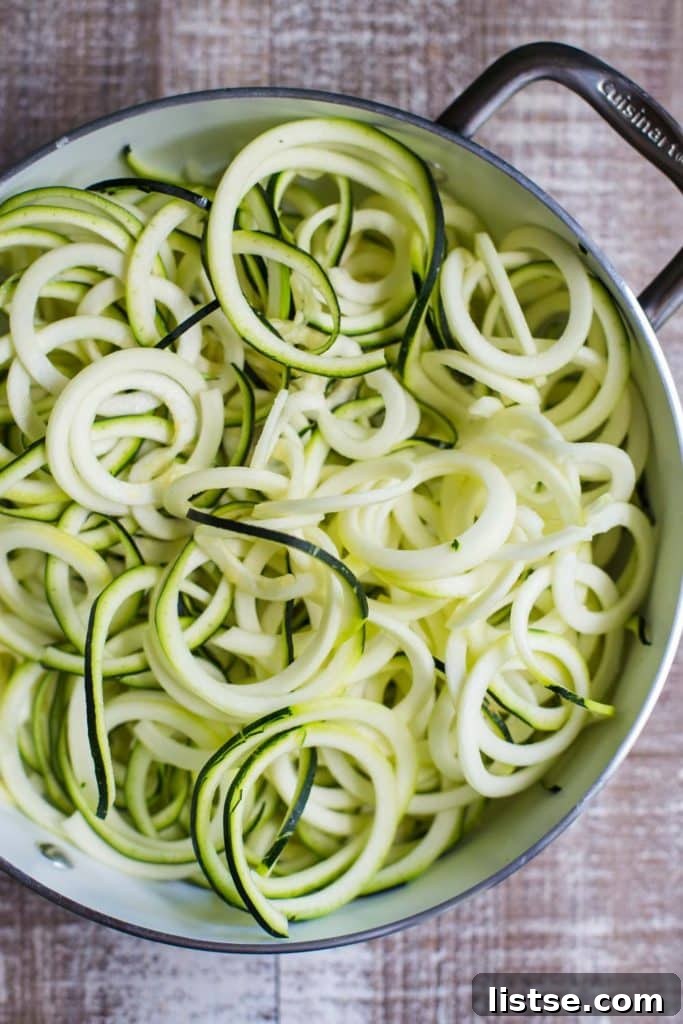
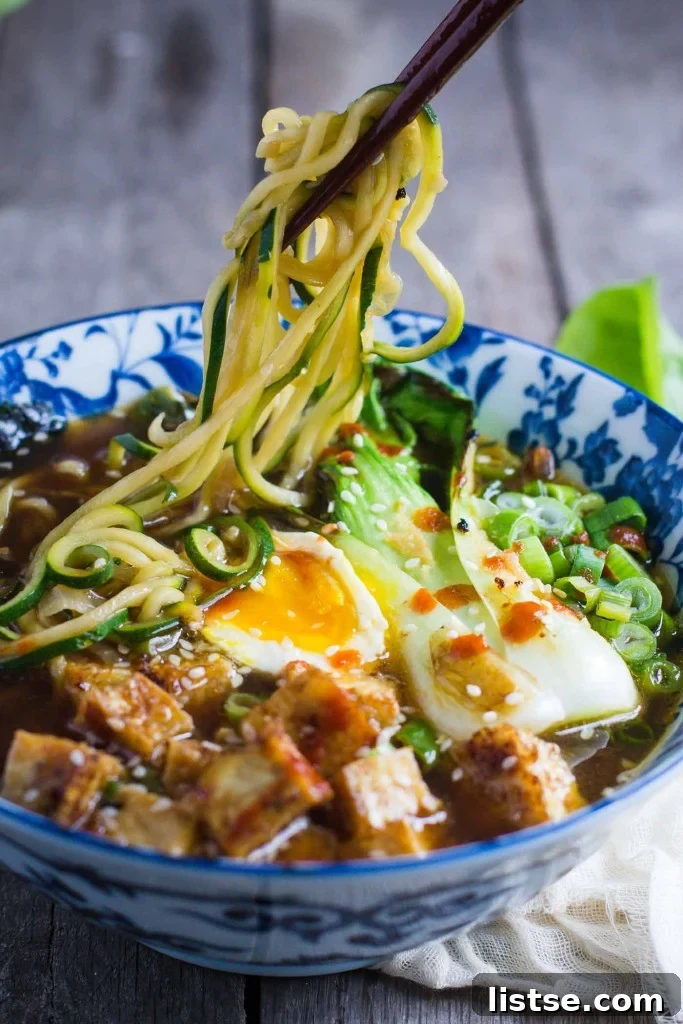
Zoodles, a portmanteau of “zucchini” and “noodles,” are a popular and innovative alternative to traditional wheat-based pasta. These vibrant green strands are created by spiralizing fresh zucchini into long, thin, spiral-shaped noodles. As they are made entirely from zucchini, zoodles offer a fantastic low-carb, gluten-free, and raw option for those with dietary restrictions or anyone looking to incorporate more vegetables into their diet. They serve as a versatile base for a variety of dishes, from light “pasta” salads and stir-fries to a wholesome substitute for spaghetti, often lightly sautéed or enjoyed raw with fresh sauces, providing a refreshing and healthy twist to classic meals.
16. Zopf
Zopf is an exquisite braided bread that holds a special place in Swiss and Austrian culinary traditions. This rich and fluffy bread is meticulously prepared using a dough made from high-quality white flour, fresh milk, farm-fresh eggs, creamy butter, and active yeast. Before baking, the dough is skillfully plaited into its distinctive braided shape, a hallmark of its presentation. To achieve a beautiful golden, glossy crust, the bread is traditionally brushed with egg yolk or milk. Zopf is often enjoyed on Sunday mornings, where its soft interior and slightly crisp crust make it a cherished breakfast item, symbolizing warmth and family gatherings.
17. Zucchini
Zucchini is a widely recognized and incredibly versatile type of summer squash, characterized by its typically long, cylindrical shape and vibrant green skin. Originating from the Americas but popularized in Europe, particularly Italy, this mild-flavored vegetable is a staple in kitchens worldwide. Zucchini can be enjoyed in countless ways: cooked and served on its own as a simple side dish, grilled, sautéed, baked, or integrated as a key component in a multitude of entrées. Its mild taste allows it to absorb the flavors of other ingredients beautifully, making it an adaptable addition to everything from savory stir-fries and pasta dishes to sweet breads and fritters, a true culinary chameleon.

18. Zucchini Bread
Zucchini bread is a popular quick bread that beautifully marries the subtle earthiness of zucchini with delightful sweet and spicy notes. This moist and flavorful bread is traditionally enhanced with warm spices like cinnamon and sometimes nutmeg, often sweetened with brown sugar, and frequently studded with complementary additions such as crunchy walnuts or tart cranberries. What makes zucchini bread particularly appealing is its unique balance: it offers the indulgence of a sweet treat while incorporating the nutritional benefits and moisture of fresh zucchini. It serves as a versatile item, perfect as a comforting breakfast, a satisfying snack, or a wholesome dessert, and is an excellent way to utilize an abundance of summer squash.
19. Zuppa Toscana
Zuppa Toscana, which translates to “Tuscan Soup,” is a hearty and flavorful Italian soup that has gained immense popularity, especially outside of Italy, largely due to restaurant chains like Olive Garden. While variations exist, the quintessential Zuppa Toscana is a rich and creamy concoction featuring savory Italian sausage, crispy bacon, tender chunks of chicken, nutritious kale, vibrant red peppers, and a generous swirl of heavy cream. This comforting soup strikes a perfect balance between spicy and savory, often incorporating other vegetables like potatoes and aromatic seasonings to create a deeply satisfying and warming dish that embodies rustic Tuscan flavors.
Conclusion: The Zest of Culinary Exploration
From the aromatic complexity of Za’atar to the comforting warmth of Zuppa Toscana, our journey through foods starting with the letter “Z” reveals a surprisingly rich and diverse culinary landscape. This collection highlights how even the less common letters of the alphabet can introduce us to unique flavors, traditional dishes, and innovative ingredients from around the globe. Whether you’re seeking to explore new cultures through food, experiment with healthy alternatives like zoodles, or simply satisfy a craving for something extraordinary, these “Z” foods offer a wealth of possibilities. So go ahead, add a little ‘zest’ to your kitchen and discover the wonderful world of Z-inspired dishes!