
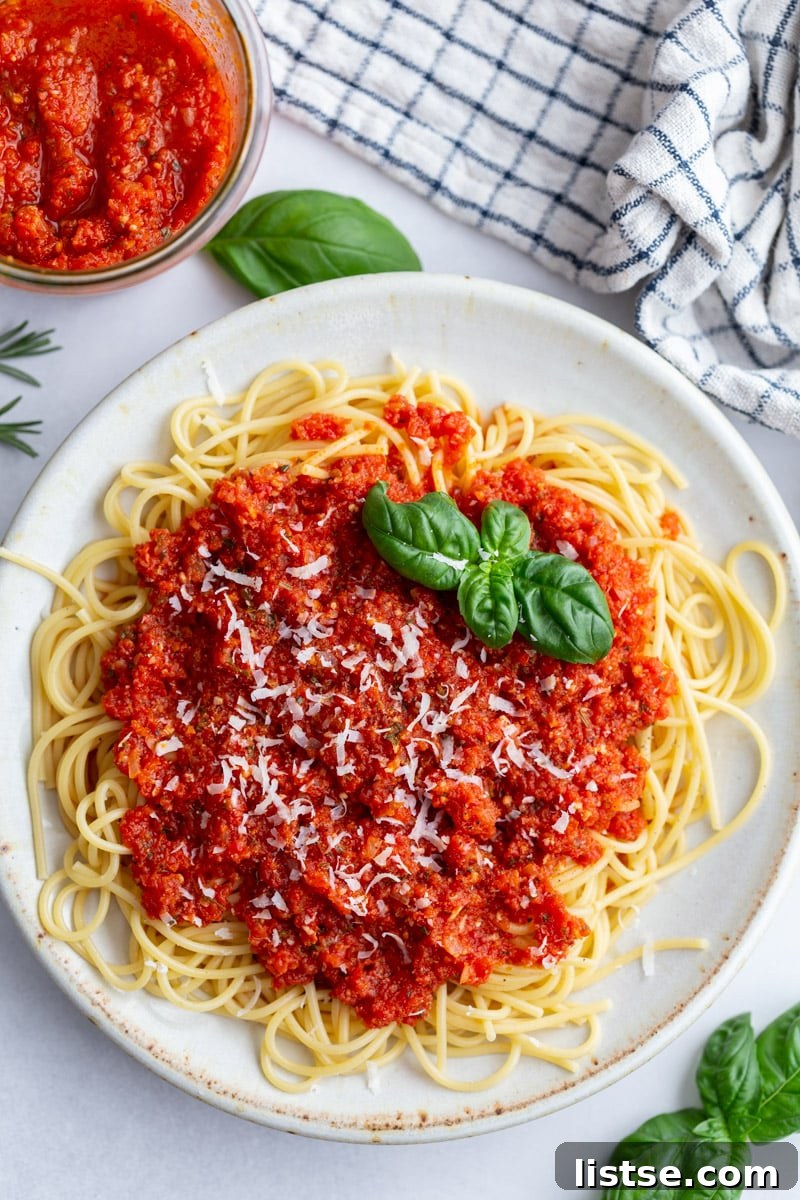
Welcome to the ultimate guide to crafting the most exquisite **Pomodoro Sauce**, a true jewel of Italian cuisine. This thick, rich, and intensely flavorful **homemade pasta sauce** is made with the simplest, freshest ingredients: ripe tomatoes, fragrant olive oil, aromatic herbs, savory onion, and pungent garlic. Far from just a basic tomato sauce, Pomodoro is an authentic Italian staple cherished for its vibrant freshness and elegant simplicity. This easy-to-follow recipe promises a delicious and healthy sauce that your entire family will adore, transforming your everyday meals into a culinary delight.
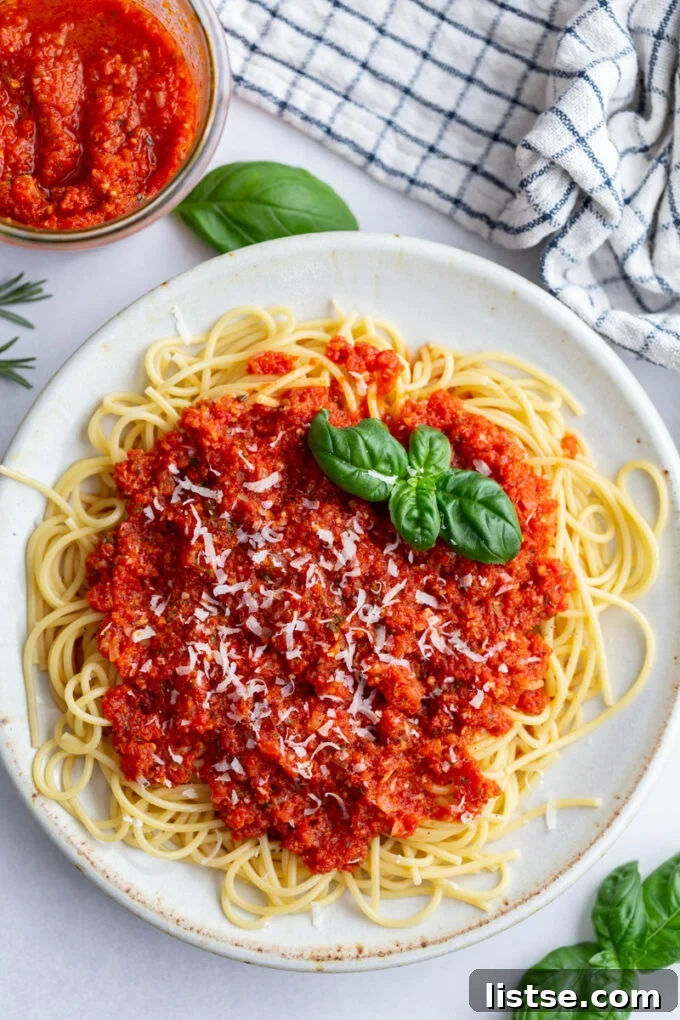
Making your own **authentic Italian Pomodoro sauce** from scratch is surprisingly straightforward, requiring only a few minutes of active preparation and a handful of basic ingredients. The reward is a sauce bursting with a depth of flavor that is simply unparalleled by anything store-bought. This versatile sauce isn’t just for spaghetti; it’s a fantastic foundation for meatballs, a vibrant base for pizza, and an incredible addition to countless other dishes. Once you experience the unparalleled taste of this fresh tomato creation, it’s sure to become a beloved go-to in your culinary repertoire.
We understand the convenience of reaching for a jar of pasta sauce at the grocery store. However, many mass-produced sauces often fall short on flavor. They frequently lack the robust, bright taste that defines true Italian cooking and are often loaded with unnecessary vegetable oils, excessive sugar, artificial preservatives, and an abundance of salt. Our homemade **simple Pomodoro sauce recipe** stands in stark contrast. It delivers a superior flavor profile, a delightful texture, and the peace of mind that comes from knowing exactly what ingredients are going into your meal. The minimal extra effort required to make this sauce at home is profoundly rewarded with a taste that is incomparably fresh and satisfying.
What Exactly is Pomodoro Sauce?
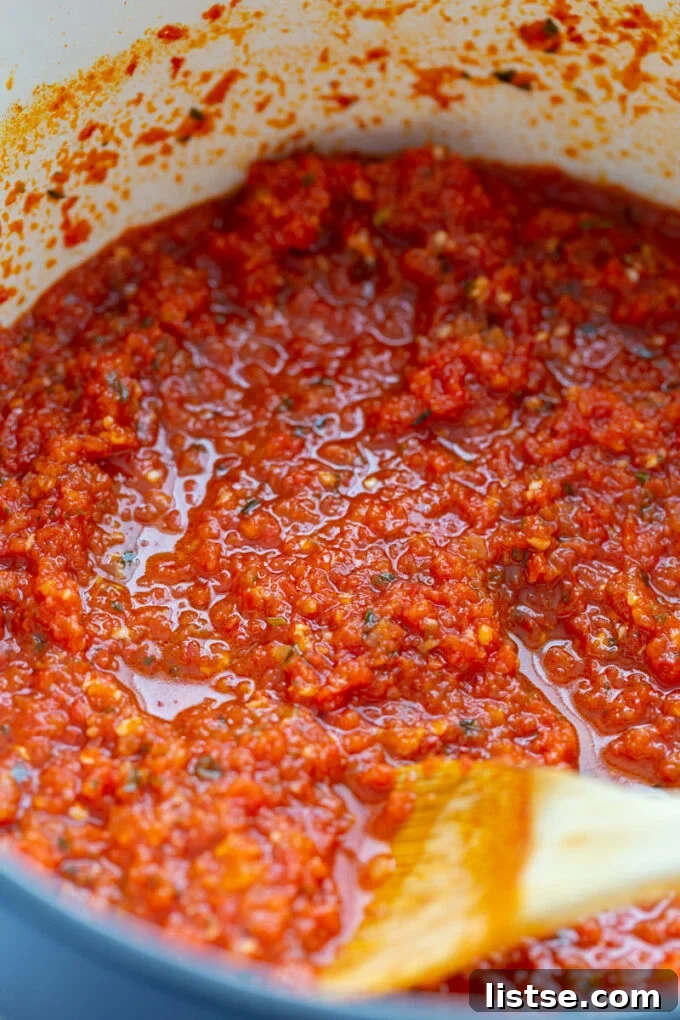
The term “Pomodoro” translates directly to “tomato” in Italian, and this name perfectly encapsulates the essence of this celebrated sauce. At its core, **Pomodoro sauce** is a fresh, vibrant tomato-based sauce designed to highlight the natural sweetness and acidity of perfectly ripe tomatoes. Unlike some heavier, more complex sauces, Pomodoro is known for its elegant simplicity and light texture. It typically features a harmonious blend of crushed or pureed fresh tomatoes, finely minced garlic, a generous glug of high-quality olive oil, and fragrant fresh Italian herbs like basil and oregano. The magic of Pomodoro lies in its ability to transform these few, humble ingredients into a deeply satisfying and refreshing culinary experience, making it a cornerstone of authentic Italian cooking.
Historically, Pomodoro sauce is a celebration of the tomato itself. It originated in southern Italy, where tomatoes thrive in the sunny climate. It’s a testament to the Italian philosophy of allowing high-quality ingredients to shine. The preparation focuses on a gentle simmer that coaxes out the rich, concentrated flavors of the tomatoes, creating a smooth, velvety sauce that clings beautifully to pasta. This emphasis on fresh, quality ingredients and a straightforward cooking method results in a sauce that is both comforting and sophisticated, proving that sometimes, less truly is more.
Pomodoro vs. Marinara: Understanding the Nuances
While often confused, Pomodoro and Marinara sauces, though sharing similar core ingredients, possess distinct characteristics that set them apart. Both are fresh tomato-based sauces, but their preparation methods and resulting textures lead to different culinary applications. The primary distinction lies in their consistency and the way their flavors are developed.
**Pomodoro sauce** is typically characterized by its thicker, smoother, and more refined texture. This is achieved through a longer, more gentle simmering process, often allowing the tomatoes to break down more completely, and sometimes even by straining or pureeing the sauce to remove larger chunks. This extended cooking time helps to deepen and meld the flavors, creating a rich, velvety consistency that coats pasta beautifully. It’s a sauce that celebrates the pure, concentrated essence of the tomato.
On the other hand, **Marinara sauce** is traditionally quicker to prepare and tends to be runnier and chunkier. It often features noticeable pieces of tomato, onion, and garlic. Marinara is believed to have originated as a “sailor’s style” sauce (alla marinara), designed for quick preparation on ships or upon returning to port. Its rustic texture and bright, fresh flavor are a hallmark of its rapid cooking process, which aims to preserve the vibrant, garden-fresh taste of the tomatoes. Marinara is less about a deep, slow-cooked reduction and more about a lively, fresh burst of flavor.
While both are incredibly delicious, knowing these subtle differences can help you choose the perfect sauce for your dish. Pomodoro’s smooth texture makes it ideal for delicate pastas or as a base for dishes where a silky coating is desired, while Marinara’s rustic charm excels with heartier pasta shapes or as a dipping sauce.
Essential Ingredients for an Exceptional Pomodoro Sauce
The beauty of this **fresh tomato sauce recipe** lies in its simplicity. With so few ingredients, the quality of each component becomes paramount. Investing in the best possible produce and pantry staples will significantly elevate the final flavor of your Pomodoro sauce. Here’s a detailed look at what you’ll need and why each element is crucial:
- Fresh Roma Tomatoes: You’ll need approximately 3 pounds, which typically equates to about 10-12 medium Roma tomatoes. Roma tomatoes are the optimal choice for Pomodoro sauce due to their distinct characteristics. They boast a tangy, robust “garden-fresh” tomato taste, offering a perfect balance of sweetness and acidity. Crucially, they have a higher flesh-to-liquid ratio and fewer seeds compared to other varieties, which results in a meatier, thicker sauce without excessive wateriness. When Romas are in season and at their peak ripeness (usually summer), their flavor is unbeatable. If fresh Romas are unavailable or out of season, high-quality canned San Marzano tomatoes (whole, peeled, and crushed by hand) are an excellent alternative, renowned for their sweet, less acidic profile.
- High-Quality Olive Oil: As a cornerstone of Italian cooking, olive oil plays a vital role in building the flavor base of your sauce. We recommend using a good quality extra virgin olive oil for its rich, fruity notes and superior aroma. While some recipes suggest “light” olive oil for a milder flavor, a robust extra virgin variety will contribute significantly to the overall depth and authenticity of your Pomodoro. Choose a brand you trust and enjoy the taste of on its own.
- Fresh Herbs: The vibrant aroma of fresh herbs is indispensable. A classic combination of fresh basil and oregano is traditionally used, but feel free to experiment with what you have on hand. Basil, with its sweet and peppery notes, is often considered the star of Italian tomato sauces. Oregano adds a pungent, slightly earthy counterpoint. For best results, use fresh herbs, roughly chopped. If fresh herbs are not accessible, you can substitute with 1-2 tablespoons of dried Italian seasoning or dried basil and oregano (use about 1 teaspoon of dried herbs for every tablespoon of fresh). Add dried herbs earlier in the cooking process to allow their flavors to release fully.
- Onion: Finely diced or grated onion forms a critical part of the soffritto, the aromatic base that kickstarts many Italian sauces. As it slowly sautés, the onion releases its natural sugars, adding a subtle sweetness and depth of flavor that complements the tomatoes beautifully. Both white and yellow onions work well; yellow onions tend to be a bit sweeter and more pungent, while white onions are sharper. Ensure it’s very finely diced so it practically melts into the sauce.
- Fresh Garlic: Garlic is the heart of most savory sauces, and this Pomodoro is no exception. We highly advocate for using fresh garlic, finely minced or grated, over pre-minced jarred varieties, which often lack the potent flavor and aroma of fresh cloves. You’ll need about 6 large cloves to infuse the sauce with its signature piquant warmth. The garlic should be cooked gently until fragrant, not browned or burnt, to avoid bitterness.
- Salt & Black Pepper: These essential seasonings are crucial for balancing and enhancing all the other flavors. You’ll add them to taste once the sauce has had a chance to simmer and develop. Remember to season gradually, tasting as you go. Freshly ground black pepper offers the best flavor.
- Optional Pinch of Sugar: A small pinch of sugar is often added to tomato sauces to help balance the acidity of the tomatoes, especially if they are not perfectly ripe or if you prefer a slightly sweeter sauce. This is entirely optional and should be adjusted based on your personal preference and the natural sweetness of your tomatoes.
Spicy Pomodoro Variation: For those who enjoy a gentle kick of heat, incorporate about 1/2 to 1 teaspoon of crushed red pepper flakes into the sauce when you sauté the onion and garlic. This allows the heat to infuse throughout the sauce as it simmers, creating a wonderfully warming sensation without overpowering the delicate tomato flavor.
Crafting Your Homemade Pomodoro Sauce: A Step-by-Step Guide
Creating this delicious **homemade Pomodoro sauce** is a rewarding culinary journey that is simpler than you might imagine. The key is to handle each step with care, allowing the flavors to build and meld beautifully. Follow this detailed process for a truly exceptional sauce:
- Prepare the Fresh Tomatoes: Begin by thoroughly washing your Roma tomatoes. To achieve the signature smooth texture of Pomodoro, you’ll want to remove most of the seeds and break down the flesh. Quarter each tomato lengthwise. Using a small spoon, gently scrape out the majority of the seeds and any excess watery pulp. Don’t worry about removing every single seed; a few remaining won’t affect the final sauce. Discard the seeds and pulp. Place the quartered tomatoes into a food processor. Depending on the size of your food processor, you may need to do this in two batches to avoid overcrowding. Pulse the tomatoes until they reach a very finely chopped, nearly pureed consistency, with only very small chunks remaining. Avoid over-processing into a watery liquid.
- Strain for Perfect Consistency: This step is crucial for achieving the classic Pomodoro texture. Place a fine-mesh sieve over a large mixing bowl. Pour the pureed tomato mixture into the sieve. Allow it to sit for at least 15-20 minutes, gently pressing down on the solids with the back of a spoon to help extract the excess liquid. The bowl beneath will collect this flavorful tomato water. Be sure to reserve this liquid, as it may be needed later to adjust the sauce’s consistency. This straining process concentrates the tomato flavor and ensures a less watery, richer sauce.
- Build the Flavor Base: In a large, heavy-bottomed saucepan or Dutch oven, heat 6 tablespoons of olive oil over medium heat. Once the oil is shimmering and fragrant, add the finely diced onion and minced garlic. Sauté gently for about 5-7 minutes, stirring occasionally, until the onion becomes translucent and softened, and the garlic is fragrant but not browned. It’s essential not to burn the garlic, as this will impart a bitter taste. This slow sautéing process coaxes out their sweet and savory notes, forming the aromatic foundation for your sauce.
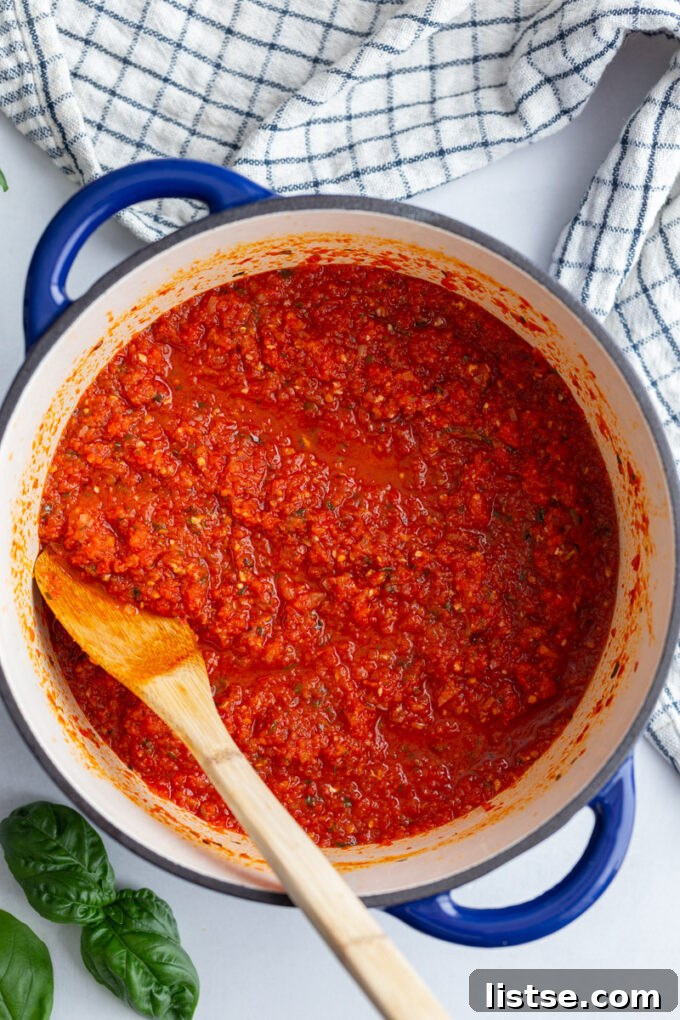
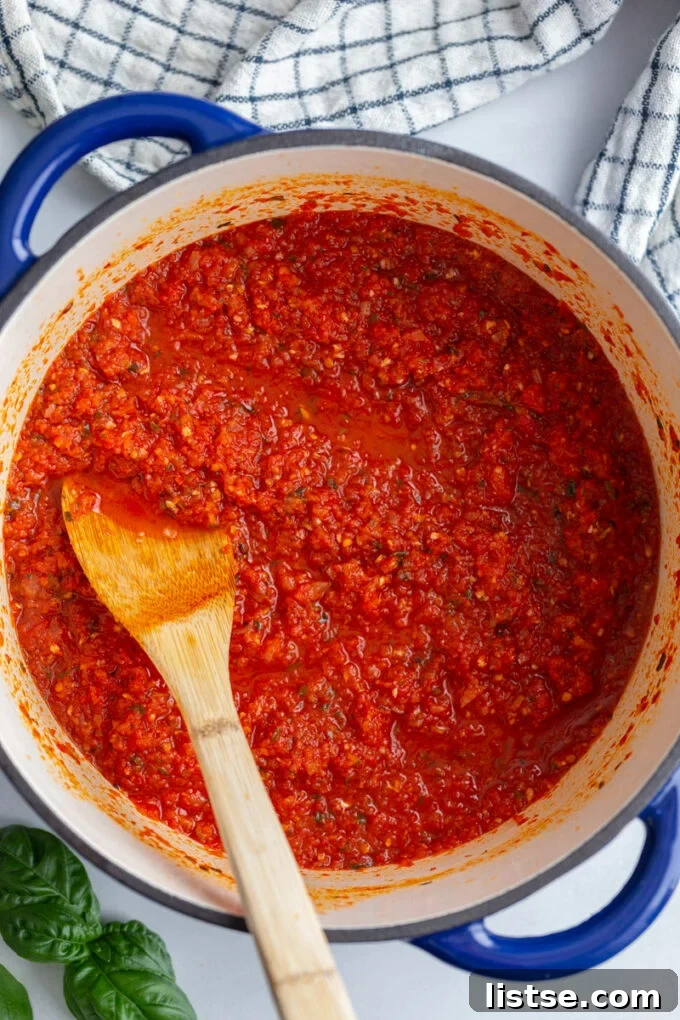
- Combine and Begin Simmering: Pour the strained, pureed tomatoes into the saucepan with the sautéed aromatics. Add approximately ½ cup of the reserved tomato liquid that you strained earlier, along with your fresh, chopped herbs (basil and oregano). Stir everything together thoroughly to combine. Bring the mixture to a gentle boil, then immediately reduce the heat to a low simmer. Partially cover the saucepan, leaving a small gap for steam to escape. Cook the sauce for at least 1 hour, stirring every 15-20 minutes to prevent sticking and ensure even cooking. During this simmering time, the flavors will deepen, and the sauce will naturally thicken.
- Adjust Consistency and Season: After 1 hour, check the sauce’s consistency. If you prefer a thinner sauce, you can gradually add more of the reserved tomato liquid, a tablespoon at a time, stirring and simmering for a few more minutes after each addition until your desired thickness is reached. If the sauce is already perfect or thicker than you’d like, you can discard any remaining liquid. Remove the saucepan from the heat. Now is the time to taste and season generously with salt and freshly ground black pepper. If your tomatoes were particularly acidic, or you simply prefer a slightly sweeter note, add a small pinch of sugar to balance the flavors. Stir well and taste again, adjusting as needed.
- Serve and Savor: Your homemade **authentic Pomodoro sauce** is now ready! Serve it immediately over your favorite cooked pasta, garnishing with extra fresh basil leaves and a sprinkle of grated Parmesan or Pecorino Romano cheese, if desired. Prepare to be amazed by the fresh, vibrant, and deeply satisfying taste that only a truly homemade sauce can deliver!
Creative Culinary Uses for Your Pomodoro Sauce
The versatility of homemade **Pomodoro sauce** extends far beyond a simple plate of spaghetti. Its fresh, robust flavor makes it an excellent foundation for a myriad of dishes, capable of transforming everyday meals into extraordinary culinary experiences. Think of it as your flavorful secret weapon in the kitchen. Here are some tasty suggestions to inspire your next meal:
- Classic Pasta Pairings: Naturally, Pomodoro sauce shines brightest when paired with pasta. Its smooth, rich texture adheres beautifully to various shapes. Try it with delicate angel hair pasta, classic spaghetti, hearty rigatoni, playful rotini, or tubular penne. For a lighter, healthier option, serve it over zucchini noodles, spaghetti squash, or gluten-free pastas made from vegetables.
- Elevating Baked Pasta Dishes: Use your fresh Pomodoro sauce as the foundational layer in beloved baked pasta recipes. It’s perfect for crafting a rich and flavorful lasagna, a comforting baked ziti, or delectable stuffed shells. The sauce’s vibrant taste will truly stand out in these layered dishes.
- Italian Mains and Sides: Transform everyday chicken or eggplant into a gourmet meal by smothering them in Pomodoro sauce for dishes like Chicken Parmesan or Eggplant Parmesan. It also makes a superb simmering sauce for meatballs, whether you’re using traditional meat-based ones or, as we recommend, pairing it with our Easy Vegan Meatballs recipe for a delicious plant-based option.
- Pizza and Flatbread Base: Ditch the jarred pizza sauce! Your homemade Pomodoro provides an incredibly fresh and authentic base for homemade pizzas, calzones, and flatbreads. Its concentrated tomato flavor is ideal for building upon with your favorite toppings.
- Versatile Dipping Sauce: Serve it warm as an irresistible dipping sauce for crispy mozzarella sticks, garlicky breadsticks, arancini (fried risotto balls), or even a simple crusty baguette.
- Soups and Stews: Incorporate Pomodoro sauce into your favorite soups and stews for an added layer of rich tomato flavor. It works wonderfully in minestrone, Italian sausage soup, or a hearty vegetable stew.
- Bruschetta Topping: For an appetizer that screams freshness, spoon a little warm Pomodoro sauce over toasted baguette slices, perhaps with a sprinkle of fresh basil and Parmesan.
- Breakfast and Brunch: Believe it or not, Pomodoro can even make an appearance at breakfast! Use it as a base for a savory Shakshuka, where eggs are gently poached directly in the simmering tomato sauce, served with crusty bread for dipping.
With its bright and clean flavor, this versatile **homemade sauce** is a fantastic way to infuse a taste of Italy into a wide array of dishes, proving that a truly great sauce can inspire endless culinary creativity.
Storing, Freezing, and Making Ahead: Preserve Your Pomodoro Perfection
One of the many benefits of making a batch of fresh Pomodoro sauce is its excellent keeping qualities, allowing you to enjoy its deliciousness days or even months later. This makes it perfect for meal prepping and ensures you always have a gourmet base on hand for quick and easy weeknight meals.
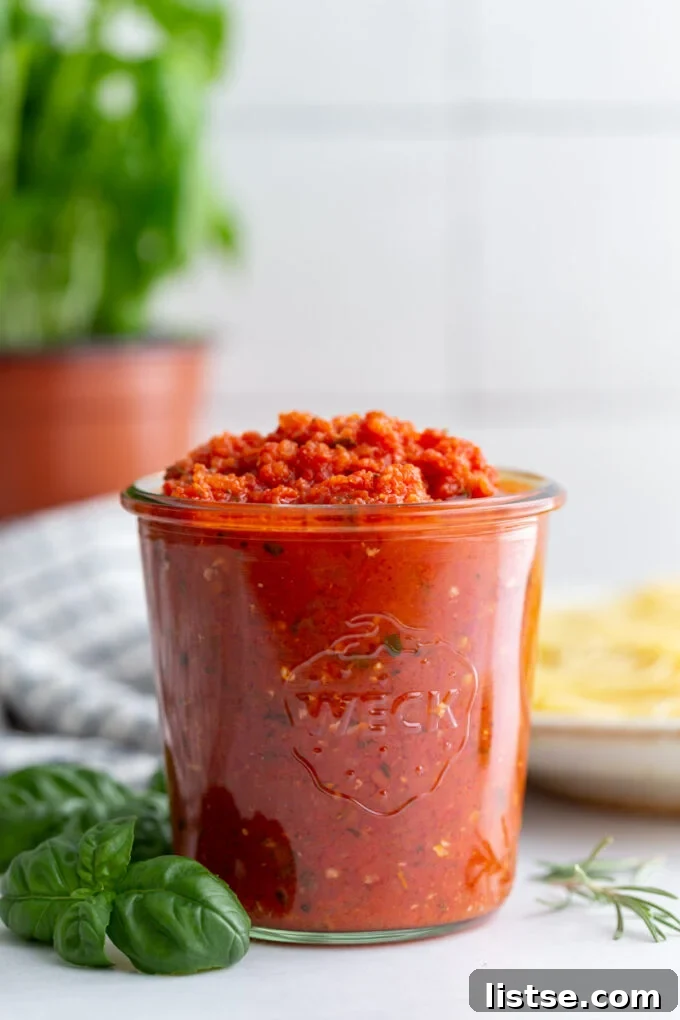
Storing Leftovers: Once your Pomodoro sauce has completely cooled to room temperature, transfer it to an airtight container. It will keep beautifully in the refrigerator for up to 5 days. To reheat, simply pour the desired amount into a saucepan on the stove and warm over medium-low heat, stirring occasionally, until it’s gently simmering and heated through. Alternatively, for a quicker option, place the sauce in a microwave-safe dish, cover it, and reheat in 20-30 second intervals, stirring in between, until warm.
Freezing for Future Feasts: This sauce freezes exceptionally well, making it an ideal candidate for batch cooking and meal prepping. If you’re planning to make a large quantity, ensure the sauce has cooled completely before packaging. Divide the cooled sauce into freezer-safe containers, heavy-duty freezer bags, or even ice cube trays (for smaller, individual portions). Leave about an inch of headspace if using rigid containers to allow for expansion. Frozen Pomodoro sauce will maintain its peak quality for up to 3 months. Always remember to label your containers with the date to keep track of freshness.
To thaw, simply transfer the frozen sauce to the refrigerator the night before you plan to use it. For a quicker thaw, you can gently reheat it from frozen in a saucepan over low heat, stirring frequently, or carefully microwave it in short bursts. Once thawed, it should be used within 2-3 days and not refrozen.
Make-Ahead Magic: While this **fresh tomato sauce** is absolutely delicious on the day it’s made, it often tastes even better a day or two later. Allowing the sauce to rest in the refrigerator gives the various ingredients—the tomatoes, garlic, onion, and herbs—time to “marry” and deepen their flavors. This process allows the individual components to blend into a more harmonious and complex profile, resulting in a richer and more satisfying sauce. If you have the luxury of time, preparing your Pomodoro sauce a day or two in advance is highly recommended for an even more profound taste experience.
For any family that cherishes pasta dishes, embracing this homemade **authentic Pomodoro sauce** instead of relying on store-bought jars is an absolute game-changer. The vibrant freshness, the balanced flavors, and the wholesome ingredients of this simple yet elegant sauce will fundamentally elevate your culinary experience. Once you savor the remarkable difference that a truly homemade sauce can make, infused with care and the finest fresh ingredients, you’ll likely find yourself forever converted, never wanting to return to the less flavorful alternatives. This recipe isn’t just about making sauce; it’s about rediscovering the joy of simple, delicious, and healthy home cooking.
Explore More Simple Sauce Creations:
If you’ve fallen in love with the art of crafting your own **Pomodoro sauce**, we encourage you to broaden your homemade sauce repertoire. There’s a world of flavor waiting to be discovered, and creating your own sauces from scratch is a fantastic way to control ingredients and customize tastes. Give these other delightful and easy-to-make sauce recipes a try to further enhance your culinary skills:
- White Wine Pasta Sauce
- Vegan Nacho Cheese Sauce
- Homemade Enchilada Sauce
- Vegan Tartar Sauce
- Peanut Sauce
We absolutely love hearing from you! If you decide to make this incredible **Pomodoro sauce recipe**, please let us know how it turned out and what you thought. Your feedback is invaluable to us. You can share your experience by leaving a comment here on the post, or by tagging us on Instagram (@foodwithfeeling). Happy cooking!
Simple Pomodoro Sauce
Ingredients
- 3 pounds tomatoes, about 12 fresh roma tomatoes
- 6 tablespoons olive oil
- ⅓ cup herbs, I used a combo of fresh basil and oregano but anything works well!*
- ⅓ cup onion, finely diced or grated
- 6 garlic cloves, large, finely minced
- Salt and pepper to taste
- Optional pinch of sugar
Instructions
-
Start by quartering your tomatoes and lightly scraping out most of the seeds. Don’t stress trying to get ALL of them out (unless you REALLY hate tomato seeds). A few seeds in the sauce is perfectly fine. Discard the seeds and place the tomatoes into a food processor (I usually do this in 2 rounds). Puree the tomatoes until very little chunks remain.
-
Place a fine mesh sieve over top of a large bowl and then pour the tomato mixture into the sieve so that the bowl catches the excess liquid. Keep the liquid as you may need it later.
-
In a large saucepan, heat the oil over medium heat. Once hot, add in the onion and garlic and sauté for 5 minutes. Mix in the tomatoes, ½ cup of the tomato liquid that drained out, and the herbs.
-
Bring to a boil and then lower heat to a gentle simmer. Cook, partially covered, for 1 hour, stirring a few times. As desired, you can add in more of the tomato liquid if you like a thinner sauce and if not, you can discard the leftover liquid.
-
Remove from the heat and season with salt and pepper (plus a pinch of sugar as desired). Serve over pasta and ENJOY!
Notes
Nutrition
Carbohydrates: 16g,
Protein: 3g,
Fat: 22g,
Saturated Fat: 3g,
Polyunsaturated Fat: 3g,
Monounsaturated Fat: 15g,
Sodium: 19mg,
Potassium: 850mg,
Fiber: 4g,
Sugar: 10g,
Vitamin A: 2940IU,
Vitamin C: 49mg,
Calcium: 49mg,
Iron: 1mg
Nutrition information is automatically calculated, so should only be used as an approximation.