
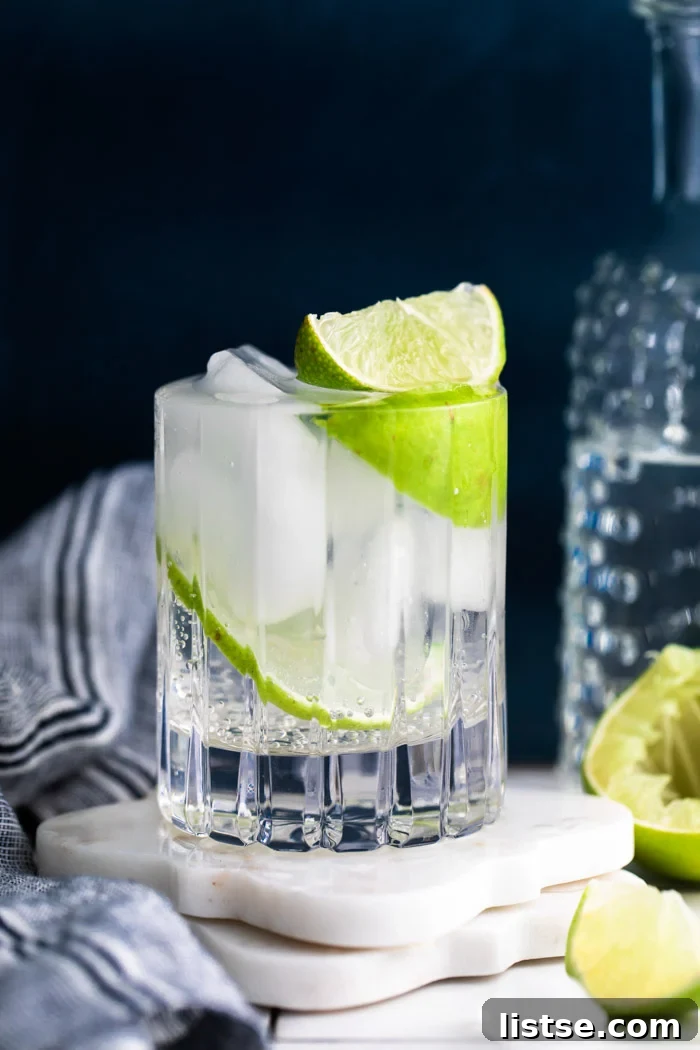
Diving into the refreshing world of the Gin and Tonic, a timeless classic cocktail that effortlessly blends simplicity with sophisticated flavor. This iconic drink, often abbreviated as G&T, is beloved worldwide for its crisp taste and ease of preparation. Whether you’re a seasoned mixologist or a complete novice, our ultimate guide will show you how to craft the perfect Gin and Tonic using just three core ingredients: premium gin, quality tonic water, and a squeeze of fresh lime. Prepare to elevate your cocktail experience with this simple yet sublime concoction. Cheers to mastering the art of the G&T!
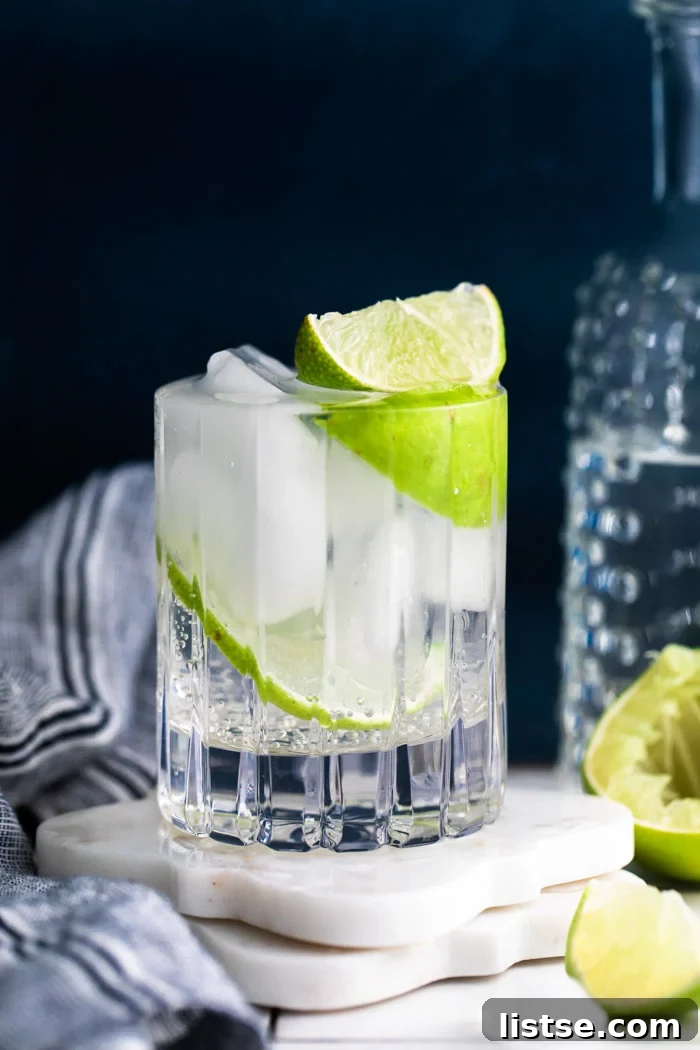
For years, the Gin and Tonic has been a staple in our home, a testament to its enduring appeal and delightful simplicity. While we sometimes experiment with exciting new flavor combinations, like the popular orange and cranberry gin and tonic we shared last year, there’s an undeniable charm in returning to the original, unadulterated recipe. This foundational Gin and Tonic is what we truly adore – a perfect balance that allows the quality of its components to shine through.
Learning to appreciate the nuances of a classic cocktail is a journey, and the Gin and Tonic offers a wonderful starting point. It’s a versatile drink that can be tailored to individual tastes, but understanding the basics is key to unlocking its full potential. Join us as we explore every facet of this beloved beverage, from selecting the finest gin and tonic water to mastering the art of the perfect pour and garnish, ensuring every sip is nothing short of perfection.
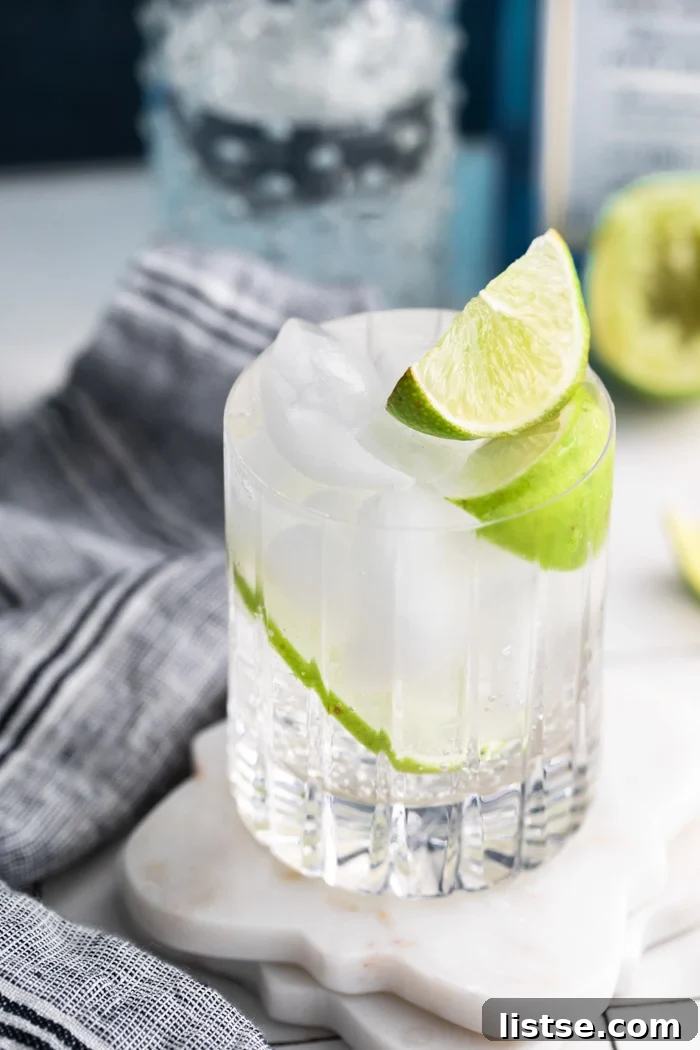
What is Gin and Tonic? The Origin of a Classic
At its heart, the Gin and Tonic is precisely what its name implies: a harmonious blend of gin and tonic water, often enhanced by a fresh citrus garnish. But its story is far richer than just a simple mix. This refreshing drink has historical roots tracing back to the British East India Company and the British Army in India. During the 19th century, British soldiers and civilians in tropical colonies were plagued by malaria. Quinine, a bitter compound derived from cinchona bark, was a known antimalarial remedy. Tonic water, originally created in 1825, contained quinine.
However, the intensely bitter taste of quinine was unpalatable on its own. Resourceful individuals began mixing it with gin, sugar, water, and lime to make it more enjoyable. This practical solution quickly evolved into a popular social drink, particularly among officers. The lime not only added flavor but also provided vitamin C, helping to combat scurvy, another common ailment of the era. Thus, the Gin and Tonic was born out of necessity and ingenuity, becoming a symbol of colonial life and eventually a global phenomenon.
Today, while tonic water contains significantly less quinine (and more sugar) than its original medicinal counterpart, the refreshing combination of botanical gin and crisp tonic endures. It’s a testament to the perfect synergy of flavors that has captivated palates for nearly two centuries, making it a perennial favorite for any occasion.
Choosing the Best Gin for Your Gin and Tonic
Selecting the right gin is paramount to crafting an exceptional Gin and Tonic. While I may not be a certified spirits expert, years of enthusiastic home bartending and countless G&T experiments have certainly honed my palate and preferences. The beauty of gin lies in its incredible diversity, offering a vast spectrum of botanical profiles that can dramatically alter your cocktail experience.
At its core, gin is a spirit distilled with juniper berries, which impart its signature piney, resinous flavor. Beyond juniper, distillers use a proprietary blend of botanicals – herbs, spices, fruits, and flowers – to create unique flavor profiles. These can range from bright citrus notes to earthy spices, floral aromas, or even savory hints. Your choice of gin will set the foundation for your G&T, influencing everything from its aroma to its lingering finish.
Exploring Gin Styles for Your G&T:
Understanding different gin styles can help you choose the perfect bottle, allowing you to tailor your Gin and Tonic to your exact taste preferences:
- London Dry Gin: This is the most common and classic style, often regarded as the benchmark for gin. It’s typically juniper-forward, crisp, and dry, with a well-balanced blend of other botanicals such as coriander, angelica root, and citrus peel. London Dry gins are excellent for a traditional, robust G&T that truly highlights the iconic gin flavor.
- Plymouth Gin: Originating from Plymouth, England, this style is slightly sweeter and often boasts a more earthy character than London Dry, with a less aggressive juniper profile. It tends to have a fuller body and a softer, more aromatic nose, making for a subtly different and often smoother G&T.
- Old Tom Gin: Historically, Old Tom was a sweeter style of gin that predates London Dry. Its resurgence has brought back a charming richness and a hint of sweetness, which can add delightful depth to your G&T, especially if you prefer a less bitter profile or are experimenting with classic cocktail recipes.
- New Western Dry Gin: These contemporary gins push the boundaries of botanical blends. While juniper must still be present, New Western gins often feature other prominent flavors like bright citrus, delicate florals, or even savory herbs, allowing them to shine. They offer a more adventurous and contemporary G&T experience, often pairing beautifully with specific tonics and garnishes.
Our Favorite Gins for an Exquisite Gin and Tonic:
After much tasting and deliberation, here are some of our top recommendations, each offering a distinct and delightful G&T experience. Remember, the “best” gin is ultimately a matter of personal preference, so consider these a starting point for your own exploration!
- Malfy Con Limone Gin: This vibrant Italian gin, infused with zesty Amalfi Coast lemons, quickly shot to the top of my list. Its incredibly smooth taste and bright, refreshing lemon notes make for an exceptionally vibrant Gin and Tonic, often requiring no extra citrus garnish. It’s widely available and a joy to discover.
- Wild Roots Gin: Hailing from Oregon, this craft gin, though not universally available, is a true gem if you can find it. Their grapefruit-flavored gin is a personal obsession of mine, lending a wonderful tangy and slightly sweet complexity that elevates the classic G&T with a burst of fresh fruitiness.
- Viva City Native Gin: Another fantastic local Oregon distillery, Viva City produces a gin that speaks to the unique terroir of the region. Supporting local craft distilleries often reveals hidden treasures, and this one is no exception, offering a distinctive and enjoyable botanical profile that stands out in a Gin and Tonic.
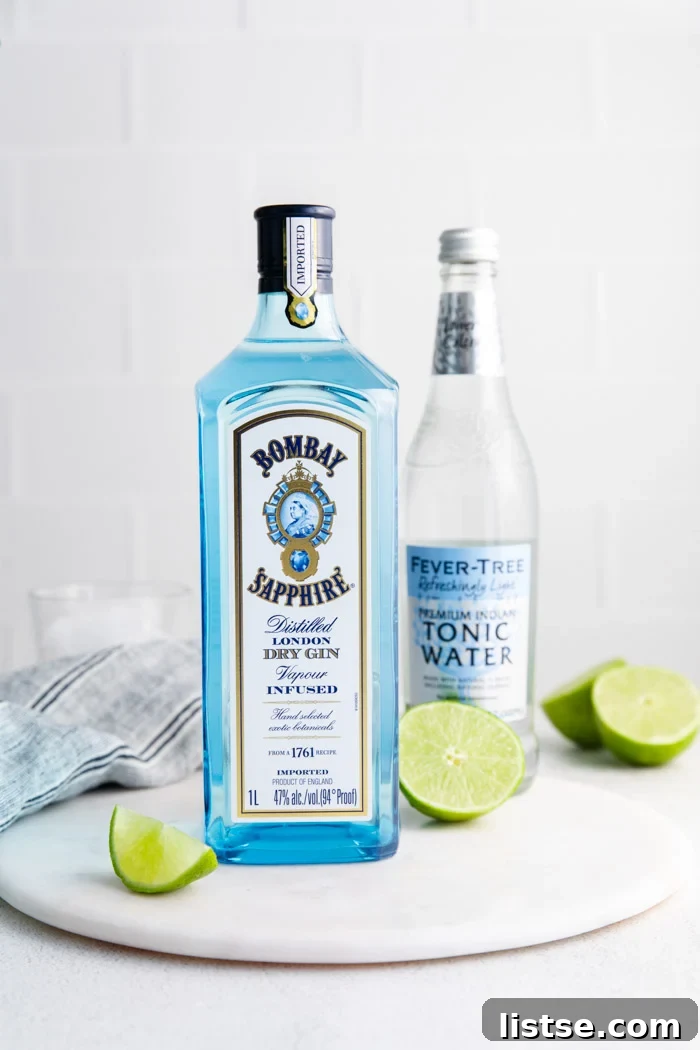
- Bombay Sapphire: A global icon and a reliable choice, Bombay Sapphire is widely available and a staple in most bars. Its distinct blue bottle hints at its crisp, balanced profile, with a strong juniper backbone and elegant citrus notes, making it an excellent classic gin to always have on hand for a consistently good G&T.
- Hendrick’s: Renowned for its unique infusion of rose and cucumber, Hendrick’s offers a wonderfully smooth and aromatic gin that creates a sophisticated Gin and Tonic. Its distinctive flavor profile makes it perfect for those seeking something a bit different from the traditional juniper-heavy gins. Plus, the elegant bottle is always a treat for the eyes!
- Empress 1908 Gin: Beyond its delightful flavor, Empress Gin stands out with its stunning natural indigo hue, derived from butterfly pea blossoms. When mixed with tonic, it beautifully transforms into a vibrant pink or purple, making it a show-stopping choice for entertaining guests. Its balanced botanical blend is equally impressive, offering notes of citrus, floral, and spice.
We are always eager to discover new favorites! If you have a gin that you believe makes an outstanding Gin and Tonic, please share your recommendations – the world of gin is vast and full of delightful discoveries.
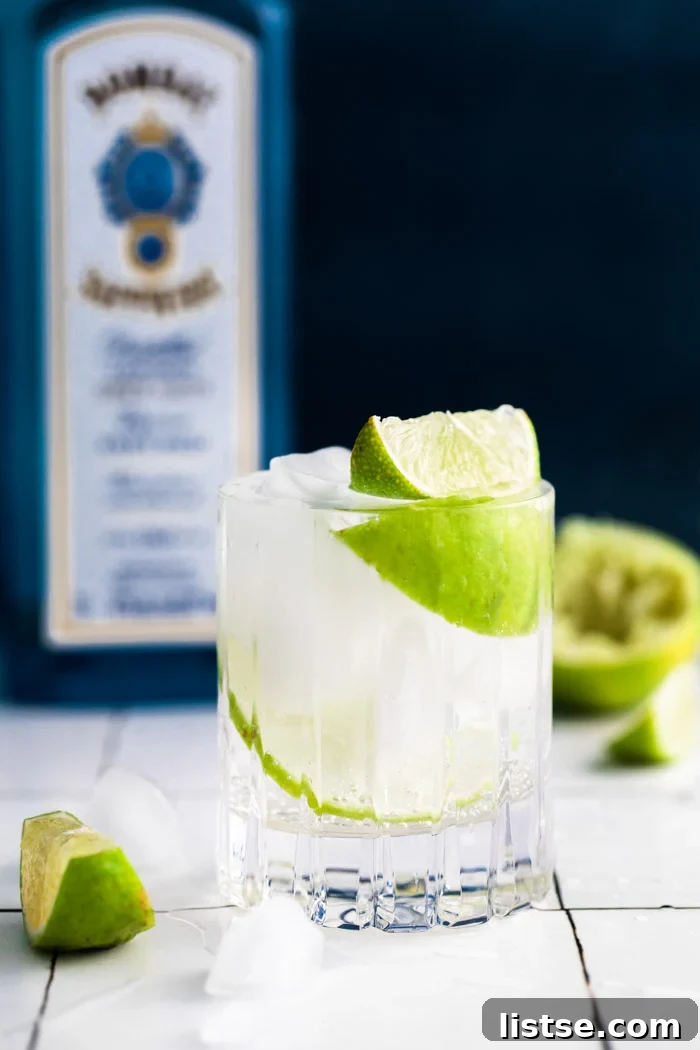
The Unsung Hero: Choosing Your Tonic Water
While gin often takes center stage, the tonic water is equally crucial to a perfect Gin and Tonic. It makes up the majority of the drink, so its quality and flavor profile will significantly impact the final taste. Generic tonic waters often contain high-fructose corn syrup and artificial flavors, which can overpower the delicate botanicals of a good gin and leave a cloying aftertaste.
We highly recommend investing in premium tonic waters. Brands like Fever-Tree, Q Mixers, and East Imperial offer a range of tonics with varying bitterness, sweetness, and botanical infusions. Some are specifically designed to complement certain gin styles, while others offer a cleaner, more neutral profile that truly lets the gin shine. Experiment with different brands to find your ideal pairing – you might be surprised at the difference a quality tonic makes. For those mindful of sugar intake, opting for diet or light tonic water is an excellent choice, as it dramatically reduces the calorie count without compromising on the essential crisp, bitter balance.
How Many Calories Are in a Gin and Tonic?
Many people are curious about the caloric content of their favorite cocktails. It might surprise you to learn that a Gin and Tonic can be a relatively lighter option compared to many other alcoholic beverages, especially when prepared mindfully.
On average, a classic Gin and Tonic made according to our recipe (using 2 ounces of gin and 4 ounces of diet tonic water) contains approximately 125 calories. This calculation primarily accounts for the gin itself, as a standard 2-ounce shot of gin typically has around 125 calories. By using diet tonic water, you effectively eliminate almost all the additional calories that regular tonic water (which can be quite sugary, often containing 80-100 calories per 4 ounces) would contribute. The small amount of fresh lime juice adds negligible calories, making it a truly guilt-free addition.
When considering options for a lighter drink, a Gin and Tonic with diet tonic water often emerges as a favorable choice. For instance, many standard beers contain upwards of 150-200 calories per serving, and a typical glass of wine can range from 120-150 calories. This makes a well-made G&T a surprisingly refreshing and lower-calorie alternative for any day of the week, allowing you to enjoy a sophisticated drink without excessive caloric intake!
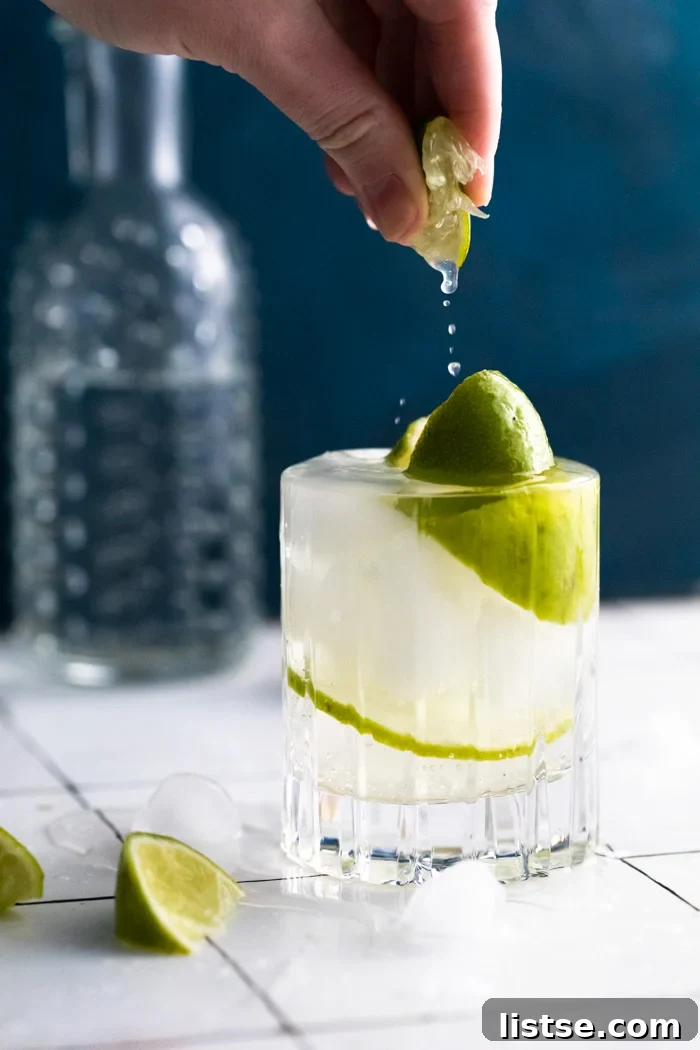
How to Make the Perfect Gin and Tonic
Crafting a stellar Gin and Tonic is less about complexity and more about precision and quality ingredients. Here’s a detailed breakdown to ensure your G&T is consistently excellent:
The Importance of Ice:
Good ice is non-negotiable for a truly great G&T. Large, dense ice cubes or spheres melt slower, meaning your drink stays colder longer and doesn’t get diluted too quickly. Small, irregular ice chips melt rapidly, watering down your drink and dulling its flavors. We often use dedicated ice molds to create giant cubes, but any good quality, solid ice you have on hand will certainly work to preserve the integrity of your cocktail.
Step-by-Step Assembly:
- Chill Your Glass: Start with a chilled glass. A highball or a large balloon glass (also known as a copa glass) is ideal for allowing the aromatics of the gin to gather, enhancing the drinking experience.
- Add Ice Generously: Fill your chosen glass generously with your preferred ice. Don’t be shy; a well-iced drink stays colder longer and minimizes premature dilution, ensuring your G&T remains crisp.
- Pour the Gin: Measure and pour your chosen gin over the ice. The standard ratio is typically 1 part gin to 2 parts tonic, but this can be adjusted to your personal preference for strength (e.g., 2 ounces of gin is a common measure for a single serving).
- Top with Tonic Water: Gently pour 4 ounces of diet tonic water over the gin and ice. Pouring slowly helps preserve the tonic’s carbonation, contributing to the drink’s effervescence and overall refreshing quality.
- Garnish and Serve: The classic garnish is a fresh lime wedge. Squeeze it directly into the cocktail for a burst of vibrant citrus, or if you prefer a subtle hint of acidity, simply drop it in after expressing some aromatic oils from the peel. Stir gently once or twice to combine the ingredients without losing too much fizz.
Over time, as I’ve come to truly appreciate the intricate flavors of exceptional gins, I’ve even grown to love a G&T with minimal or no citrus. If you’re enjoying a particularly fine gin with a rich botanical profile, try a small taste before adding lime. Sometimes, the gin itself provides all the complexity you need, allowing its unique character to be the star. This simple act of omission can highlight the gin’s true quality.
Gin and Tonic Variations to Explore:
The beauty of the Gin and Tonic lies in its adaptability. Once you master the classic, a world of delightful variations awaits:
- Gin and Tonic with Lemon: For a refreshing twist that offers a different citrus profile, substitute the lime with a lemon wedge. My mom is a huge advocate for the bright, zesty notes that lemon brings to a G&T, offering a distinctly tart and invigorating experience.
- Cucumber G&T: For gins with natural cucumber notes (such as Hendrick’s), a few thin slices of fresh cucumber make an elegant and incredibly aromatic garnish. It enhances the gin’s inherent coolness and provides a visually appealing touch.
- Grapefruit G&T: A wedge of fresh grapefruit or a thinly peeled grapefruit zest can add a beautiful bitter-citrus complexity that pairs wonderfully with many contemporary gins that feature complementary citrus or floral notes.
- Herbal G&T: Introduce wonderful aromatic dimensions with a sprig of fresh rosemary, thyme, or basil. Gently bruise the herbs slightly before adding them to release their essential oils and infuse the drink with a sophisticated botanical aroma.
- Spicy G&T: For those who enjoy a little kick, a few black peppercorns, a thin slice of fresh ginger, or even a tiny sliver of jalapeño can add a subtle warmth and intriguing complexity to your Gin and Tonic.
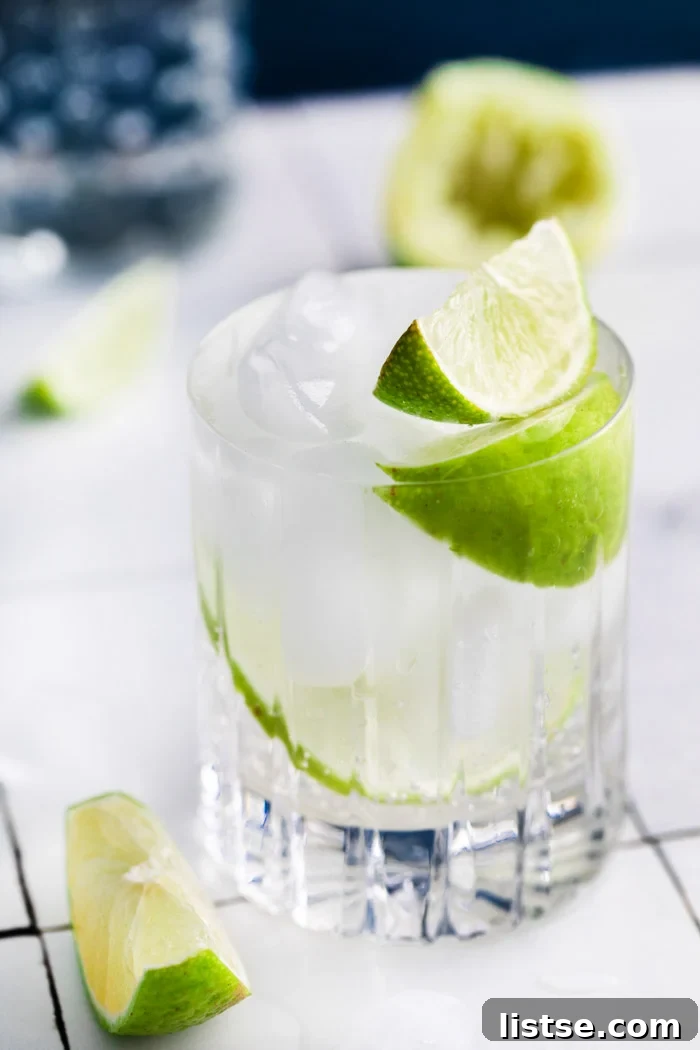
Discover More Refreshing Cocktail Recipes:
- Classic Bellini
- Whiskey Smash
- Classic Mojito Recipe
- Grapefruit Margarita
- Gin & Tonic
- Lavender Mojito
- Classic Aperol Spritz
- Lavender Lemonade Vodka
- Watermelon White Wine Slushie
- Peach Mojito
- Sangria Popsicles
- Cucumber Lime Tequila Cocktail
Gin and Tonic Recipe
By Brita Britnell
Prep Time: 5 minutes
Total Time: 5 minutes
Servings: 1 cocktail
A timeless and incredibly easy cocktail, perfect for any occasion. Discover how to craft this refreshing classic with just three ingredients.
Ingredients
- 2 ounces of gin (refer to our detailed recommendations above for ideal choices that suit your palate)
- 4 ounces of diet tonic water (or your preferred premium tonic water)
- 1 lime wedge, optional (for garnish or flavor, though some gins shine on their own)
- Plenty of ice for serving (large cubes or spheres are highly recommended for optimal chill and minimal dilution)
Instructions
- Fill a chilled glass generously with your chosen ice. The more ice, the colder and less diluted your drink will remain.
- Pour the measured gin over the ice in the glass.
- Gently top the gin and ice with the tonic water. Pouring slowly helps preserve the tonic’s effervescence.
- If desired, squeeze in the juice from a fresh lime wedge. You may wish to taste the cocktail first to fully appreciate the gin’s unique profile before adding citrus.
- Stir gently once or twice to combine the ingredients without flattening the carbonation. Enjoy your perfectly crafted Gin and Tonic immediately!
The Gin and Tonic is more than just a drink; it’s a testament to simple elegance and historical charm. By paying attention to the quality of your gin, tonic, and ice, and experimenting with various garnishes, you can transform this classic into a personalized masterpiece. Whether you prefer a traditional juniper-forward profile or an adventurous botanical blend, there’s a perfect Gin and Tonic waiting for you to discover. Embrace the art of home bartending and savor every refreshing sip, knowing you’ve mastered a timeless cocktail that will delight your senses and impress your guests. Cheers to the enduring legacy of the G&T!