
The Ultimate Guide to Chive Substitutes: Enhancing Your Culinary Creations
Chives, with their delicate, fresh, and subtly oniony flavor, coupled with a vibrant green hue and crisp texture, are a beloved herb in kitchens worldwide. They effortlessly elevate dishes, from garnishing a baked potato to flavoring a gourmet sauce. However, when a recipe calls for fresh chives and your herb garden is bare or the grocery store aisle disappoints, finding a suitable substitute can feel like a culinary challenge. Their unique flavor profile isn’t easily replicated, differing significantly from other members of the Allium family. This comprehensive guide aims to demystify chive substitutions, offering a curated list of alternatives to ensure your dishes never fall short on flavor, even without the star ingredient.
Whether you’re dealing with a last-minute ingredient shortage, exploring new flavor combinations, or simply curious about alternatives, this list will equip you with the knowledge to make informed decisions. We’ll explore various options, detailing their flavor profiles, textural characteristics, and best applications, along with specific tips on how to incorporate them effectively into your cooking. Keep in mind that while some substitutes offer a near-perfect match, others bring their own unique character to the table, allowing for creative culinary exploration.
What Are Chives? Understanding Their Culinary Essence
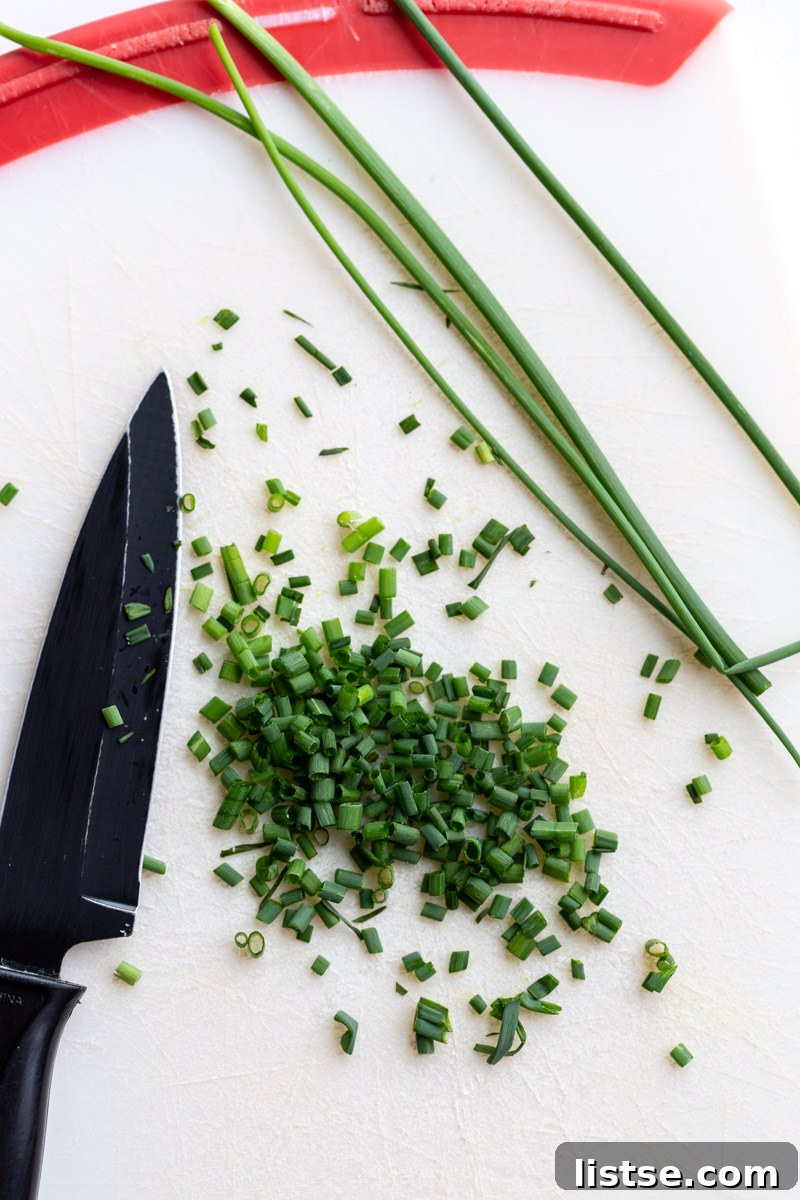
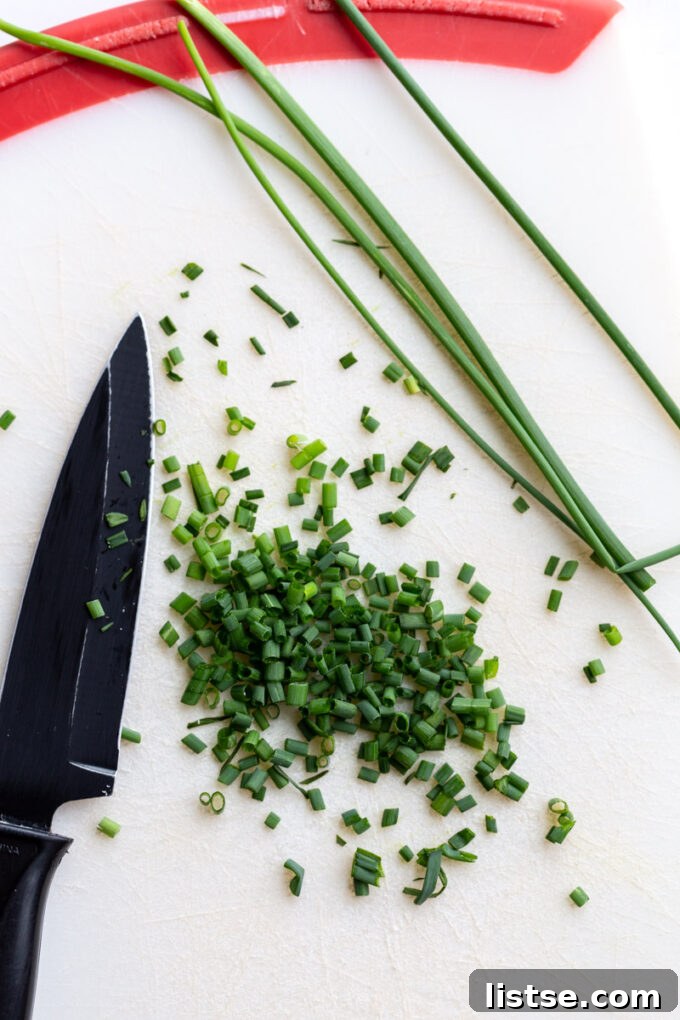
To effectively substitute chives, it’s crucial to first understand what makes them so special. Chives (Allium schoenoprasum) are the smallest edible species of the Allium family, which also includes onions, garlic, shallots, leeks, and scallions. Originating in Asia and Europe, these perennial herbaceous plants are characterized by their slender, hollow, grass-like leaves and attractive purple globe-shaped flowers, both of which are edible and prized for their delicate flavor.
The flavor of chives is often described as a mild, subtle onion with a hint of garlic, but without the pungent intensity typically associated with their larger relatives. This unique delicacy makes them incredibly versatile. They impart a fresh, clean taste that brightens dishes without overpowering other ingredients. Their vibrant green color also makes them an excellent visual garnish, adding a touch of elegance and freshness to any plate. Commonly, the long green stems are finely chopped and sprinkled over finished dishes, or gently folded into recipes during the final stages of cooking to preserve their fresh flavor and texture.
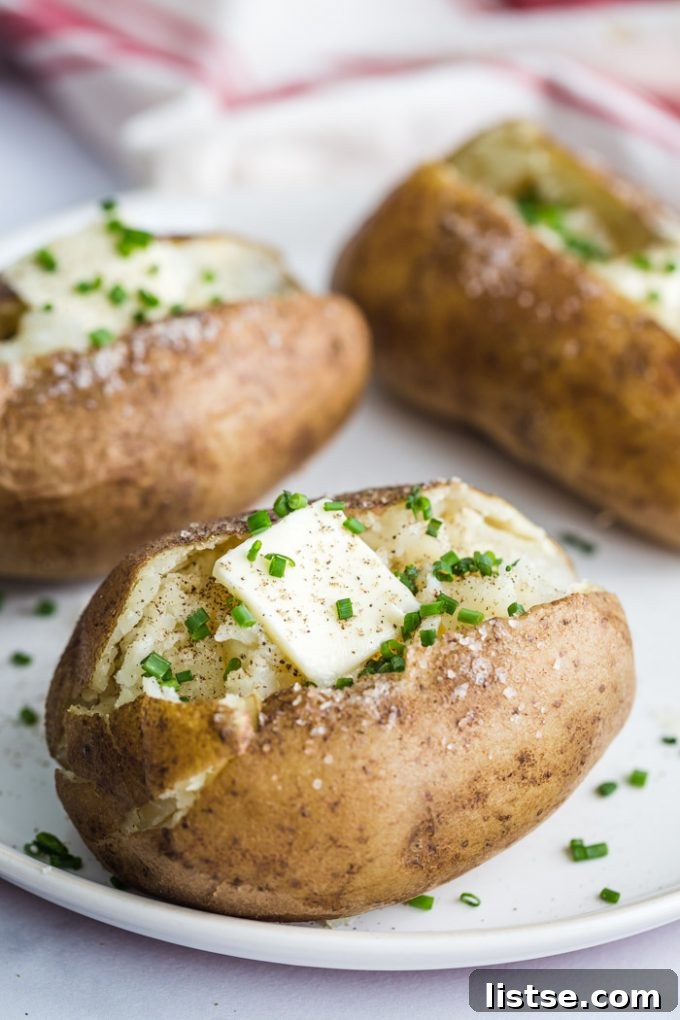
Chives are a staple in many cuisines, celebrated for their ability to enhance a wide range of dishes. They are particularly popular in French, European, and American cooking. You’ll often find them incorporated into classic French fines herbes blends, or used generously in cream cheese, sour cream, omelets, scrambled eggs, and potato-based dishes like baked potatoes, mashed potatoes, or potato salads. They also add a refreshing zest to dips, dressings, soups, and various savory preparations. Beyond their culinary appeal, chives offer nutritional benefits, providing vitamins K, C, and folate, along with antioxidants, making them a healthy addition to any diet.
General Tips for Successful Chive Substitution
Before diving into specific alternatives, a few general guidelines can help ensure your substitution is a success. Always consider the primary role of chives in your recipe: Are they the main flavor, a subtle accent, or purely a garnish? Start with a smaller quantity of the substitute and adjust to taste, especially when dealing with stronger-flavored alternatives. Remember that fresh herbs tend to have a more potent and nuanced flavor than dried ones, so adjust quantities accordingly. Don’t be afraid to experiment; cooking is an art, and sometimes the best discoveries come from trying something new.
7 Excellent Substitutes for Chives to Elevate Your Cooking
When fresh chives are out of reach, these seven dependable options can step in to save your dish, each offering its own unique qualities.
-
Dried Chives
If you’re seeking a flavor profile closest to fresh chives, dried chives are your most direct alternative. While they maintain the essence of chives, it’s important to note that the drying process significantly diminishes their potency and delicate freshness. The vibrant, grassy notes of fresh chives are often muted, replaced by a more concentrated, earthy onion flavor. They also lack the crisp texture and bright green color that fresh chives provide, making them less ideal for garnishing unless color isn’t a priority.
For substitution, a good rule of thumb is to use one teaspoon of dried chives for every tablespoon of fresh chives called for in a recipe. This 3:1 ratio accounts for the increased concentration of flavor in the dried form. Dried chives work best in cooked dishes such as soups, stews, casseroles, or sauces, where their rehydration allows their flavor to meld seamlessly. They are less suitable for raw applications like salads, dips, or garnishes where the fresh aroma and texture are paramount. If the recipe heavily relies on the strong, fresh flavor of chives, you might consider pairing dried chives with another mild herb or opting for a different fresh substitute.
-
Shallots
Shallots are an excellent choice for substituting chives, given their close botanical relationship and their distinctly milder, sweeter, and more delicate onion flavor compared to larger onions. They offer a nuanced taste that bridges the gap between garlic and onion, making them a sophisticated stand-in. While their flavor is more robust than the subtle notes of chives, they lack the sharp pungency of regular onions, making them a more harmonious match.
When using shallots, precision in preparation is key. To mimic the fine texture of chopped chives, dice shallots very finely, almost to a mince. Because shallots possess a stronger flavor intensity than chives, you should begin by using approximately two-thirds the volume of finely chopped shallots compared to the amount of fresh chives specified. For instance, if a recipe calls for three tablespoons of chives, start with two tablespoons of shallots. You can always add more if desired after tasting, but it’s difficult to remove excess flavor. Shallots are particularly effective in cooked dishes, dressings, and savory baked goods where a gentle, aromatic onion base is needed. They can also be used in raw applications if finely minced, though they won’t provide the same visual appeal as chives.
-
Scallions (Green Onions)
Scallions, often referred to as green onions, are arguably one of the best and most widely available substitutes for chives, especially their green tops. As another member of the Allium family, they share a similar delicate, fresh onion flavor and a striking green appearance. The dark green portion of scallions is particularly close in taste and texture to chives, offering a mild oniony zest without the strong bite of the white bulb.
Scallion greens make for an almost perfect 1:1 substitution for chives in nearly all recipes. They provide both the visual appeal and a very similar flavor profile. When using scallions, focus on the green parts, discarding or saving the white and light green portions for other uses if a milder flavor is desired. Finely chop the green parts to match the texture of chives, especially when using them as a garnish on dishes like baked potatoes, deviled eggs, or cream cheese dips. They integrate seamlessly into egg dishes, salads, and Asian-inspired cuisine. Their versatility, combined with their widespread availability, makes them an incredibly reliable and convenient alternative.
-
Leeks
Leeks, another distinguished member of the Allium family, present a viable, albeit distinct, substitute for chives. They possess a flavor that is fundamentally oniony, yet significantly milder and sweeter than traditional onions, often with subtle earthy undertones. However, leeks have a much wider stalk and a considerably sharper, more pronounced flavor compared to the delicate nature of chives. This difference means careful preparation is essential to prevent them from overwhelming your dish.
To mitigate their strong flavor and achieve a texture closer to chives, finely chop the tender green parts of the leeks. A crucial step for reducing their intensity is to soak the chopped leeks in ice water for at least an hour before use. This process helps to mellow their flavor, making them more suitable as a chive substitute. For cooked recipes, start with half the amount of leeks you would typically use for chives, then taste and adjust as needed. When used as a garnish, ensure they are chopped very finely to mimic the delicate appearance of chives. Leeks are excellent in soups, stews, gratins, and other cooked applications where their sweetness can shine, but their use in raw preparations as a chive substitute requires more discretion due to their texture and stronger flavor even after soaking.
-
Barlauch (Wild Garlic / Ramps)
Barlauch, often known as wild garlic or ramps in North America, offers a unique and exciting alternative, particularly if your recipe benefits from a subtle garlic essence rather than a dominant onion flavor. These spring greens boast a distinct flavor profile that leans more towards mild garlic with a fresh, herbaceous undertone, creating a bridge between garlic and chives. While they beautifully emulate the delicate garlicky notes often found in chives, they notably lack the characteristic onion-like sweetness that is central to chive’s appeal.
If your recipe specifically relies on the oniony flavor of chives, wild garlic might not be the ideal substitute. However, for dishes where the earthy, garlicky aspect is welcome, barlauch can be a fantastic 1:1 substitute. To best mimic chives, chop the leaves into small, delicate pieces, especially when using them as a garnish. Their vibrant green color and tender texture, when finely prepared, can visually resemble chives. Wild garlic thrives in contexts like pesto, compound butters, spring salads, and egg dishes, where its unique flavor can shine without competing with other strong ingredients. Note that wild garlic has a relatively short season, typically in spring, which might limit its year-round availability as a substitute.
-
Parsley
Parsley, particularly the flat-leaf variety, stands as a versatile and widely available herb that can serve as a decent stand-in for chives, particularly when the primary goal is a fresh green garnish. While it belongs to a different botanical family, parsley offers a clean, herbaceous counterpoint to dishes, providing a fresh burst of flavor and visual appeal. However, it’s crucial to acknowledge that parsley’s flavor profile—which is typically more bitter, earthy, and sometimes subtly sweet or citrusy—differs considerably from the mild oniony notes of chives.
Despite the flavor difference, parsley excels as a 1:1 substitute for chives, especially in dishes where chives play a supporting role rather than being the star flavor. It pairs exceptionally well with ingredients commonly found alongside chives, such as fish, eggs, potatoes, and various sauces. When using parsley, finely chop it to achieve a similar texture to chives. A key tip for parsley is to add it only at the very end of the cooking process, or as a fresh garnish. Prolonged cooking can diminish its vibrant color and turn its flavor bitter and its texture mushy, which is precisely what you want to avoid. It’s an excellent choice for adding freshness and color, even if the oniony depth of chives is slightly missed.
-
Leave it Out Entirely
In some instances, the most appropriate “substitute” for chives might simply be to omit them altogether. Chives possess a remarkably delicate and nuanced onion-like flavor that is challenging to replicate precisely without introducing stronger, potentially disruptive, tastes. Their contribution to a dish can range from being a subtle accent to an integral flavor, and understanding this role is key to deciding whether to skip them.
Consider the impact of chives on your specific recipe. If chives are primarily used as a light garnish for color and a hint of freshness on a dish already rich in flavor (like a hearty soup or a complex stew), their absence might go unnoticed. Similarly, if you or your dining companions have a strong aversion to oniony flavors, or if the available substitutes would introduce an undesirable taste or texture, it’s often better to leave them out. Sometimes, attempting to force an unsuitable substitute can detract from the overall balance of the dish more than simply omitting the ingredient. Trust your palate and the integrity of your recipe. In many cases, the dish will still be delicious, perhaps just a touch less bright or oniony.
Mastering the Art of Chive Substitution
The world of culinary arts is all about adaptability and creativity, and finding the right substitute for chives is a perfect example of this. While no single ingredient can perfectly replicate the distinct, delicate oniony flavor and vibrant green elegance of fresh chives, the options provided in this guide offer a diverse range of alternatives. From the direct flavor resemblance of dried chives and scallions to the nuanced sweetness of shallots and leeks, and the garlicky twist of wild garlic, there’s a substitute suitable for almost any culinary situation.
Remember that the best substitute often depends on the specific demands of your recipe. Consider whether the chives are meant to be a prominent flavor, a subtle background note, or merely a decorative garnish. Don’t hesitate to taste as you go, making small adjustments to ensure the flavors harmonize beautifully. With a little knowledge and adventurous spirit, you can confidently navigate your kitchen, creating delicious meals that are full of flavor, even when fresh chives are just out of reach. Happy cooking!