
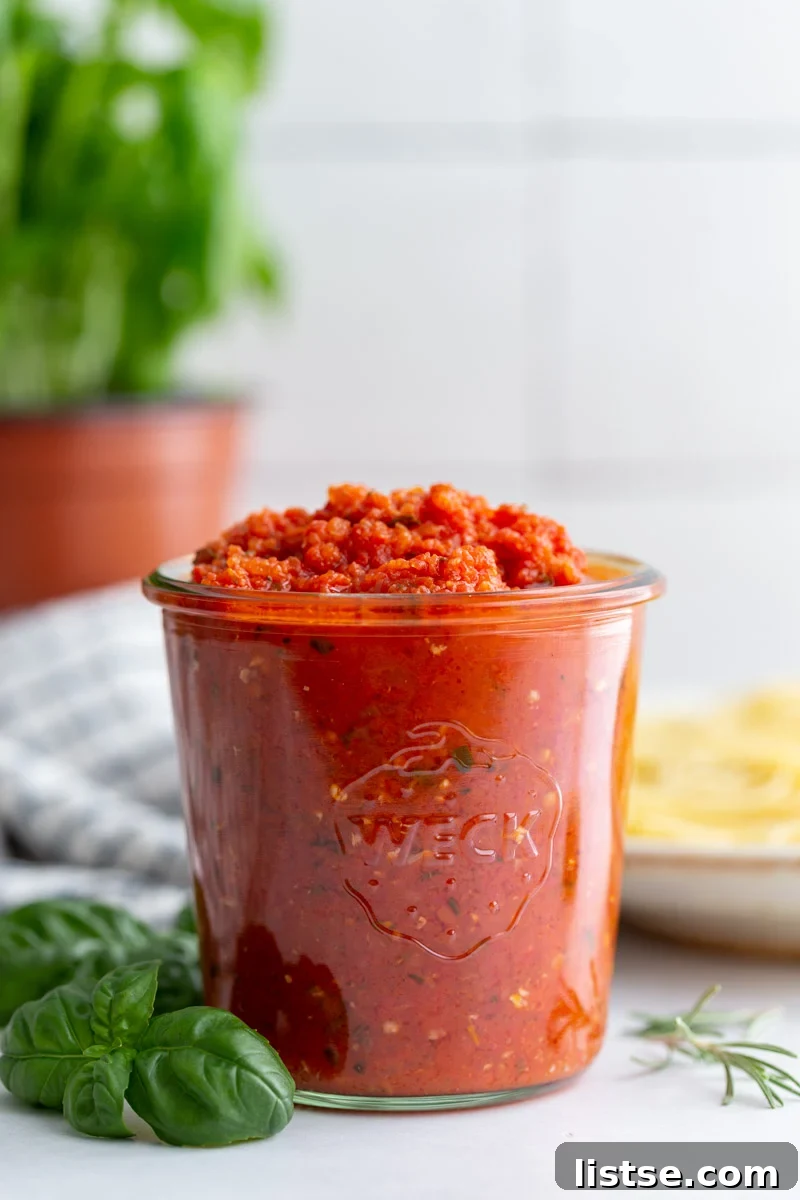
Mastering the Art of Tomato Sauce Substitutes: Your Ultimate Guide
Tomato sauce is a fundamental ingredient in countless cuisines, forming the heart of pasta dishes, pizzas, stews, chilis, and many other beloved recipes. Its rich, tangy, and savory profile is often indispensable. But what happens when you’re halfway through a recipe only to discover your pantry is bare of this essential staple? Don’t panic! A missing can of tomato sauce doesn’t have to derail your culinary plans. With a little creativity and the right ingredients, you can whip up an excellent substitute that will save your meal.
This comprehensive guide will explore the best and most effective alternatives to tomato sauce, helping you understand their unique characteristics, how to prepare them, and when to use them for optimal results. We’ll cover everything from simple pantry staples to more adventurous swaps, ensuring you’re always prepared, no matter what your recipe calls for.
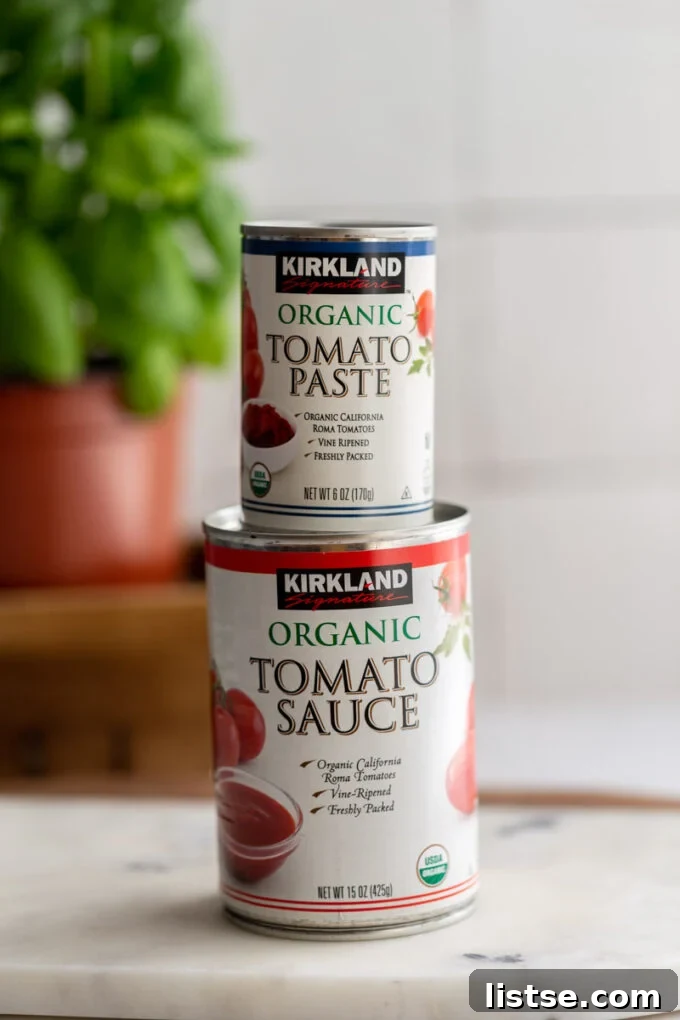
Understanding Tomato Sauce: What It Is and Why It Matters
Before diving into substitutes, it’s helpful to understand what standard tomato sauce is and its role in cooking. Tomato sauce, often simply called “red sauce,” is a pureed or crushed tomato product typically seasoned with a blend of aromatics like onions, garlic, and herbs such as basil, oregano, and sometimes a touch of pepper. It has a moderate consistency, thicker than juice but thinner than paste, and offers a balanced flavor profile that is savory, slightly acidic, and subtly sweet.
Unlike ketchup, which is heavily sweetened and vinegary, or tomato paste, which is intensely concentrated, tomato sauce is designed to be a versatile base ingredient. It contributes moisture, body, and a foundational tomato flavor to dishes. Its versatility makes it a kitchen workhorse, crucial for Italian-American classics, comforting stews, and many other global recipes.
Why You Might Need a Tomato Sauce Substitute
Even the most organized home cooks can find themselves in a bind. Here are some common reasons you might be searching for a tomato sauce alternative:
- You simply ran out: The most common scenario – an empty pantry shelf when you least expect it.
- Dietary restrictions: Some store-bought sauces contain added sugars, sodium, or preservatives that you might want to avoid.
- Specific flavor preferences: You might prefer a fresher taste, a smokier note, or a less acidic profile than standard tomato sauce offers.
- Emergency cooking: When unexpected guests arrive or you need to whip up a quick meal, knowing your substitutes can save the day.
The Best All-Around Substitute: Tomato Paste
When it comes to replicating the essence of tomato sauce, tomato paste is unequivocally the best and most recommended substitute. It’s essentially tomato sauce that has been cooked down to remove most of its water content, resulting in a highly concentrated and intensely flavored product. This concentration is precisely why it works so well as a substitute when diluted.
How to Substitute Tomato Paste for Tomato Sauce
The process of transforming tomato paste into a tomato sauce substitute is straightforward and highly effective:
- Dilution Ratio: The general rule of thumb is to use one part tomato paste to one part water or broth. For instance, if your recipe calls for 1 cup of tomato sauce, you would use ½ cup of tomato paste mixed with ½ cup of water or vegetable broth.
- Mixing: In a bowl, combine the tomato paste and liquid thoroughly until you achieve a smooth, consistent mixture that resembles the consistency of tomato sauce.
- Seasoning is Key: Since tomato paste is often unseasoned or minimally seasoned, you’ll need to add flavor to truly mimic tomato sauce. Essential seasonings include:
- Garlic powder and onion powder: For aromatic depth.
- Dried herbs: Oregano, basil, and a pinch of thyme or Italian seasoning blend.
- Salt and Black Pepper: To taste.
- A pinch of sugar: Helps balance the acidity of the tomatoes and enhances their natural sweetness.
- A dash of olive oil: Adds richness and helps carry the flavors.
- Cooking Tip: For an even richer, more developed flavor, sauté the tomato paste in a little olive oil for a few minutes before adding the liquid and seasonings. This caramelizes the sugars in the paste and deepens its taste.
This homemade tomato sauce substitute from paste is incredibly versatile and can be used in almost any recipe calling for tomato sauce, from pasta dishes and pizzas to stews and chilis.
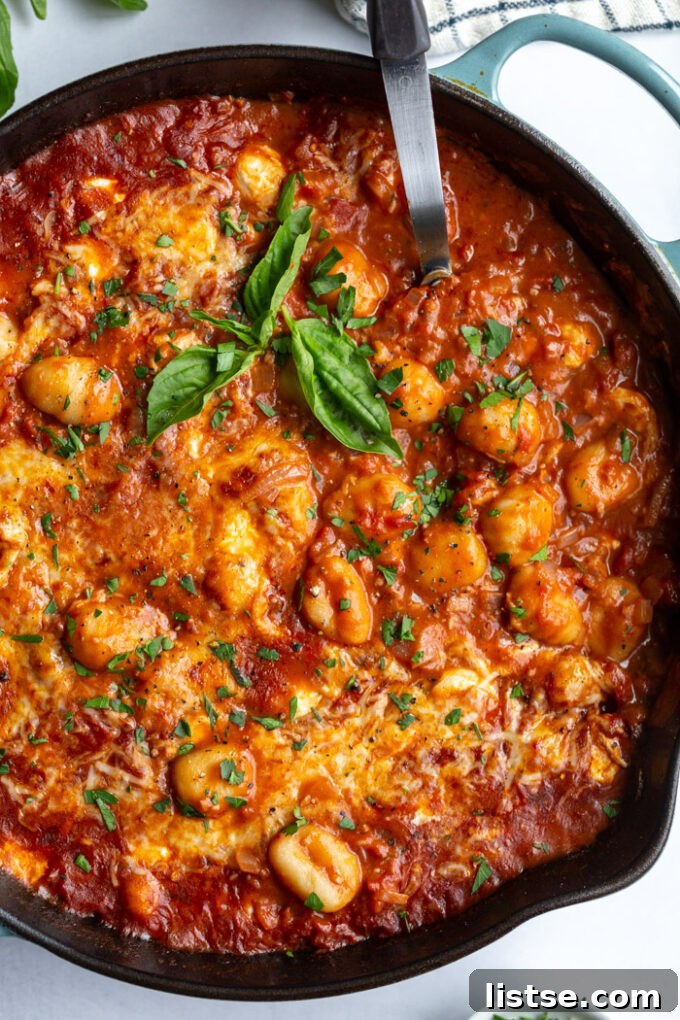
Other Excellent Substitutes for Tomato Sauce
Beyond tomato paste, several other ingredients can step in when tomato sauce is unavailable. These options might require a bit more preparation or adjustments, but they are excellent solutions in a pinch.
1. Canned Tomatoes (Diced, Crushed, Whole Peeled)
Canned tomatoes are an obvious and highly effective substitute, as they are essentially just tomatoes in a can, often packed in their own juice. The key is to transform them into a sauce-like consistency and season them appropriately.
How to Use Canned Tomatoes as a Substitute:
- Choose Your Type:
- Whole Peeled Tomatoes: These are the most versatile. They often have the best flavor and can be easily crushed by hand or blended.
- Diced Tomatoes: Already cut, but their firm texture might mean more blending is needed to achieve a smooth sauce.
- Crushed Tomatoes: These are already partially processed and are very close to a ready-made sauce consistency, making them a quick option.
- Drain (Optional): For a thicker sauce base, you can drain some of the liquid from the can, especially if using whole or diced tomatoes. For crushed tomatoes, you might not need to.
- Blend: Empty the canned tomatoes (and some of their liquid if you want a thinner sauce) into a blender or food processor. Blend until they reach a pureed, smooth consistency, similar to commercial tomato sauce. An immersion blender can also be used directly in the pot.
- Season and Cook: Transfer the blended tomatoes to a saucepan. If using unseasoned canned tomatoes, add your desired herbs and spices (garlic, onion, basil, oregano, salt, pepper, a pinch of sugar). Cook the mixture over medium heat, stirring occasionally, for at least 10-15 minutes. This allows the flavors to meld and any excess liquid to evaporate, achieving a thicker consistency.
- Adjust Consistency: If the mixture is too thin, continue to simmer until it reduces and thickens. If it’s too thick, add a little water or broth.
2. Marinara Sauce or Pasta Sauce
If you have a jar of marinara or another pre-made pasta sauce on hand, you’re in luck! These are essentially seasoned tomato sauces themselves, often with additional ingredients like extra virgin olive oil, more garlic, and a more robust herb profile. They are the closest in flavor and texture to a generic tomato sauce.
How to Use Marinara/Pasta Sauce as a Substitute:
- Check Seasoning: Marinara sauce typically has strong Italian seasoning. This makes it an excellent substitute for dishes like lasagna, pizza, or chicken parmesan. However, if your recipe is for a non-Italian dish (e.g., chili or a Mexican stew), the Italian herbs might clash with the intended flavor profile.
- Adjust Consistency: Many marinara sauces are already a good consistency. If yours is too thin, you can cook it down in a saucepan over medium heat until it thickens. If it’s too thick, a little water or broth can thin it out.
- Taste and Adjust: Because marinara is already seasoned, taste it first. You likely won’t need to add much, if any, additional salt or herbs. Be cautious not to over-season.
Note: While marinara is a great substitute, be mindful of its specific flavor profile. It might not be ideal for every recipe where a neutral tomato base is preferred.
3. Tomato Puree or Tomato Passata
Tomato puree (or passata in Europe) is another fantastic, ready-to-use alternative. It’s essentially cooked and strained tomatoes, resulting in a very smooth, thick, and consistent product, often without additional seasonings.
How to Use Tomato Puree as a Substitute:
- Consistency: Tomato puree is typically thicker than tomato sauce but thinner than tomato paste. Depending on your recipe, you might need to dilute it slightly with water or broth (e.g., 2 parts puree to 1 part liquid) or reduce it slightly.
- Seasoning: Like tomato paste, puree is often minimally seasoned. You’ll need to add your own garlic, onion, salt, pepper, herbs (basil, oregano), and a touch of sugar to achieve a tomato sauce flavor.
- Cooking Time: Simmer the seasoned puree for at least 15-20 minutes to allow the flavors to meld and the sauce to develop depth.
Tomato puree is an excellent choice when you want a very smooth sauce and prefer to control the seasoning from scratch.
4. Tomato Soup (Condensed or Ready-to-Serve)
While tomato soup might seem like an odd choice, it can be an acceptable substitute in certain contexts, particularly in casserole-type dishes or creamy sauces, where its existing seasoning and creaminess might be an advantage. It’s generally not suitable for traditional pasta sauces due to its different flavor profile and consistency.
How to Use Tomato Soup as a Substitute:
- Thicken: Empty a can of condensed tomato soup (or ready-to-serve, though condensed is better for thickening) into a saucepan. Cook it down over medium heat, stirring frequently, until it achieves a much thicker, sauce-like consistency.
- Seasoning Adjustment: Tomato soup is typically seasoned for drinking, which means it might be sweeter or saltier than regular tomato sauce. Taste it and adjust with herbs, garlic, salt, or a splash of vinegar to cut sweetness if necessary.
- Best for: Casseroles, meatloaf, or as a base for creamy tomato-based sauces where its milder, sometimes sweeter, flavor is less critical. Avoid it for dishes where a robust, savory tomato sauce is paramount.
5. Tomato Juice
Tomato juice is the thinnest of the tomato product options, making it a less ideal but still viable substitute for some recipes, especially those that also call for water or broth.
How to Use Tomato Juice as a Substitute:
- Reduction is Key: For most recipes, you’ll need to significantly reduce tomato juice to achieve a sauce-like consistency and concentrated flavor. Pour the desired amount into a saucepan and simmer over medium-low heat for an extended period (20-40 minutes or more), stirring occasionally, until much of the water has evaporated and it thickens.
- Season Heavily: Tomato juice is usually lightly seasoned (often just salt). You’ll need to add all the typical tomato sauce seasonings: garlic, onion, basil, oregano, salt, pepper, and a pinch of sugar.
- Specific Application: If your recipe calls for both tomato sauce and water (e.g., 1/2 cup tomato sauce and 1/2 cup water), you might be able to substitute 1 cup of tomato juice directly without much reduction, as it fulfills both the liquid and tomato requirements.
- Thickening Agent (Optional): For quicker thickening, you can whisk in a cornstarch slurry (1 tablespoon cornstarch mixed with 1 tablespoon cold water) to the simmering juice in the last few minutes of cooking.
6. Ketchup (Use with Extreme Caution)
Ketchup should only be considered as an absolute last resort, and primarily for dishes where its distinct sweet and tangy flavor profile won’t completely overpower the dish. It is vastly different from tomato sauce.
How to Use Ketchup as a Substitute:
- Dilution and Desweetening: Ketchup is very sweet and vinegary. To make it somewhat resemble tomato sauce, dilute it with water or broth (e.g., 2 parts ketchup to 1 part liquid). Add a splash of vinegar to enhance the tang, and then try to balance the sweetness with savory spices like onion powder, garlic powder, and Italian herbs. A pinch of mustard powder can also help.
- Best for: Glazes for meatloaf, BBQ sauces, or certain American comfort foods where a sweet-tangy tomato element is acceptable.
- Avoid for: Authentic Italian pasta sauces, traditional chilis, or any dish where a pure, savory tomato flavor is essential.
7. Roasted Red Peppers (Non-Tomato Option)
If you’re avoiding tomatoes entirely or looking for a different flavor profile, roasted red peppers can be an unexpected but delicious alternative, especially in certain pasta dishes or dips.
How to Use Roasted Red Peppers as a Substitute:
- Preparation: Use a can or jar of roasted red peppers (drained) or roast your own fresh red bell peppers until charred and tender.
- Blend: Combine the roasted red peppers with vegetable broth, a clove of garlic, a splash of olive oil, and seasonings like salt, pepper, a pinch of smoked paprika, and perhaps a touch of basil or oregano. Blend until completely smooth.
- Flavor Profile: This will create a sauce with a sweet, smoky, and slightly peppery flavor, not a direct tomato flavor. It’s excellent for a “red” pasta sauce that’s tomato-free.
- Best for: Pasta dishes, as a base for certain soups, or as a vibrant dip.
Tips for Successful Tomato Sauce Substitution
- Taste as You Go: This is the golden rule of cooking, especially when substituting. Taste your sauce mixture frequently and adjust seasonings as needed.
- Adjust Consistency: If your substitute is too thin, simmer it gently to reduce and thicken. If it’s too thick, add small amounts of water or broth until it reaches the desired consistency.
- Layer Flavors: Don’t just rely on salt and pepper. Think about the full flavor profile of tomato sauce: sweet, savory, acidic, and herbaceous. Use a combination of aromatics (garlic, onion), herbs (basil, oregano), a touch of sugar to balance acidity, and sometimes a hint of acid (vinegar or lemon juice) to brighten the flavors.
- Consider the Dish: Always think about the end dish. A substitute that works well for a rustic stew might not be ideal for a delicate pasta sauce.
- Don’t Be Afraid to Experiment: Cooking is an art, not just a science. Feel free to try different combinations and see what works best for your palate and your recipe.
Frequently Asked Questions About Tomato Sauce Substitutes
Can I use pizza sauce instead of tomato sauce?
Yes, absolutely! Pizza sauce is typically a seasoned, often thicker, tomato sauce. It makes an excellent substitute for many recipes, especially Italian ones. Just like marinara, check the existing seasoning and adjust accordingly.
Is tomato paste the same as tomato sauce?
No, they are distinct products. Tomato paste is highly concentrated, essentially tomatoes cooked down to remove most water. Tomato sauce is a less concentrated, liquid product, often seasoned. However, as discussed, tomato paste can be easily reconstituted and seasoned to *become* a tomato sauce substitute.
What’s the best substitute for a thick pasta sauce?
For a thick pasta sauce, your best bets are tomato paste (diluted and seasoned), crushed tomatoes (simmered and seasoned), or a good quality marinara sauce. These options provide the necessary body and rich tomato flavor.
Are there any non-tomato substitutes for tomato sauce?
Yes, but they won’t taste like tomato sauce. Roasted red peppers are a popular option for a vibrant, savory, and slightly sweet sauce. For a creamy, milder base, some recipes might even use pumpkin puree or butternut squash puree, especially in soups or casseroles, though this significantly alters the flavor profile.
How can I thicken a runny tomato sauce substitute quickly?
You have a few options:
- Simmering: The most natural way is to continue simmering the sauce over low heat, allowing the water to evaporate.
- Cornstarch Slurry: Whisk 1 tablespoon of cornstarch with 1 tablespoon of cold water until smooth. Stir this slurry into the simmering sauce and cook for another minute or two until it thickens.
- Tomato Paste: Stir in a tablespoon or two of tomato paste directly. It will add both thickness and concentrated tomato flavor.
Conclusion: Never Be Without Tomato Sauce Again!
Running out of tomato sauce no longer needs to be a culinary crisis. With a well-stocked pantry and a little know-how, you have a wealth of options at your fingertips. From the concentrated power of tomato paste to the convenience of canned tomatoes or even a seasoned marinara, you can confidently prepare your favorite dishes without missing a beat. Remember to always taste and adjust, embracing the flexibility and creativity that comes with home cooking. So next time you reach for that empty spot in the cupboard, you’ll know exactly how to create a delicious and effective tomato sauce substitute!