

Delicious Foods That Start With D: A Culinary Journey
Embark on a delightful gastronomic adventure as we explore an extensive list of foods that begin with the letter D. Whether you’re looking to broaden your culinary horizons, find inspiration for a themed dinner, or simply satisfy your curiosity, this comprehensive guide has you covered. From exotic fruits and traditional comfort foods to savory spices and tempting desserts, the world of “D” foods is rich and diverse. Get ready to discover over 20 unique and delicious items that will tantalize your taste buds and spark new ideas in your kitchen!

The Ultimate List of Delicious D Foods
Prepare to dive into our hand-picked selection of foods, ingredients, and beverages, all proudly beginning with the letter D. Each entry offers a glimpse into its unique characteristics, culinary uses, and fascinating background.
- Dahl (Dal)
Dahl, or Dal, is a cornerstone of Indian and South Asian cuisine, a hearty and nutritious soup or stew crafted from split pulses such as lentils, peas, chickpeas, or kidney beans. This versatile dish is celebrated for its rich protein content and comforting flavors. Typically seasoned with a blend of aromatic spices like turmeric, cumin, coriander, and garam masala, alongside sautéed vegetables like onions and tomatoes, dahl offers a deeply satisfying and often vegetarian meal. Masoor dal, made from red lentils, is one of the most popular varieties, known for its quick cooking time and creamy texture, making it a staple in countless households across the subcontinent. It’s often served with rice, roti, or naan, providing a balanced and incredibly flavorful meal. - Daikon
The Daikon radish, a large, white, elongated root vegetable, visually resembles a giant carrot but boasts a distinctively mild, subtly peppery flavor, less pungent than its red radish cousins. A staple in East Asian culinary traditions, especially in Japan where it is the most consumed vegetable, daikon is incredibly versatile. It can be enjoyed raw in salads for a crisp bite, pickled to create tangy tsukemono, simmered in soups and stews (like Oden) to absorb rich broths, or grated as a condiment for grilled fish. Beyond its culinary uses, daikon is prized for its digestive properties and rich vitamin C content. Its refreshing crunch and ability to complement a wide range of dishes make it an essential ingredient in many Asian kitchens.

- Daiquiri
The Daiquiri is a classic and refreshingly simple cocktail, originating from Cuba, renowned for its perfect balance of sweet, sour, and strong. At its core, it comprises just three key ingredients: white rum, fresh lime juice (the citrus element), and a sweetener, typically sugar or simple syrup. These components are combined in a shaker with ice, vigorously shaken until well-chilled, and then strained into a chilled coupe or martini glass, often without additional ice to maintain its smooth consistency. While the classic version is unadorned, many variations exist, incorporating different fruits like strawberry or banana, transforming it into a blended, frothy delight. It’s the quintessential drink for warm weather and tropical vibes. - Dandelion Greens
Often dismissed as a common garden weed, dandelion greens are, in fact, a remarkably nutritious and flavorful leafy vegetable. Harvested from the same plant that produces those bright yellow flowers, these greens are known for their distinctively bitter taste when raw, which mellows significantly when cooked. Rich in vitamins A, C, and K, as well as calcium and iron, dandelion greens offer a powerhouse of nutrients. They can be added to salads for a pungent kick, sautéed with garlic and olive oil for a healthy side dish, or incorporated into soups and stews. Their earthy, slightly bitter profile pairs wonderfully with rich flavors, balancing out a meal and adding a unique depth. - Danish
A Danish pastry is a delightful European sweet treat, characterized by its exquisite layers and rich, buttery flavor. Crafted from a dough similar to a croissant, but typically sweeter, it is made with flour, yeast, milk, eggs, and an generous amount of butter folded in through a meticulous laminating process. This creates hundreds of delicate, flaky layers that puff up beautifully when baked. Danish pastries come in a myriad of shapes and fillings, often featuring fruit jams (like cherry or apricot), cream cheese, nuts, or poppy seed paste. They are a popular choice for breakfast or a fika break, offering a perfect accompaniment to coffee or tea. - Dango
Dango is a traditional Japanese dumpling made from mochiko (rice flour), which gives it a uniquely chewy and slightly elastic texture. While similar to mochi in its use of glutinous rice, dango involves a different preparation method, typically steamed or boiled. These small, round dumplings are most famously served on skewers, with three to five dango per skewer, and can be enjoyed in various forms. Popular preparations include mitarashi dango (glazed with a sweet soy sauce syrup), anko dango (topped with sweet red bean paste), or kinako dango (dusted with roasted soybean flour). Dango is a versatile sweet often enjoyed year-round, particularly during festivals, and pairs perfectly with a cup of green tea.

- Dark Chocolate
Dark chocolate is a sophisticated confection made primarily from cocoa solids and cocoa butter, with little to no added milk or butter, distinguishing it from milk chocolate. Its rich, intense flavor comes from a higher percentage of cocoa, typically ranging from 50% up to 100%. Celebrated for its deep, complex notes and often a hint of bitterness, dark chocolate is also lauded for its health benefits, being a rich source of antioxidants, iron, magnesium, and other minerals. It’s often considered a healthier indulgence and is widely used in baking, gourmet desserts, or simply enjoyed on its own as a luxurious treat. The higher the cocoa percentage, the more pronounced its unique characteristics and health properties. - Date
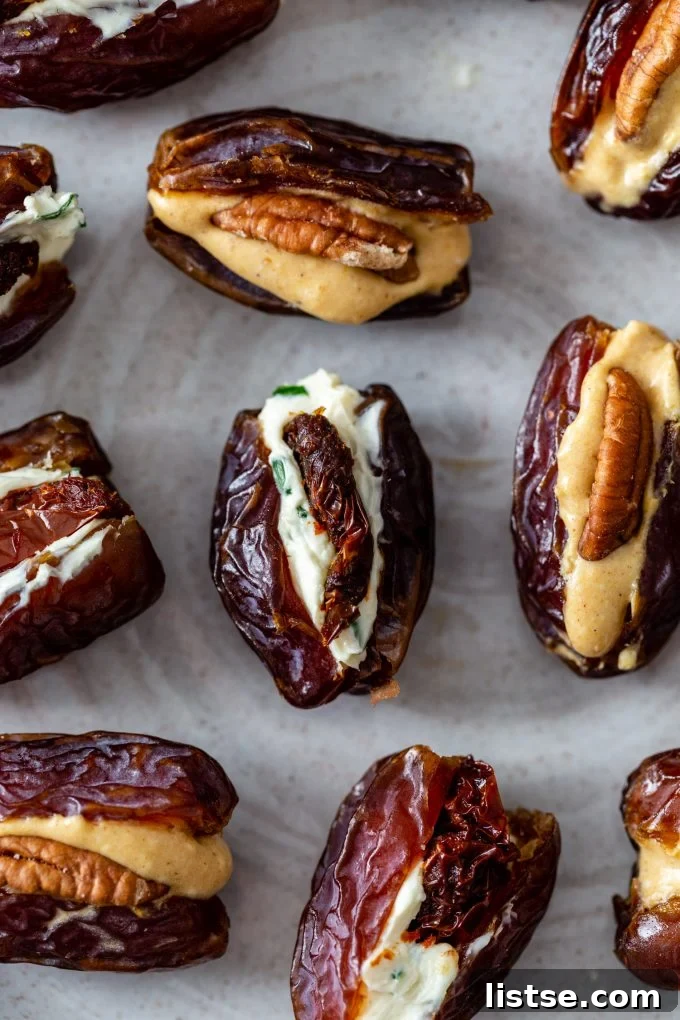
Dates are the sweet, edible fruit of the date palm tree, a flowering plant cultivated in arid regions worldwide, particularly in the Middle East and North Africa. These oval-shaped fruits are characterized by their wrinkled, dark brown skin and soft, sticky, honey-like flesh that encases a single long pit. Dates boast a naturally rich and complex flavor profile, often described as a delightful fusion of caramel, honey, and butterscotch with hints of chocolate. They are an excellent source of natural sugars, fiber, and essential minerals like potassium and magnesium, making them a popular healthy snack. Dates are enjoyed fresh or dried, used as a natural sweetener in various dishes, stuffed with nuts or cheese, or incorporated into baking and desserts. Medjool and Deglet Noor are two of the most widely known varieties, each with its own texture and sweetness. - Datil Pepper
The Datil pepper is a fiery variety of chili pepper belonging to the Capsicum chinense family, the same species as the notorious habanero and Scotch bonnet. While it can be cultivated in various regions, the Datil pepper is most famously associated with St. Augustine, Florida, where it is a cornerstone of local cuisine and culture. These vibrant orange-yellow peppers pack a serious punch, typically registering between 100,000 and 300,000 Scoville Heat Units (SHU), placing them firmly in the “very hot” category. Beyond their intense heat, Datil peppers possess a unique fruity, somewhat sweet flavor that makes them highly prized for hot sauces, jellies, and marinades, adding both heat and distinctive taste to dishes. - Deer (Venison)
Deer meat, commonly known as venison, refers to the edible portions of a deer, including its internal organs which are also consumed in some culinary traditions. This lean red meat is distinguished by its rich, earthy, and sometimes gamey flavor, offering a more robust profile than beef. Venison typically has a finer grain and firmer texture compared to beef and is much lower in fat, making it a healthier red meat option. It is incredibly versatile in the kitchen, often prepared as steaks, roasts, stews, or ground meat. Popular seasonings for venison include juniper berries, rosemary, thyme, and sage, which complement its inherent wild taste, creating savory and often festive meals.
- Deviled Eggs
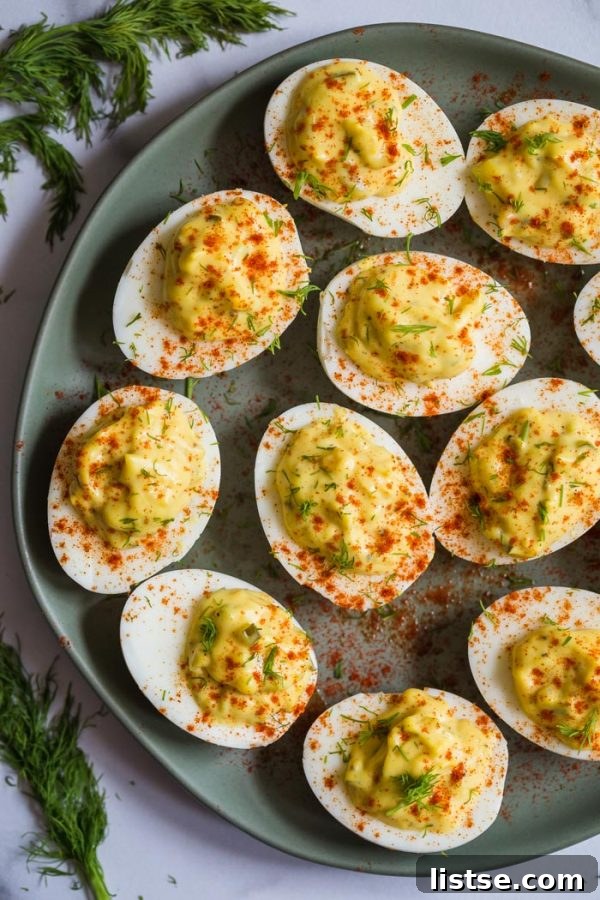
Deviled eggs are a beloved classic appetizer, particularly popular in Southern United States cuisine. This elegant dish is prepared by hard-boiling eggs, slicing them lengthwise, and then carefully removing the yolks. The creamy, flavorful paste is created by mashing these yolks with a variety of ingredients, most commonly mayonnaise, Dijon mustard, vinegar, and seasonings like salt and pepper. The mixture is then piped or spooned back into the hollowed-out egg whites. Variations abound, with additions such as paprika, chives, relish, or even bacon bits for garnish and extra flavor. Served chilled, deviled eggs are a staple at picnics, potlucks, and holiday gatherings, offering a perfect blend of texture and rich taste. - Dijon Mustard
Dijon mustard is a prepared mustard that derives its name and distinctive character from the city of Dijon, France, where it originated. Unlike the bright yellow American mustard, Dijon typically has a paler, yellowish-brown hue and a much sharper, more pungent flavor profile. Its unique taste comes from the traditional combination of brown or black mustard seeds with white wine, verjuice (the juice of unripe grapes), or wine vinegar, instead of the more acidic distilled vinegar found in yellow mustard. This sophisticated condiment adds a sophisticated kick to sandwiches, dressings, marinades, and sauces, lending a depth of flavor that is both spicy and tangy. - Dill
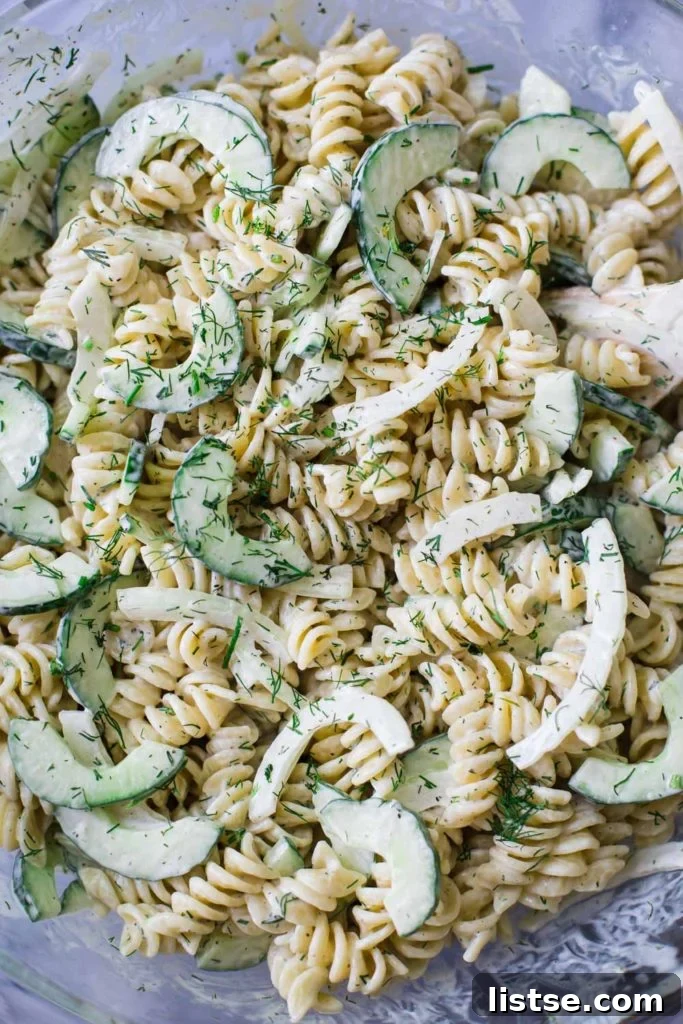
Dill is a fragrant and delicate herb belonging to the celery family, prized for its feathery green leaves and aromatic seeds, both of which are used to flavor a vast array of dishes. It possesses a fresh, slightly tangy, and distinctly citrusy taste with subtle earthy and grassy undertones, often described as having notes of anise. Due to its unique flavor profile, which includes a slight sweetness, dill pairs exceptionally well with ingredients like garlic, mint, and cucumber. It is a cornerstone in Scandinavian, Eastern European, and some Middle Eastern cuisines, frequently used to season fish, potatoes, pickles, yogurt sauces (like tzatziki), and salads. Whether fresh or dried, dill adds a bright, herbaceous lift to any meal.


- Dill Pickles
Dill pickles are quintessential fermented or brined cucumbers, transformed into a tangy, savory, and crunchy condiment through a pickling process. The defining characteristic is the liberal use of fresh dill weed, dill seed, or both, alongside other seasonings such as garlic, peppercorns, and mustard seeds, all immersed in a vinegar or salt brine. These pickles can range from whole cucumbers to spears or slices, and their crisp texture and distinctive sour, herbaceous flavor make them incredibly versatile. They are a classic accompaniment to burgers and sandwiches, often served as a spear on the side, and are a key ingredient in relishes, potato salads, or even as a unique pizza topping for those seeking an adventurous twist. - Dim Sum
Dim Sum is a cherished tradition of Cantonese cuisine, referring to a diverse array of small, bite-sized dishes typically served with tea. More than just a meal, dim sum is a social and communal dining experience, often enjoyed for breakfast or lunch over a leisurely period with family and friends. The dishes encompass an incredible variety of textures and flavors, ranging from savory to sweet. Common examples include steamed dumplings like har gow (shrimp dumplings) and siu mai (pork and shrimp dumplings), fluffy bao (steamed buns), crispy spring rolls, glutinous rice parcels, and various pastries. Each dish is a miniature culinary masterpiece, designed to be sampled and shared. - Donut (Doughnut)
A donut, or doughnut, is a universally beloved sweet pastry made from leavened dough, typically deep-fried to a golden perfection, though baked versions are also popular for a lighter option. While the classic ring shape with a hole in the middle is iconic, donuts come in a multitude of forms, including filled versions (jelly, cream, custard) and various whimsical shapes. A cultural staple in many countries, especially coffee shops in the United States, donuts serve as a quick breakfast, a satisfying snack, or a delightful dessert. They are often glazed, frosted, or dusted with sugar, and decorated with sprinkles or other toppings, offering endless flavor combinations to suit every palate.

- Dough
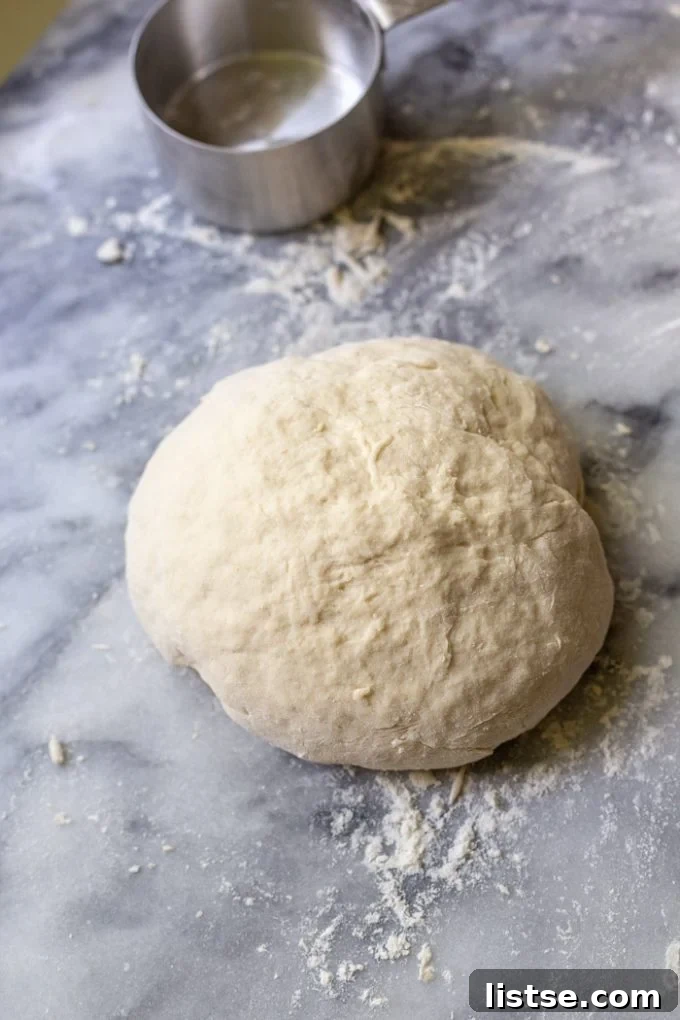
Dough is a fundamental culinary preparation, typically composed of a mixture of flour and a liquid (such as water, milk, or eggs), often combined with a leavening agent like yeast or baking powder, and other ingredients like salt, sugar, or fat. This uncooked, malleable mixture forms the base for an incredible variety of baked goods and pastries. Before baking, dough is usually kneaded, rolled, or shaped into its desired form. It encompasses everything from the elastic texture of bread dough and the crispness of pizza crust dough to the delicate flakiness of pastry dough for pies and cookies. Dough is a versatile starting point for countless global culinary creations, transforming through heat into delicious, edible forms. - Draft Beer
Draft beer, also known as draught beer, refers to beer served from a keg or cask rather than from a bottle or can. This method of serving allows for a fresher, often smoother taste profile, as the beer is typically unpasteurized and kept at a cooler temperature. A staple in pubs, bars, and breweries worldwide, draft beer offers a unique experience, often featuring local craft brews alongside commercially available varieties. When poured, it characteristically produces a “head” of foam, usually about half an inch to an inch thick, which contributes to its aroma and mouthfeel. The carbonation and serving temperature of draft beer are meticulously controlled, enhancing its overall drinking experience. - Dragon Fruit (Pitaya)
Dragon fruit, also known as pitaya, is an exotic and visually stunning tropical fruit that has surged in popularity globally, celebrated for its vibrant appearance and mild, refreshing taste. The most common variety features bright red or pink skin adorned with green, scale-like appendages, earning it its mythical name. Inside, the flesh is typically white, red, or purple, dotted with tiny black seeds, resembling a kiwi. Its flavor is often described as a delicate cross between a kiwi and a pear, with a subtle sweetness and a slightly crunchy texture from the seeds. Rich in antioxidants, fiber, and vitamin C, dragon fruit is not only beautiful but also a nutritious addition to smoothies, fruit salads, or enjoyed simply sliced. - Drumstick
In culinary terms, a drumstick specifically refers to the lower, meaty portion of a poultry leg, most commonly from chicken or turkey. This cut is highly prized for its dark, tender, and flavorful meat, which remains moist during cooking. Drumsticks are incredibly versatile and can be prepared in numerous ways: roasted, baked, grilled, fried, or braised. They readily absorb seasonings and sauces, making them perfect for marinades, spicy glazes, or savory rubs. Often served as a casual meal or a party favorite, drumsticks are enjoyed plain or dipped in popular condiments like ranch, barbecue sauce, or blue cheese dressing, offering a satisfying and handheld eating experience. - Duck
Duck is a distinctive type of poultry, prized for its rich, succulent meat and flavorful fat. Unlike chicken or turkey, duck meat is considered red meat due to its higher fat content and different muscle composition, which gives it a darker hue and a more robust flavor profile. Its taste is often described as richer and more intensely flavored than other poultry, sometimes compared to a lean cut of beef roast. Duck fat, rendered during cooking, is highly valued for its culinary uses, imparting exceptional flavor to roasted vegetables and confits. Popular preparations include Peking duck, roasted duck with crispy skin, or duck confit, showcasing its versatility and gourmet appeal in various global cuisines. - Dumpling
The term “dumpling” is a wonderfully broad culinary category encompassing a vast array of dishes found in cuisines across the globe. At its essence, a dumpling consists of a piece of dough, often made from flour, potatoes, or bread, which is either wrapped around a filling or cooked on its own. The diversity of fillings is immense, ranging from savory meats (pork, beef, chicken), fish, cheese, and vegetables to sweet options like fruits or sweet pastes. Dumplings can be prepared in countless ways: boiled, steamed, fried, baked, or simmered in soups or stews. From Chinese jiaozi and Italian ravioli to Polish pierogi and German spaetzle, each culture boasts its unique interpretation of this comforting and universally loved food.
We hope this comprehensive exploration of foods starting with the letter D has enriched your culinary knowledge and perhaps inspired your next meal. The world of gastronomy is endlessly fascinating, and even a single letter can unlock a treasure trove of flavors and traditions. Did we miss any of your favorite “D” foods? Share your suggestions in the comments below – we’d love to expand our delicious dictionary!