
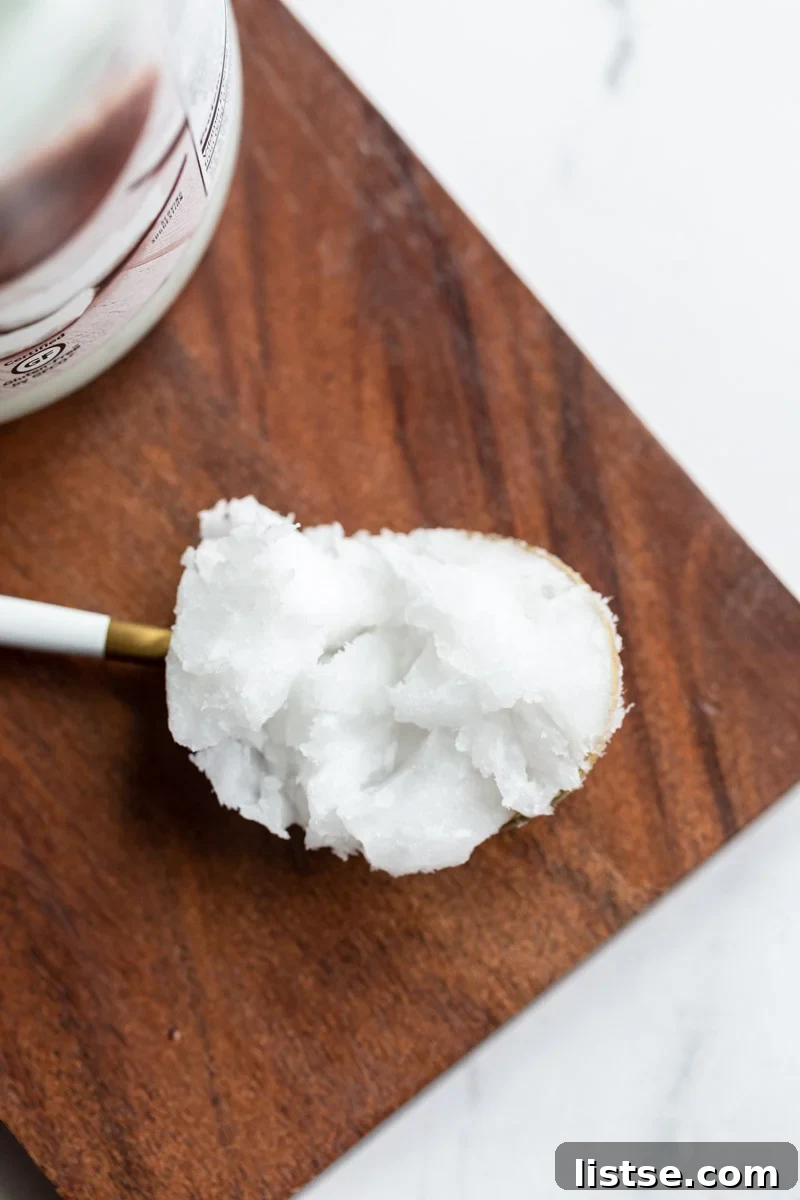
Coconut oil, derived from the meat of mature coconuts, has long been a staple in kitchens and beauty routines worldwide. However, it’s also an ingredient that sparks considerable debate. While some extol its virtues as a versatile cooking oil, a beneficial skin moisturizer, and a unique flavor enhancer, others approach it with caution due to its high saturated fat content or simply dislike its distinctive taste. Whether you’re navigating dietary restrictions, seeking healthier alternatives, or simply find your pantry lacking this tropical staple, the good news is that numerous excellent substitutes can step in to fill the void. Understanding when and how to swap out coconut oil is key to culinary success.
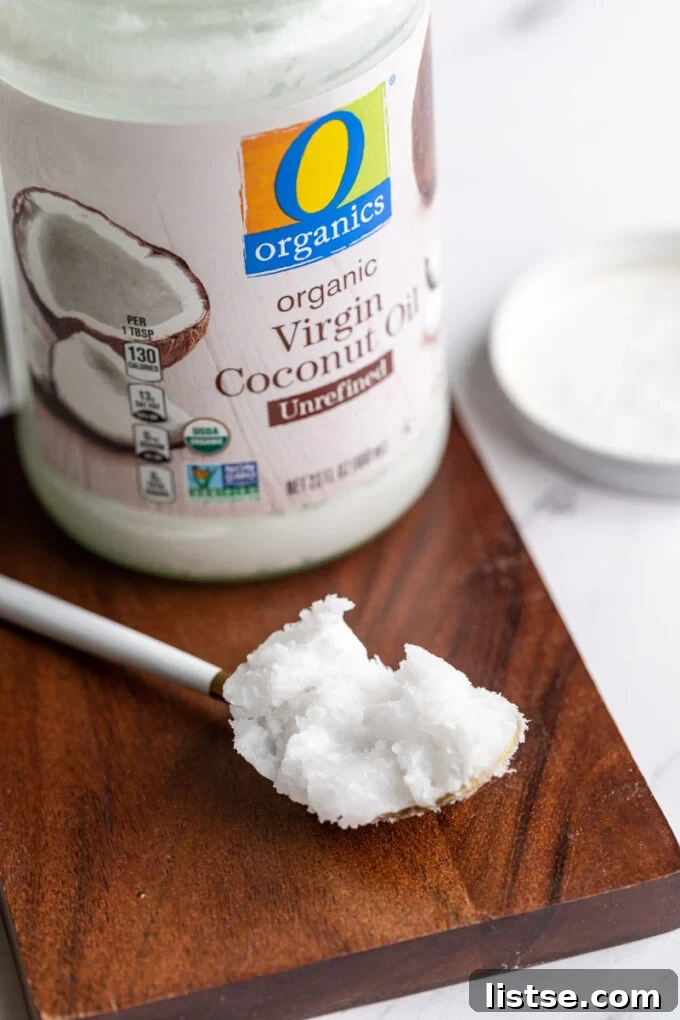
What is Coconut Oil? Understanding its Unique Properties and Uses
Coconut oil is an edible oil extracted from the kernel or meat of mature coconuts harvested from the coconut palm. At temperatures below 76°F (24°C), it typically presents as a white, solid, opaque fat, much like butter or lard. However, once it reaches warmer room temperatures or is gently heated, it transforms into a clear, liquid oil. This unique melting point makes it incredibly versatile for various culinary and non-culinary applications.
There are generally two main types of coconut oil: unrefined (virgin) and refined. Unrefined coconut oil, often labeled “virgin” or “extra virgin,” retains a distinct coconut aroma and flavor. It is produced by pressing fresh coconut meat, often without high heat, preserving its natural compounds. This variety is popular for dishes where a tropical hint is desired, such as curries, smoothies, or certain baked goods.
Refined coconut oil, on the other hand, undergoes a process of bleaching, deodorizing, and sometimes hydrogenation to remove impurities and neutralize its flavor and aroma. This results in a neutral-tasting and scent-free oil that is suitable for recipes where you want the fat content without the coconut essence. It also tends to have a higher smoke point, making it more versatile for high-heat cooking.
Beyond its culinary uses – which range from sautéing, frying, and baking to being a creamy addition to smoothies, coffee, and even toast – coconut oil is also widely celebrated in the health and beauty industry. It’s a common ingredient in natural lotions, lip balms, hair masks, and soaps, valued for its moisturizing and emollient properties. Despite its popularity in health food circles, it’s important to note that coconut oil is primarily composed of saturated fat, mostly medium-chain triglycerides (MCTs) like lauric acid. While MCTs have been studied for their potential health benefits, moderation is key, especially for those monitoring their saturated fat intake. When used thoughtfully, it can be a valuable ingredient, but understanding its nutritional profile is crucial.
Why Seek Substitutes for Coconut Oil? Common Reasons and Considerations
The quest for effective coconut oil substitutes often stems from a variety of practical, dietary, and personal preferences. While coconut oil offers unique properties, there are several compelling reasons why one might seek an alternative:
- Dietary Preferences and Restrictions: For individuals following specific diets or facing allergies, coconut oil might be off-limits. While it’s a popular vegan butter alternative, some plant-based diets might prefer other oils for nutritional balance.
- Flavor Profile: Unrefined coconut oil has a noticeable coconut flavor and aroma. While delicious in certain dishes, it can be overpowering or simply undesirable in recipes where a neutral taste is preferred. Even refined coconut oil can sometimes carry a subtle undertone.
- Health Considerations: As highlighted, coconut oil is predominantly saturated fat. While the debate around saturated fats and heart health is complex, some individuals choose to limit their intake for cardiovascular health reasons or personal dietary choices, opting for oils higher in monounsaturated or polyunsaturated fats.
- Availability and Cost: Depending on your location, coconut oil might not always be readily available or can be more expensive than other common cooking oils. Having reliable substitutes on hand ensures you can proceed with your recipe without a special trip to the store.
- Desired Texture and Performance: Coconut oil’s solid state at room temperature influences the texture of baked goods, often making them denser or chewier. For recipes requiring a different mouthfeel or specific fat properties, other oils or fats might perform better. For instance, some pastries might benefit from a fat that remains solid longer.
- Allergies: Though less common, some individuals may have an allergy or sensitivity to coconut, necessitating a complete avoidance of coconut oil.
Understanding these reasons helps in selecting the most appropriate substitute, ensuring your culinary creations turn out exactly as intended, without compromising on taste, texture, or dietary goals.
9 Versatile Substitutes for Coconut Oil: Enhancing Your Culinary Toolkit
Whether you’re looking to replicate the texture of coconut oil in baking, its high-heat capabilities for sautéing, or simply need a neutral-tasting fat, there’s an ideal substitute for almost every application. The following nine ingredients offer excellent alternatives, each with its own unique benefits and best uses.
- Butter
When it comes to baking, butter stands out as an excellent, readily available 1:1 replacement for coconut oil. Its rich, creamy flavor enhances baked goods, imparting a classic taste that many find irresistible. Butter contributes to a chewier texture in cookies and a generally moister crumb in cakes, muffins, and quick breads. Unlike coconut oil, which is 100% fat, butter contains about 80% fat, with the remainder being water and milk solids. This difference typically doesn’t require adjustments in most recipes when substituting for coconut oil, but for very delicate pastries, you might notice a slight variation. For those seeking a vegan alternative, plant-based butter sticks also offer a fantastic 1:1 replacement, mimicking butter’s texture and performance in baking remarkably well, and avoiding the coconut flavor entirely.
- Olive Oil
Derived from pressed whole olives, olive oil is a cornerstone of Mediterranean cuisine and a fantastic liquid alternative to coconut oil in many savory applications. Its distinctive fruity and sometimes peppery flavor makes it ideal for salad dressings, marinades, and drizzling over finished dishes. It’s also an excellent choice for sautéing vegetables, meats, and seafood, adding a depth of flavor that complements many savory profiles. However, due to its strong flavor and liquid state, olive oil is generally not recommended as a substitute for coconut oil in baked goods where a neutral taste or solid fat structure is crucial. For best results in cooking, consider extra virgin olive oil for low to medium-heat cooking and finishing, and a lighter, refined olive oil for higher-heat sautéing. Always remember that olive oil will remain liquid at room temperature, which affects the final texture of spreads or solid recipes.
- Sunflower Oil
Extracted from the seeds of sunflowers, sunflower oil is a light-colored, mild-flavored oil with a high smoke point, making it highly versatile. It’s an excellent neutral-tasting substitute for coconut oil in a wide range of recipes, particularly in baking, where it can be used as a 1:1 replacement. Its neutral flavor ensures it won’t interfere with the intended taste of your breads, muffins, or cakes. While butter might offer a richer taste and slightly different texture in some baked goods, sunflower oil is a superb vegan option for achieving similar moisture and tenderness. Beyond baking, its high smoke point makes it suitable for frying and high-heat sautéing, and its mildness allows it to blend seamlessly into salad dressings and marinades without overpowering other ingredients. Opt for high oleic sunflower oil for even greater heat stability.
- Grapeseed Oil
Grapeseed oil is a byproduct of winemaking, extracted from the seeds of grapes. It boasts an incredibly light, clean, and neutral flavor, making it one of the most versatile and unobtrusive oil substitutes. Like sunflower oil, it performs exceptionally well as a 1:1 replacement for coconut oil in baked goods, ensuring the true flavors of your ingredients shine through. Its high smoke point also makes it an excellent choice for pan-frying, grilling, and sautéing, standing up to high temperatures without burning or smoking excessively. A notable advantage of grapeseed oil is its ability to remain liquid and stable when cool, unlike coconut oil which solidifies. This characteristic makes it a stellar base for homemade salad dressings, vinaigrettes, and delicate spreads that you want to remain pourable or easily spreadable from the refrigerator. It’s a fantastic option for those seeking a light, healthy fat with broad culinary applications.
- Almond Oil
Cold-pressed from almonds, almond oil is prized for its delicate, nutty flavor and a lower saturated fat content compared to coconut oil, making it an appealing option for health-conscious cooks. When substituting for coconut oil, particularly in baking or pan-frying, almond oil adds a subtle, pleasant nuttiness that can elevate the flavor profile of certain dishes. It’s best used in recipes where its nutty notes will complement, rather than clash with, other ingredients – think almond cakes, muffins, or pan-fried dishes with a Mediterranean or Asian influence. While it can be used as a 1:1 replacement in terms of liquid volume, always consider the flavor compatibility. Sweet almond oil, commonly found for culinary use, also has a moderate smoke point, making it suitable for medium-heat cooking. It is less ideal for high-heat frying due to its delicate flavor and composition.
- Avocado Oil
Avocado oil is extracted from the pulp of avocados and is celebrated for its remarkably high smoke point and healthy fatty acid profile, being rich in monounsaturated fats. It has a mild, buttery flavor when raw, which becomes virtually neutral when cooked, making it an incredibly versatile substitute for coconut oil. This neutrality allows it to be used across a vast array of cooking methods without imparting an unwanted taste, making it perfect for grilling, baking, roasting, sautéing, and stir-fries. As a 1:1 replacement, it works seamlessly in most recipes, contributing a luxurious, smooth texture. Its health benefits, coupled with its excellent performance under high heat and its subtle flavor, position avocado oil as a premium choice for soups, salad dressings, and any dish where a high-quality, neutral oil is desired. It remains liquid at room temperature, offering consistency benefits for dressings and sauces.
- Hemp Seed Oil
Derived from the seeds of the hemp plant, hemp seed oil is a vibrant green oil known for its distinctive earthy, slightly nutty flavor and impressive nutritional profile, packed with omega-3 and omega-6 fatty acids. When substituting for coconut oil, particularly in cold applications, hemp seed oil shines. Its unique flavor makes it an excellent choice for salad dressings, dips, pestos, and spreads, where it can add a complex, herbaceous note. It’s crucial to remember that hemp seed oil has a low smoke point and can lose its beneficial nutrients when exposed to high heat. Therefore, it should primarily be used cold or at room temperature. As such, it’s not a suitable replacement for coconut oil in baking or frying, but it’s an exceptional alternative for finishing dishes, creating vibrant vinaigrettes, or enriching smoothies, where its health benefits and unique flavor can be fully appreciated.
- Hazelnut Oil
Hazelnut oil, pressed from roasted hazelnuts, boasts a rich, robust, and aromatic hazelnut flavor and scent that is far more pronounced than most other nut oils. This strong character makes it a stellar substitute for coconut oil in specific culinary contexts, particularly in desserts and baking. Its intense nutty flavor beautifully complements chocolate-based recipes, pastries, cakes, and other sweet treats where a hazelnut essence is desired. Beyond sweets, hazelnut oil can also be used in moderate heat applications like roasting vegetables, pan-frying delicate items, or as a flavorful base for unique salad dressings and spreads, provided the hazelnut flavor is a welcome addition. It generally works as a 1:1 substitute in terms of fat content, but its powerful flavor dictates its ideal applications, transforming ordinary dishes into gourmet experiences.
- Walnut Oil
Walnut oil, extracted from walnuts, offers a delicate, light nutty taste that can be a wonderful addition to certain dishes. However, it comes with a significant caveat: its flavor can turn bitter when heated. Because of this propensity for bitterness when cooked, walnut oil is best reserved for cold applications, making it an ideal substitute for coconut oil only in dishes that do not require heat. It excels in salad dressings, vinaigrettes, cold dips, and spreads, where its subtle nutty notes can enhance rather than overpower. It’s also a delightful finishing oil, drizzled over soups or roasted vegetables after they’ve been cooked, or used in no-bake desserts that benefit from a refined nutty aroma. When substituting for coconut oil in such cold preparations, it can generally be used in a 1:1 ratio, providing a sophisticated flavor profile that stands apart from the tropical notes of coconut.
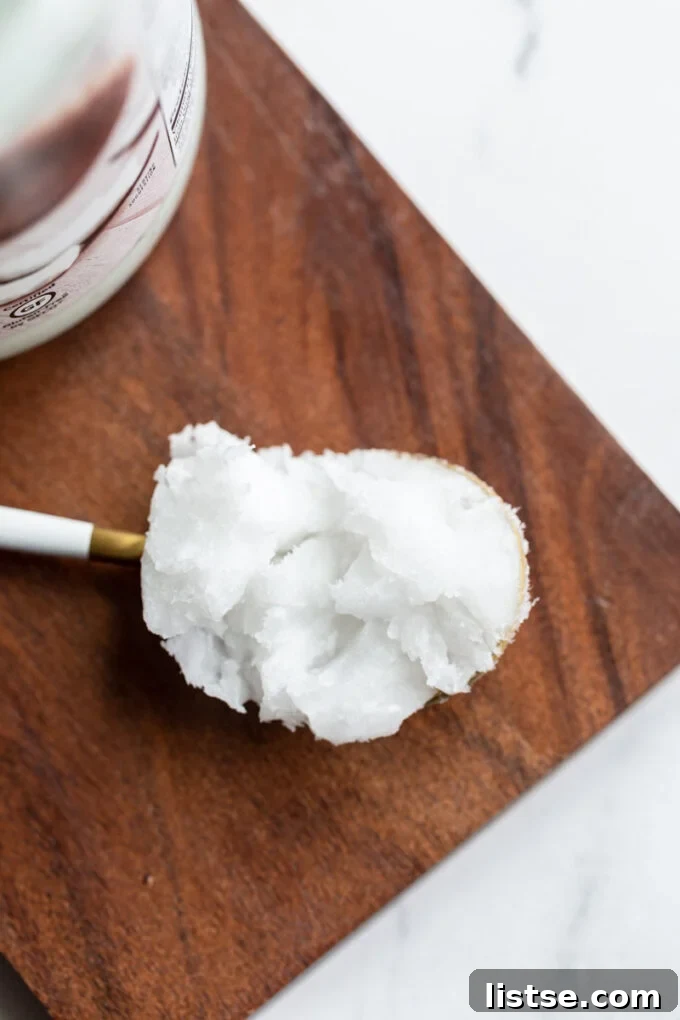
Coconut Oil as a Substitute: Reversing the Role in Your Kitchen
Just as there are many alternatives for coconut oil, coconut oil itself is a remarkably versatile ingredient that can serve as an excellent substitute for other fats in numerous recipes. Its unique properties make it a go-to option, especially for those with specific dietary needs or preferences.
One of its most common roles as a substitute is as a **vegan alternative to butter**. Due to its solid state at room temperature, coconut oil mimics butter’s texture and function remarkably well in many applications. It can be used in a 1:1 ratio for butter in baking recipes, contributing to a rich texture and helping achieve a desired crumb. It’s also effective in grilling, sautéing, and even as a spread for toast, offering a dairy-free option without sacrificing flavor or consistency. For baking where a solid fat is needed, using chilled coconut oil can replicate the flakiness butter provides.
Furthermore, coconut oil can readily replace **vegetable oil** or other liquid cooking oils in a variety of recipes. Its moderate smoke point allows it to be used for frying, roasting, and sautéing, although its unique flavor (if using unrefined) should be considered. When substituting for liquid oils, it’s crucial to remember that coconut oil is solid at cooler temperatures. Therefore, it’s generally best to melt the coconut oil before incorporating it into recipes, especially when mixing with other liquid ingredients or for batters where even distribution is key. This ensures a smooth consistency and proper integration of all components. Its ability to solidify when chilled also makes it useful in raw desserts or recipes requiring a firm base.
Conclusion: Choosing the Right Fat for the Job
Coconut oil is undeniably a dynamic ingredient, but its unique properties and flavor profile mean it’s not always the perfect fit for every dish or every dietary preference. Fortunately, the culinary world offers a rich pantry of alternatives, each with its distinct characteristics that can enhance your cooking and baking in different ways. From the rich creaminess of butter to the neutral versatility of grapeseed oil, the healthy fats of avocado oil, or the intriguing nutty notes of hazelnut and walnut oils, you have a wealth of choices.
The key to successful substitution lies in understanding the primary role of the fat in your recipe – whether it’s for flavor, moisture, texture, or heat stability – and then selecting an alternative that best matches those requirements. Don’t be afraid to experiment! Your kitchen is a laboratory, and exploring these substitutes can lead to exciting new flavors and textures, expanding your culinary repertoire and adapting recipes to better suit your taste, health goals, and ingredient availability. With this comprehensive guide, you’re well-equipped to confidently navigate the world of fats and oils, ensuring your dishes are always delicious and perfectly crafted.