
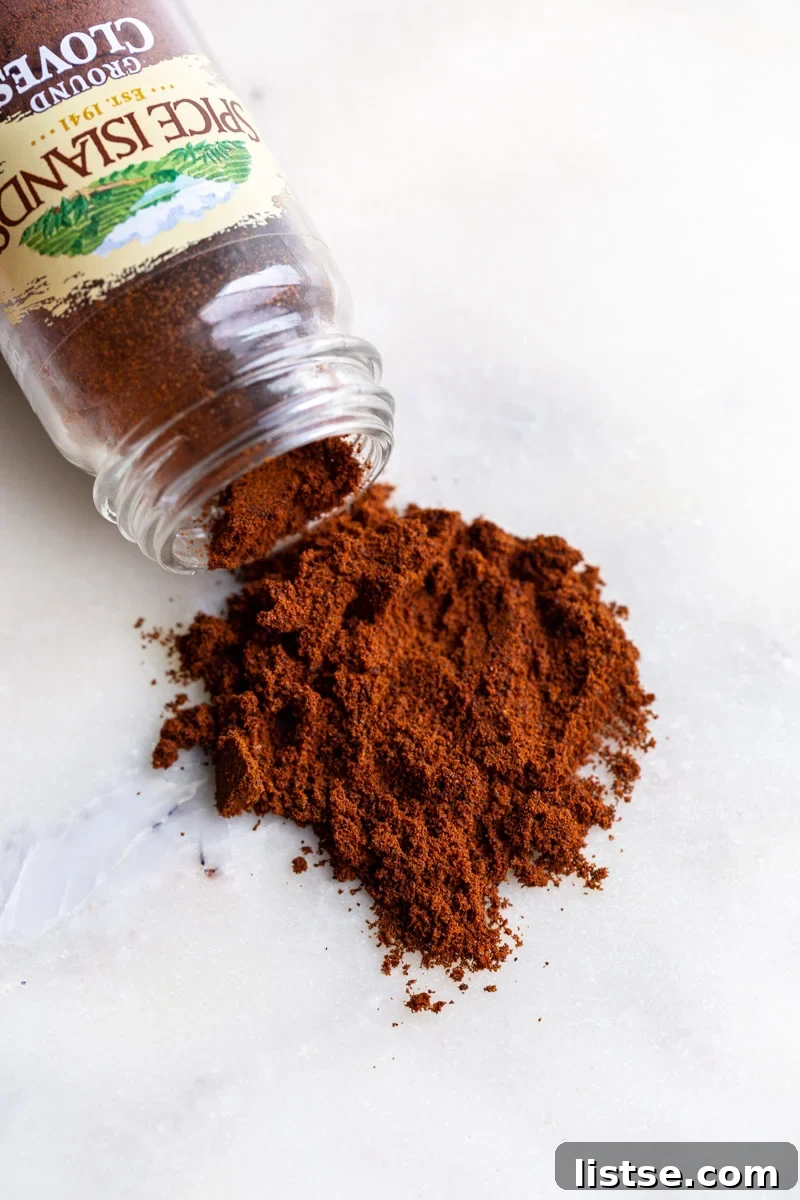
The enchanting aroma and distinct flavor of cloves are a quintessential part of many culinary traditions, especially during the holiday season. From warming mulled wines to savory roasts and classic baked goods, cloves impart a depth and character that is truly unique. However, whether you’ve run out, are facing an allergy, or simply wish to experiment with different flavor profiles, finding the right substitute for this beloved spice can be a culinary challenge. Fortunately, the world of spices offers a rich palette of alternatives that can mimic, complement, and even elevate the flavors of your dishes. This comprehensive guide will explore the essence of cloves and present seven excellent substitutes, ensuring your cooking remains flavorful and vibrant, even without the star ingredient.
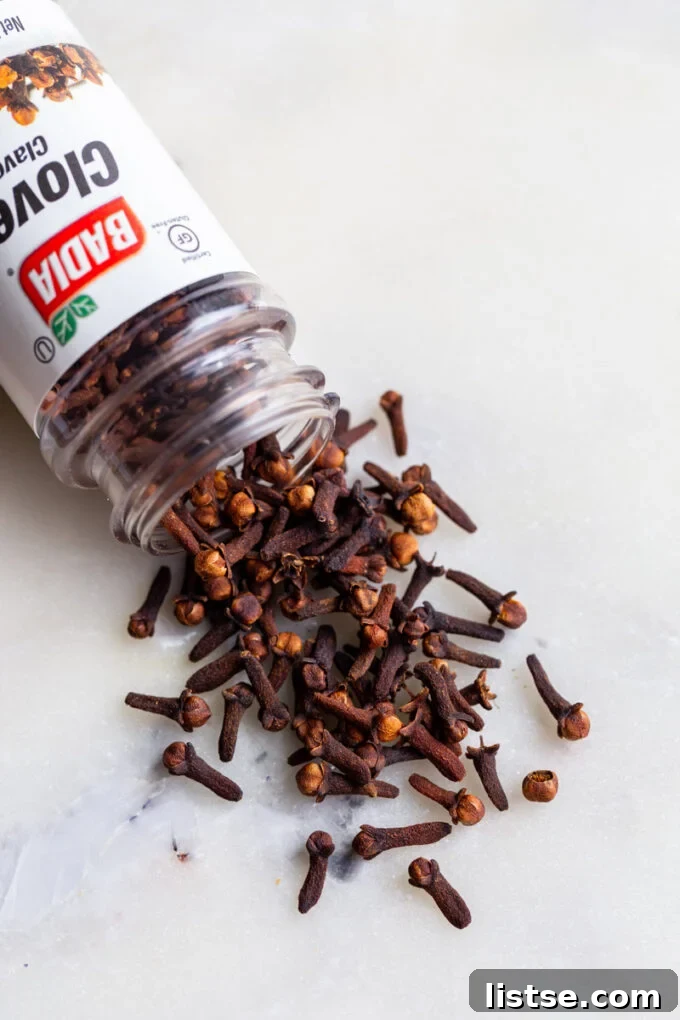
What are Cloves? Understanding Their Unique Flavor Profile
Cloves are much more than just a spice; they are a concentrated burst of flavor and aroma, instantly recognizable and deeply warming. Botanically, cloves are the dried, unopened flower buds of the evergreen tree Syzygium aromaticum, native to the Maluku Islands (historically known as the Spice Islands) of Indonesia. These tiny, nail-shaped buds are harvested before they blossom, then dried until they achieve their characteristic reddish-brown color and intense fragrance.
The flavor profile of cloves is complex and multi-layered. They are intensely aromatic, offering a pungent, sweet, and slightly bitter taste with peppery undertones. This unique combination comes from eugenol, an essential oil that is the primary compound responsible for cloves’ distinctive taste and medicinal properties. Whether used whole or ground, cloves contribute a warm, almost woody depth that can transform both sweet and savory preparations.
Historically, cloves were among the most coveted spices, playing a significant role in ancient trade routes and culinary traditions across Asia, Africa, and Europe. Today, they are cultivated in various tropical regions, including India, Madagascar, Sri Lanka, and Indonesia. Their versatility makes them a staple in countless kitchens worldwide. In sweet dishes, cloves enhance the flavors of pumpkin pie, apple crisp, gingerbread, and spiced cakes. In savory applications, they are often found in Moroccan tagines, Indian curries, various rubs for meats, and pickling brines. They are also integral to beverages like mulled wine, chai tea, and spiced ciders, adding a cozy and comforting dimension.
Understanding the intricate balance of sweetness, pungency, and warmth that cloves bring to a dish is key to successfully finding a substitute. The goal isn’t just to replace, but to maintain the overall character and flavor harmony of your recipe.
7 Effective Substitutes for Cloves: Culinary Alternatives for Every Dish
When a recipe calls for cloves and you find your spice rack lacking, don’t despair. There are several excellent substitutes that can step in, each offering its own unique twist while still contributing to a harmonious flavor profile. Here are seven of the best alternatives for ground cloves, along with tips on how to use them effectively.
1. Nutmeg
Nutmeg is perhaps one of the most natural stand-ins for cloves due to its warm, sweet, and nutty flavor profile, which shares many characteristics with cloves. Both spices are frequently found together in autumnal and holiday recipes, highlighting their complementary nature. Nutmeg offers a slightly less pungent kick than cloves but brings a gentle sweetness and earthiness that makes it incredibly versatile.
Flavor Profile: Warm, sweet, nutty, slightly peppery, aromatic.
Ideal Applications: Nutmeg is particularly excellent in baked goods such as pies (especially pumpkin and apple), custards, cakes, and cookies. It also works well in creamy sauces, gratins, and certain savory dishes, including root vegetable preparations and spiced meats. Its delicate aroma makes it perfect for beverages like eggnog and spiced coffee.
Substitution Ratio: Due to nutmeg’s strength, it’s best to start with half the amount of ground nutmeg as the recipe calls for ground cloves. For instance, if a recipe requires 1 teaspoon of ground cloves, begin with ½ teaspoon of ground nutmeg. You can always add more to taste, ensuring you don’t overpower the dish. For the freshest flavor, grate whole nutmeg when possible.
Tips for Best Results: While nutmeg can stand alone, combining it with a pinch of cinnamon can create a more rounded, clove-like warmth. Always taste your dish as you go, adjusting the quantity of nutmeg until you achieve the desired depth of flavor.
2. Cardamom
Cardamom, often referred to as the “Queen of Spices,” offers a unique blend of citrusy, floral, and slightly earthy notes that can effectively mimic some of the warmth and complexity of cloves. Available in both whole pods and ground form, it’s a versatile spice beloved in both sweet and savory cuisines around the world.
Flavor Profile: Aromatic, citrusy, floral, slightly sweet, with hints of pine and a touch of smokiness (especially black cardamom).
Ideal Applications: Cardamom shines in Middle Eastern, Indian, and Scandinavian dishes. It’s fantastic in curries, rice dishes, stews, and lentil soups. For sweet applications, it’s excellent in pastries, bread, puddings, and fruit desserts. It also pairs wonderfully with coffee and tea, much like cloves.
Substitution Ratio: Cardamom can generally be used as a 1:1 substitute for ground cloves, especially if you’re looking for a slightly different, brighter flavor. However, to achieve a closer match to cloves’ warmth, consider combining it with a small amount of cinnamon or nutmeg.
Tips for Best Results: For a more intense flavor, use ground green cardamom. If you have whole pods, crush them lightly to release the seeds, then grind them just before use. Start with the recommended ratio and adjust based on your personal preference and the overall flavor profile of your dish.
3. Cinnamon
Cinnamon, with its universally loved warm and sweet notes, is an obvious choice when substituting cloves. These two spices are often paired together in recipes because their flavor profiles are highly complementary, both contributing to a comforting, aromatic experience. While cinnamon by itself is not as pungent or bittersweet as cloves, it provides the essential warmth that many dishes require.
Flavor Profile: Sweet, woody, warm, slightly spicy, with variations depending on the type (e.g., Ceylon cinnamon is more delicate, Cassia cinnamon is bolder).
Ideal Applications: Cinnamon is incredibly versatile and can be used in almost any dish that calls for cloves. It’s a staple in baked goods, fruit crumbles, oatmeal, and French toast. In savory cooking, it enhances stews, chilis, rubs for meat, and certain vegetable dishes. It’s also a star in spiced beverages.
Substitution Ratio: As cinnamon is less potent than cloves, it’s best not to use it as a direct 1:1 substitute if you’re aiming for the exact intensity of cloves. Instead, use a 1:1 ratio for cinnamon itself, but consider blending it with another spice to create a more comprehensive clove substitute. A mixture of cinnamon and nutmeg (or allspice) in a 1:1 ratio to the original clove measurement is often ideal.
Tips for Best Results: For a balanced flavor, combine ground cinnamon with a small amount of nutmeg, ginger, or allspice. This blend will provide a more complex warmth that more closely resembles cloves. Experiment with different types of cinnamon if available, as Ceylon cinnamon offers a more nuanced, floral note, while Cassia is bolder and more robust.
4. Pumpkin Pie Spice
When you’re in a pinch, a ready-made spice blend like pumpkin pie spice can be a fantastic and convenient substitute for cloves, primarily because cloves are typically one of its main ingredients. This blend is designed to capture the essence of fall and winter spices, making it a natural fit for recipes requiring cloves.
Flavor Profile: A harmonious blend of warm, sweet, and earthy spices, usually including cinnamon, nutmeg, ginger, and cloves, and sometimes allspice.
Ideal Applications: Pumpkin pie spice is excellent in any dessert or beverage traditionally associated with fall and winter: pumpkin pie, spiced lattes, apple cider, gingerbread, and various baked goods. It can also lend a pleasant warmth to savory dishes like roasted vegetables or stews, especially if the ginger component complements the other flavors.
Substitution Ratio: Because it already contains cloves, pumpkin pie spice can be used as a straightforward 1:1 substitute for ground cloves in most recipes. This blend offers a convenient way to achieve a similar flavor profile without having to mix individual spices.
Tips for Best Results: While it’s a great all-in-one solution, be mindful of the other spices present in the blend (especially ginger, which has a distinct flavor). Consider the overall flavor profile of your dish to ensure the pumpkin pie spice will enhance rather than overpower it. If you want to slightly adjust the blend, you can always add a touch more cinnamon or nutmeg.
5. Allspice
Allspice is a remarkable spice named for its flavor, which is said to resemble a combination of cloves, cinnamon, and nutmeg. This makes it an incredibly effective and often seamless substitute for cloves, especially when you need to maintain a warm, spiced character in your dish without the specific intensity of cloves alone.
Flavor Profile: Warm, sweet, pungent, with notes of clove, cinnamon, and nutmeg, and a slightly peppery finish.
Ideal Applications: Allspice is a cornerstone of Caribbean cuisine and is also prominent in Middle Eastern and some European dishes. It’s perfect for marinades, rubs for meats (especially jerk seasoning), stews, and pickling. In sweet dishes, it enhances fruit tarts, puddings, baked apples, and spiced breads. It’s also lovely in spiced beverages.
Substitution Ratio: Ground allspice can be used as a direct 1:1 substitute for ground cloves in virtually any recipe. Its balanced flavor profile means it rarely needs additional spices to achieve a similar warmth.
Tips for Best Results: Allspice is quite potent, so start with the recommended amount and adjust to taste. It blends beautifully with other spices if you’re trying to achieve a broader flavor spectrum, but it can certainly carry the spiced notes on its own. For the freshest flavor, consider using whole allspice berries and grinding them just before use, though ground allspice is widely available and effective.
6. Mace
Mace is the lesser-known, delicate outer lacy covering of the nutmeg seed. While nutmeg is often described as bold and robust, mace offers a more refined, subtle, and slightly spicier flavor. Its aromatic qualities are similar to nutmeg but with a distinct, more complex character that makes it an excellent, nuanced replacement for cloves.
Flavor Profile: Warm, fragrant, slightly sweet, and delicate, with hints of pepper and nutmeg. It’s often described as a more subtle and less pungent version of nutmeg, with a brighter, more floral edge.
Ideal Applications: Mace is particularly well-suited for delicate savory dishes, creamy sauces, soups, and seafood. It’s also fantastic in light-colored baked goods, custards, fruit salads, and desserts where you want a gentle, aromatic warmth without the deep brown color or strong flavor of nutmeg or cloves. It pairs exceptionally well with vanilla-based dishes.
Substitution Ratio: Mace can be used as a 1:1 substitute for ground cloves, especially when combined with other complementary spices or in recipes where a more subtle flavor is desired. If you want to enhance its clove-like qualities, consider combining it with a small amount of cinnamon or ginger.
Tips for Best Results: Because mace has a more delicate flavor, it’s less likely to overpower a dish. It’s particularly good in recipes where you want the warmth but don’t want the spice to dominate. When combined with vanilla, mace creates a truly delightful and unique aromatic profile that can beautifully stand in for cloves in sweet preparations.
7. Star Anise
Star anise is a visually striking, star-shaped seed pod with a distinctive and potent licorice-like flavor. While its flavor profile is quite different from cloves, it shares a similar warmth, sweetness, and spiciness, making it a surprisingly effective and interesting substitute, particularly in dishes where an anisy note would be welcome.
Flavor Profile: Strong, sweet, licorice-like, pungent, warm, and spicy, with hints of fennel and clove.
Ideal Applications: Star anise is a cornerstone of Asian cuisines, particularly Chinese, Vietnamese, and Indian cooking. It is essential in broths, stews (like pho and braised meats), curries, and pickling. In sweet applications, it’s wonderful in spiced fruits (especially pears and apples), syrups, custards, and certain baked goods, where its unique flavor can truly shine.
Substitution Ratio: Star anise can be used as a 1:1 substitute for ground cloves, but be mindful of its strong licorice flavor. If using whole star anise, one pod is generally equivalent to about ½ teaspoon of ground star anise or ground cloves. Start with a smaller amount and adjust to taste, as its flavor is very pronounced.
Tips for Best Results: Use star anise thoughtfully, especially if your recipe isn’t typically associated with a licorice flavor. It works best in dishes where its distinctive taste can complement rather than clash. For a more subtle effect, you can steep whole star anise pods in liquids (like broths or mulled wine) and remove them before serving, allowing them to infuse their warmth without overwhelming the dish.
Tips for Successful Spice Substitution
Replacing a unique spice like cloves requires a bit of culinary intuition and a willingness to experiment. Here are some general tips to ensure your substitutions are successful and your dishes remain delicious:
- Start Small and Taste: Spices vary in potency. Always begin with half the recommended substitute amount and gradually add more, tasting after each addition. It’s easier to add more spice than to remove it.
- Consider the Dish’s Flavor Profile: Think about whether your dish is sweet or savory, and what other dominant flavors are present. Some substitutes, like nutmeg, are excellent in sweet dishes, while others, like star anise, might lend themselves better to savory or specific ethnic cuisines.
- Combine Spices for Complexity: Often, a single substitute won’t perfectly replicate the multi-faceted flavor of cloves. Don’t hesitate to combine two or three of the suggested alternatives (e.g., cinnamon with a pinch of nutmeg and ginger) to create a more rounded and complex aroma that closely mirrors cloves.
- Understand the Role of Cloves: Are cloves providing warmth, sweetness, pungency, or a hint of bitterness to your recipe? Identifying their primary role will help you choose the most appropriate substitute that fulfills that specific function.
- Freshness Matters: The potency of ground spices diminishes over time. For the best flavor, ensure your substitute spices are fresh. Whole spices, when ground just before use, offer the most vibrant aromas.
Conclusion: Embrace Culinary Creativity
While cloves hold a special place in the spice rack for their distinctive aroma and flavor, running out doesn’t have to put a damper on your culinary aspirations. The world of spices is rich with alternatives that can provide similar warmth, sweetness, and depth, allowing you to adapt recipes and even discover new favorite flavor combinations. Whether you opt for the comforting familiarity of nutmeg and cinnamon, the exotic allure of cardamom and star anise, or the convenient blend of pumpkin pie spice, each substitute offers a unique opportunity to keep your cooking vibrant and delicious.
Remember that cooking is an art form that thrives on creativity and experimentation. Don’t be afraid to try different combinations and ratios until you find the perfect balance that satisfies your palate and enhances your dish. With these seven effective substitutes, you’re well-equipped to navigate any recipe requiring cloves, ensuring every meal is a flavorful success story.