
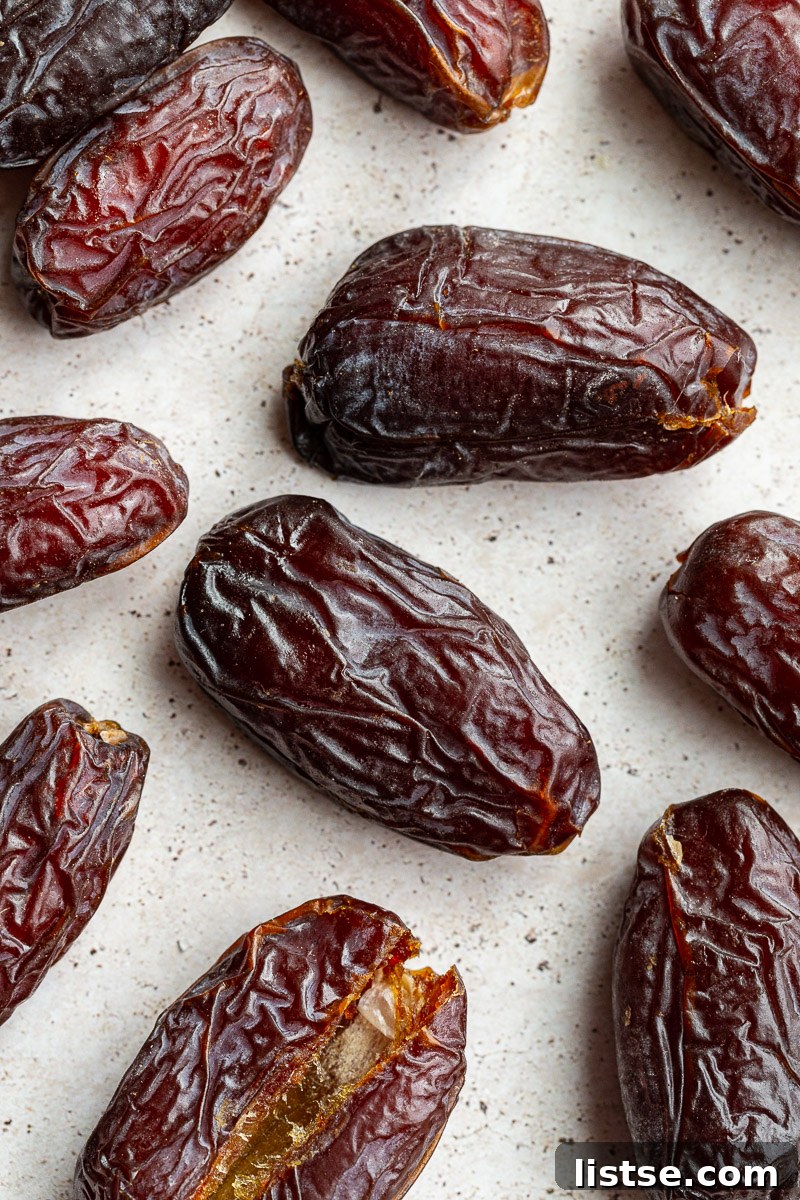
Welcome to the ultimate guide to dates, the exquisite “wonder fruit” that has graced human diets for millennia. If you’ve ever found yourself intrigued by their rich sweetness, incredible versatility, or remarkable health benefits, you’ve come to the right place. This comprehensive article will delve deep into everything you need to know about dates, from their ancient origins and diverse varieties to their impressive nutritional profile and countless culinary applications. Prepare to discover why these humble fruits deserve a prime spot in your healthy eating repertoire.
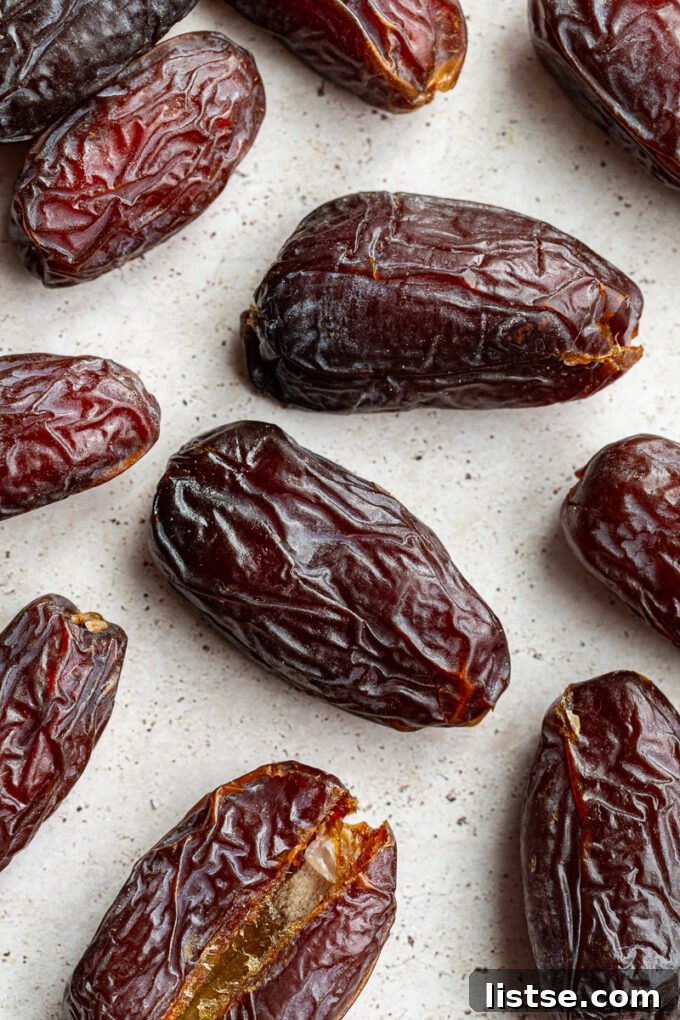
Dates are not just a food item; they are a historical staple, a natural energy booster, and a delightful sweetener all rolled into one. Whether you’re a long-time date enthusiast or just curious to learn more, this guide aims to answer all your questions, providing a wealth of information to help you appreciate this incredible fruit even more. Let’s embark on a journey to explore the captivating world of dates!
What Are Dates? A Journey from Palm to Plate
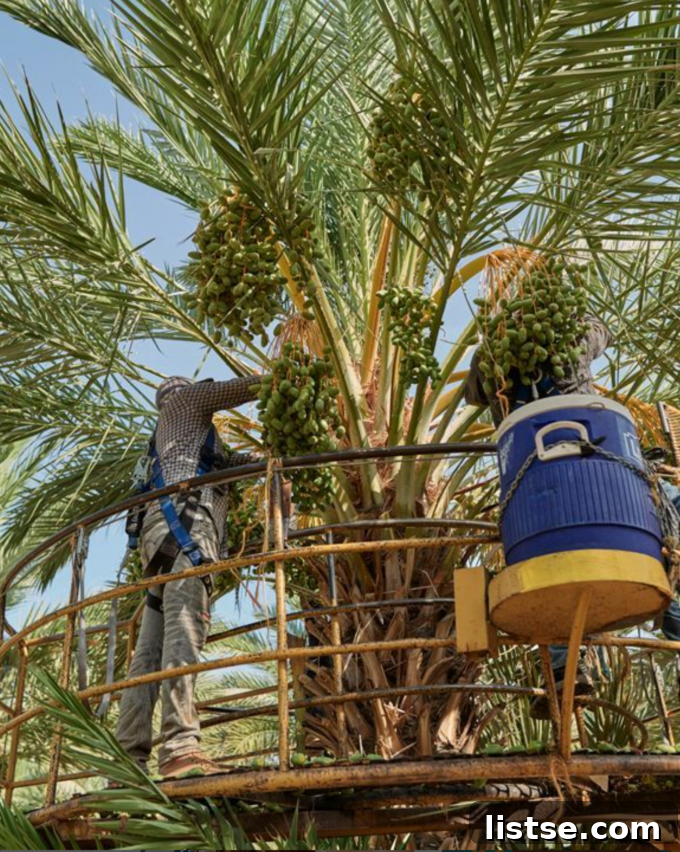
Often mistaken for dried fruit due to their chewy texture and concentrated sweetness, dates are, in fact, a fresh fruit that grows on the magnificent date palm tree (Phoenix dactylifera). These majestic trees, often towering and graceful, are native to the Middle East and North Africa, where dates have been a primary food source for thousands of years, earning them the moniker “bread of the desert.”
The Ancient History and Global Cultivation of Dates
The cultivation of dates dates back to 4000 BCE, making them one of the oldest cultivated fruits in the world. Archaeological evidence suggests they were a vital part of ancient Mesopotamian and Egyptian diets, revered not only for their nutritional value but also for their symbolism of life and fertility. From their historical roots in regions like Morocco, Egypt, and the Arabian Peninsula, date palm cultivation has spread globally. Today, you can find date farms thriving in various parts of the world, including the United States, particularly in the sunny, arid climates of California and Arizona, as well as in parts of Mexico.
How Dates Grow and Ripen
Date palms are incredibly productive, with a single tree capable of yielding over 200 pounds of fruit annually. The dates begin as small, green, hard fruits growing in large bunches, high up on the palms. As they mature, they gradually change color from green to yellow, then to amber, and finally to the deep brown color we commonly recognize. This ripening process, often taking several months, involves the fruit dehydrating naturally on the tree, concentrating its sugars and developing its characteristic rich flavor and chewy texture. The image above wonderfully illustrates the unripened green dates still attached to the palm trees, a testament to nature’s bounty.
The Diverse World of Date Varieties
While all dates share a common ancestry, there’s a fascinating diversity among their varieties, each offering unique textures, flavors, and sweetness levels. The market, however, typically features a few dominant types. Understanding these differences can enhance your appreciation and help you choose the perfect date for your culinary needs.
Medjool Dates: The King of Dates
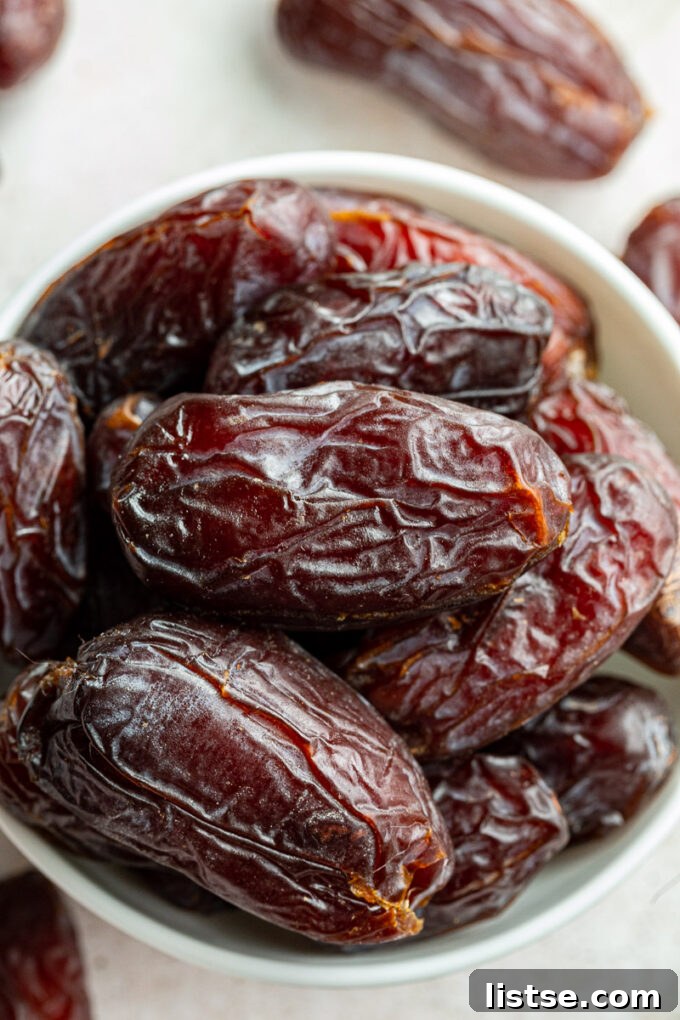
Without a doubt, the Medjool date reigns supreme in popularity, especially in North America. Known for their large size, soft, chewy flesh, and rich, caramel-like sweetness, Medjool dates are often referred to as the “King of Dates.” They typically measure about 1.5 to 2 inches long and contain a single, elongated pit in the center, which is easily removed before eating or cooking. Their succulent texture makes them ideal for snacking, stuffing, and using in recipes where a moist, sweet element is desired. The image above beautifully showcases the plump allure of Medjool dates.
Deglet Noor Dates: The Queen of Dates
Another widely available variety is the Deglet Noor, often called the “Queen of Dates.” These dates are generally smaller, firmer, and less sweet than Medjools, with a delicate, nutty flavor. They have a drier texture and a higher sugar content, making them excellent for baking and cooking. Deglet Noors are frequently chopped and used in cereals, energy bars, and various confectionery products, where their firm texture holds up well.
Exploring Other Notable Date Varieties
Beyond Medjool and Deglet Noor, many other varieties offer distinct experiences:
- Halawy Dates: Known for their delicate, honey-like flavor and soft texture, these smaller, often yellow dates are a sweet treat.
- Barhi Dates: Unique for being enjoyed in their soft, yellow, fresh (khalal) stage, Barhi dates offer a crisp texture and a mild, apple-like flavor before ripening further to a soft, brown, incredibly sweet fruit.
- Mazafati Dates: Hailing from Iran, Mazafati dates are similar in appearance to Medjools but tend to be even softer, with a dark, almost black skin and a very sweet, melt-in-your-mouth flesh.
- Zahidi Dates: These medium-sized, semi-dry dates have a golden-brown skin and a relatively firm, chewy flesh with a distinct nutty flavor, making them suitable for cooking and baking.
- Omani Dates: Generally smaller and smoother in appearance, offering a pleasant sweetness.
Each variety offers a unique sensory experience, inviting you to explore the rich tapestry of flavors and textures that dates provide.
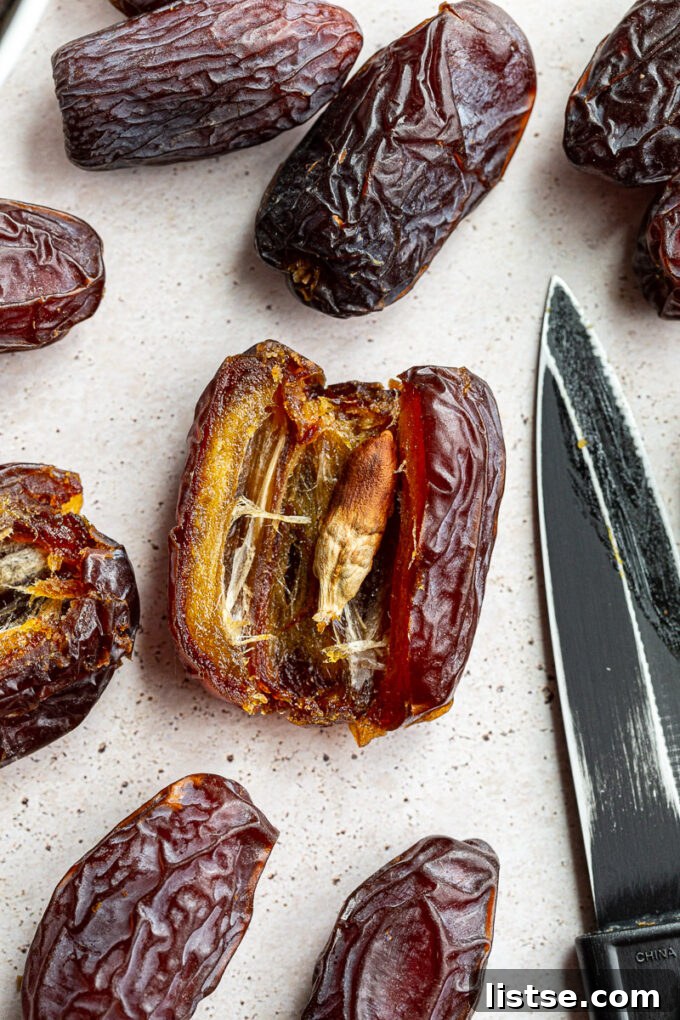
Unpacking the Nutritional Powerhouse of Dates
Despite their indulgent sweetness, dates are far more than just a sugary treat. They are a true nutritional powerhouse, packed with essential vitamins, minerals, and dietary fiber, making them an excellent addition to a balanced diet. Often referred to as nature’s candy, dates provide a sustained energy boost thanks to their natural sugars, making them a fantastic pre- or post-workout snack.
Key Nutritional Highlights of Medjool Dates
Let’s take a closer look at the impressive nutritional profile, using Medjool dates as a prime example. Per 3 medium Medjool dates (approximately 46 grams):
- Calories: 140 – A concentrated source of energy.
- Carbohydrates: 33g – Primarily natural sugars (glucose, fructose, sucrose) that provide quick and efficient fuel for your body and brain.
- Dietary Fiber: 4g – A significant amount of fiber, essential for digestive health, promoting regularity, and helping to maintain stable blood sugar levels. Fiber also contributes to a feeling of fullness, which can aid in weight management.
- Total Sugars: 33g – While high, these are natural sugars, not added processed sugars, and come with a host of other beneficial nutrients.
- Protein: 1g – A small but notable amount of protein.
- Potassium: 10% Daily Value – Dates are an exceptional source of potassium, containing 50% more potassium than bananas! Potassium is crucial for maintaining fluid balance, nerve signals, and muscle contractions, including those of the heart.
- Iron: 3% Daily Value – Important for oxygen transport in the blood and preventing anemia.
- Calcium: 3% Daily Value – Essential for strong bones and teeth, as well as muscle function and nerve transmission.
- Total Fat: 0g – Naturally fat-free.
- Cholesterol: 0g – Naturally cholesterol-free.
- Sodium: 0g – Naturally very low in sodium, which is beneficial for blood pressure control.
Beyond the Numbers: Additional Health Benefits
In addition to the listed nutrients, dates also contain:
- Antioxidants: Dates are rich in various antioxidants, including flavonoids, carotenoids, and phenolic acid. These compounds help protect your cells from damage by free radicals, potentially reducing the risk of chronic diseases like heart disease and certain cancers.
- Magnesium: Important for muscle and nerve function, blood sugar control, and blood pressure regulation.
- Vitamin B6: Plays a role in brain development and function, and the metabolism of proteins and carbohydrates.
The combination of fiber, natural sugars, and micronutrients makes dates an incredibly beneficial food for sustained energy, digestive health, and overall well-being. They truly are a guilt-free sweet indulgence!
Culinary Versatility: More Than Just a Snack
The natural sweetness and unique texture of dates make them incredibly versatile in the kitchen. While they are a perfect grab-and-go snack, their utility extends far beyond, transforming both sweet and savory dishes. From breakfast to dessert, dates can add depth, sweetness, and a touch of exotic flavor to countless recipes.
Dates as a Natural Sweetener
One of the most popular uses for dates is as a healthy, natural alternative to refined sugars. When blended, dates create a rich, sticky paste that can sweeten smoothies, baked goods, sauces, and dressings without the need for added sugar. This not only reduces the intake of processed sugars but also introduces all the beneficial fiber and nutrients found in dates.
Sweet and Savory Applications
Dates shine in both sweet and savory contexts:
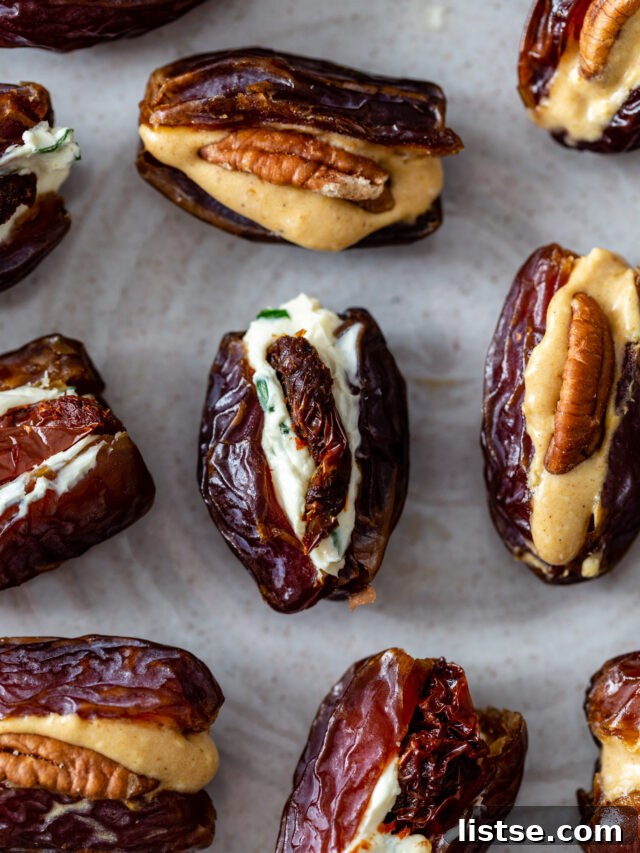
- Stuffed Dates: A classic and elegant appetizer or dessert. Pit the dates and fill them with nuts (almonds, walnuts), cheese (goat cheese, cream cheese), or nut butters. You can even wrap them in bacon for a sweet and salty combination.
- Smoothies: Add a few pitted dates to your morning smoothie for natural sweetness, fiber, and a creamy texture.
- Baked Goods: Incorporate chopped dates into cookies, muffins, breads, and cakes for moisture, sweetness, and chewiness. Date Nut Bars and Oatmeal Date Cookies are timeless favorites.
- Energy Bites and Bars: Dates are the perfect base for no-bake energy bites and homemade granola bars, binding ingredients together and providing natural energy.
- Savory Dishes: Don’t limit dates to desserts! They can elevate savory dishes like tagines, salads (such as a Date Kale Salad), and grain bowls, offering a beautiful counterpoint to spicy or tangy flavors.
- Date Paste: Easily made by soaking and blending pitted dates, date paste is a fantastic all-natural sweetener for virtually anything.
Delicious Date Recipes to Inspire Your Kitchen
Ready to get creative with dates? Here are some truly delicious and inventive recipes that highlight the versatility of this incredible fruit:
- Stuffed Dates 2 Ways: Explore both savory and sweet fillings for a delightful snack or appetizer.
- Chewy Granola Bars: A healthy and satisfying snack, naturally sweetened with dates.
- Healthy Homemade Snickers: Indulge in a healthier version of a beloved candy bar, featuring the caramel-like richness of dates.
- Date Sweetened Oat Milk: A creamy, naturally sweet plant-based milk perfect for coffee, cereal, or drinking on its own.
- Date Sweetened Peanut Butter Cups: A delightful fusion of sweet dates and rich peanut butter.
- Date Nut Bars: A wholesome and energizing treat, packed with flavor and fiber.
- Oatmeal Date Cookies: A classic comfort cookie with a healthy twist.
- Strawberry Banana Smoothie: Enhance this classic blend with the natural sweetness of dates.
- Carrot Cake Smoothie: All the flavors of your favorite dessert in a healthy, drinkable form.
- Date Paste: Your versatile, natural sweetener for countless recipes.
- Date Kale Salad: A surprisingly delicious and nutrient-dense salad combining sweet dates with fresh kale.
- Chocolate Date Sweetened Pie with Date Crust: A decadent, plant-based dessert sweetened entirely by dates.
How to Properly Select and Store Dates
To fully enjoy the delightful taste and texture of dates, knowing how to select the best ones and store them correctly is key. Proper handling ensures they remain fresh, moist, and delicious for as long as possible.
Selecting the Best Dates
When purchasing dates, look for ones that are:
- Plump and Moist: High-quality dates should feel soft and pliable, not hard or brittle.
- Shiny and Wrinkled: A natural wrinkling indicates dehydration, but they shouldn’t be excessively dry. A slight sheen is a good sign.
- Intact Skin: The skin should be mostly unbroken, although minor cracks are common and natural.
- Sweet Aroma: Fresh dates often have a subtle, sweet aroma.
Optimal Storage for Freshness
Dates are quite forgiving when it comes to storage, but specific methods can significantly extend their shelf life and maintain their quality:
- Room Temperature: For immediate consumption or if you plan to use them within a few weeks, store dates in an airtight container in a cool, dark pantry. While they won’t necessarily “go bad” quickly, they can dry out and harden, becoming less enjoyable.
- Refrigeration: For longer storage, up to several months, keeping dates in an airtight container in the refrigerator is ideal. The cool temperature helps preserve their moisture and extends their freshness considerably.
- Freezer: For truly long-term storage, dates can be frozen for up to a year or even longer. Place them in a freezer-safe bag or container, removing as much air as possible. When ready to use, simply thaw them at room temperature or warm them gently. Freezing is excellent for preserving large batches of dates for future use in smoothies or baking.
How to Soften Dry Dates
If you find yourself with older, firmer dates that have lost some of their moisture, don’t despair! They can often be revived. To soften dates for use in recipes or smoothies, simply soak them in hot water for about 20-30 minutes. Once softened, remove them from the water, gently squeeze out any excess liquid, and they’ll be ready to use, often regaining much of their original plumpness and texture.
The Global Impact and Sustainability of Date Cultivation
Date palms are more than just fruit-bearing trees; they are a cornerstone of agriculture and economy in many arid regions. The cultivation of dates supports countless communities and plays a vital role in local ecosystems.
Sustainable Practices in Date Farming
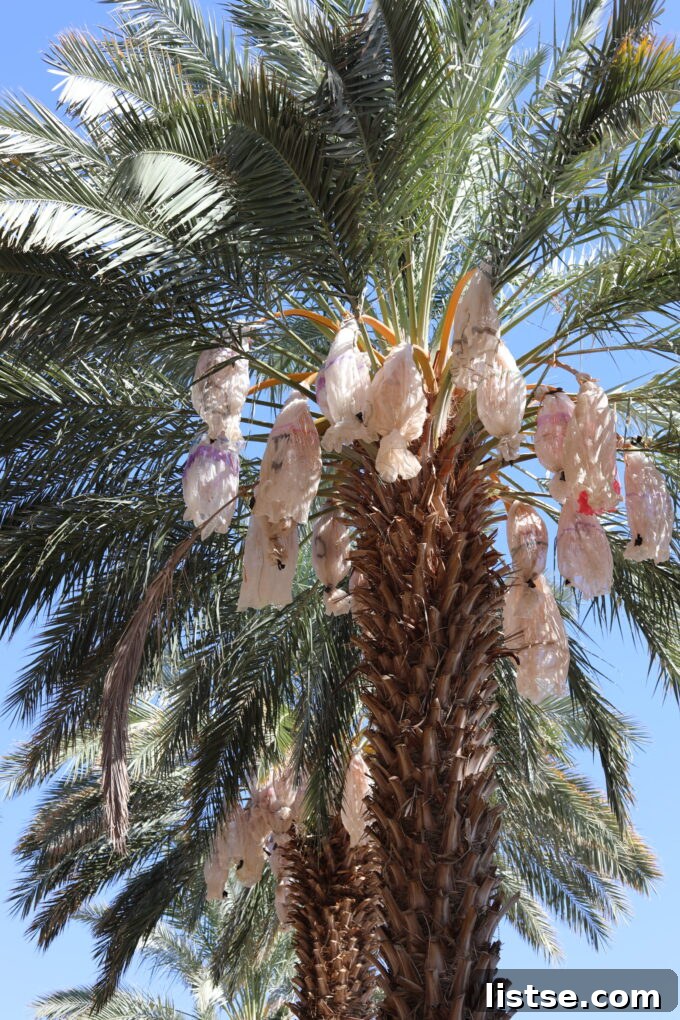
Modern date farming, particularly by companies like Natural Delights (whose photo is shown above), often employs sustainable practices to ensure the longevity of the palm trees and the health of the environment. The white bags visible in the photo are a common sight in date groves, particularly in regions like California, Arizona, and Mexico’s Bard Valley. These bags serve several crucial purposes:
- Protection: They protect the ripening dates from birds, insects, and harsh weather conditions like sun scorch or heavy rains.
- Harvesting Aid: As dates ripen and naturally fall off the tree, these bags act as a collection point, preventing the fruit from hitting the ground and getting damaged, thus ensuring a cleaner and more efficient harvest.
- Quality Control: By protecting the fruit, these bags help maintain the dates’ quality, appearance, and hygiene from the tree to your table.
These methods highlight a commitment to both product quality and agricultural stewardship, ensuring that this ancient fruit continues to thrive and provide sustenance for future generations.
Conclusion: Embrace the Wonder of Dates
From their ancient origins in desert oases to their modern-day status as a superfood, dates truly are a wonder fruit. Their rich history, diverse varieties, unparalleled nutritional benefits, and incredible culinary versatility make them a standout ingredient in any kitchen.
Whether you enjoy them as a simple, energy-boosting snack, a natural sweetener in your favorite recipes, or an elegant addition to a charcuterie board, dates offer a delightful experience. We hope this guide has inspired you to explore the fascinating world of dates and incorporate more of this wholesome, delicious fruit into your diet. Embrace the sweetness, savor the texture, and enjoy all the goodness that dates have to offer!