Dinner
Straightforward Vegetable Chow Mein (One Pan, 25 Minutes!) at Home
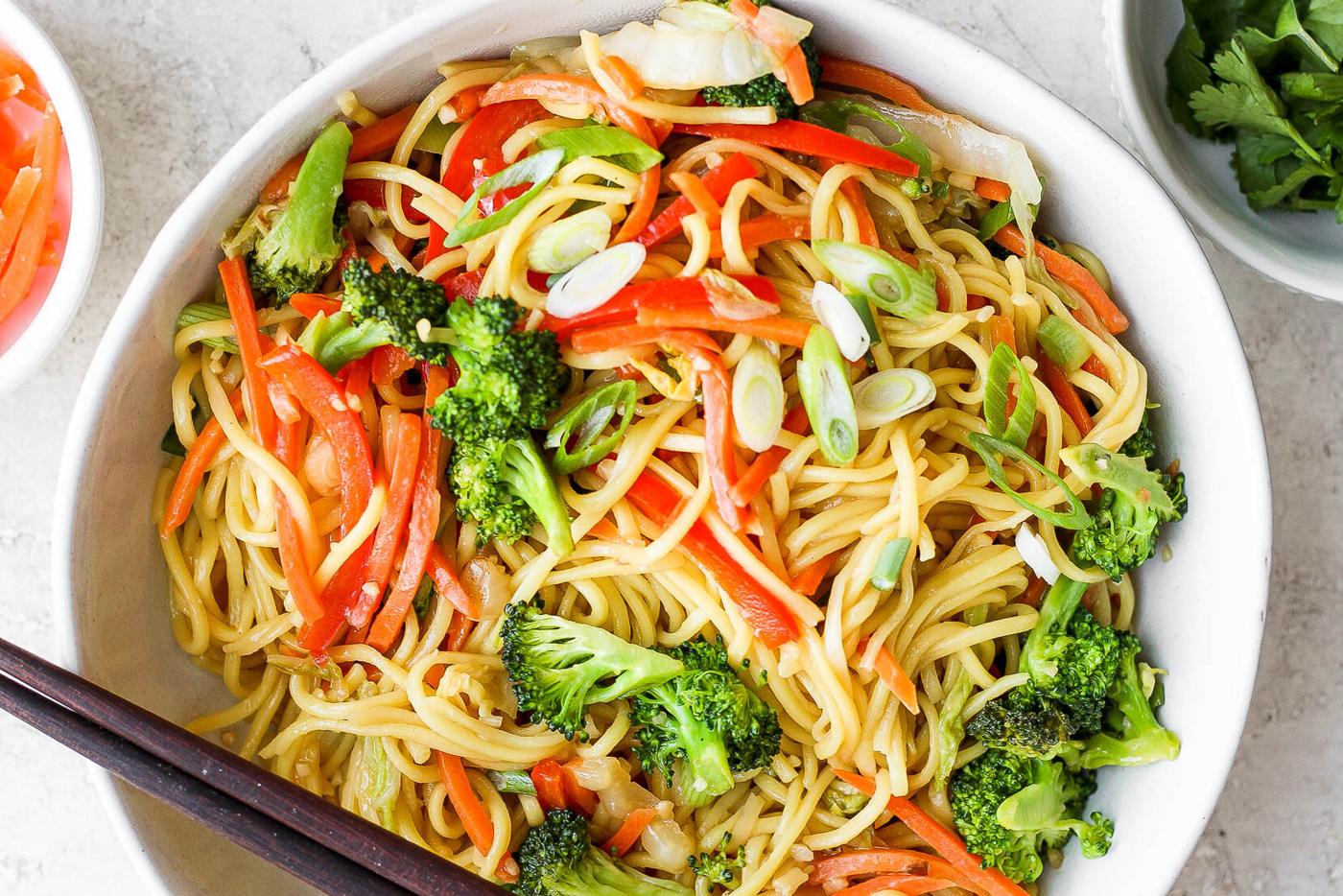
This Vegetable Chow Mein recipe has been in my regular rotation for years – tender noodles, crunchy cabbage, colorful veggies,
- 4 servings
- Prep 10 minutes
- Cook 15 minutes
- Total 25 minutes
Love a good noodle dish? You need to try our Vegan Pad Thai as well as our Unfussy peanut Noodles, this notable Tofu Stir Fry recipe and our Straightforward Kitchen-made Ramen!

Why you’ll love this unfussy dinner recipe!

Sometimes I simply need a speedy and unfussy dinner that also feels healthy and well balanced. This Vegan Chow Mein is exactly that. It’s simple to throw together and packed with veggies.
Why You’ll Love This
- Ready in 25 minutes – genuinely one of the fastest dinners in my lineup
- A true “clean out the fridge” recipe – the veggie swaps are endless
- That sauce though – soy, hoisin, sesame, a little brown sugar – it simply works
- Fully vegan and satisfying enough to stand on its own as a meal

Ingredients needed
The ingredients for this dish are listed fully down in the recipe card but let’s briefly go over the pantry staples needed including a few substitutions you can make as desired!
- Chow mein noodles – the base of the dish; fresh noodles from a Asian markets are ideal, but refrigerated yakisoba or dry spaghetti work great too.
- Napa cabbage – adds a subtle crunch and soaks up the sauce beautifully; I don’t recommend skipping it.
- Carrots – brings sweetness and color; pre-shredded carrots save time.
- Broccoli – adds substance and a little bite; swap for bok choy or snow peas if you prefer.
- Red bell pepper – for sweetness and color; any color bell pepper works.
- Green onion + garlic – added toward the end so they stay bright and don’t burn.
- Soy sauce – the salty, savory backbone of the sauce; tamari works for gluten-free.
- Hoisin sauce – adds depth and a hint of sweetness; don’t skip this one.
- Rice wine vinegar – brightens everything up; shaoxing wine is the more long-used swap if you have it.
- Brown sugar – simply a touch to balance the salt; coconut sugar or maple syrup both work.
- Sesame oil – used both in the sauce and for cooking; toasted sesame oil gives the go-to flavor.
- Cornstarch – helps the sauce thicken and cling to the noodles.
How to Make It
Only a reminder that you can find the FULL written recipe down in the recipe card, but I want to quickly go over how to make them with visuals for you:)

- Cook the veggies. Heat oil in a large skillet or large wok over medium-high heat. Sauté carrots, broccoli, bell pepper, and cabbage for about 5 minutes. Then, add in the green onion and garlic and sauté for 2 additional minutes.

- Cook the noodles and make the sauce. Meanwhile, cook the noodles according to package instructions.
In a small bowl or measuring cup, whisk together all ingredients for the sauce.

- Add the sauce and noodles. Combine the sauce and noodles with the vegetables and cook for a couple of minutes and until the noodles are reheated and the sauce is thickened and beginning to coat the veggies and noodles.

- Finish it off. Remove from the heat and serve with extra green onions, sesame seeds, bean sprouts + any other toppings of choice. Enjoy!
Recipe Tips
- Don’t confuse your noodles. Chow mein noodles and chow mein crispy pieces are sold under the same name – you want the soft noodles, not the crunchy snack version.
- Prep everything before you start. This cooks fast. Have your veggies chopped and sauce whisked before the skillet gets hot.
- Don’t overcook the vegetables. You want them tender but still with some bite – about 5-7 minutes total is right.
- Add protein easily. Crispy tofu is BY FAR the go-to add-in here – toss it in with the noodles at the end. My tofu guide has everything you need.
- Shaoxing wine upgrade. If you can find Chinese cooking wine, use it in place of the rice vinegar – it adds a more old-style depth of flavor.

Frequently Asked Questions

The recipe
Vegetable Chow Mein at Home
This Vegetable Chow Mein is a speedy, savory busy-night dinner made with tender noodles, colorful veggies, and a savory sauce of soy, hoisin, and sesame. It's fully vegan, comes together in one skillet in about 25 minutes, and is endlessly customizable with whatever vegetables you have on hand.
- 4 servings
- Prep 10 minutes
- Cook 15 minutes
- Total 25 minutes
Ingredients
For the sauce
- ½ cup of hot water
- 2 tablespoons soy sauce
- 1 ½ tablespoons hoisin sauce
- 2 teaspoons cornstarch
- 1 ½ tablespoons rice wine vinegar*
- 1 tablespoon brown sugar (can sub in coconut sugar or maple syrup)
- 1 teaspoon sesame oil
- Black pepper to taste
For the chow mein
- 1 tablespoon of toasted sesame oil
- 1 cup julienned carrots (about 2 medium carrots)
- 1 cup finely chopped broccoli
- ½ red bell pepper (thinly sliced)
- 2-3 cups Napa cabbage (finely shredded)
- 3 green onions (chopped)
- 3 cloves garlic (minced)
- 6 oz chow mein noodles*
Method
- 1
Cook the noodles according to package directions. Drain and set aside.
- 2
In a bowl or measuring cup, whisk together all ingredients for the sauce.
- 3
Meanwhile in a large skillet or wok, heat the sesame oil over medium heat. Once hot, add in the carrots, broccoli, bell pepper, and cabbage. Saute for 5 minutes. Add in the green onion and garlic and saute for 2 additional minutes.
- 4
Add the sauce and noodles into the skillet and toss to combine. Continue to cook for about 2-3 minutes until the noodles are reheated and the sauce is thickened and beginning to coat the veggies and noodles. Remove from heat and ENJOY!
Cook notes
Noodles – Make sure you’re buying chow mein noodles and not chow mein crispy pieces – they’re sold under the same name and it’s straightforward to grab the wrong one. Yakisoba noodles, thin spaghetti, or soba noodles all work as substitutes. If vegan is a priority, check the label since some brands contain egg. Rice wine vinegar – Shaoxing wine is the more old-style choice here and worth using if you can find it. Rice wine vinegar is a solid everyday substitute. Add protein – Crispy tofu is the move. Toss it in with the noodles at the end. See my tofu guide if you need a starting point. Storage + Reheating – Store leftovers in an airtight container in the fridge for up to 4 days. Reheat in a skillet over medium heat with a small splash of water or soy sauce to loosen the noodles – they’ll soak up the sauce as they sit, so this step makes a big difference. Microwave works in a pinch but the skillet method keeps the texture much better.
Per serving
- Calories263 kcal
- Carbohydrates45 g
- Protein9 g
- Fat6 g
- Saturated Fat1 g
- Polyunsaturated Fat2 g
- Monounsaturated Fat2 g
- Cholesterol0.2 mg
- Sodium902 mg
- Potassium358 mg
- Fiber5 g
- Sugar9 g
- Vitamin A6160 IU
- Vitamin C53 mg
- Calcium68 mg
- Iron2 mg