
Embracing Autumn Gardening: A Late Start to a Bountiful Fall Harvest
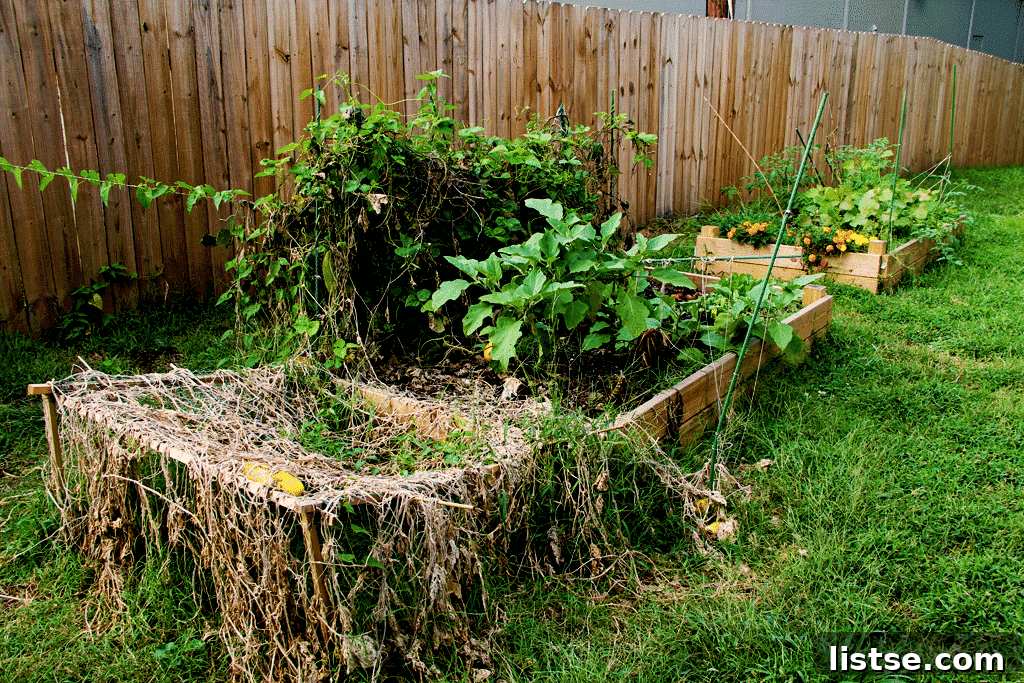
As the vibrant hues of summer began to subtly shift towards the golden glow of autumn, I found myself with a precious commodity: a little more free time. This newfound window of opportunity allowed me to finally tackle a task that had been lingering on my gardening to-do list – preparing my garden for the cooler months and a fresh round of fall crops. I admit, I was running a bit behind schedule, having allowed my garden beds to become somewhat… wild. But isn’t that part of the charm of a living space? It thrives, sometimes a little too enthusiastically!
Revitalizing the Garden Beds: A Labor of Love
The process of rejuvenation began with a couple of hours dedicated to pulling weeds and digging through the soil. There’s a quiet satisfaction in transforming a neglected space back into a pristine canvas, ready for new life. Each weed plucked, each root loosened, felt like a small victory. This hands-on connection with the earth is truly one of the most rewarding aspects of gardening. With the beds cleared and tidied, a sense of accomplishment washed over me, and the vision of lush, autumn greens began to take shape.
The Importance of Soil Health and Our Mushroom Compost Journey
My husband, ever the diligent gardener, often reminds me about the importance of soil testing. While a soil test provides invaluable insights into nutrient levels and pH, I opted to defer it for another year this time around. My decision stemmed from the fact that these very beds were generously replenished with fresh mushroom compost just this past spring. Mushroom compost, a wonderful organic amendment, is known for its rich nutrient content and ability to improve soil structure, making it an excellent choice for nurturing healthy plants.
Our experience with mushroom compost has been delightful. Beyond its benefits for plant growth, it brings a peculiar charm to the garden. After a good rain, tiny, ethereal mushrooms often pop up around the beds. I find these fleeting fungal visitors oddly endearing, a testament to the thriving microbial life within the soil. And, I must confess, there’s a certain small, satisfying ritual in gently plucking them out of the ground once they appear, maintaining the neatness of the beds while appreciating nature’s little surprises.
Fall Planting Delights: Beyond Just Lettuce
Initially, my autumn planting intentions were quite modest: a simple collection of lettuce varieties, including kale and spinach. A focused, streamlined approach, I thought. However, a trip to the local farmers market during my lunch break proved to be a delightful detour from this minimalist plan. The vibrant displays of fresh produce and healthy young starts were simply irresistible. What began as an intention to purchase only kale quickly blossomed into a more diverse collection.
My basket ended up containing a lovely assortment: lush kale, delicate bibb lettuce, vibrant red leaf lettuce, aromatic parsley, and crisp carrot seedlings. So, while my initial joke about “only lettuce” had a grain of truth, I did expand my horizons to include carrots – a root vegetable that thrives in cooler temperatures and sweetens with a touch of frost. I nearly added some brussels sprouts to the mix, but given my late start to the season, I decided to exercise a little restraint and save those for a future, better-planned endeavor. The farmers market is always a source of inspiration, and a gentle reminder that sometimes, the best plans are the ones that evolve organically.
The Joys and Economics of Homegrown Produce
One of the primary drivers behind my dedication to growing greens, especially lettuce, is our family’s undeniable love for salads. In the spring, I planted just a single row of lettuce, and we found ourselves enjoying fresh salads every few days. The reality is, we really enjoy salads and could easily incorporate them into every meal, or at the very least, every dinner. This frequent consumption led me to do some quick calculations, revealing a compelling economic incentive for home gardening.
Unbeatable Freshness and Flavor
Beyond the financial benefits, the taste of homegrown lettuce is simply unparalleled. There’s a distinct crispness, a vibrant flavor, and a succulent texture that store-bought varieties, no matter how premium, struggle to match. I make it a practice to harvest and wash our lettuce right before we’re about to eat it, ensuring the absolute freshest possible experience. This direct farm-to-table (or rather, garden-to-plate) approach means we’re enjoying greens at their peak nutritional value and flavor, elevating even the simplest salad into a gourmet experience.
Significant Cost Savings for Salad Lovers
Currently, our household spends approximately $10 per week on various lettuces from the grocery store. Over the course of a year, this adds up to over $500! Considering that my garden beds are already established and enriched with high-quality compost, my initial investment this season was a modest $20 for purchasing transplants. This minimal outlay for a potentially months-long supply of fresh greens represents an incredible return. It’s a tangible way to save money on groceries while also enjoying superior quality produce.
Looking ahead, I’m eager to become more adventurous and start growing a wider variety of vegetables directly from seeds. While transplants offer immediate gratification, growing from seed is not only significantly cheaper but also incredibly more satisfying. It fosters a deeper connection to the entire growth cycle, from a tiny seed to a flourishing plant. This shift will undoubtedly require more diligent planning and a conscious effort to overcome any lingering “laziness” on my part, but the rewards in terms of both cost savings and personal fulfillment are well worth the effort.
A Diverse Harvest for Every Palate
This autumn, I’ve chosen to cultivate a diverse range of greens that are staples in our kitchen: crisp romaine, nutrient-rich spinach, robust kale, peppery arugula, delicate bibb lettuce, and vibrant red leaf lettuce. Each variety brings its unique flavor profile and texture to our salads, offering endless culinary possibilities. Last night, I wasted no time getting some of the romaine and spinach transplants into the ground. They were on sale, a bonus, and my impatience to enjoy fresh, homegrown salads as soon as possible always wins out!
Maximizing Your Harvest: From Salads to Juices
One of the challenges of growing an abundance of greens is ensuring nothing goes to waste. Over the past year, I’ve really embraced juicing, and it’s proven to be an excellent solution for utilizing any excess lettuce or greens before they reach their prime. Juicing not only prevents waste but also provides a fantastic way to boost our daily intake of vitamins and minerals. It’s incredibly versatile – you can combine different greens with fruits for delicious and nutritious blends, making the most of every leaf grown in the garden.
Extending the Harvest: Strategies for Year-Round Gardening
My aspiration is to cultivate a garden that is not only clean and well-maintained but also continuously productive, providing fresh produce throughout the year. Achieving this goal, especially through the colder winter months, requires foresight and the implementation of specific season-extension techniques. While growing lettuce year-round might seem ambitious, it is entirely achievable with the right strategies.
The Magic of Cold Frames
To successfully grow anything during the winter, particularly in regions with freezing temperatures, investing in or building a cold frame becomes almost essential. A cold frame is essentially a bottomless box with a transparent lid, typically made of glass or clear plastic. It works by trapping solar energy, creating a microclimate that is significantly warmer than the ambient air temperature. This protective structure shields delicate plants from harsh winds, heavy frosts, and snow, effectively extending the growing season well into winter and allowing for earlier spring plantings. I’ve been researching various designs, and this simple cold frame design seems like a practical and achievable project for the coming months.
Exploring Hoop Houses and Row Covers
Another excellent, and often more cost-effective, method for season extension involves the use of hoop houses or low tunnels, also known as row covers. During my recent visit to the farmers market, I noticed vendors using these incredibly cheap hoop structures. These consist of flexible hoops (often made from PVC pipe or metal wire) bent over a garden bed and then covered with a layer of clear plastic sheeting or horticultural fabric. They function similarly to cold frames, providing protection from the elements and warming the soil, but offer more flexibility in terms of size and portability. I’m contemplating rigging something up with these versatile hoops, as they could be an ideal solution for enjoying fresh lettuce and other cool-season vegetables for an even longer duration this season.
Join the Homegrown Revolution!
The journey of growing your own food, even if it’s just a few simple greens, is incredibly rewarding. It connects you to nature, provides healthier meals, and offers a quiet sense of accomplishment. If you haven’t yet, I highly encourage you to give it a try. The taste of fresh, homegrown produce is truly a game-changer.
Have you tried growing lettuce or other vegetables at home? What are your favorite fall crops, or your best tips for extending the growing season?