
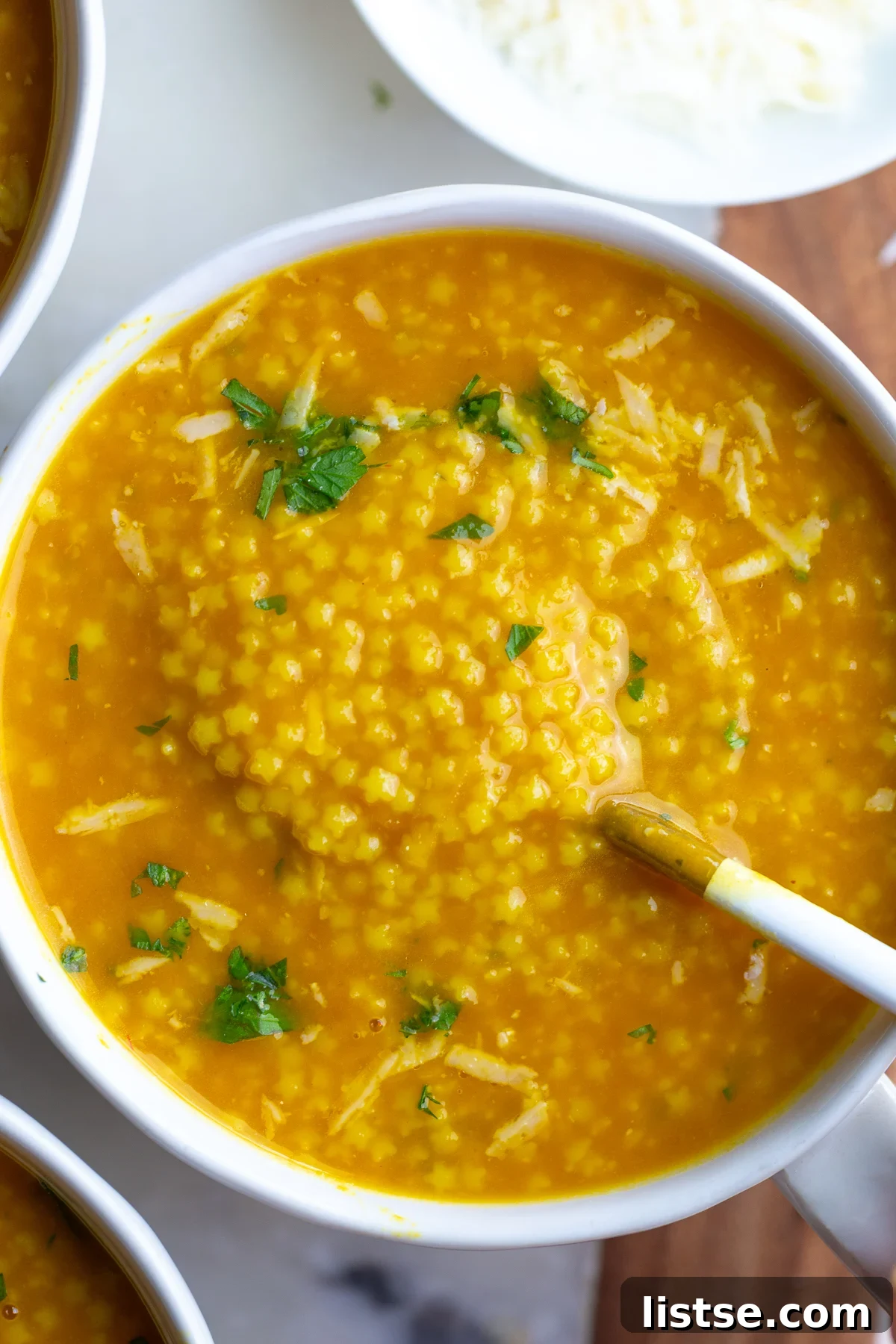
Discover the ultimate comfort food that’s more than just a meal: Italian Penicillin Soup. This beloved pastina soup, celebrated for its soothing qualities and rich flavors, features a delicate blend of lemon, fresh herbs, and a velvety, wholesome broth. It’s the perfect remedy for battling a cold, warding off the chill of a winter evening, or simply seeking a deeply nourishing and comforting dish. Naturally vegetarian, and incredibly versatile, this simple yet profound soup embodies the very essence of homemade goodness and healing comfort.
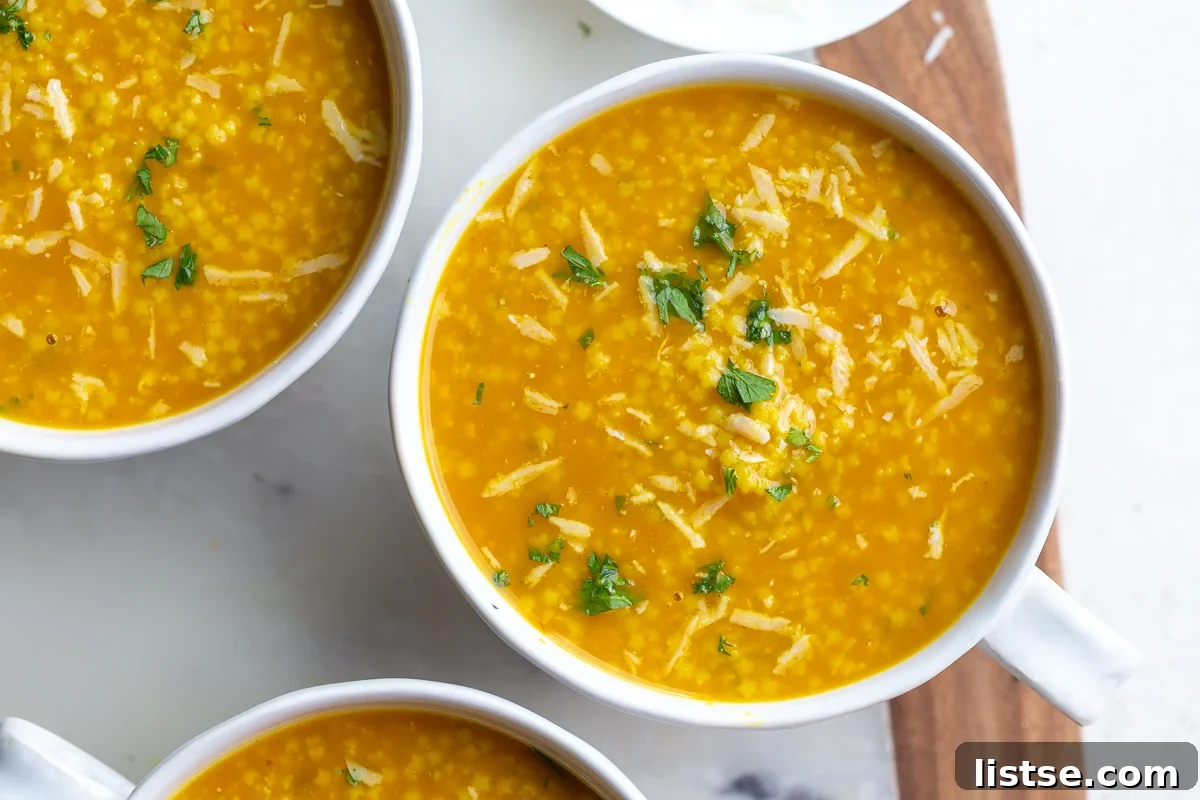
Why You’ll Fall in Love with This Healing Italian Soup!

There’s a good reason this remarkable recipe has earned the affectionate moniker Italian Penicillin. It’s not merely a soup; it’s a culinary hug in a bowl, the ultimate antidote for those days when you’re feeling under the weather or simply craving a deeply satisfying bowl of warmth. Crafted with tender, tiny pastina pasta, a luxuriously smooth, herb-infused broth, and a bright, zesty squeeze of fresh lemon, every spoonful delivers profound comfort, essential nourishment, and an incredibly satisfying experience. It’s truly a balm for both body and soul.
Imagine the comforting embrace of classic chicken noodle soup, but with an irresistible Italian flair and entirely vegetarian. This soup is effortlessly customizable, allowing you to easily add hearty white beans or vibrant greens for an extra boost of nutrition and texture. Here’s a closer look at what makes this soup an absolute favorite:
- Unrivaled Comfort: This soup is the epitome of coziness, offering a soothing, healing embrace perfect for chilly evenings, recovery from illness, or just a moment of pure culinary bliss.
- Wonderfully Vegetarian & Flexible: Designed to be vegetarian-friendly, it can also be effortlessly adapted for a vegan diet with just a couple of simple ingredient swaps, making it accessible to many.
- Simple Ingredients, Extraordinary Flavor: Utilizing humble pantry staples, this recipe magically transforms them into a dish bursting with complex, heartwarming flavors that will surprise and delight you.
- Highly Customizable: Whether you desire additional protein or more greens, this soup serves as a fantastic base. Incorporate white beans, shredded plant-based chicken, or a generous handful of spinach or kale to enhance its nutritional value and make it a complete meal.
- Quick & Approachable: Achieve this culinary masterpiece in under an hour with minimal fuss, making it an ideal choice for busy weeknights or when you need quick comfort.
Just one taste of this comforting elixir, and you’ll understand why it holds such a special reputation for healing both the body and warming the heart.
What Makes it “Italian Penicillin”?
The name “Italian Penicillin” isn’t just catchy; it speaks to the soup’s profound ability to provide comfort and promote well-being, much like a medicinal remedy. While it contains no actual antibiotics, this soup delivers a powerful dose of warmth, easily digestible nutrients, and a soothing blend of flavors that many find incredibly restorative. Its wholesome ingredients—aromatic vegetables, immunity-boosting garlic, fragrant herbs, and light pasta—work in harmony to nourish the body during times of illness or fatigue. It’s the Italian answer to chicken noodle soup, offering a vegetarian alternative that’s equally effective at chasing away the blues and soothing a weary spirit. The creamy, smooth broth, often achieved by blending a portion of the cooked vegetables, adds to its comforting appeal, making it easy on a sensitive stomach.
The Power of Simple Ingredients
The magic of Italian Penicillin Soup lies in its reliance on high-quality, uncomplicated ingredients that come together to create a symphony of flavor. Each component plays a crucial role in building the soup’s comforting profile and nutritional value. From the foundational aromatic vegetables to the bright finish of fresh lemon, every element is chosen to contribute to a dish that is both deeply satisfying and incredibly wholesome. This approach to cooking emphasizes natural flavors and fresh produce, proving that extraordinary meals don’t require an extensive list of exotic items. It’s a testament to the idea that simplicity, when done right, can be truly spectacular.
Essential Ingredients for Your Healing Soup
Creating this soulful Italian Penicillin Pastina Soup requires a selection of fresh, accessible ingredients. Each component contributes to the soup’s unique flavor profile and comforting texture. Here’s what you’ll need:
- Olive Oil: The base for sautéing our aromatic vegetables, lending a rich, Mediterranean flavor.
- Aromatic Vegetables (Soffritto):
- Onion: One medium yellow onion, diced, provides a sweet and pungent depth.
- Carrots: Three medium carrots, peeled and sliced, add natural sweetness and vibrant color.
- Celery: Three ribs of celery, diced, contribute a fresh, earthy note. This trio forms the classic soffritto, the flavorful foundation of many Italian dishes.
- Garlic: Six cloves of minced garlic are essential for its pungent aroma and well-known immune-boosting properties, giving the soup a cozy, healthful kick.
- Vegetable Broth: Eight cups of high-quality vegetable broth form the liquid backbone of the soup. Choosing a good broth significantly impacts the overall flavor.
- Fresh Herbs:
- Bay Leaves: Two bay leaves are added during simmering to infuse the broth with a subtle, earthy depth.
- Fresh Thyme: Four sprigs of fresh thyme introduce a fragrant, slightly floral note that complements the other ingredients beautifully.
- Parmesan Rind (Optional): One small Parmesan rind can be simmered in the broth to add an incredible depth of umami flavor. For a vegan version, simply omit this ingredient.
- Small Pasta: One and a half cups of pastina or a suitable substitute.
- Pastina: This tiny, star-shaped pasta is traditional in Italian comfort soups, creating a delicate texture.
- Substitutes: If pastina is hard to find, excellent alternatives include acini di pepe, ditalini, or even orzo or small shells.
- Fresh Lemon Juice: The juice of one lemon is added at the end to brighten the broth, cut through any richness, and provide a refreshing, zesty finish.
- Fresh Parsley: Half a cup of chopped fresh parsley for garnish and a burst of fresh flavor.
- Seasoning: Salt and freshly ground black pepper, to taste, are crucial for balancing and enhancing all the flavors.
- For Serving: Freshly grated Parmesan cheese is highly recommended for an extra layer of savory goodness.
- Optional Add-ins: For a heartier meal, consider adding one can of drained cannellini beans for extra protein or two cups of baby spinach or kale for added greens after cooking.
How to Make Italian Penicillin Soup: A Step-by-Step Guide
Crafting this delightful Vegetarian Italian Penicillin Soup is a straightforward and rewarding process. Follow these detailed steps to create a nourishing and comforting meal. The complete recipe with precise measurements can be found in the printable recipe card below.
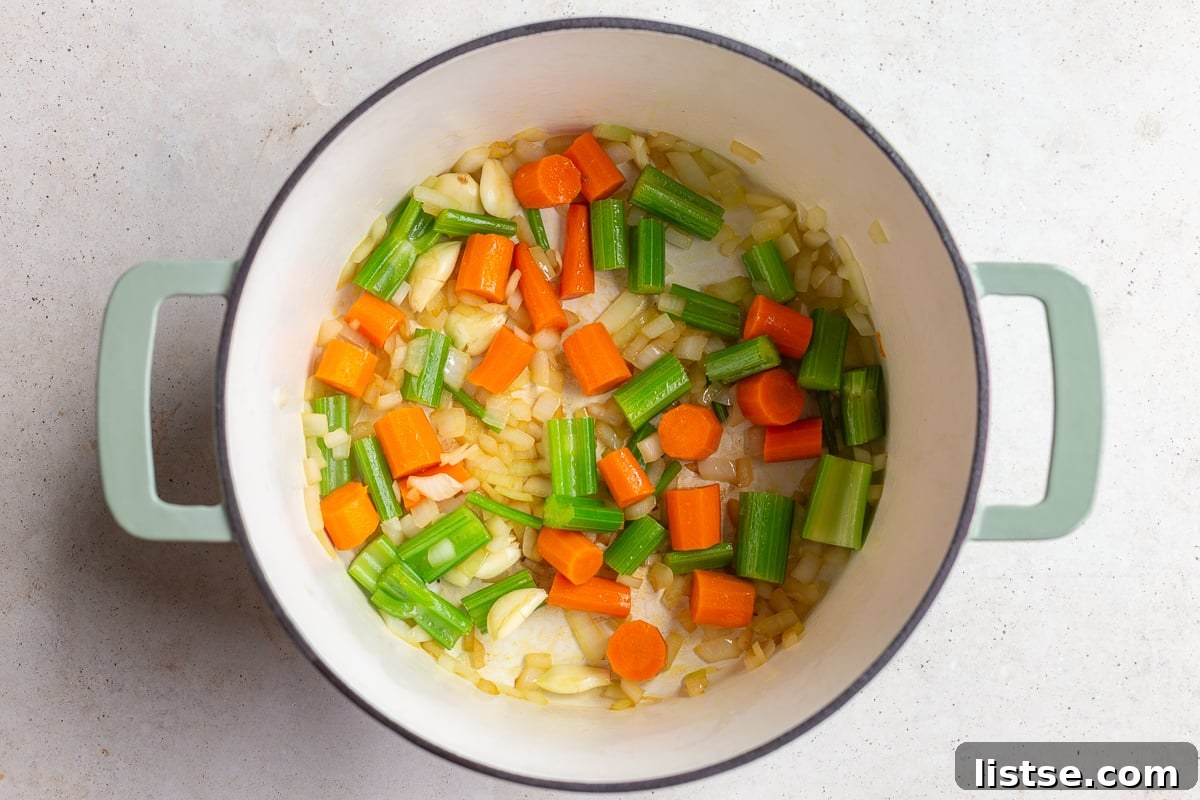
- Sauté the Aromatics: Begin by heating the olive oil in a large, heavy-bottomed soup pot or Dutch oven over medium heat. Add the diced onion, carrots, and celery to the pot. Sauté these vegetables gently, stirring occasionally, until they become soft and slightly translucent, which typically takes about 8 to 10 minutes. This slow sautéing process is crucial for building a deep flavor base. Once softened, stir in the minced garlic and cook for just 1 more minute until fragrant, being careful not to burn it.
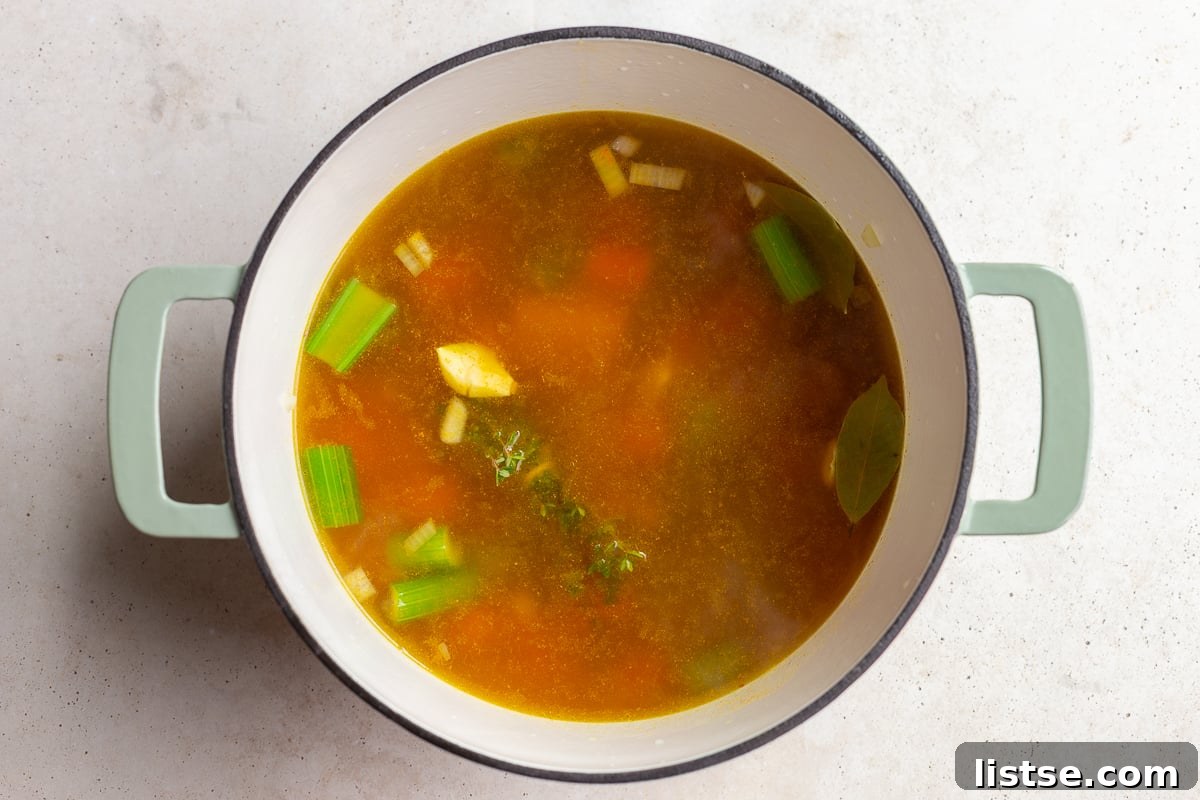
- Build the Flavorful Broth: Pour in the vegetable broth, then add the bay leaves, fresh thyme sprigs, and the Parmesan rind (if you are using it). Bring the mixture to a gentle boil, then immediately reduce the heat to a low simmer. Cover the pot and let it cook for at least 20 minutes. This simmering time allows the vegetables and herbs to fully infuse the broth with their delicious flavors, creating a rich and aromatic liquid.
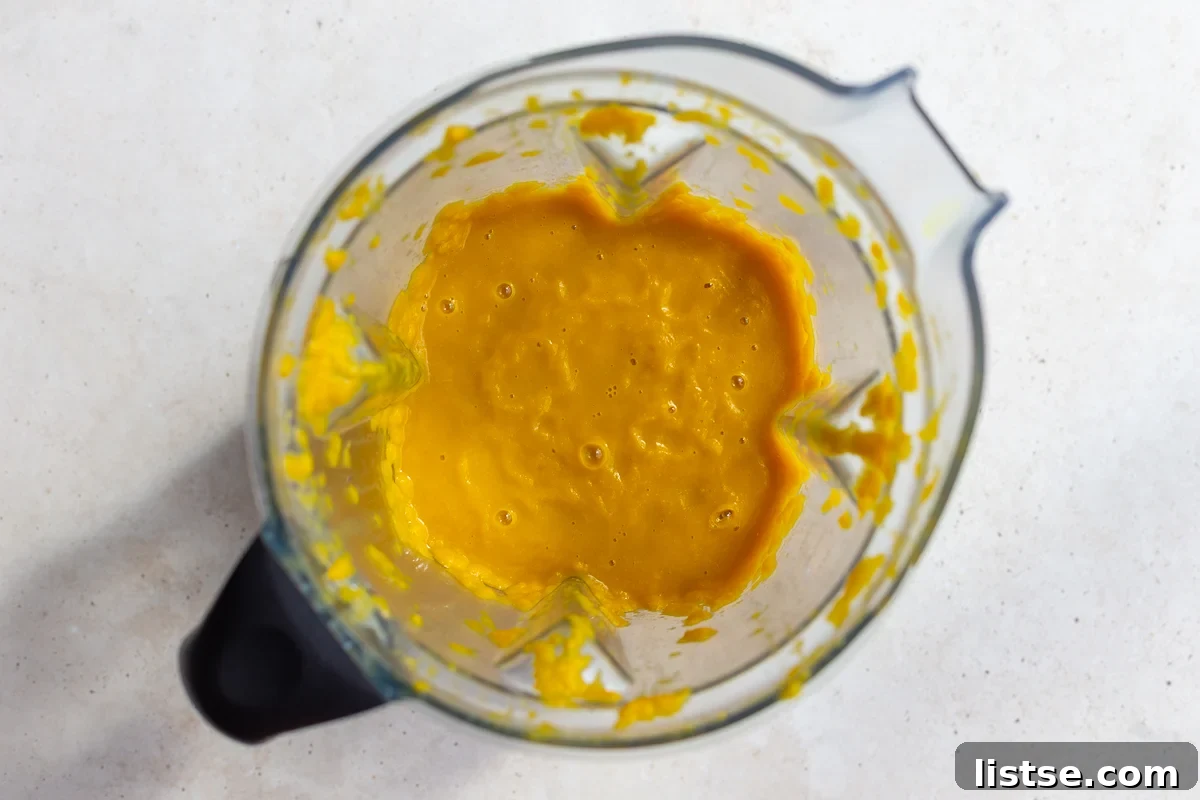
- Achieve Silky Smoothness: Carefully remove and discard the bay leaves, thyme sprigs, and Parmesan rind from the pot. For that signature silky broth, transfer about 2-3 cups of the broth along with all of the cooked vegetables to a high-speed blender. Alternatively, use an immersion blender directly in the pot, blending until the soup base is completely smooth and velvety. This step creates a rich, creamy texture without the need for actual cream. Return any blended portion from a countertop blender back to the pot.
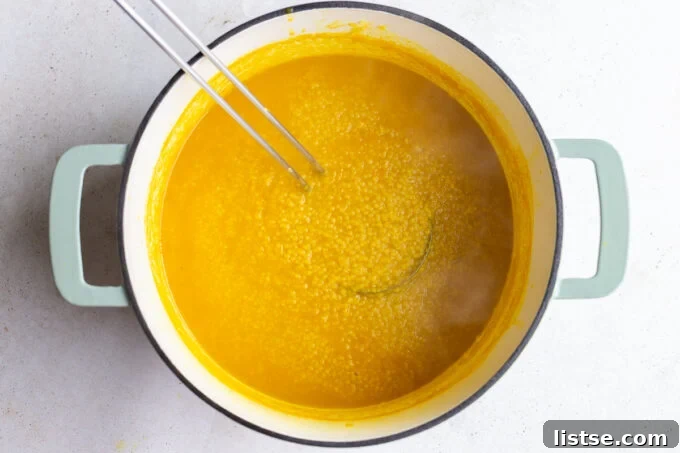
- Cook the Pasta: Bring the silky, blended broth back to a gentle simmer over medium heat. Stir in your chosen small pasta (pastina, ditalini, orzo, or small shells). Continue to simmer, stirring occasionally, until the pasta is cooked through to al dente (tender but still firm to the bite), which typically takes about 8 to 10 minutes, depending on the pasta size.
- Finish and Season: Once the pasta is cooked, remove the pot from the heat. Stir in the fresh lemon juice and chopped parsley. Taste the soup and season generously with salt and freshly ground black pepper until the flavors are perfectly balanced to your liking. Remember that flavors can deepen as the soup cools slightly, so season carefully.
- Serve Warm: Ladle the hot Italian Penicillin Soup into individual bowls. For an extra layer of indulgence and flavor, top each serving with a generous sprinkle of freshly grated Parmesan cheese. Serve immediately, perhaps alongside some warm, crusty bread for dipping.
Expert Tips for the Perfect Bowl
Elevate your Italian Penicillin Soup from good to absolutely phenomenal with these expert tips and tricks:
- Blend with Care: For the smoothest and most velvety broth, an immersion blender used directly in the pot is your best friend. If using a countertop blender, remember to blend in batches and always exercise caution when blending hot liquids, leaving the lid slightly ajar to allow steam to escape.
- Season Gradually: The flavors of soup tend to intensify as it simmers and reduces. It’s always best to season your soup gradually throughout the cooking process and make your final adjustments at the very end. This prevents over-salting and ensures a perfectly balanced taste.
- Mind the Pasta Timing: Small pasta, especially pastina, cooks very quickly. Keep a close eye on it to prevent it from becoming overcooked and mushy. Al dente is the goal for the best texture. You can also cook the pasta separately and add it to individual bowls before serving to prevent it from absorbing too much broth and softening over time, especially if you anticipate leftovers.
- Make Ahead for Convenience: The broth base of this soup is fantastic for preparing in advance. Cook and blend the broth as directed, then refrigerate it for up to 3-4 days. When you’re ready to serve, simply reheat the base and cook the pasta fresh, adding it directly to the simmering broth or to individual bowls. This ensures the pasta retains its ideal texture.
- Enhance with Serving Ideas: A simple drizzle of high-quality extra virgin olive oil over each bowl can add a luxurious richness. For those who enjoy a little heat, a sprinkle of red chili flakes can introduce a delightful kick, elevating the flavor profile even further. Freshly torn basil or a dollop of pesto can also provide an aromatic garnish.
- Broth Quality Matters: Since vegetable broth is a primary component, investing in a good quality, flavorful broth will significantly impact the final taste of your soup. Look for low-sodium options to control the saltiness yourself.
Customizing Your Soup: Variations & Add-ins
One of the beauties of Italian Penicillin Soup is its incredible adaptability. While perfect as is, it serves as an excellent canvas for various additions, allowing you to tailor it to your dietary preferences or what you have on hand:
- Add Protein:
- White Beans: Stir in a can of drained and rinsed cannellini beans (or other white beans) after the blending step for a hearty, protein-packed vegetarian option.
- Lentils: A half cup of red or green lentils can be added with the broth and simmered until tender, adding earthiness and fiber.
- Shredded Chicken (Non-Vegetarian): If not strictly vegetarian, shredded rotisserie chicken or cooked chicken breast can be added at the end for a more traditional chicken noodle soup feel.
- Boost the Greens:
- Spinach or Kale: Stir in a few handfuls of fresh baby spinach or chopped kale during the last few minutes of cooking, allowing them to wilt into the hot soup for added vitamins and color.
- Swiss Chard: Similar to kale, chopped Swiss chard can be added for a slight bitterness that beautifully complements the rich broth.
- Extra Veggies:
- Zucchini: Diced zucchini can be added along with the pasta, cooking until tender.
- Mushrooms: Sauté sliced mushrooms with the initial aromatics for an earthy depth.
- Tomatoes: A small can of diced tomatoes (drained) can be added with the broth for a subtle tangy note and extra richness.
- Herb Variations: Experiment with other fresh herbs like oregano, marjoram, or even a hint of rosemary for different aromatic profiles. Just remember that strong herbs like rosemary should be used sparingly.
- Spicy Kick: A pinch of red pepper flakes or a dash of hot sauce can be added to individual bowls for those who enjoy a bit of heat.
- Creamy Finish (Dairy): For an even richer, creamier texture (and if not strictly vegan), a splash of heavy cream or a swirl of mascarpone cheese can be stirred in just before serving.
Serving Suggestions
This Italian Penicillin Soup is wonderfully satisfying on its own, but it also pairs beautifully with a few complementary sides. Serve it with warm, crusty artisan bread or a fresh baguette, perfect for soaking up every last drop of the flavorful broth. A light side salad with a simple vinaigrette dressing can provide a refreshing contrast. For an extra touch of Italian authenticity, a sprinkle of grated Pecorino Romano cheese alongside Parmesan, or a drizzle of high-quality extra virgin olive oil, will elevate the experience.
Storage and Reheating Instructions
Proper storage is key to enjoying your Italian Penicillin Soup for days to come. The quality of the soup, particularly the pasta, can change over time, so here’s how to best preserve it:
- Fridge: Store any leftover soup in an airtight container in the refrigerator for up to 4 days. When reheating, the pasta may have absorbed a lot of the broth and become softer. To revitalize it, add a splash of extra vegetable broth or water to thin it back to your desired consistency and gently reheat on the stovetop or in the microwave until warmed through.
- Freezer: For longer storage, it’s highly recommended to freeze only the blended soup base (without the pasta). Prepare the soup up to the point of blending, then let it cool completely. Transfer the cooled broth base to freezer-safe containers or bags and freeze for up to 3 months. When you’re ready to enjoy, thaw the base in the refrigerator overnight or gently reheat from frozen on the stovetop. Bring it to a simmer, then add fresh pasta and cook until al dente just before serving. This method ensures your pasta is always perfectly textured and never mushy.
Frequently Asked Questions
The name is a playful nod to its incredible healing and comforting properties. Just as penicillin remedies physical ailments, this soup acts as a comforting balm for the soul and body, particularly when you’re feeling unwell. It’s the Italian vegetarian equivalent of chicken soup, featuring a soothing broth, delicate pastina, aromatic herbs, and bright lemon for a truly restorative experience.
Traditionally, very small pasta shapes like pastina are used, which give the soup its signature texture. However, if pastina is unavailable, excellent substitutes include orzo, ditalini, acini di pepe, or even small shells. The key is to use a pasta that is small enough to be easily spooned and eaten with the broth.
Yes, you absolutely can! However, for the best results and to prevent the pasta from becoming mushy, we highly recommend freezing only the blended soup base. Prepare the recipe through the blending step, let it cool, then freeze. When you’re ready to enjoy, thaw the base, bring it to a simmer, and cook fresh pasta just before serving.
Certainly! To make the soup heartier and boost its protein content, you can stir in a can of drained and rinsed cannellini beans (or other white beans) after the blending step. Cooked lentils are another excellent vegetarian option. If you’re not strictly vegetarian, shredded cooked chicken can also be added.
While you can technically skip the blending step and have a delicious, more rustic vegetable soup, blending a portion of the vegetables into the broth is what gives “Italian Penicillin” its unique silky, velvety texture and creamy mouthfeel. This smoothness contributes significantly to its comforting and restorative “vibe,” making it easier to digest, especially when feeling under the weather.
Italian Penicillin Pastina Soup Recipe
Italian Penicillin Pastina Soup
By Brita Britnell
Prep: 15 mins
Cook: 35 mins
Total: 50 mins
Servings: 4 servings
Print Recipe
A cozy Italian Penicillin soup made with pastina, lemon, and fresh herbs—perfect for sick days or when you need a warm, comforting meal. Each spoonful is soothing, nourishing, and guaranteed to lift your spirits.
Ingredients
- 2 tablespoons olive oil
- 1 medium yellow onion, diced
- 3 medium carrots, peeled & sliced
- 3 ribs celery, diced
- 6 cloves garlic, minced
- 8 cups vegetable broth
- 2 bay leaves
- 4 sprigs fresh thyme
- 1 small parmesan rind, optional (omit for vegan)
- 1 ½ cups pastina, ditalini, orzo, or small shells
- Juice of 1 lemon
- ½ cup fresh parsley, chopped
- Salt & freshly ground black pepper, to taste
- Freshly grated Parmesan cheese, for serving
- Optional add-ins after cooking: 1 can cannellini beans for protein or 2 cups baby spinach/kale for extra greens.
Instructions
- Sauté the base: In a large soup pot, heat olive oil over medium heat. Add onion, carrots, and celery. Cook until softened and lightly golden, about 8–10 minutes. Stir in the garlic and cook for 1 more minute until fragrant.
- Build flavor: Add vegetable broth, bay leaves, thyme sprigs, and parmesan rind (if using). Bring to a boil, then reduce to a simmer. Cover and cook for 20 minutes to deeply infuse the broth with herb and vegetable flavors.
- Blend for silkiness: Carefully remove the bay leaves, thyme sprigs, and parmesan rind from the pot. Using an immersion blender directly in the pot, or by carefully transferring to a countertop blender in batches, puree the soup base until it is completely smooth and velvety. Return to the pot.
- Cook the pasta: Bring the blended broth back to a gentle simmer over medium heat. Stir in your chosen small pasta and cook until it is al dente (tender but with a slight bite), approximately 8–10 minutes, or according to package directions.
- Finish: Remove the pot from the heat. Stir in the fresh lemon juice and chopped parsley. Taste the soup and season generously with salt and black pepper to achieve the perfect balance of flavors.
- Serve: Ladle the hot soup into bowls. Top with freshly grated Parmesan cheese and serve immediately, ideally with warm crusty bread.
Notes
- Fridge: Store leftover soup in an airtight container in the refrigerator for up to 4 days. When reheating, the pasta may have absorbed much of the broth; simply add a splash of fresh broth to restore its consistency.
- Freezer: For optimal freshness, freeze only the blended soup base without the pasta. It can be stored in an airtight, freezer-safe container for up to 3 months. Thaw, reheat, and then cook fresh pasta just before serving.
Nutrition
Calories: 351kcal, Carbohydrates: 62g, Protein: 9g, Fat: 8g, Saturated Fat: 1g, Polyunsaturated Fat: 1g, Monounsaturated Fat: 5g, Sodium: 1920mg, Potassium: 260mg, Fiber: 5g, Sugar: 10g, Vitamin A: 9341IU, Vitamin C: 18mg, Calcium: 46mg, Iron: 3mg
Nutrition information is automatically calculated and should only be used as an approximation.
Tried this recipe?
Mention @foodwithfeeling or tag #foodwithfeeling!
Conclusion: Embrace the Comfort of Italian Penicillin Soup
In a world full of complex recipes, the Italian Penicillin Soup stands out as a beacon of simple, wholesome comfort. Its power lies not just in its delicious flavor, but in its ability to soothe, nourish, and bring a sense of well-being with every spoonful. Whether you’re seeking a gentle remedy for a cold, a warm embrace on a chilly night, or simply a deeply satisfying meal, this pastina soup delivers. Easy to make, incredibly versatile, and profoundly comforting, it’s a testament to the timeless appeal of classic Italian home cooking. We invite you to experience the healing magic of this beloved soup and make it a cherished staple in your own kitchen.