
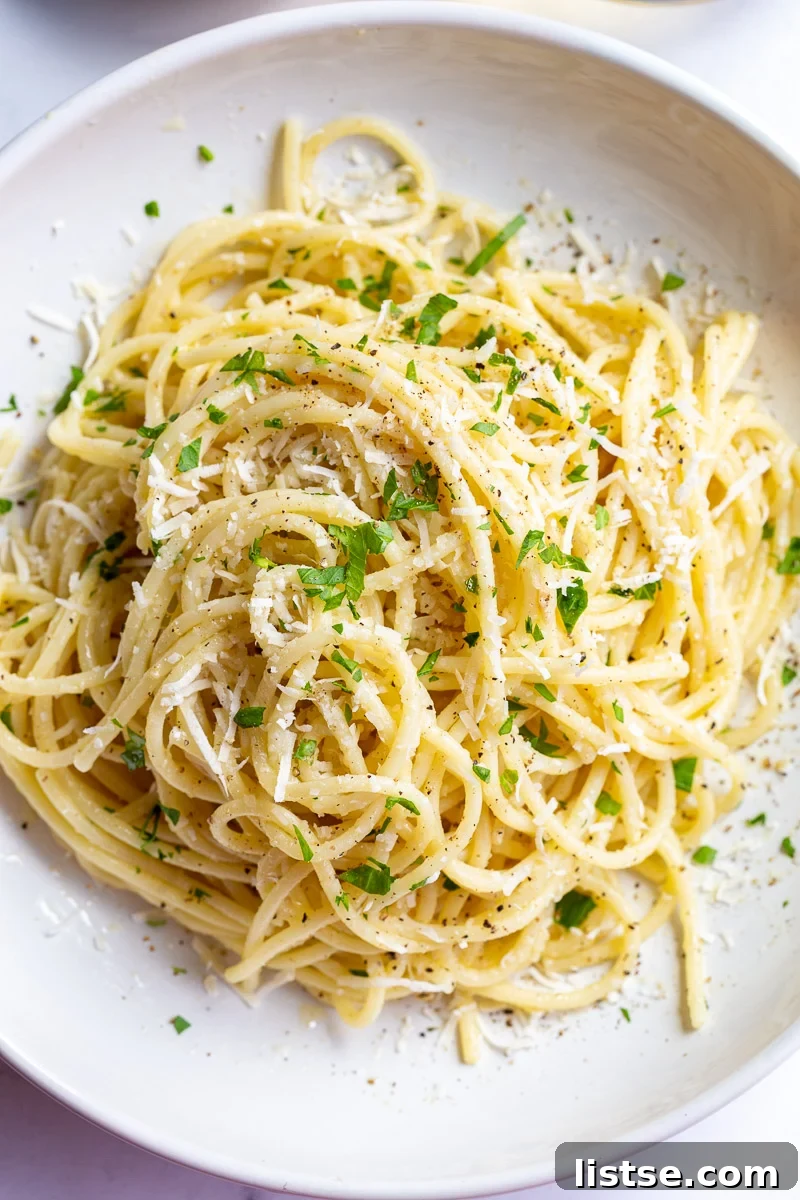
Welcome to the ultimate guide for crafting the most delightful White Wine Pasta Sauce! This incredibly easy recipe transforms simple ingredients into a gourmet experience in mere minutes. Imagine a light, intensely flavorful, and utterly irresistible sauce coating your favorite pasta – all ready to grace your table in just 15 minutes! Perfect for busy weeknights or impressing guests, this recipe is a true culinary gem you’ll want to keep on rotation.
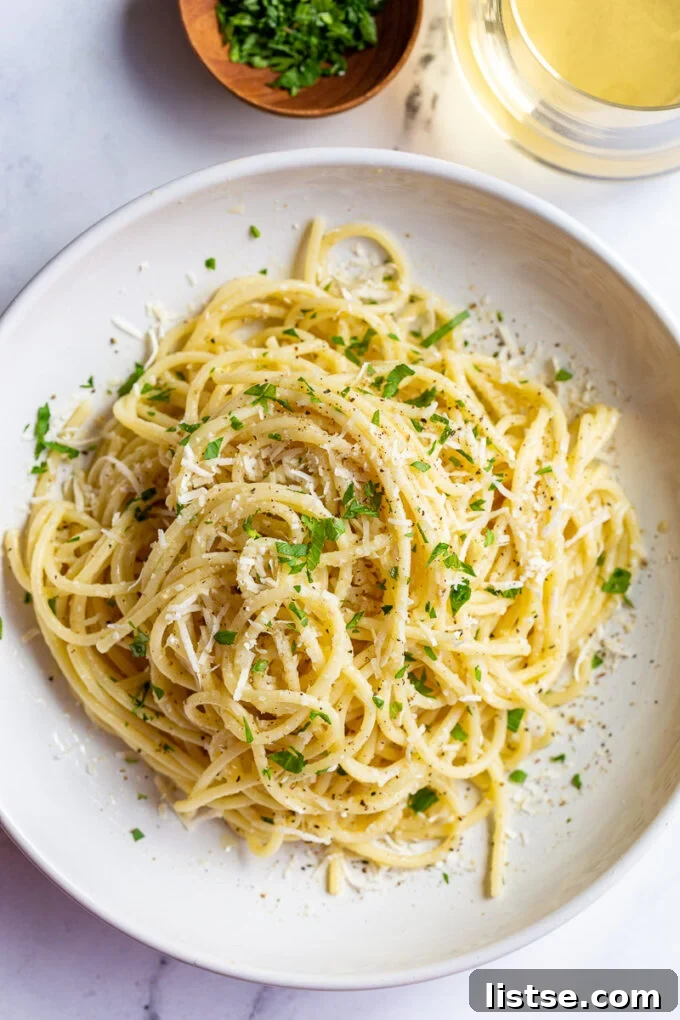
If you’re constantly seeking a quick and effortless dinner that pleases the whole family, look no further. This white wine sauce, lovingly tossed with pasta, is your culinary savior. It strikes the perfect balance: straightforward enough for a casual Monday dinner, yet sophisticated and rich in flavor to serve when entertaining friends. This isn’t just another recipe; it’s a trusty secret weapon for those moments when dinner inspiration wanes, promising a delicious, elegant meal on the table in a flash. Forget complicated dishes; embrace the simplicity and deliciousness of this quick pasta sauce.
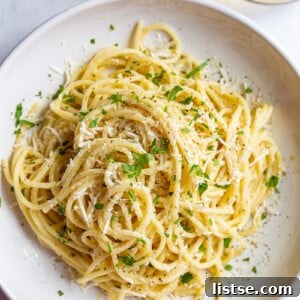
Beyond its incredible taste, the speed with which this sauce comes together is truly its superpower. In approximately 15 minutes, you can achieve a restaurant-quality dish that will have everyone clamoring for seconds. A generous sprinkle of freshly grated Parmesan cheese is the crowning glory, elevating every bite. Let’s dive into the details and discover how to master this essential easy white wine pasta sauce.
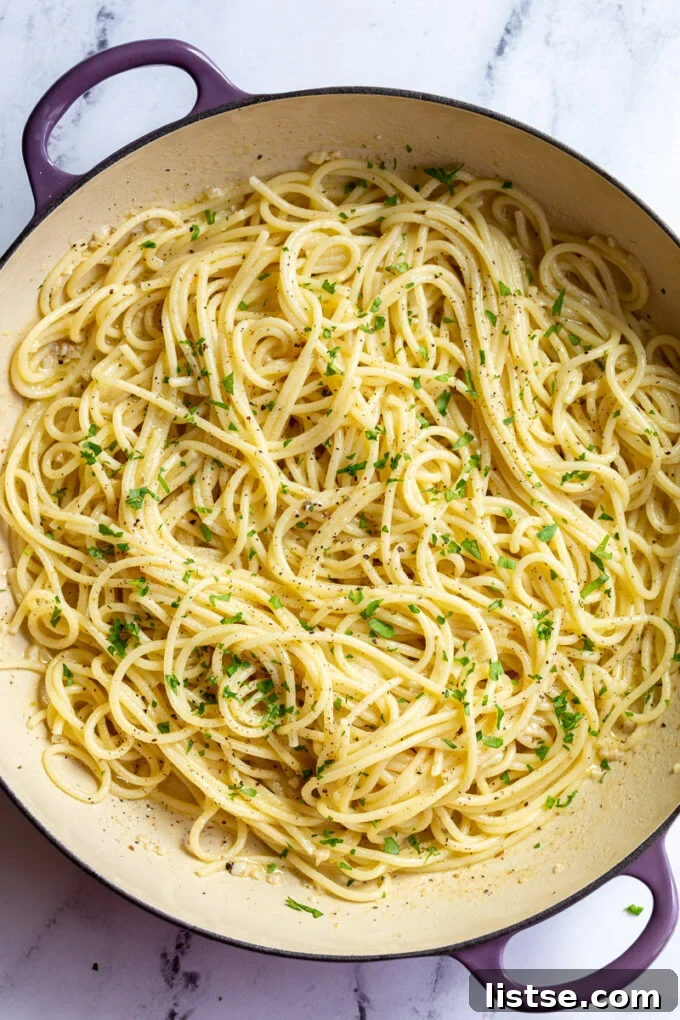
Essential Ingredients for the Best White Wine Pasta Sauce
Creating this exquisite simple white wine sauce requires no obscure or exotic items. The magic lies in using a few good-quality, basic ingredients that come together harmoniously. Here’s a closer look at the stars of this show:
- Olive Oil: The foundation of our sauce, olive oil contributes a lovely earthy depth and is crucial for gently sautéing the garlic without burning it. Opt for a good extra virgin olive oil for the best flavor.
- Fresh Garlic: An indispensable flavor component in any savory sauce, especially a white wine sauce. Using fresh garlic and mincing it yourself makes a noticeable difference in aroma and taste compared to pre-minced varieties. Its pungent notes mellow beautifully when cooked, infusing the oil with its irresistible fragrance.
- Dry White Wine: The namesake ingredient and the heart of this pasta sauce. A dry white wine adds acidity, complexity, and a delicate fruitiness that brightens the entire dish. Sauvignon Blanc is an excellent choice for its crispness, but Pinot Grigio, Sancerre, or even an unoaked Chardonnay would also work wonderfully. Crucially, avoid anything sweet like a Riesling or Moscato, as their sugar content would alter the savory profile of the sauce. Choose a wine you enjoy drinking!
- Unsalted Butter: Butter is key to creating a rich, luscious, and creamy texture without adding actual cream. When whisked in slowly, it emulsifies with the wine and garlic, creating a silky smooth sauce. Using unsalted butter allows you to control the seasoning precisely.
- Parmesan Cheese: Freshly grated Parmesan cheese brings a salty, nutty, umami dimension that truly ties the sauce together. It melts beautifully into the hot sauce, enhancing its richness and texture. For dietary preferences, a high-quality non-dairy Parmesan alternative or nutritional yeast can be used, though the flavor profile will vary slightly.
- Salt and Freshly Ground Black Pepper: Essential for seasoning to taste. A pinch of sea salt and a few grinds of black pepper enhance all the other flavors.
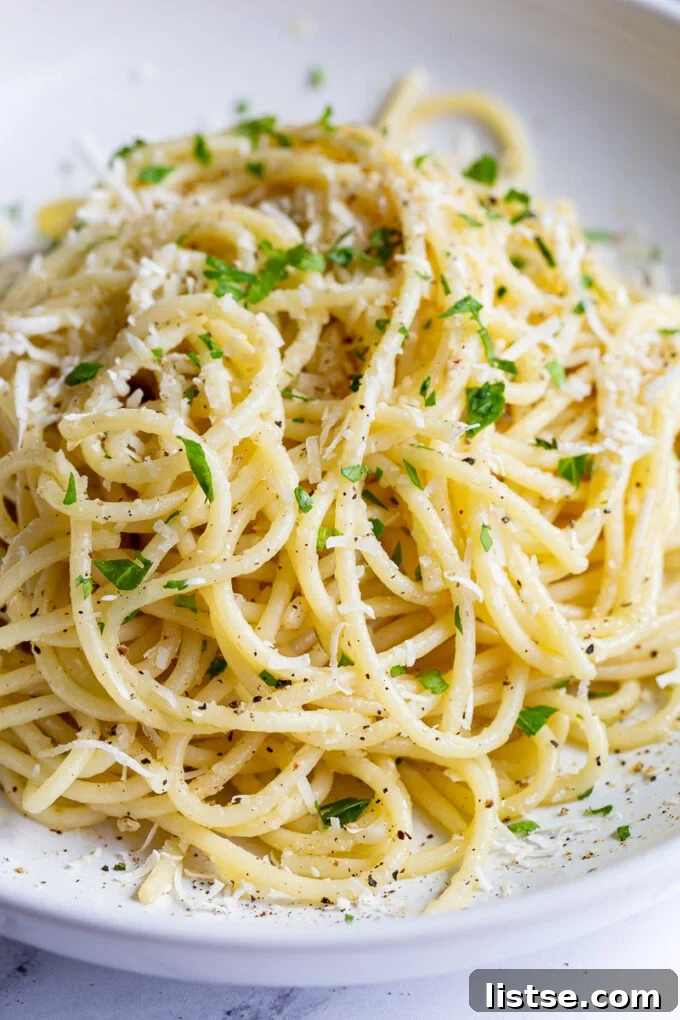
Mastering Your Homemade White Wine Pasta Sauce: A Step-by-Step Guide
This garlic butter wine sauce recipe is not only bursting with flavor but also incredibly straightforward to prepare. It comes together in just a few simple steps, making it an ideal choice for any home cook. While we provide a detailed rundown here, remember to consult the full recipe card at the end of this post for precise measurements and additional tips. For best results, have all your ingredients prepped and ready before you begin cooking (this is called “mise en place”).
- Begin with Pasta: Start by cooking your favorite pasta according to package directions. You’ll want it al dente, and reserving some of the starchy pasta water will be beneficial later on if you need to adjust the sauce’s consistency. This also ensures your pasta and sauce are ready around the same time for immediate tossing.
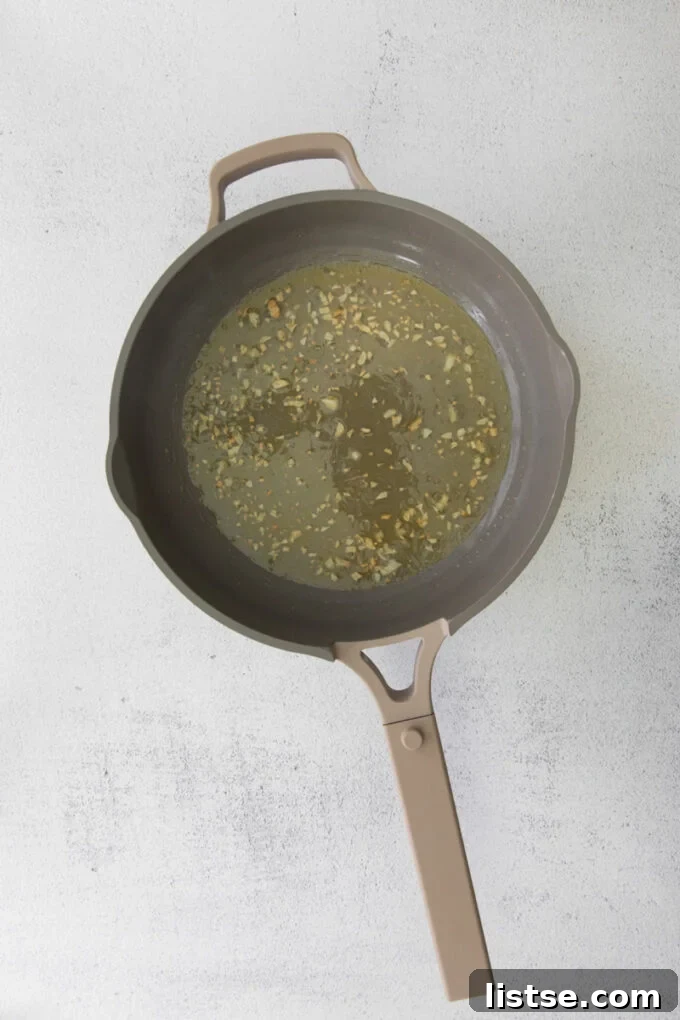
- Infuse the Oil with Garlic: In a cold skillet, combine the olive oil and minced garlic. Placing the garlic in a cold pan and gradually heating it allows the garlic to slowly infuse the oil with its flavor without burning, preventing any bitterness. Cook over medium-low heat for about 2 minutes, or until the garlic becomes fragrant and lightly golden. Be careful not to let it brown too much.
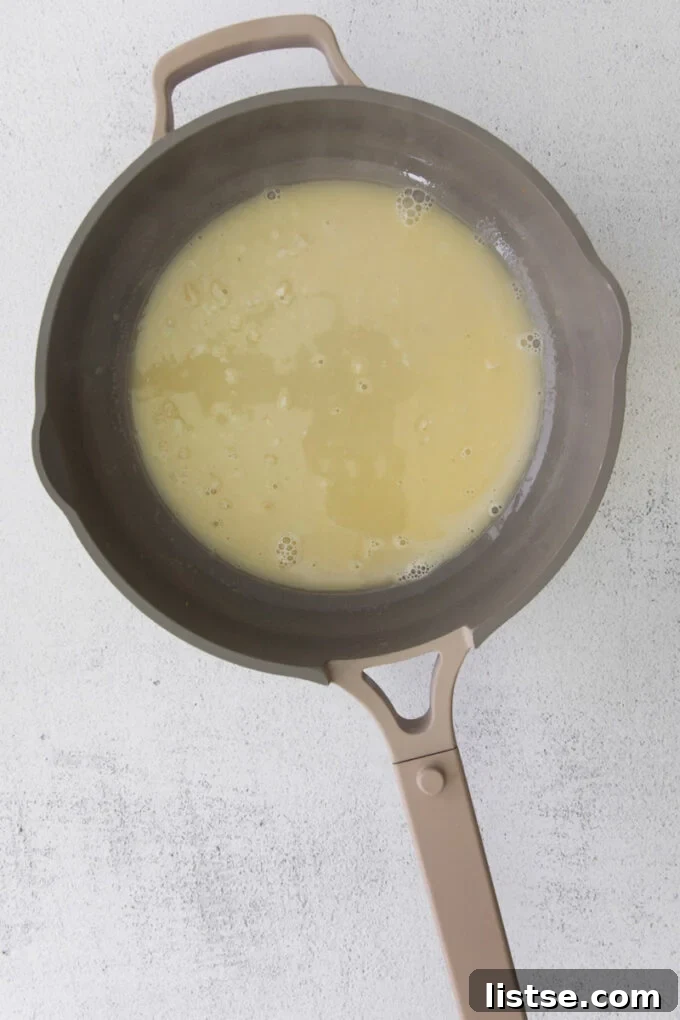
- Deglaze with White Wine: Slowly pour the dry white wine into the skillet. There might be a slight sizzle as the wine hits the hot pan, which is normal. Immediately begin to whisk the mixture. This step is crucial for deglazing the pan, lifting any flavorful browned bits from the bottom and incorporating them into the sauce. Allow the wine to simmer for 2-3 minutes, reducing slightly and allowing the alcohol to cook off, leaving behind its wonderful essence.
- Emulsify with Butter: With the skillet still over medium-low heat, add the unsalted butter, one tablespoon at a time. Whisk continuously after each addition until the butter is fully melted and incorporated into the sauce. This slow addition and constant whisking are vital for creating a smooth, emulsified sauce that is rich and glossy, preventing it from separating or “breaking.”
- Finish with Parmesan and Seasoning: Once all the butter is smoothly incorporated, stir in the freshly grated Parmesan cheese. Continue to whisk gently until the cheese has melted and blended into the sauce, making it even more velvety. Season generously with salt and freshly ground black pepper to taste. Continue to cook for an additional 1-2 minutes, stirring, until the sauce has thickened to your desired consistency. If the sauce becomes too thick, you can add a splash of the reserved pasta water to loosen it.
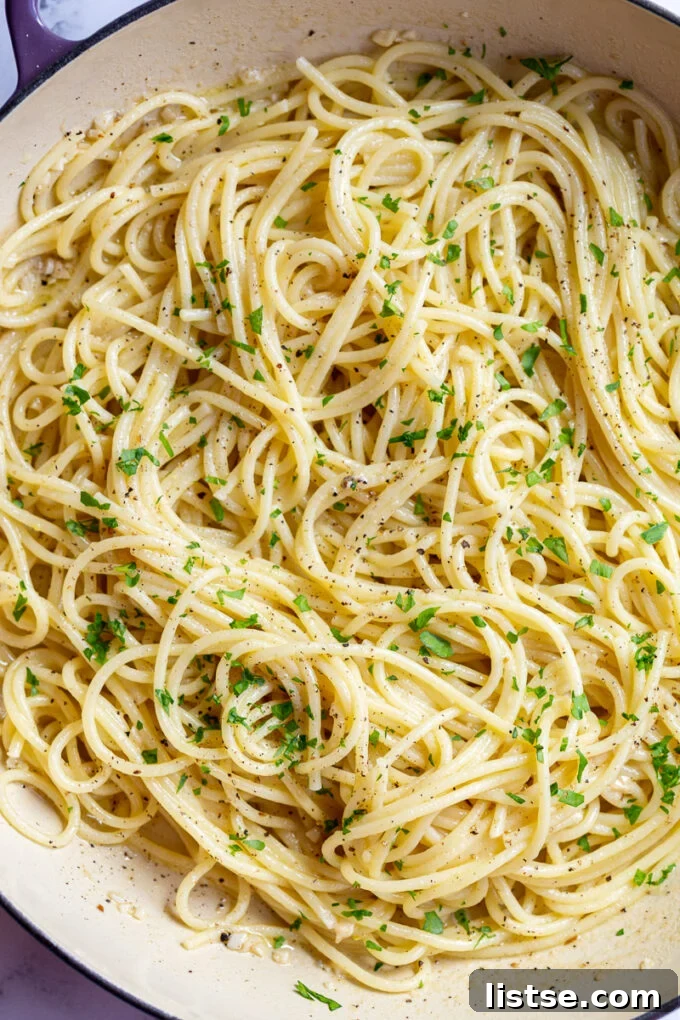
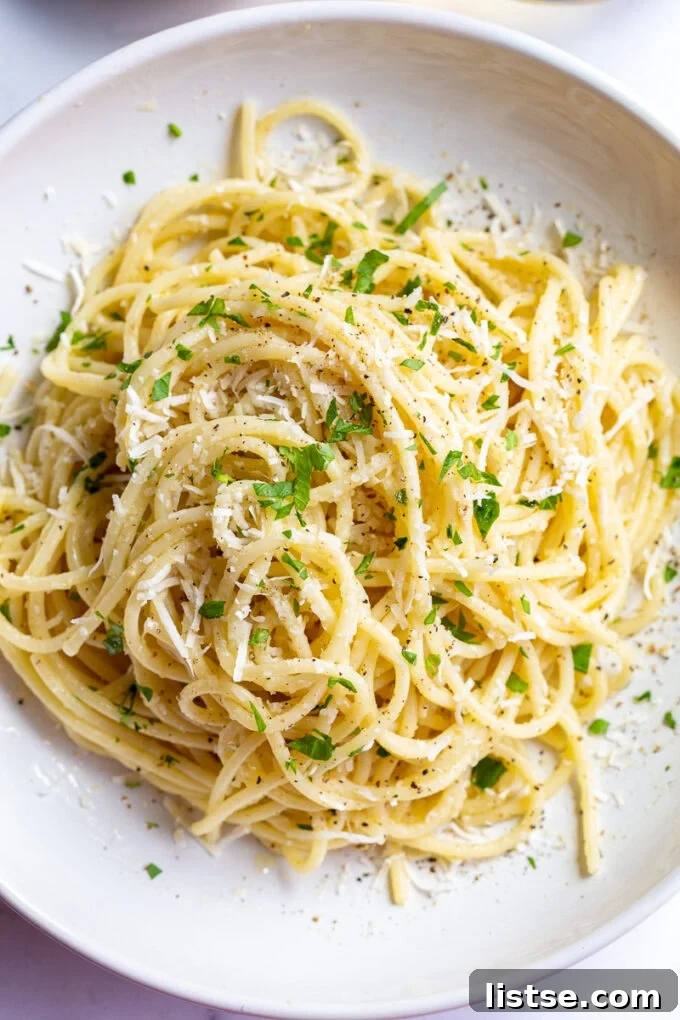
- Serve Immediately: Once your pasta is cooked and drained (or scooped directly from the pasta water), add it to the skillet with the white wine sauce. Toss vigorously to ensure every strand of pasta is beautifully coated. Serve immediately, garnishing with fresh parsley or basil if desired, and a final sprinkle of Parmesan. Enjoy this exquisite pasta with white wine sauce!
Creative Flavor Variations & Recipe Enhancements for Your White Wine Pasta
While this White Wine Pasta Sauce is absolutely divine in its classic form, it also serves as an excellent canvas for customization. Feel free to experiment and tailor it to your family’s preferences or whatever ingredients you have on hand. Here are some delicious ideas to get you started:
- Seafood or Tofu Delight: For a more substantial meal, especially pairing with seafood like shrimp, scallops, or flaky white fish, and also with pan-seared tofu, introduce lemon and capers. Add 1 tablespoon of drained capers to the cold skillet with the olive oil and garlic in step 2. Then, stir in 2 tablespoons of fresh lemon juice along with the Parmesan cheese in step 5. The bright, briny notes are a perfect complement.
- A Kick of Spice: If you enjoy a touch of heat, add red pepper flakes or a spoonful of Calabrian chili paste to taste. Stir them in during step 5, with the Parmesan, allowing the spice to bloom in the warm sauce.
- Cacio e Pepe Inspired Twist: For an easier, lighter take on the Roman classic Cacio e Pepe, incorporate a generous amount of freshly ground black pepper. Add 2 teaspoons of coarse ground black pepper to the skillet with the garlic and olive oil in step 2. This allows the pepper’s flavor to truly meld with the sauce as it cooks.
- Aromatic Fresh Herbs: Elevate the herb profile by adding fresh thyme, rosemary, or sage during step 2 with the garlic. These heartier herbs will release their essential oils as they cook. For a fresh finish, stir in chopped fresh parsley or basil right before serving, or sprinkle them on top as a vibrant garnish.
- Vegetable Boost: To add more nutrients and texture, sauté finely diced shallots with the garlic, or stir in blanched asparagus tips, cherry tomatoes, or spinach during the final minutes of cooking the sauce.
- Creamier Texture: For those who prefer a richer, slightly creamier sauce without adding heavy cream, a tablespoon or two of cream cheese or mascarpone can be whisked in along with the Parmesan.
- Mushroom Magic: Sauté sliced mushrooms (cremini, shiitake, or even wild mushrooms) in a separate pan with a touch of olive oil until golden brown. Add them to the white wine sauce just before tossing with pasta for an earthy, umami-rich variation.
Storing and Reheating Your White Wine Pasta Sauce
This White Wine Pasta Sauce is best enjoyed fresh, but leftovers are certainly delicious and can be stored for later enjoyment. Proper storage ensures maximum flavor and food safety.
Transfer any leftover sauce (or pasta tossed with sauce) into an airtight container or a glass jar. Store it in the refrigerator, where it will keep well for up to 5-7 days. When ready to enjoy, if serving with freshly cooked warm pasta, simply stir the chilled sauce into the warm pasta; the residual heat will gently warm the sauce through. If reheating the sauce on its own or with leftover pasta, you have a couple of options:
- Microwave: Place the sauce (or pasta) in a microwave-safe dish, cover loosely, and reheat in 30-second intervals, stirring in between, until heated through. You may want to add a tiny splash of water or broth to help loosen it if it appears too thick.
- Stovetop: Transfer the sauce (or pasta) to a small saucepan or skillet. Reheat over medium-low heat, stirring frequently, until warmed through. Again, if the sauce has thickened, a tablespoon or two of water, vegetable broth, or even a little extra white wine can help bring it back to the desired consistency. Avoid high heat, as this can cause the butter and cheese in the sauce to separate.
Keep in mind that sauces with cheese can sometimes become thicker upon cooling. Don’t hesitate to adjust with a little liquid when reheating to restore its silky texture.
Serving Suggestions for Your Perfect White Wine Pasta
This versatile white wine pasta is fantastic on its own, but you can easily turn it into a complete and balanced meal with a few simple additions:
- Side Salad: A crisp green salad with a light vinaigrette is the perfect accompaniment. Its freshness cuts through the richness of the pasta sauce beautifully.
- Crusty Bread: Don’t let a single drop of this delicious sauce go to waste! Serve with warm, crusty bread or garlic bread to mop up every last bit from your plate.
- Roasted Vegetables: Pair with roasted asparagus, broccoli, or cherry tomatoes for added nutrition and vibrant colors.
- Protein Boost: Easily incorporate grilled chicken, pan-seared shrimp, baked salmon, or even cannellini beans for a heartier meal. Add cooked proteins to the sauce during the last minute of simmering or toss them in with the pasta.
Frequently Asked Questions About White Wine Pasta Sauce
Here are answers to some common questions about making and enjoying this delicious white wine pasta sauce:
- What is the best white wine for pasta sauce?
A dry white wine is ideal. Sauvignon Blanc, Pinot Grigio, Sancerre, and unoaked Chardonnay are excellent choices. Their crisp acidity and subtle fruit notes enhance the sauce without making it sweet. Always avoid sweet wines like Riesling or Moscato. - Can I make this white wine pasta sauce without wine?
Yes, you can! If you prefer to avoid alcohol, you can substitute the white wine with an equal amount of good quality vegetable broth or chicken broth. A splash of lemon juice or white wine vinegar can be added for a touch of acidity to mimic the wine’s brightness. - How can I make the sauce thicker?
The sauce naturally thickens as it reduces and emulsifies with butter and Parmesan. If you desire an even thicker sauce, you can let it simmer for an extra minute or two, stirring constantly. Alternatively, you can whisk in a tablespoon of reserved starchy pasta water at the end, which helps bind the sauce, or add a very small amount of cornstarch slurry (1 tsp cornstarch mixed with 1 tsp cold water) and simmer until thickened. - What kind of pasta works best with this sauce?
This versatile sauce pairs well with almost any pasta shape! Long strands like spaghetti, linguine, or fettuccine are classic choices, as they get beautifully coated in the sauce. Shorter shapes like penne, rotini, or farfalle also work wonderfully, especially if you’re adding other ingredients like vegetables or proteins. - Is this white wine pasta sauce spicy?
As written, the recipe is not spicy. However, it’s very easy to add a kick! Simply incorporate red pepper flakes or Calabrian chili paste along with the Parmesan cheese in step 5, adjusting the amount to your preferred level of heat. - Can I make this recipe vegan?
Absolutely! To make this recipe vegan, use a plant-based butter alternative and either a non-dairy Parmesan cheese substitute or nutritional yeast to achieve a similar cheesy, umami flavor. Ensure your chosen white wine is vegan-friendly (some wines use animal products in fining processes). - Why did my sauce break/separate?
Sauce separation often occurs if the butter is added too quickly or if the sauce is heated too high after the butter is incorporated. The key is to add the butter slowly, one tablespoon at a time, while continuously whisking over medium-low heat, allowing it to emulsify properly. If it separates, sometimes whisking in a very small amount of cold water or cream can help bring it back together.
More Quick & Easy Dinner Recipes to Discover
If you’ve fallen in love with this simple yet sophisticated white wine pasta sauce and are eager for more quick and easy dinner solutions, we’ve got you covered! Here are some of our other favorite effortless recipes that are perfect for any night of the week:
- Sesame Ginger Tempeh Stir Fry
- Vegetarian Fajitas
- Easy Chickpea Gyro
- Crockpot Potato Soup
We absolutely love hearing from you! PLEASE let us know if you make this incredible white wine pasta sauce recipe and how much you enjoyed it. You can come back here and leave a comment below, or better yet, tag us on Instagram (@foodwithfeeling). Your feedback truly makes our day!
White Wine Pasta Sauce
Pin
Ingredients
- ½ pound pasta of choice
- 1 tablespoon olive oil
- 2 cloves garlic, minced
- ½ cup dry white wine
- 4 tablespoons butter
- ¼ cup parmesan cheese, optional
Instructions
-
Cook pasta according to package directions.1/2 pound pasta of choice
-
Add the olive oil and garlic to a cold skillet. Then, place the skillet over medium-low heat and cook for 2 minutes, or just until the garlic is fragrant.1 tablespoon olive oil, 2 cloves garlic
-
Slowly add the white wine to the pan and whisk to combine— it may pop a bit at first!½ cup dry white wine
-
With the pan still over medium-low heat, add one tablespoon of butter and whisk until the butter has been fully incorporated. Repeat adding one tablespoon of butter and whisking until all of the butter has melted smoothly.4 tablespoons butter
-
Add the parmesan cheese. Season with salt and pepper to taste. Cook for an additional 2 minutes, or until the sauce has thickened to your desired consistency.¼ cup parmesan cheese
-
Toss with pasta, serve immediately and enjoy.
Notes
Nutrition
Nutrition information is automatically calculated, so should only be used as an approximation.