
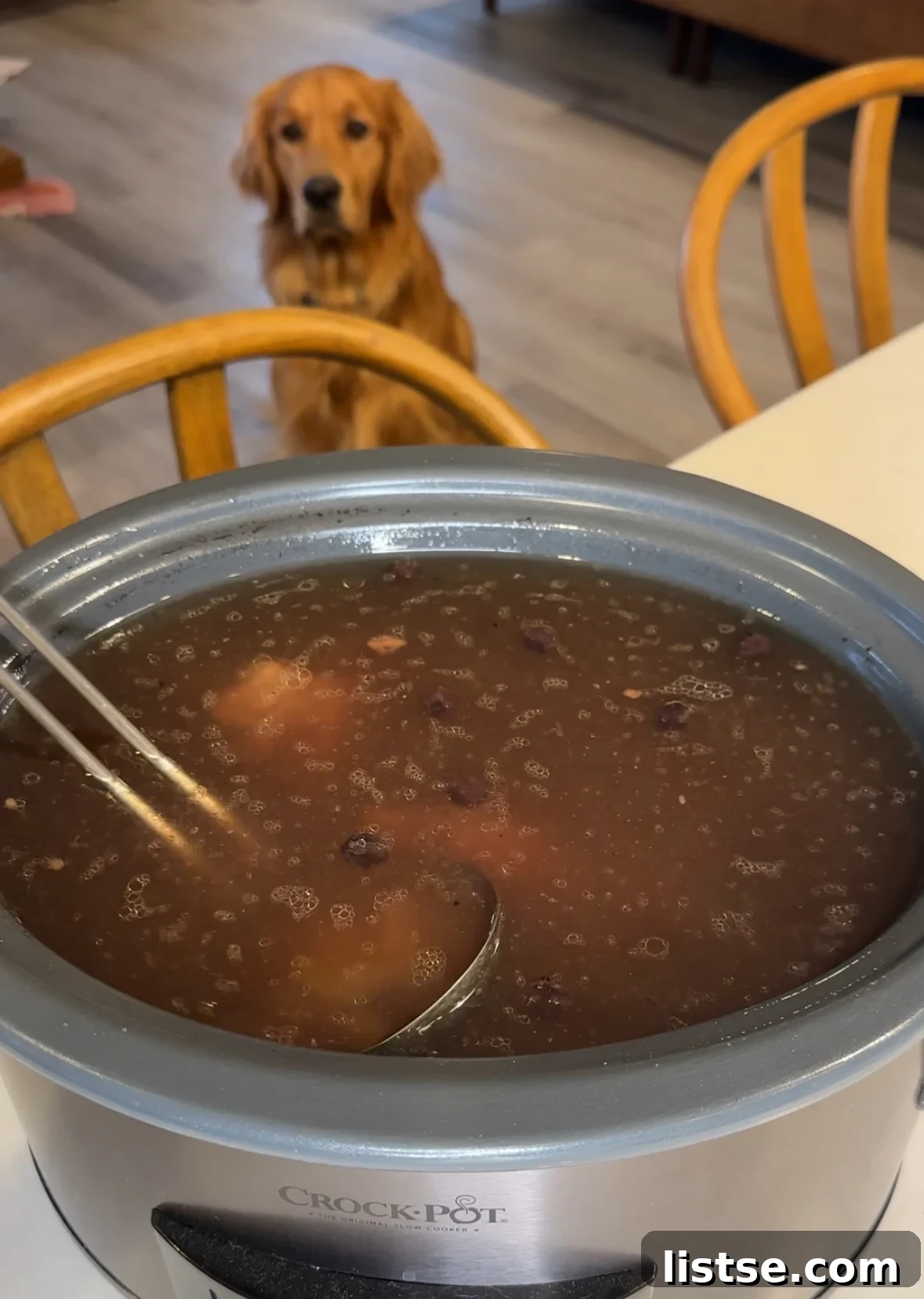
Unlock a world of nutrition and flavor for your beloved canine companion with this simple, budget-friendly guide to making homemade Bone Broth for Dogs. Your furry family member will not only adore the rich taste but also thrive on the incredible health benefits it offers. This easy recipe provides a fantastic way to enhance their diet with essential nutrients, eliminating the need to spend a fortune on specialized raw diets or expensive store-bought supplements.
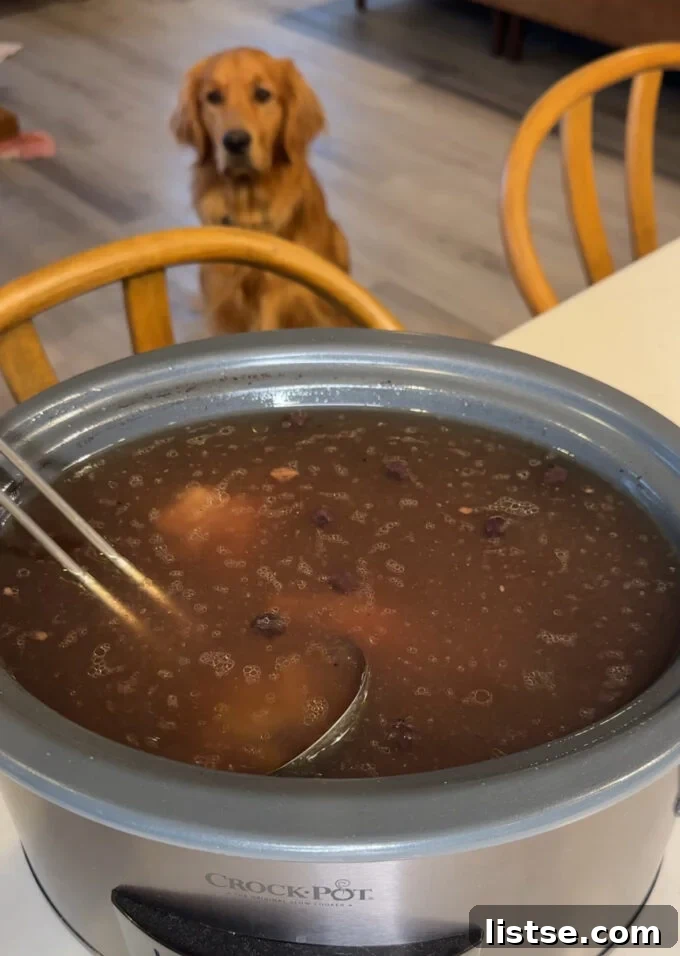
Preparing bone broth for dogs at home is more than just cooking; it’s an act of love that directly translates into improved pet health. By combining a thoughtful selection of dog-safe vegetables, fruits, and high-quality bones, you can create a superfood powerhouse right in your slow cooker. This method is incredibly convenient, ensuring a nutrient-dense broth packed with essential vitamins, minerals, antioxidants, and vital collagen. It’s a wholesome addition to any dog’s diet, supporting everything from joint health to a shiny coat.
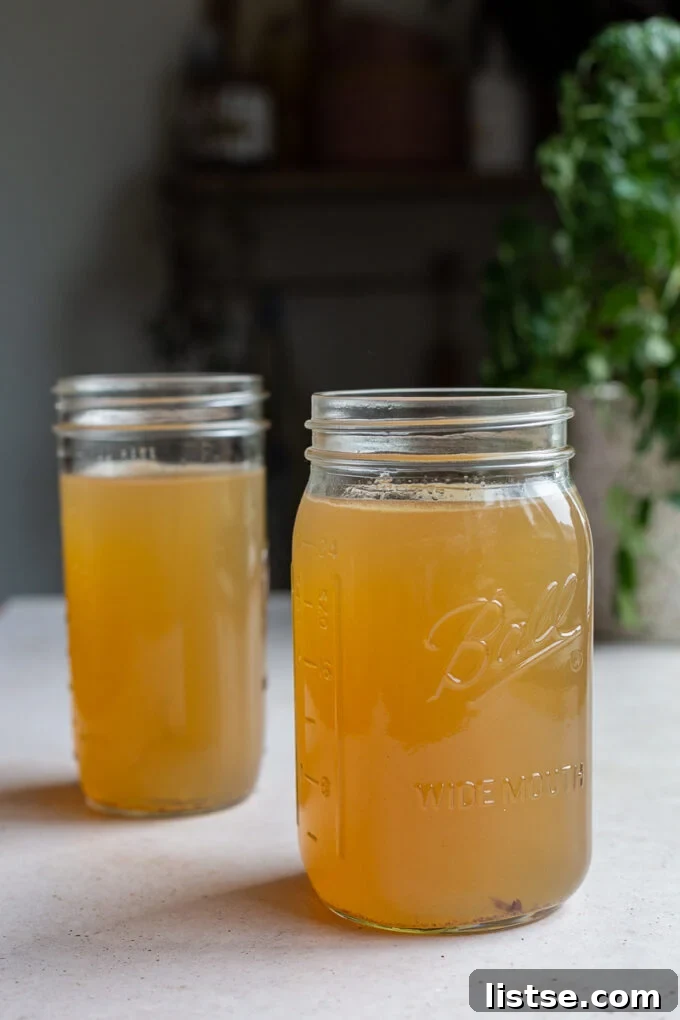
We’ve personally seen the joy bone broth brings to our dog, Bosco. He absolutely adores it! We typically keep a fresh container in the fridge for daily use and freeze the rest in convenient portions for the entire month. Whether drizzled over his regular kibble or offered as a standalone refreshing drink, bone broth is always a hit. It’s an excellent way to boost hydration and add an enticing flavor that even the pickiest eaters can’t resist.
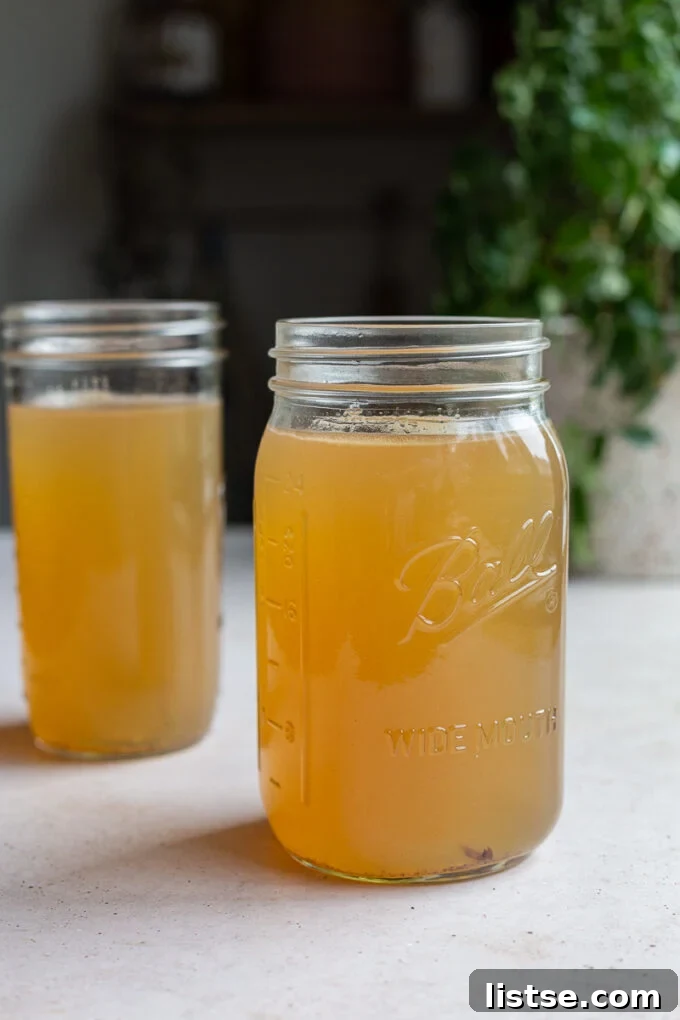
Continue reading to discover the effortless process of making this nourishing bone broth for your dog. We’ll walk you through clear, easy-to-follow instructions, share valuable tips, and answer all your frequently asked questions to ensure your success in preparing this canine delicacy.
Looking for more dog-friendly culinary adventures? Don’t miss out on these popular recipes: treat your pup to a delightful homemade dog ice cream, perfect for hot days. Celebrate autumn with our healthy pumpkin dog treats, or bake a special dog birthday cake to honor your furry friend’s big day!
The Unbeatable Benefits of Homemade Bone Broth for Your Dog
Homemade bone broth is more than just a tasty treat; it’s a nutritional powerhouse that can significantly enhance your dog’s overall health and well-being. By slow-cooking bones, you extract a wealth of beneficial compounds that support various bodily functions.
- Joint Health Support: Bone broth is rich in collagen, which breaks down into gelatin during cooking. Gelatin provides amino acids that are crucial for building and repairing connective tissues, cartilage, and bones. It’s a natural source of glucosamine and chondroitin, essential components that promote healthy joints, reduce inflammation, and can be particularly beneficial for senior dogs or breeds prone to hip and joint issues.
- Improved Digestive Health: The gelatin in bone broth works wonders for your dog’s gut. It helps to seal and strengthen the gut lining, which can be beneficial for dogs suffering from leaky gut syndrome, allergies, or digestive sensitivities. Amino acids like glycine and proline aid in digestion and nutrient absorption, contributing to a healthier digestive system and potentially reducing issues like diarrhea or constipation.
- Immune System Boost: A healthy gut is directly linked to a strong immune system. By supporting gut integrity, bone broth helps your dog’s body better fight off infections and illnesses. The wide array of minerals extracted from the bones also contributes to a robust immune response.
- Enhanced Hydration: Many dogs don’t drink enough water. Bone broth, being a liquid, is an excellent way to increase their fluid intake, especially if they are recovering from illness or exercise. Its appealing flavor encourages consumption.
- Nutrient-Rich Diet Supplement: Bone broth is packed with a diverse range of vitamins and minerals, including calcium, magnesium, phosphorus, silicon, and sulfur, all in an easily absorbable form. These nutrients are vital for healthy bones, teeth, nerve function, and metabolic processes.
- Detoxification Properties: Glycine, an amino acid abundant in bone broth, plays a key role in liver detoxification. It helps the liver process and eliminate toxins from your dog’s body, supporting overall cellular health.
- Appetite Stimulant for Picky Eaters: The rich, savory aroma and taste of bone broth can be incredibly appealing to dogs, especially those who are picky eaters or have a reduced appetite due to illness. A drizzle over their food can make mealtime much more enticing.
- Promotes Healthy Skin and Coat: The collagen content contributes to healthy skin elasticity and a shiny, strong coat, reducing shedding and dryness.
Essential Ingredients You’ll Need
This effortless bone broth recipe for dogs utilizes common, wholesome ingredients that are safe and beneficial for your canine companion. Here’s a detailed look at what you’ll need:
- Carrots and Sweet Potato: These vibrant root vegetables are not just fillers; they are packed with natural sweetness and a bounty of essential vitamins. Carrots are rich in Beta-carotene (which converts to Vitamin A), Vitamin K, and fiber. Sweet potatoes are an excellent source of Vitamin A, Vitamin C, Vitamin B6, potassium, and dietary fiber, all contributing to healthy vision, immune function, and digestive regularity.
- Celery Sticks: Adding a subtle savory note, celery is also a good source of vitamins A, C, and K, as well as folate and potassium. Its high water content makes it a hydrating addition to the broth.
- Blueberries: Considered a superfood for dogs, blueberries are a fantastic addition. They are loaded with antioxidants, particularly anthocyanins, which help combat free radicals and reduce oxidative stress. They also provide vitamins C and K, and fiber, supporting overall cellular health and immunity.
- Apple Cider Vinegar (ACV): Raw, unfiltered apple cider vinegar is a crucial ingredient for extracting the maximum amount of minerals from the bones. The acidity helps to break down the bone and connective tissues, releasing beneficial compounds like calcium, magnesium, and phosphorus into the broth.
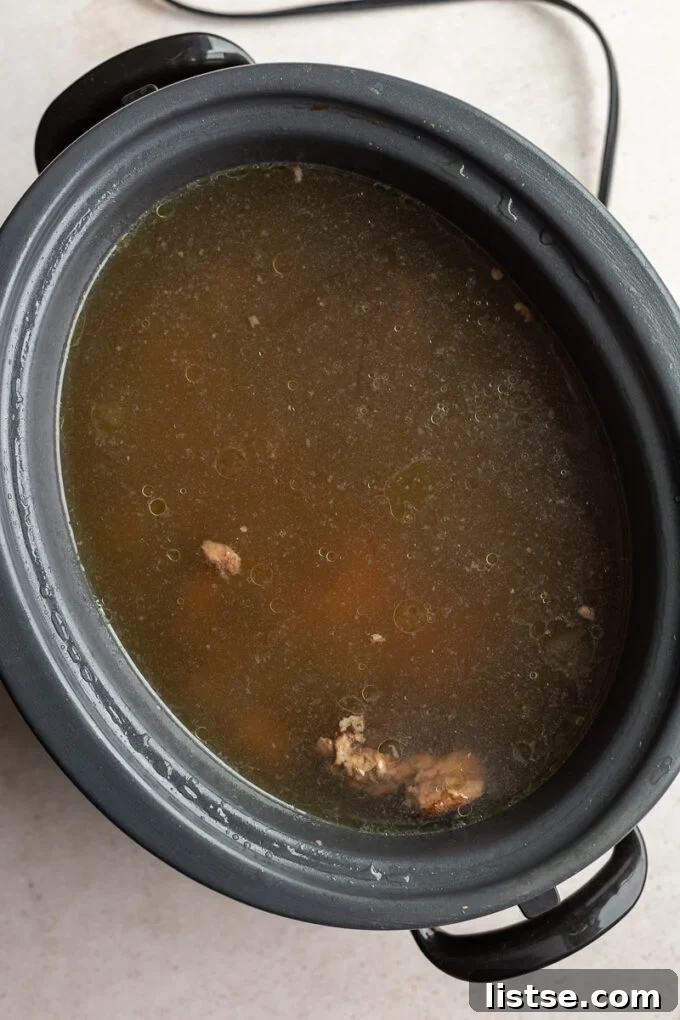
- Soup Bones: The foundation of any great bone broth. For this recipe, we recommend collagen-rich beef soup bones, which you can readily find at most local grocery stores or butcher shops. These bones are fantastic because they yield a deeply savory broth and, more importantly, are packed with collagen. Collagen transforms into gelatin during the long cooking process, providing numerous health benefits for your dog, especially for joint and gut health. Marrow bones also add valuable fats and nutrients.
Understanding the Bones
The type and quality of bones you use significantly impact the nutritional value and gelatin content of your bone broth. Aim for a variety of bones, including those with joints (like knuckle bones) and marrow bones, as they are richest in collagen, cartilage, and marrow. If possible, opt for bones from grass-fed, pasture-raised animals to ensure higher nutrient density and fewer unwanted chemicals.
Tailoring the Recipe: Variations and Safe Substitutions
While the base recipe is excellent, feel free to experiment with other dog-safe ingredients to introduce variety and different nutrient profiles into your bone broth. Always prioritize your dog’s safety by researching any new ingredients.
- Assorted Bones: Don’t limit yourself to just beef bones. Explore other options like chicken feet (incredibly rich in gelatin and collagen), turkey carcasses, lamb bones, or even pork hocks. Combining different types of bones can lead to a richer, more complex broth with an enhanced gelatin content.
- Different Vegetables: Many vegetables are safe and healthy for dogs. Consider adding small amounts of green beans, spinach, broccoli florets (in moderation due to gas), zucchini, or pumpkin. Always ensure vegetables are thoroughly cooked and soft.
- Different Fruits: Beyond blueberries, numerous fruits can safely be included. Remember to remove any seeds, pits, or cores as these can be toxic or choking hazards. Safe options include apples (no seeds/core), cantaloupe, cranberries, mango (no pit), oranges (peeled), peaches (no pit), pears (no seeds/core), strawberries, and raspberries.
- Herbs for Added Benefits: Certain herbs can offer additional nutrients and flavor. Dog-safe herbs include small amounts of fresh parsley (a natural breath freshener), oregano, basil, rosemary, turmeric (known for anti-inflammatory properties), and ginger (can aid digestion).
What NOT to Include: Toxic Foods for Dogs
It is crucial to be aware of ingredients that are highly toxic to dogs and must be avoided at all costs. Never add these to your bone broth:
- Garlic and Onions: These are highly toxic to dogs and can cause red blood cell damage. This includes chives, leeks, and shallots.
- Xylitol: An artificial sweetener found in many human foods, it is extremely dangerous for dogs.
- Grapes and Raisins: Can cause kidney failure in dogs.
- Avocado: Contains persin, which can be toxic to dogs in large amounts.
- Chocolate and Caffeine: Highly toxic and can be fatal.
- Alcohol: Never give alcohol to dogs.
Step-by-Step Guide: Crafting Your Dog’s Bone Broth in a Slow Cooker
The slow cooker is an ideal tool for making bone broth due to its ability to maintain a consistent low temperature over an extended period. This long, gentle cooking process is essential for breaking down the bones and connective tissues, ensuring the maximum extraction of valuable nutrients like collagen, amino acids, and minerals. Here’s how effortlessly you can prepare this beneficial broth for your canine companion:
Preparing Your Ingredients
- Ensure all vegetables are thoroughly washed. Roughly chop 2-4 carrots, 2-4 celery sticks, and one medium sweet potato into bite-sized pieces. The size doesn’t need to be precise, as they will cook down significantly.
- Measure out ½ cup of fresh blueberries.
- Have your 3-4 medium soup bones (beef bones are excellent for this) ready. If desired, you can briefly roast the bones in the oven at 400°F (200°C) for 20-30 minutes before adding them to the slow cooker. Roasting can enhance the flavor and color of the final broth, though it’s an optional step.
- Prepare 2 tablespoons of apple cider vinegar.
The Slow Cooker Process
- Combine Ingredients: Carefully place all the chopped carrots, celery, sweet potato, blueberries, apple cider vinegar, and soup bones into your slow cooker.
- Add Water: Fill the slow cooker with filtered water until all the ingredients are fully submerged. Leave about an inch or two of space from the rim to prevent overflow during cooking.
- Slow Cook: Secure the lid on your slow cooker. Set the temperature to the “Low” setting and cook for a minimum of 10 hours. For an even richer, more potent broth, you can extend the cooking time up to 18-24 hours. The longer the bones simmer, the more nutrients and gelatin will be extracted.
- Cool and Strain: Once the cooking time is complete, turn off the slow cooker and allow the broth to cool significantly. This is a crucial step for safety and handling. Once it’s cool enough to handle, carefully strain the entire contents through a fine-mesh sieve or colander into a large bowl or container. Discard all the solids – bones, cooked vegetables, and fruits. Never give cooked bones to your dog, as they can splinter and cause severe internal injury.
Expert Tips for the Perfect Bone Broth
- Utilize Veggie Scraps: Embrace sustainability! When preparing meals for your family, save dog-safe vegetable scraps like carrot ends, celery tops, apple peels (ensure no seeds), and potato skins. Freeze these along with any bone scraps you might have (raw bones only, never cooked) to create an even more economical and eco-friendly broth.
- Roast Bones for Flavor: While optional, roasting your bones in the oven for 20-30 minutes at 400°F (200°C) before slow cooking can significantly deepen the flavor and color of your broth.
- Skim the Fat: After the broth cools, it will often form a layer of fat on top. While some fat is beneficial, a thick layer can be too rich for some dogs. You can easily scrape off and discard this solidified fat before serving.
- Gelatinization is Key: A sign of a high-quality, nutrient-dense bone broth is its gelatinous consistency when chilled. If your broth turns into a jelly-like substance in the fridge, it means you’ve successfully extracted a good amount of collagen and gelatin, which is fantastic for joint and gut health. If it doesn’t gel, it’s still nutritious, just perhaps less concentrated in collagen.
- Vary Your Bones: Don’t stick to just one type of bone. Rotating between beef, chicken, or turkey bones (including feet and necks) will provide a broader spectrum of nutrients and amino acids, ensuring a well-rounded benefit for your dog.
- Strain Thoroughly: Always, without exception, strain the bone broth meticulously to remove every single bone fragment, no matter how small. Cooked bones are brittle and can splinter, posing a serious choking hazard or causing internal damage if ingested by your dog.
- Portion for Convenience: This recipe yields a large batch. For easy daily use, portion the cooled broth into smaller containers or even ice cube trays before freezing. This allows you to thaw just the right amount as needed, reducing waste.
- Reuse the Bones (Cautiously): If, after the initial long cook, there’s still significant marrow or tissue left on the bones, you *might* be able to reuse them for a second, weaker batch of broth. However, most of the beneficial compounds are extracted in the first round. Never give these cooked, brittle bones as treats.
Frequently Asked Questions About Dog Bone Broth
Here are answers to some common questions about feeding bone broth to your furry friend:
Can I give my dog store-bought bone broth?
You might be able to, but extreme caution is advised. Bone broth made for human consumption often contains ingredients like garlic and onions, which are toxic to dogs. Other risky components include high levels of salt, artificial spices, and preservatives that are not suitable for canine consumption. If you choose to use store-bought broth, it is imperative to opt for organic, low-sodium, and completely unseasoned varieties, and meticulously read the label to ensure it is 100% dog-safe. The safest option is always homemade.
How do I add bone broth to my dog’s food?
First, remove any solidified fat layer from the top of the chilled, gelatinized broth. Then, simply pour ¼ to ½ cup (or more, depending on your dog’s size and dietary needs) directly over their dry kibble, wet food, or raw meals at meal times. You can also serve it alone as a nutritious and hydrating snack in a separate bowl. A general guideline is about ¼ cup, or four tablespoons, per 20 pounds of body weight per day.
Can I add herbs to bone broth for dogs?
Yes, certain dog-safe herbs can be a beneficial and flavorful addition, offering extra nutrients. Good choices include small amounts of fresh oregano, basil, parsley, rosemary, turmeric, and ginger. Always introduce new herbs in small quantities and observe your dog for any adverse reactions.
What if my bone broth doesn’t gel? Is it still good?
Absolutely! While a thick, gelatinous consistency indicates a high concentration of collagen and gelatin, a liquid broth is still packed with essential vitamins, minerals, and amino acids. The lack of gelling can depend on the type of bones used, the cooking time, and the amount of connective tissue. It remains highly nutritious for your dog.
Can puppies have bone broth?
Yes, bone broth can be very beneficial for puppies! The collagen and minerals support their developing bones and joints, while the gut-healing properties can aid their sensitive digestive systems. Introduce it in small amounts (e.g., a tablespoon or two) mixed with their food, and ensure it’s cooled to a safe temperature.
What’s the difference between bone broth and regular stock/broth?
The primary difference lies in the cooking time and the purpose. Regular broths or stocks are typically simmered for a shorter period (1-4 hours) and focus more on flavor for culinary use. Bone broth, on the other hand, is simmered for a much longer duration (10-24+ hours) with a focus on extracting maximum collagen, gelatin, amino acids, and minerals from the bones, making it a nutrient-dense health tonic.
Proper Storage for Lasting Freshness
Making a large batch of bone broth is efficient, and proper storage ensures you have this nutritious supplement readily available for your dog.
- Storing in the Refrigerator: Once your bone broth has cooled completely to room temperature, transfer the amount you anticipate using within 5 to 7 days into an airtight storage container. Keep this container in the refrigerator. Before serving, remember to skim off any solidified fat layer from the top if desired.
- Storing in the Freezer: For longer storage, the freezer is your best friend. Ladle cooled bone broth into a large freezer-safe container, heavy-duty freezer bags, or, for convenient individual servings, pour it into ice cube trays. Once frozen solid, you can transfer the broth cubes to a freezer bag for space-saving storage. You can safely freeze bone broth for up to 3 months. Always label your containers with the date to keep track of freshness. When ready to use, simply thaw the desired amount in the refrigerator or gently warm it.
As always, we love to hear about your experiences! PLEASE let me know if you make this recipe and how your furry friend enjoys it. You can come back here and leave a comment, or tag us on Instagram (@foodwithfeeling).